What would history have been like if Japan had detected the existence of the Daqing oilfield when it occupied the Northeast?如果日本在占领东北时勘测到大庆油田的存在,那么历史会是怎样的?
- 获取链接
- X
- 电子邮件
- 其他应用
What would history have been like if Japan had detected the existence of the Daqing oilfield when it occupied the Northeast?
If Japan had surveyed the Daqing Oilfield during its occupation of Northeast China, would it have avoided the Pacific theater and firmly controlled mainland China? What variables will there be in the future of China and even the entire Allied countries?
What's the use of finding out? Open or not? If it is not mined, it will be found everywhere in China. If it is mined, it will be wonderful.
In Daqing, oil was produced in 1959, and initial production began in 1963. The output was barely enough, but:
In order to achieve this output, thousands of experts, nearly 50,000 workers, and 70,000 tons of equipment were employed.
In March 1942, the Japanese army had occupied all the islands of the Dutch East Indies. In order to resume production in the Borneo oil field, Japan used 5,000 of the 7,000 petrochemical workers in the country. If 5,000 people do the work of 50,000 people, they will die of exhaustion.
After talking about industrial capabilities, let’s talk about oil quality.
Daqing Petroleum, deep oil, sour oil, heavy oil, high paraffinization.
Borneo, shallow oil, sweet oil, light oil, non-paraffinized.
Then the book has to study new oil production technology, don’t expect to have ready-made ones here, there is a big gap between Chinese oil and foreign oil, and the proportion of impurities contained is different.
Discover? What technology was used to discover?
1. The theory of continental oil formation was discovered by Li Siguang;
2. The deepest exploratory well drilled in Japan before and after World War II was more than 1,000 meters, and the equipment was purchased from the United States. This is the only set;
3. Daqing oil products are high-paraffin and coarse-sand type, while Locust Country can’t even deal with high-sulfur type;
4. The industrial capacity of the locust country. The oil wells that have not been completely destroyed in Brahmania have to be repaired for more than one year. The oil wells with an average length of 3,000 meters in Daqing are beautiful.
As for the hypothesis of this question, I am afraid that I have read too many animation novels, and the Japanese Empire, which is tied to the Showa rocket, cannot rationally measure the advance and retreat.
The United States has always been supplying Japan with crude oil and steel, and it is still preventing the Japanese army from going south, and the reason why the Japanese army has never forgotten Indochina from the beginning is not only oil, but also rubber, nickel, aluminum, and copper.
It really allowed Japan to obtain Daqing's oil, and the overexpanded Japan will urgently need raw material bases in Southeast Asia for the "glory of the empire" and to expand more equipment.
(We already have plenty of fuel! Now it's just short........)
On the other hand, after the United States and Europe lose oil as a means of restraining Japan, the original method of appeasement will lose its meaning, because no matter how you appease, Japan is determined to win China. The resources in Southeast Asia are also the core interests of Europe and the United States, and it is impossible to sell them.
Then what can be done is to arm China and make the Chinese government a chess piece that can be used to fight against Japan, so as to fight against Japan. In this way, it can protect its own interests and obtain Japan's cooperation.
As far as China is concerned, Jiang Gong's heroic foresight must use this to bargain with the US and European powers to obtain more benefits, and at the same time use European and American aid to give priority to "suppressing the Communist Party."
But this level is difficult to grasp. If Jiang Gong is too keen on internal fighting and his combat effectiveness in resisting Japan is as stable as before, the United States and Europe are likely to try to choose new agents. This process will probably lead to more serious internal fighting and a further decline in the combat effectiveness of the national army.
The Soviet Union may be forced to increase its troops in the east due to the increase in the strength of the Japanese army. The western front will be more difficult, but it can still persist.
The United States will still wait for an opportunity to enter the market after Japan crushes the national army and advances into Southeast Asia.
Then everything was back on track again.
It won't change anything, really, don't think too much, gentlemen.
From the beginning of Showa in Japan, it was destined to be this result.
In addition to oil and steel, there is another industrial necessity, that is rubber!
And why did the United States ban Japan from importing these three items? Petroleum, scrap steel and rubber. Because there is a shortage in Japan, wait a minute, isn't there iron ore in the Northeast? The production capacity caused by industrial production capacity is limited, and the problem of oil production capacity can be imagined in the same way.
And if Japan has all the steel and oil, and the synthetic rubber that only appeared after the Golden Finger war, the United States, the world's largest industrial country, can rest assured that the Japanese will swallow China? If we let it go, will the next step be to embezzle the Philippines of the Americans? Is it time to replace the number one throne in the world to become bigger and stronger? In fact, after Japan took over France's Vietnam, the Americans knew that there must be no good end. It's no wonder the Yankees don't strangle Japan in other ways.
Although the Pacific Ocean is large, it cannot accommodate two great powers.
No effect
Just think about how hard it is for us to develop the Daqing Oilfield. It is even more difficult for Japan to do this in the invaded area. In terms of the environment in the Northeast, once Japan discovers oil fields, can the Communist Army, the National Army, and even the Soviet Union ignore it? It’s just making the Northeast more chaotic. Even Daqing may be ceded to the Soviet Union, at least it must be given to Big Brother for decades of oil...
Therefore, even if Japan discovered the Daqing Oilfield, it would not dare to develop it, and could only hide it until it gained a firm foothold. In this way, if it is discovered but not developed, it will have no impact on the war situation. Maybe it will speed up Japan's offensive speed? But China has not been destroyed in three months, so how can it be added if it is accelerated?
During World War II, the land of Daqing belonged to Manchukuo, a slave state of Japan that assisted the Axis powers in attacking the Allies. This is also the legal basis for the Soviet Red Army's plundering in Northeast China. They were transporting machines, railroad tracks, and glass slag from the defeated countries back to the Soviet Union as war compensation. The Red Army was robbing the defeated Manchukuo, not the victorious Republic of China.
Knowing this, you can start to hypothesize.
If Japan discovered the Daqing Oilfield during World War II, and roughly proved its reserves.
The Soviet Union will send troops to Northeast China as soon as possible, and after World War II, it will make territorial claims on at least the place where Heilongjiang Province is now, and will not ask for the four northern islands that are not shit. With the strength and strength of the Soviet Union, this request is likely to be realized.
After that, Northeast China will become the Manchurian Autonomous Republic and join the Soviet Union. Han, Manchu, and North Korean elites will be purged by Stalin, and the melon-eating natives will be forcibly educated in Russian style. See Fate of Outer Mongolia.
After the disintegration of the Soviet Union, the Northeast will become independent, but it will only become Manchukuo independently, and it will be difficult to merge into the People's Republic of China.
Obviously, after the Japanese army occupied French Indochina, the United States and Britain made up their minds to show hostility to Japan and started the real embargo. How did it become led by the United States? Co-authoring to supply Japan with technology, steel, oil, and condoning Japan's invasion of China is all to lead Japan to war against the United States. The co-author of the imperial meeting on July 2 confirmed that after going south, the U.S. government hesitated for more than 20 days. The dream of restoring Japan was also to guide Japan to war against the United States. One of the most important appeasements in the entire World War II has become a big chess game played by the Americans? You still think it’s great to use the Chinese as pawns, don’t you? ! And now it's pushing the nose on the face!
For the Japanese militaristic government before World War II, it can be said that the oil has been bitter for a long time. Japan was the core country of the Axis powers during World War II. Aircraft and tanks depended entirely on oil. In order to keep the huge war machine running, the importance of oil is self-evident. However, limited by the local geological conditions, almost no oil is produced on Japan's 378,000 square kilometers of land.
There are only four sources of its oil:
First, import from the United States, which accounts for 80% of Japan's total oil consumption;
Second, it was imported from the Dutch East Indies at that time, and this channel accounted for about 10% of Japan's total oil consumption;
Third, production from the Sakhalin oil field in the south of Sakhalin Island (Sakhalin Island), which accounts for about 8% of Japan's oil consumption;
Fourth, oil is produced artificially from resources such as the Fushun oil shale in China that it occupies, but the output is very small. Oil, the lifeblood of the war, has always been in the hands of the Americans. Naturally, Japan began to search for oil resources throughout Southeast Asia.
Then the question arises: since Japan stationed troops in Northeast China in 1905, Japan has occupied Northeast China for 40 years. Even if it has fully occupied Northeast China in 1931, it has been 14 years. Why did the Japanese not discover the Daqing Oilfield? How could the Japanese not go all out to find oil? It even dreams of finding oil from the Northeast.
At that time, there was an organization in Japan called Manchuria Coal Mine Co., Ltd. As early as 1926, it went to Northeast China to find oil. By 1928, the Japanese were more and more eager to find oil in Northeast China. The Japanese geological expert Kunitaro Shindai, who was then a counselor of the Manchurian Railway Geological Survey Institute, led people along the Dongqing Railway to the forest area in the upper reaches of Mudanjiang to search for oil in the spring of 1929, but after more than two months of exploration, they found nothing. Unwilling to give up, he conducted a second exploration in the Zhalainuoer Coal Mine in Manzhouli in April 1930, but failed again. Not only this group of people. In order to find oil in the Northeast, Japan invested a lot of manpower and material resources at that time, and exhausted all the exploration and mining equipment they had at the time, but they never found a drop of oil. Until the outbreak of the "Pacific War" in 1941, all Japanese oil exploration teams in China were conscripted to Southeast Asia to participate in the restoration and exploitation of oil fields there (the British and Dutch troops destroyed the oil fields when they were withdrawing), "finding oil in Northeast China "That goal was eventually dropped.
Is it because the Japanese exploration ability and technical level are not good enough? Not exactly, looking back now, it was actually very dangerous back then. According to the memories of Xu Jingbo, a scholar living in Japan, in 2010, he and a Japanese guest visited Luan Ying, who was then the deputy mayor of Daqing City. "Songji Mitsui" is only 2 kilometers away - the depth of the well drilled by the Japanese at that time was 1,000 meters, and "Pineji Mitsui" sprayed oil when it was drilled to a depth of 1,300 meters. Just 300 meters away. According to Li Sheng, director of the Archives Bureau of Anda City, Heilongjiang Province, and director of the Anda City Chronicle Office, there is a well called "Sayi Well" in the main oil producing area of Daqing Oilfield. to the oil layer. And this well is even closer to the wells drilled by the Japanese - only 1 kilometer away. If the Japanese had moved the well drilling position by one more kilometer, or drilled a few more wells, they would have been the first to discover the Daqing Oilfield. In addition to the so-called "luck" and "technology", the reason why the Japanese did not discover the Daqing Oilfield had a lot to do with the Northeast Anti-Japanese Alliance and the underground anti-Japanese armed forces led by the Communist Party, according to Li Sheng.
The Xingshu Gang where the "Sayi Well" was drilled was the base camp of the local anti-Japanese guerrillas back then. Under the frequent harassment and attacks, it is actually difficult for the Japanese to dig wells and drill oil with great fanfare. In other words, in fact, the Japanese were not able to freely explore in Northeast China as we imagined.
In 1958, under the premise of detailed demonstration and exploration, New China set its sights on the most promising Songliao Plain (Northeast Plain).
In April, "Songliao Petroleum Exploration Brigade" was established, in May it was upgraded to "Songliao Petroleum Exploration Department", and in June it was upgraded to "Songliao Petroleum Exploration Bureau".
In July 1958, the 32118 drilling team of Songliao Petroleum Exploration Bureau drilled the first drilling 16 kilometers east of Renmin Town, Anda County, Heilongjiang. Period strata, but no oil and gas were found. One month later, the 32115 drilling team drilled the "Songji No. 2 Well" in the north of Donglehe Village, Jilatu Township, Qiangolluosi Mongolian Autonomous County, Jilin Province, but no industrial oil flow was found.
In April 1959, the 32118 drilling team drilled again in Yongyue Village, Gaotaizi Town, more than 130 kilometers away from the "Songji No. 1 Well". This is the famous "Songji No. 1 Well". sexual oil flow. The Daqing Oilfield was born in this way, and the "China's oil-poor theory" was self-defeating, and China's oil industry has since opened a new page in the history of the Republic.
This is the photo.
如果日本在占领东北时勘测到大庆油田的存在,那么历史会是怎样的?
发现了有什么用?开不开采?不开采,那就是中国省的到处找,要是开采,那就精彩了。
大庆,59年出油,63年开始初步生产,产量倒是勉强够用了,不过:
为了达到这个产量,动用了上千位专家,接近5万名工人,七万吨设备器材。
1942年3月,日军已经占领荷属东印度群岛的全部岛屿,为了让婆罗洲油田恢复生产,日本就动用了全国7000名石化工人中的5000人。 5000人干5万人的活,怕是要累死。
讲完工业能力,我们来讲讲石油品质,
大庆石油, 深层油,酸油,重油,高石蜡化。
婆罗洲,油浅层,甜油,轻油,无石蜡化。
然后本子还得专业研究新的石油生产工艺方法,这里不用指望有现成的,中国油和外国油油品差距大,含有的杂质比量不同。
发现?拿什么技术发现?
1. 陆相成油理论是李四光发现的;
2.日本二战前后钻探最深的探井是1000多米,设备是采购美国的,仅此一套;
3.大庆油品是高石蜡粗沙型,而蝗国连高硫型都搞不定;
4.蝗国工业能力捉鸡到婆罗门洲未被完全破坏的油井都要维修一年以上,大庆平均3000米的油井画美不看。
链接:https://www.zhihu.com/question/39321635/answer/263269470
来源:知乎
著作权归作者所有。商业转载请联系作者获得授权,非商业转载请注明出处。
至于这个问题的假设,怕是动画小说看多了,被绑上昭和火箭的日本帝国,根本不可能理智的衡量进退。
美国始终给日本供应原油钢铁的情况下还防备着日军南下,而且日军也从一开始就念念不忘印度支那的原因,不仅仅是石油,是因为那里还有橡胶,镍、铝、铜。
真让日本获取了大庆的石油,过度膨胀的日本上下会为了“皇国的荣耀”,为了扩充更多的装备,更加迫切的需求东南亚的原料基地。
(我们已经拥有充足的燃料了!现在就差........)
另一方面,美欧失去石油这个钳制日本的手段后,原有的绥靖方式就失去了意义,因为无论你怎么绥靖,日本对中国都是志在必得。而东南亚的资源同样是欧美的核心利益,不可能出让。
那么能做的就是武装中国,让中国政府成为可以利用的棋子对抗日本,从而上下其手,通过这种方式来维护自己的利益,获取日本的配合。
在中国来说,以蒋公的英伟远见,必然是借此和美欧诸强讨价还价获取更多利益,同时利用欧美援助优先“剿共”。
但是这个程度很难把握,如果蒋公过于热衷于内斗,在抗日方面表现的战斗力一如既往的稳定的话,美欧很可能会尝试选择新的代理人。这个过程多半会带来更严重的内斗和国军战斗力的进一步下滑。
苏联方面可能会因为日军实力的增强而被迫在东方增加兵力,西线会更艰难,但是仍然能坚持下去。
美国依旧会在日本一路碾压国军高歌猛进东南亚后伺机入场。
随后一切再度步入正轨。
并不会改变什么,真的,诸君不要想多了。
从日本开始昭和,就注定是这个结果了。
除了石油钢铁还有一种工业必需品,那就是橡胶啊!
还有为什么美国禁止日本进口这三样?石油,废旧钢铁和橡胶。因为日本缺啊,等等东北不是有铁矿么?工业生产能力导致的产能有限啊,同理可以想象石油产能问题。
再假如日本钢铁石油都有了,金手指一开战后才出现的合成橡胶也有了,作为世界第一工业国的美国就放心的让日本人把中国吞下去?放任下去下一步是不是还要侵吞美国人的菲律宾?再做大做强世界第一宝座是不是该换人了?事实上在日本接收法国的越南后美国人就知道肯定善终不了了。扬基佬不在其他方面勒住日本脖子才怪。
太平洋虽大,但是容不下两个强权。
没有影响
想想咱们自己开发大庆油田多费劲就知道了,日本想要在侵略区这么干,难上加难,这不是人多人少的事,而是专业人员能不能一心扑在工作上的事。以东北的环境来讲,日本一旦发现油田,共军和国军甚至苏联能看着不管?不过是把东北弄得更乱罢了,甚至大庆都有可能要割给苏联,最少也得是白给老大哥几十年石油…
所以日本就算发现了大庆油田,也不敢开发,只能藏着掖着,等站稳脚跟再说。这么一来,发现而不开发,对战局就无所谓影响不影响了,或许会加速日本进攻速度?可三个月灭亡中国都没做到呢,再加速能加到哪去
二战期间,大庆这块地方属于满洲国,满洲国是日本的仆从国,协助轴心国攻打同盟国的。这也是苏联红军在中国东北大肆劫掠的法理依据,他们是在把战败国的机器、铁轨、玻璃渣子当做战争补偿运回苏联。红军当时抢的是战败的满洲国,而不是战胜的中华民国。
搞清楚这一点,就可以开始假设了。
如果日本二战期间发现大庆油田,并且大致探明了储量。
苏联会尽早出兵中国东北,并且在二战后,对至少现黑龙江省这块地方提出领土要求,而不会要鸟不拉屎的北方四岛。以苏联的胳膊粗力气大,这种要求很可能会实现。
之后,中国东北会变成满洲自治共和国加入苏联,汉、满、朝,这些土著的精英分子会被斯大林清洗,吃瓜土著被强行俄式教育。参见外蒙命运吧。
苏联解体后,东北这旮瘩会独立,但也只是独立成满洲国,想并入中华人民共和国,很难。
明明是日军占据法属印度支那后美英才下决心对日本表现出敌意,才开始真正的禁运,怎么就变成美国引导的了?合着给日本供应科技钢铁石油纵容日本侵略中国都是为了引导日本对美开战。合着7月2日御前会议确定南下后美国政府犹豫20多天梦想挽回日本也都是为了引导日本对美开战。整个二战里最重头的绥靖之一就这么变成美国人下的大棋了?这TM把中国人当棋子你还觉得很赞是不是?!而且现在还蹬鼻子上脸了!
对于二战前的日本军国主义政府而言,可谓苦石油久矣。日本二战时是轴心国核心国家,飞机、坦克能跑全靠石油,为了让庞大的战争机器维持运转,石油的重要性不言而喻。但受限于本土的地质条件,日本37.8万平方公里的国土上几乎滴油不产。
其石油来源只有四个途径:
第一,从美国进口,这个渠道占到了日本全部石油消费总量的80%;
第二,从当时的荷属东印度进口,这个渠道大概占到了日本全部石油消费总量的10%;
第三,从萨哈林岛(库页岛)南部的萨哈林油田生产,产量大概占到了日本石油消耗量的8%;
第四,从占领的中国抚顺油页岩等资源中人工制油,但产量非常小。发动战争的命脉—石油,一直被捏在美国人手里,日本自然如鲠在喉,开始在整个东南亚遍寻石油资源。
那么问题就来了:从1905年日本在东北驻军开始,日本强占中国东北40年,就算从1931年全面侵占东北算起,也有14年之久,日本人为什么没发现大庆油田?日本人怎么可能不全力以赴去找油呢?它甚至做梦都想从东北找到石油呢。
当时,日本有一个机构,叫满洲炭矿株式会社,早在1926年,它就专门跑到中国东北来找石油。到了1928年,日本人在中国东北寻找石油的心情愈加迫切。时任满铁地质调查所参事的日本地质专家新带国太郎就曾在1929年春天带着人,沿东清铁路到牡丹江上游的森林地带寻找石油,但经过两个多月的探察却一无所获。不死心的他在1930年4月又在满洲里的扎赉诺尔煤矿进行过第二次勘探,再次失败。不止这一路人马。为了在东北找到石油,日本当时投入了大量人力物力,也用尽了当时他们所掌握的一切勘探和采矿设备,但始终没有发现一滴油。直到1941年“太平洋战争”爆发,所有日本在中国勘探石油的队伍都被征调到了东南亚,参与那里的油田恢复和开采(英军和荷军在撤离时摧毁了油田),“在中国东北找到石油”这个目标最终被放弃。
是日本人勘探能力和技术水平不行吗?也不完全是,现在回过头来看,其实当时还是很凶险的。根据旅日学者徐静波的回忆,2010年,他和一位日本客人拜访时任大庆市副市长的栾莹,栾莹曾告诉他,当时日本人打的其中一口井,离后来喷油的“松基三井”只有2公里远——当时日本人打的井深度是1000米,而“松基三井”是打到1300米深时喷油的。就差300米。而根据黑龙江省安达市档案局局长、安达市志办主任李生的回忆,大庆油田的主力产油区有一口井叫“萨一井”,这口井当年下钻到680米的时候就遇到了油层。而这口井与当年日本人打的井距离更近——相距仅1公里。如果当时日本人把打井的方位再多挪一公里,或者多打几口井,那么就很有可能率先发现大庆油田。日本人当初之所以没发现大庆油田,除了所谓的“运气”和“技术”之外,按照李生的说法,还和当年共产党领导的东北抗联和地下抗日武装有很大关系。
在打出“萨一井”的那个杏树岗,当年就是当地抗日游击队的大本营。在频繁的骚扰和袭击下,日本人其实很难大张旗鼓地拉开架势打井钻油,换句话说,其实当年日本人也并非像我们想象的那样,能大摇大摆地在中国东北随意勘探。
1958年,在经过详细论证和勘探的前提下,新中国把目光瞄准了希望最大的松辽平原(东北平原)。
4月,“松辽石油勘探大队”成立,5月升格为“松辽石油勘探处”,6月再升格为“松辽石油勘探局”。
1958年7月,松辽石油勘探局32118钻井队在黑龙江安达县任民镇以东16公里处打下了第一钻,这就是“松基一井”,钻到了地下1879米,钻穿了白垩纪地层,但没有发现任何油气。一个月后,32115钻井队在吉林省前郭尔罗斯蒙古族自治县吉拉吐乡咚勒赫村北打下“松基二井”,仍没有发现工业性油气流。
1959年4月,32118钻井队在离“松基一井”130多公里远的高台子镇永跃村再度开钻,这就是著名的“松基三井”,达到井深1050米处开始喷出工业性油流。大庆油田就这样横空出世,“中国贫油论”不攻自破,中国的石油工业也从此在共和国的历史上掀开了新的一页。
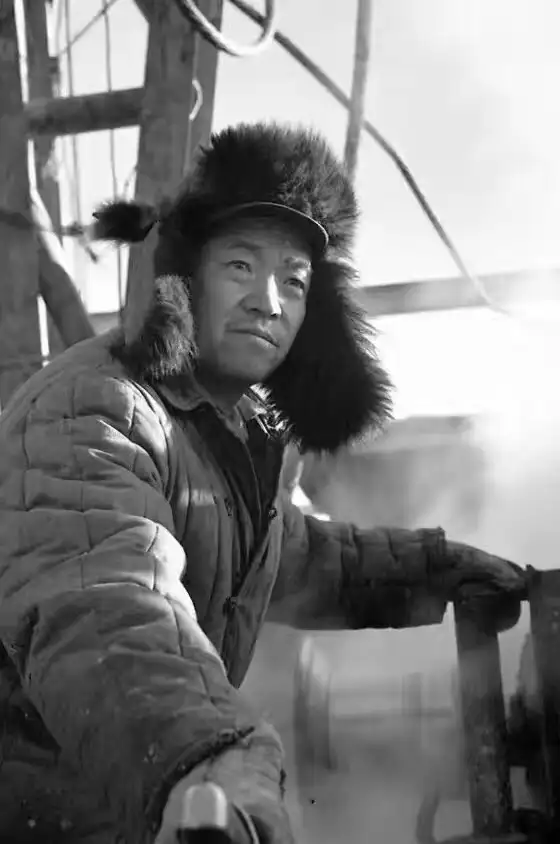
就是这张照片。
这个纬度,新疆、内蒙都是可能出油的,并非只在东北。
然后钻井设备都是有标准的,444.5mm、346.1mm、241.3mm、215.9mm,还有其他一些,不用他猜,钻井的时候都用得上,也不用他提前准备。
还有,这张照片是钻井现场,没有采油设备,估算储量和产量就是扯淡,卫星照片还差不多。
手型就更扯淡,我懒得驳
再说了,谁说大庆油田是机密?之前克拉玛依都不是机密,大庆也不是,当初主要官媒都是从头到尾报道大庆会战的
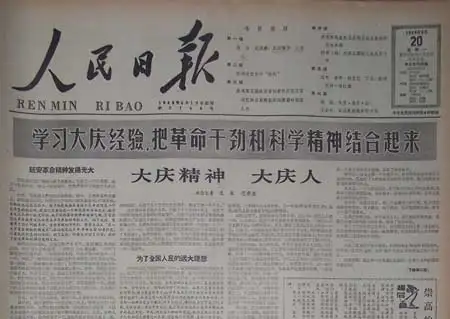
就算没看过这些报道,但有句口号大家都听过:农业学大寨,工业学大庆!都成口号了,怎么会是机密。
第一,根据照片上王进喜的衣着判断;
第二,通过照片中王进喜所握手柄的架势,推断出油井的直径;
第三,从王进喜所站的钻井与背后油田间的距离和井架密度,推断出油田的大致储量和产量。
1
1959 年 9 月 26 日下午 4 点,黑龙江省安达县高台子镇永跃村旁。
一大群人在一个井口默默等待,整个现场的空气像凝固一样,鸦雀无声。
忽然,井口传来了液体的涌动声。
然后,一股浊黑色的液体就这样喷了出来。
霎时间,周围等待的人群发出了巨大欢呼,很多人泪流满面地鼓掌,挥拳,拥抱。
这群人中,有科学家,有工人,也有自发赶来围观的当地群众。
因为那股浊黑色的液体,不是别的,是石油。
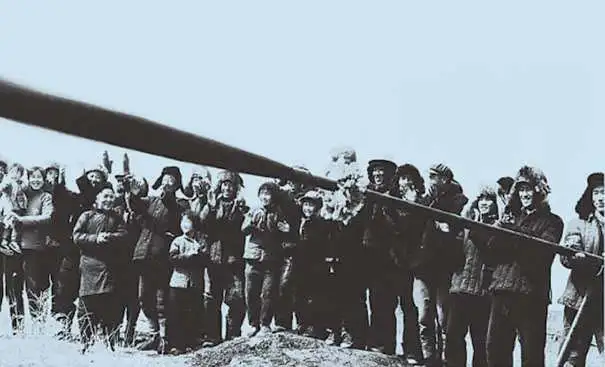
大庆发现第一桶石油时的现场
时值中华人民共和国成立十周年大庆前夕,所以这个油田就被命名为「大庆油田」。
2
中国人苦石油久矣。
按照传统的石油地质理论,石油仅仅由海洋生物生成,这也就是「海相生油」理论。
1913 年,美国的美孚石油公司曾组织了一个调查团到中国的山东、河南、陕西、甘肃、河北、东北和内蒙古部分地区进行石油勘探调查,一无所获。
据此,美国明尼苏达大学的埃蒙斯教授在 1921 年下了结论:「所有的产油层几乎毫无例外地都是海相地层或与海相地层密切相关的淡水地层。」
而在 1922 年,美国斯坦福大学地质学教授勃拉克韦尔德也强调:「中国没有中、新生代海相沉积。」
换句话说,因为中国的地质地貌构成多为「陆相」,大家都认为是
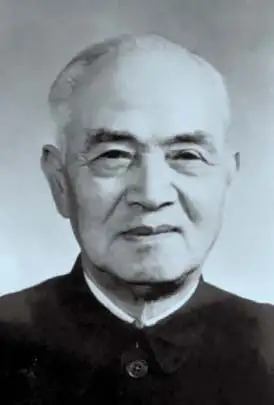
李四光。
在相当长一段时间里,国内媒体把大庆油田的发现全都归功于李四光,但随着资料的逐步公开,在大庆油田的发现乃至中国石油储量的论证、勘探和开采的过程中,还有黄汲清、谢家荣等一批中国科学家和石油一线开采工人的功劳,甚至还有匈牙利地震队的贡献
产不出石油的。
但是,一批又一批的中国地质学家和石油勘探专家,就是不信这个邪。
1958 年,在经过详细论证和勘探的前提下,中国人把目光瞄准了希望最大的松辽平原(东北平原)。
4 月,「松辽石油勘探大队」成立,5 月升格为「松辽石油勘探处」,6 月再升格为「松辽石油勘探局」——三个月连升三级,受重视程度可见一斑。
1958 年 7 月,松辽石油勘探局 32118 钻井队在黑龙江安达县任民镇以东 16 公里处打下了第一钻,这就是「松基一井」。
一个月后,32115 钻井队的第二钻在吉林省前郭尔罗斯蒙古族自治县吉拉吐乡咚勒赫村北打下,这就是「松基二井」。
「松基一井」打了 9 个月,钻到了地下 1879 米,钻穿了白垩纪地层,但没有发现任何油气。
「松基二井」打了 13 个月,打到了地下 2887.63 米,虽然没有发现工业性油气流,但在打钻过程中发现了大量油沙和油花气泡。
1959 年 4 月,还是打「松基一井」的 32118 钻井队,在离「松基一井」130 多公里远的地方再度开钻,这就是著名的「松基三井」。
「松基三井」打到地下 1050 米深处的时候,就已经连续在 6 个井段取出的粉砂岩和细砂岩岩芯中,发现了油浸和含油现象。
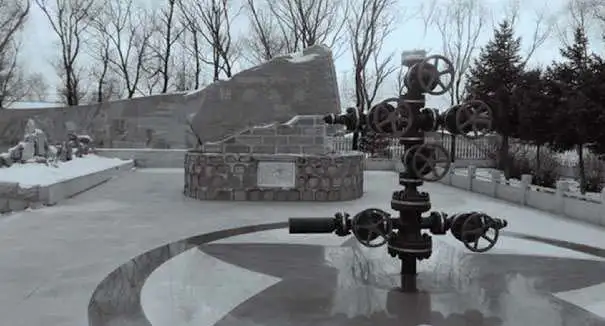
「松基三井」纪念碑。
碑上由原中顾委常委康世恩题写碑文:大庆油田发现井——松基三井
所以,1959 年 9 月 26 日的那次喷油,其实并没有太出人意料。
不过,在那一个足以载入历史的时刻,大家的欢欣心情还是可以想象的。
大庆油田的发现,标志着当时的中国已经可以开始实现石油基本自给自足,用当时人们的一句话说就是:「把『贫油』的帽子甩到太平洋里去了!」
当然,大庆油田的发现,不会让所有人都陷入狂欢之中。
比如日本人。
3
日本人苦石油之久,犹胜中国。
受限于本土的地质条件,日本 37.8 万平方公里的国土上几乎滴油不产。
虽然在二战爆发前,石油在日本的能源总耗量中占比不高,但几乎全部集中于军事战略用途——对于已经被绑上军国主义疯狂战车的日本而言,石油的重要性不言而喻。
在二战爆发前,日本的石油来源只有四个途径:
第一,从美国进口,这个渠道占到了日本全部石油消费总量的 80%;
第二,从当时的荷属东印度进口,这个渠道大概占到了日本全部石油消费总量的 10%;
第三,从萨哈林岛(库页岛)南部的萨哈林油田生产,产量大概占到了日本石油消耗量的 8%;
第四,日本从占领的中国抚顺油页岩等资源中人工制油,但产量非常小。
所以这是一件显而易见的事:日本发动战争的命脉——石油,是一直捏在美国人手里的。
这也是在「太平洋战争」爆发前,日本对美国一直忍气吞声的重要原因。
在此之前,作为缺乏资源的岛国日本,其实一直在拼命囤积石油,但即便如此,日本也只储备了 500 万吨的石油,这在庞大的战争消耗中很可能撑不过半年。
随着二战欧洲战场的扩大,奉行「孤立主义」的美国人开始渐渐对日本人提高了警惕,更何况,他们本来在道义上就有亏——他们卖给日本人的石油,大多都被用到了对中国的侵略战争中,尤其是那些肆无忌惮地在中国不设防城市上空狂轰滥炸的日本轰炸机,用的都是从美国进口的石油。
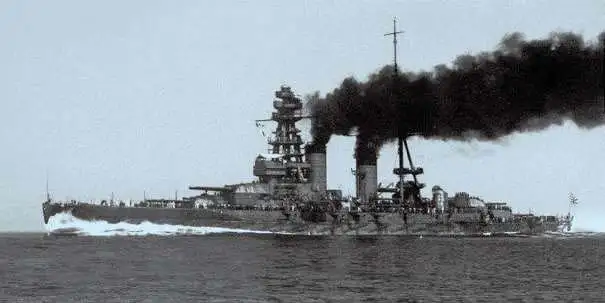
日本联合舰队旗舰「长门号」(在「大和号」服役之前)。
日本联合舰队虽然当时威风凛凛,但一旦失去石油供给就会立刻瘫痪
1941 年 6 月,牵涉到美国人自己利益的底线终于被打破——日本放弃对抗苏联,而是全力开始进攻东南亚攫取资源。
在美国人的牵头下,英国、荷兰等国家终于开始对日本施行全面石油禁运。
日本在侵略战场上手舞足蹈的陆军和早就蠢蠢欲动的海军,顿时就陷入断油恐慌。
于是,日本狂热的军国主义者们终于有了孤注一掷的最好借口:与其忍辱偷生,吐出之前所有的侵略成果,不如冒死一战,打出一个今后永远不会缺资源的「大东亚共荣圈」。
1941 年 12 月 7 日(当地时间),夏威夷的珍珠港烟火冲天,陷入癫狂的日本人终于和美国人开战,与此同时,大批枕戈待旦的日本部队开始突袭东南亚抢夺资源,尤其是石油资源。
那么问题就来了:
日本人对石油如此渴求,他们强占中国东北那么多年,为什么没发现大庆油田?
- 获取链接
- X
- 电子邮件
- 其他应用


评论
发表评论