Three Hundred Domains of Edo and its Fifty Satsuma Domains江户三百藩其五十萨摩藩
Three Hundred Domains of Edo and its Fifty Satsuma Domains
During the 260-year rule of the Edo Shogunate (1603-1868), there were more than 500 large and small vassal states in Japan. On average, there were about 270 vassal states in each era. Therefore, it is called "Three Hundred Domains of the Edo Shogunate". Today we will officially introduce the Satsuma Domain (PS: Since the content of the Satsuma Domain is too much, I will talk about it in separate chapters).
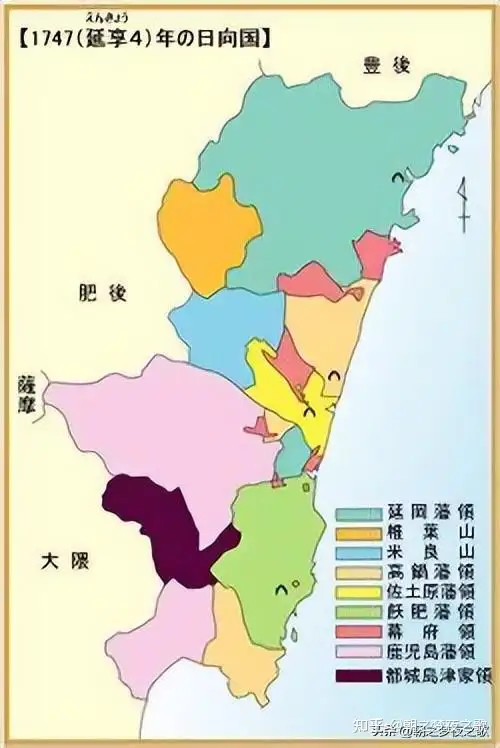
The Satsuma Domain was a feudal state in the Kyushu region during the Edo period. It was also known as the "Kagoshima Domain" because its domain office was located in Kagoshima Castle, and the domain owner was the Shimadzu family. Its territory includes all of the Satsuma and Osumi countries, as well as most of the Hyuga country. The surface stone height is 770,000 shi, except that if the 120,000 shi territory of the Ryukyu Kingdom conquered by him is added, the stone height of the Satsuma domain is nearly It is a giant of 900,000 stones (data at the end of the Bakumura), and it is the second largest feudal kingdom in Japan except Kaga Fan. It is easily affected by natural disasters such as typhoons and volcanic eruptions, and the weight of unhulled rice is calculated when the stone height is calculated, so the actual stone height needs to be greatly discounted. If it is converted into the weight of shelled rice In other words, it is estimated that the actual stone height of the Satsuma domain may only be about 360,000 stone (excluding Ryukyu).
It is said that with the death of Toyotomi Hideyoshi and Maeda Toshiie in the third year of Keicho (1598) and the fourth year of Keicho (1599), Tokugawa Ieyasu, the head of the five elders of the Toyotomi regime, further expanded his power and Taking the opportunity to suppress the other five elders and five obedient forces, coupled with the deepening of the contradiction between the Wenzhi faction and the arbitrarily faction after the death of Fengcheng Hideyoshi, the contradictions within the Toyotomi regime intensified. Finally, in the fifth year of Qingchang (1600). With the occurrence of the "Naoe State" incident, Tokugawa Ieyasu used the pretext of rebelling against Uesugi Kagekatsu to mobilize the daimyos of various countries to launch the "Aizu Conquest" against Uesugi Kagekatsu, who is also the fifth elder. The leader, Mitsunari Ishida, used Tokugawa Ieyasu's violation of the ban on private wars as an excuse, and joined forces with the anti-Tokugawa forces to attack Tokugawa Ieyasu suddenly. From this, the "Battle of Sekigahara", which determined Japan's future direction, officially broke out.
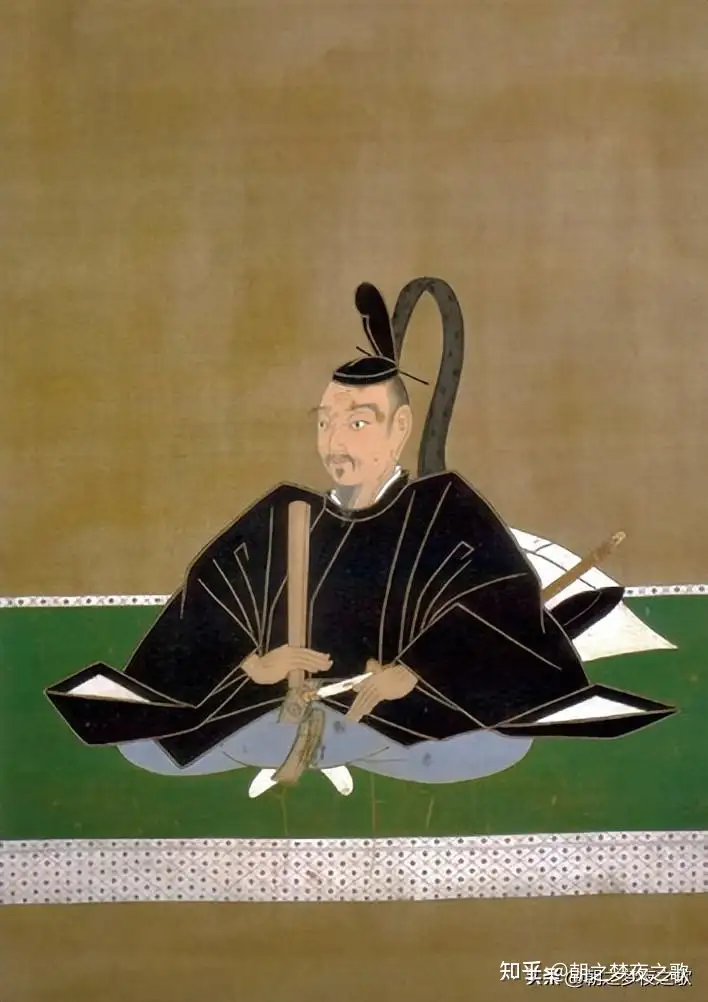
Before the outbreak of the Battle of Sekigahara, Shimadzu Yoshihiro originally accepted Ieyasu’s request for reinforcements and planned to lead an army of about 1,500 people to help Tokugawa Ieyasu’s vassal Torii Mototada defend Fushimi Castle. Or for other reasons, Torii Mototada did not receive relevant news, and rejected Shimadzu Yoshihiro's request to enter the city to assist in the defense, which made Shimadzu Yoshihiro join the Western Army angrily.
Torii Motochu
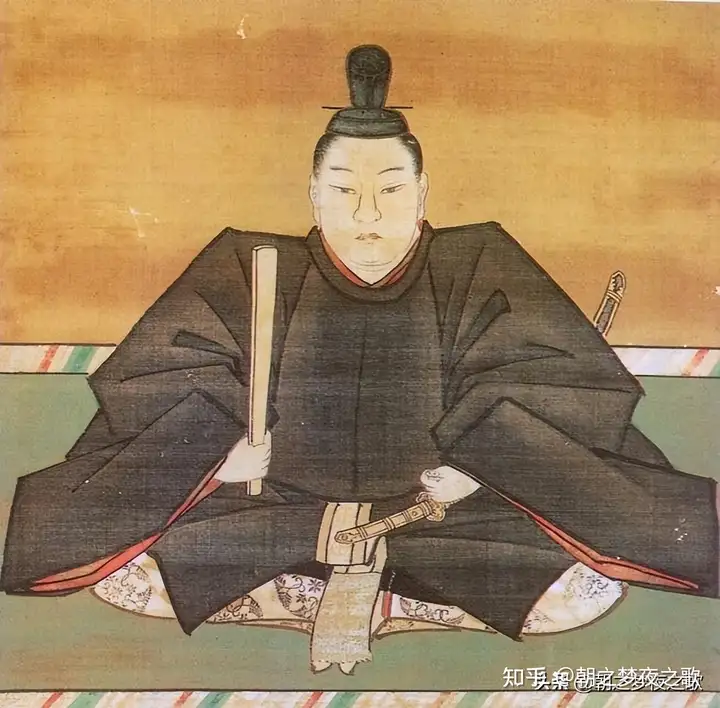
In other words, why did the dignified Satsuma clan only send more than 1,500 people led by Shimadzu Yoshihiro to participate in the war? The reason can be traced back to the time of the Kyushu conquest. Later, Shimadzu Yoshihisa lived in seclusion as the master of apology, and became a monk and renamed "Shimadzu Ryubo". His younger brother Shimadzu Yoshihiro inherited the position of master, and was the 17th generation master of the Shimadzu family. From then on, the Shimadzu family formed Established a dual system of ruling systems headed by Shimadzu Ryubo (Shimadzu Yoshihisa) and Shimadzu Yoshihiro respectively, in which Shimadzu Ryubo's family advocated a neutral policy, while Shimadzu Yoshihiro's family actively participated in Toyotomi Within the regime, he participated in many battles such as the Battle of Bunroku and Keicho, and suffered considerable losses. In addition, in the third year of Keicho (1598), the "Shonai Rebellion" occurred within the Shimadzu family. , so that the main force of the Shimadzu family remained within their capabilities at that time, and Yoshihiro Shimadzu was unable to mobilize Ryubo Shimadzu's army at all. In the end, Yoshihiro Shimadzu could barely gather an army of about 1,500 people to participate in the war.
Yoshihiro Shimadzu
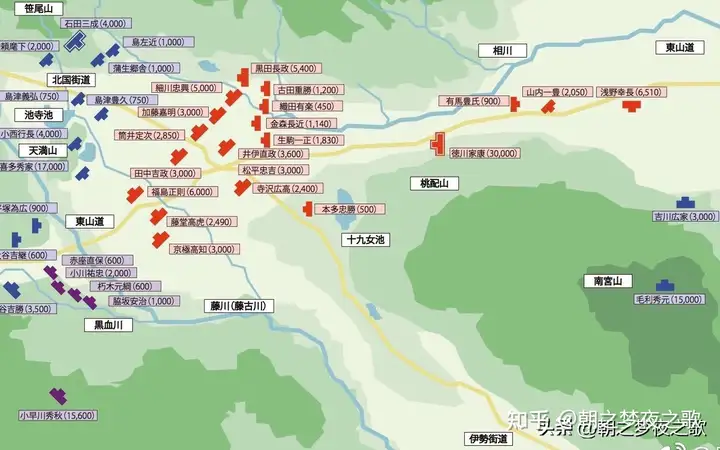
On September 15th of the fifth year of Qingchang (October 21, 1600), as the two armies of the East and the West were assembled in the Sekigahara area, the Sekimoto War officially broke out, but what people did not expect was that the war was divided after only one day. After winning or losing, when the defeat of the Western Army was a foregone conclusion, facing the collapse of many friendly forces, Yoshihiro Shimadzu had to make a choice between retreating immediately or continuing to fight, and continuing to fight at this time is tantamount to There is a dead end, and the retreat is very likely to be involved in the defeated army and end up dead. Finally, after some careful consideration, Yoshihiro Shimadzu made a brilliant plan and adopted Toyohisa Shimadzu as the vanguard and Yuei Yamada as the backup , as the phalanx of the main formation, he made a frontal assault to break out of the Ise street. In the end, although his nephew Toyohisa Shimadzu and his military adviser Chojuin Morijun died in battle, Yoshihiro Shimadzu himself successfully broke through the encirclement. And returned to Satsuma safely. This battle was later called "Shimadzu Sekigahara Breakthrough Battle".
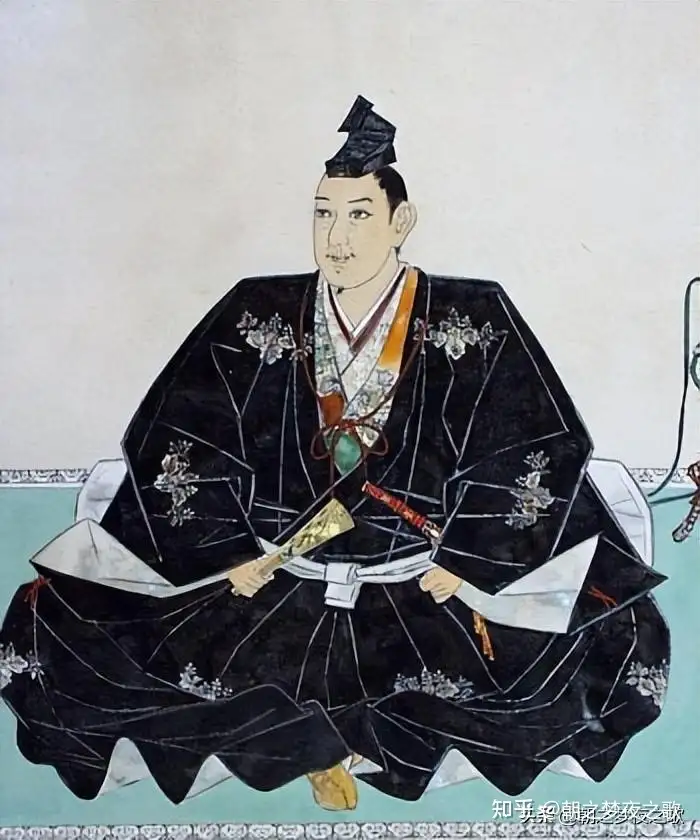
However, although Shimadzu Yoshihiro successfully broke through and returned to Satsuma, this does not mean that the crisis of the Shimadzu family was resolved. Afterwards, the famous names of the Western Army were either reduced or changed. After careful consideration, Shimadzu On the one hand, he strengthened the armed forces in the territory to consolidate the national border, and on the other hand, he hoped to obtain Tokugawa through diplomatic means through Konoe Shinyin, Ii Naomasa, and Yamaguchi Naotomo. With Ieyasu's forgiveness, the Shimadzu family also took in Ukita Hide, one of the five elders who escaped from the Sekigahara battlefield, and other veterans of the Western Army during the process.
Ukita Hideya
As a result, the Shimadzu family began a long diplomatic mediation with Tokugawa Ieyasu. Considering that the Shimadzu family is located in the southwest and still maintains a strong military force (it is estimated to exceed 10,000 people), and that the Tokugawa family’s regime has not yet To achieve a situation as stable as Mount Tai, Tokugawa Ieyasu had the means of intimidation by force, but in the end he had to cancel his plan to conquer Shimadzu.
In the seventh year of Qingcho (1602), after nearly three years of diplomatic mediation, the Shimadzu family and the Tokugawa family finally reached a reconciliation and obtained the permission of the leader Andu, but as a price Shimadzu Yoshihiro had to live in seclusion.
Following Shimadzu Yoshihiro's seclusion, he changed his name to Shimadzu Yuishinzhai, and the position of family governor was inherited by his second son, Shimadzu Tadahiro, who married his elder brother Shimadzu Ryubo's daughter Kameju. After succeeding, Shimadzu Tadatoshi officially established the Satsuma Domain as the first lord of the Satsuma Domain. However, although Tadahiro Shimadzu is the lord of the feudal clan in name, the real power in the feudal clan is still controlled by his uncle Ryubo Shimadzu and his father Yoshihiro Shimadzu.
Kameju
In order to express his gratitude to Ieyasu Tokugawa and his apology for the Battle of Sekigahara, Tadahiro Shimadzu went to Los Angeles to visit Ieyasu Tokugawa in person at Fushimi Castle, and the accompanying list included those who had been involved in the "Shonai Rebellion" before. It was Ijuin Tadama who set off the rebellion. When the team marched to the Nojiri area of Hyuga Kuni, Shimadzu Iehisa took the opportunity of hunting to assassinate Ijuin Tadama, and claimed that he was accidentally killed by his retainer Hiraya Fuchiwaki. On the same day, Ijuin's loyal mother and younger brothers Xiaodenji, Saburo Goro, and Chiji were also killed, and the Ijuin family was declared dead.
Shimadzu Tadahiro
In the eighth year of Keicho (1603), it was revealed that the Shimadzu family had hidden the Ukita Hide family of the Western Army general. At the request of Tokugawa Ieyasu, the Shimadzu family had to extradite the Ukita Hide family to the Tokugawa family.
In the eleventh year of Keicho (1606), Shimadzu Tadahisa officially changed his name to Shimadzu Iehisa after accepting the character "family" from Tokugawa Ieyasu. However, in order to distinguish it from his uncle Shimadzu Iehisa, it will still be called Tadahiro Shimadzu.
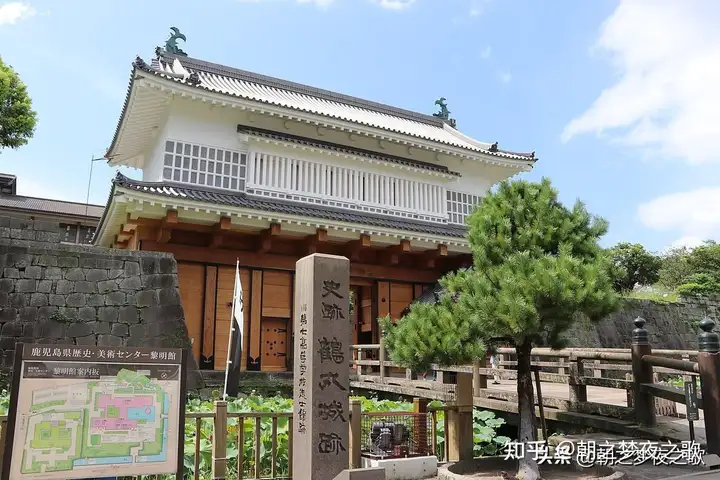
Remains of Satsuma Domain Hall
In the same year, in order to improve the financial situation of the Satsuma domain and further stabilize the rule, Shimadzu Tadahiro began planning to invade the Ryukyu Kingdom with his trusted retainers, and applied to the Tokugawa shogunate many times.
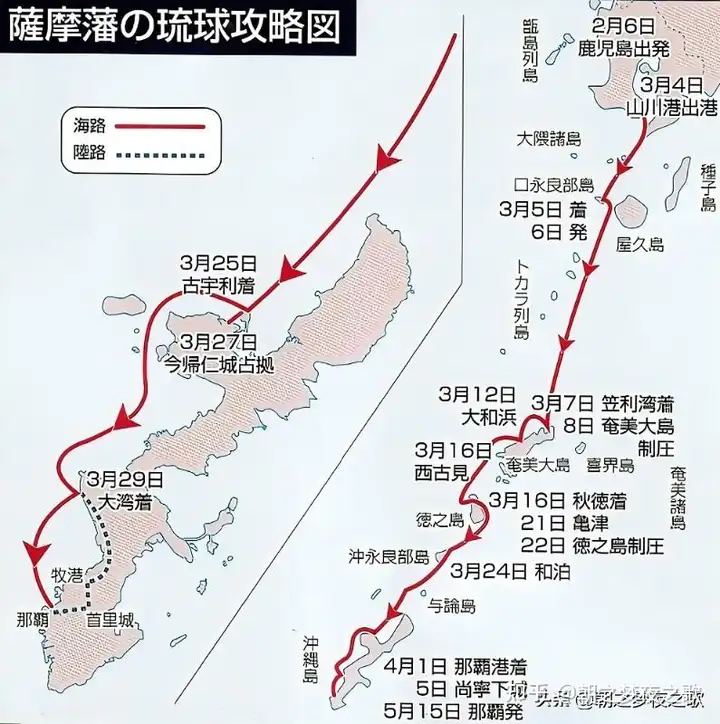
In the 14th year of Qingcho (1609), after obtaining the approval of the shogunate, the Satsuma Domain dispatched more than 80 warships and more than 3,000 troops to Ryukyu with General Kawayama Kudaka and Hirata Masamune as lieutenants. "Conquest" (Ryukyu is called "Jiyou Rebellion"). Although the Ryukyu Kingdom resisted tenaciously under the organization of King Shangning, the Satsuma army was obviously superior to the Ryukyu army in terms of equipment, so only In just one month, the Satsuma army approached the Ryukyu King City, and King Shangning was forced to declare his surrender. So far, the Ryukyu Kingdom became a vassal state of the Satsuma Fandom. King Shangning was also forced to follow Shimadzu Tadahiro to Edo to meet the general Tokugawa Xiu Zhong.
In the fifteenth year of Qingcho (1610), Shimadzu Tadatoshi sent Mr. Oshikawa to ambush and assassinate the opposing family elder Hirata Masamune, and identified him as a "national thief". It is said that the cause of this incident was Hirata Masune's intention to persuade Shimadzu Ryubo (Yoshihisa) to abolish Shimadzu Tadane and replace him with Shimadzu Hisanobu as the successor of the family governor, and secretly obtained a seal from Tokugawa Ieyasu.
In the sixteenth year of Qingcho (1611), Ryupo Shimadzu, who was living in seclusion, died in Kokubun City at the age of 79.
Yoshihisa Shimadzu (Longbo)
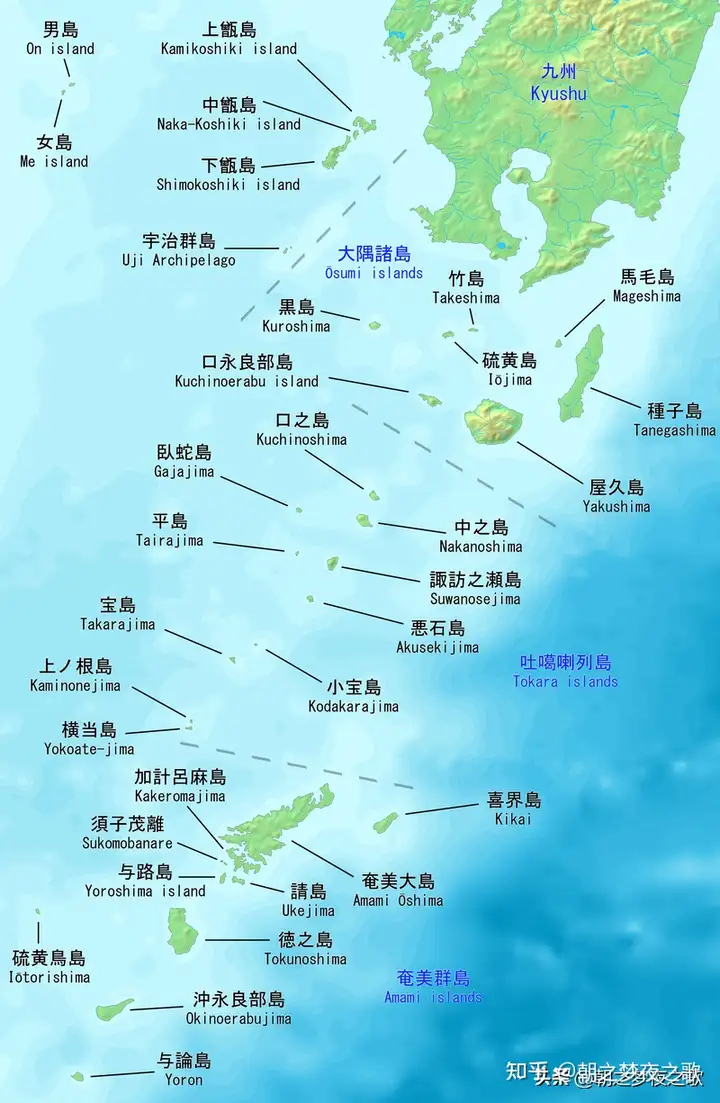
In the eighteenth year of Qingli (1613), the Satsuma Domain separated the Amami Islands from the Ryukyu Kingdom, and set up a series of officials on the island, such as Oshima Daikan, Kikaijima Daikan, Tokunoshima Daikan, and Okinagarabu Daiguan. At this point, the Amami Islands broke away from the Ryukyu Kingdom and became the territory directly under the jurisdiction of the Satsuma Domain. However, due to its remoteness, the Amami Islands mainly became the exile places for criminal officials, while the Satsuma Islands on the Ryukyu Islands only dispatched their followers, and still maintained relatively High autonomy.
Amami Islands
In the nineteenth year of Qingchang (1614), with the "Fangguang Temple Zhongming Incident", the relationship between the Tokugawa clan and the Toyotomi clan officially broke down. Lai also issued a call to action against Tokugawa Ieyasu to the whole country. As a former daimyo of the Western Army, he was worried that the Shimadzu clan would fall to the Toyotomi clan. Attack on Osaka Castle. In the winter of the same year, the Osaka Winter Battle broke out, but at this time the Shimadzu clan was busy seizing land and building the city, and could not participate in the battle, so the war ended in a peace negotiation between the two sides. With regard to this land inspection, the Satsuma clan has measured a total of more than 732,000 shi.
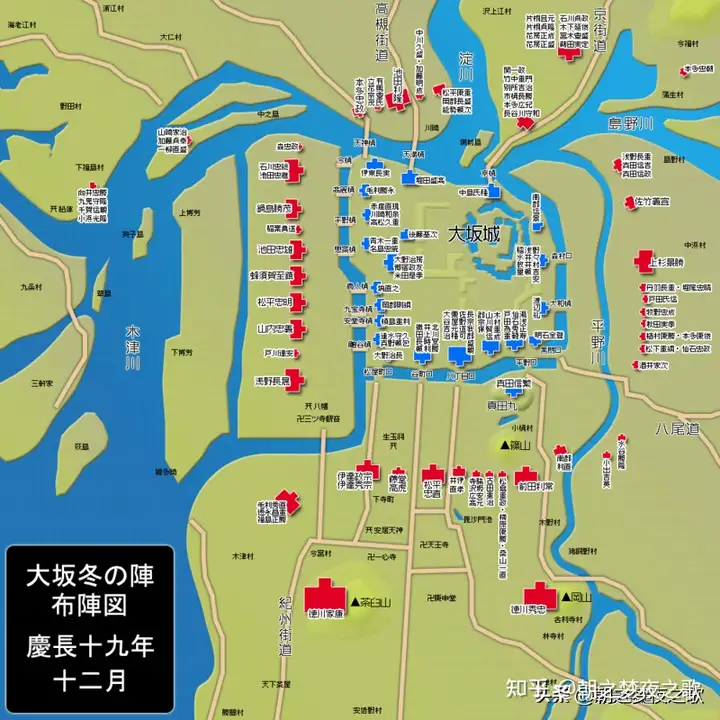
Osaka Winter Battle
In the 20th year of Qingchang (1615), the conflict between the Tokugawa clan and the Toyotomi clan intensified again, and then the Osaka Xia Battle broke out. In this battle, the Shimadzu clan failed to catch up again due to the long time for recruiting troops. For a time, the shogunate suspected that the Satsuma clan had a rebellious heart, but it was not until later that it was discovered that the Satsuma clan was indeed because the army was recruited too long before the suspicion was lifted.
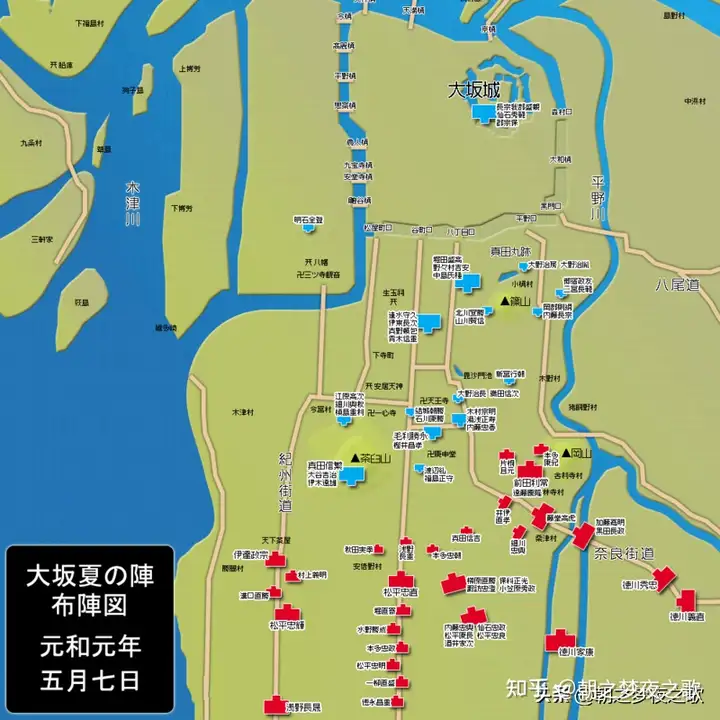
Osaka Summer Battle
In the fifth year of Yuanhe (1619), Shimadzu Tadahiro's biological father, Shimadzu Yoshihiro (Shimadzu Yoshihiro), died at the age of 85. So far, the two mountains that weighed on Shimadzu Zhongheng's body have all disappeared, and he can finally fully grasp Real power of the vassal regime.
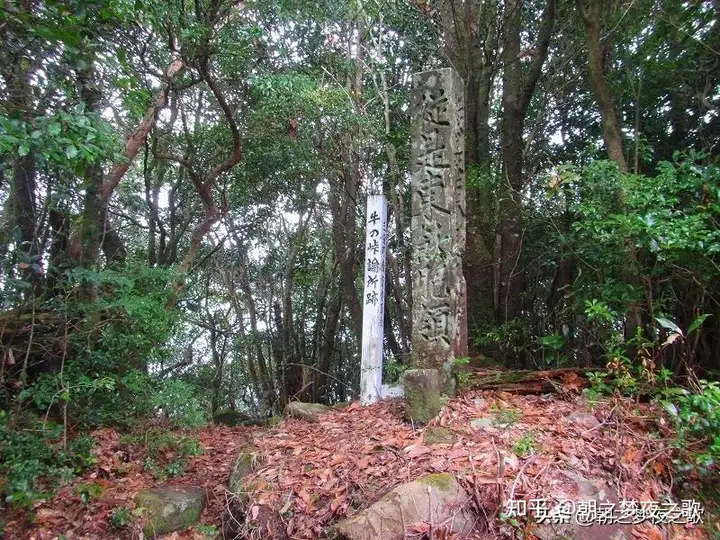
In the fourth year of Kanei (1627), disputes began to arise between the Satsuma Domain and the Obi Domain over the ownership of Ushinotoge. In the face of territorial disputes, the two sides did not want to give in to each other, and both claimed that the territory belonged to themselves, and the dispute could not be resolved.
Ushi no Toge
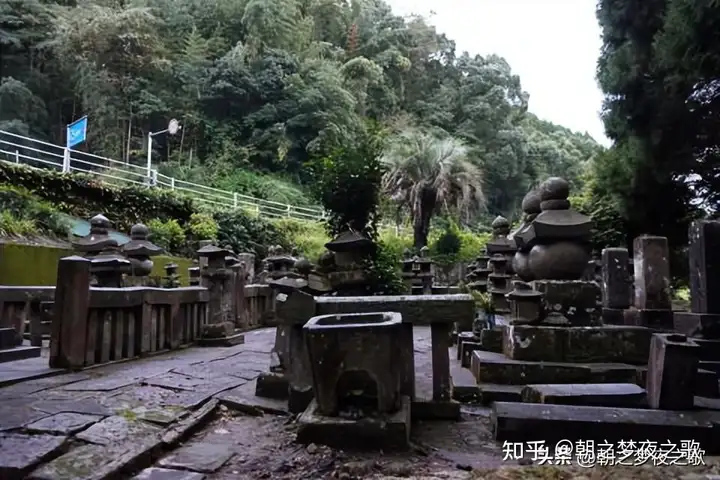
In the eighth year of Kanei (1631), Shimadzu Tadaro, the third son of Shimadzu Tadagō, received the 10,000 koku territory of Kajiki, the hermitage of his grandfather Yoshihiro Shimadzu, and the 317 families of Kajiki, who belonged to Yoshihiro Shimadzu, and established The Kajiki Shimadzu family was separated, and the Kajiki Shimadzu family has since been active as the writer of the Shimadzu family.
Kajiki Shimazu Family Cemetery (Norenji Temple Ruins)
In the tenth year of Kanei (1633), after many years of disputes, under the judgment of the shogunate inspector who inspected Ushinotoge, it was finally ruled that Ushinotoge belonged to the Obi clan, which forced the Satsuma clan to give up on the However, the Satsuma clan still held different opinions on the territorial ownership of the North Hanoi area in the northeast of Ushinotoge, and then Shuangfa surrounded this land until the third year of Yanbao (1675) ), which ended with the shogunate’s second ruling that the Obi clan won the case. The dispute over the territory of Ushinotoge lasted for nearly 50 years.
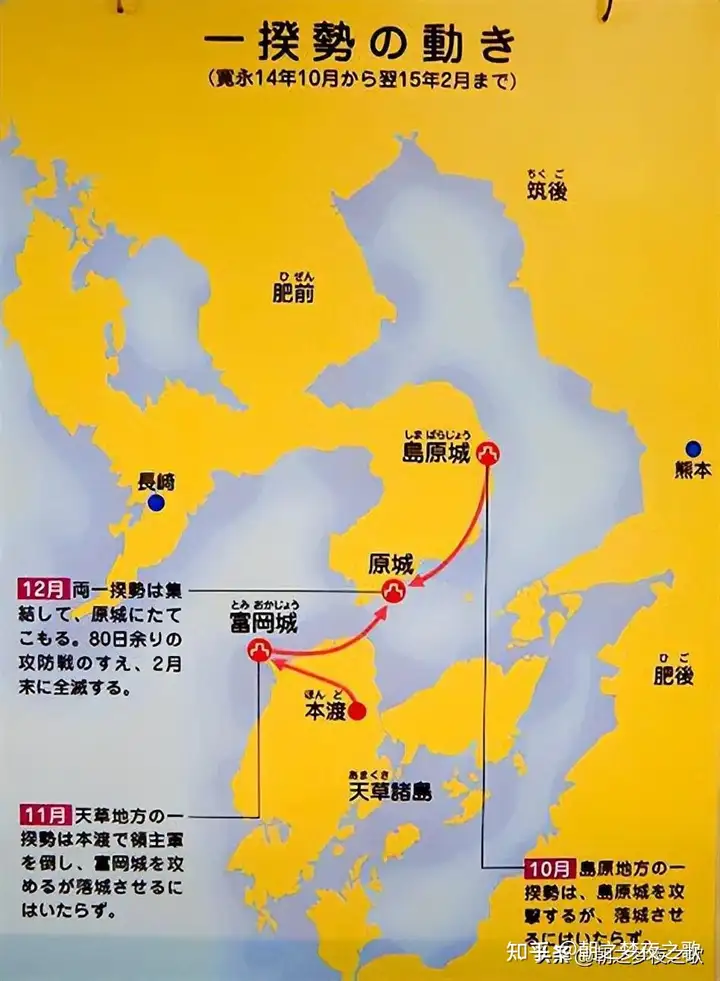
In the fourteenth year of Kanei (1637), the Shimabara Rebellion broke out. At this time, Shimadzu Tadahiro was seriously ill and unable to participate in the war, so he had to recall his second son, Shimadzu Mitsuhisa, from Edo Castle. Presided over Shimadzu's dispatch of troops. (Hisanobu Shimadzu, who had competed with Tadazu Shimadzu for the position of Governor of the Shimadzu family, died. It is said that he was poisoned by Tadatoshi Shimadzu. Since there is no actual evidence for this matter, it is only mentioned for reference)
Shimabara Rebellion
In the fifteenth year of Kanei (1638), Shimadzu Tadahiro died at the age of 62. The position of family governor was inherited by his second son, Shimadzu Mitsuhisa, who was the second generation lord of the Satsuma domain. Famous retainers died for him.
In the 16th year of Kanei (1639) after Mitsuhisa Shimadzu succeeded him, Hisaki Shimadzu, the son of Hisanobu Shimadzu and his brother-in-law (brother-in-law?) was sent as a representative (agent) to Kyoto to receive the envoys of the Tokugawa Gosan family. But for some reason, Shimadzu Hisaki suddenly disappeared strangely on the way back to China (it is estimated that he heard the rumor that Shimadzu Tadatoshi poisoned his father Shimadzu Hisanobu, and felt the danger and fled), until later in Shimadzu’s Bodhi Temple in Koyasan. Lianjinin was discovered, arrested and sent back to Satsuma, where he was imprisoned in Baofu Temple by the river, Moji Qingquan Temple and other places. In the fifth year of Shoho (1645), Hisaki Shimadzu was sentenced to exile, and when the relevant personnel came to escort him, he was brutally killed for resisting by force.
In the same year (1639), the Satsuma Domain inspected the land again. This time, the land inspection recorded a stone height of 699,000 stones, which was slightly lower than that of Keicho's internal inspection.
During Mitsuhisa Shimadzu's tenure, due to the completion of the closed-door policy of the Edo shogunate, overseas trade, which was the main source of finance for the Satsuma clan, was hit hard. Ten thousand taels. Therefore, in order to ease the financial situation, Mitsuhisa Shimadzu began to appoint the old Shimadzu Hisatsutsu in Nagano (now Nagano, Satsuma Town, Satsuma County, Kagoshima Prefecture) and other places in the 17th year of Kanei (1640). However, the Satsuma domain’s Jinshan mining was only carried out for two years before it was obstructed and suppressed by the shogunate. In the end, it was forced to stop working in the 20th year of Kanei (1643). In 1656, gold mining resumed again.
Kaijinzan Ruins
During the Wanzhi period (1658-1661), Mitsuhisa Shimadzu built a villa by the seaside of the Satsuma domain and named it "Xianyan Garden".
At the same time, from the first year of Wanzhi (1658), in order to increase the financial revenue of the domain, the Satsuma domain began to carry out large-scale development of new fields and river renovation work, and forced farmers to plant black cypress trees. The monopoly system, hoping to improve the finances of the Satsuma clan, but industries such as black cypress and wax cannot be immediately effective, so the Satsuma clan can only find a way from the land rent, but the Satsuma clan originally received 4 buckets of 1 stone grain rice in name It is combined as land rent, but in fact they often receive more than 5 dou, but the average daily farmers only have 1 pinch of rice, 5 sweet potatoes, 3 pinches of corn, and 1 pinch of wheat as rations, and their life is very poor.
black cypress tree
In the first year of Yanbao (1673), Mitsuhisa Shimadzu's eldest son, Tsunahisa Shimadzu, who was the heir of the Satsuma Domain, died at the age of 42, so Mitsuhisa Shimadzu appointed Tsunaki Shimadzu, the eldest son of Tsunahisa Shimadzu, as the new heir.
In the fourth year of Zhenxiang (1687), Mitsuhisa Shimadzu, who had been in power for fifty years, finally chose to live in seclusion. The position of family governor was inherited by his grandson Tsunaki Shimadzu, who was the third generation lord of the Satsuma domain.
Although Shimadzu Qibin's faction was brutally suppressed by Shimadzu Qixing, fortunately, four of Qibin's feudal vassals managed to escape during the process, and they fled to the Chikuzen Fukuoka feudal clan after choosing to leave the feudal clan. Fukuoka feudal lord Kuroda Qipu asked for help, saying that Qi Bin’s great-grandfather, Shigeho Shimadzu, had 26 children (12 daughters and 14 sons). After his daughter Mohime became the shogun’s Imperial Palace, he used his status as the head of the country to vigorously promote kinship politics. Except for the eldest son Shimazu Qixuan who inherited the Satsuma domain, many of the remaining children were basically married or adopted to various daimyos, and Kuroda Qipu was the thirteenth son of Shimadzu Shigego who was sent to the Fukuoka domain, that is, Qi Bin In addition to Kuroda Saihiro's great-uncle, Nakatsu domain lord Masataka Okuhei (second son) and Hachinohe domain lord Nambu Nobutsu (fourteenth son) succeeded in the feudal lord besides Kuroda Saihiro. The huge network of relatives also provided Qibin Shimadzu at this time with a chance to make a comeback.
Kuroda Saihiro
It is said that Shimadzu Qibin was brought up by Shigeo Shimadzu since he was a child, and he was deeply influenced by Shigeo, so his style is very similar to that of Shigeo. He and others naturally got close to him and became a natural Qibin faction, so when Kuroda Qipu learned that Shimadzu Qibin was isolated and asked for help and the situation was in crisis, he quickly reacted and lodged a complaint with the shogunate, and the news spread quickly Open, as the fourteenth son of Shigego Shimadzu, Nambu Nobujun, the lord of the Hachinohe domain of Mutsu, also followed suit to appeal to the shogunate. In the face of the joint complaint from the two feudal states and the continuous incident, the shogunate had no choice but to respond to the matter and intervene to clean up the mess for the Satsuma clan. In the end, when Shimadzu Qixing visited the city, the general Tokugawa's family Qing bestows the tea set "Ten Virtues" to him, implying that he should live in seclusion as soon as possible to calm the situation. Shimadzu Qibin finally ushered in a comeback.
South Xinshun
In the fourth year of Kayong (1851), Shimadzu Qixing, who could not disobey the general's order, was forced to declare seclusion, ending the 42-year long standby, and Shimadzu Qibin, who was over 40 years old, finally got his wish and inherited the feudal lord The position is the eleventh generation lord of the Satsuma domain.
After Shimadzu Qibin succeeded to the feudal lord, he immediately started to implement the strategy of "rich the country and strengthen the army" according to Lan Xue's thought. In the feudal domain, under the leading policy of "prosperity and prosperity", he began to build Japan's first modern Western-style factory group, which included shipbuilding, ironmaking (construction of reverberatory furnaces, melting furnaces), textiles, Various industries such as military industry (cannon, mines, mines), manufacturing (glass products), etc., these industries were finally collectively referred to as the "Jiangsukan Business". Among these industries, the shipbuilding industry is the most important. Through the development of shipbuilding technology, the Satsuma Domain completed the construction of the first Western-style sailing ship "Iroha Maru" and the Western-style warship "Shohei Maru". Solve the production problems of sailing cloth and other components, and promote the development of corresponding smelting, textile, military and other industries.
Integration Hall Business
While developing the industry, Shimadzu Qibin also paid great attention to the cultivation and promotion of talents. During this period, Saigo Takamori and Okubo Toshimichi, who were born in lower-level samurai, were promoted by Qi Bin. He became Qi Bin's confidant and retinue, while Okubo Toshimichi successively held the positions of imperial servant and apprentice, and both of them gradually emerged in the feudal domain.
In the fourth year of Kayong (1851), John Manjiro (also known as Nakahama Manjiro, John Mon 1827-1898), who was born in the Tosa domain and wandered abroad for more than 10 years, returned to Japan from the United States. , Therefore, he was sheltered by Shimadzu Qibin and asked him to teach the vassals shipbuilding technology. Later, due to the influence of the black ship's arrival incident, John Manjiro was recruited by the shogunate.
John Manjiro
Shimadzu Qibin had many contacts with the great names of Matsudaira Keinaga, Date Sojo, Yamauchi Toyonobu, Tokugawa Nasaki, Tokugawa Keishu, etc. before succeeding to the feudal lord. The shogunate government reformed, and gradually formed a group that supported Yoshihito Hitohashi as the general to achieve political revenge. The "Hitsubashi faction" was composed of conservative forces who followed the blood relationship within the shogunate at that time and advocated the establishment of the lord of the Kishu Domain, Tokugawa Yoshifuku. The "Nanji faction" confronted each other.
Tokugawa House
In the sixth year of Jiayong (1853), in order to better fight against the "Nanji faction" forces within the shogunate, Shimadzu Qibin decided to marry a trustworthy Shimadzu princess to the shogunate who had just ascended the throne at that time. Tokugawa Iesada, the thirteenth general, was established in order to increase his influence in Ooku. Finally, through selection, the branch family Imazumi Shimazu was selected as the eldest daughter of Shimadzu Tadago, Yuichi, who was adopted as an adopted daughter and renamed Atsushi. Ji, and then in the third year of Ansei (1856), she was made the adopted daughter of the right minister, Konoe Tadashi, and successfully became the main wife of Tokugawa Iesada that year. If you want to know about Tokuhime, you can choose to watch 2008 There is the Taiga drama "Atsuhime" starring Aoi Miyazaki.
In the fourth year of Ansei (1857), Masahiro Abe, the chief of the old middle school who was an ally of Shimadzu Qibin, died. With the death of Masahiro Abe, the conservative forces within the shogunate began to rise and gradually took control of the real power of the shogunate. Naobi took office as the elder. Using his position, he mobilized power and established the lord of the Kishu Domain, Tokugawa Yoshifuku, as the next general (ascended the fourteenth general in the same year), and began to suppress the opposition forces on a large scale. Many famous names of the "Bridge School" were punished by being cautious and secluded, and forces such as the Respecting the King and Fighting Barbarians were also greatly affected. More than 100 people were implicated, and it was called "Anzheng Prison".
Ii Naosuke
Facing Naosuke Ii's Iron Curtain policy, Qibin Shimadzu, who was far away in Satsuma, decided to lead 5,000 feudal soldiers to Shangluo to protest with force. However, during the military parade before departure, Shimadzu Qibin suddenly fell ill and died soon at the age of 50. Because Shimadzu Qibin died too suddenly and the event was special, it is said that he died of poisoning.
Since all the sons of Shimadzu Qibin had died at that time, except for the sixth son Tetsumaru, he passed the position of family governor to his adopted son Tadori Shimadzu (the eldest son of Shimadzu Hisamitsu) before his death, and his third daughter, Shimadzu Mitsuko The marriage was given to Shimadzu Tadori, hoping that Tetsumaru would inherit the position of feudal lord when Tetsumaru became an adult. As a result, Shimadzu Tadatoku became the twelfth and last feudal lord of the Satsuma clan. (It is a pity that Shimadzu Tetsumaru died the following year, and Shimadzu Qibin's male blood was declared severed)
Tadatoku Shimadzu
Shimadzu Tadatoku was still very young (19 years old) when he took over, so his grandfather Shimadzu Qixing served as a post-seeker to assist him in handling the domain government. As a result, the conservative forces in the Satsuma domain also began to rise. During this period, Qi Bin The "Integrated Museum Business" was curtailed, coupled with the Ansei Prison, which dealt a blow to the progressive forces in the Satsuma domain, but Shimadzu Qixing protected Saigo Takamori and others Still commendable (after the death of Shimadzu Qibin, Saigo Takamori once attempted suicide, and was later wanted for Anzheng Prison)
Shimadzu Qixing
In the sixth year of Ansei (1859), Shimadzu Qixing, who served as Shimadzu Mohisa's guardian, died at the age of 69. With the death of Shimadzu Qixing, Shimadzu Hisamitsu, Shimadzu Zhongde's biological father, began to expand his presence in the domain In the first year of Bunjiu (1861), Shimadzu Hisamitsu officially returned to his family and began to receive the courtesy of the "Father of the Nation" in the domain, and was later honored as "Vice-Father". Cheng Gong" became the actual power holder of the Satsuma domain.
Shimadzu Hisamitsu
In the process of Shimadzu Hisamitsu expanding his power, he was gradually influenced by Okubo Toshimichi and others, and his thinking changed. Zhenxin (Hori Nakazaemon), Iwagata Hei, Kaieda Nobuyoshi, Yoshii Yumi and other middle-level and lower-level vassals, the "Jingzhong Group" reached an agreement and began to continue the policy of his elder brother Qi Bin, but it should be pointed out that he Saigo However, the relationship between Takamori was always at odds, and in the second year of Bunjiu (1862), Saigo Takamori was exiled to the remote island (initially Tokunoshima, later changed to Oki Yongliangbu Island), until the first year of Yuanji ( 1864) to pardon Saigo Takamori.
Komatsu Qinglian (with knife)
In the second year of Wenjiu (1862), four foreigners, including Woodthorpe Charles Clarke, Charles Lenox Richardson, William Marshall, and Margaret Bolodale, did not understand Japanese culture. Etiquette collided with Shimadzu Hisamitsu's queue in Iwamai Village, Tachibana County, Musashi Province, and was attacked by Shimadzu family retainers Narahara Kizaemon, Kaieda Nobuyoshi and others, resulting in the death of one person and the injury of two others. For the "raw wheat event".
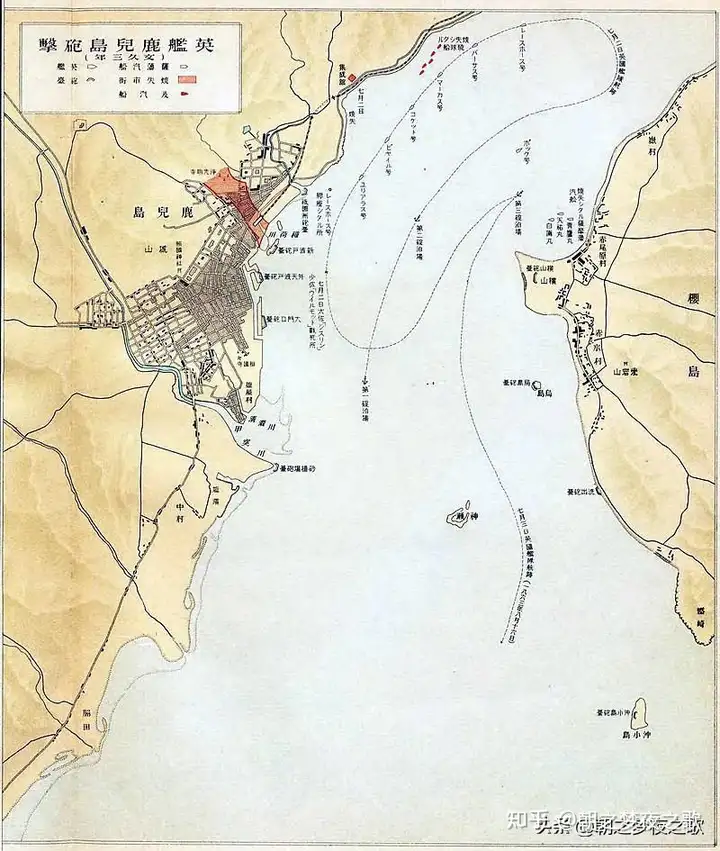
After the "raw wheat incident", although Britain received 100,000 pounds in compensation from the shogunate, it still insisted on Satsuma. In order to force the Satsuma clan, a fleet of seven warships was sent to attack the Satsuma clan in the third year of Bunkyu (1863). Regarding what happened to Britain, Satsuma launched a general mobilization to fight back against the invading British ships. Although Satsuma lost a lot in this battle, Britain also paid a heavy price. One warship in its fleet was seriously injured and two were slandered, including the captain and deputy ship. A total of 63 people were killed or injured.
In the third year of Bunjiu (1863), in order to suppress the radical faction headed by Changchangzhou Fan, the Satsuma Fan united with the Aizu Fan, Nakagawa Palace (Prince Kunimiya Asahiko), Konoe Tadashi, Chu Fang and his son and other public and military integration factions, The "August 18th coup" was launched, the Changzhou Fan soldiers were relieved of the task of guarding the imperial palace, and they were expelled from Kyoto. Fleeing to Changzhou Fan, that is, "Qiqing went into exile".
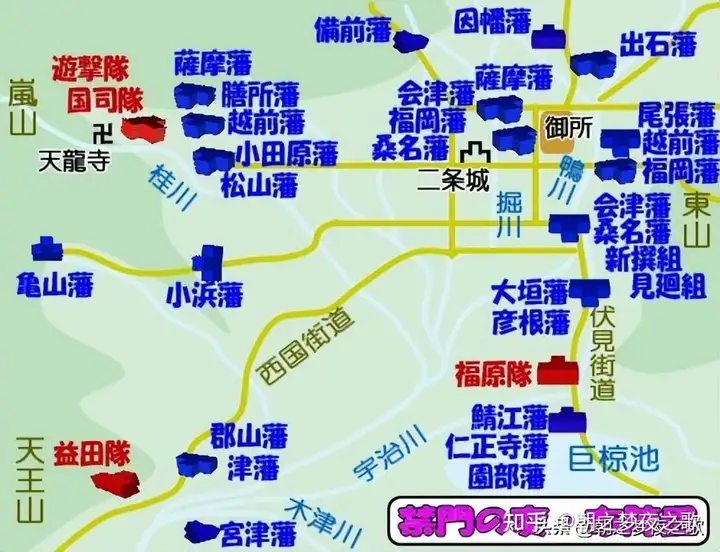
After the "August 18th Coup", the Changzhou Domain lost its political dominance, but the Japanese court still continued the policy of expelling barbarians. In the first year of Yuanji (1864), it was affected by the "Tengu Party Rebellion". The voices of the Respecting the Emperor and Fighting Barbarians expecting the Changshu Domain to return to Kyoto gradually increased, which made the radicals in the Choshu Domain begin to rise again. In addition, the Ikedaya incident occurred that year, which eventually led to the radical faction raising troops in the name of "reporting the lord's injustice to the Emperor" Shangluo triggered the "Change of the Forbidden Gate", in which the Satsuma, Aizu and Choshu Domains fought fiercely, and finally defeated the Changzhou Domain's army.
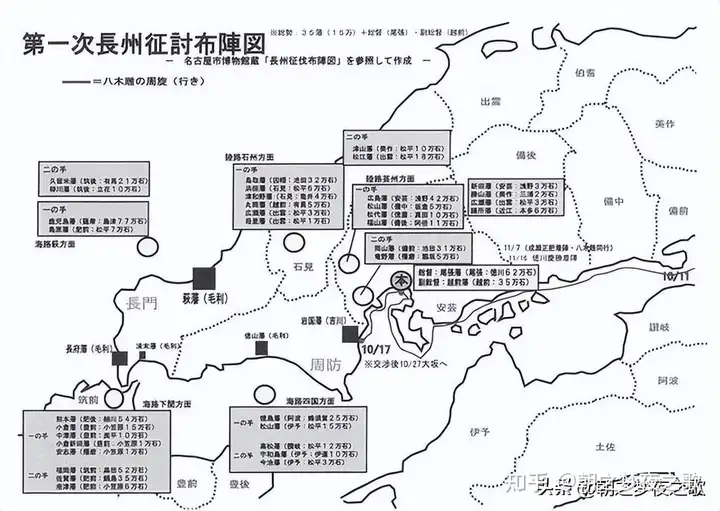
After the "Forbidden Gate Change", the Changzhou Domain was designated as the enemy of the court. After obtaining the imperial order to conquer Changzhou, the shogunate mobilized 35 domains with a total of 150,000 troops to launch the first expedition to Changzhou. Zhoukou, Shizhoukou, Oshimaguchi, Kokuraguchi, and Hagiguchi launched an attack on the Choshu Domain in five directions. Among them, the Satsuma Domain acted as the vanguard to attack Hagiguchi. During this process, the Satsuma Domain and the Choshu Domain The relationship between them improved, and helped the Changzhou Fan to enter into mediation. In the end, the Changzhou Fan used three elders (Kusi Kisho, Masuda Kishi, Fukuhara Mare) and four staff officers (Adodo Masumi, Takeuchi Masei, Nakamura Kuro, Sakuma Sabei) beheaded as a price to surrender to the shogunate.
In the first year of Keio (1865), Shinsaku Takasugi of the Changzhou Domain and others launched a coup, overthrowing the conservatives in the domain, which made the Changzhou Domain once again established the idea of overthrowing the curtain, and made the fourteenth generation general Tokugawa Ieshige decide to go on a campaign again. Changzhou. However, in the second year of Keio (1866) before the start of the war, under the mediation of the former Tosa clan vassal Sakamoto Ryoma and Nakaoka Shintaro and others, the Satsuma clan and the Choshu clan concluded a secret alliance in the residence of the Satsuma clan in Kyoto, so the Satsuma clan He refused to send troops to Changzhou, and finally the second Changzhou expedition ended with the defeat of the shogunate army.
PS: Sakamoto Ryoma is the intermediary of the Sakamoto Covenant, the representatives of the Satsuma Domain are Saigo Takamori and Komatsu Daidao, and the representative of the Changzhou Domain is Kido Takayoshi. The covenant is divided into six articles:
1. After the war broke out, Satsuma sent more than 2,000 soldiers to Beijing to join the troops stationed in Beijing to stabilize the key areas of Kyoto and Osaka.
Second, if Changzhou seems to have a chance of winning, Satsuma is responsible for advising the court.
3. In case it seems to be defeated, Changzhou will not be destroyed for a year or so, and Satsuma must do his best in the meantime.
4. After the war with the shogunate, Satsuma must tell the court that Changzhou was wronged.
5. If Tosa, Hitotsubashi, Aizu, Kuwana and other domains must instigate the imperial court and violate justice, and it is useless to speak repeatedly, they can only fight decisively.
6. After the grievances have been cleared, both parties sincerely do their best for the country.
In the third year of Qingying (1867), under the mediation of Shintaro Nakaoka, Satsuma and Tosa signed the "Secret Treaty of Satsuki Dispute", and concluded a military alliance to defeat the curtain by force, and the alliance was further expanded.
In the same year (July), the fourteenth shogunate Tokugawa Iemo passed away, Yoshihito Hitohashi succeeded him as the shogun and changed his name to Tokugawa Yoshio. The long-cherished wish of the Hitotsubashi faction was finally fulfilled, so the Satsuma clan, who still had illusions about the shogunate ( Shimadzu Hisamitsu) and Echizen Fukui Domain (Matsudaira Harugake), Tosa Domain (Yamazudo), Uwajima Domain (Date Sojo) held a "Four Lords Conference" in Kyoto, and Tokugawa Yoshiki on the opening of Hyogo Port and Negotiations were held on the disposal of the Choshu Domain, but the meeting ended in failure. Affected by this, the Satsuma Domain further established the idea of annihilation by force.
Yoshiki Tokugawa
In the same year (November), the Satsuma clan received a secret edict from the imperial court, which officially legalized the censorship. However, in that month, Tokugawa Yoshiki suddenly implemented the "return of the great government", and the imperial court began to implement the "retroversion of the royal government", but " "Returning the great government" is just a tactic to delay the army. The Japanese court has gained power on the surface, but in fact the real power is still in the hands of the shogunate, making the restoration of the royal government an empty talk.
With the failure of the restoration of the royal government, the Satsuma clan began to provoke the shogunate by hiring rogues to make trouble in order to defeat the shogun, and finally forced the shogunate to send troops to attack Satsuma.
In Keio 4 (1868), about 5,000 new government troops composed of the Satsuma and Choshu domains and about 15,000 shogunate troops fought for the first time in Toba and Fushimi. This was the Battle of Toba and Fushimi. In this battle, the new government army finally defeated the shogunate army with fewer victories and more victories.
With the victory of the new government forces in the Battle of Toba and Fushimi, the imperial court and many vassal states that were still on the sidelines also quickly expressed their position of falling down. After the Boshin War, it collapsed completely that year, ending its 260-year rule over Japan.
After the fall of the Tokugawa Shogunate, the lower-level samurai forces represented by Kawamura Junyoshi, Nozu Zhenxiong, and Ijuin Kanehiro, who made great contributions in the Boshin War, began to rise, and finally mastered the Satsuma domain.
In the second year of Meiji (1869), Hisamitsu Shimadzu received 100,000 koku for his achievements in the Meiji Restoration, and in the fourth year of Meiji (1871), he separated from the Shimadzu family and established the Yuli Shimadzu family.
In the fourth year of Meiji (1871), after the feudal domain was abolished and the county was established, the Satsuma domain was renamed Kagoshima Prefecture.
In the fifth year of Meiji (1872), Ryukyu was separated from Kagoshima Prefecture, and after the establishment of the Ryukyu Fan, it became a territory directly under the government.
In the sixth year of Meiji (1873), a dispute over the "Conquest of Korea" broke out within the Meiji government. In the end, the returnees led by Okubo Toshimichi and Iwakura Toru succeeded in persuading the Emperor Meiji to issue a decree against the immediate conquest of Korea, advocating the conquest of Korea ( Han) Xixiang Takamori was forced to go to the field and return to his hometown of Kagoshima.
The Shimadzu Tsunagui’s governance can only be described as hard work. Not long after his succession, the Satsuma clan suffered from floods, fires and many other natural disasters. At the same time, the Satsuma clan’s residence in Edo was also destroyed. The fire burned down, and the repeated blows made the financial situation of the Satsuma clan difficult. However, as the saying goes, "the hemp rope picks the details to break bad luck and find the poor." At this time, the shogunate stepped in again and allocated construction funds The main hall of Kaneiji Temple and the general request to assist in the mining of gold and silver mines made the financial situation of the Satsuma clan more difficult, so Shimadzu Tsunagui could only support it hard, but even if Shimadzu Tsunagui’s rule was so difficult , but in the historical material "Tujiakou Ji", which was famous for its spicy evaluation of the famous people at that time, it was still evaluated as "a good general in the peaceful world now" and "a lord admired by the people and vassals", which shows that he himself The ability is still very good.
Kan'ei Temple
In the first year of Hoei (1704), Shimadzu Tsunataka passed away at the Edo mansion at the age of 55. The position of family governor was inherited by his son Shimadzu Yoshitaka, who was the fourth-generation lord of the Satsuma domain.
In the seventh year of Hoei (1710), Tokugawa Ienoki, the sixth general, succeeded, Shimadzu Yoshitaka sent an envoy to Ryukyu, requesting the Ryukyu Kingdom to send a congratulatory envoy.
Tokugawa Iesen
In the second year of Zhengde (1712), the Satsuma clan changed the diplomatic title of the Ryukyu king to the Satsuma clan from "Ryukyu Kingdom Secretary" to "Ryukyu Kingdom Zhongshan King"
In the sixth year of Xiangbao (1721), Shimadzu Yoshitaka lived in seclusion due to illness, and the position of family governor was inherited by his eldest son, Shimadzu Katsutoyo, who was the fifth generation lord of the Satsuma domain.
In the fourteenth year of Kyobo (1729), under the mediation of the eighth general Tokugawa Yoshimune, Shimadzu Jifeng married Takehime, the adopted daughter of the fifth general Tokugawa Tsunakichi, as his successor. The marriage relationship between the Chuan family (although there was a marriage before, it was between the separation from the Tokugawa family). Takehime is actually the daughter of Quanda Nayan Qingxianji Xiding, and her aunt Daisenshiju (Shouguangin) was the concubine of the fifth general Tokugawa Tsunakichi, so she became the adopted daughter of Tokugawa Tsunakichi. She was successively engaged to Matsudaira Masamune, the son-in-law of Aizu feudal lord Masahiro Matsudaira, and Prince Arisugawa Miyamasahin, but both fiancés died before marriage, and finally married Shimadzu Tsutsuyo as the adopted daughter of the eighth shogun Tokugawa Yoshimune. In addition, it is said that Takehime also has a relationship with the eighth-generation general Tokugawa Yoshimune. If you are interested in this scandal, you can watch the "Ooku Final Chapter" released in 2019 (ps: Takehime Mami, played by Hamabe Minami) flipped)
GIF cover
In the same year, Tsutsuyoshi Shimadzu adopted his newborn second son Shigenen Shimadzu (young name Zenjiro) to the sonless branch of the Kajiki Shimadzu clan, Shimadzu Hisaki (1661-1634), as his adopted son.
In the twenty-first year of Xiangbao (1736), Shimadzu Jifeng fell ill due to a severe hernia attack. His condition was so serious that he could not return to the country, so he had to choose to stay in Edo. And in the following year (1737), he applied to the shogunate for long-term residence in Edo, and after obtaining the permission of the shogunate, Shimadzu Tsutsuyoshi stayed in Edo for nearly 12 years.
With the sudden illness of Shimadzu Jifeng, Shimadzu Yoshitaka, who had already lived in seclusion, had to start planning to reform the retainer system. , allowing it to inherit the Echizen Shimadzu family that had been severed since the death of the main Shimadzu Tadacho in the third year of Tianwen (1534), and renamed it "Shigetomi Shimadzu".
In the third year of Yuanwen (1738), the original branch family status was adjusted again, and a higher "Yuyimen" family status was set up on top of the original "Yizuozhi" family status, and the newly revived Chongfu family status was set up. The Shimadzu family and the two previous branches, the Kajiki Shimadzu family and the Tarumizu Shimadzu family, were included.
After the establishment of "Goichimon", Shigetomi Shimadzu surpassed Kajiki Shimadzu to become the new one, Kajiki Shimadzu took the second place, and Tarumizu Shimadzu ranked third (but Shimadzu Takashi During the era, the Tarumizu Shimadzu family was the head of the Shimadzu family for only this generation for a short time).
In the first year of Yanxiang (1744), Yoshitaka Shimadzu's seventh son Takayoshi Shimadzu received the territories of Uchikomaki Village, Iwamoto Village, Xixi Village in Yisu County, and Uchichitian Village, Xiantian Village, and Liyong in Yingwa Township. Revive the Izumi Shimadzu family (from the 4th generation of the Shimadzu family) who became extinct due to the death of the lord Shimadzu Naohisa (the fifth generation lord of the Izumi Shimadzu family) in the battle of Kawabe Castle in the 24th year of Oei (1417). The second son of Shimadzu Zhongzong, Shimadzu Tadashi), in order to distinguish it from the original Izumi family, so it is called Jinhequan, which is the Jinhequan Shimadzu family, and the Jinhequan Shimadzu family also became the fourth family to be included in the list. The division of one family, so far the Satsuma Domain has officially formed one family and four families.
After three years of extension (1746), Shimadzu Katsutoyo, who had been ill for a long time, finally chose to live in seclusion, and the position of family governor was inherited by his eldest son, Shimadzu Munenobu, who was the sixth generation lord of the Satsuma domain.
In the second year of Kanyan (1749), Munenobu Shimadzu died of illness in Kagoshima due to worsening knee pain. He was 22 years old and had no children. (Second son of Shimadzu Tsuitoyo) is the seventh-generation lord of the Satsuma domain, and the position of the Kajiki Shimadzu family is inherited by the eldest son of Shimadzu Shigenian, Shimadzu Hisakata.
In the third year of the extension (1750), Shigeen Shigenen suppressed the Shixue school, which criticized the feudal administration and the high-level officials in the feudal clan, and exiled more than 10 people including Mikichi Tsuyasu of the Shixue school to Far Island. Incident (実学归れ), this is also the earliest school suppression event in the Satsuma domain.
At the end of the third year of the Horyo era (1754), Tokugawa Ieshige, the ninth general of the Tokugawa shogunate, issued an order to the Satsuma clan to hand down the general request, requiring the Satsuma clan to complete the water control work of the Kiso River (Kiso River, Nagara River, and Ibi River). The "Baoli water control incident" of later generations.
However, at this time, the financial situation of the Satsuma clan was already in dire straits, with debts as high as 660,000 taels. Faced with such a request from the shogunate, there were many complaints in the clan, and some retainers even proposed to fight against the shogunate. unwise. Finally, after careful consideration, the Satsuma Domain sent a team of as many as 947 people, with Hirata Chisho as the envoy and Ijiin Juzang as the deputy envoy, to participate in the general application work. This general application was divided into two phases until the fifth year of Baoli ( 1755) was declared over. It lasted nearly one and a half years, with a total cost of 400,000 taels (approximately equal to the current 30 billion yen or 1.5 billion RMB). A vassal died of illness. After the completion of the project, the old Hirata Kensho, as the chief conductor, also committed seppuku because of self-blame and other factors. It can be said to be a heavy loss for the Satsuma clan, and it is also equivalent to planting the seeds of the downfall in Satsuma.
Hirata Sushi
In the fourth year of Baoli (1754), after the death of his stepmother Yucun, Shimadzu Shigenen, who felt that he was weak and sick and could no longer bear an heir, let the eldest son Shimadzu Hisakata return to the family by Kajiki Shimadzu, and changed his name to Shimadzu Loyal to Hong, and made him his successor.
In the fifth year of Baoli (1755), shortly after the completion of the Baoli water control project, Shimadzu exhausted his efforts and died at the age of 27. The position of family governor was inherited by his eldest son, Shimadzu Tadahong, who was the Satsuma domain The eighth generation of feudal lords.
Since Tadahiro Shimadzu was only 11 years old when he took over, he was still too young to take care of the vassal government, so his grandfather Katsutoyo Shimadzu, who had been ill for many years, had to come out again to take care of government affairs on his behalf.
In June of the eighth year of the Baoli era (1758), Tadahiro Shimadzu officially changed his name to Shigego Shimadzu, accepting the taboo of the ninth general Tokugawa Ieshige.
In the tenth year of Baoli (1760), Shimadzu Jifeng died at the age of 60. At this time, Shigego Shimadzu was only 16 years old, so it was finally decided that Takao Shimadzu (the third son of Yoshitaka Shimadzu, whose daughter Tomi Shimadzu was Shigeho Shimadzu's biological mother) would succeed Tsutsuyoshi Shimadzu as the head of the Tarumizu Shimadzu family. See you later, acting as an agent of government affairs. It was not until three years later (should be in 1763) that the 19-year-old Shigeho Shimadzu was officially in charge.
Shigego Shimadzu loves to study orchidology, and he himself is proficient in Dutch and Chinese.
In the first year of Yasuyoshi (1771), under the auspices of Shigeho Shimadzu, a feudal school and a scholar hall were established in the feudal domain, and the famous Confucianist Masahiro Yamamoto was hired as a professor of the feudal school. At the same time, in order to cultivate the martial arts of the vassals, a martial arts hall was set up in the vassal.
Scholars Hall
In the next three years of Ernong (1773), Shigeho Shimadzu established the Planetarium and Mingshikan in the domain for observation and research of astronomical calendar.
Planetarium Monument
One year later, in the third year of Ernong (1774), in order to cultivate talents in medical technology, Shigeo Shimadzu established a medical school in the domain. Moreover, the construction of these educational facilities not only greatly improved the educational literacy of the samurai class, but also gave farmers and townspeople in the domain the opportunity to receive education.
However, Shigeho Shimadzu's enlightenment policy required a lot of money. In addition, the "Sengakuji Fire" in the sixth year of Ernst and Young (1777) burned down the Shimoyashiki of the Satsuma clan in Takanawa, which made the fiscal deficit of the Satsuma clan even worse. Seriously, by this time, Satsuma's debts to foreign countries had reached more than 700,000 taels.
Tokugawa Ieki
In the eighth year of Ernong (1779), Tokugawa Ieji, the successor of the tenth general Tokugawa Ieji, died suddenly at the age of 18. Since Tokugawa Ieji had no other sons except Tokugawa Ieji, and he was old, Therefore, Tokugawa Iezai, the eldest son of Tokugawa Jisuke, was not selected as the new heir. Tokugawa Iezari and Shigego Shimadzu's daughter, Mohime, had a marriage contract since childhood, so after the two got married in the first year of Kansei (1789), Shigego Shimadzu became the head of the country.
Tokugawa Iezari
PS: According to the usual practice, the general’s main room is usually to marry a woman from the Wusho family or the palace family. Marrying the daughter of a foreign daimyo is an unprecedented example. Under the operation, Mohime was allowed to become the adopted daughter of Konoe Jingxi, the Gosho family, in the seventh year of Tianming (1787), and changed her name to Konoe Shiko, so that the marriage contract between the two was able to continue.
Mohime Konoe Miko
Since the Satsuma domain transitioned from the old guardian daimyo to the modern daimyo, it still retains the old dominance system and continues the "outer city system" ruling system, that is, the samurai are not forced to move to Kagoshima castle. , but lived scattered in various strongholds called outer cities. In order to change this situation, Shigego Shimadzu changed "outer city people" to "country scholars" in the ninth year of Ernong (1780) in order to seek to establish a new ruling order.
In the seventh year of Tianming (1787), Shigego Shimadzu chose to live in seclusion, and the position of family governor was inherited by his eldest son, Qi Nobu Shimadzu, who was the ninth generation lord of the Satsuma domain. The fan and the other male fans headed by Date Shigemura were worried and dissatisfied with him as the lord of the female fan and the father-in-law of the general. However, although he lives in seclusion, Shigego Shimadzu firmly controls the real power in the domain on the grounds that Qi Xuan Shimadzu is young.
Shimadzu Masanobu
In the third year of Kansei (1791), Shigego Shimadzu formally resigned from the post of vassal lord and entrusted the vassal administration to his cronies, Akamatsu Sake Brewery, Ichida Moritō and others. Through these cronies, he controlled the vassal administration remotely, while he himself stayed for a long time Edo began to enjoy the treatment of his "head of the country", and was implementing his blood policy, spending huge sums of money to send his children to various vassal states.
The Satsuma domain has long been plagued by financial deficits, and Shigeho Shimadzu spent a lot of money in Edo, which further exacerbated the fiscal deficit in the domain. Therefore, Shimadzu Qixuan, who was deeply worried about this, announced in the second year of culture (1805) that The document entitled "Crane and Turtle Questions and Answers" was distributed to retainers, expressing their willingness to commit to financial reform, and received responses and support from the Jinsiro faction within the feudal clan.
Recent Thoughts
In the fifth year of culture (1808), Shimadzu Qixuan officially dismissed Ichita Morijo and others, and began to use Kazan Shizu, Chichibu Taro and other Kinsiro faction officials to carry out reforms, and implemented a contractionary fiscal policy within the domain.
However, Shimadzu Qixuan's reforms were contrary to Shimadzu Shigeho's love of luxury. The six years of culture (1809) was like the "Reform of the Reform Movement of 1898". The failure was declared in an instant, and he himself was forced to live in seclusion, while the Jinsilu sect vassals such as Huashan Lord Tax were ordered to commit seppuku suicide, which was "Jinsilubeng".
With Shimadzu Qixuan's seclusion, his son Shimadzu Qixing inherited the position of family governor and was the tenth lord of the Satsuma domain.
Shimadzu Qixing
But a luxurious life needs enough money to support it. At that time, Shigeho Shimadzu and Qixuan Shimadzu spent as much as 300,000 taels a year (Shimadzu Shigeho 200,000 taels and Shimadzu Qixuan 100,000 taels) Two), plus other expenditures, the debt of the Satsuma clan had accumulated to a huge figure of as many as 5 million taels during the Wenzheng period, forcing the Satsuma clan to rely on borrowing from usury merchants to survive. Faced with this situation, Shigeho Shimadzu also realized the urgency of the reform of the feudal regime.
So under the instruction of Shigeho Shimadzu, the Satsuma Domain carried out reforms again. Shigeho Shimadzu first chose the golden object of the Satsuma clan's Osaka mansion to follow Xinna Shisheng to preside over the reform, but Xinna Shisheng had a deep relationship with the merchants in Osaka and directly rejected the request to preside over the reform; after that, Shigeho Shimadzu again Takahashi Jingobei was selected as the side servant, but the reform of Takahashi Jingobei soon ended in failure. In desperation, in the 10th year of Wenzheng (1827), Shigego Shimadzu made an exception and employed Tiaosho Hirogo, who was born as a lower-level samurai, to start the reform of the vassal regime, which is what later generations call the "Tianbao Reform".
Tiao Suo Guang Xiang
The first thing to be solved in the reform is the debt problem of the Satsuma clan. However, the annual income of the Satsuma clan is only 120,000 to 140,000 taels, and the interest generated by the debts is as high as 800,000 taels. The Satsuma clan has no ability to repay the debt. There is no way to push forward the reform of the vassal regime. Faced with this situation, Tiaosuo Guangxiang had no choice but to find a way to pay off this "bad debt". For this reason, he used the threat of force to force the creditors to cancel the debt of up to 250,000 taels a year in the future. Interest, and also let them agree to repay the debt in installments of 250 years (it is expected to be paid off by 2085, but after the Meiji Restoration, the new government declared the debt invalid, so there will be no repayment afterwards), which basically converts the debt of Satsuma into For an interest-free loan of up to 250 years, it is equivalent to canceling Satsuma's debt. Of course, just relying on coercion is definitely not enough, and creditors need to be given a little sweetness when appropriate. So while coercing by force, Tiaosuo Guangxiang also handed over the monopoly rights of Satsuma specialties to the creditors for free, and also obtained the status of samurai for them.
In the fourth year of Tianbao (1833), Shigeho Shimadzu died in Edo at the age of 89. With the support of his father, Qixing Shimadzu, Qixing Shimadzu was able to control the real power of the domain.
Shimadzu Qixing continued to appoint Tiaosuo Guangxiang to further implement the "Tianbao Reform". After solving the most difficult debt problem, the reform of Tiaosuo Guangxiang has also blossomed in the feudal domain. The reform mainly includes administrative reform, agricultural reform, financial reform and other measures. The content includes Xintian The development and development of agriculture, the expansion of trade between Ryukyu and the Qing Dynasty, and the establishment of sugar monopoly systems in Dashima, Kijie Island, Tokunoshima, etc., among which the sugar monopoly system alone generated as much as 2.3 million taels of fiscal revenue, By the eleventh year of Tianbao (1840), the treasury of the Satsuma clan had accumulated a financial balance of as much as 2 million taels.
PS: The sugar monopoly system means that only local people are allowed to grow sugar, and no other crops are allowed. The sugar produced is purchased by the Satsuma Domain. considered a bad policy locally)
In the twelfth year of Tianbao (1841), Shimadzu Qixing died in the Satsuma Domain in Shimoyashiki, Edo. The dispute over the successor of the Shimadzu family gradually came to the surface, and finally triggered a turmoil in the royal family known as "Yura riot", which shocked the entire Shimadzu family and the vassal clans related to it.
It is said that Shimadzu Qixing’s main wife is Mihime (Kenzhoin Zhouzi, 1792-1824), the daughter of Tottori domain lord Ikeda Jimichi, who is known as the "Wise Lady". They have the eldest son Shimadzu Qibin and the second son. Ikeda Qiji (adopted to the Tottori clan of his natal family) and his daughter Hou Ji (Yamauchi Toyoki's main wife), in addition, Shimadzu Qixing also has a concubine Yura Zhifang, and they have five sons Shimadzu Hisamitsu.
Because the relationship between Shimadzu Qixing and Mihime was not harmonious, and Mihime died young, and Yu Luo Zhifang was very favored by Qixing, so Shimadzu Qixing, who loves Wu and Wu, came up with the idea of abolishing the elders and establishing the younger , but because Shimadzu Qibin's main wife is Henghime (Eijuin), the daughter of Tokugawa Saiton, one of the Tokugawa family, one of the three royal ministers, he could not directly abolish the progeny, so Shimadzu Qixing He resorted to the trick of "dragging the word" to stay in seclusion for a long time and occupy the position of the feudal lord (generally, the feudal lord will choose to live in seclusion after the son-in-law becomes an adult).
Qi Bin Shimadzu
As the saying goes, "What is good at the top, the bottom must be bad." After seeing Shimadzu Qixing's actions, the Satsuma Domain gradually split into two factions around whether to support the eldest son Shimadzu Qibin or Shimadzu Hisamitsu Among them, reformers such as the old Edo family of Satsuma, Shimadzu Iki, Nikaido chief accountant, and the young and strong faction in the domain supported Shimadzu Qibin, while Shimadzu Jiubao, Shimadzu Kuto, Ijiin Ping, Kichiri Naka and other Shimadzu Qi Xing's confidant, the elder, supported Shimadzu Hisamitsu. By the way, it should also be pointed out here that at this time in the Satsuma domain, Tiaosho Hirogo, who had a very important influence because he presided over the "Tianbao Reform", supported the Shimadzu Hisamitsu side as a conservative, which made Shimadzu Qibin's faction always in a position Among the weak, its status can be described as precarious.
Shimadzu Hisamitsu
In the first year of Kaei (1848), faced with the pressure of the Hisamitsu faction, in order to regain the disadvantage, the retainers of the Shimadzu Qibin faction reported to Masahiro Abe, the old shogunate, and revealed that the Satsuma clan used Ryukyu as a base to carry out contraband. Trade-related intelligence in an attempt to force Shimadzu Qixing to abdicate. It is said that during the investigation process, in order to protect the lord Shimadzu Qixing, Diasho Hirogo committed all the crimes and committed suicide by taking poison at the Edo mansion of the Satsuma Domain (died at the end of the year <beginning of 1849>). The villager committed suicide in fear of crime.
Masahiro Abe
In the second year of Kayong (1849), Shimadzu Qibin's fourth son, Atsunosuke, who was only 2 years old, died suddenly, and it is said that a curse doll was found on the roof. The three sons all died one after another, which made the retainers of Shimadzu Qibin's faction furious. The spearhead was directly aimed at the Shimadzu Hisamitsu faction, and there were many attacks and assassinations of Shimadzu Qibin faction's retainers afterwards, and the struggle between the two factions became increasingly fierce.
Finally, at the end of that year (early 1850), Shimadzu Qixing, who was biased towards the Hisamitsu faction, took the lead in arresting Kondo Ryuzaemon, the backbone of the Shimadzu Qibin faction, on charges of conspiring to murder Yu Luo Zhifang and Shimadzu Hisamitsu. Monotou), Yamada Kiyosuke (Machibuki and Monotou), Takasaki Goroemon (Funbuki), and three people were sentenced to seppuku. After that, about 50 vassals belonging to the Shimadzu Saibin faction were also ordered to live in seclusion or exiled far away. Shimadzu Iki, who was an important figure of the Shimadzu Qibin School, the old Edo family of the Satsuma clan, Shimadzu Iki, was dismissed and sentenced to seclusion and cautious punishment (seppuku after 2 days). He passed away, but he was still deprived of his civil status. This incident is called "Yuluo Agitation (お佛稒动)", "Takasaki's Collapse" or "Kayong Clique Incident".
By the way, this incident also had a great impact on Saigo Takamori and Okubo Toshimichi. At that time, Saigo Takamori, who also took Saigo Yoshinosuke, heard from his father Saigo Yoshihei that he served as Yoshihei. Akayama was deeply touched by the situation of the negligent intermediary, and vowed to follow Shimadzu Qibin; while Okubo Toshimichi's father Okubo Toshimichi was directly affected by the incident and was dismissed and exiled to Onikai Island. He himself also lost his job.
江户三百藩其五十萨摩藩
在江户幕府(1603年-1868年)260余年的统治时期,日本前前后后出现过大大小小藩国约有500多个,平均下来的话,各个时代所存在的藩大概有二百七十个,故有“江户幕府三百藩”的称呼,今天我们开始正式介绍萨摩藩(PS:由于萨摩藩的内容过多,所以本人将分篇进行讲述)。
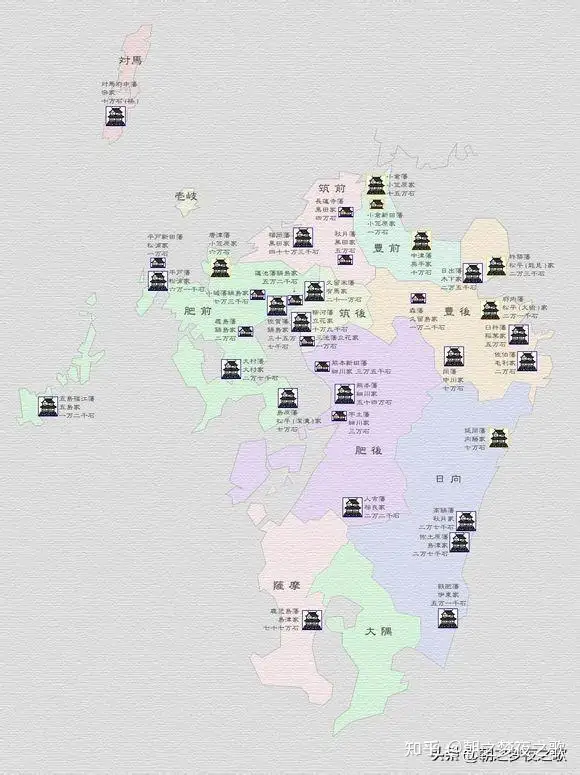
萨摩藩是江户时代九州地区一个的藩国,因其藩厅位于鹿儿岛城,所以又被称为“鹿儿岛藩”,藩主是岛津氏。其领地包括了萨摩国和大隅国的全部以及日向国的大部分,表面石高为77万石,除外如果加上被他征服的琉球王国的12万石领地,则萨摩藩的石高有将近90万石之巨(幕末数据),是除加贺藩以外,全日本第二的大藩国,但是很可惜的是萨摩藩土地并不适宜种植水稻等农作物,且地处火山地震带附近,极易受到台风和火山喷发等自然灾害的影响,而且在其石高计算之时乃是计算的未脱壳大米的重量,所以其实际石高需要大大的打上一个折扣,如果换算成脱壳大米重量的话,估计萨摩藩的实际石高可能只有约36万石(不包括琉球)。
话说随着庆长三年(1598年)和庆长四年(1599年)丰臣秀吉和前田利家的先后去世,作为丰臣政权五大老之首的德川家康进一步扩展了自己的势力,并趁机压制其他五大老、五奉行势力,在加上丰成秀吉死后文治派和武断派之间的矛盾加深,使得丰臣政权内部的矛盾激化,最终在庆长五年(1600年),随着“直江状”事件的发生,德川家康以上杉景胜谋反为借口,调集诸国大名发动“会津征伐”讨伐同为五大老的上杉景胜,而于此同时之前被迫隐居的五奉行之首石田三成以德川家康违反私战禁令为由,联合反德川势力突然发难,起兵讨伐德川家康,由此决定日本未来走向的“关原之战”正式爆发。
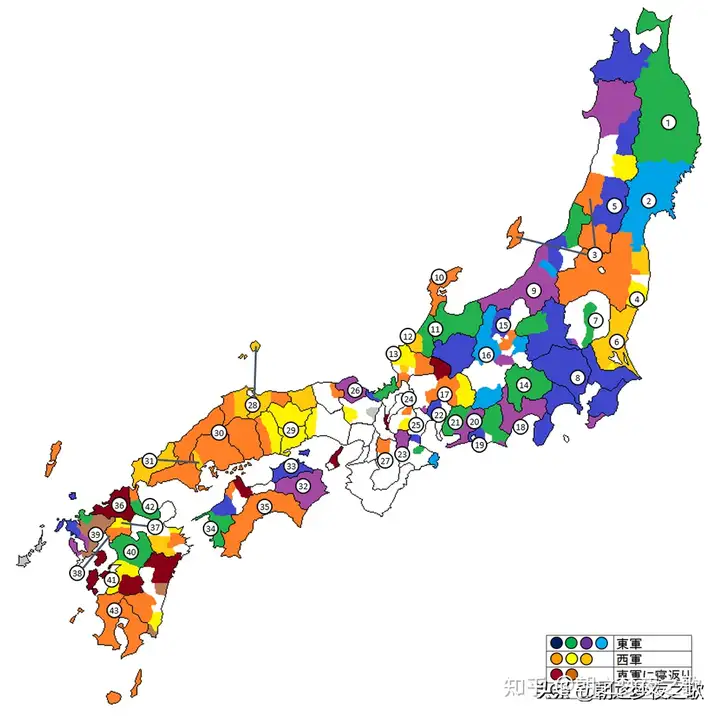
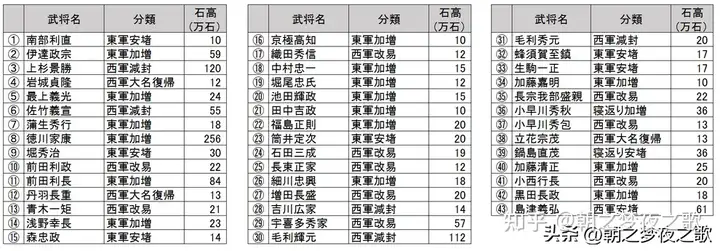
在关原之战爆发前,岛津义弘原本接受了家康的援军请求,计划率领约1500余人的军队,帮助德川家康的家臣鸟居元忠防守伏见城,但是不知是由于当时信息传递不及还是其他原因,鸟居元忠并没有接到相关的消息,拒绝了岛津义弘进城协防的请求,使得岛津义弘愤而加入了西军。
话说堂堂萨摩藩为什么只派出了岛津义弘率领的区区1500余人参战呢,究其原因还要追溯到九州征伐之时,在天正十五年(1587年)岛津氏战败降服于丰臣秀吉后,作为谢罪当主岛津义久隐居,并出家改称“岛津龙伯”,其弟岛津义弘则继承了当主之位,是为岛津氏第17代当主,从此岛津氏内部形成了分别以岛津龙伯(岛津义久)和岛津义弘为首的二元制统治体系,其中岛津龙伯一系主张中立政策,而岛津义弘一系则积极的参与到丰臣政权内部,参加了之后的文禄·庆长之役等诸多战役,并付出了不小的损失,再加上在庆长三年(1598年)岛津氏内部又发生了“庄内之乱”,使得当时岛津氏的主力一直滞留在本领之内,加之岛津义弘也根本没办法调动岛津龙伯的军队,最终使得岛津义弘只能勉强凑齐了约1500余人的军队参战。
庆长五年九月十五日(1600年10月21日),随着东西两军于关原地区集结完毕,关原本战正式爆发,但是让人没想到的是战争仅仅进行了一天便分出了胜负,在西军败亡已成定局之时,面对诸多友军的奔溃,岛津义弘不得不在立即撤退亦或是继续奋战之间做出抉择,而此时继续奋战无异于死路一条,撤退也极有可能被卷入败军之中落得身死的下场,最终经过一番深思熟虑之后,岛津义弘突出奇计,采取以岛津丰久为先锋,山田有荣为右备,其本人为本阵的方阵,以正面突击的方式向伊势街道进行突围,最终虽然其侄子岛津丰久和军师长寿院盛淳战死,但是岛津义弘本人却成功的突出了重围,并平安返回来萨摩,此战后来被称为“岛津关原突破战”。
不过虽然岛津义弘顺利突围返回萨摩,但是这并不代表岛津氏的危机就此解除,此后面对西军诸大名不是遭到减封和就是遭到改易的处分,在权衡再三后岛津氏向德川家康摆出来武备恭顺的姿态,即一方面加强领内的武装力量以巩固国境,另一方面又通过近卫信尹、井伊直政、山口直友等人以外交手段期望获得德川家康的谅解,在此过程中岛津氏还收留了从关原战场上逃出的五大老之一的宇喜多秀家等西军旧人。
由此岛津氏开始了与德川家康之间漫长的外交斡旋,考虑到岛津氏地处西南,且仍然保持有强大的军力(兵力估计超过1万人),加之德川氏政权还未达到稳如泰山的局面,因此德川家康有武力恐吓的手段,但是最终不得不取消了征伐岛津的计划。
庆长七年(1602年),在经过将近3年的外交斡旋之后,岛津氏和德川氏终于达成了和解,获得所领安堵的许可,而作为代价岛津义弘不得不隐居。
随着岛津义弘的隐居,改名岛津惟新斋,家督之位由其迎娶兄长岛津龙伯的女儿龟寿为妻的次子岛津忠恒继承,是为岛津氏第18代当主,继任之后岛津忠恒正式创建萨摩藩,是为萨摩藩初代藩主。不过虽然岛津忠恒名义上是藩主,但是其实藩内实权仍旧被掌控在伯父岛津龙伯和父亲岛津义弘之手。
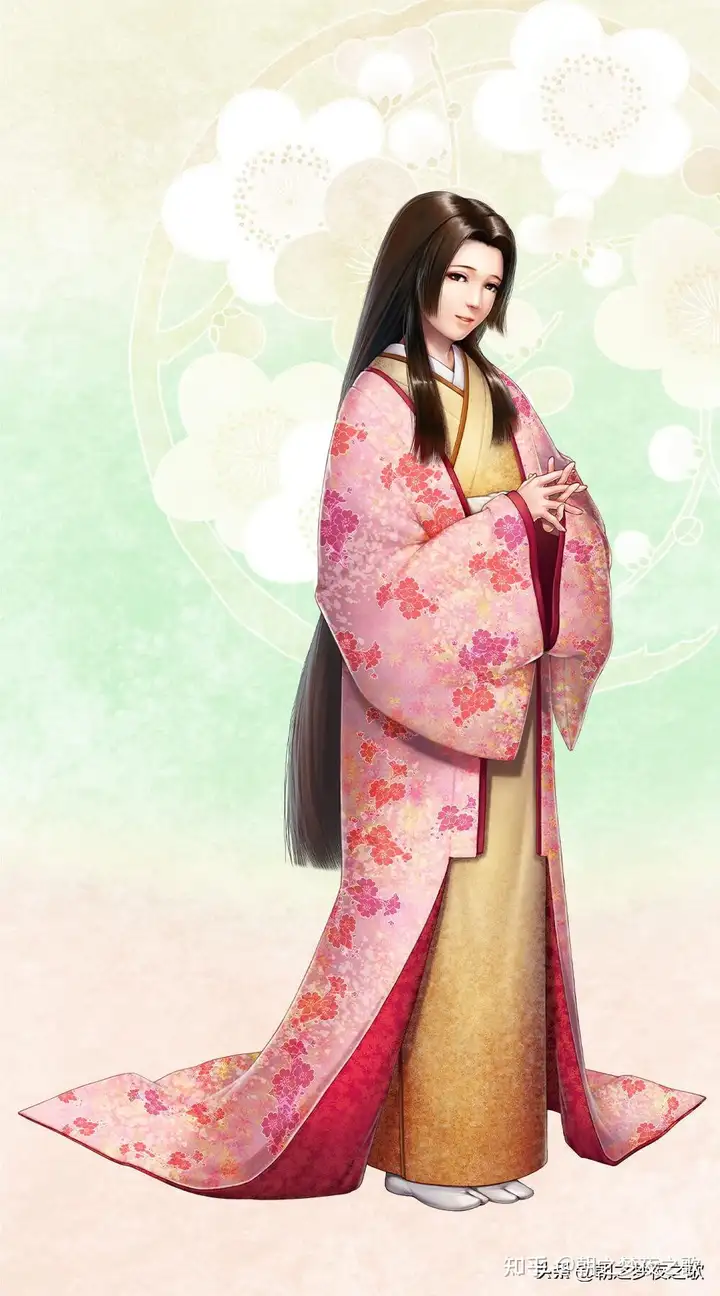
为表达对于德川家康的感谢以及对关原之战的谢罪,在当年,岛津忠恒亲自上洛前往伏见城觐见了德川家康,而随行之列包括了之前在“庄内之乱”之中掀起反旗是伊集院忠真,当队列行进到日向国野尻地区之时,岛津家久借着狩猎的时机趁机暗杀了伊集院忠真,并对外宣称其乃是被家臣渊胁平马所误杀,同一天,伊集院忠真的母亲以及弟弟小传次、三郎五郎、千次也遭到了杀害,伊集院氏宣告灭亡。
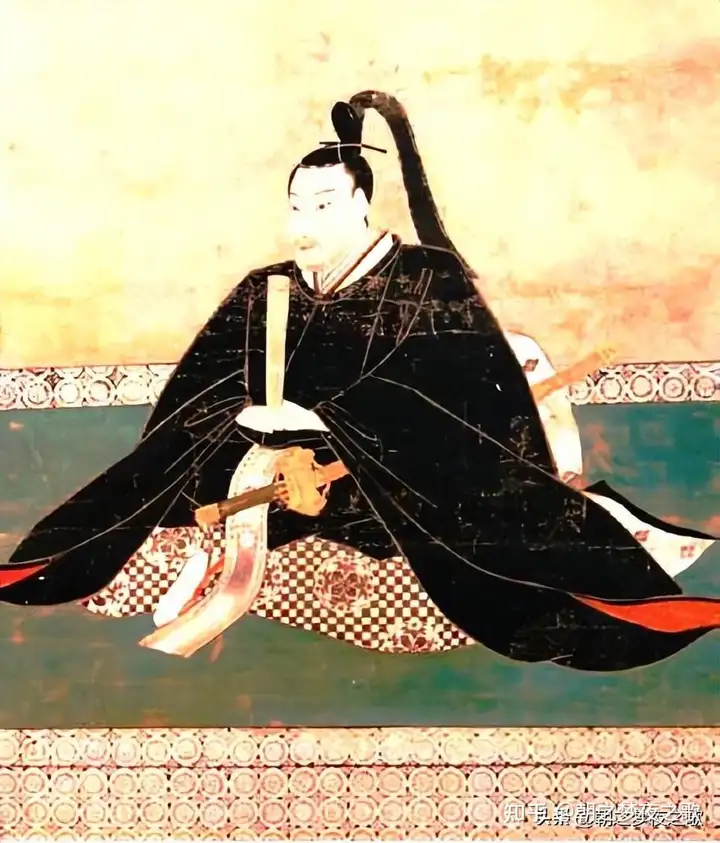
庆长八年(1603年),岛津氏窝藏西军大将宇喜多秀家的事情暴露,在德川家康的要求下,岛津氏不得不将宇喜多秀家引渡给了德川氏。
庆长十一年(1606年),岛津忠恒在接受了德川家康通字“家”字后,正式改名岛津家久,不过为了与其叔父岛津家久做区分,下文仍然称其为岛津忠恒。
同年,为了改善萨摩藩的财政状况和进一步稳固统治,岛津忠恒开始与亲信家臣谋划入侵琉球王国,并多次向德川幕府提出申请。
庆长十四年(1609年),在得到幕府的首肯之后,萨摩藩以桦山久高大将,平田增宗为副将,出动战船80余艘,军队3,000余人,对琉球出兵,是为“琉球征伐”(琉球称为“己酉之乱”),此战虽然琉球王国在国王尚宁王的组织下进行了顽强抵抗,但是由于萨摩藩的军队在装备上明显的优于琉球军队,所以仅短短一个月,萨摩藩军队便逼近琉球王城,尚宁王被迫宣告投降,至此琉球王国沦为萨摩藩的附庸国,尚宁王也被迫跟随岛津忠恒前往江户谒见了将军德川秀忠。
庆长十五年(1610年),岛津忠恒派遣押川公近于土濑户越埋伏暗杀了与其对立的家老平田增宗,并将其认定为“国贼”。据说该事件的起因是平田增宗意图说服岛津龙伯(义久)废除岛津忠恒,而改立岛津久信继承家督,并秘密从德川家康那里得到了朱印状。
庆长十六年(1611年),隐居中的岛津龙伯于国分城去世,享年79岁。
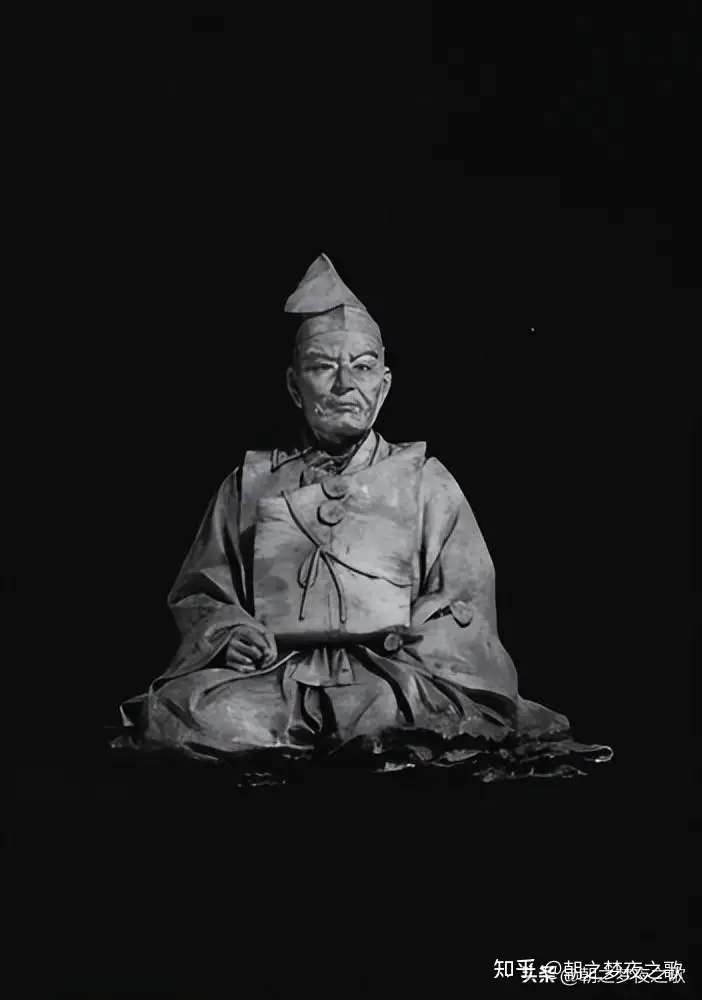
庆历十八年(1613年),萨摩藩将奄美群岛从琉球王国中分离出来,并设置了在岛上设置了大岛代官、喜界岛代官、德之岛代官、冲永良部代官等一系列官员,至此奄美群岛脱离琉球王国,成为萨摩藩的直辖领地,不过由于地处偏远奄美群岛主要成为了罪臣的流放地,而琉球群岛那边则萨摩藩只是派遣了在番奉行,仍然维持着较高的的自治权。
庆长十九年(1614年),伴随着“方广寺钟铭事件”,德川氏与丰臣氏之间的关系正式破裂,德川家康开始召集全国大名讨伐丰臣氏,丰臣秀赖也向全国发布了讨伐德川家康的檄文,作为曾经的西军大名担心岛津氏倒向丰臣氏一方德川家康父子要求岛津氏提交了誓文,并要求岛津氏派遣军队参加对大坂城的进攻。同年冬,大坂冬之阵爆发,不过此时岛津氏正忙于检地和修筑城池,还未能参加此战,战事便以双方议和而告终。而关于此次检地,萨摩藩共测得 73万2千石余的领地。
庆长二十年(1615年),德川氏和丰臣氏的矛盾再次激化,随之便爆发了大坂夏之阵,此战岛津氏由于征召军队时间过长,再一次没能赶上,一度让幕府怀疑萨摩藩心存反叛之心,直到后来发现萨摩藩确实是因为征召军队过长才解除了怀疑。
元和五年(1619年),岛津忠恒的生父岛津惟新斋(岛津义弘)去世,享年85岁,至此压在岛津忠恒身上的两座大山全部消失,其终于可以完全的掌握藩政实权。
宽永四年(1627年),萨摩藩与饫肥藩之间开始就牛之峠的领地归属问题发生了纠纷,面对领土争端双方互不想让,均主张领土归属自己所有,争执不下。
宽永八年(1631年),岛津忠恒三子岛津忠朗受领了祖父岛津义弘的隐居料加治木1万石的领地以及原属于岛津义弘的家臣加治木众317家,创立分家加治木岛津氏,此后加治木岛津氏作为岛津氏一门的笔头活跃。
宽永十年(1633年),在经过多年的争执之后,在巡视牛之峠的幕府巡检使的判决下,最终裁定牛之峠归属于饫肥藩所有,使得萨摩藩不得不放弃了对于牛之峠附近的领土主张,但是对于牛之峠东北部的北河内地区的领地归属问题,萨摩藩仍然持有不同的意见,之后双发围绕着这一块土地一直到了延宝三年(1675年),以幕府再次的裁定饫肥藩胜诉而告终,关于牛之峠领地的争端前后历时近50年之久。
宽永十四年(1637年),岛原之乱爆发,此时岛津忠恒已经身患病重,无法参战,于是不得不从江户城召回了作为嫡子的次子岛津光久,由其主持岛津氏的出兵工作。(在当年曾与岛津忠恒争夺岛津氏家督之位的岛津久信去世,据说是被岛津忠恒毒杀。由于此事并无实际证据证明,所以仅作参考提及)
宽永十五年(1638年),岛津忠恒去世,享年62岁,家督之位由其次子岛津光久继承,是为萨摩藩第二代藩主,据说在岛津忠恒去世之后有多达9名家臣为其殉死。
岛津光久继任之后的宽永十六年(1639年),派遣岛津久信之子也是自己妹夫(姐夫?)的岛津久章作为名代(代理人)前往京都接待德川御三家的使者,但是不知为何岛津久章在归国途中却突然离奇失踪(估计是听到了岛津忠恒毒杀父亲岛津久信的传闻,感觉到了危险而出逃),直到后来在岛津氏位于高野山的菩提寺·莲金院被发现并逮捕遣送回萨摩,幽禁于河边宝福寺、末寺清泉寺等处。正保五年(1645年)岛津久章被判处流放之刑,并在相关人员前来押送他之时因武力反抗惨遭杀害。
同年(1639年),萨摩藩再一次进行了检地,此次检地录得石高69万9000石余石,相较于庆长内检有所下降。
岛津光久在任期间,由于江户幕府的闭关锁国政策的完成,使得作为萨摩藩主要财政来源的海外贸易大受打击,藩内负债开始加剧,由岛津忠恒时的2万两一下子膨胀到35万两。于是为了缓解财政,岛津光久于宽永十七年(1640年)开始任用家老岛津久通在长野(现在的鹿儿岛县萨摩郡萨摩町永野)等地进行了金山的开发工作期望通过开源来缓解财政压力,然而萨摩藩的金山采掘仅仅进行了两年,便遭到了幕府的阻挠和打压,最终不得不于宽永二十年(1643年)被迫停工,此后一直到明历二年(1656年)才再次恢复金山开采。
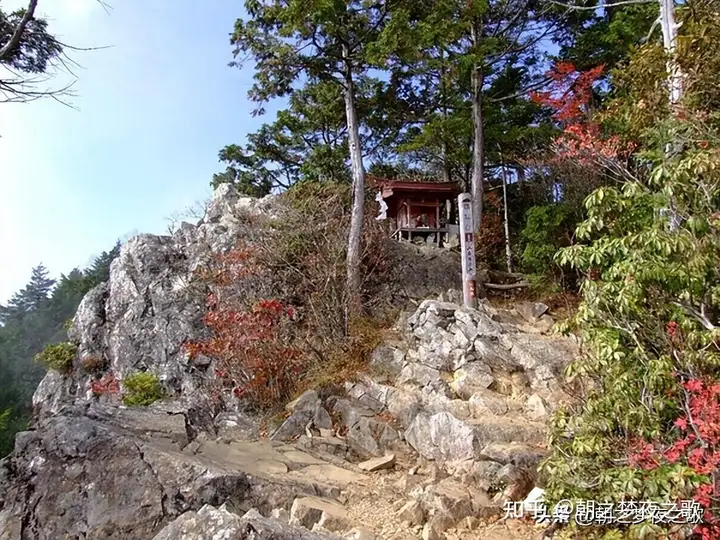
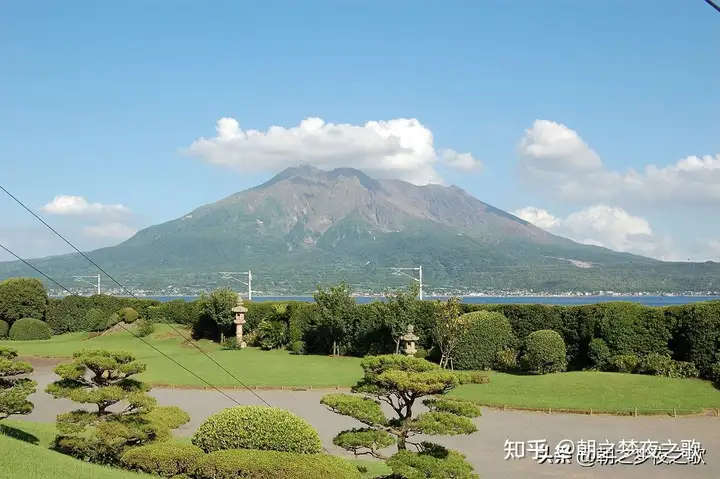
万治年间(1658年-1661年),岛津光久在萨摩藩的海边修建了一座别邸,并将其命名为“仙严园”
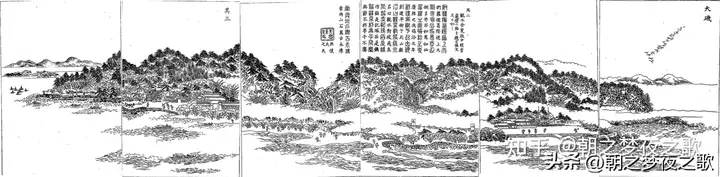
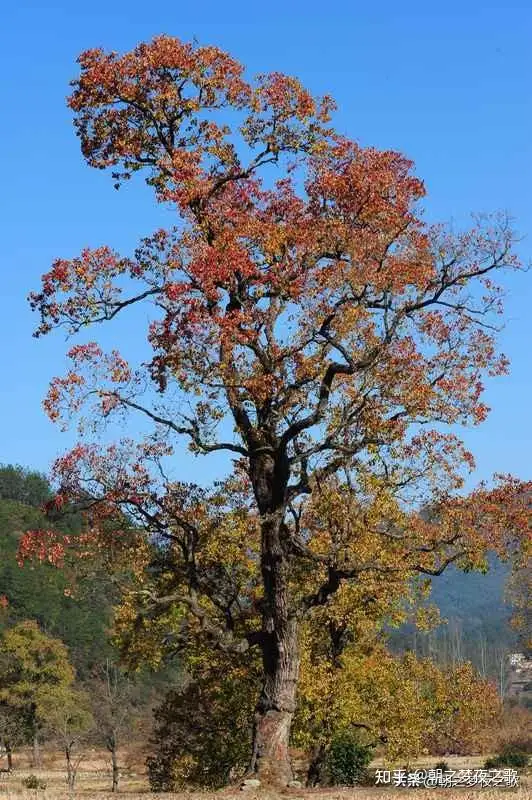
同时,万治元年(1658年)起,为了能够增加藩内的财政收入,萨摩藩开始进行大规模新田开发和河川整修工作,并且强迫农民们种植乌柏树,同时开始在藩内实行蜡专卖制,希望以此来改善萨摩藩的财政,但是乌柏树、蜡等产业都是不能立即见效,于是萨摩藩只能从地租上想办法,但是萨摩藩原来名义上1石谷米收4斗1合为地租,但是实际上经常收到5斗以上,但是的农民平均日常只有米1撮,地瓜5个,粟米3撮,麦1撮为口粮,生活十分的清苦。
延宝元年(1673年),作为萨摩藩世嗣的岛津光久长子岛津纲久去世,享年42岁,于是岛津光久指定岛津纲久的长子岛津纲贵作为新的世嗣。
贞享四年(1687年),在位已经五十年的岛津光久终于选择隐居,家督之位由其孙岛津纲贵继承,是为萨摩藩第三代藩主。
虽然岛津齐彬一派遭到了岛津齐兴的残酷弹压,但是不幸中的万幸的是在此过程中有4名齐彬派的藩士成功逃脱,并在选择脱藩后逃亡到了筑前福冈藩,向福冈藩藩主黑田齐溥求援,话说齐彬的曾祖父岛津重豪生有26个子女(12女14子),其在女儿茂姬成为将军御台所以后,利用“国丈”的身份大力推行亲缘政治,除长子岛津齐宣继承了萨摩藩以外,剩余诸多子女基本都嫁给或者过继给了各家大名,而黑田齐溥便是岛津重豪的送入福冈藩的第十三子,也就是齐彬的叔祖父,除黑田齐溥以外继承藩主之位的还有中津藩藩主奥平昌高(次子)和八户藩藩主南部信顺(十四子)等人,岛津重豪的亲缘政治给萨摩藩构建了庞大的亲戚网,同时也给此时的岛津齐彬提供了绝地翻盘的机会。
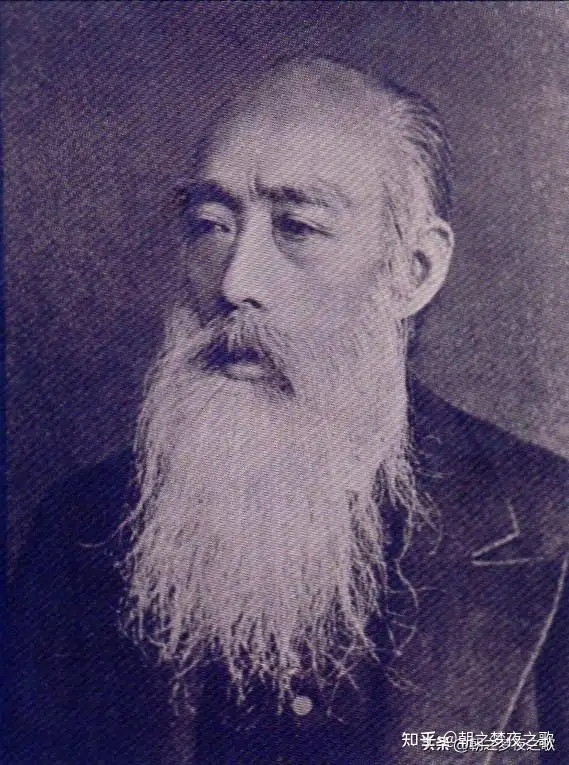
话说岛津齐彬自幼由岛津重豪带大,深受重豪的影响,因此他的风格与重豪极其相像,酷爱兰学,被认为是重豪思想的继承人,也因此使得作为重豪子女的黑田齐溥等人很自然的与其亲近,成为了天然的齐彬派,于是当黑田齐溥得知岛津齐彬孤立求援、情况危机之时,很快做出反应向幕府提出申诉,随之消息很快传开,作为岛津重豪第十四子陆奥国八户藩藩主南部信顺也紧随其后向幕府进行了申诉。面对两大藩国的联名申诉以及事件的持续发酿,幕府不得不对此事做出反应,出面进行干预,为萨摩藩收拾残局,最终在岛津齐兴登城拜见之时,将军德川家庆向其赐下茶器“十德”,暗示其应该尽早隐居以平息事态,岛津齐彬终于迎来了绝地大翻盘。
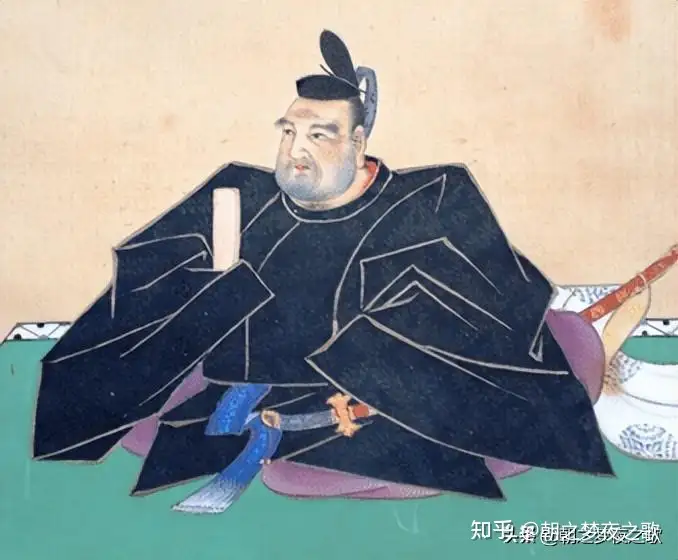
嘉永四年(1851年),无法违抗将军命令的岛津齐兴被迫宣布隐居,结束了长达42年的超长待机,年过40的岛津齐彬终于得偿所愿继承了藩主之位,是为萨摩藩第十一代藩主。
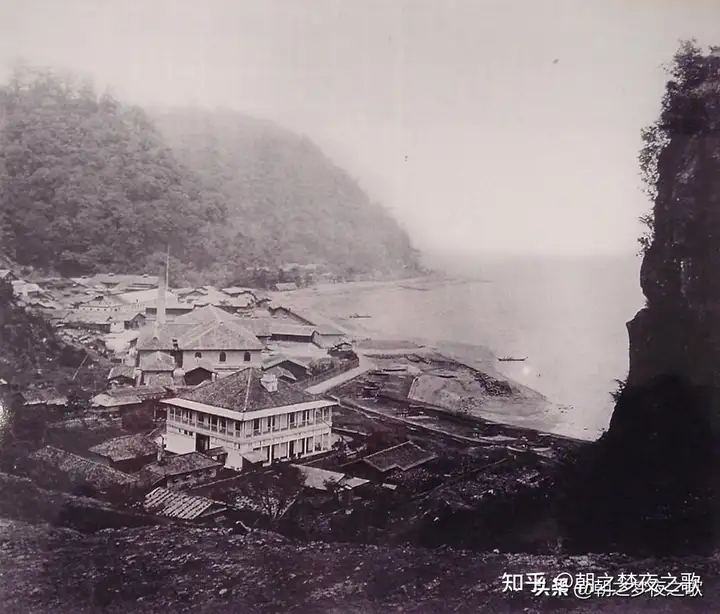
岛津齐彬在继任藩主之位后便立刻着手按照兰学的思想推行“富国强兵”的策略。在藩内,他以“殖产兴业”为主导政策下,开始建设日本第一个近代西式工厂群,其包含了造船业、制铁业(反射炉、熔矿炉的建造)、纺织业、军事工业(大炮、地雷、水雷)、制造业(玻璃制品)等多种产业,这些产业最后被统一称为“集成馆事业”。在这些产业中以造船业最为重要,通过对造船业技术的发展,萨摩藩完成了第一艘西式帆船“伊吕波丸”和西式军舰“升平丸”的建造,并且在船只制造过程中为了解决帆船布等部件的制作问题,推动了相应的冶炼、纺织、军事等工业的发展。
在发展实业的同时岛津齐彬也十分注重人才培养和提拔,这一时期出身于下级武士的西乡隆盛、大久保利通等人均得到了齐彬的提拔,其中西乡隆盛先后担任了中御小姓和御庭方役等职务,成为了齐彬的亲信扈从,而大久保利通则先后担任了御藏役、徒目付等职务,两人均逐渐的在藩内崭露头角。
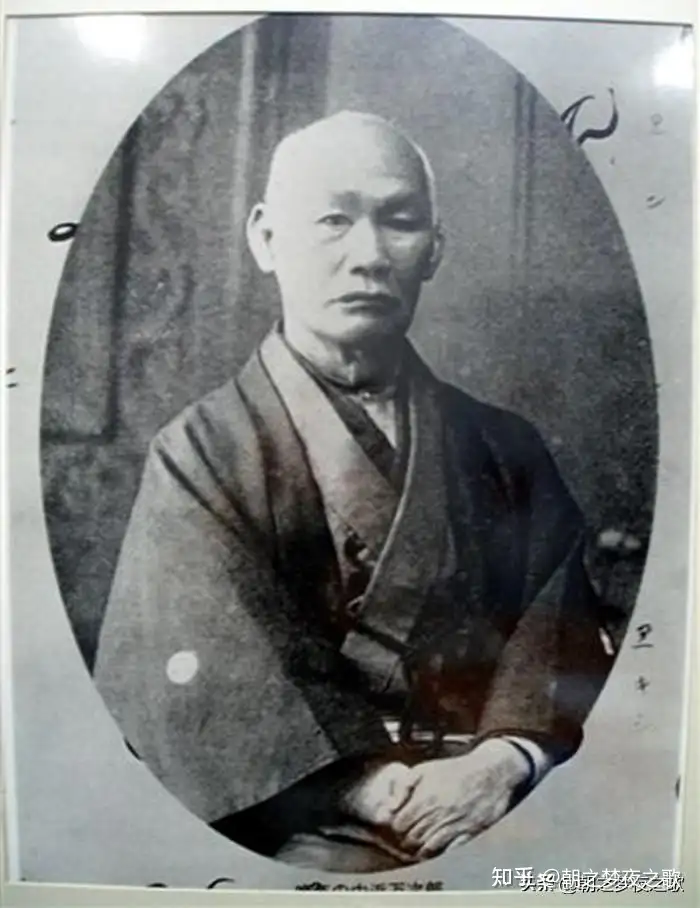
嘉永四年(1851年),出身自土佐藩,在国外漂泊了10余年的约翰万次郎(又名中滨万次郎、约翰·蒙1827-1898)从美国返回日本,由于其精通英语与造船术等,因此受到了岛津齐彬的庇护,并让其教导藩士们造船技术,后来由于黑船来航事件的影响,约翰万次郎受到幕府征召,作为幕府旗本,受命开设军舰传习所。
岛津齐彬在继任藩主之前便与松平庆永、伊达宗城、山内丰信、德川齐昭、德川庆恕等雄藩大名多有往来,他们一起积极介入幕政,向老中阿部正弘呼吁幕政改革,并逐渐的形成了一个以支持一桥庆喜继任将军以实现政治报复的团体“一桥派”与当时幕府内部遵循血缘关系,主张拥立纪州藩藩主德川庆福的保守派势力组成“南纪派”相互对抗。
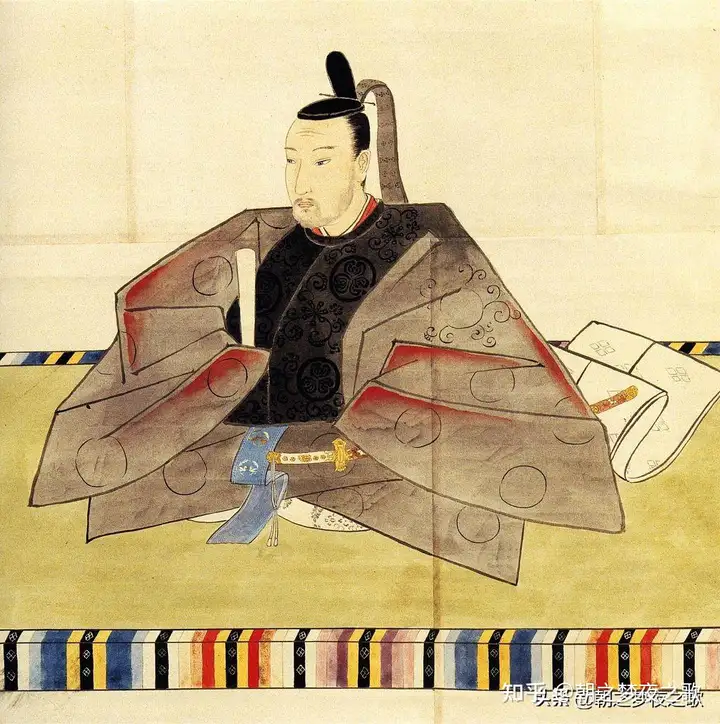
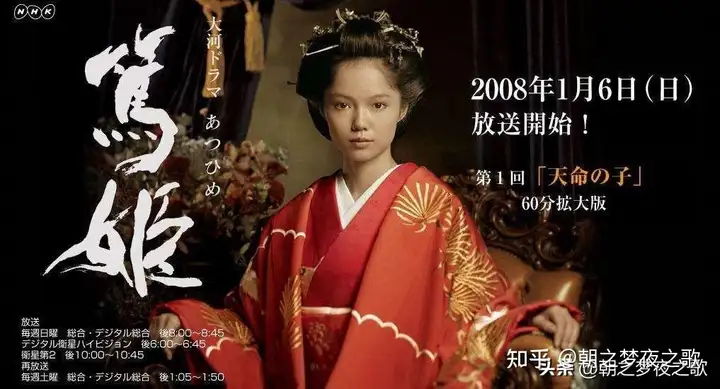
嘉永六年(1853年),为了更好的对抗幕府内部的“南纪派”势力,岛津齐彬决定与幕府开展联姻,将一名值得信任的岛津氏公主嫁给当时刚刚即位的第十三代将军德川家定,以增添在大奥的影响立,最后经过选拔选定了分家今和泉岛津氏当主岛津忠刚的长女於一,将之收为养女,改名笃姬,之后又在安政三年(1856年)让其成为右大臣近卫忠熙的养女,并在当年成功成为德川家定的正室,如果有想要了解笃姬的,可以选择观看2008年有宫崎葵主演的大河剧《笃姬》。
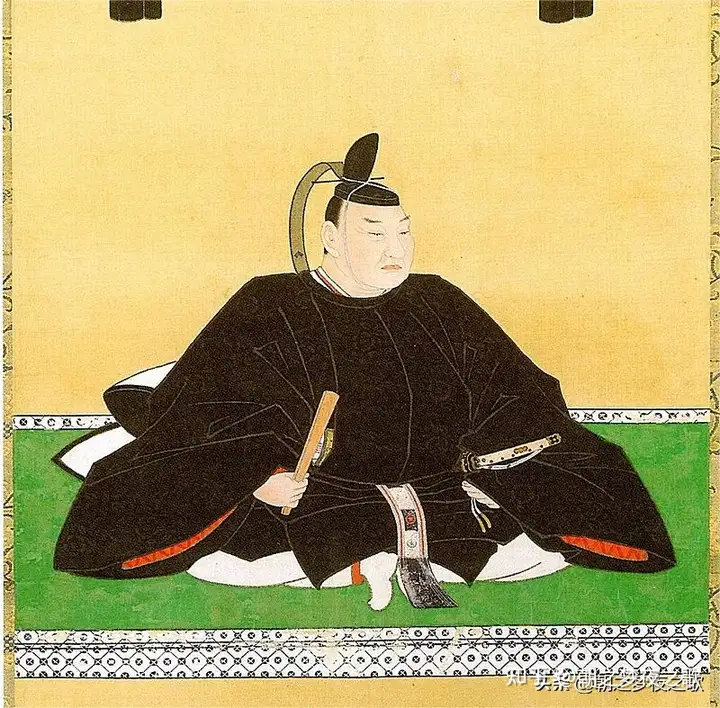
安政四年(1857年),作为岛津齐彬盟友的老中首席阿部正弘去世。随着阿部正弘的去世,幕府内部的保守派势力开始抬头,并逐渐掌握了幕府的实权,并在安政五年(1858年)强力推举彦根藩藩主井伊直弼就任幕府大老一职,随着井伊直弼就任大老一职,其利用自己的地位,发动强权确立了纪州藩藩主德川庆福为下一任将军(同年即位为第十四代将军),并开始大举镇压作为反对派势力,最终“一桥派”的多位大名被处以谨慎隐居处罚,尊王攘夷派等势力也受到了极大的影响,牵连者达到100人以上,是为“安政大狱”。
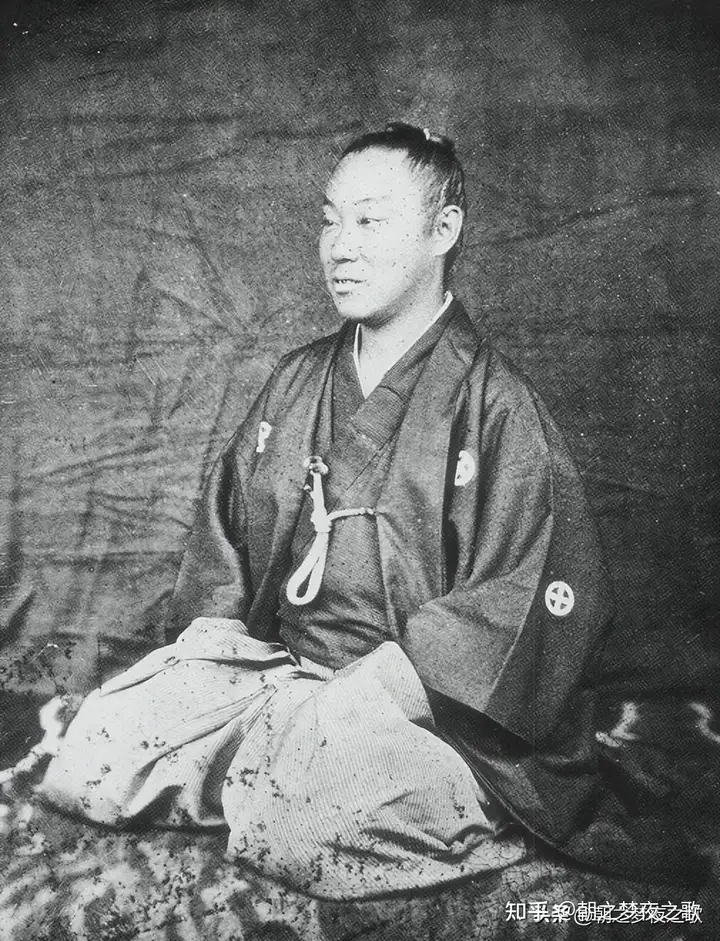
面对井伊直弼的铁幕政策,远在萨摩的岛津齐彬决定率领5,000藩兵上洛进行武力抗议。但是,在出发前的阅兵过程中,岛津齐彬突然病倒,不久去世,享年50岁,由于岛津齐彬死的过于突然,且事件节点特殊,所以有说是死于中毒。
由于当时除了六子哲丸以外,岛津齐彬的儿子均已夭折,因此其死前将家督之位传给了养子岛津忠德(岛津久光长子)继承,并将三女岛津暐子指婚给岛津忠德,希望待到哲丸成年后再由其继承藩主之位,由此岛津忠德成为了萨摩藩第十二代、也是末代藩主。(很可惜的是次年岛津哲丸夭折,岛津齐彬的男性血脉宣告断绝)
岛津忠德继任之时还十分年轻(19岁),所以由其祖父岛津齐兴担任后见役辅佐其处理藩政,由此萨摩藩内的保守势力也开始抬头,在这一时期齐彬的心血“集成馆事业”被缩减,再加上当时正处在安政大狱之时,使得萨摩藩内的进步势力大受打击,不过在但是岛津齐兴保护了西乡隆盛等人这点还是值得称道(岛津齐彬死后西乡隆盛一度自杀未遂,之后又因安政大狱遭到通缉)
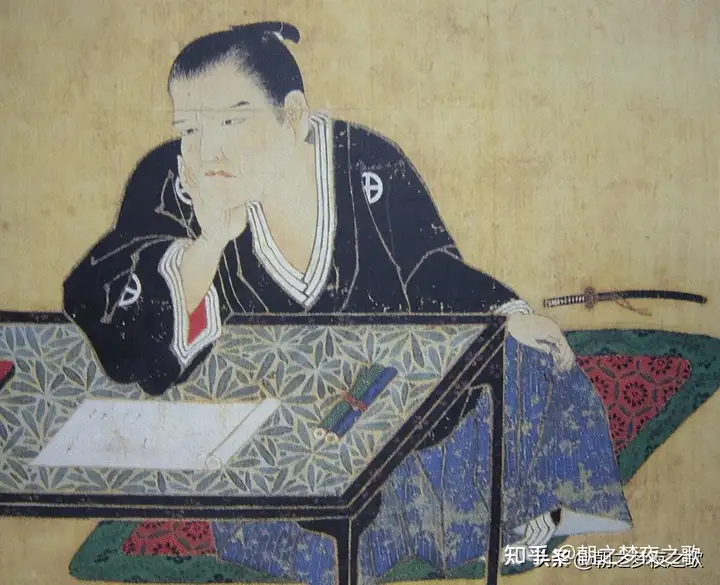
安政六年(1859年),担任岛津茂久监护人的岛津齐兴去世,享年69岁.随着岛津齐兴的去世,作为岛津忠德生父的的岛津久光开始扩大其在藩内的影响力,并逐渐掌握了萨摩藩的藩政,到了文久元年(1861年)之时,岛津久光正式回归本家,开始在藩内受到“国父”的礼遇,之后更是被尊称为“副城公”,成为萨摩藩的实际掌权人。
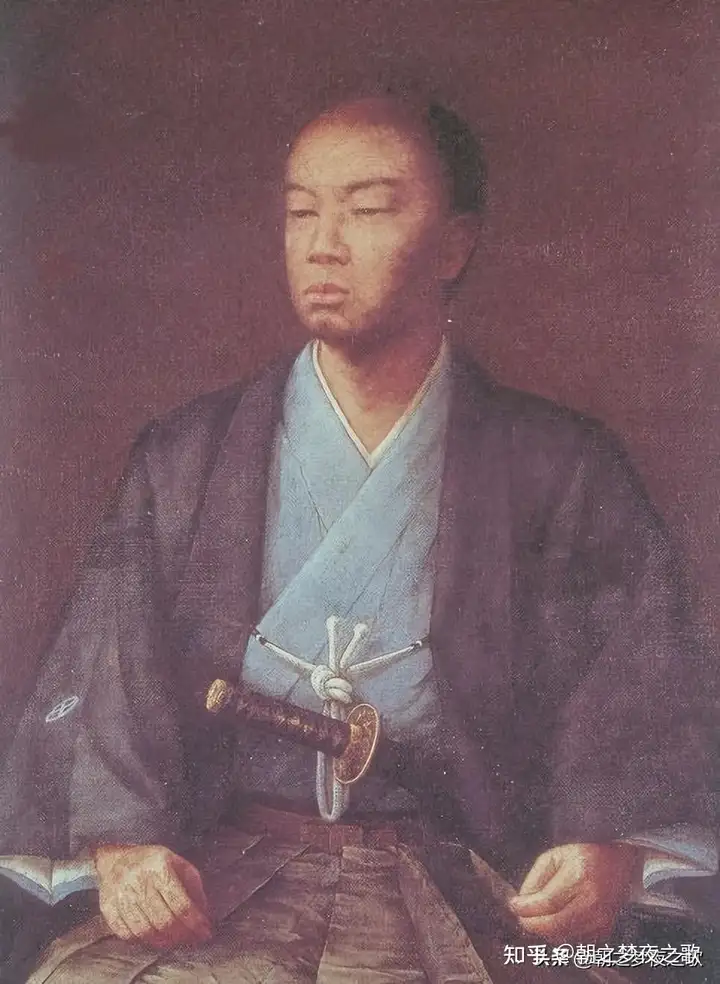
在岛津久光扩大权力的过程中,他逐渐受到大久保利通等人的影响,思想发生转变,开始重用小松清廉(带刀)、中山尚之介等人,并于由大久保利通、税所笃、伊地知贞馨(堀仲左卫门)、岩下方平、海江田信义、吉井友实等中下级藩士组成的有志团体“精忠组”达成一致,开始延续兄长齐彬的政策,不过要指出的是他西乡隆盛的关系却始终不睦,更是在文久二年(1862年)将西乡隆盛流放到了远岛之上(最初是德之岛,后改为冲永良部岛),一直到元治元年(1864年)才赦免西乡隆盛。
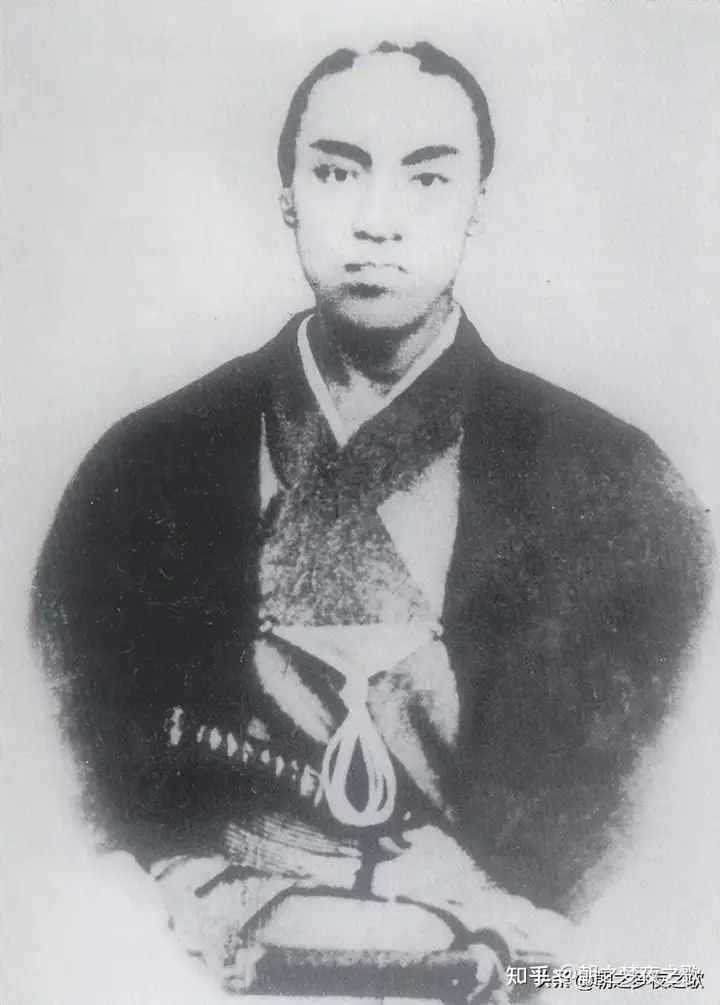
文久二年(1862年),伍德索普·查尔斯·克拉克、查尔斯·雷诺克斯·理查德森、威廉·马歇尔、玛格丽特·博洛代尔等四名外国人由于不懂得日本的礼仪在武藏国橘树郡生麦村冲撞了岛津久光的队列,遭到了岛津家的家臣奈良原喜左卫门、海江田信义等人的攻击,最终造成1人死亡,2人受伤的结果,是为“生麦事件”。
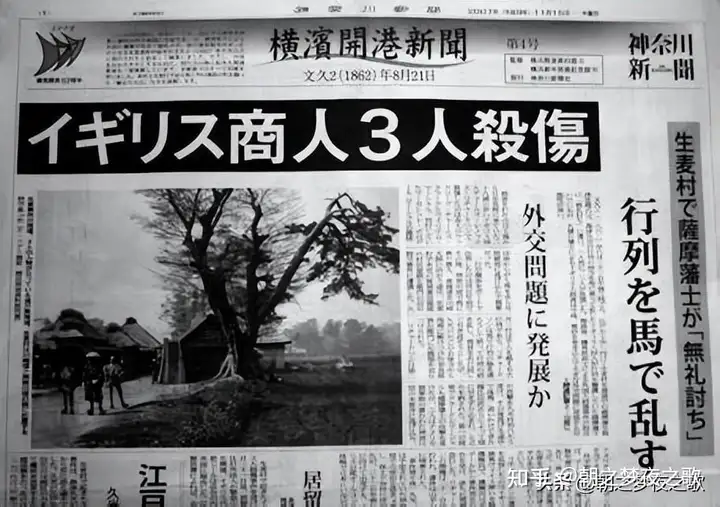
“生麦事件”发生后,英国虽然得到了幕府10万英镑赔偿金,但是仍然对萨摩藩不依不饶。为了逼迫萨摩藩,更是于文久三年(1863年)派出七艘军舰组成的舰队向萨摩藩发起了进攻,炮击了鹿儿岛城,萨摩藩的近代工厂研究所·集成馆被破坏,面对英国的经过,萨摩藩发起总动员对来犯英舰予以回击,此战虽然萨摩损失不小,但是英国也付出了惨痛的代价,其舰队一艘战舰重伤,两艘中伤,包含舰长副舰长一共死伤了63人。
文久三年(1863年),为抑制以长长洲藩为首的尊攘激进派,萨摩藩联合会津藩、中川宫(久迩宫朝彦亲王)、近卫忠熙、忠房父子等公武合体派,发动了“八月十八日政变”,解除长州藩兵担任警卫皇宫的任务,并将其逐出京都,之后三条实美、壬生基修、锦小路赖德等七名尊攘派公卿不得不逃奔长洲藩,即“七卿流亡”。
“八月十八日政变”后,长州藩丧失了政治上的主导权,但日本朝廷仍然继续攘夷的政策,元治元年(1864年)受到“天狗党之乱”的影响,日本各地的尊皇攘夷派期望长州藩复返京都的呼声逐渐高涨,使得长州藩内的激进派又开始抬头,加之当年发生池田屋事件,最终促成激进派以"向天皇陈诉藩主的冤罪"为名起兵上洛,引发“禁门之变”,在禁门之变中萨摩藩、会津藩与长州藩进行了激烈的交战,并最终击败了长州藩的军队。
“禁门之变”后,长州藩被指定为朝敌,在求得朝廷发布征讨长州的敕命后,幕府动员35个藩,总计15万兵力发动了第一次长州征伐,从艺州口、石州口、大岛口、小仓口、萩口五个方向向长州藩发动了进攻,其中萨摩藩作为进攻萩口先锋行动,在此过程中萨摩藩与长州藩之间的关系有所改善,并帮助长州藩进项了斡旋,最终长州藩以三家老(国司亲相,益田亲施,福原前僴)切腹和四参谋(穴户真正澄,竹内正兵卫,中村九郎,佐久间左兵卫)斩首为代价向幕府表示降服。
庆应元年(1865年),长州藩的高杉晋作等发动政变,打倒了藩内的保守派,使得长州藩再次确立了倒幕的主张,使得第十四代将军德川家茂决定再次征讨长州。但是在战事开始前的庆应二年(1866年),在脱藩的原土佐藩士坂本龙马与中冈慎太郎等人的斡旋,萨摩藩和长州藩在京都萨摩藩邸内缔结秘密盟约,因此萨摩藩拒绝出兵长州,最终第二次长州征伐以幕府军大败而宣告结束。
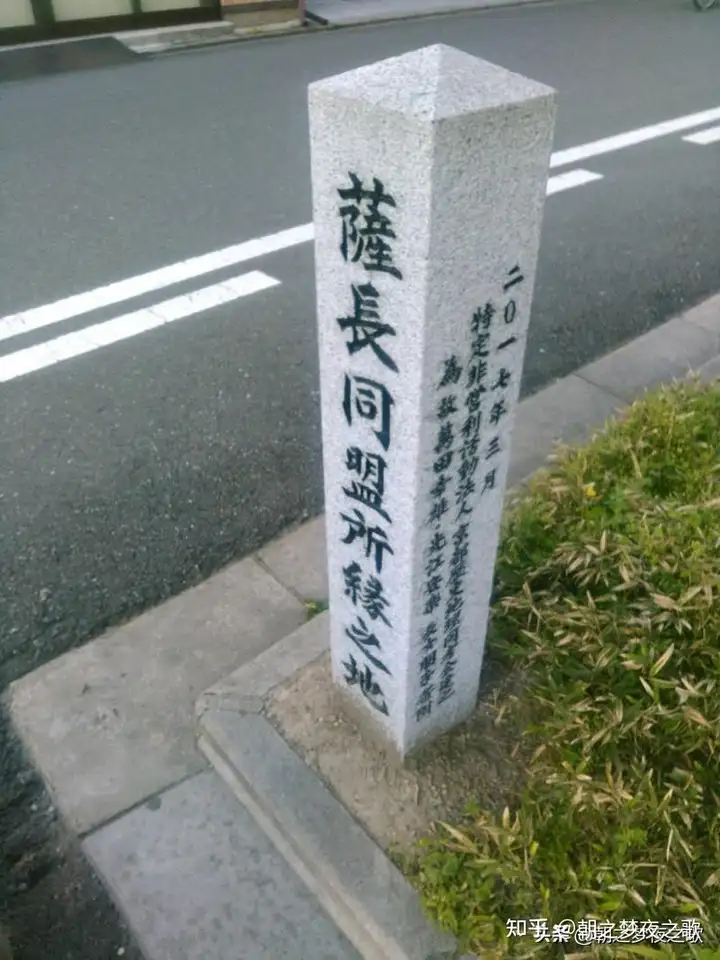
PS:萨长盟约以坂本龙马为中间人,萨摩藩的代表为西乡隆盛和小松带刀,而长州藩的代表则是木户孝允,盟约共分六条:
一、开战后萨摩派二千余兵上京与驻京之兵合流,稳住京都大阪要害之地。
二、若长州看似有胜算时,萨摩负责向朝廷进言。
三、万一看似要败,长州一年半载也不至于毁灭,这之间萨摩也必须尽力。
四、与幕府的战争结束后,萨摩一定要对朝廷诉说长州冤枉。
五、若土佐、一桥、、会津、桑名等藩一定要怂恿朝廷、违背正义,再三进言也无用的话,只能决战。
六、洗清冤屈后,双方诚心实意为国家粉身碎骨尽力。
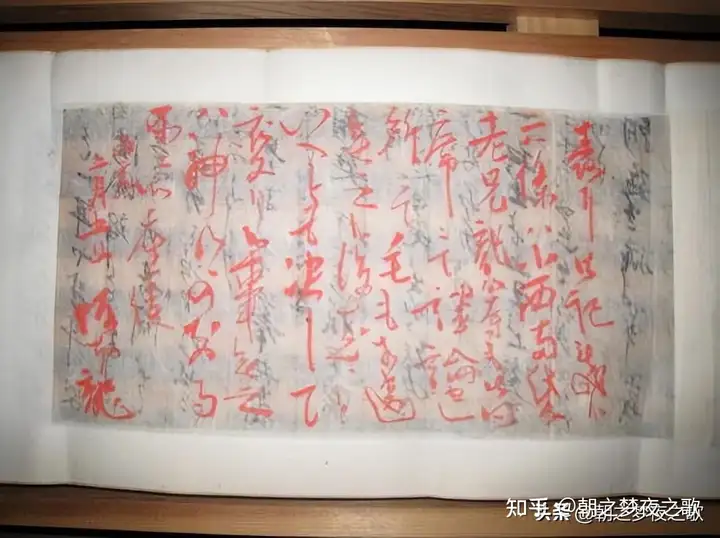
庆应三年(1867年),在中冈慎太郎的斡旋下,萨摩藩又与土佐藩签订“萨土讨幕密约”,缔结了武力讨幕的军事同盟,倒幕同盟进一步扩大。
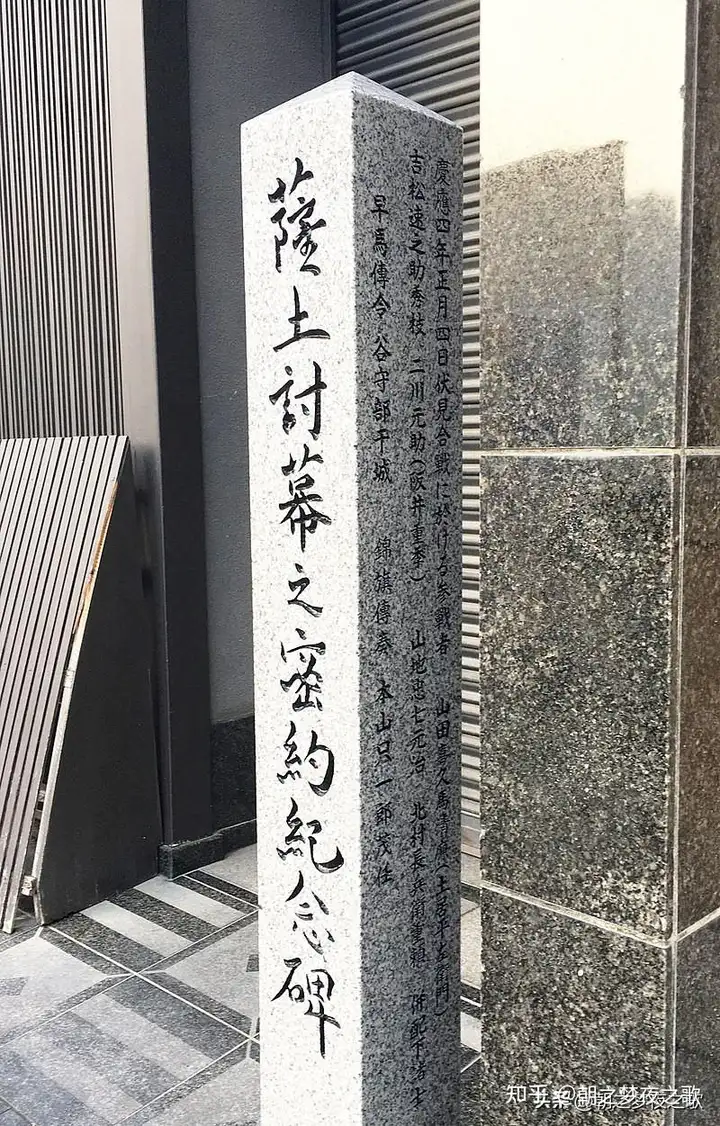
同年(7月),第十四任幕府将军德川家茂去世,一桥庆喜继任将军之位,改名德川庆喜,一桥派的夙愿终于达成,于是对幕府还存在幻想的萨摩藩(岛津久光)与越前福井藩(松平春岳)、土佐藩(山内容堂)、宇和岛藩(伊达宗城)在京都召开“四侯会议”,与德川庆喜就兵库开港和长州藩处置等进行了磋商,但是会议最后以失败而告终,受此影响,让萨摩藩进一步确立了武力倒幕主张。
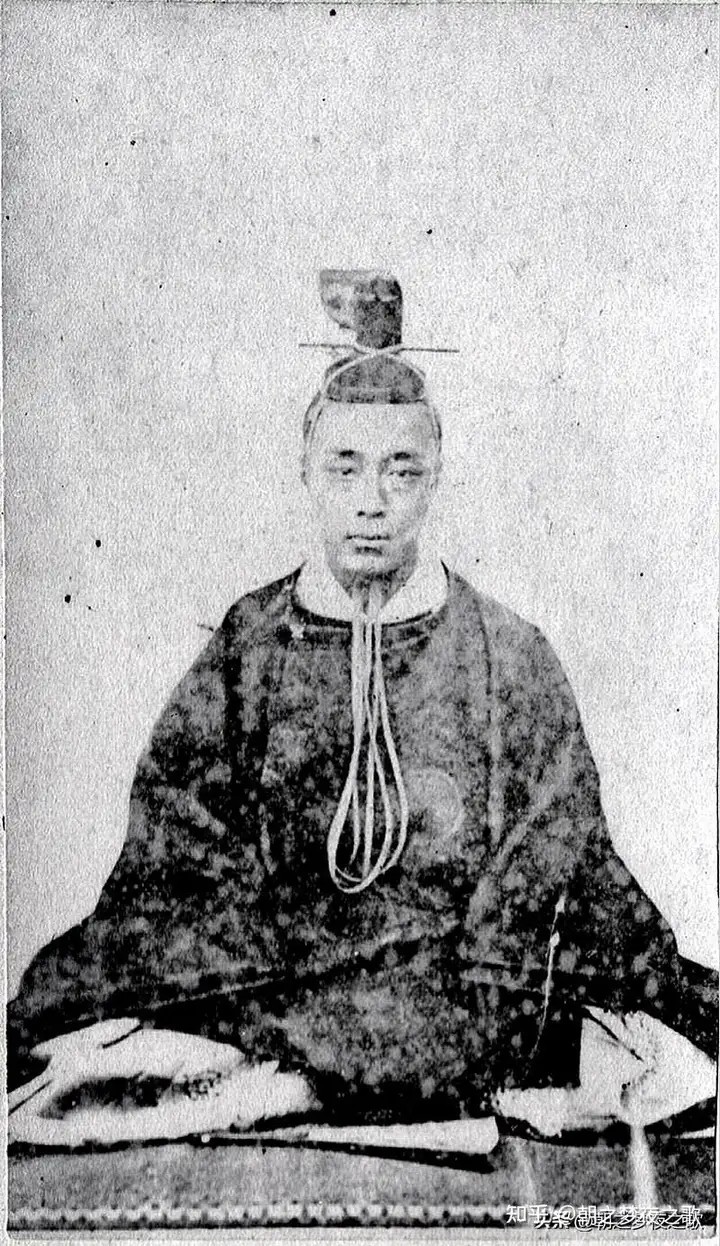
同年(11月),萨摩藩接到朝廷讨幕的密敕,使得讨幕正式合法化,但是当月德川庆喜突然实施了“大政奉还”,由此朝廷开始实行“王政复古”,但是“大政奉还”仅仅只是缓兵之计,日本朝廷表面上获得了权力但是其实实权仍然掌握在幕府手里,使得王政复古成为了空谈。
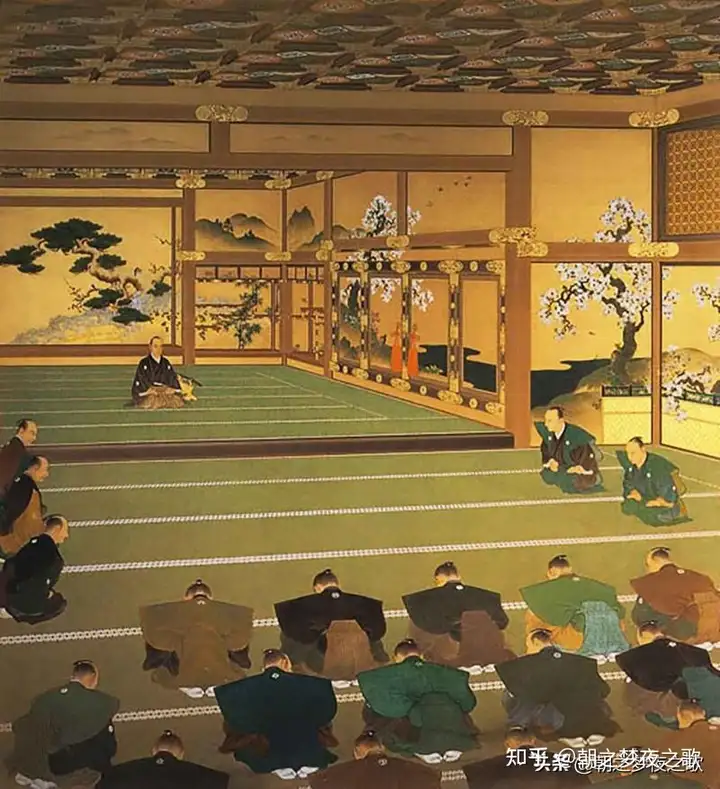
随着王政复古的失败,为了讨幕萨摩藩开始通过雇佣流氓地痞作乱的方式对幕府进行挑衅,最终迫使幕府出兵讨伐萨摩,以此为契机武力倒幕正式拉开了序幕。
庆应4年(1868年),由萨摩藩和长州藩组成的新政府军约5,000人与幕府军约15,000人在鸟羽、伏见进行了首次交战,是为鸟羽·伏见之战,此战最终新政府军以少胜多击败了幕府军。
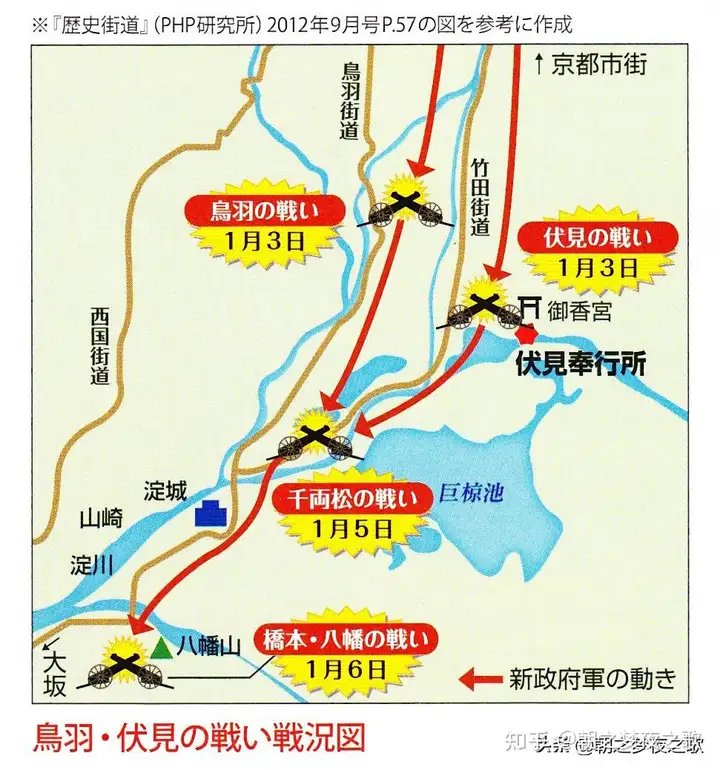
随着新政府军在鸟羽·伏见之战取得胜利,朝廷和许多还在观望的藩国也迅速表面了倒幕的立场,而幕府及佐幕势力则被认定为叛军,德川幕府瞬间变得摇摇欲坠,最终在戊辰战争后于当年彻底倒台,结束了其对日本长达260余年的统治。
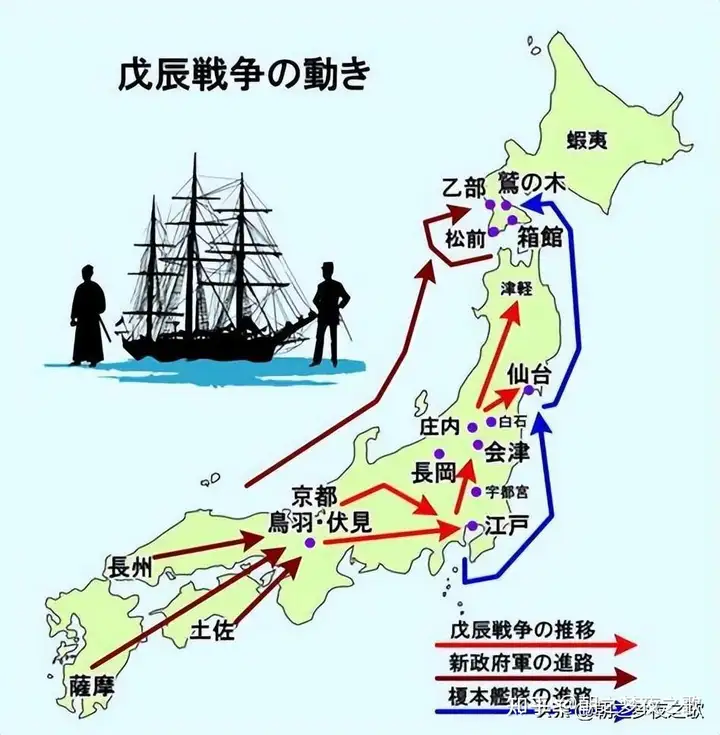
德川幕府倒台后,在戊辰战争中立下大功的川村纯义、野津镇雄、伊集院兼宽等为代表的的下级武士势力开始抬头,并最终掌握了萨摩藩的藩政。
明治二年(1869年),岛津久光因明治维新的功绩获得赏典禄10万石,并在之后的明治四年(1871年),从岛津氏内分家,成立玉里岛津氏。
明治四年(1871年),废藩置县后,萨摩藩被改称为鹿儿岛县。
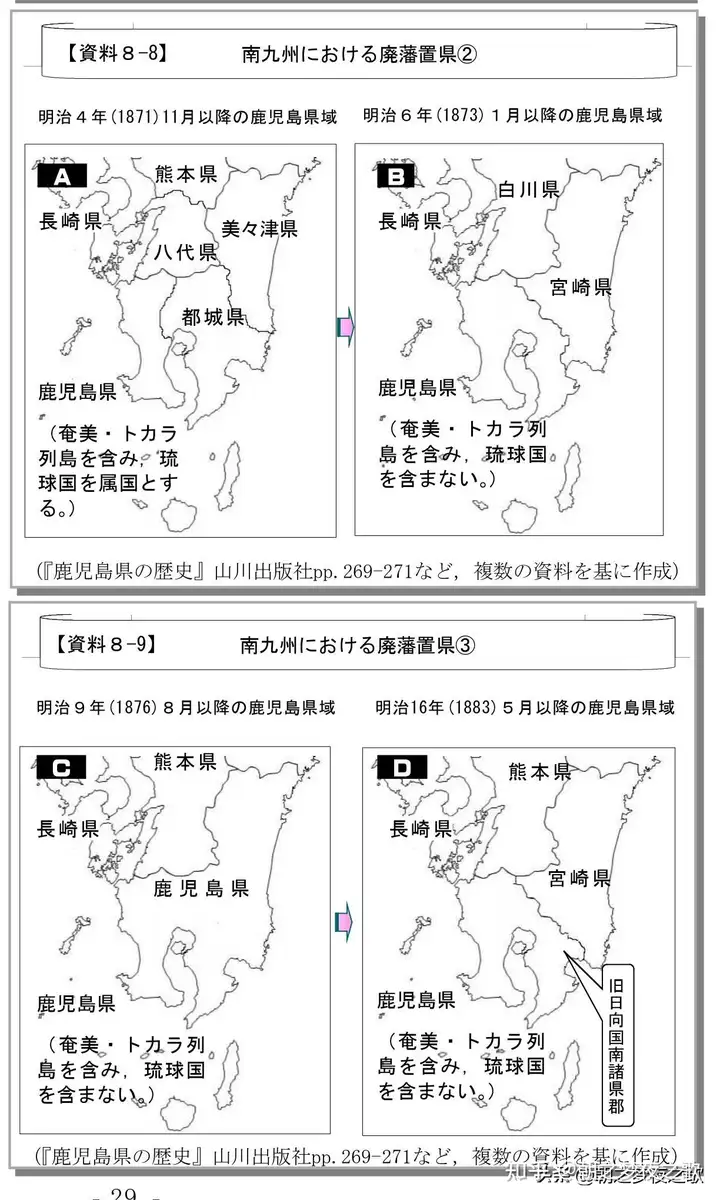
明治五年(1872年),琉球被从鹿儿岛县内划出,单独成立琉球藩设置后,成为政府的直辖领地。
明治六年(1873年),明治政府内部爆发了“征韩论”之争,最终以大久保利通、岩仓具视为首的归国派成功说服明治天皇颁旨反对即时征韩,主张征伐朝鲜(韩)的西乡隆盛被迫下野返回故乡鹿儿岛,是为“明治六年政变”(征韩论政变),政变发生后,西乡隆盛自感意见不被采纳,在新政府中备受排挤于是愤而辞官回乡,而许多当时在政府内担任职务的萨摩藩士族也跟随西乡隆盛返乡。
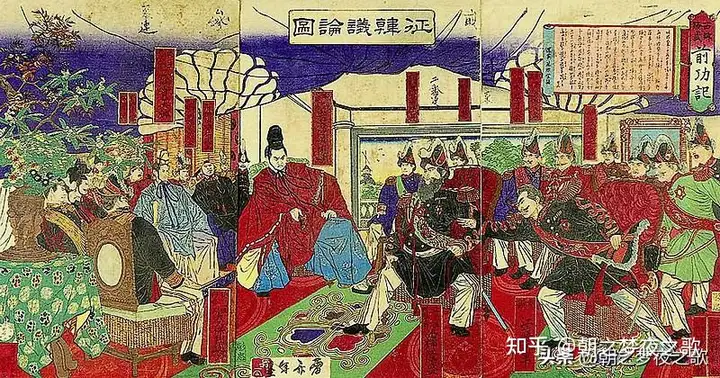
明治七年(1874年),为了约束在明治六年政变后下野的归乡的士族,西乡隆盛于在藩内开设私学校,该校为一所军事学校,其授课内容包括了炮术等军事学科。
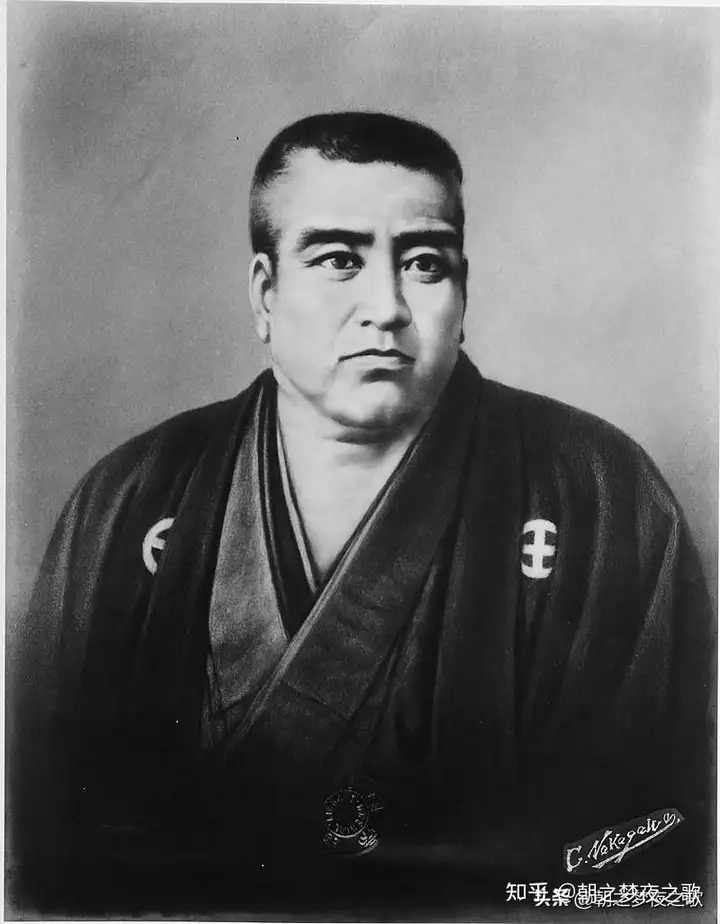
明治九年(1876年),明治政府颁布废刀令和实施秩禄改革,彻底废除了延续了数百年来旧武士阶级的带刀、俸禄等特权。造成各地士族的极大不满,并最终引发了神风连之乱、秋月之乱、萩之乱等士族的武装叛乱。随着各地叛乱不断,使得新政府对于当时保留有最强战斗力的旧萨摩士族的不信任感进一步加深,接连在萨摩做了许多小动作。
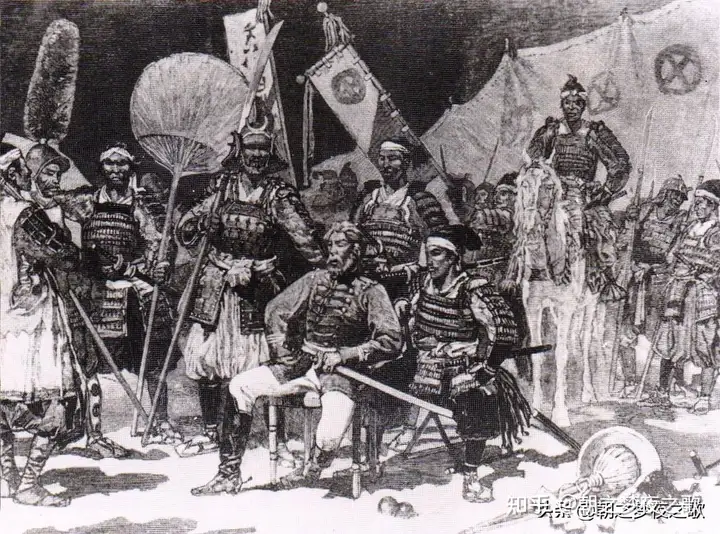
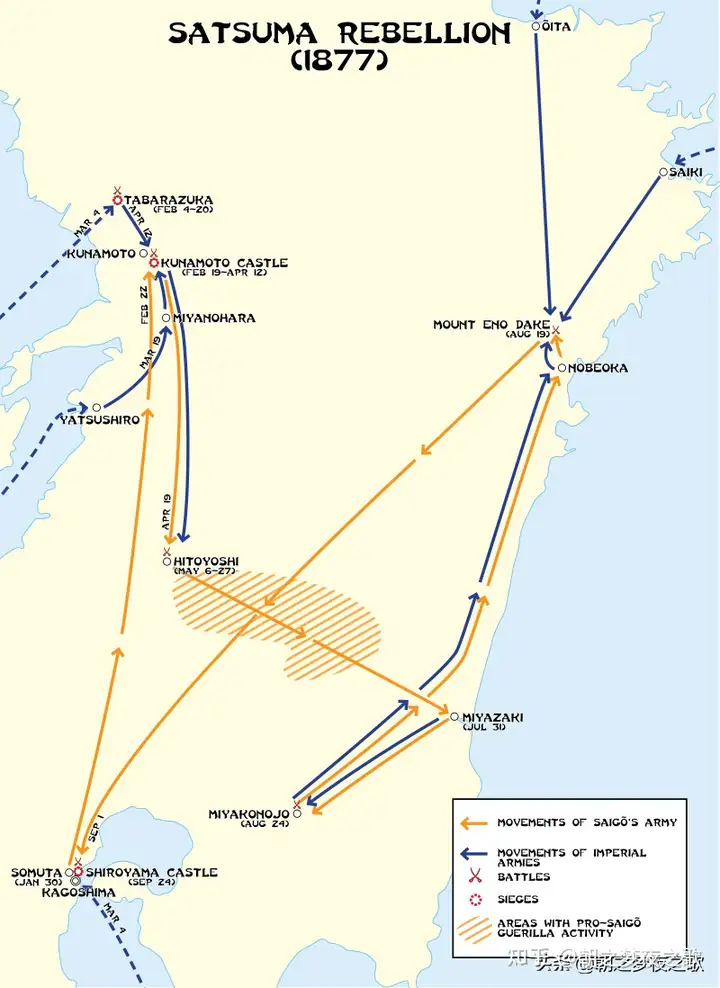
明治十年(1877年),随着旧萨摩藩士族发现新政府在派人运输军火库的武器弹药后攻击了鹿儿岛火药库,被誉为最大士族叛乱的“西南战争”正式拉开了序幕,叛军推举西乡隆盛为首领,分成7个大队,共计3万余人,在九州多地向新政府发起了进攻,而新政府对于此次叛乱早有预见,集结了6万余人的部队参加了平叛,最终在历时7个多月的战事之后,叛乱以失败而告终,作为维新三杰之一的西乡隆盛也自杀身亡。
明治十一年(1878年),维新三杰中的另一位大久保利通遭暗杀身亡。
明治十七年(1884年),《华族令》颁布,岛津忠德被授予公爵爵位,列入华族之中,而岛津忠德的生父岛津久光也因为遭倒幕中的巨大功绩受封公爵爵位,在当时受封的十一个公爵中萨摩岛津氏一家占据两个席位,一时风光无两。
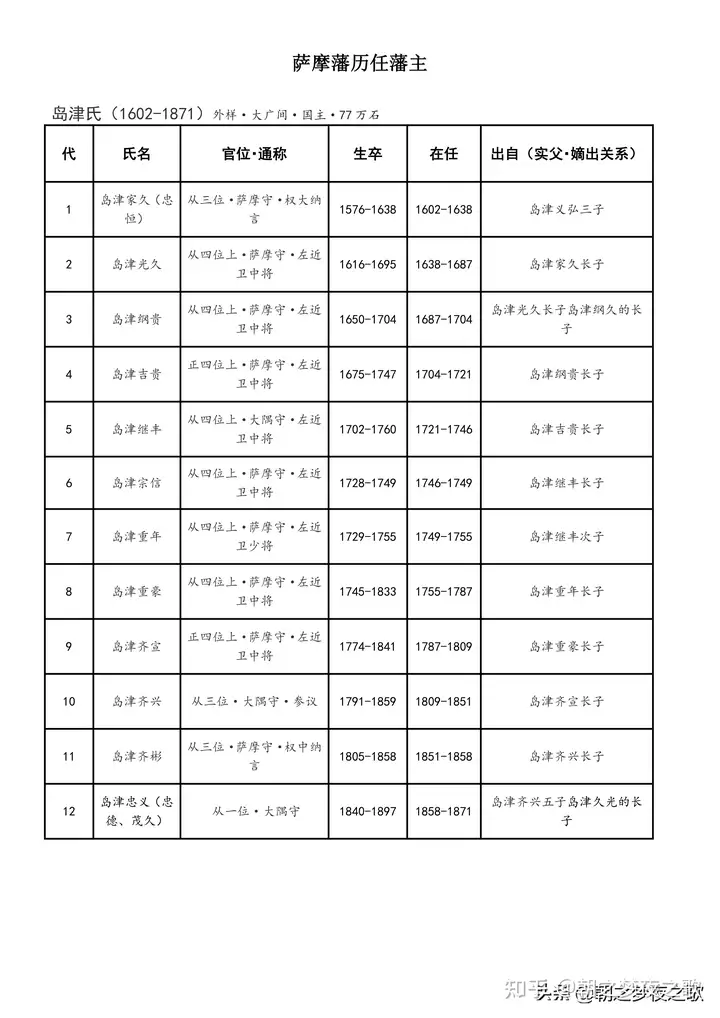
历代藩主
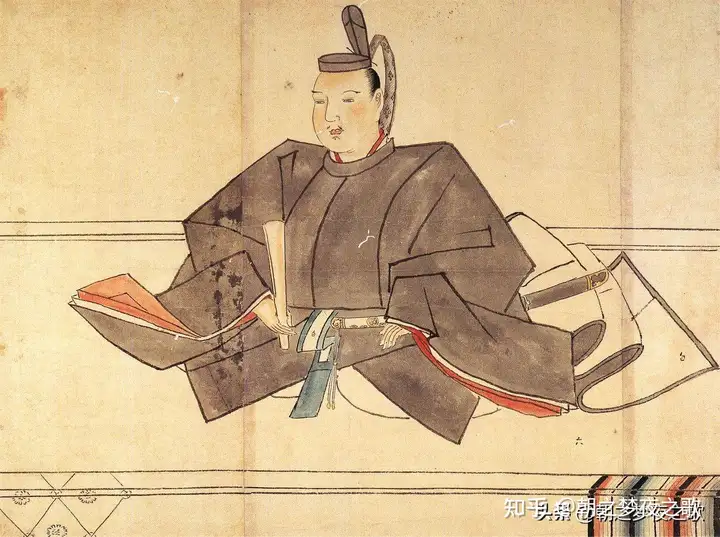
对于岛津纲贵的治世只能用艰难前行来形容,其继任后不久,萨摩藩便接连遭受了洪水、火灾等诸多自然灾难的侵袭,而同一时间萨摩藩位于江户的宅邸也被大火焚毁,连番打击使得萨摩藩的财政状况变得举步维艰,然而正所谓“麻绳专挑细处断厄运专找苦命人”,此时幕府又来横插一脚,给萨摩藩摊派了建造宽永寺正殿和协助进行金矿银矿开采的普请任务,使得萨摩藩的财政状况变得更加的困难,使得岛津纲贵只能苦苦支持,不过即便岛津纲贵统治时期如此艰难,但是在当时以对各大名进行辛辣评价而闻名的史料《土芥寇记》中,仍然将其评价为“现在泰平世上的善将”“被领民和藩士仰慕的老爷”,可见其本身能力还是还是十分出色的。
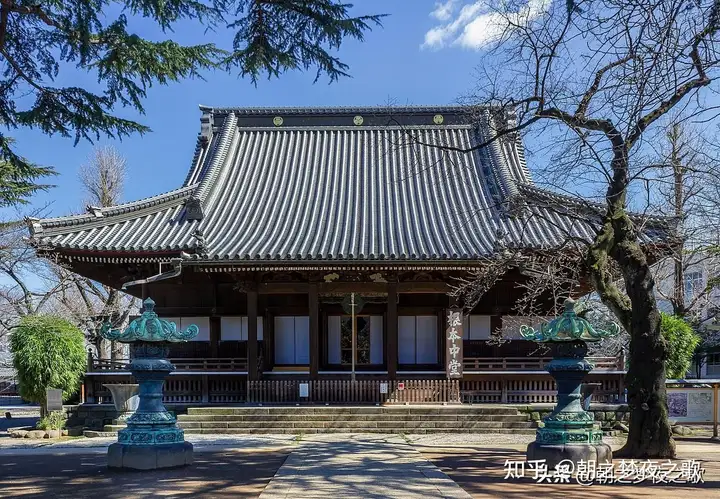
宝永元年(1704年),岛津纲贵于江户宅邸去世,享年55岁,家督之位由其子岛津吉贵继承,是为为萨摩藩第四代藩主。
宝永七年(1710年),六代将军德川家宣继任,岛津吉贵遣使至琉球,要求琉球王国派遣庆贺使。
正德二年(1712年),萨摩藩将琉球国王对萨摩藩的外交称号从“琉球国司”改为“琉球国中山王”
享保六年(1721年),岛津吉贵因病隐居,家督之位由其长子岛津继丰继承,是为萨摩藩第五代藩主。
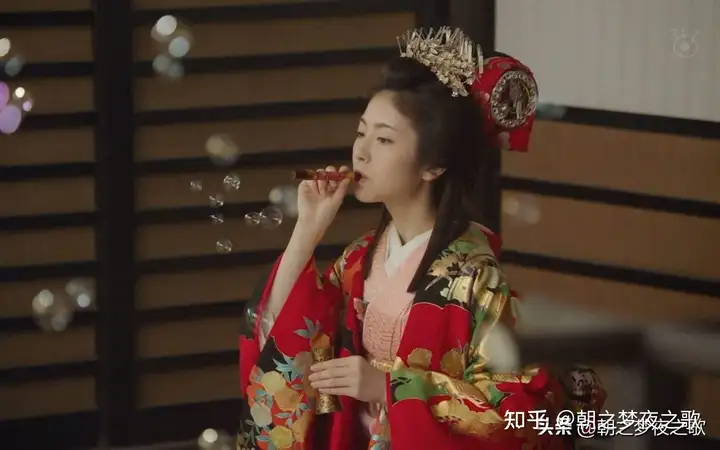
享保十四年(1729),在八代将军德川吉宗的斡旋下,岛津继丰迎娶了五代将军德川纲吉的养女竹姬为作为继室,由此正式开启了岛津氏与德川氏之间的联姻关系(之前虽有联姻但是是和德川氏分家之间)。竹姬实际上乃是权大纳言清闲寺熙定的女儿,其姑姑大典侍局(寿光院)乃是五代将军德川纲吉的侧室,因而得以成为了德川纲吉的养女,之后其先后与会津藩主松平正容的嫡子松平正邦、有栖川宫正仁亲王两人订婚,但是两任未婚夫均在婚前不幸去世,最后作为八代将军德川吉宗的养女嫁给了岛津继丰。另外据传说竹姬还与八代将军德川吉宗存在恋爱关系,如果对此绯闻感兴趣的可以观看在2019年上映的《大奥·最终章》(ps:里面滨边美波饰演的竹姬真的美翻了)

同年,岛津继丰将刚出生的次子岛津重年(幼名善次郎)过继给无子的分家加治木岛津氏当主岛津久季(1661-1634)为养子。
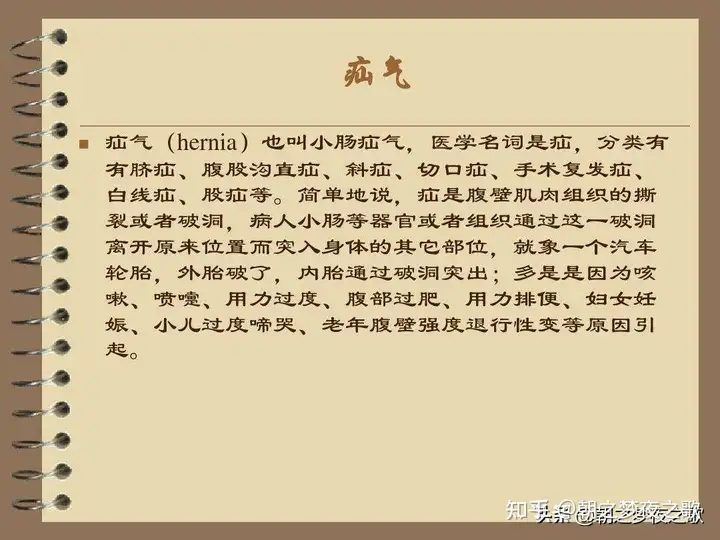
享保二十一年(1736年),岛津继丰因为重度疝气发作而病倒,病情严重到了无法归国的程度,只得选择在江户停留。并在次年(1737年)向幕府提出在江户长期居住的申请,获得了幕府许可后,之后岛津继丰一直在江户逗留了将近12年之久。
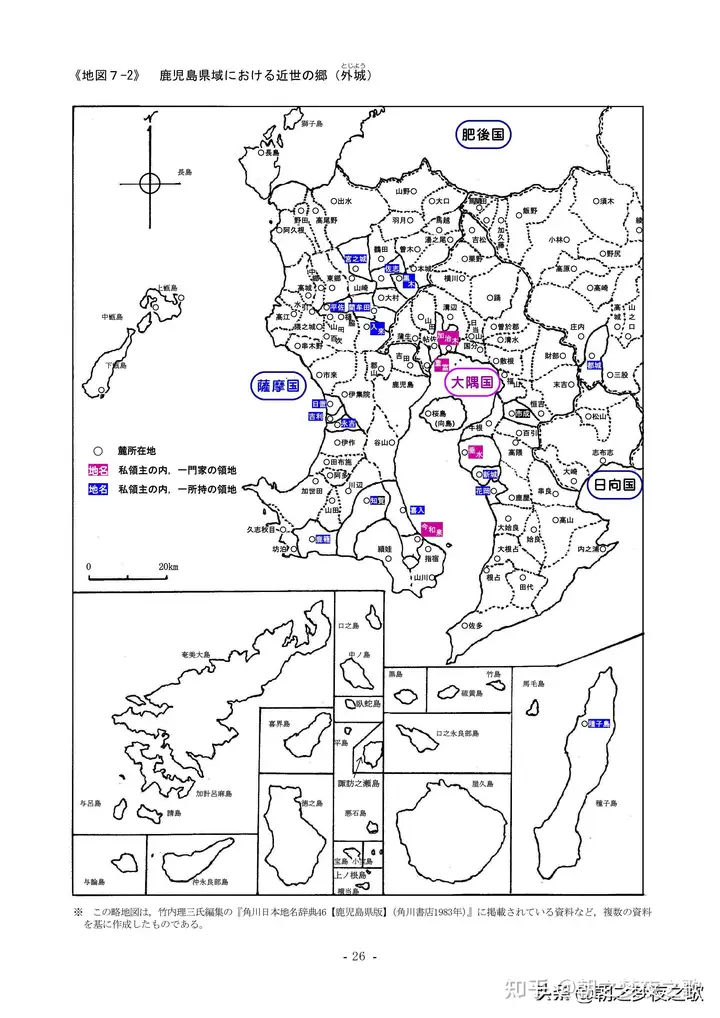
随着岛津继丰的突然病倒,使得已经隐居的岛津吉贵不得不开始谋划对家臣体系进行改革,元文二年(1737年),岛津吉贵分封四子岛津忠纪1万石,让其继承了自天文三年(1534年)便因当主岛津忠长战死而断绝的分家越前岛津氏,并改称为“重富岛津氏”。
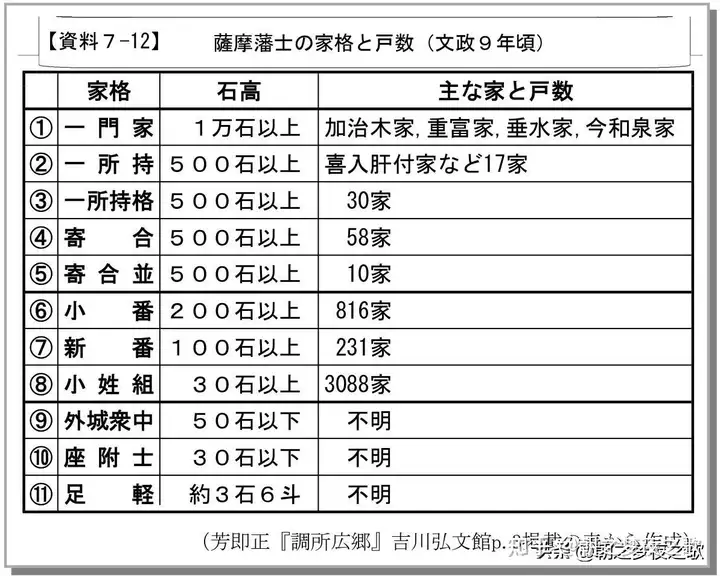
元文三年(1738年),又对原有的分家家格进行调整,在原来的“一所持”家格之上设置更高的“御一门”家格,并将刚刚复兴的重富岛津氏以及之前的两大分家加治木岛津氏和垂水岛津氏列入其中。
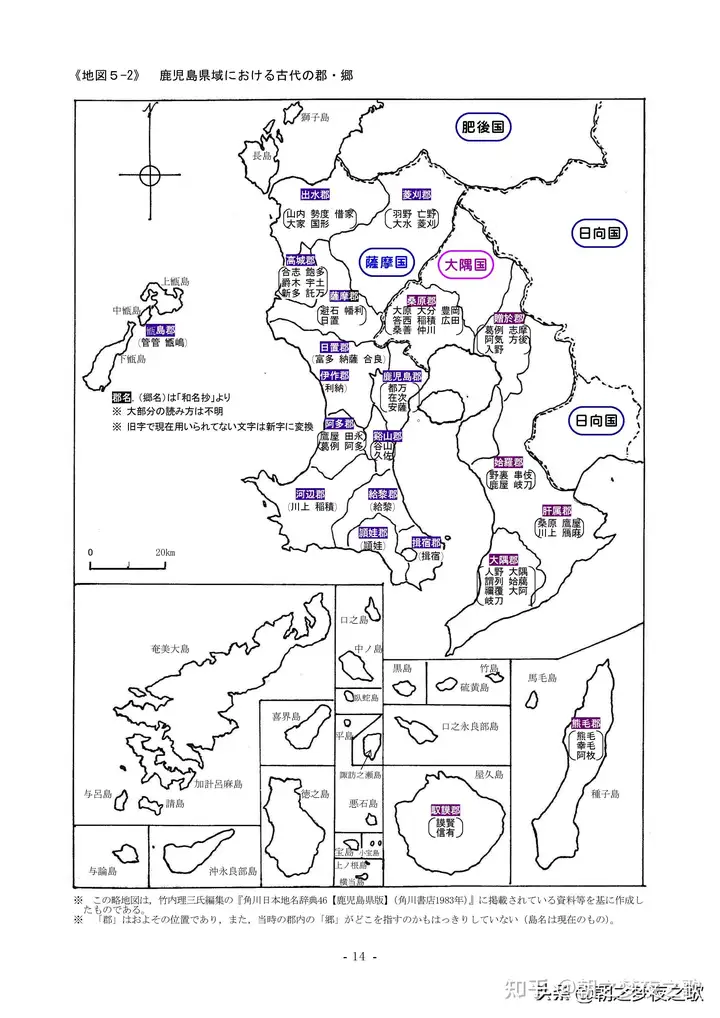
在“御一门”设置以后,重富岛津氏超越加治木岛津氏成为新的一门笔头、加治木岛津氏则退居次席,而垂水岛津氏则位列第三(但是岛津贵俦时代,垂水岛津氏曾仅此一代短暂成为岛津氏一门家之首)。
延享元年(1744年),岛津吉贵的七子岛津忠卿受领揖宿郡的内小牧村、岩本村、西方村和颖娃乡的内池田村、仙田村、利永等地领地,复兴了因当主岛津直久(和泉岛津氏第五代当主)在应永二十四年(1417年)川边城之战战死而绝嗣的和泉岛津氏(出自岛津氏第4代当主岛津忠宗的次子岛津忠氏),为了与原来的和泉氏作区分,所以称之为今和泉,是为今和泉岛津氏,今和泉岛津氏也成为第四家被列入一门家的分家,至此萨摩藩一门四家正式形成。
延享三年(1746年),久病的岛津继丰最终选择隐居,家督之位由其长子岛津宗信继承,是为萨摩藩第六代藩主。
宽延二年(1749年),岛津宗信由于膝盖病痛恶化,病逝于鹿儿岛,享年22岁,无子,家督之位由其弟,时任加治木岛津氏当主岛津重年继承(岛津继丰次子),是为萨摩藩第七代藩主,而加治木岛津氏当主之位则由岛津重年的长子岛津久方继承。
宽延三年(1750年),岛津重年镇压了藩内对藩政和藩内高层进行批判的实学派,并将实学派的皆吉续安等10余人流放远岛,是为“实学崩”事件(実学崩れ),这也是萨摩藩最早的学派镇压事件。
宝历三年末(1754年),德川幕府九代将军德川家重向萨摩藩下达了手传普请的命令,要求萨摩藩完成木曾三川(木曾川、长良川、揖斐川)治水工作,即后世的“宝历治水事件”。
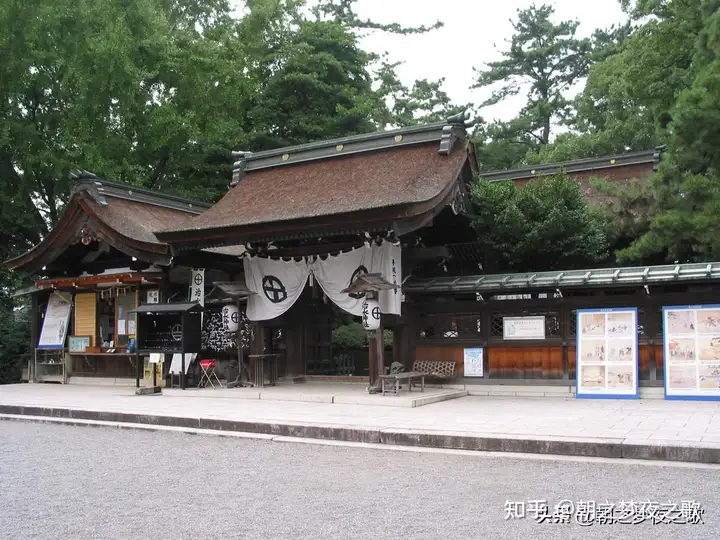
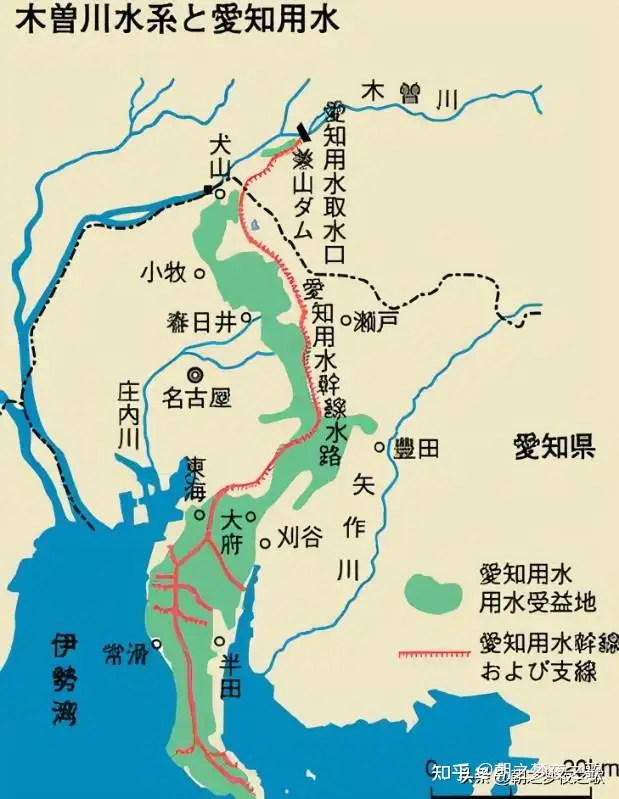
然而此时萨摩藩的财政状况已经十分窘迫,负债已经高达66万两之巨,面对幕府如此要求,藩内可谓怨声载道,甚至出现了部分家臣提出起兵与幕府一战的情况,但这显然是不明智的。最终在经过深思熟虑之后萨摩藩派出了以平田靱负为奉行、伊集院十藏为副奉行,多达947人的队伍参加了普请工作,此次普请分成两期,一直到宝历五年(1755年)才宣告结束,历时近1年半,总耗费达40万两(约等于现在300亿日元或者15亿RMB),工程漫长而艰苦,在工程期间共造成了51名藩士自杀,33名藩士病死。在工程完成之后,作为总指挥家老平田坚负也因为自责等因素而切腹自杀,对萨摩藩来说可谓是损失惨重,同时也相当于在萨摩埋下了倒幕的种子。
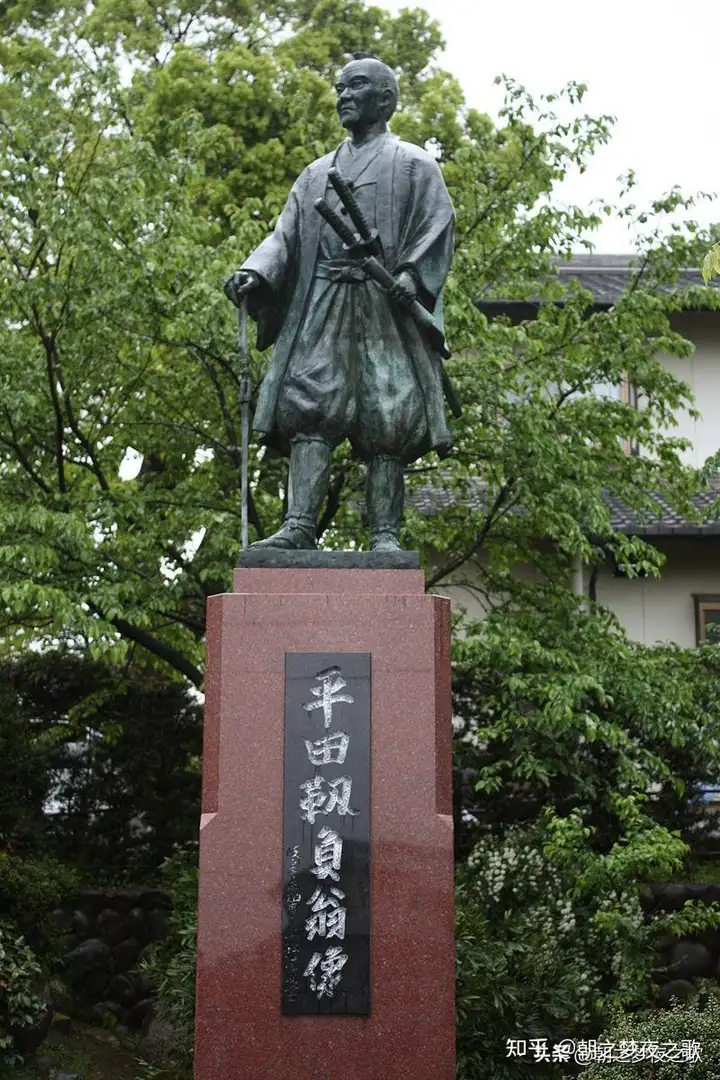
宝历四年(1754年),在继室於村的去世之后,自感体弱多病已经无法再生育出继承人的岛津重年让长子岛津久方由加治木岛津氏回归本家,改名为岛津忠洪,并将之立为继承人。
宝历五年(1755年),在完成宝历治水工程后不久,耗尽心力的岛津重年去世,享年27岁,家督之位之位由其长子岛津忠洪继承,是为萨摩藩第八代藩主。
由于岛津忠洪继任之时年仅11岁,年纪尚小,无法打理藩政,所以常年卧病的祖父岛津继丰不得不再次出山,代其打理政务。
宝历八年(1758年)6月,岛津忠洪正式元服,并接受九代将军徳川家重的偏讳改名为岛津重豪。
宝历十年(1760年),岛津继丰去世,享年60岁。此时岛津重豪亦只有16岁,所以最后决定由其外祖父、垂水岛津氏当主岛津贵俦(岛津吉贵三子,其女岛津都美为岛津重豪生母)接替岛津继丰担任后见,代理政务。一直到三年之后(应是在1763年),19岁的岛津重豪正式得以亲政。
岛津重豪酷爱研究兰学,且其本人精通荷兰语和汉语,被后世称为“兰癖大名”,他亲政之后,在藩内实行开化政策,大力的推动兰学的发展。
安永元年(1771年),在岛津重豪的主持下,在藩内设立藩校·造士馆,并聘请当时著名的儒学家山本正谊担任藩校教授。同时,为了培养藩士的武艺又在藩内设置了演武馆。
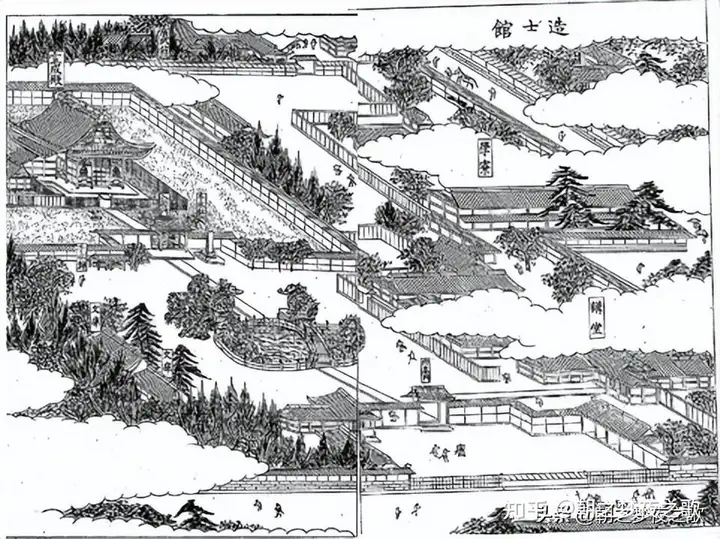
之后的安永三年(1773年),岛津重豪又在藩内设立了天文馆·明时馆,用以进行天文历法的观测和研究。
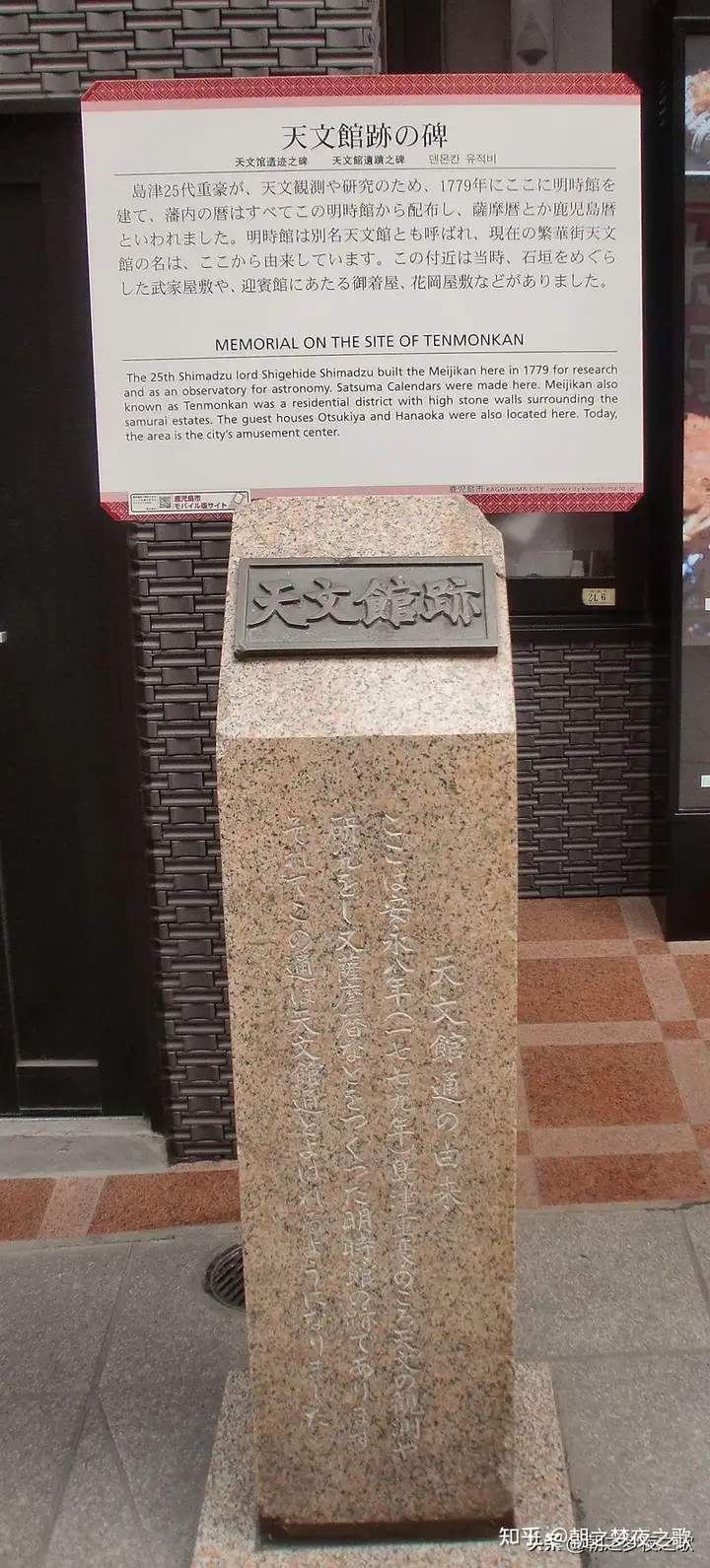
一年后的安永三年(1774年),为了培养医疗技术方面的人才,岛津重豪于藩内设立了医学院。而且,通过这些教育设施的建设不仅极大的提高了武士阶层的教育素养,而且还让藩内的农民、町人得到了接受教育的机会。
但是岛津重豪的开化政策需要耗费大量的资金,加上安永六年(1777年)的“泉岳寺大火”烧毁了萨摩藩位于高轮的下屋敷,使得萨摩藩的财政财政赤字变得更加严重,到这个时候萨摩藩对外拖欠的债务已经达到了70万两以上。
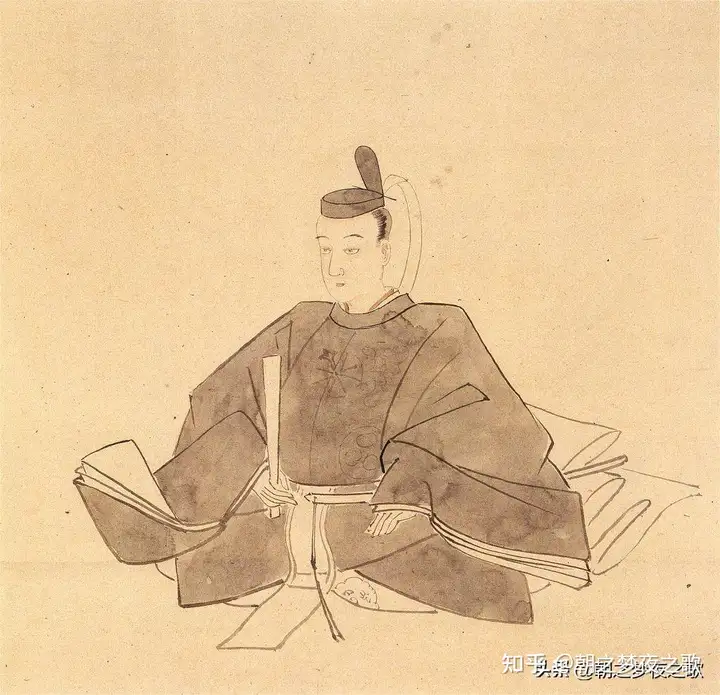
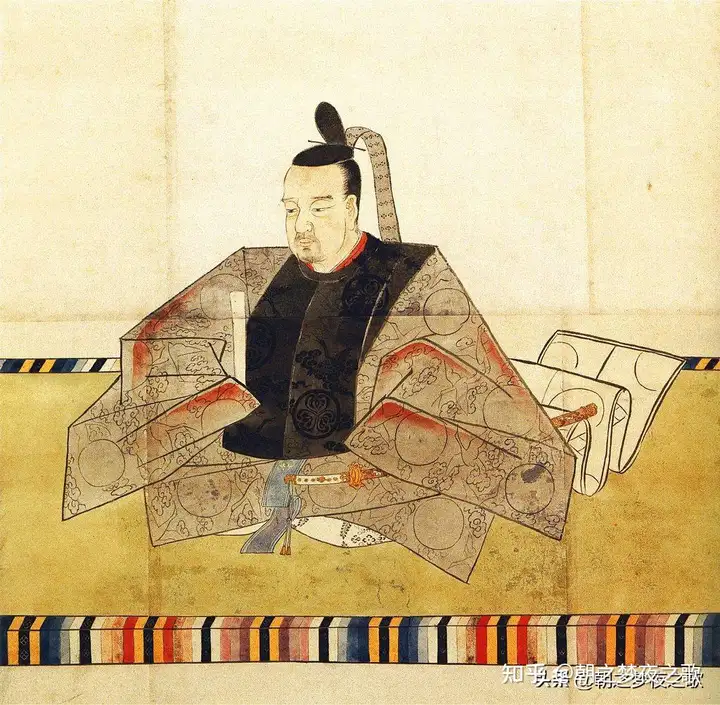
安永八年(1779年),十代将军德川家治的继承人德川家基突然去世,享年18岁,由于德川家治除了德川家基以外已经没有其他儿子,且年事已高,因此不得以选定了御三卿之一的一桥德川氏当主德川治济的长子德川家齐被为新继承人。而德川家齐与岛津重豪之女茂姬自幼便订立了婚约,因此在两人于宽政元年(1789年)完婚之后,岛津重豪一跃成为国丈。
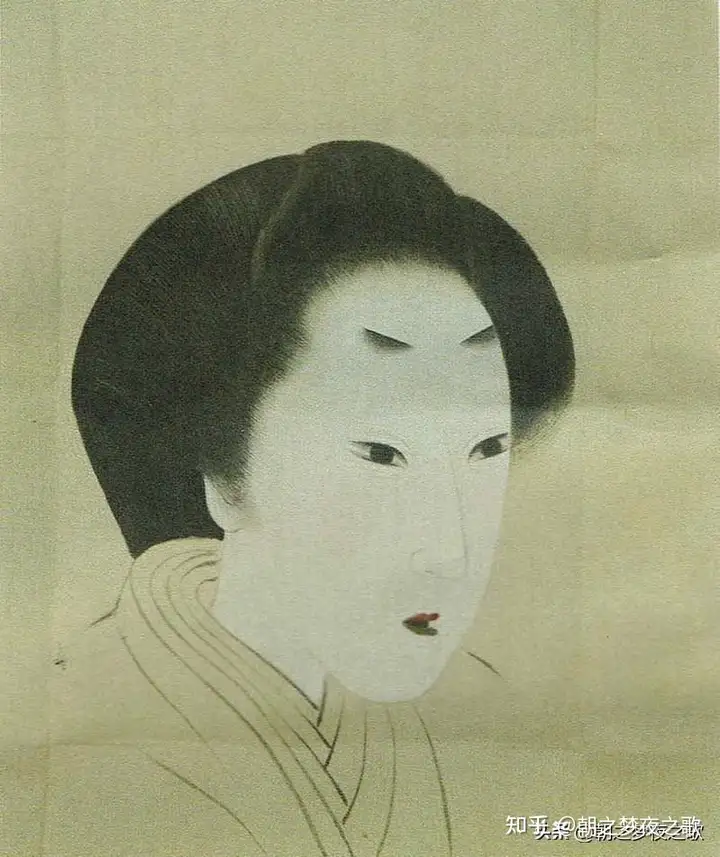
PS:按照惯例将军的正室通常是迎娶五摄家或宫家的女性,迎娶外样大名之女属于前所未有的例子,因此在岛津重豪和净岸院(即上文提到的竹姬)运作下,让茂姬在天明七年(1787年)成为五摄家近卫经熙的养女,改名近卫寔子,才得以继续维持两人的婚约。
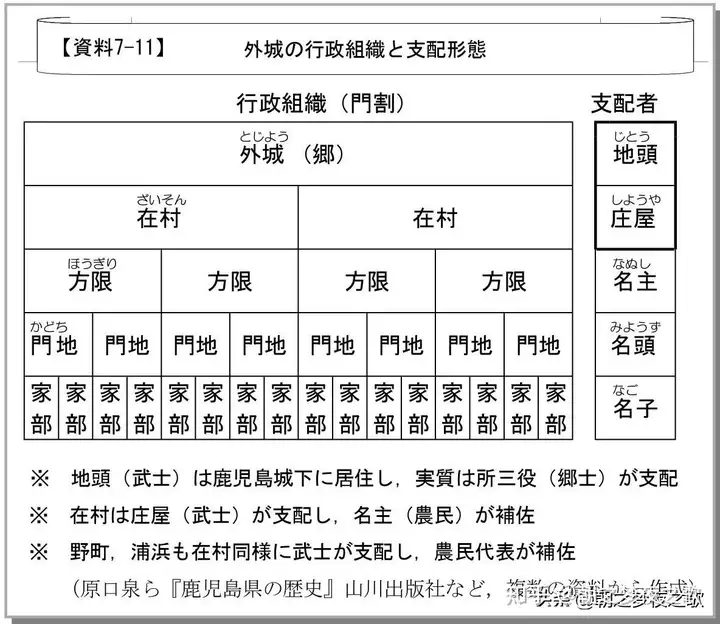
由于萨摩藩是从旧有的守护大名过渡成为近世大名的,所以使得其仍然保留着旧有的支配体制,延续着“外城制”的统治体系,即不将武士强制移居到鹿儿岛城下,而是分散居住在被称为外城的各个据点,为了改变这一情况,安永九年(1780年),岛津重豪将“外城众”改为“乡士”,以谋求建立新的统治秩序。
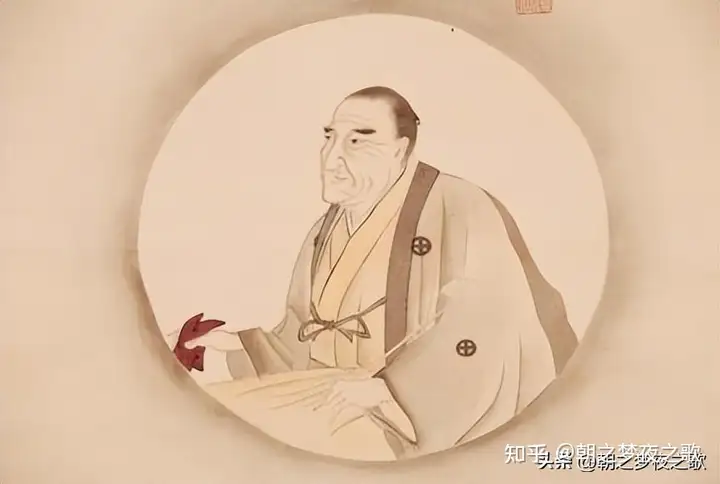
天明七年(1787年),岛津重豪选择隐居,家督之位由其长子岛津齐宣继承,是为萨摩藩第九代藩主,据说隐居原因是由于以将军生父一桥治济为首的亲藩和以伊达重村为首的外样雄藩等人对于其作为外样雄藩藩主又是将军岳父感到担忧和不满。不过虽然隐居,但是岛津重豪以岛津齐宣年轻为由,牢牢的掌控着藩内的实权。
宽政三年(1791),岛津重豪正式辞去了藩主后见役一职,将藩政托付给其亲信家老赤松造酒、市田盛常等人,通过这些亲信来遥控藩政,而其本人则长期滞留江户,开始享受其“国丈”待遇,并在推行他的血缘政策,耗费巨资将他的子女送往各藩国。
萨摩藩长期以来便被财政赤字所困扰,而岛津重豪在江户又花费巨大,使得藩内的财政赤字进一步加剧,于是对此深感忧虑的岛津齐宣在文化二年(1805)将名为《鹤龟问答》的文件分发给家臣,表达了致力于财政改革的意愿,得到了藩内近思录派藩士的回应和支持。
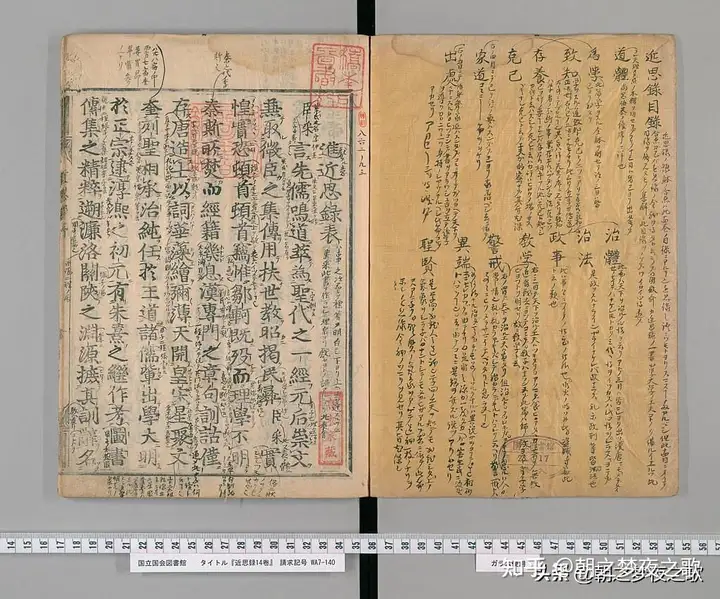
文化五年(1808年),岛津齐宣正式罢免市田盛常等人,开始起用桦山主税、秩父太郎等近思录派藩士推行改革,在藩内推行紧缩性财政政策。
然而岛津齐宣的改革与喜好奢华的岛津重豪相悖,文化六年(1809年),就犹如“戊戌变法”一般,在“老佛爷”岛津重豪的强势介入下,岛津齐宣改革瞬间宣告失败,他本人则被迫隐居,而桦山主税等近思录派藩士则被勒令切腹自杀,是为“近思录崩”。
随着岛津齐宣的隐居,其子岛津齐兴继承了家督之位,是为萨摩藩第十代藩主。
但是奢华的生活是需要足够的金钱来支持的,当时岛津重豪和岛津齐宣两任隐居的前藩主每年的花费就高达30万两(岛津重豪20万两、岛津齐宣10万两),在加上其他方面的开支,到了文政年间萨摩藩的债务已经积累到了多达500万两的巨额数字,逼的萨摩藩不得不靠着向高利贷商人借款度日,面对如此情况,岛津重豪也认识到了藩政改革的急迫性。
于是在岛津重豪授意下,萨摩藩再一次进行了改革。岛津重豪首先选择了萨摩藩大坂宅邸的金方物奉行新纳时升来主持改革,但是新纳时升与大坂商人们关系深厚,直接拒绝了主持改革的请求;之后,岛津重豪又选中了侧用人高桥甚五兵卫,但是很快高桥甚五兵卫的改革便以失败告终。无奈之下,在文政十年(1827年),岛津重豪破格起用了下级武士出身的调所广乡开始进行藩政改革,即后世所说的“天保改革”。
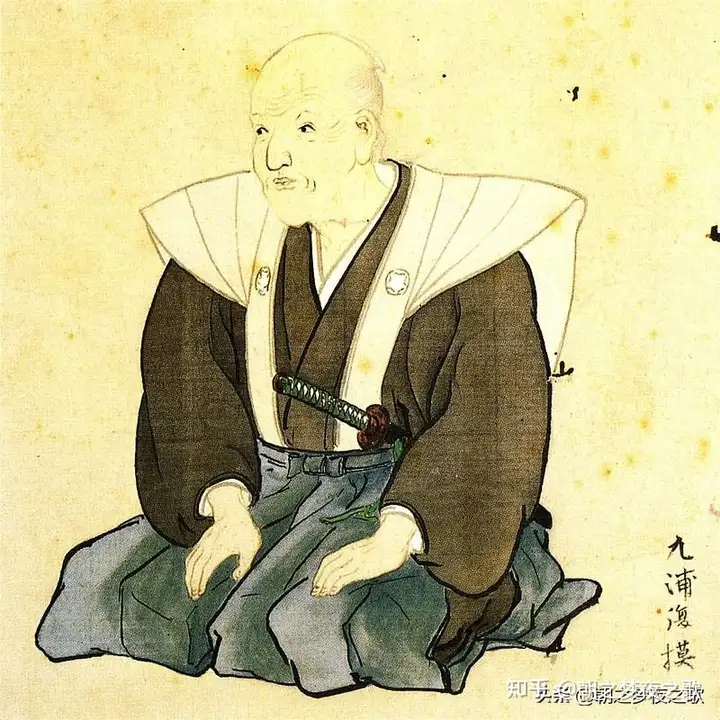
改革首先要解决的便是萨摩藩的债务问题,但是萨摩藩每年的收入只有12-14万两,而债务产生的利息便高达80万两,萨摩藩根本就没有偿还这笔债务的能力,这样根本就没办法将藩政改革推进下去,面对这种情况,调所广乡只得想办法赖掉这笔“烂账”为此他通过武力威胁的手段逼迫债主们取消今后每年高达25万两的债务利息,并且还让他们同意分期250年来偿还债务(预计要到2085年还清,不过在明治维新后,新政府便宣布债务无效,故而此后便不再偿还),这样基本上将萨摩藩债务转化为了一个长达250年的无息贷款,等同于免除了萨摩债务。当然仅仅靠威逼肯定是不行的,适当的也需要给债权人们一点甜头。于是在武力胁迫的同时调所广乡也将萨摩特产的专卖权免费交给了债权人们,并且还为他们谋取了武士的身份。
天保四年(1833年),岛津重豪于江户去世,享年89岁,在父亲岛津齐宣的支持下,岛津齐兴得以掌握藩实权。
岛津齐兴继续任用调所广乡进一步推行“天保改革”。而在解决了最为棘手的债务问题之后,调所广乡的改革也在藩内全面开花的进行了起来,其改革主要包括了行政改革、农政改革、财政改革等措施,其内容有新田开发、发展农业、扩大琉球与清朝的贸易以及在大岛、喜界岛、德之岛等地设立砂糖专卖制等,其中光砂糖专卖制这一项就产生了多达230万两的财政收入,到天保十一年(1840年)之时,萨摩藩的府库之内已经积累了多达200万两的财政结余。(PS:砂糖专卖制即只许当地百姓种植砂糖,不许种植其他作物,所生产的砂糖由萨摩藩统一收购,不过由于砂糖收购家格低廉且苛以重税,使得当地居民的生活更加困难,所以也被当地认为是一项恶政)
天保十二年(1841年),岛津齐宣于萨摩藩在江户下屋敷去世,享年69岁,至此岛津齐兴成为真正意义上萨摩藩独一无二的主人,开始放飞自我,由此萨摩藩的继承人之争开始逐渐付出水面,并最终引发了被称为“由罗骚动”的御家骚动,震荡了整个岛津氏以及与其有亲缘关系的诸藩。
话说岛津齐兴的正室乃是有“贤夫人”之称的鸟取藩藩主池田治道的女儿弥姬(贤章院周子,1792-1824),两人生有长子岛津齐彬和次子池田齐稷(过继给娘家鸟取藩)以及女儿候姬(山内丰熙正室),此外岛津齐兴还有个侧室由罗之方,两人之间生有五子岛津久光。
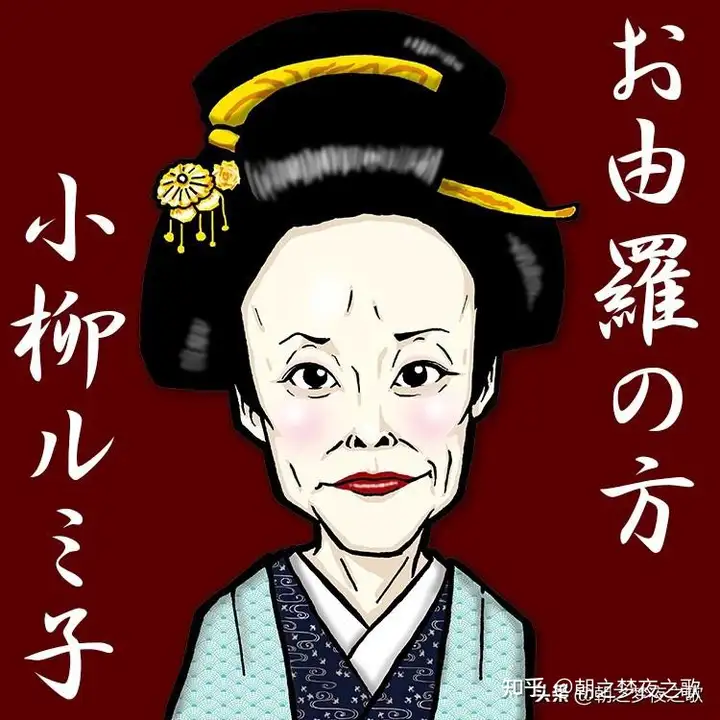
由于岛津齐兴与弥姬之间关系本就不睦,且弥姬早逝,而由罗之方又十分得齐兴的宠爱,因此爱屋及乌的岛津齐兴便生出了废长立幼的想法,但是又碍于岛津齐彬的正室乃是御三卿之一的一桥德川氏当主德川齐敦的女儿恒姫(荣树院),无法直接废嫡,因此岛津齐兴使出了一招“拖字诀”,迟迟不隐居,霸占这藩主之位(一般情况嫡子成年以后藩主会选择隐居)。
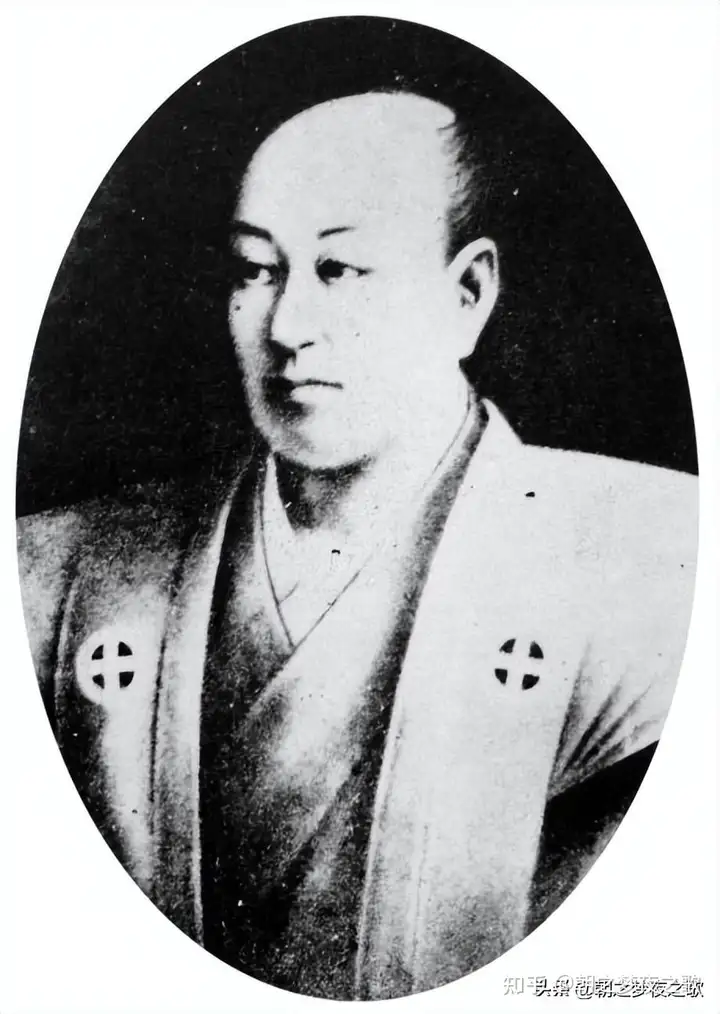
正所谓“上有所好,下必甚焉”,在看到岛津齐兴的如此做法以后,萨摩藩内围绕着支持世子岛津齐彬还是支持岛津久光逐渐的分裂成了两派争斗起来,其中以萨摩藩江户家老岛津壹岐、二阶堂主计等改革派以及藩内少壮派支持岛津齐彬,而岛津久宝、岛津久德、伊集院平、吉利仲等岛津齐兴的亲信家老则支持岛津久光。这里顺便还要指出的是此时在萨摩藩内因为主持了“天保改革”而拥有十分重要影响力的调所广乡此事作为保守派支持岛津久光一方,使得岛津齐彬一派一直处于弱势之中,其地位可谓岌岌可危。
嘉永元年(1848年),面对久光一派的步步紧逼,为了扳回劣势,岛津齐彬一派的家臣向幕府老中阿部正弘告密,揭发萨摩藩通过琉球等为据点开展违禁品贸易的相关情报,企图迫使岛津齐兴退位。据说在调查的过程中为了能够保全主君岛津齐兴,调所广乡担下了所有罪责于萨摩藩江户宅邸服毒自杀(死于当年年末<1849年初>),而随着调所广乡的畏罪自杀。
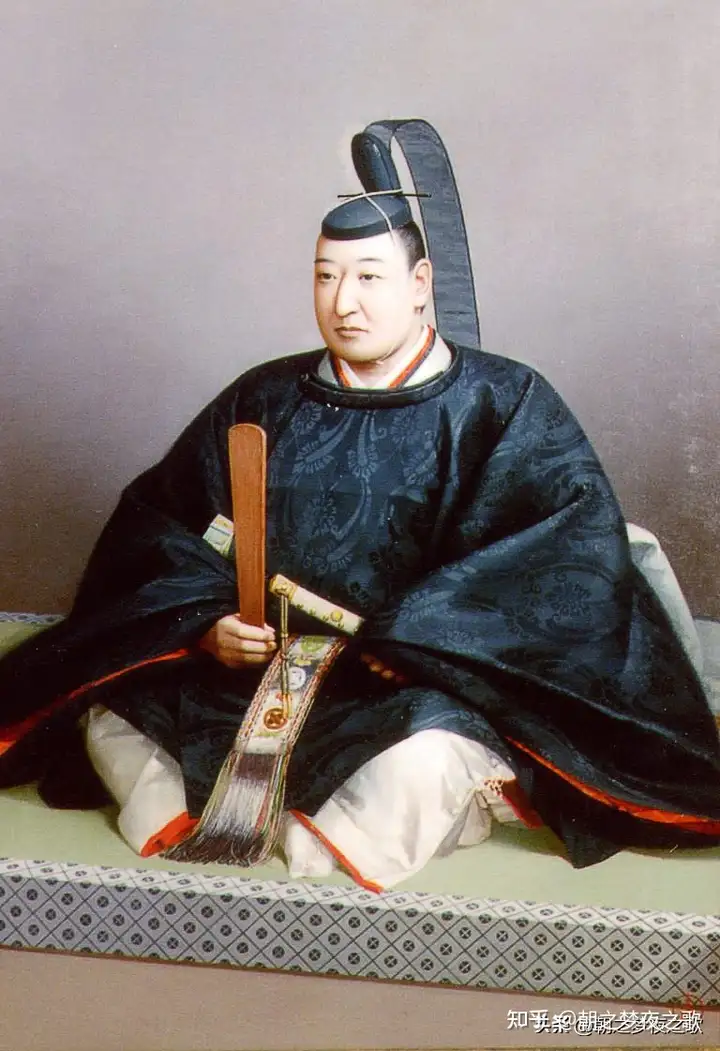
嘉永二年(1849年),岛津齐彬年仅2岁的四子笃之助突然夭折,并且据说在屋顶上搜出了诅咒用的人偶,加上此前岛津齐彬之前的几个儿子均先后夭折,使得岛津齐彬一派的家臣怒不可遏。将矛头直接对准了岛津久光一派,并在之后发生了多起岛津齐彬派家臣袭击和暗杀岛津久光派家臣的事件,两派之间的斗争日趋白热化。
最终在当年年底(1850年初),偏向久光一派的岛津齐兴率先发难以图谋谋杀由罗之方和岛津久光的罪名逮捕了岛津齐彬派的中坚力量近藤隆左卫门(町奉行兼物头)、山田清安(町奉行兼物头)、高崎五郎右卫门(船奉行),并判处三人切腹,之后属于岛津齐彬派的约50名藩士也被勒令蛰居或被流放远岛,作为岛津齐彬派重要人物的萨摩藩江户家老岛津壹岐则被撤换,并处以隐居谨慎处分(2天后切腹),另一重要人物二阶堂主计虽然在事件发生前便以去世,但是仍然被处以剥夺士籍的处分,此事件是为“由罗骚动(お由羅騒動)”、“高崎之崩”或“嘉永朋党事件”。
顺便在这里提一下,此事件对西乡隆盛和大久保利通也造成了极大的影响,当时还将西乡吉之助的西乡隆盛从父亲西乡吉兵卫那里听到了关于其担任吉兵卫担任赤山韧负介错的情形,感触很深,并立誓追随岛津齐彬;而大久保利通的父亲大久保利世则直接受事件影响遭到罢免,并流放鬼界岛,其本人也失去了工作。


评论
发表评论