There is a kind of toothache that you need to be alert to, because its essence is coronary heart disease and angina pectoris有一种牙痛是你需要警惕的,因为其本质是冠心病心绞痛
There is a kind of toothache that you need to be alert to, because its essence is coronary heart disease and angina pectoris
China Arrhythmia Protection Center
As we all know, coronary heart disease and angina pectoris are a common disease in cardiovascular medicine. Chest pain, palpitation, palpitations, chest tightness, and shortness of breath after emotional excitement or a full meal are relatively common signs of coronary heart disease, and everyone knows it well. However, there are some symptoms that are less related to the heart and people may ignore it, such as toothache.
58-year-old Zhang is a mason. He is addicted to smoking and drinking. He has long arms and round waist. It always got worse when I was working, and I took medicine for toothache in the local clinic, but it didn't get any better, so I came to the hospital for treatment.
After listening to his narration, I suspected that it was not just a dental problem, but maybe related to the heart, so I suggested that he have an electrocardiogram to check. He didn't understand, and said what was the relationship between the toothache and the heart, and walked out of the diagnosis room muttering. I went to check, and the results came out after a while. The electrocardiogram showed: 0.15mv ST depression in leads V3-V6, inverted avr of v3-v6t waves in l and llavl, and ST segment elevation in lead V1. Combined with his medical history, it is highly suspected of coronary heart disease , I prescribed isosorbide mononitrate and compound Danshen dripping pills for him. Five days later, the symptoms of toothache disappeared.
In fact, a situation like Lao Zhang’s is not toothache-induced coronary heart disease, but toothache is an atypical clinical manifestation of coronary heart disease angina pectoris.
We all know that the typical symptom of coronary heart disease is chest pain after exercise, which is mostly located in the precordial area or behind the sternum, which is squeezed, accompanied by sweating, shoulder and back discomfort, and lasts for several minutes to tens of minutes each time. Taking nitroglycerin can relieve it.
that every doctor and even many patients know, but many times, the patient's presentation is often very atypical. However, studies have shown that about 30% of patients with coronary heart disease present with upper abdominal pain, left shoulder pain, headache, and even atypical symptoms such as sore throat, toothache, and earache. This type of angina is easily misdiagnosed as other diseases as simple toothache, abdominal pain and stomach pain.
Compared with general toothache, the toothache manifested by coronary heart disease is often pain on one or both sides of the gum bed, mostly on the left side. It is often difficult to determine which tooth is the pain. Sometimes the patient's description is not very clear, and it may be It is manifested as toothache and cheek, but often the gums and cheeks are not red and swollen. At this time, it should be clear in time whether the toothache is caused by the tooth itself.
If there is no abnormality in the dental examination of the stomatology department, if there is a toothache caused by exercise or emotional agitation, especially if the patient has risk factors for coronary heart disease such as hypertension, hyperlipidemia, and diabetes, we should be alert to typical or atypical coronary heart disease. Heart disease angina pectoris. At this time, the patient should be advised to check the electrocardiogram, and if necessary, do coronary angiography to confirm the diagnosis through corresponding examinations.
alert! atypical angina
What needs to be reminded is that angina pectoris in medicine is not necessarily real "pain". Chest tightness, shortness of breath, dyspnea, pressure, constriction or other inexplicable uncomfortable feelings that occur under the action of the above-mentioned incentives, if the trigger , duration, relief mode, etc. are consistent with the characteristics of angina pectoris, and are also diagnosed as angina pectoris. These symptoms are called symptoms equivalent to angina pectoris or atypical angina pectoris. It is these atypical angina that are often misdiagnosed clinically.
Coronary heart disease is currently the number one killer disease that endangers people's physical and mental health. Angina pectoris is an important symptom of coronary heart disease attack and myocardial ischemia aggravation, leading to myocardial infarction and sudden death. A large number of clinical practices have shown that angina pectoris in patients with coronary heart disease is atypical, which can easily lead to misdiagnosis, missed treatment, wrong treatment, and even induce myocardial infarction, which has become one of the main causes of sudden cardiac death.
Therefore, early and correct identification of atypical angina pectoris and early and timely treatment are important measures for patients with coronary heart disease to prevent myocardial infarction, reduce the size of infarction, and prevent sudden cardiac death.
Early diagnosis and early treatment of coronary heart disease are of great significance to the prognosis. Early and timely diagnosis and treatment can significantly improve clinical symptoms and improve the quality of life. Therefore, it is necessary to pay attention to and identify the clinical manifestations of atypical angina pectoris and ECG changes.
12 manifestations of atypical angina pectoris
1. Toothache
Like the above case, the sudden unbearable toothache can easily be mistaken for tooth disease. However, after taking anti-inflammatory and pain-relieving tablets, the toothache will not be relieved, and sometimes it will be aggravated. Electrocardiogram examination showed obvious myocardial ischemia. Pain relief after taking nitrates. Relevant clinical data show that cardiogenic toothache is often accompanied by chest tightness, and has nothing to do with sour cold stimulation, chewing and other factors.
2. Ear pain
When angina pectoris occurs in some coronary heart disease patients, unilateral otalgia occurs. Symptoms include numbness, swelling, or sharp pain in one ear. In addition to earache, it is often accompanied by chest tightness, palpitation, and elevated blood pressure.
3. Neck pain
When some patients with coronary heart disease have angina pectoris, the retrosternal pain response is not obvious, but throbbing pain or throbbing pain in one or both necks occurs. Neck pain is often accompanied by symptoms such as mental tension, irritability, and fatigue.
4. Sore throat
Clinically, when some patients with coronary heart disease have angina pectoris, they only manifest as pain in the pharynx or larynx, and radiate downward along the esophagus and trachea. There is no obvious redness and swelling in the pharynx and larynx, and there is no swelling of the tonsils, but it is often accompanied by chest tightness, blockage, and suffocation-like feeling.
5. Cheek pain
When a small number of patients with coronary heart disease have angina pectoris, they manifest as pain in the cheek. Cheek pain is sharp pain or throbbing pain, often accompanied by symptoms of nervous tension, precordial depression and discomfort.
6. Medial upper limb pain
When some patients with coronary heart disease suffer from angina pectoris, they manifest as pain on the inside of the left or bilateral upper limbs, radiating from the shoulder and arm to the elbow, wrist, and fingers, but sometimes it can also manifest as pain alone in the elbow, wrist, and fingers. The nature of the pain is mostly throbbing pain or spasmodic pain, accompanied by numbness and heaviness. However, there was no redness, swelling and pain in the joints during the examination, and the activities were not restricted.
7. Lower extremity pain
When some coronary heart disease patients have angina pectoris, they only feel pain in one or both lower limbs. Pain can radiate from the thigh to the foot, which can easily be mistaken for foot disease.
8. Shoulder pain
When some coronary heart disease patients have angina pectoris, they only show pain in the left shoulder blade. Pain occurs repeatedly and persists for a long time.
9. Upper abdominal pain
Patients with coronary heart disease have pain in the upper abdomen or under the xiphoid process or in the upper right quadrant. The pain is throbbing, burning, and needle-like pain, accompanied by a sense of heaviness. However, no abnormalities were found during upper gastrointestinal radiography and B-ultrasound examination of the liver and gallbladder.
10. Headache
When coronary heart disease and angina pectoris lead to myocardial infarction, it may manifest as nervous system disorders in different parts, and sometimes persistent, compressive or paroxysmal headaches or migraines may occur. Especially if middle-aged and elderly patients have unexplained headache, the possibility of angina pectoris or myocardial infarction should be considered.
Atypical angina pectoris needs to be differentiated from which diseases?
1. Angina pectoris with gastrointestinal manifestations needs to be differentiated from other acute abdomen diseases. For example, acute gastric perforation is usually accompanied by bloody ascites, positive shifting dullness, and tenderness in the upper left quadrant; McBurney's point local tenderness, often accompanied by elevated white blood cell count.
2. Angina pectoris manifested as shoulder pain needs to be differentiated from frozen shoulder and cervical spondylosis. These diseases are generally accompanied by numbness in the hands or movement disorders of the affected limbs, shoulder pain when raising the arms or extending the back, but are not related to emotional changes and a large amount of exercise. If it is caused by cervical spondylosis, C or MRI examination of the cervical spine can make a definite diagnosis.
3. Angina pectoris manifested by sore throat needs to be differentiated from upper respiratory tract infectious diseases. There is often no obvious redness and swelling in the pharynx and larynx, no swelling of the tonsils, and no signs of upper respiratory tract infection such as cough, fever, and nasal congestion. Physician consultation to help solve.
4. Angina pectoris with headache as the main manifestation needs to be differentiated from cerebrovascular disease and brain space-occupying lesions. These are generally accompanied by corresponding positioning signs, such as limb movement disorders, etc. Brain CT examination can confirm the diagnosis.
Below the top of the head, above the soles of the feet, all pain symptoms related to activities or that you cannot explain, please consider the possibility of coronary heart disease.
有一种牙痛是你需要警惕的,因为其本质是冠心病心绞痛
中国心律失常防护中心
众所周知,冠心病心绞痛是心血管内科常见病,情绪激动或饱餐后的胸口疼痛、心慌、心悸、胸闷、气短,这些都是比较常见的冠心病信号,大家也都比较清楚。但是,有一些表现跟心脏的联系比较小,人们可能就会忽视它,比如牙痛。
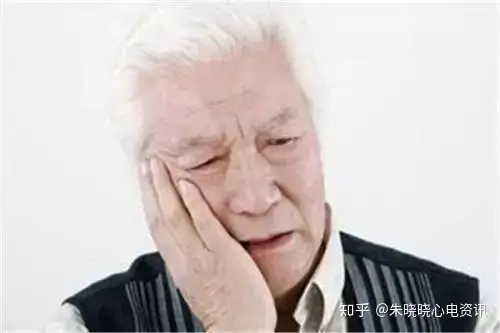
58岁的老张是一位泥瓦工,嗜烟,也爱喝酒,长的膀大腰圆,农闲时节天天在外面做建筑工,但自从几天前吃了人家的收工酒宴,最近总是牙根酸痛,而且总是干活时加重,在当地诊所吃了治牙痛的药也没有任何好转,于是来医院就诊。
听了他的叙述,我怀疑他不单纯是牙的问题,可能与心脏有关,遂建议他做个心电图检查看看,他很不理解,说牙痛和心脏有啥关系呀,嘟囔着走出诊断室去检查,一会儿检查结果出来了,心电图显示:v3-v6导联st断压低0.15mv,l、llavl v3-v6t波倒置avr、v1导联st段抬高,结合他的病史,高度怀疑冠心病,给他开了单硝酸异山梨酯,和复方丹参滴丸,五天后来复诊,牙酸痛的症状消失。
实际上像老张这种情况,并非是牙疼诱发的冠心病,而是牙疼为冠心病心绞痛的一种非典型临床表现。
我们都知道,典型的冠心病症状为活动后胸痛,多位于心前区或胸骨后,呈压榨样,可伴有出汗、肩背部不适,每次持续数分钟至数十分钟,休息或含服硝酸甘油可缓解。
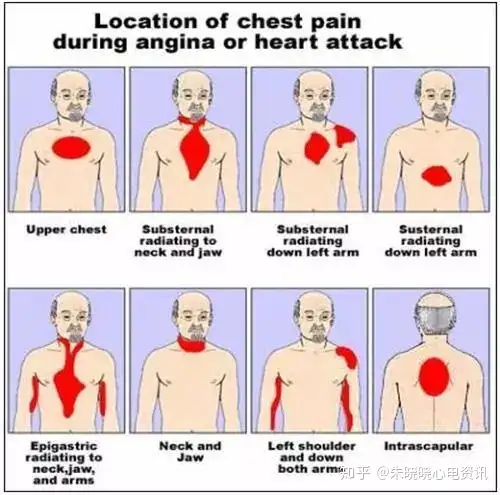
这是每个医生、甚至许多病人都知道的症状,但是很多时候,病人的表现常常极不典型。但研究显示,约30%的冠心病患者表现为上腹痛、左肩痛、头痛,甚至咽喉痛、牙痛、耳痛等不典型的症状。这种类型的心绞痛,容易被当成单纯的牙痛、腹痛胃痛而误诊为其他疾病。
与一般的牙痛相比,冠心病表现出的牙痛往往是牙床的一侧或两侧疼痛,以左侧居多,常常难以确定具体是哪颗牙疼痛,有时候患者叙述并不是很清楚,也可能表现为牙痛连及面颊,但往往牙龈、脸颊均不红肿。这时应该及时明确是否为牙齿本身原因引起的牙疼。
如果口腔科牙齿检查没有异常,那么如果有因运动、情绪激动等引起牙疼的情况,特别是患者有高血压、高血脂、糖尿病等冠心病危险因素时,我们要警惕典型或非典型的冠心病心绞痛了。这时应建议患者检查心电图,必要时做冠脉造影检查,通过相应检查明确诊断。
警惕!不典型心绞痛
需要提醒的是,医学上说的心绞痛不一定是真正的“疼痛”,在上述诱因作用下出现的胸闷、气短、呼吸困难、压迫感、紧缩感或其他说不清的难受感觉,如果发作诱因、持续时间、缓解方式等符合心绞痛症状的特点,也被诊断为心绞痛,这些症状称为心绞痛等同症状或者说是不典型心绞痛。而临床上容易误诊的往往就是这些不典型心绞痛。
冠心病是目前危害人们身心健康的头号杀手疾病。心绞痛是冠心病发作、心肌缺血加重,进而导致心肌梗死、猝死的重要症状。大量的临床实践表明,冠心病患者发生心绞痛呈不典型性,极易造成误诊、失治、误治,甚至诱发心肌梗死,已成为心源性猝死的主因之一。
因此,及早正确地识别不典型性心绞痛,尽早及时地救治,是冠心病患者预防心肌梗死、减少梗塞范围,防止心脏病猝死的重要措施。
冠心病的早期诊断、早期治疗对预后有重要意义,早期及时诊断治疗,显著改善临床症状,提高生活质量,故要重视和辩认不典型心绞痛的临床表现及心电图改变。

不典型心绞痛12种表现
1、牙痛
如上述病例一样,突然牙痛难忍,很容易误认为牙齿发生病变,但服用消炎、止痛片后牙痛非不会减轻,有时反而会加重。心电图检查显示明显的心肌缺血。服用硝酸酯类药物后疼痛缓解。有关临床资料表明,心源性牙痛多伴胸闷,且与酸冷刺激、咀嚼等因素无关。
2、耳痛
临床一些冠心病人发生心绞痛时,出现单侧耳痛。表现为一侧耳部有麻、胀感,或出现针刺样锐痛。除耳痛外,多伴有胸闷、心慌、血压升高等情况。
3、颈痛
一些冠心病人发生心绞痛时,胸骨后疼痛反应不明显,而出现一侧或双侧颈部的跳痛或窜痛。颈痛时多伴有精神紧张、心情烦躁、疲倦无力等症状。
4、咽喉痛
临床常见一些冠心病人心绞痛发作时,仅表现为咽部或喉头部位疼痛,并沿食道、气管部向下放射。检查咽部、喉头部位无明显红肿,扁桃体无肿大,但多伴有胸闷堵塞、窒息样感觉。
5、面颊痛
少数冠心病人心绞痛时,表现为面颊部的疼痛。面颊疼痛为锐痛或窜痛,多伴有神经紧张、心前区憋闷不适的症状。
6、上肢内侧痛
一些冠心病人心绞痛时,表现为左侧或双侧上肢内侧疼痛,由肩、臂部向肘、腕、手指部放射,但有时亦可表现为肘、腕、手指单独疼痛。疼痛的性质多为窜痛或痉挛性疼痛,伴有麻木、沉重感。但检查时关节无红肿疼痛,活动也不受限制。
7、下肢痛
有些冠心病人发生心绞痛时,仅感觉单侧或双侧下肢痛。疼痛能由大腿部向足部放射,容易被误认为是足部病患。
8、肩痛
一些冠心病人发生心绞痛时,仅表现为左肩胛骨部疼痛。疼痛反复出现,久治不愈。
9、上腹部疼痛
冠心病人出现上腹部或剑突下或右上腹疼痛,疼痛呈跳痛、灼痛、针刺样痛,并伴有沉重感。但进行上消化道造影、肝胆B超检查时无异常发现。
10、头痛
冠心病心绞痛导致心肌梗死时,可表现为不同部位神经系统障碍,有时可发生持续性、压迫性或阵发性头痛或偏头痛。特别是中老年患者若出现不明原因的头痛,应考虑心绞痛或心肌梗死可能。

不典型心绞痛需要与哪些疾病作鉴别诊断?
1、具有胃肠道表现的心绞痛需要与其他急腹症相鉴别,比如急性胃穿孔一般伴有血性腹腔积液,移动性浊音阳性,左上腹压痛;阑尾炎具有转移性右下腹疼痛表现,右下腹麦氏点局部压痛,多伴血白细胞计数升高等。
2、以肩痛主要表现的心绞痛,需要与肩周炎、颈椎病相鉴别。这些疾病一般伴有手部麻木或患肢活动障碍,手臂上举或背伸肩部疼痛,但与情绪变化和运动量大没有关系。如果是颈椎病引起的颈椎C或MRI检查可以明确诊断。
3、以咽喉痛为表现的心绞痛,需要与上呼吸道感染性疾病相鉴别。检查咽部、喉头部位往往无明显红肿,扁桃体无肿大,也不伴有咳嗽、发热、鼻塞等上呼吸道感染的体征,若按上感治疗未见好转,应及时描记心电图,并请心内科医师会诊协助解决。
4、以头痛为主要表现的心绞痛,需要与脑血管病、脑部占位性病变鉴别。这些一般伴有相应的定位体征,如肢体活动障碍等,行脑CT检查可以明确诊断。
头顶以下、脚底以上,所有与活动相关或者你无法解释的疼痛症状,请千万考虑冠心病的可能。


评论
发表评论