The Truth About Zhang Xianzhong's Tuchuan张献忠屠川真相
Due to perennial wars, the population of Sichuan decreased sharply in the late Ming and early Qing Dynasties. In the sixth year of Wanli, Sichuan Province had "262,694 households and 3,102,730 mouths" (Volume 50 of "Ming Hui Yao"). The year dropped sharply to "18,090 Ding", and "the people within thousands of miles of Sichuan are less than the people of a county in other provinces" (Jiaqing "Sichuan Tongzhi" Volume 17).
The number of Ding here refers to the number of adult males who are responsible for taxes and servitude. If it is calculated that there is one adult male in five people, the population in the twenty-fourth year of Kangxi is about 90,000. In more than a hundred years, the population has decreased by more than 30 times!
As for the reason for the sharp decline in the population of Sichuan in the late Ming and early Qing Dynasties, whether it was the official "History of Ming Dynasty" compiled by the Qing Dynasty or private unofficial history, it was all attributed to "Zhang Xianzhong's slaughter of Shu".
For example, "History of the Ming Dynasty" said that Zhang Xianzhong "is cunning, bloodthirsty, and if he doesn't kill people for a day, he will be unhappy... How many times the generals have killed men and women, it is strange to kill sixty million men and women" ("Ming History" Volume 3 Baijiu, Zhonghua Book Company, 1974, p. 7976).
Feng Su and Peng Zunsi in the late Ming and early Qing dynasties even bluntly said that Zhang Xianzhong killed all the people in Sichuan: "There are really no leftovers here for the people of Shu!" Feng Su's "Essay on Experience")
So why are the differences still relatively large? Next, the author briefly talks about the understanding of the issue of "Zhang Xianzhong slaughtered Shu" from two aspects.
Regarding the historical materials of Zhang Xianzhong's slaughter of Shu, in addition to the official history "Ming History Zhang Xianzhong Biography", there are also several private history books and unofficial history notes. There are mainly Zha Jizuo's "Sin Wei Lu Zhang Xianzhong Biography", Meicun's unofficial history "Lu Qiao Ji Wen", Wu Weiye's "Sui Kou Ji Lue", Mao Qiling's "Hou Jian Lu", Li Furong's "Yan Yu Nang", Liu Jingbo's "Shu Gui Jian" , Feng Su's "Essays on Knowledge and Hearing", Peng Zunsi's "Shu Bi", Fei Mi's "Desolate Book", Ouyang Zhi's "Shu Police Record", Shen Xunwei's "Shu Difficult Narrative", Fu Diji's "Mr. Five Horse Chronicles" and (Fa) Gu Luodong "Sacred Religion Entering Sichuan".
Based on the comprehensive analysis of the above-mentioned historical materials and previous research results, the author believes that Zhang Xianzhong did carry out a brutal massacre in Sichuan. But we must also recognize two points:
First, most historical records are exaggerated, and even blame Zhang Xianzhong for the massacre of Sichuan people by Ming, Qing and local armed forces. This point will be further explained later;
Second, Zhang Xianzhong's "Tu Shu" policy mainly occurred in the later period.
Before Zhang Xianzhong established the Daxi regime, he mainly fought on the move. During this period, he entered Sichuan on a large scale twice. The first time was in February of the seventh year of Chongzhen. Return to southern Shaanxi two months later.
At the beginning of the establishment of the Onishi regime, there was no large-scale massacre. Instead, a series of measures were taken to stabilize people's hearts and restore political and economic order. (See Nan Bingwen's "History of Nanming", Nankai University Press, 1992, pp. 90-100)
The missionaries Liles and An Wensi who were beside Zhang Xianzhong "at the beginning of the usurpation, they pretended to be benevolent and righteous to win the hearts of the people" ([Fa] Gu Luodong, "The Story of the Holy Teaching Entering Sichuan", Sichuan People's Publishing House, 1981, No. 18 page) also confirms this point.
Shaking the loess soldiers is also "burning and plundering the city and the wild". The Qing army is even more famous for its barbaric massacres, and the "Three Massacres in Jiading" and "Ten Days in Yangzhou" are almost known to everyone. But most people and even scholars know little about the massacre in Sichuan by the Qing Dynasty, mainly because the Qing Dynasty found such a rare "scapegoat" as Zhang Xianzhong.
Although it is impossible for us to get a glimpse of the details of the Qing army's massacre of Sichuan due to the extreme cultural repression policy of the Qing Dynasty, we can still find the general outline of the Qing army's massacre of Sichuan from many historical records.
During the Qing army's conquest of Guannei, they often used the excuse that "people and thieves mix together, and jade and stone are inseparable", "either wipe out the whole city, or kill men and keep women".
In the article "On the Causes of Jianzhou and the Thieves and the Dying of the Ming Dynasty" (published in the 12th volume of the "Institute of History and Philology" of the "Academia Sinica", 1947), Li Guangtao further pointed out: "Just like the disaster in Sichuan, Zhang Xianzhong's evidence is that it is only a matter of time before and after. In four years, the people of the Qing Dynasty and the remnants of Ming Dynasty competed here for more than ten years, and the chaos of Wu Fan was added, and then they were covered for decades. Those who are all killed, and then the land is thousands of miles away, which is more than ten times or twenty times that of Zhang Xianzhong." Xiao Yishan also held a similar point of view, "The pacification of northern Sichuan took place two years after Xianzhong's death, while the eastern Sichuan It has been more than ten years. The soldiers killed by the Manchu and Han Dynasties are almost no less than those offered by the thieves" ("General History of the Qing Dynasty", Volume 1, p. 245). Li and Xiao's theories are quite insightful and confirm the author's judgment:
Zhang Xianzhong’s massacre in Sichuan was more than half a year after his death, and it was mainly concentrated in Chengdu and its surrounding areas, while the Qing army’s conquest of Sichuan lasted for more than ten years, and the slaughtered areas were more extensive than Zhang Xianzhong’s. At that time, the Qing army was the most powerful of all forces, and its massacre in Sichuan was far more severe than other forces.
In fact, the massacre by the Qing army was by no means limited to Sichuan, and the drastic reduction in population was not limited to Sichuan alone. Wherever the Qing army went, they burned, killed and looted. In the 16th year of Chongzhen, Xu Biao, the governor of Zhili, had witnessed the tragic situation thousands of miles from Jianghuai to the capital. He said to Emperor Chongzhen: "I came thousands of miles from Jianghuai, and when I saw the city sinking, it was completely empty. That is to say, After the city is finished, only the four walls remain. The roads are full of basil, the chickens and dogs are silent, and I have never met a farmer." (Volume 1 of Zhang Dai's "Shi Kui Shu Hou Ji")
Just as Li Guangtao said in "On Jianzhou and the Rebels Caused by Ming Dynasty", Jianzhou's advocacy of chaos, "Although it is called external troubles in the Ming Dynasty, in fact, the origin of Jianzhou is equal to the traitors in the interior and the traitors in the Central Plains. ".
Under such circumstances, although the Qing Dynasty conquered the Central Plains and unified the whole country by means of ethnic massacres, it was difficult to gain the recognition of the Han people, and its political legitimacy was seriously questioned.
Political legitimacy is an important concept in political science. It refers to the legitimacy or legitimacy of a regime’s rule based on the principle of being recognized by the people. “Anything based on value and recognized by public opinion is legal.” (French scholar Raymond Bolland, quoted from Wu Ti'an and Yu Keping's "Analysis of Contemporary Western State Theory", Shaanxi People's Publishing House, 1994, p. 284).
Traditional Chinese political legitimacy is based on a set of Confucian ethics, of which "benevolent governance" is the core. In addition, "discrimination between Hua and Barbarians" is also an important aspect.
The Qing Dynasty obviously did not have these two aspects, because the Qing Dynasty was a minority regime established by military conquest, which made it face a more severe crisis of legitimacy than any other regime in Chinese history.
To wantonly exaggerate and exaggerate "Zhang Xianzhong's slaughter of Shu" can not only divert the legitimacy crisis of the Qing regime, but also find a way to rebuild political legitimacy by dressing up as a "walker for the sky".
Based on this, the Qing Dynasty spared no effort to transfer the massacre of Sichuan by itself and various other forces to Zhang Xianzhong and his Daxi Army. On the one hand, the Qing Dynasty continued to strengthen Zhang Xianzhong’s image of a “killer demon king”, on the other hand, he declared that “Ming was destroyed by exiles”, and then subtly described its conquest of Zhang Xianzhong and the massacre of Sichuan people as “revenge for Ming”. As a result, the Qing Dynasty changed from a massacre and conqueror to a "doer for the sky", and its legitimacy was thus established.
The Zhang Xianzhong Shenyin incident was confirmed by archaeology, and more than 10,000 pieces of cultural relics have been unearthed from the site, and then they were on the hot search lists of major websites, and the folk songs came true. While people are amazed by the amount and value of Zhang Xianzhong's heavy silver, Zhang Xianzhong and his historical deeds have once again become the focus of heated discussions.
For several years, the definition of Zhang Xianzhong's personality has not been unified. I remember when I was studying history in middle school, the teacher said that Zhang Xianzhong and Li Zicheng were as famous as the leaders of the peasant uprising army. The teacher repeatedly emphasized that they led the anti-feudal class struggle. Although the peasants had their own limitations, they were still the driving force for social and historical progress.
In folklore and unofficial history, Zhang Xianzhong has always been inseparable from the bloody words "murderer" and "Tuchuan". So, the editor will briefly introduce Zhang Xianzhong as a person.
Introduction to Zhang Xianzhong
Zhang Xianzhong, a native of Shaanxi, was born in the thirty-fourth year of Wanli (1606). He used to be a catcher and a soldier. When he was a soldier, he was bullied (it is said that he was from Sichuan), Zhang Xianzhong fought back, but was thrown into prison for murder.
At the end of the Ming Dynasty, political corruption caused officials to scramble for wealth. Coupled with two years of severe drought in Shaanxi, hungry people were exploited without food and drink, so they had no choice but to revolt. After Zhang Xianzhong was released from prison, he was destitute and could only join the rebel army. He was fierce and brave, and made many military exploits, so he led his own army in the uprising army, and called himself "Eight Kings of Xiying".
Afterwards, Zhang Xianzhong led his troops skillfully, advanced steadily, led his troops to invade Sichuan, and established the country in Chengdu, with the country name Daxi and the reign name Dashun. After being emperor for two years, the Qing army went south, and Zhang Xianzhong was shot by an arrow and died.
Legend has it that Zhang Xianzhong is an out-and-out murderous demon, and there are countless rumors about his murderous nature and unbridled licentiousness. Then, the editor will introduce a few representative horror events for everyone.
sky candle
It is said that once Zhang Xianzhong suffered from malaria, he made a wish to God, saying that if he recovered from his illness, he would offer it to God with "two candles in the sky". Ordinary people thought he was talking about ordinary candles, but what he did after he recovered from his illness was astonishing.
He ordered that each soldier must present at least ten pairs of "three-inch golden lotus". Under the authority, the little feet in the barracks piled up into a mountain (lotus peak) in less than half a day. Zhang Xianzhong caught a glimpse of his concubine's feet, so he chopped them off, and then set the "Lianfeng" on fire and burned it down, calling it a candle to the sky.
Tu Chuan
There are different opinions about Zhang Xianzhong's "Tuchuan incident". Some people think that Zhang Xianzhong did it, and some people think that the literati in the Qing Dynasty did not dare to blame the Qing Dynasty, so they put the blame on Zhang Xianzhong.
However, looking through historical books such as "Shu Gui Jian", "Shu Police Records", "Shu Difficulties" and other historical books, the records of Zhang Xianzhong and Tu Chuan do exist. "Shu Guijian" records that Zhang Xianzhong's troops started killing as soon as they entered Sichuan.
Therefore, when Zhang Xianzhong proclaimed himself emperor, the people of Sichuan were in dire straits, and the number of people dropped sharply. Volume 50 of "Ming Hui Yao" records: In the sixth year of Wanli in the Ming Dynasty (1578), there were "262,694 households and 3,102,730 households" in Sichuan. Fourteen years (1685) it was reduced to "18,090 ding".
In one hundred years, the population of Sichuan dropped from 3.1 million to less than 20,000, which shows the kind of catastrophe the people of Sichuan suffered.
Reason for killing
You may ask, why did Zhang Xianzhong kill people? The reason is actually very simple, because he wants to be the emperor and wants to be the emperor. Next, the editor summarizes Zhang Xianzhong's murder into three stages and analyzes them one by one.
1. Constructive killing
Before proclaiming himself emperor, Zhang Xianzhong killed people constructively, paving the way for him to become emperor. Zhang Xianzhong once moved to Shaanxi, Henan, Anhui, Hubei, Sichuan and other places. He grew from a few hundred people to an emperor with millions of soldiers and ruled one side, and his main method was to kill people.
Some people may ask, if you want to own the world, you should win the hearts of the people, right? In history books, whenever the reasons for regime change are involved, it will be mentioned that "the one who wins the hearts of the people will win the world". As everyone knows, there is another way to win the hearts of the people besides "lure" and "coercion".
In the face of a murderous maniac, people will feel fear or admiration, and the preaching of "a man can bend and stretch" also provides a good excuse for people to submit obediently.
Zhang Xianzhong's murder targets at this stage were mainly Ming officials, Zhu's royal family, and ordinary people who refused to surrender. The main purpose was to eliminate the remaining people of the Ming Dynasty and lay the foundation for himself to ascend the throne. made.
2. Consolidated murder
After proclaiming himself emperor, Zhang Xianzhong's murders were mainly for consolidation, in order to secure the throne. "Shu Bi" records that Zhang Xianzhong once married the queen, and the pomp was very grand, but the beauty of Queen Chen was only a flash in the pan, and she was given to death in less than ten days.
The thief married Jingyan Chen's daughter (that is, Xiangguo's daughter) and made her a false queen. It welcomes in: a bridge is built five miles away from the south gate, tens of feet high, and goes directly across the city to the feudal mansion. The colorful fences on the left and right are tied with brocade on the top, surrounded by pearls, like stars; crystal lanterns hung from the head and tail, like the sun and the moon;
Seeing this incident, you may be puzzled. In fact, Empress Chen is an important pawn on Zhang Xianzhong's way to secure the throne. What Zhang Xianzhong wanted to express after the killing was: "I even killed the woman I love the most, what else do I dare not, so you (heroes) give me a break, it is absolutely impossible to have unreasonable thoughts!"
Empress Chen became an important prop for Zhang Xianzhong to deter his staff from consolidating the regime. This is also the reason why after the establishment of the Daxi Dynasty, there was no hero who was extravagant and lustful, and did not think about making progress.
3. Destructive killing
The third stage of Zhang Xianzhong's murder is the destructive killing when the regime collapses. If there are still some principles and rules to be found in the first two stages of Zhang Xianzhong's killing, then the third stage of killing is simply nonsensical.
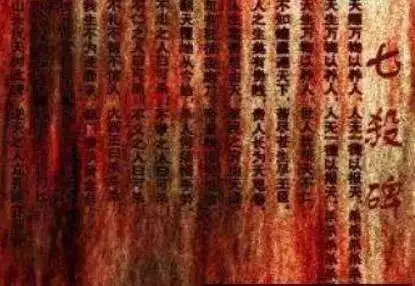
Historians have long debated this stage of killing. But to be sure, Zhang Xianzhong said a very famous saying: "I gain it, I lose it". It means that what I have earned, I can also destroy it.
To put it bluntly, he had a premonition that his life was going to end, so he had the mentality of breaking the pot and breaking it. Even if his own things were destroyed, he would not leave his family property to others. Even everyone around him must be killed.
The above is a brief introduction to Zhang Xianzhong and the murder incident. It is obviously impossible to overthrow the official history. The editor only enriches Zhang Xianzhong's personal image from the perspective of unofficial history.
Whether Zhang Xianzhong is a murderous maniac or a peasant leader, the editor believes that there should be both. Due to ideological reasons, the official history deliberately concealed Zhang Xianzhong's tyrannical side, while the unofficial history was slightly exaggerated.
The folk song "A stone ox versus a stone drum, ten thousand and five dollars of silver" has been confirmed by archaeology, and the power of science is indeed powerful. Whether Liu Xianzhong is a "murderer" or a "farmer leader" will be left to the Science District to decide.
由于常年的战乱,明末清初,四川人口剧减。万历六年,四川省有“户二十六万二千六百九十四,口三百一十万二千七十三”(《明会要》卷五十),至清康熙二十四年陡降至“一万八千零九十丁”,“合全蜀数千里内之人民,不及他省一县之众”(嘉庆《四川通志》卷十七)。
这里丁数系承担赋役的成年男性人数,如果按五口人中有一个成年男丁推算的话,康熙二十四年的人口数约为九万多。百余年间,人口竟减少了30多倍!
对于明末清初四川人口锐减的原因,无论是清朝官修的《明史》还是私家野史,无不归咎于“张献忠屠蜀”。
如《明史》说张献忠“性狡谲,嗜杀,一日不杀人,辄悒悒不乐……将卒以杀人多少叙功次,共杀男女六万万有奇”(《明史》卷三百九,中华书局,1974年,第7976页)。
明末清初的冯苏、彭遵泗更是直言张献忠杀光了四川人:“蜀民于此,真无孑遗矣!”(彭遵泗《蜀碧》卷三、赵吉士《寄园寄所寄》卷九引冯苏《见闻随笔》)
那么为什么分歧还依然比较大呢?下面笔者从两个方面简要谈谈对“张献忠屠蜀”问题的认识。
关于张献忠屠蜀的史料,目前除了正史《明史·张献忠传》,还有数部私修史书和野史笔记。主要有查继佐《罪惟录·张献忠传》,梅村野史《鹿樵纪闻》,吴伟业《绥寇纪略》,毛奇龄《后鉴录》,李馥荣《滟滪囊》,刘景伯《蜀龟鉴》,冯苏《见闻随笔》,彭遵泗《蜀碧》,费密《荒书》,欧阳直《蜀警录》,沈荀蔚《蜀难叙略》,傅迪吉《五马先生纪年》以及〔法〕古洛东《圣教入川记》。
综合分析上述史料以及前人的研究成果,笔者认为,张献忠确实在四川进行过惨无人道的屠杀。但是我们也必须认清两点:
第一,大部分史籍都有夸张,甚至将明、清以及地方武装对四川人民的屠杀也嫁祸于张献忠,这一点后文还将进一步阐释;
第二,张献忠的“屠蜀”政策主要发生在后期。
在张献忠建立大西政权前,主要是流动作战,其间曾两次大规模入川,一次是崇祯七年二月,张献忠由河南攻入陕西,在遭洪承畴阻击后又攻入川东、川北部分地区,两月后返回陕南。
大西政权建立之初,亦未曾有大规模的屠杀行为,而是采取了一系列稳定民心和恢复政治、经济秩序的措施。(参见南炳文《南明史》,南开大学出版社,1992年,第90—100页)
在张献忠身边的传教士利类斯和安文思“僭位之初,假施仁义,以博民心”(〔法〕古洛东《圣教入川记》,四川人民出版社,1981年,第18页)的记述也印证了这一点。
摇黄土兵也是“城野俱焚掠”。清军更是以野蛮屠城而著称,“嘉定三屠”“扬州十日”几乎是尽人皆知。但绝大部分人甚至学者对清朝在四川的屠杀知之甚少,这主要是因为清朝找到了张献忠这样一个难得的“替罪羊”。
虽然由于清朝极端的文化高压政策,我们已不可能窥见清军对四川屠杀之详情,但从诸多史籍的一鳞半爪中,依然可以发现清军屠蜀之大概。
在清军对关内的征服过程中,常常以“民贼相混,玉石难分”为由,“或全城俱歼,或杀男留妇”。
在《论建州与流贼相因亡明》(载“中研院”《史语所集刊》第12本,1947年)一文中,李光涛更指出:“即如四川之祸,张献忠据此前后不过四年,清人与残明角逐于此者十余年,加以吴藩之乱,后先相映盖数十年,凡不从者,凡不剃发者,凡遁山谷不为编户之民者,彼皆杀之,然后赤地数千里,此又浮于张献忠十倍二十倍不止矣。”萧一山也持相近的观点,“川北之平定,在献忠死后二年,而川东则十余年矣。满汉兵丁所杀,殆不下于献贼”(《清代通史》第一册,第245页)。李、萧二氏之论,颇有见地,也印证了笔者的判断:
张献忠在四川的屠杀系其死后半年多时间,而且主要集中在成都及其周边地区,而清军对四川的征服则长达十余年,所屠之地也较之张献忠更为广泛,加之当时清军是各种力量中最强势的一方,其对四川屠戮之惨重远甚于其他各种势力。
实际上,清军的屠杀绝非仅限于在四川,人口的剧减也非仅有四川一省。清军所到之处,都是烧杀抢掠。崇祯十六年直隶巡抚徐标就曾目睹过从江淮到京城沿途数千里的惨状,他对崇祯帝说:“臣自江淮来数千里,见城陷处,固荡然一空。即有完城,仅余四壁。蓬蒿满路,鸡犬无声,曾未遇一耕者。”(张岱《石匮书后集》卷一)
诚如李光涛在《论建州与流贼相因亡明》中所言,建州之倡乱,“虽曰明朝之外患,其实建州之渊源,等于内地之流贼,等于中原之叛徒”。
在这种情况下,清朝虽然以民族屠杀的方式征服了中原,统一了全国,但很难获得汉族的认同,其政治合法性受到严重质疑。
政治合法性是政治学的一个重要概念,系指政权基于被民众认可原则基础上实施统治的正统性或正当性,“凡是建立在价值基础之上并以此得到公共舆论承认的即为合法”(法国学者雷蒙·博兰语,转引自吴惕安、俞可平《当代西方国家理论评析》,陕西人民出版社,1994年,第284页)。
中国传统的政治合法性是建立在儒家一整套伦理基础之上的,其中又以“仁政”为核心,另外,“华夷之辨”也是一个重要方面。
这两个方面,清朝显然都不具备,因为清朝是靠军事征服而建立起来的少数民族政权,这就使其面临着比中国历史上任何一个政权都更为严峻的合法性危机。
将“张献忠屠蜀”肆意夸大、渲染,不仅可以转移清政权的合法性危机,而且还可以通过把自己打扮成“替天行道”者,找到一条重建政治合法性的路径。
基于此,清朝不遗余力地将其与其他各种势力对四川的屠戮转嫁到张献忠及其大西军身上。清朝一方面不断强化张献忠的“杀人魔王”形象,一方面宣称“明亡于流贼”,进而巧妙地将其对张献忠的征讨和对川民的屠杀说成是“为明复仇”。清朝由此从屠杀者、征服者变成了“替天行道者”,其合法性也因此得以建构。
张献忠沉银事件被考古证实,遗址出水文物已过万件,继而登上了各大网站的热搜榜,民谣成真。在人们惊诧张献忠沉银数量之多、价值之大的同时,张献忠和他的历史事迹也再一次成为了人们热议的焦点。
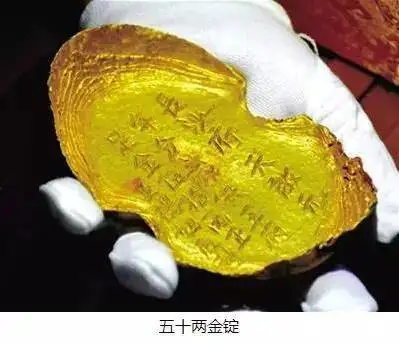
若干年来,对于张献忠为人的定义始终无法统一。记得中学的时候学历史,老师讲张献忠和李自成齐名,都是农民起义军的领袖。老师反复强调,他们领导了反封建的阶级斗争,虽然存在农民自身的局限性,但仍是推动社会历史进步的动力。
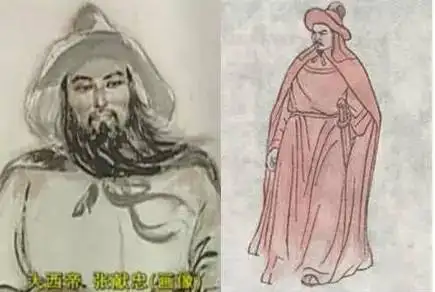
而在民间传说和野史上,张献忠始终脱不开“杀人狂魔”、“屠川”这些血腥的字眼。那么,张献忠为人如何,小编就来简单介绍一下。
张献忠简介
张献忠,陕西人,生于万历三十四年(1606年),曾做过捕快,当过兵。当兵期间被人欺负(据说是四川人),张献忠还手反击,却因行凶罪被投进监狱。
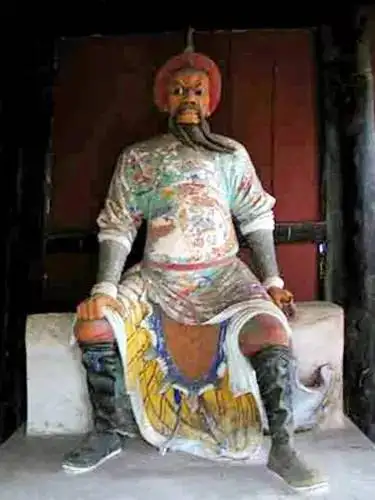
明末政治腐败,官吏们争相搂财,再加上陕西大旱两年,饥民没吃没喝还受剥削,无奈只能起义。张献忠出狱后穷困潦倒,只能加入起义军。他剽悍勇猛,屡立战功,因此在起义军中自领一军,自号“西营八大王”。
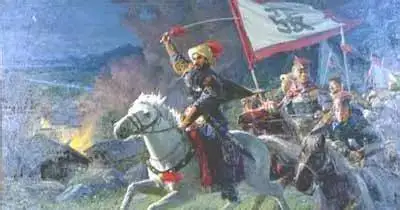
随后,张献忠带兵有方,节节推进,率兵侵入四川,在成都建国,国号大西,年号大顺。当了两年皇帝后,清军南下,张献忠被箭射中,卒。
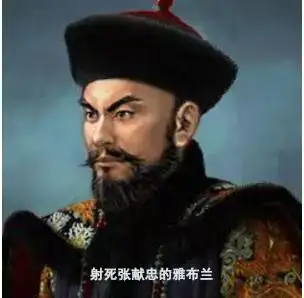
传说,张献忠是个不折不扣的杀人恶魔,关于其杀伐成性、荒淫无度的传闻不计其数。那么接下来,小编就为大家伙介绍几件有代表性的骇人事件。
朝天烛
据说,有一次张献忠患了疟疾,就对天许愿说,如果病好了就以“朝天蜡烛两盘”贡奉给上天。常人听来以为他说的只是普通蜡烛,然而他病好以后所做的事情却让人大吃一惊。
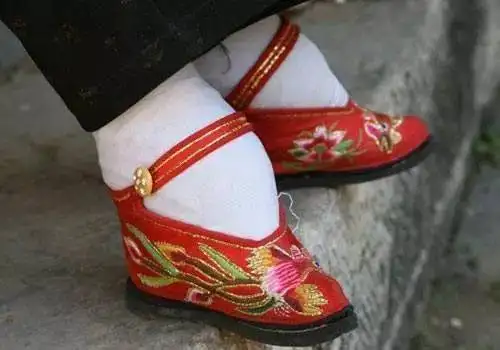
他下令每个兵士必须至少进献十双“三寸金莲”,权威之下,军营中的小脚不到半天就堆积成山(莲峰)。张献忠瞥见自己的小妾也是小脚,就顺便砍了下来,随后再将“莲峰”架火烧毁,名为点朝天烛。
屠川
对于张献忠“屠川事件”说法不一,有人认为这确实是张献忠做的,也有人认为是清代文人不敢指责大清,所以把账赖在张献忠的头上。
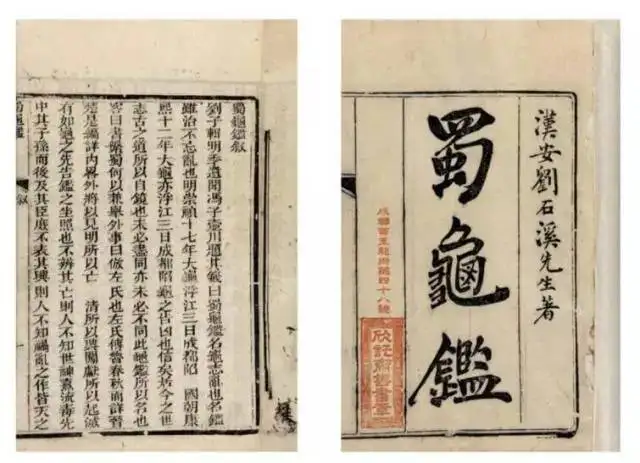
但是,翻开《蜀龟鉴》、《蜀警录》、《蜀难叙略》等史书,张献忠屠川的记载确实存在。《蜀龟鉴》记载,张献忠部队一进入四川便大开杀戒,坑杀、剥皮、生食等无所不用其极,奸淫妇女,拿孕妇腹中胎儿的性别做吃酒赌注等无恶不作。
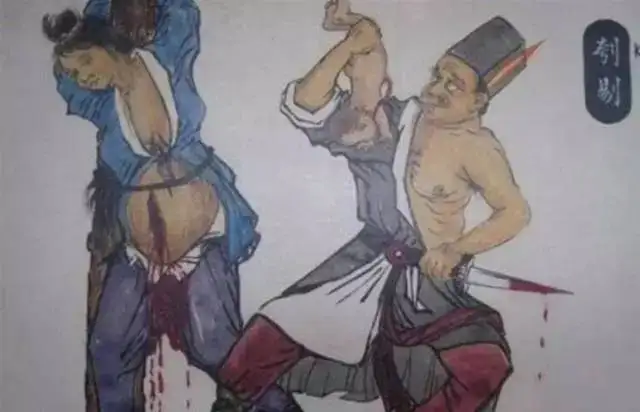
因此,四川在张献忠称帝期间民不聊生,人数骤减。《明会要》卷五十记载:明万历六年(1578)四川有“户二十六万二千六百九十四,口三百一十万二千七十三”,到清康熙二十四年(1685)就陡减至“一万八千零九十丁”。
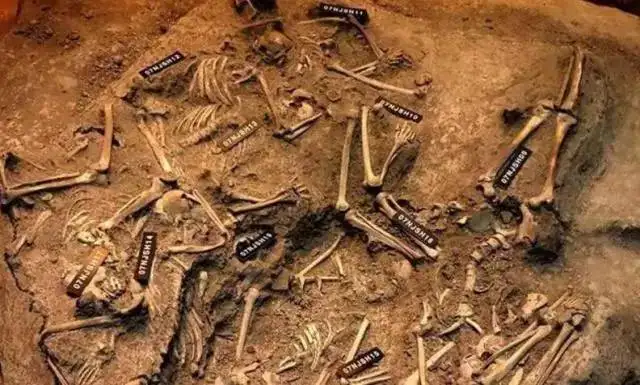
一百年的时间,四川人口就由310万骤减至不到2万,可见四川人民当年遭受的是怎样的浩劫。
杀人原因
你可能会问,张献忠为什么要杀人?究其原因,其实很简单,就是因为他要做皇帝而且想要坐稳皇帝。接下来,小编将张献忠的杀人总结为三个阶段逐个分析。
1、建设性杀人
称帝前,张献忠杀人是建设性杀人,是为他做皇帝铺平道路。张献忠曾转战陕西、河南、安徽、湖北、四川等地,从几百人发展壮大到拥有百万雄兵、割据一方的皇帝,主要手段就是杀人。
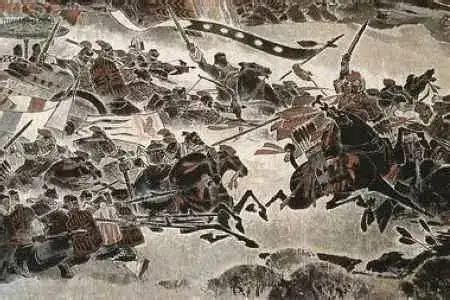
有人会问,想坐拥天下应该收拢民心才对呀?历史书上,但凡涉及政权更迭的原因都会提到“得民心者得天下”,殊不知,收拢民心除了“利诱”之外还有“威逼”这个方法。
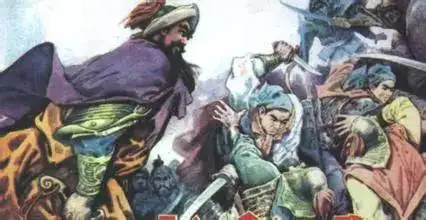
面对杀人狂魔,人们会产生畏惧或者崇拜的心理,“男子汉大丈夫能屈能伸”的说教也给人们乖乖归顺找了一个很好的借口。
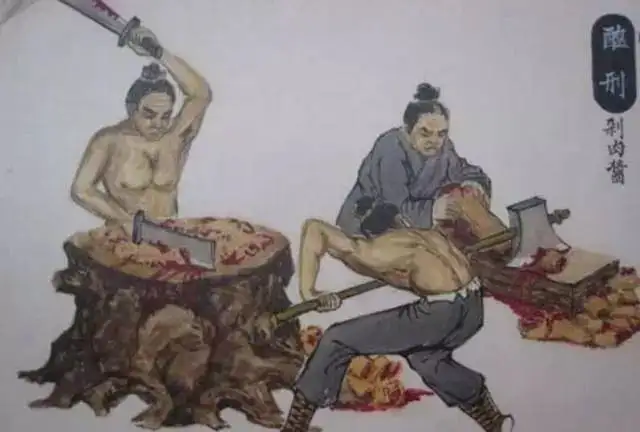
张献忠在这个阶段的杀人对象主要是明朝官吏、朱氏皇族和不肯归顺的小民,主要是为了清除明朝的遗留子民,为自己登基上位打基础,这也是改朝换代时每个皇帝都会做的。
2、巩固性杀人
称帝后,张献忠杀人主要是巩固性杀人,是为了坐稳帝位。《蜀碧》记载,张献忠曾迎娶皇后,排场非常大,但是陈皇后的风光只是昙花一现,不到十天便被赐死。
贼娶井研陈氏女(即相国演女)立为伪后。其迎入也:自南门五里外架桥,高十数丈,逾城直达藩府。左右五彩栏栅,上结锦绷,络以明珠,像星辰;首尾悬水晶灯笼,像日月;一望如长虹亘天,迷离夺目。
看到这件事,你可能会百思不得其解。实际上,陈皇后是张献忠坐稳帝位路上一颗重要的棋子。张献忠杀后要表达的是:“我连最心爱的女人都杀,我还有什么不敢的,所以你们(功臣们)都给我消停点,非分之想是万万不可有的!”

陈皇后成为张献忠威慑幕僚巩固政权的一个重要道具,这也是为什么大西朝建立后,没有一位功臣骄奢淫逸、不思进取的原因所在,后来他杀左丞相严天赐也是这个老套路。
3、破坏性杀人
张献忠杀人的第三个阶段是政权灭亡时的破坏性杀人。如果说前张献忠两个阶段杀人尚有一些原则和规律可寻,那么第三阶段杀人简直是无厘头。

对于这一阶段的杀人,史学家一直争论不休。但确切的是,张献忠说过一句很著名的话:“我自得之,我自失之”。意思就是,我挣来的江山,我也可以毁掉它。
说白了,他预感到自己气数将尽,因此产生了破罐子破摔的心理,自己的东西就算是毁掉也不把家底留给别人,正是基于这样的心里,他不但杀蜀人,就连自己的身边的所有人也要赶尽杀绝。
以上就是对于张献忠以及杀人事件的简单介绍,推翻正史显然是不可能的,小编也只是从野史的角度丰富一下张献忠的个人形象。
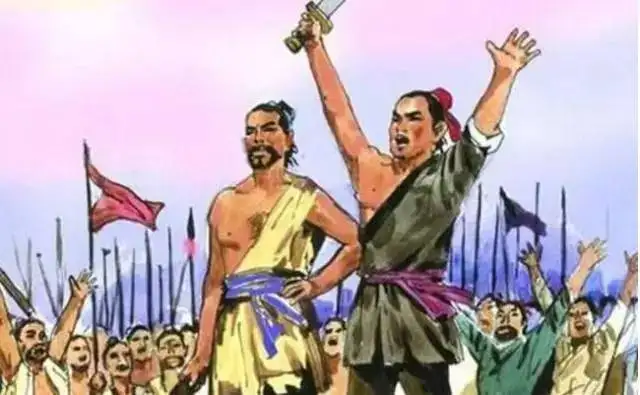
张献忠究竟是杀人狂魔还是农民领袖,小编认为这两者应该兼而有之。由于意识形态的原因,正史有意遮蔽了张献忠暴虐的一面,而野史则是稍有夸大。
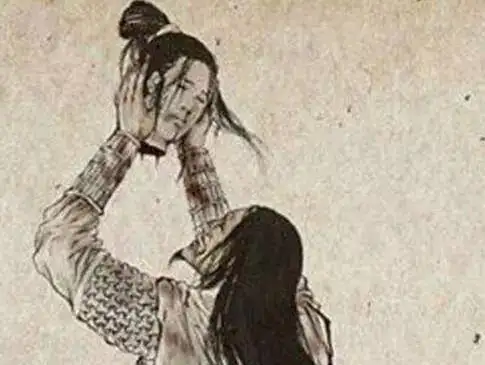
“石牛对石鼓,银子万万五”的民谣被考古证实,科学的力量果然是强大的。刘献忠究竟是“杀人狂魔”还是“农民领袖”也就交给科学区裁决吧。


评论
发表评论