Sorting out the history of the People's Commune梳理一下人民公社的历史脉络
Sorting out the history of the People's Commune
To this day, many people's understanding of the people's communes is still within the framework of big pot rice and egalitarianism. This is the result of the long-term deliberate distortion and slander of the people's communes by the public.
But their real purpose of distorting and slandering the people's communes is to negate the socialist construction of New China and the great historical role of the people.
Therefore, if we cannot have a clear understanding of the existence and development of the people's communes, and cannot have a deep understanding of the ideas and theories behind the people's communes, then we will not be able to break through all kinds of distortions and slanders.
one,
The people make history
The People's Commune is by no means an economic model that was thought up by a certain leader. In fact, it was first created spontaneously by the people. Its history can be traced back to the period of Soviet construction.
At that time, the Red Army carried out campaigns to attack local tyrants and divide their fields, but for the vast majority of poor and lower-middle peasants, they not only lacked land, they also lacked production tools for farming land, such as the most basic cattle, so they had to Practice solidarity and mutual assistance, otherwise many practical problems in production cannot be solved.
In many places, labor cooperatives and plowing teams have been organized to adjust the labor force in the countryside; oxen cooperatives have been organized to solve the problem of lack of oxen. At the same time, a large number of women participated in production work. This situation was absolutely impossible in the Kuomintang era. In the Kuomintang era, the land belonged to the landlords, and the peasants were unwilling and impossible to use their own strength to improve the land. ——"Selected Works of Mao, Vol. 1, Our Economic Policy, 1934"
This is an economic report made by Mao Zedong in 1934 during the construction of the Soviet Area. It is actually very clear in it. In order to solve the disadvantages of individual small production in the feudal era, farmers spontaneously organized mutual aid societies, cattle teams, cooperatives and other organizations. Organizations are the most primitive prototype of the people's communes after the founding of the People's Republic of China.
The formation of cooperatives is not complicated. It is still based on individual private ownership. However, for many things that cannot be done by individuals, cooperatives formed by everyone can do it. For example, everyone raises money to buy cattle, and together Building water conservancy facilities, the whole community digs public ponds and dams together, remodels traffic routes, and so on.
These things are very conducive to agricultural production, and it is difficult for a single individual to do so, so organizations such as cooperatives came into being.
In order to encourage agricultural production and promote the development of the cooperative economy, the Soviet Area also set up credit cooperatives separately from production cooperatives and grain cooperatives to provide loans to production cooperatives to encourage and develop agriculture.
Therefore, during the Soviet construction period, the cooperative economy has become a unique economic model within the Soviet area.
At present our national economy is composed of three aspects: state-owned enterprises, cooperative enterprises and private enterprises. ——"Selected Works of Mao, Vol. 1, Our Economic Policy, 1934"
As we all know in the later history, under the guidance of Wang Ming's "Leftist" line, the fifth anti-encirclement campaign failed, almost all the base areas in the Soviet area were lost, and the Red Army was forced to start a long march.
When the Red Army arrived in northern Shaanxi, at the moment of national peril in the face of Japanese imperialism's full-scale invasion of China, the Kuomintang and the Communist Party realized the second cooperation and established the anti-Japanese national united front.
Subsequently, under the leadership of the Communist Party, the Eighth Route Army, adapted from the Red Army, began to go deep into the battlefields behind enemy lines and established large areas of liberated area bases. The cooperative economic model, because it can greatly help agricultural production, has also been greatly developed.
Later, when we mentioned the War of Liberation, we often talked about political and military victories. For example, politically, we created a vast ocean of people’s war, and militarily, we created a real people’s army. .
These are certainly correct, but they are more than that. The victory in the War of Liberation and the complete victory on the economic front, when the soldiers at the bottom of the Kuomintang often suffer from hunger and cold in battle, our liberated areas can give Our soldiers provide sufficient food and cotton to ensure that the soldiers' food and clothing problems are solved.
Therefore, when the appearance of Chiang Kai-shek's failure first appeared, it immediately showed a situation of defeat like a mountain. This is because their failure was a complete defeat on the political, military, and economic fronts.
Before the founding of New China, all problems revolved around the democratic revolution, but after the founding of New China, all problems began to revolve around economic construction.
At this time, the historical role of our cooperative economy began to emerge more clearly.
two,
pillars of industrialization
To truly realize the economic prosperity of our country, the most important and difficult thing is to rely on our own strength to realize the industrialization of the country on the barren and backward Chinese soil.
The pursuit of national industrialization was not proposed by the generation of the Communist Party. After the Opium War, when foreign invaders opened the door of China with guns, countless people with lofty ideals realized this problem.
However, under the rule of imperialism and feudalism, realizing the industrialization of the country is nothing but a dream, and the road of "saving the country by industry" is simply impossible.
The reason is simple. If the industrial enterprises, military industries, and civilian industries you set up are full of corruption, exploitation, and imperialism’s control of core technologies and economic lifelines, how can your enterprise achieve real development?
The annihilation of the entire army of the Beiyang Navy that Li Hongzhang prepared has completely proved this point. Under the control of imperialism outside and the oppression of feudalism inside, the country's industrialization is destined to be a dream.
Later, through the sacrifice and struggle of countless revolutionary martyrs, the victory of the new democratic revolution was achieved, and political conditions for independence, freedom, democracy and unity were truly created for the country to achieve industrialization.
Mao Zedong once pointed out in his report "On Coalition Government" in 1945:
"Without independence, freedom, democracy and unity, it is impossible to build a truly large-scale industrialization. Without industry, there will be no solid national defense, no people's welfare, and no country's prosperity. The 105-year history since the Opium War in 1840 , especially the history of the 18 years since the Kuomintang came to power, clearly told the Chinese people this point." - "Selected Works of Mao, Volume III, On the Coalition Government, 1945"
In China's century-old modern history, how many revolutionary martyrs have been sacrificed in exchange for a democratic and independent new China, but this is only the first step for China to become prosperous and strong.
In order to realize the real prosperity of the country and the strength of the people, China must independently establish its own complete industrialization system.
But this road is not easy. To achieve industrialization, in addition to the political and military independence you have already achieved, you need to have money to import equipment and technology, right? Do you need to recruit large-scale technical core talents? You need a lot of labor to excavate and process raw materials, right?
Even if you have money, there must be a country willing to sell you these equipment and technologies, otherwise you still have nothing to do.
It was really difficult at that time, the capitalist countries did not recognize you at all, because you just kicked them out, so they teamed up to block you, even the Soviet Union, because in China there are Changchun Railway and Lushun Port Vested interests, they are not willing to unreservedly support the construction of new China.
It is really unimaginable for ordinary people to carry out industrialization under the condition of adhering to independence and sovereignty and territorial integrity.
Later, because New China achieved great victories in resisting U.S. aggression and aiding Korea, the Soviet Union saw the huge influence and role of this socialist alliance, so it decided to provide large-scale assistance to New China's industrialization.
But even so, it is still extremely difficult for China to solve the problems of capital, manpower, resources, etc. in the initial stage of construction, and it is impossible for us to invade other countries like capitalist countries in exchange for primitive accumulation of industrialization.
what to do? At this time, the historical role of the great masses of the people began to be highlighted.
New China decided to obtain this primitive accumulation of industrialization from farmers through scissors.
That is to say, the grain produced by the peasants not only had to feed themselves, but also to feed the workers, administrators, and Soviet technicians in the city, and they had to exchange part of the grain for foreign exchange to purchase the equipment and technology needed for industrialization.
Just ask you, are Chinese farmers suffering? Do they matter much?
How to get this primitive accumulation is actually through the strategy of unified purchase and marketing, the state uniformly purchases the grain in the hands of farmers, and then implements quantitative distribution to reduce the price difference earned by middlemen and reduce speculation in the operation process, making the most limited resources , can get the most reasonable use.
In fact, not only food, but also many other necessary materials, such as oil, cloth, etc., have gradually implemented this strategy of unified purchase and marketing.
But in this way, the life of farmers who can only maintain the food and clothing line has become extremely difficult. They are always faced with the situation of lack of clothing and food, and they are walking on thin ice. People will starve to death.
what to do? If this continues, not only will it be difficult to complete industrialization, but even farmers may have severe conflicts with the state.
The construction of industrialization must be done. Workers need to eat, equipment needs funds, mining needs labor, and farmers also need to feed themselves. The construction of heavy industry is a project with an extremely long payback period, not to mention military industries that cannot directly Money-burning projects that offer financial returns.
Therefore, in theory, there is only one way to increase agricultural production.
God bless China, the creativity of the great Chinese people once again helped the construction of new China.
During the period when New China was unable to realize agricultural mechanization and scientific production (breakthrough in chemical fertilizers), the masses in the liberated areas spontaneously established agricultural mutual aid organizations, which are the various forms of cooperatives we mentioned above.
This greatly promoted the increase of agricultural production at that time.
Only in 1951, there were 21 million farmers, and nearly 100 million farmers spontaneously formed cooperatives to improve agricultural production and support the country's industrialization.
The most critical point here is that the early cooperatives were not designed by the upper class according to some theoretical concept, but were created spontaneously by farmers for their livelihood and to increase production.
Why is this important? It is because things created spontaneously by the masses must be established under such conditions: that is, voluntariness and mutual benefit.
That is to say, if it is not developed on the basis of voluntary and mutual benefit, it is impossible to establish such a large scale spontaneously.
Without the interference of administrative power, if cooperatives want to organize spontaneously, it must be because farmers have increased production in the cooperative economy, obtained benefits, and reached a consensus on the distribution system.
Therefore, at that time in China, even though agricultural mechanization and scientific production had not yet been realized, due to the unified management and unified organization of labor in farmers' production cooperatives, they were able to rationally use land, build water conservancy, improve soil, improve varieties, and adopt new technologies, etc. Doing things that are difficult for farmers to do alone, especially in resisting natural disasters, has shown a strong advantage.
Therefore, agricultural cooperatives, both in theory and practice, have a great historical role and historical significance.
When Shanxi sent Mao Zedong a political report on "Promoting Mutual Aid Organizations in Old Areas One Step Up", Mao Zedong was very excited because he saw the great creativity of the masses.
How to popularize the superiority and creativity of this kind of agricultural mutual aid associations and cooperatives? In order to alleviate the contradiction we said above, the contradiction between the increasing investment in industrialization construction and the still backward agricultural production that supports industry has become the next issue that Mao Zedong will think about.
Since the cooperatives established by farmers spontaneously can show strong advantages in agricultural production, we must popularize them and create more favorable conditions for their development so that they can advance further.
However, once the establishment and promotion of agricultural cooperatives are given the intervention of administrative power, a problem will inevitably arise, that is, the problem of egalitarianism.
In order to avoid such problems, Mao Zedong determined the basic principles of promoting cooperatives through practical investigations: voluntariness and mutual benefit.
Because, only on the basis of voluntariness and mutual benefit can we avoid the damage and influence of egalitarianism in the process of promoting cooperatives.
Not only that, but he also emphasized that in the promotion of cooperatives, we should not only affirm the enthusiasm of farmers for mutual assistance and cooperation, but also protect the enthusiasm of self-employed households. We must guard against both the right and the left.
"After liberation, peasants' enthusiasm for individual economy is inevitable, and farmers' enthusiasm for individual economy cannot be ignored or rudely frustrated." —— "Resolution on Mutual Aid and Cooperation in Agricultural Production"
It is a "Leftist" erroneous idea to attempt to implement absolute egalitarianism among members of mutual aid groups and agricultural production cooperatives, regardless of the various conditions of farmers' voluntary and economic readiness. —— "Resolution on Mutual Aid and Cooperation in Agricultural Production"
Mao Zedong even kept emphasizing in several meetings: "Animals must be priced reasonably when entering the cooperative. Poor peasants should not take advantage of rich peasants in this regard. Poor peasants should not take advantage of land, livestock, and farm tools. Only mutual benefit can be exchanged for voluntariness. If there is no mutual benefit, there will be no Volunteer."
In the end, another basic criterion for the expansion of cooperatives was formed—increasing production.
And it is a relatively large-scale increase in production. This is a rigid standard set by Mao Zedong after promulgating the "Resolution on Mutual Assistance and Cooperation in Agricultural Production".
The principle is also very simple. If your cooperative cannot increase production, no matter how hype you say, no matter how perfect its theory is, the result will not stand the test of practice. Then what is the point of promoting and expanding?
In Mao Zedong's vision, in order to eliminate small individual production in the feudal era, the method of coercion cannot be used, but the continuous increase in production and the continuous display of superiority of cooperatives can only be used to motivate farmers to join in voluntarily. It is solid, scientific, and vital.
Under the guidance of this gradual and scientific approach, agricultural cooperatives ushered in a nationwide development, and the speed of development completely exceeded Mao Zedong's expectations.
And most importantly, this development is very healthy and very stable. This steady and healthy development, in turn, greatly supported the industrialization of New China.
The time came to the end of 1956, and the transformation of China's agricultural cooperatives was basically completed. From the perspective of the entire historical process, the proletarian revolution led by Mao Zedong realized the goal of "land to the tiller" through the agrarian revolution during the period of the New Democratic Revolution, and completed the struggle against scattered and backward people in the subsequent socialist revolution. The socialist transformation of the peasant individual economy.
During the promotion and transformation of agricultural cooperation, there was no social turmoil, and there was no reduction in grain production that Mao Zedong worried about. On the contrary, grain production increased year after year, supporting and promoting the industrialization of New China on a large scale.
three,
Theoretical Basis of the People's Commune
After the transformation of agricultural cooperation was completed, an idea and theory about the relationship between agriculture and industry began to form in Mao Zedong's mind.
In the construction of national industrialization, the demand for food, industrial raw materials, and funds is increasing year by year. At present, through agricultural cooperation, it is possible to barely maintain this huge and gradually increasing expenditure. At the end of the day, there is an obvious upper limit to the dividends of cooperation.
Because it has not realized scientificization and mechanization, it still relies on complete labor for agricultural production, and only promotes the increase of production by transforming production relations. It will not take long for this increase in production to hit its ceiling immediately.
Moreover, farmers can't continue to suffer like this and support industrialization unconditionally.
what to do? This contradiction is already a foreseeable contradiction.
Under such circumstances, Mao Zedong proposed to continue to expand the scale of agricultural cooperatives, to merge agricultural cooperatives that might be merged, and to open up a way for the industry to feed back agriculture in advance.
This is the theoretical basis for the formation of the People's Commune.
The so-called people's communes are actually large and small agricultural mutual aid associations and agricultural cooperatives merged together to form the people's communes.
Why should we continue to expand agricultural cooperatives so that industry can feed back agriculture as quickly as possible?
The principle is still the same simple:
One of the most important branches of socialist industrialization—heavy industry, its production of tractors, its production of other agricultural machinery, its production of chemical fertilizers, its production of modern means of transport for agriculture, its production of The kerosene used, the production of electricity, etc., all of these can only be used on the basis of large-scale cooperative agricultural operations, or can be used in large quantities. ——"Mao Zedong's Report on Agricultural Cooperatives, 1955"
This is easy to understand. Under the backward economic conditions at that time, if you were a small cooperative and asked you to introduce large-scale agricultural equipment, could you afford it?
Let you build large-scale irrigation and water conservancy projects, mechanical and electrical projects, can you afford it?
The country's industrial strength is still very weak, and it is impossible to realize huge investment in small cooperatives, but it is necessary to use industry to feed agriculture as soon as possible, so it is necessary to require the emergence of larger-scale agricultural cooperatives, so that they can take the lead in using limited industrial production. out to support the rapid development of agriculture.
Only when such a benign and mutually beneficial relationship is formed between industry and agriculture can both parties usher in healthy and sustainable development in an environment of mutual support and mutual promotion.
If your heavy industry cannot realize the feedback to agriculture, then the income of farmers will not increase, so who do you sell to those daily commodities produced by your light industry?
Farmers have no money, so they have no purchasing power, and the development of your light industry is also greatly restricted and hindered, let alone continue to support heavy industry.
Therefore, in fact, a benign interactive relationship must be formed between heavy industry, light industry, and agriculture. Without this benign interaction, it will be difficult for industry to develop sustainably if only agriculture supports industry.
This is the historical origin of Mao Zedong's later emphasis on the interrelationships among heavy industry, light industry, and agriculture in "On Ten Major Relationships".
Four,
The Historical Setbacks of the People's Commune
So far, theoretical explorations on the interrelationships between heavy industry, light industry, and agriculture have still not broken through Mao Zedong's statement. That is to say, if the development of history can proceed steadily as Mao Zedong envisioned, then the industrialization of New China and the road to true prosperity and strength of New China will be smooth sailing and the pace will be much faster.
However, the development of things always advances in twists and turns, and there is never any smooth sailing.
In 1956, when the transformation of agricultural co-operatives was about to be completed, Khrushchev made a secret report in the Soviet Union, which opened the prelude to the class struggle in the process of socialism.
The most notable thing in this secret report was the complete negation of Stalin. This kind of negation was actually a cry for grievances for the bourgeoisie, and it also laid the groundwork for the restoration of capitalism in the Soviet Union.
It was also at this time that cracks began to appear in the relationship between China and the Soviet Union. This crack gradually expanded in the following years of development, so that the crack turned into a situation of serious confrontation.
Although the two sides are still maintaining a certain degree of peace at this moment, from this moment on, Mao Zedong knew that China must further emphasize independence, and China's industrialization must also be based on independence, otherwise the Soviet Union is very likely to use it midway. Temper, put you together.
After all, until 1956, China's industrialization construction was basically copied from the Soviet Union. Therefore, how to realize the independent and independent construction of China's industrialization has become a huge problem facing Mao Zedong.
Of course, the subsequent historical development was indeed as Mao Zedong expected, the relationship between the two countries gradually broke down, and in 1960 the Soviet Union withdrew all the technical experts in China.
Therefore, at the end of 1956, after the three major transformations were basically completed, how to build China's industrialization independently became a huge problem facing the industrialization of New China at that time.
It was also at this time that two completely different ideas and theories began to emerge and evolve, gradually forming two routes.
If you want to independently build socialism and develop the industrialization of New China, you must rely on some kind of social force, and this social force can be roughly divided into two categories, one is the broad masses of the people, and the other is assets. class.
And as the bourgeoisie in society (this is a synonym, it does not mean that they are all capitalists who were transformed earlier, this class includes some rich peasants, privileged strata, bureaucrats, capitalists who were originally transformed, etc.), this class They are not willing to take the line of collective economy, they are actually the social basis of the capitalist line.
We must affirm the trinity public medical system of "people's communes + barefoot doctors + medical cooperatives", the people's communes provide basic medical services for farmers, and the humanitarian spirit of barefoot doctors.
Fourth, through the development of the collective economy, the people's communes have formed a huge agricultural machinery consumption market in the process of realizing agricultural modernization. This kind of organized market has a large scale and promoted the independent development of my country's agricultural machinery industry. According to statistics from the agricultural sector, my country's agricultural machinery industry started from scratch in 1959, and by 1979, the total power of agricultural machinery in the country had reached 136 million kilowatts.
We must affirm the historical contribution of the people's communes in promoting the development of the agricultural machinery industry, affirm the scale market advantages brought about by the development of the collective economy of the people's communes, and ensure that the organized markets of the people's communes are conducive to the development of national industries.
Fifth, after the people's communes develop the collective economy and complete a certain amount of primitive accumulation, they will be able to support the development of public education. After 1965, investment in rural basic education began to increase, forming a basic education system in which "groups have classes, brigades have primary schools, and communes have junior high schools", which greatly improved the backwardness of rural basic education.
We must affirm the contribution made by the people's communes to rural basic education, the simple and practical basic education model of "people's communes + village-run schools + substitute teachers", and the social value brought about by the collective accumulation of the people's communes.
Sixth, the people's communes vigorously develop commune and brigade enterprises to promote the development of rural industries. According to statistics from the National Bureau of Statistics, in 1977 there were 1.39 million communes and brigade enterprises across the country, with an output value of 39.1 billion yuan. In 1978, there were 1.524 million commune and brigade enterprises with a total output value of 49.3 billion yuan. By 1983, the number of commune and brigade enterprises across the country exceeded 5 million, absorbing a total of 32.35 million rural laborers, with a total output value of 101.7 billion yuan.
We must affirm that the establishment of commune and brigade enterprises by the people's communes has promoted the modernization of agricultural production, we must affirm that the establishment of commune and brigade enterprises is conducive to improving the living standards of farmers, we must affirm that the establishment of commune and brigade enterprises has optimized the rural economic structure, and we must affirm that the establishment of commune and brigade enterprises has contributed to the balanced development of urban and rural areas. make an important contribution.
Seventh, the people's communes have successively accepted about 30 million educated youths, provided them with jobs, tempered their hard-working qualities, cultivated a large number of intellectuals with both ability and political integrity, and trained a large number of well-behaved cadres who care about the suffering of farmers .
We must affirm the inclusiveness of the people's communes and the stability of the people's communes as the country's rear.
Eighth, during the period of the People's Commune, the construction movement of learning from Dazhai was carried out, which set off a wave of agricultural construction across the country to reclaim wasteland and level fertile land, expanding the total area of cultivated land in the country.
We must affirm the construction spirit of the people's communes in reclamation and land reclamation, which provides an important foundation for subsequent grain growth. We must affirm the equal and harmonious relationship between cadres and the masses during the People's Commune period.
Ninth, the people's commune is an organization integrating politics and economy, an administrative unit at the end of the state, and a grassroots organization of the party. Observed from the perspective of organization and management, the people's communes played an important role as grassroots fortresses, eliminated feudal forces in the countryside, suppressed clan power in the countryside, strengthened grassroots organizations in the countryside, and improved the cohesion of the countryside. These are all wealth and the correct things of the People's Commune, and they are worth summarizing and affirming.
At the same time, we also need to affirm the efforts made by the people's communes in rural finance, the promotion of improved seeds, the application of chemical fertilizers, and rural public welfare. Comprehensive national strength and people's living standards have improved.
All in all, we must affirm the correct things of the people's communes openly, with great fanfare, and continuously. Only by affirming the truth can we move towards the light.
2. What the People’s Commune Wrong
The mistakes of the people's communes mainly include the following points:
First, the people's communes have a big canteen. The idea is good, but the result is wrong. A public canteen was set up, and the members ate with their stomachs open. They ate too much in the early stage, resulting in insufficient food in the later stage. The canteen has been in operation for a long time, and various problems have emerged, and farmers are more resistant.
After Chairman Mao heard about it, he issued corrective instructions in a timely manner, and farmers cannot be forced to eat in big canteens. It didn't take long for the cafeteria to stop running, and it was less than three years before and after it was full. It is necessary to deny the wrong practice of the people's commune in the early stage of running large public canteens, but it cannot be generalized, and it cannot be said that the people's communes have always had large canteens.
Second, in the early days of the People's Commune, "one leveling and two adjustments" was a wrong approach. "One leveling" mainly refers to the egalitarian phenomenon among production teams and among members of the people's commune in the early days of the people's commune, that is, the practice of leveling the rich and the poor within the commune and distributing them equally. "Second transfer" refers to the two levels of government, the county party committee and the commune, in order to realize communism, transfer the personal belongings of the production brigade and some members of the commune free of charge.
The phenomenon of "one leveling and two adjustments" is the wrong approach of the people's commune in the early days, and it is caused by the misunderstanding of communism by governments at all levels. It completely violates the economic principles of socialism and the purpose of the people's commune. Chairman Mao was astonished when he learned about it, and he denied this brutal practice, and clearly instructed cadres at all levels on many occasions.
On December 30 of the same year, Chairman Mao said at the Central Work Conference: "Ping Tiao farmers' labor fruits are more exploitative than landlords and capitalists. The capitalists have to pay a price, but it is not equivalent, and Ping Tiao has nothing. No. We must resolutely return compensation, and all departments and all walks of life must resolutely return compensation.”
It can be seen from this that Chairman Mao completely negated the erroneous behavior of "one leveling and two adjustments", and his attitude was more resolute than anyone else. Under the circumstances at that time, no one cared more about safeguarding the immediate and long-term interests of farmers than Chairman Mao.
Third, the phenomenon of "three highs and five winds" in the people's communes is wrong. The "three highs" refer to high indicators, overestimated production, and high procurement. The "five styles" specifically refer to the "common C style", floating K style, command style, dry B special style, and blind production command style.
The unrealistic wrong approach of "high indicators, overestimated production, and high procurement" has two main reasons: one is to implement the agricultural policy of "fixed production, quantitative, and ordered" during the period of unified purchase and marketing; During the "big Y advance" period, various local governments were blindly optimistic and unrealistically formulated agricultural indicators. Chairman Mao denied this, thinking that it was an empty gun.
"Common C style" refers to egalitarianism and free recruitment of brigades and member products. The "false k style" mainly refers to the false reporting and exaggeration of work achievements by the local government to the central government. In rural areas, it leads to excessive procurement, causing large-scale famine and starving to death. "Order style" mainly refers to some cadres forcing subordinates or commune members to work, expropriating private property of commune members without compensation, and other rough work behaviors.
"Dry B special style" refers to some cadres doing special things in front of farmers, using the back door for relatives and friends, and acting like a real official. "Blind command of production" means that cadres at the prefectural, county, and communal levels do not respect the opinions of farmers on production, do not investigate the situation of rural farmland, and blindly arrange agricultural production.
The phenomenon of "three highs and five winds" in the early days of the People's Commune was, in the final analysis, caused by the bureaucratic style of work, which did not pay attention to investigation and research, and relied entirely on revolutionary experience and revolutionary enthusiasm.
Chairman Mao expressed great anger at this, severely criticized this wrong way of working, personally carried out rectification and education work, and worked hard to correct this bureaucratic style of work.
Taking November 15, 1960 as an example, Chairman Mao clearly wrote in the documents sent to the central bureaus, provincial party committees, municipal party committees, and autonomous region party committees: "We must make up our minds to completely correct the very wrong "communist style" within a few months. ", flamboyant style, order style, cadres' special style and blind command of production style, and focus on correcting the "communist style" to drive the correction of the other four unhealthy trends."
After Chairman Mao vigorously corrected the "left", the phenomenon of "three highs" was completely corrected, and the problem of "five styles" was also effectively controlled. However, Chairman Mao is not a god, and he cannot completely eliminate the bureaucratic ideology of the entire civil service system in a short period of time, because this is a deep-rooted feudal remnant, and it is a historical disease that has never been eradicated for more than two thousand years.
From a philosophical point of view, the "three highs and five winds" all fail to understand the unity of subjectivity and objectivity, forget the combination of theory and practice, and fail to seek truth from facts, which is caused by poor philosophy.
All in all, the wrong things of the People's Commune were mainly concentrated in the initial period, and there were many problems, many jokes, and many farmers suffered. We must negate openly, objectively and fairly, and in awe. Only by negating mistakes can we move towards correctness.
3. Not affirming everything, nor denying everything
Finally, let's make a small summary.
How to correctly understand the history of the people's communes? Hanniu Chuchu believes that this is not only a serious historical and cultural issue, but also an ideological issue, which is related to the rise and fall of socialism.
If you want to destroy your country, you must first destroy its history. The capitalist consortia in the Western camp are not afraid of the Chinese people being smart, hardworking and frugal, but they are afraid that the Chinese people have a common belief. They only fear that the Chinese people will unite as an indestructible force on the road of socialist construction under the arm of Chairman Mao's thought.
If people's communes are completely denied, then it is tantamount to completely denying the collective economy, and then denying the legitimacy of the primitive accumulation of China's industrialization; if denying the legitimacy of industrialization, then it is tantamount to acquiescing to the same original sin as Western capitalist industrialization, and denying it in disguise If the superiority of the socialist economic system is denied, then it is tantamount to denying the superiority of the socialist political system and finding a theoretical basis for the privatization of state-owned assets and liberalism.
The Soviet Union is a living example. Khrushchev's comprehensive negation of Stalin is tantamount to negation of the Soviet Union's socialist collective economic and political system, which provided a hotbed for the subsequent color revolutions. From the moment Khrushchev completely denied Stalin, there began to be irreparable crevices of belief within the CPSU.
An organization without faith, a nation without cohesion, is like a pile of tall buildings with brick walls without any adhesive, which will naturally collapse when the wind comes.
The remarks that sympathize with and pity the farmers in the people's communes should be rationally studied and analyzed. Some of them are one-sided and unilateral emotional releases, and their cognitive simplicity can be understood;
Others are carefully crafted language. On the surface, they cry out for the peasants, and look like a Bodhisattva who sympathizes with the peasants' suffering and suffering, but does not mention the historical contributions of the peasants. The essence is to blacken the great era.
There is also a point of view pretending to be academic, that the people's commune system is the well field system in the Shang and Zhou dynasties, which is a retrogression of history, and those who equate the people's commune system with the well field system do not understand either the people's commune or the well field system. A fake academic who sells dog meat.
Xiang Zhuang's sword dance is aimed at Pei Gong, everyone must not be deceived.
In short, it is wrong to completely negate the people's communes. It fails to understand the people's communes objectively and fairly. It only talks about the mistakes but not the correct ones. It only talks about the shortcomings but not the achievements. Hooligans.
Conversely speaking, it is also an unscientific attitude to only talk about the achievements, advantages and correctness of the people's commune without mentioning its disadvantages, shortcomings and mistakes. This kind of remarks can also mislead people, it is not conducive to summing up correct historical experience, and it is not beneficial to the revitalization of the countryside.
Not affirming everything, nor denying everything.
As the great leader Chairman Mao said: "We should not affirm everything about us, only the right things should be affirmed; at the same time, we should not deny everything about us, only the wrong things should be denied."
For this reason, we should only affirm what the people's communes are correct and negate what the people's communes are wrong.
We must use the viewpoint of historical materialism to analyze the history of the people's communes, we must use the viewpoint of the movement and development of materialist dialectics to look at the great exploration and practice of the people's communes, and we must see the essence of the road of the people's communes to develop the collective economy and lead to common prosperity. It is the attitude that Marxists in the new era should have, the principles that Communists in the new era should have, and the awareness that young people in the new era should have...People's Commune in the Perspective of Historical Anthropology
the
Cao Shuji
1. Historical Anthropology: A New Perspective of Observation
Before Zhang Letian's "Research on the People's Commune System" was published in 1998, although there were not many related studies, there were still some. This is just as the author pointed out in the "Introduction" of this book: "Analyses of scholars are usually scattered in newspapers, magazines and theoretical works, and some of their insights are inspiring." A careful review of the relevant research of Chinese scholars listed by the author, Basically the rhetoric of economists. Most of their analysis is from the perspective of economic analysis. For example, they discussed the issues of rural industrialization during the commune period, the property rights issues in the commune system, the freedom to withdraw from cooperatives and the incentive mechanism of cooperatives, etc., all of which belonged to this category. As Zhang Letian said, such discussions often only involve one aspect of the people's commune system, and we need more comprehensive and complete research.
Chinese scholars have also studied the people's commune system from the perspectives of village history, regional history, and institutional history. However, this type of research is often done by researchers of contemporary Chinese rural policy. Their research on the people's commune system focused on the arrangement and interpretation of various policies and regulations. Although researchers have devoted more energy to the social changes that constitute the history of events, their focus is only on explaining the changes in national policies or the repetition of leaders' ideas with local materials. Some scholars even spend a lot of space describing the Dazhai Brigade, which is difficult to use as an academic research case, and their descriptions of other villages are also quite rough. While seemingly gaining a panoramic bird's-eye view, an in-depth understanding of the system is also lost.
The research of Western scholars is generally carried out from the perspectives of anthropology and history. Although foreign scholars did not have the opportunity to enter China's people's communes during the commune period, some scholars still obtained some commune materials through various channels. Through this, they described the village life in the commune period in detail, and "observed carefully, described in detail, and Chinese scholars look at it with admiration." (p. 13) It may seem unbelievable that Western scholars, who did not have the opportunity to enter China, were able to reproduce the scenes of rural life in China in detail by interviewing Chinese farmers who left the country at that time. At this point, we have to admire their good academic qualities. Anthropological methodology emphasizes the researcher’s observation and experience of the community life under study. Meticulous interviews can replace observation, or in other words, interview itself is a kind of observation, but observation cannot replace the author’s personal experience of community life . From this perspective, the research works of Western anthropologists in this period have more or less left some regrettable flaws.
To study the people's commune system from the perspective of history, collect various documents and materials, make parallel analysis, put forward arguments, and give explanations. This classic historical method is used to study the people's communes that have just ended, which is somewhat unsatisfactory. This is because the people's communes are not just various red-headed documents, but the practice of hundreds of millions of people. To put it more precisely, the People’s Commune is not just the handover of decision makers, but the sowing, farming, and harvesting of hundreds of millions of farmers, their morning and evening return, their birth, growth, marriage, Aging and death. Although village life is not the starting point of the people's commune system, it is the development and destination of this system. From this point of view, the study of village life should be the focus of the study of the commune system. At the level of studying village history, traditional historiography is often stretched and powerless.
The author of this book regards the village where he has been raised for 20 years - Lianmin Village, Haining County, Zhejiang Province - as his research base, just out of this consideration. When he first stepped into this land as a researcher in October 1988, he tried hard to learn to observe and think from the perspective of an anthropologist. However, the people's commune system has ended its historical mission, and collectivization has become a past event, a memory of village life. The mutual aid and cooperation movement that started in the early 1950s can be regarded as the origin of the commune system. By 1988, more than 30 years had passed. Political transformation, economic construction and social unrest in the form of movements for more than 30 years have led to a series of incidents, large and small, in the villages, which are complicated and beyond our imagination. According to the oral information, it is impossible to obtain a complete picture of the historical development of the village in the past 30 years, and the observation and experience of anthropology have encountered the interference of the time factor of drastic changes, and researchers need to find other ways to solve the problem.
Fortunately, in such an ordinary village, the author unexpectedly found a large number of written records left over from the commune era, whether it was intentional or not. According to the author's classification, this batch of literature can be divided into two categories. One is the data on the basic situation and economic situation in the countryside, including the data on the land ownership of peasant families in the early days of liberation, the original records of rural land distribution and floating wealth during the land reform period, the grain and economic distribution tables of junior cooperatives and senior cooperatives, people’s During the commune period, the grain and economic distribution tables of each peasant household over the years, the production team and production brigade and the economic situation of the commune, the development of rural and rural enterprises, and the income and expenditure records of several peasant households, etc. The other category is a large number of documents related to rural social and political life, the most noteworthy of which are more than 70 work notes of a major cadre in charge of the brigade from 1954 to 1982. The author calls this set of working notes "the most detailed record of a rural establishment during the period of collectivization that may be found so far, perhaps uniquely, and it is of inestimable value for our understanding of that era that has passed." Faced with such a rich written record, the author is obviously extremely excited. He said: "Not only because these materials are the most accurate, complete, comprehensive, and authoritative 'history' of rural development, but more importantly, for a researcher like me who has lived in this village for more than 20 years In other words, every number and every line of text in it is vivid and fleshy." (Page 15-16) The research method of historical anthropology that the author later practiced was carried out at this level.
In comparison with other research methods, we may be able to understand more deeply the uniqueness of this research method. "Jiangcun Economy", famous for its economic anthropological approach, is an anthropological survey of Kaixiangong Village, Wujiang County, Jiangsu Province by Mr. Fei Xiaotong in the 1930s. This survey condensed the author's attention to farmers' life and rural economy, and created an anthropologist's research paradigm on civilized communities. As the author has expressed many times, from the beginning, he was not a rocking-chair anthropologist. Finding a way out for farmers' life and rural development is the starting point and destination of the author's problem awareness. In addition, for Fei Xiaotong, choosing Kaixiangong Village as a research base was not a well-thought-out plan at first. During the period before he entered the village, nothing earth-shattering happened. Rural life is slowly changing according to the established trajectory. Therefore, the author did not delve into the history of the village, and did not expect to find the secret recipe to solve the real problems in the countryside through the history of the village. Zhang Letian's works are different. He needs to find a theoretical explanation: How did the People's Commune come about? What significance does the people's commune have for the past and present of village life? It can be seen that Fei Xiaotong's research methods and focus are obviously different from Zhang Letian's research on the villages in the south of the Yangtze River.
In 1998, I visited Kaixiangong Village in Wujiang County, Jiangsu Province with representatives of the Annual Conference of Chinese Social History. For half a day, I walked around and watched the flowers, coming and going in a hurry. Cottages, farmland, small rivers, lakes, and ruined temples constitute all my impressions of this village. At that time, we did not have time to explore the history of this famous village. Perhaps the village documents no longer exist, or there have never been any written records in the village. Therefore, for an outsider, this is an inaccessible village. The difference is that in the summer of 2001, I participated in a field workshop organized by the Hong Kong South China Research Association and the History Department of Sun Yat-sen University, and traveled to dozens of villages in Meizhou, Chaozhou and Shantou areas of Guangdong with a group of researchers in anthropology and history. , although they also come and go in a hurry, but the genealogy and inscriptions that can be seen everywhere - from the Ming Dynasty to the Republic of China - leave a deep impression on people. The history of local societies in South China can be reconstructed through the study of various inscriptions and other documents. Local regional social researchers always sigh involuntarily when they see a newly discovered inscription. As an outsider, I couldn't get the same level of excitement. This is because I am really too unfamiliar with this land and this society.
Back to the topic discussed in this article. When the author of this book found a large number of usable written records in the village where he lived for 20 years, his mood can be understood in this way. First, he is grateful that the history that has passed away has left deep traces in these records, and the truth of history has been reproduced. Second, oral histories find support in these records. Without these written records, how can researchers believe that the villagers' memories are true? Third, when the researcher lacks a basic grasp of the history of the village, where should he start his interviews with the villagers? Because the time is so long and the situation is so complicated. Fourth, the written records activate the author's own memories of past life. You should know that, unlike ordinary researchers, the author of this book is not an outsider. He is a member of Lianmin Village, their son and son-in-law. With these materials, the author's research can be carried out in such a structure: historical data and oral data corroborate each other, and observation, experience and document analysis coexist. This research method can be called historical anthropology.
2. Big history and small history
In general, historical narratives are arranged in chronological order, and so is the structure of this book. The order of the four articles is: "Introduction of the Commune System", "Village Politics during the "Four Qings" and the "Cultural Revolution" Period", "The Commune System Model in the Mid-1970s" and "The End of the People's Commune". However, this book is not a purely historical work. A large amount of information does not come from the records of the literature, or even from the records of the village documents, but from the oral accounts of the villagers, and from the author's own life experience and experience of village life. In this way, different from general historical works or anthropological works, if we call the history of the country "big history" and the history of the village "small history", the former is the state system, and the latter is the peasant history. Life. The two histories in this book are in perfect harmony, historical documents and various village documents confirm each other, and the author's observation, experience and experience run through. Two examples are given as follows.
First example: History of events: The story of digging edges (pp. 86-92)
After experiencing the great famine from 1959 to 1961, the Central Committee of the Communist Party of China revised its rural policy. The new policy of "three-level ownership, team-based" marked the transformation of the people's commune from a highly publicized "big commune" to a production-based The team shrinks for the "small commune" of the accounting unit. After the disintegration of the big communes, the private plots of peasant families were restored. The "Draft Amendment to the Work Regulations of the Rural People's Commune" issued by the Central Committee of the Communist Party of China draws a quantitative limit for the private land that peasant families can use. Under normal circumstances, private plots can account for 5%-10% of the arable land of the production team, but no more than 15%. This information comes from the compilation of documents of the Central Committee of the Communist Party of China, and most researchers will use it. The directional change of the Central Committee of the Communist Party of China's policy on people's communes is an event within the national scope and belongs to the category of big history.
The change of the people's commune system did not provide farmers with food and other materials, but only gave the production team the right to use the land independently, and at the same time partially gave the peasant families the right to use the land independently. Once the output on the land is linked to the income of farmers, the enthusiasm of farmers to cultivate the land will be mobilized. Thus, in rural Zhejiang, there was a large-scale upsurge of "soil digging".
The so-called "digging the edge", according to the author of this book, is to maximize the use of all available sporadic and small pieces of land to grow talents. A cadre speech at a cadre meeting on October 6, 1962 described to people the "Dig edge" situation:
1. Dig the surrounding areas of the land, digging in furrows, horizontally, and vertically; 2. Dig along the main road, plant banana roots in the ditch; 3. Dig in the taro field, pull out the poorly growing taro, and dig in time 4. Plant sorghum and corn in the places where taro trees are missing; 5. Plant soybeans, cowpeas, and red beans around the taro fields, and see the needles; 6. Plant pumpkin seedlings in the mulberry field, and plant tobacco leaves and long cowpeas next to them; 7 Team 17 Zhang Yuchi, with an area of 13 mu, is planted with bamboo...
This record is taken from the work notes of a brigade cadre, and it cannot but be said to be "credible history". The author is not satisfied with this, and further cites the accounting data of the brigade in 1962, listing the area and output of beans, miscellaneous grains and other crops planted by collective "digging" and farmers "digging", proving that "some crops are in the 'digging' The area planted on the ground exceeds the area planted on private plots". This record allows us to see the real reaction of farmers in northern Zhejiang after the release of the CPC Central Committee document.
From the perspective of history, the history of the village has been fully revealed by writing here, and there may be superfluous words in further writing. The author no longer quotes documents or documents, but quotes the memories of an old farmer for further explanation: At the end of 1961 and the beginning of 1962, there was a large-scale excavation. The production team collectively dug the edge, and after the production team went off work, they dug the edge privately. As a result, there was a bumper harvest of broad beans, soybeans, and sweet potatoes. Chenjiachang loaded a large boat of broad beans to the Yanguan Grain Station to exchange for rice, and every family had enough food.
This is a rendering of the atmosphere, a creation of the environment. Covering the book and contemplating, a picture like this may appear in the reader's mind: as the sun sets, the men who have finished their work in the production team drag their tired feet and carry hoes to the remote fields beside the ditch. Corner, start "digging". On a small piece of land with the unit of meter, foot or inch, they plant dozens, dozens or even a few broad beans, soybeans, peas, corn or sorghum, and plant their own expectations for the harvest... ...The harvest season is here, the broad beans are exchanged for grain, and the farmers are no longer hungry... The author commented? "Farmers who have just experienced hunger have seen the hope of getting out of the famine from the 'digging edge' field, and their excitement Indescribable. No wonder many old people in the village still can't forget the story of 'digging the edge'. "
The national documents, local documents and survey materials are so harmoniously arranged together, and the big history and the small history are so skillfully blended together. In this narrative, people can not only feel the rigor of historical narrative, but also appreciate the charm of anthropological description.
Example 2: Institutional Analysis: Organizations and Cadres (pp. 265-271)
If the "edge digging" in 1962 had some characteristics of event history, this case does not have the nature of event history at all, and belongs to pure institutional analysis. In this kind of analysis in this book, big history and small history are also organically integrated.
The author believes that after the land reform was completed, the Communist Party became the central symbol of absolute correctness, and Mao Zedong was the "great savior" in the hearts of farmers. thereafter Through the establishment of grassroots organizations and the development of party members who are loyal to the organization, the Communist Party has allowed its power to penetrate into the minutiae of village life. (p. 237) What about the situation in the villages? The author pointed out: "The production team is a special group that 'takes the village as a team'. Farmers have accepted the production team in the sense of the village. This acceptance means that the village has partially changed its own way of existence." The production team needs to have own new formal organization. In this way, there is a complex and intriguing relationship between the state and the village organization, that is, the production team organization.
Unlike the commune and the brigade, the party group of the production team does not assume leadership responsibilities, and of course it has no power. Among the cadres of the people's communes, the political requirements for cadres of the production team are the lowest. Some farmers with historical problems cannot join the party, but they can serve as cadres of the production team for a long time. However, in any case, it is impossible for landlords, rich peasants and their children to serve as production team cadres. Although the Communist Party's requirements for production team cadres are low, they will not be lower than the minimum requirements of the class line. At this level, the village is consistent with the state. The Production Team Affairs Committee is the only leading group that is responsible for leading the entire production team and also has corresponding powers. The author describes to us the composition of the production team committee. In the semi-commercial crop area in northern Zhejiang, the team committee usually consists of captains, agricultural captains, sericulture captains, women captains, accountants, cashiers, and custodians. There are also team committees with more than 7 people, but no matter how many people there are, it must be an odd number. Regarding this phenomenon, the author analyzed: "This odd-numbered production team leadership system is not so much the need for actual operation, but rather the embodiment of the prevailing organizational principles at the level of production team organization." That is to say, the Communist Party The organizing principle used to construct its own "democratic centralism" became a model with wide influence. It’s just that in village life, the opinion of the production team leader plays a pivotal role, and the team committee usually discusses and discusses matters and formulates policies, and rarely uses the “feeling hurt” voting method of the minority obeying the majority. The team affairs committee, which is not a party organization, learns the organizational principles of the Communist Party, but handles village affairs in accordance with the principles of village interpersonal relations.
According to the provisions of the relevant documents of the central government, the production team committee is elected by the production team members. As the election organizer and supervisor, the party branch of the brigade sends out cadres at the end of January and the beginning of February every year to publicize the importance of elections to members, clarify relevant policies, educate cadres, and pay attention to the new trend of "class struggle" in the election process ", and find good candidates. Team members are not interested in voting for their own leaders. The voting rate of the production team committee members is quite low. Every time a production team is elected, there are always some voters who should be present and do not attend the meeting. On what basis did the peasantry elect their leaders? the author thinks:
Villagers generally tend to choose people who are willing to work for the collective instead of "selfish" people; choose fair people instead of "partial" people; choose modest people instead of rough tempered people. In addition, gender, the strength of the labor force, the size of the ability, the level of education, the distance of the blood relationship, friendship and even whether there is a "feud" and so on will all play a role in the election. Many factors are arranged in different ways in the minds of villagers. The final result of the election is usually that "good people" in the traditional cultural sense will get more votes.
The reason why the author of this book makes such a statement shows that he is no longer a pure outside observer, but a person who has personally experienced the situation. This is a personal lived experience, not an experience deliberately conducted for research. To a large extent, this kind of narrative has surpassed the research text itself, and constitutes a historical record in itself. In the following paragraph about the negative attitude of production team cadres, the author quotes a production team leader:
Let's take dispatch workers as an example. There are a hundred or ten people in the production team, each with a different situation. To arrange farm work for them, ten fingers also have different lengths. How can the assignment of workers be absolutely fair? Besides, what you think is fair, but he thinks it is unfair, and you can't shut his mouth if you want to scold someone. Assigning workers is the most troublesome thing, but as the captain, I have to do it.
The acquisition of similar materials does not even require interviews, it is the author's experience itself. I even suspect that the author of this book, who has served as a production leader, is just using this to show readers his past life experience. It is not uncommon for anthropologists to conduct research on their own hometowns, but in general, these anthropologists' experience of life in their hometowns may only be a minor experience. If you're an adult living in a community that's being studied, it's hard to be a researcher, maybe you're a researcher at all. It is a tragedy and a comedy for this generation that an adult resident of a rural community later becomes a researcher in this community. Their research experience has almost no possibility of promotion.
Back to the topic of this section. The people's communes encountered difficulties in the organization of the leading bodies of the production teams. "Here we see a natural flaw in an imported rather than spontaneous organization." In a spontaneous organization, where the ideals pursued by members of the organization coincide with valuable goals of the organization, members of the organization may be more self-taught to participate in choosing their own leaders . The goal of the production team coincides with the interests of farmers, but also conflicts with it. Therefore, many members regard the establishment of the production team committee as an external matter.
The result is often like this. By analyzing the composition of the "leadership team" of a production team in 1975, the author believes that among the male labor force who are qualified to be production team cadres, how many are stronger than the "team members" and more familiar with The person in agricultural technology was not elected. Most of the candidates had a primary school education, and several junior high school students and high school students in the village had no chance of being elected. "It can be said that this is a team that is more in line with the intentions of the superiors and the village culture, but it is not a team composed of the most capable people in the village." The national system and village life converged on the election of production team committees, and the final result was a compromise between the two.
3. Analytical framework and theory
If we say that the big history and the small history constitute two different narrative styles, the state system and village life are roughly opposite poles in this historical period. In fact, as an anthropological researcher, the author of this book uses historical methods only unconsciously, or only out of the needs of textual narratives. Therefore, he does not care about the role of time series in the analysis, but repeatedly emphasizes the "external Shock--Village Tradition Interaction" Analytical Framework. This analytical framework forms a reasonable correspondence with his analysis of the state system and village life, and it is worth discussing in detail.
The author tells us that before the 1950s, there was serious population pressure in the rural areas of northern Zhejiang. Even though a large number of people migrated to the cities, the population in the villages was still too large relative to the land, and there was widespread poverty in the villages. Not only that, the land ownership in the villages is uneven, and the tenancy system is prevalent. The scale of agricultural operations is small and the efficiency is low. Although the rich in the village did not rely on the exploitation of the poor in the village, but made their fortunes from the industrial and commercial income in the towns, this still conformed to the class theory of the Communist Party. That is to say, the divide between the rich and the poor, which the Communist Party regards as the basis of class, does not arise within the villages, but it is an objective fact. However, "Just as the forces outside the village 'created' the poor inside the village, only the forces outside the village can save the poor inside the village." (page 45)
Land reform is a concentrated display of powerful state power. The turbulent class struggle made state power permeate every corner of the village. The rich in the village are now the economic paupers and political pariahs. Their land was allocated to former tenant farmers. It's just that the land resources in the villages are so scarce. Although "landlords have become poorer and the production and living conditions of poor farmers have improved, they are still poor" (p. 53). The power of the state has wiped out the rich in the village, but it has not fundamentally rescued the poor in the village.
One of the goals of the new state is to make the people rich and the country strong, and the land reform is only the first step towards this goal. However, after the land reform, a new round of inter-family competition in the village started immediately, and the polarization between rich and poor reappeared. The reality of village life is far from national goals. In this case, the state mobilized farmers to organize for common prosperity. The small peasant economy thus transitioned to a collective economy. Unfortunately, the collective economy of the people's commune with one large and two communes did not bring wealth and prosperity to the village, but brought three years of famine. After the ideal was disillusioned, the country made concessions to the village. The new policy of "three-level ownership, team-based" signified that the state recognized certain inherent norms in the village economy and village society.
Production teams based on natural villages have gained autonomy in production and management. Even the brigade is now not entirely the mouthpiece of government orders, but more of a stand on the village's side, bargaining with the state. The rural market has been opened conditionally. "As soon as farmers with a little autonomy go to the market, they put the state's regulations behind them and just follow their own traditional exchange methods. This presents a challenge to the planned economy in the countryside ... the government faces a choice : Either stop it or let it go. Later, the government finally chose the former." (p. 101)
The changes in the countryside are regarded by the state as a political issue, as a "class struggle". Rural cadres were regarded as agents of rural capitalist forces within the party, and the "Four Cleans-up" movement aimed at rectifying rural grassroots party organizations took place as a result. On the whole, it was an orderly revolution that ended quietly, leaving behind a chaotic rural authority and a disorderly rural society. Soon afterwards, the stormy Cultural Revolution brought even greater chaos to the countryside. The author pointed out that the purpose of this revolution is that the state regime "attempts to use a whole new set of ideas, concepts, norms, values, and even morals and emotions to shape people, shape the relationship between people, and shape the lower society in rural areas... However , the revolution did not and could not create a new generation ... the revolution was nothing but a failed attempt" (p. 205).
Thus, there was a relatively stable rural society and collective economy in the 1970s. The Communist Party is the country. The Communist Party controls the rural market, the sale of land, the free movement of the population, (attempts) the birth control of the population, the control of planting plans, and the control of agricultural distribution through its powerful and rigorous organization and hard-working cadres... Everything under control. However, all this has not changed the essence of small farmers. They "continue to pursue the interests of the family, and inter-family competition is still going on in the village. There is always a centrifugal tendency within the collective system, a force that leads to disintegration" (p. 416 ). Detailed discussion can be found in the relevant chapters of this book, so I won't repeat them here. What is important is that the collective economy of the people's communes is a kind of "economic growth without development": the crop planting structure is still traditional, agricultural labor input is increasing day by day, and labor productivity has always remained at an extremely low level. (p. 421). The village population has always been out and impulsive, and the influence of the theory of class struggle that constrains people's behavior is gradually diminishing. By the beginning of 1980, with the transformation of the country's rural policy, the people's commune system finally collapsed, and the villages regained their vitality.
I don't want to repeat how the village tradition and village culture dispelled the impact from the outside during this long process, that is, how to eliminate the impact from the state power. I also don’t want to repeat how village traditions and village culture partly meet and merge with national ideology and national institutions in the same process. About all this, the author of this book has made a fairly detailed description in many chapters. I just want to sort out this analytical framework roughly as above, from which we can see that during the 30-year collectivization movement, the interaction between external shocks and village traditions was actually the interaction between the state and the villages. Whether as a party or as a researcher, from the standpoint of the village, the author clearly feels the impact from the outside on the village and the tension between the country and the village. The collision, conflict, integration, transformation, and ups and downs between the two direct a live drama of rural life and determine the historical trend of rural evolution. Therefore, his choice of such an analytical framework may not be the result of theoretical thinking, but a guide of feeling. According to this path, he can explain the ins and outs of things more clearly and in a more orderly manner. Unexpectedly, this analytical framework has developed into a certain analytical model. If the "state-society" analytical model derived from Western experience is somewhat unacceptable in China, then, for Chinese rural society, " The country-village analysis model seems to have stronger explanatory power.
According to the description in this book, the 30-year transformation of China's rural society under the centralized system can be summarized as "political forced social change". The interaction between the state and the village is both the driving force and the result of change. Observed from the perspective of the state, the People's Commune "operates under extra-economic political coercion. Political coercion first targets the bad behavior of the collective economy in the context of small farmers...permeating into the passing time and expanding space of rural society." in" (p. 8). However, society cannot be sustained by coercion, and the collapse of the commune was the result of this political coercion. From the perspective of the village, although the embedding of the people's commune system has brought various adverse effects to the development of the rural areas in northern Zhejiang, it is this system that has finally disintegrated the village tradition formed over thousands of years. If there is no people's commune, how can the villages in northern Zhejiang overcome the "circulation trap" and realize the transformation from tradition to modernity? The author's proposition is meaningful and worthy of people's deep thinking. However, what I value more is the Methodological enlightenment and theoretical construction. The theory of rural change in China, which is summarized from the abstraction of empirical facts, may be the most important contribution of this book to the academic world.
梳理一下人民公社的历史脉络
直到今天,很多人对于人民公社的认识,依旧停留在大锅饭和平均主义的框架里,这是长期以来公知们对于人民公社的刻意歪曲和污蔑的结果。
而他们歪曲和污蔑人民公社的真正目的,是想否定新中国的社会主义建设,否定人民群众的伟大历史作用。
因此,如果我们不能对人民公社的存在和发展有一个清晰的认识,不能对支撑人民公社背后的思想和理论有一个深刻的了解,那么我们就不能击破种种的歪曲和污蔑。
一、
人民群众创造历史
人民公社绝不是由某个领导人一拍脑袋想出来的经济模式,实际上它最开始是由人民群众自发创造出来的,它的历史最早可以追溯到苏维埃建设时期。
那时候红军开展打土豪、分田地的运动,可是对于绝大多数的贫下中农来说,他们不仅仅缺少土地,他们还缺少用于耕种土地的生产工具,比如最基本的耕牛,所以他们必须实行团结互助,否则就解决不了很多生产中的实际问题。
很多的地方组织了劳动互助社和耕田队,以调剂农村中的劳动力;组织了犁牛合作社,以解决耕牛缺乏的问题。同时,广大的妇女群众参加了生产工作。这种情形,在国民党时代是决然做不到的。在国民党时代,土地是地主的,农民不愿意也不可能用自己的力量去改良土地。——《毛选第一卷,我们的经济政策,1934年》
这是毛泽东1934年在苏区建设时期作的一个经济报告,里面其实讲得很清楚,农民为了解决封建时代个人小生产的弊端,于是自发的组织了互助社、耕牛队、合作社等组织,这些组织是建国后的人民公社最原始的雏形。
合作社的组成方式并不复杂,它依旧建立在个人私有制的基础上,只不过对于很多个人能力办不到的事,那么就由大家组成的合作社去办,比如大家筹钱去买耕牛,一起修建水利设施,全社的人一起挖公共塘坝,一起改造交通路线等等。
这些事情都是非常有利于农业生产的,并且又是单独的个人很难办到的,所以合作社这样的组织才应运而生。
为了鼓励农业生产,促进合作社经济的发展,苏区还单独在生产合作社、粮食合作社之外,又成立了信用合作社,用于给生产合作社贷款,以鼓励和发展农业。
因此,在苏维埃建设时期,合作社经济就已经成为了苏区范围内一种独特的经济模式。
现在我们的国民经济,是由国营事业、合作社事业和私人事业这三方面组成的。——《毛选第一卷,我们的经济政策,1934年》
后来的历史我们都知道,在王明“左倾”路线的指导下,第五次反围剿失败了,苏区根据地几乎全部丧失,红军也被迫开始长征。
当红军到达陕北以后,在面临日本帝国主义全面侵华的民族危亡时刻,国民党同共产党之间实现了第二次合作,建立起了抗日民族统一战线。
随后,共产党领导下的,由红军改编而来的八路军,开始深入敌后战场,建立起了大片的解放区根据地,而合作社经济的模式,因为能大大帮助农业生产,因此也得到了极大的发展。
后来我们一提到解放战争,更多时候谈论的都是政治和军事上的胜利,比如政治上我们创造出了人民战争的汪洋大海的局面,军事上我们缔造出来的是一支真正的人民军队。
这些固然是对的,但是还不止于此,解放战争的胜利,还有经济战线上的完胜,当国民党的底层士兵在作战中,常常出现挨饿受冻现象的时候,我们的解放区却可以给我们的战士提供充足的粮食和棉花,以保证解决战士们的温饱问题。
所以,当蒋介石失败之象刚开始显现出来,立刻就呈现出兵败如山倒的局面,这就是因为他们的失败,是政治、军事、经济战线上的完败。
新中国成立以前,一切的问题都围绕着民主革命展开,而新中国成立以后,一切的问题便开始围绕经济的建设展开了。
这个时候,我们的合作社经济的历史作用,便开始更加明显的显现出来。
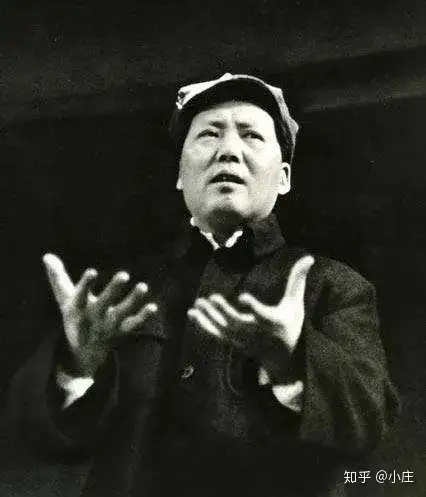
二、
工业化的支柱
要真正的实现我们国家的经济富强,其中最重要的,也最艰难的,就是在贫瘠落后的中国土壤上,依靠自己的力量,实现国家的工业化。
追求国家工业化,它并不是共产党这一代人才提出来的,是鸦片战争以后,外国侵略者用枪炮打开中国大门的时候,无数仁人志士就认识到这个问题了。
可是,在帝国主义和封建主义的统治之下,实现国家的工业化不过是一种梦想,“实业救国”的道路根本就走不通。
原因很简单,如果你兴办的工业企业、军事工业、民用工业里,到处充斥着贪污腐败,剥削压榨,以及来自帝国主义对核心技术、经济命脉的掌控,你的企业怎么可能得到真正的发展?
李鸿章筹建的北洋水师的全军覆没,已经完全的证明了这一点,在外有帝国主义的掌控,内有封建主义的压迫之下,国家工业化注定是幻梦一场。
后来经过无数革命先烈的牺牲和奋斗,取得了新民主主义革命的胜利,才真正为国家实现工业化创造了独立、自由、民主和统一的政治条件。
毛泽东曾经在1945年的《论联合政府》报告里指出:
“没有独立、自由、民主和统一,不可能建设真正大规模的工业化。没有工业,便没有巩固的国防,便没有人民的福利,便没有国家的富强。1840年鸦片战争以来的105年的历史,特别是国民党当政以来的18年的历史,清楚的把这个要点告诉了中国人民。”——《毛选第三卷,论联合政府,1945年》
中国百年近代史中,牺牲了多少的革命烈士,才换回了一个民主、独立的新中国,可是这仅仅是中国走向繁荣富强的第一步而已。
中国要实现真正的国富民强,必须独立自主的建立起属于自己的完整的工业化体系。
可是这条路并不容易,要实现工业化,除了已经取得的政治、军事上的独立之外,你需要有钱进口设备和技术吧?你需要招聘大规模的技术核心人才吧?你需要有大量的劳动力从事原材料的发掘和加工吧?
甚至,就算你有钱,还得有国家愿意把这些设备和技术卖给你,否则你依然毫无办法。
那时候真的是艰难,资本主义国家根本就不承认你,因为就是你们刚刚把他们给赶出去的,所以它们合起伙来封锁你,即使是苏联,因为在中国有长春铁路和旅顺港的既得利益,他们也不愿意毫无保留的支援新中国的建设。
要在坚持独立自主,坚持主权领土完整的条件下,进行工业化建设,真的是一件常人难以想象的事。
后来是因为新中国在抗美援朝上取得了伟大的胜利,苏联看到了这个社会主义同盟的巨大影响和作用,才决定大规模的援助新中国的工业化建设。
但是即便如此,中国要解决建设初期的资金、人力、资源等等问题,还是异常的艰难,我们又不可能像资本主义国家那样去侵略别的国家,以换取工业化的原始积累。
怎么办?这个时候,伟大的人民群众的历史作用就开始凸显出来了。
新中国决定通过剪刀差的方式,从农民身上来取得这种工业化的原始积累。
也就是说,农民生产的粮食不仅仅要养活自己,还要养活城市里的工人、行政人员、苏联技术人员,还要用一部分粮食换取外汇,购买工业化所需要的设备和技术。
就问你一句,中国的农民苦不苦?他们的作用大不大?
这个原始积累要怎么取,实际上就是通过统购统销的策略,由国家统一收购农民手里的粮食,然后实行定量分配,减少中间商赚差价,减少运作环节中的投机倒把,使得最最有限的资源,能够得到最最合理的利用。
事实上,后来不仅是粮食,很多其他必要物资,比如油、布等等,也逐步实行了这种统购统销的策略。
可是这么一来,本来就只能维持在温饱线上的农民,生活就变得异常艰难起来,时时刻刻都面临着缺衣少粮、如履薄冰的境地,而且只要稍微遇上一点天灾人祸,立刻就会出现饿死人的现象。
怎么办?如果这样持续下去,不仅工业化建设难以完成,就连农民也可能与国家产生剧烈的矛盾。
工业化的建设是必须要做的,工人要吃饭,设备要资金,开采要劳力,农民自己也要吃饭,而重工业的建设,又是回报周期极其遥远的项目,更不要说军事工业那种无法直接提供经济回报的烧钱项目了。
因此,理论上来讲,就只有一个办法,提高农业产量。
天佑中华,伟大中国人民的创造力再一次帮助了新中国的建设事业。
在新中国还无法实现农业机械化、生产科学化(化肥的突破)的时期内,解放区的广大群众便纷纷自发的成立了农业互助组织,也就是上面我们说过的各种形式的合作社。
这在当时极大的促进了农业的增产。
时间仅仅是到了1951年,就有2100万农户,近1亿的农民自发的组成了合作社,来提高农业生产,支援国家的工业化建设。
这里有一个最关键的点,就是早期的合作社,它不是由上层按照某种理论构想设计出来的,它是农民为了生活,为了增产而自发创造出来的。
为什么说这一点很关键?是因为群众自发创造出来的东西,必然建立在这样一种条件之下:即自愿和互利。
也就是说,如果不是在自愿和互利的基础上发展起来的,那么就不可能自发的成立起来那么大的规模。
没有行政力量的干涉,合作社要自发组织起来,必然是因为农民在合作社经济中增加了产量,获得了利益,而且在分配制度上达成了一致,才会出现自发组织嘛。
所以,当时在中国,即使还没有实现农业机械化,生产科学化的阶段,由于农民生产合作社实行统一经营,统一组织劳动,能够合理利用土地,兴修水利,改良土壤,改良品种,采取新技术等许多单干农民根本难以做到的事情,特别是在抗御自然灾害上面,显示出了极强的优越性。
因此,农业合作社,不管是在理论和实践上,都具有伟大的历史作用和历史意义。
当山西给毛泽东送来了一份《把老区互助组织提高一步》的政治报告以后,毛泽东兴奋不已,因为他看到了群众这种伟大的创造力。
如何把这种农业互助社、合作社的优越性和创造性进行普及?以缓解上面我们说的,所需投入越来越大的工业化建设与支援工业的农业生产依然落后的矛盾,成为了毛泽东接下来要思考的问题。
既然农民自发成立起来的合作社,能在农业生产上显示出强大的优越性,那么我们就要进行普及,并且为它们的发展创造更加优越的条件,以便它们可以更进一步的前进。
可是,农业合作社的成立和推广,一旦被赋予行政力量的干涉,那么就不可避免的会出现一个问题,即平均主义的问题。
为了避免这样的问题,毛泽东通过实践调查,确定了推广合作社的基本原则:自愿和互利。
因为,只有在自愿和互利的基础上,才能避免在合作社推广的过程中,出现平均主义的破坏和影响。
不仅如此,他还强调,在合作社的推广中,不能只肯定农民互助合作的积极性,也要保护单干户的积极性,既要防右,又要防左。
“解放后,农民对于个体经济的积极性是不可避免的,不能忽视和粗暴地挫折农民这种个体经济的积极性”——《关于农业生产互助合作的决议》
不顾农民自愿和经济准备的各种条件,企图对于互助组和农业生产合作社的成员实行绝对平均主义,是“左倾”的错误思想。——《关于农业生产互助合作的决议》
毛泽东甚至在几次会议上不断强调:“牲口入社,必须合理作价,贫农不要在这方面占富农的便宜,在土地、牲口、农具上,贫农不要揩油。互利才能换得自愿,不互利就没有自愿。”
最终,又形成了一个最基本的合作社是否扩大的标准——增产。
而且是较大规模的增产,这是毛泽东在颁布《关于农业生产互助合作的决议》以后,定下的一个硬性标准。
原理同样很简单,你的合作社如果不能增产,那么不管你说得天花乱坠,不管它的理论多么的完美无缺,其结果就是经不住实践的检验嘛,那还有什么推广和扩大的意义呢?
在毛泽东设想里,要消灭封建时代的个人小生产,不能用强迫命令的办法,只能在合作社的不断增产,不断显示出来的优越性的引导下,来激发农民自愿加入进来,那么这种合作社才是巩固的,才是科学的,才是具有生命力的。
在这种逐步的科学的引导之下,农业合作社迎来了全国普遍的发展,且发展速度完全超出了毛泽东的预想。
而且最重要的是,这种发展是非常健康,非常平稳的。这种平稳和健康的发展,又反过来极大的支援了新中国的工业化建设。
时间来到1956年底,中国的农业合作化的改造工作基本完成了。从整个历史进程来看,毛泽东领导的无产阶级革命,在新民主主义革命时期,通过土地革命,实现了“耕者有其田”的目标,在随后的社会主义革命中,又完成了对分散落后的农民个体经济的社会主义改造。
在这场农业合作化的推广和改造过程中,没有引起社会动荡,没有出现毛泽东担心的粮食减产情况,相反,粮食连年增产,大规模的支援和促进了新中国的工业化建设。
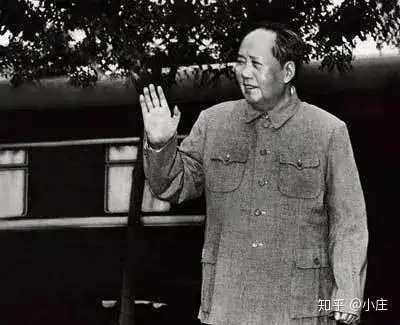
三、
人民公社的理论依据
随着农业合作化的改造工作完成以后,一个关于农业与工业的相互关系的思想和理论开始在毛泽东脑海里形成了。
国家工业化的建设,对于粮食和工业原料、资金的需要,是在一年一年的增大的,目前通过农业合作化的办法,是可以勉强维持这种逐渐增加的巨大开销的,但是它总有到头的时候,合作化的红利是有明显的上限的。
因为它没有实现科学化和机械化,它还是依靠完全的劳动力进行农业生产,仅仅是通过改造生产关系来促进增产,这种增产要不了多久,就会立刻碰到它的天花板。
而且,农民总不能那么一直苦下去,一直无条件的支持工业化建设吧。
怎么办?这个矛盾已经是可以预见得到的矛盾。
在这种情况之下,毛泽东提出了继续扩大农业合作社的规模,将可能合并的农业合作社进行合并,为实现工业提前反哺农业开辟道路。
这就是后来人民公社形成的理论依据。
所谓的人民公社,其实就是大大小小的农业互助社、农业合作社合并在一起,就成了人民公社。
为什么要继续扩大农业合作社,才能实现尽快的工业反哺农业呢?
原理还是一样的简单:
社会主义工业化的一个最重要的部门——重工业,它的拖拉机的生产,它的其他农业机器的生产,它的化学肥料的生产,它的供农业使用的现代运输工具的生产,它的供农业使用的煤油和电力的生产等等,所有这些只有在农业已经形成了合作化的大规模经营的基础上才有使用的可能,或者才能大量的使用。——《毛泽东关于农业合作化问题的报告,1955年》
这个很好理解,在当时落后的经济条件下,你一个小合作社,让你引进大规模的农业设备,你买得起吗?
让你修建大规模的灌溉水利工程,机电工程,你承担得起吗?
国家的工业力量还很薄弱,也不可能实现对小合作社的巨大投入,但是又必须尽快的用工业反哺农业,所以就必须要求更大规模的农业合作社出现,这样才可以率先以有限的工业产出,来支援农业的快速发展。
只有工业和农业之间,形成这种良性的互利关系,那么双方才可以在互相支援、互相促进的环境中,迎来健康持续的发展。
你的重工业如果不能实现对农业的反哺,那么农民的收入就不会增长,那你轻工业生产的那些生活商品,你又卖给谁嘛?
农民没钱,也就没有购买力,你的轻工业的发展,也同样受到极大的限制和阻碍,更不用说持续支援重工业了。
所以,实际上,重工业、轻工业、农业之间就必须形成一个良性的互动关系,没有这个良性互动,单单只是靠农业支援工业,那么工业也难以持续发展。
这就是毛泽东后来在《论十大关系》中强调重工业、轻工业、农业之间相互关系的历史渊源。
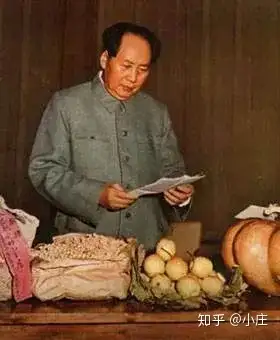
四、
人民公社的历史挫折
迄今为止,在重工业、轻工业、农业之间的相互关系上的理论探索,依旧没有突破毛泽东的这个论述。这就是说,如果历史的发展可以按照毛泽东预想的稳步走下去,那么新中国的工业化建设,新中国走向真正繁荣富强的道路上,会一帆风顺得多,步子也会快得多。
然而,事物的发展总是在曲折中前进的,一帆风顺的事情从来都是没有的。
就在农业合作化的改造进程即将完成的1956年,赫鲁晓夫在苏联搞了一个秘密报告,由此拉开了社会主义进程中阶级斗争的序幕。
这个秘密报告中,最显著的就是全盘否定斯大林,这种否定实际上就是为资产阶级喊冤,也为后来苏联的资本主义复辟埋下了伏笔。
也是由此时开始,中苏两国的关系开始出现了裂痕,这种裂痕在随后几年的发展中,逐步扩大,以至于由裂痕一度走向严重对立的局面。
虽然此刻双方还维持着一定程度的和平,但是从此时开始,毛泽东就知道,中国必须更进一步的强调独立自主,中国的工业化也必须更加地建立在独立自主的基础之上,否则苏联极有可能中途使性子,摆你一道。
毕竟,到1956年为止,中国的工业化建设基本就是从苏联抄过来的,所以,如何实现独立自主的继续建设中国的工业化,就成了摆在毛泽东面前一个极大的难题。
当然后来的历史发展确实如毛泽东预料的那样,两国关系逐渐破裂,到了1960年苏联就撤走了在中国的全部技术专家。
所以,在1956年底,三大改造的工作基本完成以后,如何独立自主的建设中国的工业化,就成了摆在当时新中国工业化建设面前的一个巨大难题。
也是此时开始,两种完全不同的思想、理论开始发生和衍变出来,逐渐的形成了两条路线。
你要独立自主的建设社会主义,发展新中国的工业化,你就必然要依靠某种社会力量,而这种社会力量我们大致上可以分为两类,一类是广大的人民群众,一类是资产阶级。
而作为社会上的资产阶级(这是一个代称,并不是说他们都是早先被改造的资本家,这个阶级中包含部分的富农,特权阶层,官僚阶层,原先被改造的资本家等等),这个阶级是不会愿意搞集体经济的路线的,他们实际上就是资本主义路线的社会基础。
当然,并不是说所有的精英阶级都是如此,不排除有少数爱国志士,他们是有社会主义信仰的,但是我们从整个阶级上去看,资产阶级是不愿意走社会主义集体路线的。
原本不管你愿不愿意,我们是人民民主专政的国家,管你愿不愿意,只要广大人民群众愿意就好了,你就得服服帖帖的为社会主义建设出力。
这是人民民主专政的意义,国家可以通过强大的行政力量,来推行我们想走的路线。
但是这有一个前提,就是如果你的路子走得比较稳,就像1949年到1956年的整个恢复和过渡阶段那样,那么不管他们愿不愿意,都得跟着走。
可是,一旦你的路子走不稳了,这个时候资产阶级就必然跳出来反水,这是社会规律。
就好像在革命时期,当苏维埃的建设蓬勃发展的时候,创造出来的环境对地主、富农也有一定好处的时候,他们就愿意跟着你一起干革命。
但是,一旦蒋介石发兵来剿,他们感受到了巨大的威胁,这个时候他们就必然反水,带着蒋介石反过来围剿红军。
这是他们的阶级属性决定了的。
这个规律从井冈山时期的八月失败开始,就一直在苏区的革命历史上,不断发挥它的作用,这也是当时形成肃反的主要原因。
而且更要命的是,这个阶级的人,因为受教育程度高,掌握的技术水平高,所以他们往往在党内占据一定的重要位置。
后来的一切问题就从这个根本点上发生和衍变而来。
毛泽东当然是要坚持依靠人民群众来进行社会主义建设的,所以在1956年底完成了社会主义的三大改造以后,生产关系已经有了一个巨大的改变,这时毛泽东决定要依靠广大人民群众大规模的,独立自主的建设社会主义,这就有了后来我们看到的大跃进。
这里解释一下社会主义的生产关系,即三个要素:生产资料公有制,人和人在生产中的平等关系,分配上的按劳分配。
理解这三点很重要,生产资料公有制很好理解,我们就不说了。
这个人和人在生产中的平等关系怎么理解?其实,它有具体的体现,这种体现就是人民群众有工厂的管理权,有工厂的监督权,经济要公开,领导也要适当参加劳动,人民可以就生产提出自己的意见等等,具体实现制度就是民主集中制。
是不是很熟悉?是的,这就是人民军队建设过程中,毛泽东在三湾改编的时候,就搭建的一种平等关系。
而分配上的按劳分配原则,就是承认了社会主义中,人和人之间是有差异的,贡献不是平均的,所以绝对不能搞平均主义,它会严重破坏生产积极性。
关于社会主义阶段,人和人之间是有差异的,以及人民内部依然是有矛盾的观点,是毛泽东在社会主义建设阶段里一个伟大的理论创造。
这个创造被写进了《关于正确处理人民内部矛盾的问题》的文章里,是一笔极其宝贵的财富。
因为只有承认了这一点,我们才能在理论上消灭平均主义的根基。
可是事物的发展总是走向反面,当你越是急于独立自主的建设社会主义的时候,就越容易走向它的反面。
大跃进中,大量的农业合作社在热情似火的氛围中,被合并在一起,成了人民公社,而对于这种由农业合作社组成的大型人民公社,当时的上层建筑里,却又不具备与之相适应的管理制度、意识形态去科学的引导和发展。
于是,在共产风、浮夸风、瞎指挥风、强迫命令风、干部特殊化风的五风影响下,干部同劳动群众完全脱离了,人民公社里被盲目的搞起了大锅饭、一平二调搞共产、虚报业绩搞浮夸等等。
这就是人民公社后来被打上大锅饭和平均主义标签的历史原因。
但是这里面我们需要有一个正确的认识,并不是说当时所有的干部都喜欢搞共产、搞浮夸,故意搞坏生产建设,而是在当时的历史环境下,不管是干部还是人民群众,大家对于社会主义的认识是完全不够的。
他们很多人既搞不懂平等主义和平均主义的区别,也不明白社会主义建设需要遵循的自然规律,没有这些认识,就必然容易在热烈的氛围中被冲昏头脑。
别说那时候,即使是今天,我们还可以看到很多人搞不清楚平等和平均的区别。
而从人民群众的角度去看,人民公社的挫折也有群众基础,长期以来处于极端贫困的中国农民,在革命胜利以后,那种急于摆脱贫困落后状态的渴望,是十分强烈的。
这种强烈的渴望,配合着对共产党的信任,在轰轰烈烈的群众运动里,其盲目性就毫无保留的暴露了出来,于是我们就看到了种种荒谬的跃进现象。
客观的说,人民公社的挫折,是社会主义建设过程中,一次极大的挫折,却又是无法避免的挫折。
理论上讲,人对客观规律的认识,必然经历一个由必然王国到自由王国的阶段,也就是说从完全的不了解,到逐步认识,到最后掌握规律,是一个必不可少的过程。
所以我们说事物的发展总是要在曲折中前进的,笔直的道路是永远没有的。
但是,当时的领导人,在还没有掌握生产建设的基本规律的前提下,就发动大规模的群众建设运动,无论如何都是错了,应该作自我批评。
这一点,在随后1962年的七千人大会上,毛泽东就首先作了自我批评。
而那些在这场运动中,率先吹起共产风、浮夸风和其他三风的领导人,就更是犯了极大的错误,也应该作自我批评。
五、
两条路线
我们上面说了,资产阶级在你处于顺境的时候,是会服服帖帖的跟着你走的,可是一旦你的路线遇到了挫折,他们就会反水。
就好像我们的人生经历一样,当你顺风顺水的时候,中间派都拥护你,一旦当你遇上巨大挫折,这些人就会远离你。
这不是什么人性的善恶,而是基本的社会规律,是每个人从自己的利益出发,作出的一种选择,仅此而已。
当时间来到1962年,大跃进中的种种错误已经得到纠正,国民经济的发展和恢复重新走上正轨的时候,一股黑暗风却迎面来袭。
什么是黑暗风,就是把当时中国的形势说得极其黑暗,啥也不行了,经济建设要完了,集体经济养懒汉,人民公社不符合国情等等等等。
配合着这种形势的估计和判断,自然就会提出新的策略和方法,这种策略和方法就是:包产到户,公社解体,农民单干。
而实际的情况是什么呢?
是以人民公社为单位的核算方法,已经纠正为以生产队为单位核算,平均主义已经被瓦解,以公分记账形式的按劳分配被普及和确认起来。
滋生大锅饭的集体食堂,已经大规模解散。
脱离群众导致的浮夸风,瞎指挥风,已经在大兴社会调查的制度下,开始被禁止,又通过生产指标的回归,瓦解了浮夸风和瞎指挥风的产生根源。
总之,一系列的纠正措施已经起到了明显的作用,毛泽东估计情况到1964年就会明显好转,至少恢复到1957年的生产水平。
后来的历史证明了毛泽东的判断是正确的。
然而,一条以包产到户和分田单干的路线已经逐渐形成,并在社会中有着强大的社会基础,这个基础就是我们上面所说的资产阶级,在城市主要是在三大改造中被改造的资本家,在农村则主要是富农,和掌握较多生产资料的富裕中农。
当然,两个阶级的成分都比较复杂,但是总体上看,就出现了两条路线,这两条路线的斗争急速发展。
其实,这两条路线并不是1962以后才有的,应该说它一直都存在,只不过在社会主义的建设遇到巨大挫折以后,另外一条路线才敢于跳出来。
两条路线的斗争,其实本质就是阶级斗争。其最终的结果,就是爆发了我们后来看到的那场更大的历史挫折。
当然,这里面又涉及更为复杂的思想和理论路线问题,但是总体上看,就是阶级斗争的产物。
我们说,什么是历史唯物主义,其实就是用阶级斗争的观点看历史,这就是历史唯物主义,否则你永远解释不清楚历史。
六、
总结。
这篇文章并不是要写阶级斗争,而是要把人民公社的历史梳理清楚,我们只有搞清楚了它的整个历史渊源,才能够给予它更公正的评价。
现在,就人民公社的问题,我想我们已经可以得出几个明确的结论了:
第一:人民公社脱胎于农业合作社,而农业合作社脱胎于早期互助合作社、互助组等组织,农业合作社曾经在新中国的工业化建设中,发挥了巨大的历史作用,这种历史作用背后的阶级基础是农民。
第二:农业合作社绝不是平均主义,也绝对没有大锅饭现象,他们不管在增产上,还是抵抗风险上,都有着极大的社会主义优越性。
第三:在合并扩大后的农业合作社,也就是人民公社中,吹起来的共产风、浮夸风、大锅饭、平均主义等现象,其体现的是上层建筑与生产关系之间的矛盾,或者说是经济基础与上层建筑的矛盾。也就是说当时的社会主义意识形态薄弱,大家的认识普遍不够,又没有相应的制度来管理和引导庞大的人民公社,以致出现种种乱象。
这种矛盾,只有通过两方面着手,一方面在上层建筑中加强社会主义教育,建立完善的、科学的管理制度,另一方面,调整人民公社的生产关系,恢复到原来农业合作社的结算和运作规模,然后在发展中逐步扩大,这个矛盾就能引向社会主义的方向。
而不是直接退回到小生产性质的个体单干、包产到户。因为,至少在农业合作社规模上的集体经济,已经被历史证明了其强大的优越性。
第四:重工业、轻工业、农业之间的相互联结、相互制约、又相互促进的生产关系理论,至今仍然是科学的理论,具有深刻的实践价值。
第五:以农业合作社为代表的生产关系,即:生产资料公有制,人与人生产过程中的平等关系,按劳分配三要素,是有着极大的先进性和优越性的。
因为种种历史原因,它们遇上了巨大的挫折,但是毫无疑义的是,它们将成为接下来社会主义建设中,我们应该不断探索的一个方向。
不应该肯定我们的一切,只应该肯定正确的东西;同时,也不应该否定我们的一切,只应该否定错误的东西。
——节选于1957年3月12日毛主席《在中国共产党全国宣传工作会议上的讲话》
这段话,非常经典,读起来有一种触电的感觉。
为什么毛主席的讲话过了几十年,我们仍然会感觉到它非常有道理呢?为什么很多人会从内心发自不可控制的敬佩呢?为什么这些道理听起来总感觉非常深刻呢?
我们可以从哲学的角度来解释上述问题。
哲学是人类社会最高范畴的认识,讲的是事物最根本、最普遍、最一般的规律,也就是说“任何事物都逃不出哲学的范畴”,包括过去已发生、现在正发生、将来要发生的各种问题。
毛主席这段话,就蕴藏着唯物辩证法的基本范畴——“肯定与否定”的哲学原理,充满对立统一的辩证思维,告诉我们“肯定一切”或“否定一切”都是片面的,都属于形而上学地看问题,都不科学。
以人民公社历史为例。
首先,肯定人民公社的一切和否定人民公社的一切,这两种观点都不对,都充满片面性,都是形而上学地看历史,缺少唯物辩证法和历史唯物主义的哲学观点。
其次,根据唯物辩证法的基本原理和毛主席思想的立场观点,我们只应该肯定人民公社正确的东西,同时也只否定它错误的东西,只有客观地辩证分析,才能消除大家对人民公社的误解。
再次,如果大家都能正确认识人民公社,那么大家才能正确理解毛主席时代的集体经济,才懂得如何建设好真正意义上的社会主义,进而才懂如何为广大民众谋划眼前与长远的利益。
那么,人民公社正确的东西有哪些呢?其错误的东西又有哪些呢?
想知道答案,请保持耐心继续往下阅读。
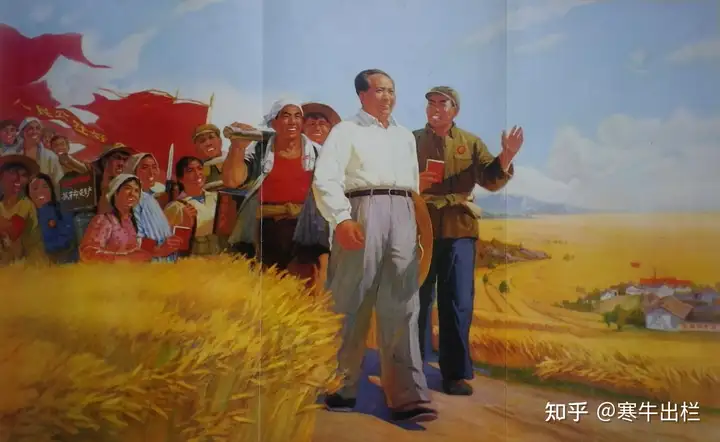
一、人民公社正确的东西
人民公社正确的东西,主要包括以下几点:
第一,人民公社通过发展集体经济,助力国家完成工业原始积累。根据中国人民大学荣誉教授严瑞珍先生研究表明:国家以统购统销的方式,通过工农产品价格剪刀差,前后为国家提供约8000亿元的工业原始积累,助力国家完成工业化。按年均贡献值来简单折算,人民公社大约提供了7200亿元的原始积累。
我们要肯定人民公社助力国家完成工业化的历史贡献,要肯定农民为国家工业化所作出的巨大牺牲,要肯定集体经济是国力由弱转强的重要支撑。
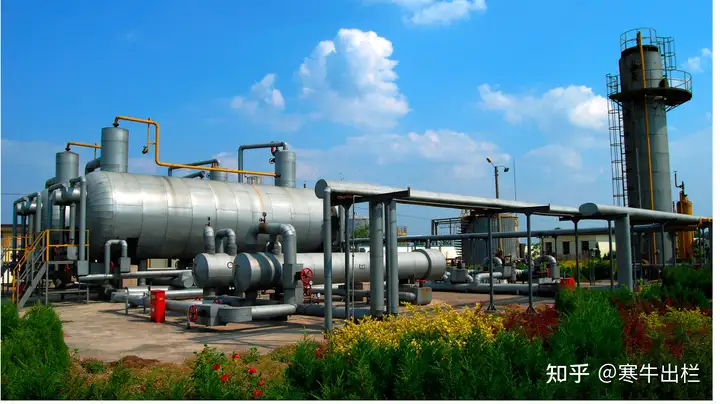
第二,人民公社通过集体形式,发挥人多力量大的优势,克服机械化程度不高的劣势,在全国范围内修了86000多座水库、挖了640万口池塘、打了220万口机井等各项水利工程。
根据相关学者研究,如果按土石方来简单折算,毛主席时代的水利工程总造价高达240万亿元。其中,人民公社时期是水利建设的高峰期,大约完成了80%的工程量。
我们要肯定人民公社的水利建设成绩,要肯定人民公社为后续农业增产打下良好基础,要肯定人民公社为农村修建了大量基础建设的历史功绩。

第三,人民公社依托集体经济,在短时间内构建了覆盖90%以上农村的公共医疗服务体系,为广大农民缓解了缺医少药的矛盾,为世界发展中国家提供解决医疗卫生的成功样板。
我们要肯定“人民公社+赤脚医生+医疗合作社”三位一体的公共医疗体系,要肯定人民公社为农民提供基础的医疗服务,要肯定赤脚医生的人道主义精神。
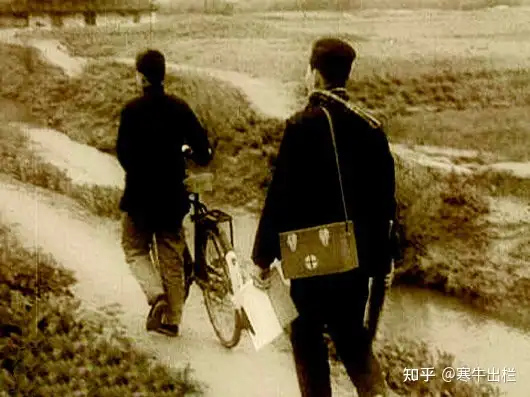
第四,人民公社通过发展集体经济,在实现农业现代化的进程中,形成一个巨大的农机消费市场,这种组织市场具有规模性,促进了我国农机工业的自主发展。据农业部门统计显示:1959年我国农机工业从零开始,截止1979年全国农机总动力保有量达1.36亿千瓦。
我们要肯定人民公社促进农机工业发展的历史贡献,要肯定人民公社发展集体经济所带来的规模市场优势,要人民公社的组织市场有利于民族工业发展。
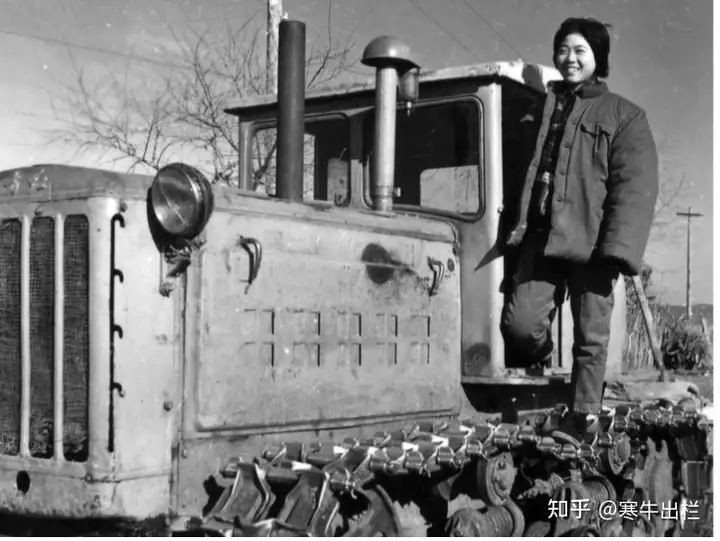
第五,人民公社发展集体经济,完成一定的原始积累之后,就有条件支撑公共教育事业发展。1965年之后,开始加大对农村基础教育的投入,形成“小组有班级、大队有小学,公社有初中”的基础教育体系,极大改善了农村基础教育的落后面貌。
我们要肯定人民公社对农村基础教育做出的贡献,要肯定“人民公社+村办学校+代课老师”的这种简易实用的基础教育模式,要肯定人民公社集体积累所带来的社会价值。
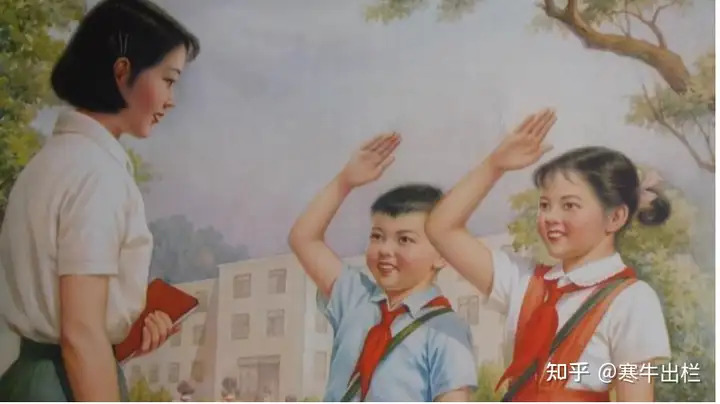
第六,人民公社大力发展社队企业,促进乡村工业发展。根据国家统计局统计显示:1977年全国有139万个社队企业,产值为391亿元。1978年为152.4万个社队企业,总产值为493亿元。到了1983年全国社队企业数突破500万家,共吸收农村劳动力3235万人,总产值为1017亿元。
我们要肯定人民公社兴办社队企业推动了农业生产向现代化发展,要肯定兴办社队企业有利改善农民生活水平,要肯定兴办社队企业优化了农村经济结构,要肯定人民公社在城乡均衡发展方面做出重要贡献。
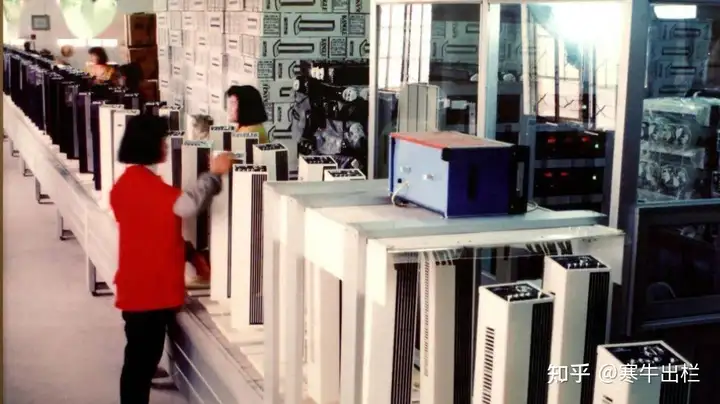
第七,人民公社先后接纳了约3000万知青,为广大知青提供就业岗位,锤炼了他们吃苦耐劳的品质,培养了一大批德才兼备的知识分子,历练了一大批关心农民疾苦的和好干部。
我们要肯定人民公社的包容性,要肯定人民公社作为国家大后方的稳定性。
第八,人民公社时期,开展向大寨学习的建设运动,在全国范围内掀起开垦荒地、平整良田的农业建设浪潮,扩增了全国耕地总面积。
我们要肯定人民公社垦荒整田的建设精神,它为后续粮食增长提供了重要基础。我们要肯定人民公社时期平等融洽的干群关系。
第九,人民公社是政经合一的组织,是国家终端的行政单位,是党的基层组织。从组织管理的角度来观察,人民公社发挥了重要的基层堡垒作用,肃清了农村的封建势力,压制了农村的宗族力量,强化了农村的基层组织,提高了农村的凝聚力。这些都是财富,是人民公社正确的东西,值得我们去总结与肯定。
与此同时,我们还要肯定人民公社在农村金融、良种推广、化肥应用、乡村公益等方面做出的努力,这些都是实打实存在的历史,先后都被历史证明是非常正确的举措,有益于综合国力提升和人民生活水平提高。
总而言之,人民公社正确的东西,我们要光明正大地肯定,要大张旗鼓地肯定,要绵绵不绝地肯定,只有肯定真理,才能走向光明。
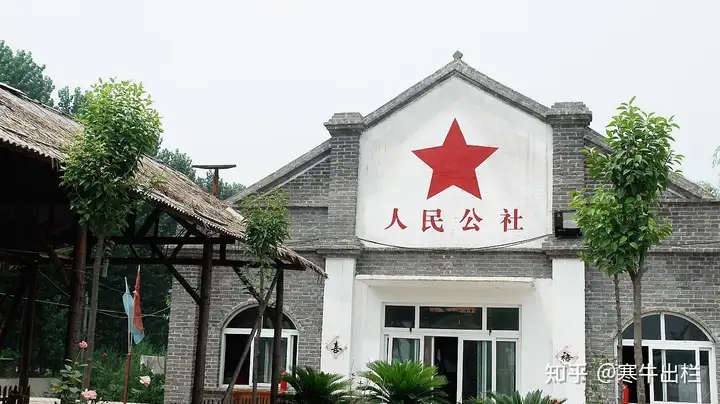
二、人民公社错误的东西
人民公社错误的东西,主要包括以下几点:
第一,人民公社大办食堂,想法是好的,但结果是错的。办了公共食堂,社员敞开肚皮吃饭,前期吃得太猛了,导致后期粮食不够吃。大食堂办久了,各种问题都冒出来了,农民都比较抵触。
毛主席听闻后,就及时做出了纠偏指示,不能强求农民吃大食堂。没多久,大办食堂就停止了,满打满算前后不到三年。要否定人民公社初期大办公共食堂的错误做法,但是不能以偏概全,不能说人民公社一直都是吃大食堂。
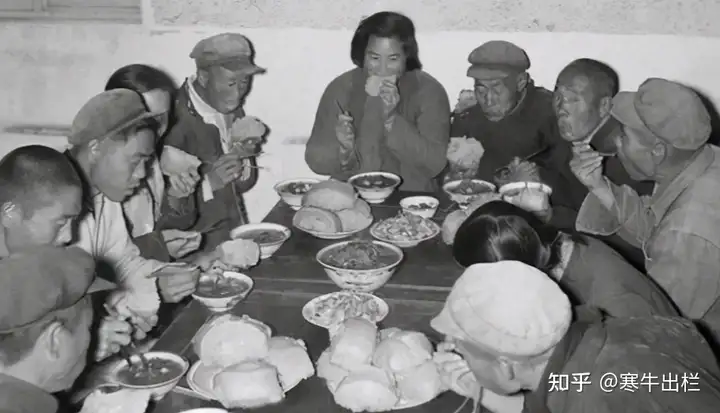
第二,人民公社初期,“一平二调”是错误的做法。“一平”主要是指人民公社初期,生产队与生产队之间、社员与社员之间的平均主义现象,即在公社内部搞贫富拉平,平均分配的做法。“二调”是指县委和公社两级政府,为了实现共产主义,无偿调走生产大队及部分社员的私人物品财产。
“一平二调”现象,是人民公社初期的错误做法,是各级政府错误理解共产主义而导致的,完全违背社会主义的经济原则,也违背人民公社的宗旨。毛主席知悉后惊愕不已,对这种粗暴做法给以否定,并在多个场合明确指示各级干部。
同年12月30日,毛主席在中央工作会议上又讲到:“平调农民的劳动果实,比地主、资本家剥削还厉害,资本家还要花点代价,只是不等价,平调却什么都不给。一定要坚决退赔,各部门、各行各业平调的东西都要坚决退赔。”
由此可见,毛主席是彻底否定“一平二调”这种错误行为,其态度比任何人都坚决。在当时的环境下,论维护农民的眼前与长期利益,没有人比毛主席更上心。
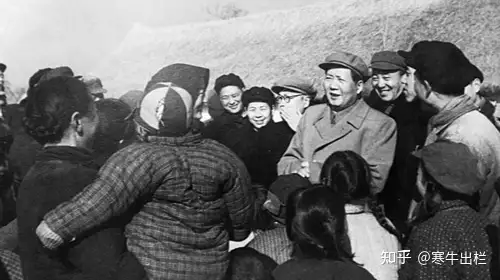
第三,人民公社“三高五风”现象是错误的。“三高”是指高指标、高估产、高征购,“五风”具体是指“共C风”、浮K风、命令风、干B特殊风和生产瞎指挥风。
“高指标、高估产、高征购”的不切实际的错误做法,其产生的主要原因有两个方面:一是为了落实统购统销时期“定产、定量、定购”的农业政策,二是“大Y进”时期各地方Z府盲目乐观、不切实际地制定农业指标所致。毛主席对此给予了否定,认为这是放空炮。
“共C风”是指搞平均主义和无偿征调大队及社员产品。“浮K风”主要是指地方向中央虚报、夸大工作成绩,在农村方面是导致征购过多,引发大面积饥荒和饿死人现象。“命令风”主要是指部分干部强迫命令下级或社员工作,无偿征调社员私人财产等粗暴工作行为。
“干B特殊风”是指部分干部在农民面前搞特殊,为亲朋好友走后门,十足的官老爷做派。“生产瞎指挥风”是指地、县、社三级干部不尊重农民生产意见,不调研农村耕地情况,盲目安排农业生产。
人民公社初期的“三高五风”现象,归根结底都是G僚主义作风在作怪,不重视调查研究,全凭革命经验和革命热情。
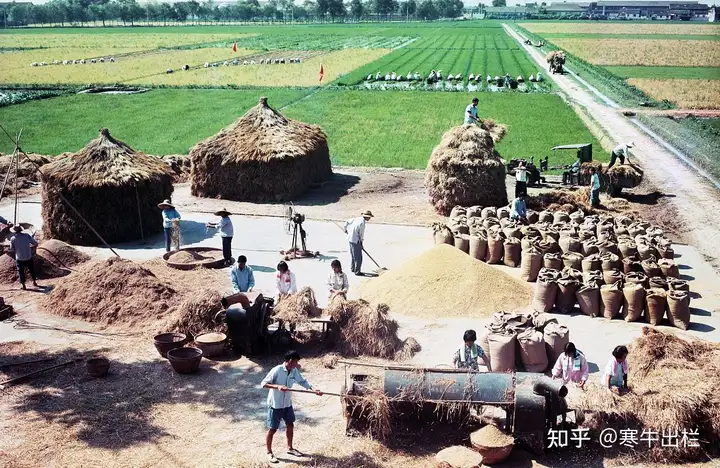
毛主席对此表示极大的愤怒,对这种错误的工作方式给以严厉批评,亲自开展整风教育工作,努力纠正这种G僚主义作风。
以1960年11月15日为例,毛主席在发给各中央局,各省委、市委、自治区党委文件中明确写到:“必须在几个月内下决心彻底纠正十分错误的“共产风”、浮夸风、命令风、干部特殊风和对生产瞎指挥风,而以纠正“共产风”为重点,带动其余四项歪风的纠正。”
经过毛主席大力纠“左”之后,“三高”现象得到彻底纠正,“五风”问题也得到有效管控。但是毛主席也不是神仙,无法在短时间内彻底肃清整个文官体系的G僚主义思想,因为这是根深蒂固的封建残余,是二千多年来从未断根的历史痼疾。
从哲学方面来解释,“三高五风”都是没有搞清楚主观与客观的统一,忘记了理论与实践的结合,没有做到实事求是,是哲学贫瘠导致的。
总而言之,人民公社错误的东西,主要集中于初创时期,出了不少问题,闹了不少笑话,苦了不少农民。我们要光明磊落地否定,要客观公正地否定,要心存敬畏地否定,只有否定错误,才能走向正确。
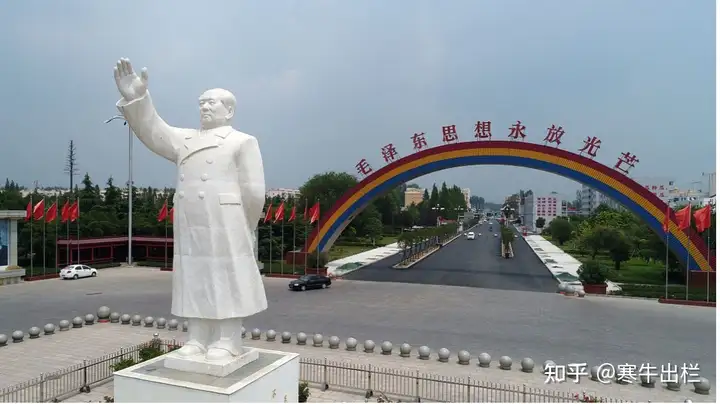
三、不肯定一切,也不否定一切
最后来做个小总结。
如何正确认识人民公社的历史?寒牛出栏认为,这不仅是一个严肃的历史文化问题,还是一个意S形态问题,事关社会主义的兴衰强弱。
欲要亡其国,必先灭其史。西方阵营的资本家财团,不怕中国人聪明、勤劳和节俭,就怕中国人有共同的信仰,只畏惧中国人在毛主席思想武装下,在社会主义建设的道路上,团结成一股坚不可摧的力量。
如果全面否定人民公社,那么就等于全面否定了集体经济,进而否定了中国工业化原始积累的合法性;如果否定了工业化的合法性,那么也就等于默认与西方资本主义工业化一样充满原罪,变相否定了社会主义经济体制的优越性;如果否定了社会主义经济制度的优越性,那么就等于否定社会主义政治体制的优越性,为国有资产的私有化和自由主义找到理论基础。
苏联就是活生生的案例,赫鲁晓夫全面否定斯大林,就等于否定苏联社会主义集体经济和政治体制,为后来的颜色革命提供了温床。从赫鲁晓夫全面否定斯大林那一刻起,苏共内部就开始出现难于弥补的信仰裂缝。
一个没有信仰的组织,一个没有凝聚力的民族,犹如一堆没有任何粘剂的砖墙高楼,风来了自然而然就轰然坍塌。
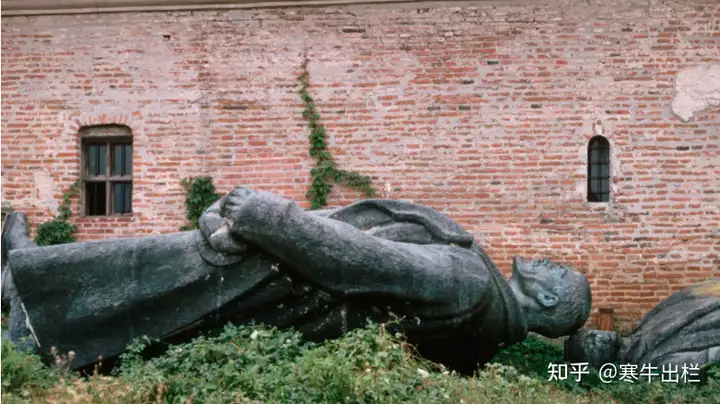
那些表面同情和怜悯农民在人民公社吃苦受罪的言论,要加以理性地研究分析,有一些是片面性的单方面的情绪释放,可以理解他们的认知朴素;
另外一些是精心炮制过的语言,表面上是为广大农民呐喊,一副同情农民受苦受累的菩萨样子,却对农民的历史贡献只字不提,本质是为了摸黑伟大时代。
还有一种伪装成学术的观点,认为人民公社制度就是商周朝时期的井田制,是历史的倒退,把人民公社制度与井田制等同起来的人,既不懂人民公社也不懂井田制,是挂羊头卖狗肉的假学术。
项庄舞剑,意在沛公,大家千万不要上当受骗。
总之,全面否定人民公社的言论是错误的,没有做到客观公正地认识人民公社,只谈错误不提正确,只讲缺点不讲成绩,只言弊端不言优势,都属于片面地看问题或者耍流氓。
反过来讲,只讲人民公社的成绩、优点和正确的地方,对它的弊端、缺点和错误的地方只字不提,也是不科学的态度。这种言论也会误导人,不利于总结正确的历史经验,对振兴乡村没有半点好处。
不肯定一切,也不否定一切。
正如伟大领袖毛主席所言:“不应该肯定我们的一切,只应该肯定正确的东西;同时,也不应该否定我们的一切,只应该否定错误的东西。”
为此,我们只应该肯定人民公社正确的东西,也只应当否定人民公社错误的东西。
要用历史唯物主义的观点去分析人民公社的历史,要用唯物辩证法之运动和发展的观点去看待人民公社的伟大探索与实践,要看到人民公社发展集体经济走向共同富裕的道路本质,这才是新时代马克思主义者该有的态度,才是新时代共产党员该有的原则,才是新时代青年人该有的觉悟……
历史人类学视野中的人民公社--评张乐天《人民公社制度研究》
曹树基
一、历史人类学:观察的新视角
在1998年张乐天著《人民公社制度研究》出版之前,相关的研究虽然不多,但还是有一些。此正如作者在本书的《绪论》中所指出的那样:"学者的分析通常散见于报刊杂志和理论著作中,其中有些见解给人以启迪。"细检作者所列中国学者的相关研究,基本上是经济学家的言论。他们的分析,大都是从经济分析的角度切入的。例如,他们讨论公社时期的农村工业化问题,讨论公社制度中的产权问题,讨论退社自由与合作社的激励机制问题等等,都属于此类。诚如张乐天所说,这类讨论往往只涉及人民公社制度的某一个侧面,我们需要更为全面,更为完整的研究。
中国学者也有从村庄史、区域史和制度史的角度研究人民公社制度的。但是,这类研究往往是由当代中国农村政策的研究者们来完成。他们对于人民公社制度的研究,注重各种政策法规的排列和解释。对于构成事件史的社会变迁,研究者虽然倾注了较多的精力,但其重点只不过是用乡土资料对于国家政策的变化或领导人观念的反复进行解释。有的学者甚至化费较大的篇幅描述难以作为学术研究个案的大寨大队,对于其他村庄的描述也是相当粗略的。在似乎获得了全景式鸟瞰的同时,也失去了对于这一制度的深入了解。
西方学者的研究大致是从人类学和历史学这两个角度展开的。虽然公社时期国外学者没有机会进入中国的人民公社,但仍有学者通过各种途径获得了一些公社的资料,藉此,他们详细描绘了公社时期的村落生活,且"观察仔细,描述具体,令中国学者刮目相看"。(第13页)没有机会进入中国的西方学者通过采访当时离境的中国农民,居然可以细致入微地再现中国农村的生活场景,这听起来似乎有些不可思议。在这一点上,我们不能不佩服他们所具有的良好的学术素养。人类学的方法论强调的是研究者对于所研究社区生活的观察和体验,细致的采访可以替代观察,或者说,采访本身即是一种观察,但是,观察不可能代替作者对于社区生活的亲身体验。从这一角度讲,这一时期西方人类学家的研究著作,或多或少地留下了一些令人遗憾的缺陷。
从历史学的角度研究人民公社制度,搜集各种文献资料,排比分析,提出论点,进行解释。这一经典的历史学方法用于研究刚刚结束的人民公社,多少有些让人感到不满足。这是因为,人民公社不仅仅是各种各样的红头文件,而是亿万人民的实践。细致一点地说,人民公社不仅仅是决策者们的翻手或覆手,而是亿万农民的播种、耕耘和收获,是他们的晨出和晚归,是他们的出生、成长、婚嫁、衰老与死亡。村落生活尽管不是人民公社制度的出发点,但却是这一制度的展开和归宿。从这一点来看,村落生活的研究理应是公社制度研究的重心所在。在研究村庄史的层面,传统的历史学往往捉襟见肘,无能为力。
本书作者将养育他20年的村庄--浙江省海宁县联民村--当作自己的研究基地,正是出于这样一种考虑。当他1988年10月首次以一个研究者的身份踏进这片土地的时候,他努力学习着以一个人类学者的观点来观察和思考。然而,人民公社制度已经结束了历史使命,集体化已经成为村落生活的一段往事,一段回忆。从1950年代初期开始的互助合作运动可以看作公社制度的滥觞,至1988年,时间已经流逝了30余年。30余年不断以运动方式出现的政治改造、经济建设和社会动荡,导致了村落中一连串大大小小的事件,其间的纷纭复杂,超出了我们的想像。根据口述资料已经无法获得这30多年村落历史发展的完整图景,人类学的观察和体验遇到剧烈变化的时间因素的干扰,研究者需要寻找解决问题的其他途径。
幸运的是,就在这样一个普通的村落中,不知是有意还是无意,作者竟然找到了公社时代遗留的大量文字记录。按照作者的分类,这批文献资料可以分为二大类。一类是有关农村基本情况和经济情况的资料,其中包括解放初期农民家庭拥有土地情况的资料、土地改革时期农村分配土地及浮财的原始记录、初级社和高级社的粮食和经济分配表、人民公社时期各农户历年的粮食和经济分配情况表、生产队和生产大队以及公社的经济情况资料、农村乡村企业发展情况资料、几个农户家庭收支记录等。另一类是涉及农村社会和政治生活的大量文书资料,其中最值得一提的是一位大队主要负责干部1954-1982年的70余本工作笔记。作者称这套工作笔记"是迄今为止可能发现的、或许是绝无仅有的有关集体化时期一个农村基层单位的最详尽的记录,它对于我们理解那个业已逝去的时代具有难以估量的价值"。面对如此丰富的文字记录,作者显然是激动极了。他说:"不仅因为这些资料本身就是最准确、最完整、最全面、最权威的农村发展的'信史',更重要的是,对于我这样一位曾经在这个村里生活过20多年的研究者来说,其中的每一个数字、每一行文字都是生动的、有血有肉的。"(第15-16页)作者后来所实践的历史人类学的研究方法,就是在这个层面上展开的。
在与其他研究方法的比较中,我们或许能够更深刻地理解这一研究方法的独特性所在。以经济人类学方法著名的《江村经济》,是1930年代费孝通先生对江苏省吴江县开弦弓村的一份人类学调查。这份调查凝聚了作者对农民生活及乡村经济的关注,开创了人类学家对于文明社区的研究范式。此正如作者多次表达过的,从一开始,他就不是一个躺在摇椅上的人类学家。为农民生活和农村发展寻找出路,是作者问题意识的出发点和归宿。除此之外,对于费孝通来说,选择开弦弓村作为研究基地,起初并不是一个深思熟虑的计划。在他进入这个村庄之前的一段时间里,这里并没有什么惊天动地的大事发生。乡村生活按照既定的轨迹,缓慢地变化着。因此,作者没有去深究村落的历史,也不期望通过村落的历史来找到解决农村现实问题的秘方。张乐天的著作却不相同,他需要寻找一个理论上的解释:人民公社何以产生?对于村落生活的过去和现在,人民公社究竟有着什么样的意义?可以看出,同样是有关江南村落的研究,费孝通的研究方法、关注焦点与张乐天有着明显的不同。
1998年,我曾随中国社会史年会的代表参观江苏省吴江县的开弦弓村。半天时间,走马观花,来去匆匆。村舍、农田、小河、湖荡、圯废的庙宇构成我对这个村庄的全部印象。当时我们没有时间探讨这个著名村落的历史,或许,村落文献已不复存在,或许,村落中从来就不曾有过什么文字的记录。于是,对于一个外来者来说,这是一个无法深入的村落。与此不同的是,2001年夏天我参加香港华南研究会和中山大学历史系组织的田野工作坊,与一群人类学和历史学的研究者在广东梅州、潮州和汕头地区跑了几十个村庄,虽然同样是来去匆匆的走马观花,但那随处可见的族谱和碑刻--从明代至民国--给人以深刻的印象。华南地方社会的历史可以通过各种各样碑刻以及其他文献资料的研究而得以复原。当地的区域社会研究者每见到一块新发现的碑刻,总会不由自主发出惊喜的感叹。对于外来人的我,却激不起同样程度的兴奋。这是因为,对于这块土地,这个社会,我真的是太陌生了一点。
回到本文论述的主题上来。当本书作者在他生活过20年的村庄上发现一大批可资利用的文字记录以后,他的心情可以作这样的理解。其一,他庆幸已经逝去的历史在这些记录中留下了深深的痕迹,历史的真实得以再现。其二,口述历史在这些记录中找到依托。没有这些文字的记载,研究者怎么可以认为村民的回忆是真实的?其三,当研究者缺乏对于村庄历史的基本把握时,他对村民的访谈该从何处开始?因为时间是这样漫长,情况又是如此复杂。其四,文字的记录激活作者本人对于过去生活的回忆。要知道,和一般的研究者不同的是,本书作者不是外来人,他是联民村的一员,是他们的儿子和女婿。有了这些资料,作者的研究就可以在这样一种结构中展开:历史资料与口述资料互证,观察、体验与文献分析并存。这种研究方法,可以称之为历史人类学。
二、大历史和小历史
在一般情况下,历史学的叙述是按照时间序列排列的,本书的结构也是如此。四篇的先后顺序是:《公社制度的导入》、《"四清"及"文化大革命"时期的村落政治》、《70年代中叶的公社制度模式》和《人民公社的终结》。然而,本书又不是一部纯粹的历史学著作。大量的资料并不来自文献的记载,甚至也不来自村庄文书的记载,而是来自村民的口述,来自作者自己的生活经历和对村落生活的体验。这样,和一般的历史学著作或人类学著作不同的是,如果我们将国家的历史称作"大历史",将村庄的历史称作"小历史"的话,前者是国家制度,后者是农民生活。本书中的两种历史水乳交融,历史文献与各种村庄文书互为印证,作者的观察、经验和体验贯穿始终。试举两例说明如下。
第一例:事件史:挖边的故事(第86-92页)
在经历了1959-1961年的大饥荒以后,中共中央修改了自己的农村政策,"三级所有,队为基础"的新政策,标志着人民公社从高度公有化的"大公社"向以生产队为核算单位的"小公社"收缩。大公社解体之后,农民家庭自留地重新恢复。中共中央发布的《农村人民公社工作条例修正草案》为农民家庭可使用的自留地划出一条数量界限。在一般情况下,自留地可以占生产队耕地面积的5%-10%,最多不能超过15%。这条资料来自中共中央的文件汇编,大多数研究者都会利用。中共中央关于人民公社政策的方向性转变,是国家范围内的事件,属于大历史的范畴。
人民公社体制的改变并没有为农民提供粮食和其他物质,只是给了生产队自主地使用土地的权力,同时也部分地给农民家庭以自主地使用土地的权力。土地上的产出一旦与农民的收益相联系,农民耕种土地的积极性就会调动起来。于是,在浙江农村,出现了一个大规模的土?quot;挖边"高潮。
所谓"挖边",按照本书作者的说法,就是最大限度地利用一切可以利用的零星小块土地种才┳魑铩?962年10月6日一次干部会议上的干部发言,向人们描述当年"挖边"的情形:
1、挖土地的四周边,畦畦挖,横挖,竖挖;2、挖交通要道边,地沟里种蕉藕;3、芋艿田里挖边,拔掉生长不良的芋艿,及时挖边;4、芋艿缺棵的地方种上高梁、玉米;5、芋艿田的四周种上黄豆、豇豆、赤豆,见缝插针;6、桑树地里种南瓜秧,旁边种烟叶、长豇豆;7小队17张鱼池,面积13亩,种茭白……。
这一记载摘自一位大队干部的工作笔记,不能不说是"信史"。作者不满足于此,进一步引用1962年度的大队会计资料,列举集体"挖边"和农户"挖边"所种植的豆类、杂粮等作物的面积和产量,证明"部分作物在'挖边'地上的种植面积超过了自留地的种植面积"。这一记载让我们看到了中共中央文件发布以后浙北农民的真实反应。
从历史学的眼光看,写到这里,村庄的历史已经展现无遗,再化笔墨可能出现赘笔。作者不再征引文献或文书,而是引用一位老农的回忆作进一步的说明: 61年底和62年初大挖边,生产队集体挖边,生产队歇工以后私人去挖边。结果蚕豆、黄豆、番薯大丰收,陈家场装了一大船蚕豆到盐官粮站去换米,家家户户粮食都够吃了。
这是一种氛围的渲染,一种环境的营造。掩卷沉思,读者的脑海里可能会浮现这样一幅画面:夕阳西下,从生产队里干完活的汉子们,拖着疲惫的脚步,扛着锄头,来到一个个偏僻的沟旁地角,开始"挖边"。在以米、以尺或者以寸为面积单位的小块土地上,他们种下几十颗、十几颗甚至几颗蚕豆、黄豆、豌豆、玉米或高梁,种下自己对于收获的期盼……收获的季节到了,蚕豆换回了粮食,农民不再挨饿……作者评论道?quot;刚刚经历过饥饿煎熬的农民从'挖边'地上看到了走出饥荒的希望,他们的激奋之情难以言表。难怪村里的许多老人至今仍念念不忘'挖边'的故事。"
国家文献、地方文书和调查资料是如此融洽地编排在一起,大历史和小历史是如此巧妙地交融在一处。在这段叙述中,人们不仅能够感觉到历史学的叙事之谨严,也能体味出人类学描写之韵味。
第二例:制度分析:组织与干部(第265-271页)
如果1962年的"挖边"具有某种事件史的特征的话,本例则完全不具备事件史的性质,属于纯粹的制度分析。在本书的这类分析中,大历史和小历史同样得到有机的融合。
作者认为,土地改革完成以后,共产党成为绝对正确的中心象征,毛泽东则是农民心中的"大救星"。此后,共产党通过建立党的基层组织,发展忠实于组织的党员而使自己的权力渗透到村落生活细枝末节。(第237页)村落的情况又是怎么样的呢?作者指出:"生产队是一个'以村为队'的特殊群体,农民在村落的意义上接受了生产队,这种接受意味着村落已部分地改变了自己的存在方式。"生产队需要有自己的新的正式组织。这样,国家与村落组织即生产队组织之间呈现复杂的耐人寻味的关系。
与公社和大队的情况不同,生产队党小组不承担领导责任,当然也没有权力。在人民公社的干部系列中,对生产队干部的政治要求是最低的,一些有历史问题的农民,入不了党,却可以长期担任生产队的干部。但是,无论如何,地主、富农及其子女却不可能担任生产队干部。共产党对于生产队干部的要求虽低,却不会低于阶级路线的起码要求。在这一层面上,村落与国家保持着一致。 生产队务委员会是负有领导整个生产队责任同时也具有相应权力的唯一领导集体。作者向我们描述生产队务委员会的构成。在浙北半经济作物区,队务委员会通常由正队长、农业队长、蚕桑队长、妇女队长、会计、出纳、保管员等组成。也有超过7人的队务委员会,但不管人数是多少,必定是奇数。对于这一现象,作者分析道:"这种生产队领导班子的奇数制度与其说是实际运作的需要,不如说明当时流行的组织原则在生产队一级组织中的体现。"也就是说,共产党用来构建自己"民主集中制"的组织原则,成为一种有着广泛影响力的模式。只不过在村落生活中,生产队长的意见起着举足轻重的作用,队务委员会通常都用商谈和讨论的方式议事决事、制订政策,极少使用"伤感情的"少数服从多数的表决方式。并非党组织的队务委员会学习共产党的组织原则,却依照村落的人际关系原则处理着村落事务。
按照中央有关文件的规定,生产队务委员会由生产队员选举产生。作为选举组织者和监督者的大队党支部在每年一月底二月初,派出下队干部向社员宣传选举的重要性,讲清有关政策,对干部进行教育,注意选举过程中"阶级斗争的新动向",并物色好候选人。队员们对于投票选举自己的领导人却不感兴趣。生产队队务委员的得票率相当低,每一次生产队选举,总有一些应到选民不参加会议。农民根据什么来选举自己的领导人呢?作者认为:
村民一般倾向于选乐意为集体工作的人,而不是"私心太重"的人;选处事公正的人,而不是"偏心"的人;选态度谦和的人,而不是脾气粗暴的人。此外,性别、劳动力的强弱、能力的大小、文化程度、血缘关系的远近、交情甚至有无"世仇"等等都会在选举中起作用。诸多因素在各个村民心目中的排列方式是不一样的,选举的最终结果通常是,传统文化意义上的"好人"会获得较多的选票。
本书作者如此陈述的理由,表明他已不是一个纯粹的外来观察者,而是亲历其境的当事人。这是个人的生活的经验,而不是为研究而刻意进行的体验。在很大程度上,这类叙述的方式已经超越了研究文本的自身,本身就构成一种历史的纪录。在接下来的一段关于生产队干部消极态度的论述中,作者引用了一位生产队队长的话:
拿派工来说吧。生产队里百十号人,情况各不相同,要给他们安排农活,十个指头也有长短,派工哪能做到绝对公平呢?再说,你认为公平的事,他却认为不公平,要骂人,你又不能封他的嘴。派工是件最令人头痛的事,但身为队长,又不得不干。
类似资料的获得甚至不需要采访,它本身就是作者的经历。我甚至怀疑担任过生产队长的本书作者,不过是借此向读者展示他过去生活之经历。在人类学家中,对自己家乡进行研究的并不少见,但是,在一般情况下,这些人类学家对于自己家乡生活的体验可能只是一种未成年人的体验。如果你是一个成年人,且生活于某个被人研究的社区,你就很难成为一个研究者,或许,你干脆就是一个被研究者。一个成年的农村社区居民以后又成为这个社区的研究者,是这一代人的悲剧和喜剧,他们的研究经验,几乎没有推广的可能。
再回到本节的主题上来。在生产队领导机构的组织上,人民公社遇到了困难。"在这里我们看到了输入的而是自发生成的组织所存在的天然缺陷。"在自发组织中,组织成员追求的理想与组织有价值目标相吻合,组织成员可能比较自学地参与选择自己的领导。生产队的目标与农民利益有吻合的一面,也有冲突的一面,所以,不少社员将组建生产队务委员会看成是一件外在的事情。
结果往往是这样的,作者通过分析1975年一个生产队"领导班子"的构成时认为,在有条件当生产队干部的男性全劳动力中,有几个比"班子成员"劳力更强,更熟悉农业技术的人没有当选。当选者大多数为小学文化程度,村里的几个初中生和高中生都没有机会当选。"可以说,这是一个比较符合上级意图和村落文化的班子,但不是村里最有能力的人组成的班子"。国家制度与村落生活在生产队务委员会选举问题上发生交汇,其最后的结果是两者的折衷。
三、分析框架及其理论
如果说大历史和小历史构成两种不同的叙述方式的话,国家制度和村落生活则是这一历史时期大致对立的两极。其实,作为一个人类学研究者,本书作者使用历史学的方法只是一种无意识,或仅仅是出自文本叙述的需要,所以,他并不在意时间序列在分析中的作用,倒是一再强调"外部冲击--村落传统互动"的分析框架。这一分析框架与他所分析的国家制度与村落生活确定形成一种合理的对应,值得细加讨论。
作者告诉我们,1950年代以前的浙北农村存在严重的人口压力,即使人口大量外出,进入城市,但相对土地而言,村中的人口仍然过多,村落中存在普遍的贫穷。不仅如此,村落中的土地占有不均,租佃制度盛行。农业经营规模小,效率低。虽然村落中的富人不是依靠剥削村落中的穷人,而是凭藉在城镇中的工商业收入发家致富的,但是,这仍然符合共产党的阶级理论。也就是说,被共产党视为阶级基础的贫富分化虽然不是在村落内部产生的,但却是一个客观存在的事实。只不过,"恰如村落外部的力量'造就'了村落内部的穷人一样,也只有村落外部的力量才能解救村落内部的穷人"。(第45页)
土地改革是强大的国家力量的集中展示。急风暴雨式的阶级斗争使国家权力渗透到村落的每一个角落。村落中的富人现在成为经济上的赤贫者和政治上的贱民。他们的土地分配给了以前的佃耕者。只是村落中的土地资源本来就是那么稀少,虽然"地主变穷了,贫苦农民的生产生活条件有所改善,但也还是穷"(第53页)。国家力量消灭了村落中的富人,却还没有从根本上解救村落中的穷人。
新国家的目标之一民富国强,而土地改革只不过是达到这一目标的第一步。然而,土地改革之后,村落中新一轮的家际竞争随即展开,贫富分化重新出现。村落生活的现实与国家目标相距甚远。在这一情形下,国家动员农民组织起来,以谋共同富裕。小农经济因此而过渡到集体经济。不幸的是,一大二公的人民公社集体经济并没有给村落带来富裕和繁荣,却带来三年的大饥荒。理想破灭以后,国家向村落让步。"三级所有,队为基础"的新政策标志着国家认同了村落经济、村落社会中某些固有的准则。
以自然村落为基础的生产队获得了生产经营的自主权。甚至大队,现在也不完全是政府命令的传声筒,而是更多地站在村落的立场上,与国家讨价还价。乡村市场有条件的开放了。"有了一点自主权的农民一走进市场,就把国家的规定抛到了脑后,只按自己的传统交换方式行事。这就使农村的计划经济面临着一种挑战……政府面临着选择:或者阻止或者任其发展。后来,政府终于选择了前者。"(第101页)
农村的变化被国家看作是政治问题,看作是"阶级斗争"。农村干部被当作农村资本主义势力在党内的代理人,旨在整顿农村基层党组织的"四清"运动因此而发生。总起来说,这是一场有序的革命,革命悄悄地结束,留下了一个混乱的乡村权力机构和一个无序的乡村社会。随后不久,暴风骤雨式文化大革命带给乡村更大的混乱。作者指出,这场革命的目的是国家政权"试图用一整套全新的思想、观念、规范、价值乃至道德、情感来塑造人、塑造人与人之间的关系,塑造农村的底层社会……然而,革命没有也不可能造就一代新人……革命只不过是一次失败的尝试"(第205页)。
于是,就有了1970年代相对稳定的乡村社会和集体经济。共产党即是国家,共产党通过其强大严密的组织和任劳任怨的干部们控制乡村市场,控制土地买卖,控制人口自由流动,(尝试着)控制人口生育,控制种植计划,控制农业分配……控制它所能控制的一切。只不过,这一切并没有改变小农的本质,他们"继续追求家庭的利益,村内仍然进行着家际竞争。集体制度内部始终存在着一种离心倾向,一种导致瓦解的力量"(第416页)。详细的论述可见本书的有关章节,此不赘言。重要的是,人民公社的集体经济是一种"没有发展的经济增长":农作物的种植结构依然是传统的,农业劳动投入与日俱增,劳动生产率始终维持在极低的水平上。(第421页)。村落人口始终存在外出和冲动,约束人们行为的阶级斗争理论的影响力日渐式微。到1980年初,随着国家农村政策的转变,人民公社制度最后崩溃,村落重新恢复生机。
我不想在复述,这一漫长的过程中,村落传统、村落文化如何消解来自外部的冲击,即如何消除来自国家力量的冲击。我也不想复述,在同一过程中,村落传统、村落文化如何与国家意识形态、国家制度部分地交汇与融合。关于这一切,本书作者在许多章节中都作了相当细致的描述。我只想将这一分析框架作上述大致的清理,据此可以看出,在30年的集体化运动中,外部冲击--村落传统的互动实际上是国家与村落的互动。无论是作为当事人还是作为研究者,站在村落的立场上,作者清楚地感受到来自村落所承受的来自外部的冲击,感受到国家与村落之间的张力。二者之间的碰撞、冲突、融合、转化和消长,导演出农村生活的活报剧,决定农村演化的历史走向。所以,他选择这样一个分析框架,可能并不是理论思考的结果,而是一种感觉的导引。依据这条路径,他可以将事情的来龙去脉讲得更清楚一点,更有条理性。没有想到的是,这一分析框架竟然发展成为某种分析模式,如果说,来源于西方经验的"国家--社会"分析模式在中国有点水土不服的话,那么,对于中国农村社会而言,"国家--村落"分析模式似乎有着更强大的解释力。
按照本书的叙述,集权制度下的中国农村社会30年的迁化可以归纳为"政治强制式社会变迁"。国家与村落的互动既是变迁的动力,也是变迁的结果。从国家的角度观察,人民公社是"在超经济的政治强制下运作的。政治强制首先针对着小农的背景集体经济的不良行为……渗透进乡村社会的流逝着的时间和拓展着的空间之中"(第8页)。然而,社会是不可能靠强制维持的,公社的崩溃就是这种政治强制崩溃的结果。从村落的视角分析,虽然人民公社制度的嵌入给浙北农村的发展带来种种不利的影响,但正是这一制度却最终瓦解了千百年来形成的村落传统。如果没有人民公社,浙北的村落如何超?quot;循环的陷井",实现从传统向现代的转化?作者的这一命题意味深长,值得人们深思。不过,我更看重的还是本书在方法论上的启示和理论构建。从经验事实的抽象中归纳出的中国乡村变迁理论,可能是本书对于学术界最重要的贡献。


评论
发表评论