Japan spent 400 years preparing to invade China小日本用400年做侵华准备,用50年制定作战方案,读完之后不寒而栗!
On September 18, 1931, the Japanese army launched the "September 18th" Incident, and the 14-year Anti-Japanese War officially kicked off.
For this war of aggression against China, Japan can be said to have made sufficient preparations. It started planning 400 years ago and used 50 years to formulate a combat plan. Its aggressive ambitions are clearly revealed, and it is also chilling!
Regarding Japan's more than 100-year-long plan to invade China, we can start from their overall ideological development and combat actions.
Plan to dispatch troops, the beginning of brutal aggression
Japan's desire to invade China has become stronger as time goes by. It took them 400 years to plan this matter, and it took 50 years to formulate a specific plan.
In 1887, Ogawa, director of the Second Bureau of the Japanese Army Staff Headquarters, once again completed the formulation of the "National Policy of Conquering the Qing Dynasty", which gradually opened the prelude to the war of aggression against China!
This plan was the main basis for the entire war of aggression against China, and every move made by the Japanese army during the war of aggression against China was inseparable from the influence of this plan.
"Conquering the Qing State Policy" clearly analyzes the world situation, and focuses on the analysis of the current situation of the Qing Dynasty.
Ogawa once again believed that although the Qing Dynasty was the largest country, the country was corrupt, the people were ignorant of the world situation, arrogant, ignorant and ignorant, and the country and society had long-standing problems.
And such a Qing Dynasty is nothing to fear at all. As long as Japan sends troops to take down the Qing Dynasty, the country will surely prosper and last forever.
In order to realize this so-called "great" cause, Ogawa once again clearly formulated a strategy in his plan to annex the Liaodong Peninsula, Taiwan, Beijing, and the middle and lower reaches of the Yangtze River, in an attempt to make it a vassal state of Japan.
Under the guidance of this plan, the Japanese imperialists also started crazy military expansion and preparations, and they also propagated the so-called war ideas and annexation missions in the country.
War fanatics preach that only war can create a better country, and annexing other countries is also the guidance of the heavens, and it has always been the mission of the entire country.
Beautifying war has become a means to promote national development!
Under the guidance of this thinking, Japan also started the process of foreign aggression.
And the first one aimed at was the Qing Dynasty, which was "unable to compete".
In 1894, Japan launched the Sino-Japanese War of Sino-Japanese War. Facing the long-planned Japanese army, the Qing Dynasty was completely unprepared for the battle and had to fight hastily. This also heralded the defeat of the Qing Dynasty!
After the defeat, China and Japan signed the "Treaty of Shimonoseki", the 200 million taels of military expenditure, and the cession of Taiwan Island all seemed to indicate the end of the Qing Dynasty.
The defeat in the Sino-Japanese War further deepened the degree of semi-colonialization of our country!
In the following years, Japanese imperialism has been invading our country's territory, launching wars many times, forcing our country to sign unreasonable treaties with it, cede territory and pay compensation.
The indemnity in the "Xin Chou Treaty" and the decision in the "Twenty-One" that Japan will inherit Germany's rights and interests in Shandong all show Japan's aggression against China!
For a while, my Chinese mainland was reduced to a lamb waiting to be slaughtered in the hands of Japanese imperialism!
Although Japan was not the only country that invaded China during this period, and Japan was not the first to open China's door, but the crimes committed by the Japanese army during the invasion were extremely serious.
During World War I, Japanese imperialism seized the opportunity to seize Germany's colonial privileges in China, and later even forced Yuan Shikai's government to accept the so-called "21".
At this time, the Japanese imperialists' coveting heart towards China was undisguised, and it was clearly displayed in front of the people of all countries in the world.
In 1927, the new Japanese Prime Minister Yoshiichi Tanaka came to power, which further promoted the process of Japanese invasion of China.
Tanaka Yoshiichi is a fanatical "expansionist" element. He believes that continental expansion is the only way for the country to develop and become strong.
Tanaka Yoshiichi formulated the general policy of aggression against China, and also proposed to separate Manchuria from China.
From this point of view, there is a great connection between the establishment of the puppet Manchukuo in the later period and him!
The Japanese imperialists established the so-called puppet Manchukuo with the idea of "taking the emperor to command the princes", hoping to rely on the Manchurian royal family, the orthodox monarch, to control the entire society.
But the nation has already awakened, how can feudal rule still control the people and society?
Tanaka Yoshiichi announced the so-called "Outline of China Policy". In his opinion, only when the Chinese country is divided internally can Japanese imperialism be defeated one by one and eventually occupy all of China!
Tanaka Yoshiichi also compiled the content of the meeting on the plan of aggression against China into a book, compiled it into "Tanaka Memorial" and presented it to the emperor, explaining in detail the combat plan and specific steps of aggression against China.
This content is not only the formulation of the plan of aggression against China, but also includes the dream of Japanese imperialism to dominate the world.
Subsequently, the Japanese imperialists began to send troops to Northeast China and Mongolia in an attempt to occupy the two places by way of war.
And for the rationality of the war, the Japanese army also publicized that the Japanese in the Northeast may be killed by foreigners, and they had to resort to force only to protect these Japanese in danger.
In June 1928, the Japanese army even more arrogantly killed the then warlord Zhang Zuolin in Huanggutun, Shenyang, in an attempt to completely seize the Northeast region.
Fortunately, after learning the news, Zhang Xueliang quickly returned to the Northeast to take charge of the overall situation, which prevented Yi's plot from succeeding, but judging from this matter, the Japanese really did everything they could to achieve their goals!
And this Huanggutun incident also heralds the upcoming conspiracy!
On September 18, 1931, the Japanese army led by Lieutenant Kawamotomori in the Northeast blew up the South Manchurian Railway near Liutiao Lake.
And in order to shirk responsibility, put themselves in a positive image, hold China accountable, and start a war, the Japanese army arranged a fake scene.
Three corpses dressed as Chinese soldiers were placed at the site of the bombed railway, and it was said that the Chinese army had ulterior motives and blew up the railway. Afterwards, the Japanese troops immediately launched an attack and occupied the Beidaying camp.
At the same time, Japanese troops in various parts of the Northeast began to attack. Soon after, the Japanese imperialists occupied the three provinces in the Northeast, and the Northeast fell!
Although the September 18th Incident was the beginning of the war of aggression against China launched by Japanese imperialism, the ambition of the Japanese army to invade China and occupy the Asian continent lasted for 400 years.
Thoughts of Invasion of China, Ming Dynasty's Ambition
More than 400 years ago, the rise of a Japanese figure continued the aggressive thinking of building an "Asian empire" for more than a hundred years. It was also because of him that everything that China suffered later happened. This person is Japan's Taizheng Minister Toyotomi Hideyoshi!
In 1585, after more than 20 years of hard work, Toyotomi Hideyoshi finally pacified several relatively large families in Japan and supported Emperor Goyosei. By 1590, Japan was basically unified.
After the unification of Japan, Toyotomi Hideyoshi was able to govern the country well. Under his leadership, Japan, which has been affected by years of war and the people's lives are in dire straits, is also slowly recovering, presenting a scene of prosperity and peace for a while.
Seeing the gradual stability of the country and people, Toyotomi Hideyoshi gradually had a "greater" idea in his heart.
Toyotomi Hideyoshi believes that Japan should not be limited to an island, but should develop to a wider continent.
Toyotomi Hideyoshi has a preliminary plan. He believes that he can first occupy Korea, then conquer China, and finally flatten India.
So as to unify the Asian continent and establish an "Asian Empire"!
Toyotomi Hideyoshi has never concealed his ambitions. He once said that no matter how many mountains and seas are separated and how far the road is, the Japanese army will definitely invade Daming and occupy China in order to develop a strong and prosperous country.
In order to achieve this goal, Toyotomi Hideyoshi sent 140,000 troops to North Korea in 1592.
Facing the battle-tested Japanese army, the North Korean army was obviously powerless to resist.
The Japanese army was still in the land of no one in North Korea, and soon captured a large number of cities in North Korea, all the way to Wangjing and the accompanying capital of North Korea.
The defeated Korean king was forced to flee to Uiju at that time, and sent envoys to the Ming Dynasty for help.
Considering the border security of the Ming Dynasty, Emperor Wanli would naturally not lose sight of the ambitious and covetous Japanese army.
After Emperor Wanli heard the news, he immediately dispatched Li Rusong, Liaodong General Soldier at that time, and Song Yingchang, the right servant of the Ministry of War, to lead troops into North Korea to fight against the Japanese army.
At the same time, Toyotomi Hideyoshi, who captured North Korea's Seoul, was planning to lead troops into the territory of the Ming Dynasty, take Beijing, and prepare to move the capital.
And he also dreamed of capturing all the territories around Beijing, "dedicating them to the queen, giving salaries to the ministers", and wantonly rewarding his subordinates.
But these so-called "dreams" were shattered like bubbles after the Ming army dispatched troops!
With the assistance of the Ming Dynasty, the Japanese army's offensive was obviously blocked. Under the might of our Ming army, there were only more than 6,500 Japanese troops left after the Battle of Pyongyang.
Seeing the heavy losses, Toyotomi Hideyoshi also understood that the Ming army was not easy to mess with, and he couldn't resist now. In order to preserve his strength, Toyotomi Hideyoshi had to ask the Ming Dynasty for peace.
I thought that after Toyotomi Hideyoshi saw the strength of the Ming army, he would not dare to commit another crime, but he did not expect that his peace was just to suspend the immediate crisis.
After returning to Japan, Toyotomi Hideyoshi devoted a lot of effort to the army, but within 5 years, in 1597, Toyotomi Hideyoshi sent troops to North Korea again in an attempt to completely take down North Korea and capture the territory of our Ming Dynasty.
There are unpredictable things in the sky, and people have misfortunes and blessings! In the second year, Toyotomi Hideyoshi died of illness.
Because of his death, the morale of the Japanese army was frustrated. Without this original leader, they were unable to attack North Korea anymore.
So they evacuated one after another, but on the way to evacuate, they encountered the interception of the Chinese and North Korean coalition forces and almost wiped out the Japanese army. This battle completely hit the ambition of the Japanese army and established the pattern for the next three hundred years.
Wanting to capture the Ming Dynasty became Toyotomi Hideyoshi's wish for the second half of his life. If he hadn't died suddenly of illness, it is estimated that there would have been frequent wars between China and Japan at that time.
Although the death of Toyotomi Hideyoshi brought temporary peace, the ambition of the Japanese never disappeared.
Years of planning, the dream of the Great Japanese Empire
Since the death of Toyotomi Hideyoshi and the failure of the Japanese army's plan to invade North Korea, Japan has not launched a large-scale war, but there have been small groups of forces harassing the border areas of our country, which is very annoying!
Moreover, the Japanese have never given up on the idea of invading China. They have also carried out a series of plans, analyzes and researches on this.
In the Edo period, a playwright named Chimatsu Monzaemon once used the way of literary creation to publicize the national prestige of Japan.
Chikamatsu Monzaemon created a large-scale historical drama called "The Battle of the National Surnames", which was based on Zheng Chenggong in the Ming Dynasty and his anti-Qing and Ming-ming incidents. It distorted history and applied all the characters and events to Japanese identities.
Change Zheng Chenggong, a national hero, to a Japanese samurai, and the heroism, bravery and invincibility shown in the play also belong to the Japanese.
Everything that "Zheng Chenggong" did was to promote Japan's national prestige, and he also preached that Japan's rule is better than China's.
Chimatsu Monzaemon entirely wants to use this kind of literary works to promote how good Japan is and to strengthen the trust of Japanese people in their country.
And it is trying to distort the national perception, so that everyone thinks that the aggression against China is actually helping China to build a better country.
This idea of trying to embezzle other people's property under the guise of doing good for others is not alone in Chimatsu Monzaemon.
In 1823, the famous Japanese thinker Nobubuchi Sato published a book called "The Secret Policy of Confusion in the Uuchi".
In this book, Nobubuchi Sato reveals Japan's ambitions without any concealment. The book clearly states that Japan is the first country to be established in the world and is the "root of all nations". who wrote this sentence.
When Japan was founded, China already existed, and Japan's history is obviously inferior to China's. I really don't know if they are really ignorant or arrogant!
Not only that, Sato Nobubuchi also strongly advocated in the book that Japan's annexation of Asian countries was the will of God, and there was nothing wrong with what they did.
And also formulated a detailed conquest plan in the book, first training and training the soldiers, then the emperor personally conquered, crossed the sea to the Jiangnan area of our country, conquered China, and then gradually mapped out the neighboring countries in Southeast Asia and India.
Nobubuchi Sato wants to take the Qing Dynasty first, and then annex other countries.
Let all nations be their prefectures and kings their subjects! It has to be said that Sato Nobubuchi's ambition and arrogance are comparable to that of Toyotomi Hideyoshi.
It is not difficult to see that even though Toyotomi Hideyoshi is long gone, his ideological trend has continued and influenced a large number of intellectuals, and Sato Nobuhiro is one of them.
For Toyotomi Hideyoshi's idea of occupying and expanding the Asian continent, Sato Nobubuchi agreed and supported it very much. He not only inherited Toyotomi Hideyoshi's aggressive thinking, but also developed it, and he advocated the so-called "Conquest of China".
Sato Nobubuchi's thoughts and strategies provided guidance for the modern Japanese imperialist aggression.
The "beautiful dream" of occupying China and then dominating the world was first proposed by Nobubuchi Sato.
He also made a systematic and careful plan for this, so that the subsequent Japanese War of Aggression against China and the Second World War were all combat strategies formulated on this premise!
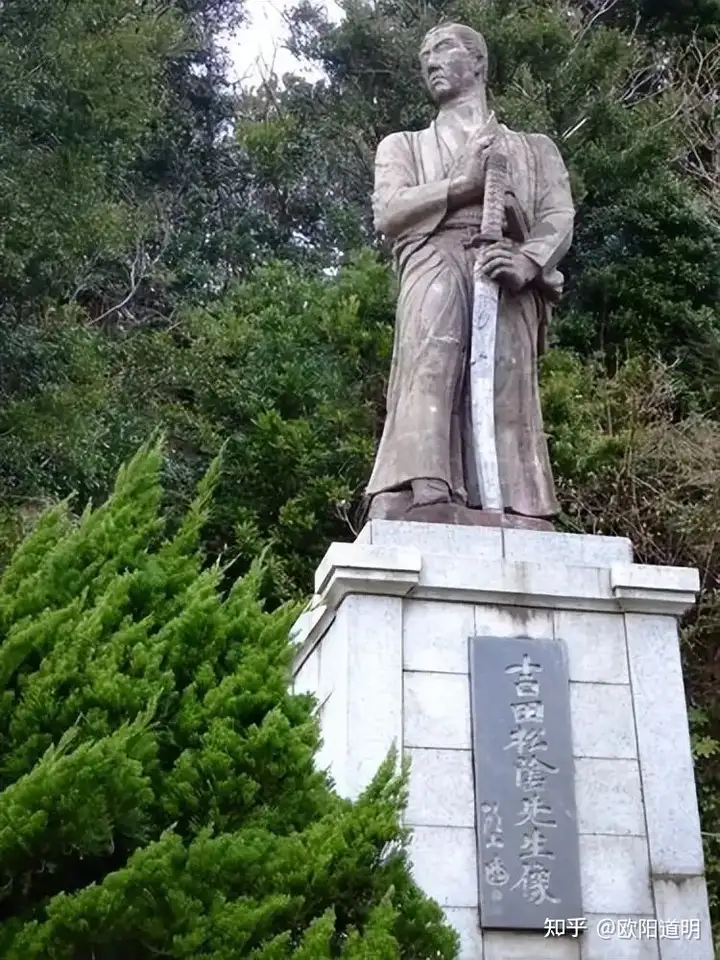
This kind of aggressive thinking has been continuing to develop in Japan in this way. After Sato Nobubuchi, there is another person who advocates this kind of thinking very much! He is Yoshida Shoin, the pioneer of the Meiji Restoration in Japan.
Yoshida Shoin once said in his book "Prisoner Records": "Receive Ryukyu, take North Korea, and pull Manchuria. Proceed to India and force Russia."
Attempts to invade and occupy the Asian continent and other countries step by step fully demonstrate the thinking of external expansion.
Yoshida Shoin's thought has always deeply influenced the Japanese ruling class, and even became an important pillar of the Meiji government for a time.
The later Japanese militarism thought also developed from this.
Starting from Toyotomi Hideyoshi, Japan has never given up its plans for external expansion for more than a hundred years.
They are committed to changing the minds of the people, so that the military and civilians across the country agree that their invasion plan is the mission of the country, and at the same time, they are also continuously strengthening the country's military strength.
The completion of the Meiji Restoration put Japan on the road to modernization, and while promoting the progress and development of Japanese society, it also put it on the road to capitalism.
Japan also quickly became the "biggest country in Asia" at that time! The rapid economic development has also brought about the continuous enhancement of military strength.
Moreover, slogans such as "rich the country and strengthen the army, prosper the industry" and other slogans put forward by the Meiji Restoration also have a strong aggressiveness and expansion.
It is also under the influence of this point that Japan, which has embarked on the road of militarism, has strengthened its determination to occupy China.
But even if the Japanese imperialists had a firm determination, they still failed in the end!
It can be seen that the prosperity of a country does not depend on war, and the road paved with blood will not get the sincere support of the people at all.
There is an old saying that "the world is won by the people who win the hearts of the people". A strong country should be a country that the people sincerely support. Only such a country can truly last forever and prosper!
The Japanese imperialists spent more than 400 years trying to strengthen themselves by conquering other countries, but in the end they were wiped out by the righteous Chinese Communist Party!
The side of justice will always win. Japan's attempt to achieve development through war is simply not feasible, so even after more than a hundred years of planning, the final outcome is still failure!
epilogue
Japan's "dream" of invading the country in order to develop itself is finally shattered!
The establishment of a powerful country has never been created by war and blood.
However, looking at Japan's enthusiasm for war and persistence in aggression for more than a hundred years, even in a peaceful age, it is difficult to guarantee whether there are any remaining forces of Japanese imperialism and whether war will come again?
However, China is no longer what it used to be. Now we don't want war to break out, but we just don't want people of all ethnic groups to fall into dire straits again. It's not that we are afraid of war!
The alarm bells are ringing! Remembering history is not only to remember the great fighting spirit, but also to "be prepared for danger in times of peace"!
小日本用400年做侵华准备,用50年制定作战方案,读完之后不寒而栗!
1931年9月18日,日军发动“九一八”事变,长达14年的抗日战争正式拉开了帷幕。
对于这场侵华战争,日本可谓是做足了准备,从400年前就开始谋划,利用50年制定了一个作战方案。其侵略野心昭然若揭,也令人不寒而栗!
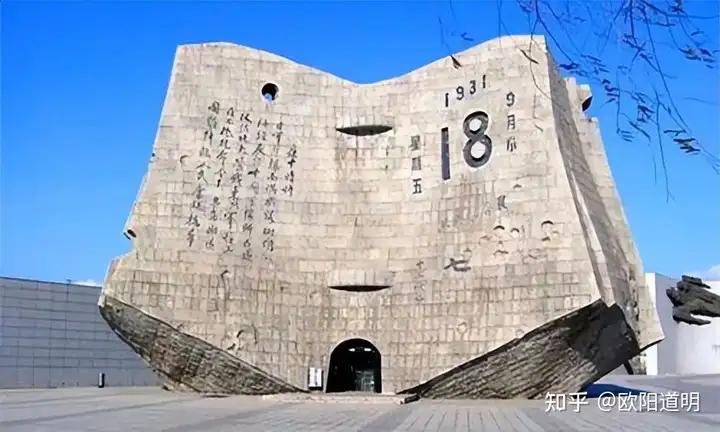
对于日本长达百余年的侵华谋划,我们可以从他们整个的思想发展和作战举动来谈起。
计划出兵,残忍侵略的开始
日本对于中国的侵占之心随着时间的流逝愈发的强烈,他们用了400年时间来谋划这件事,并且用了50年的时间制定出具体的方案。
1887年,日本陆军参谋本部第二局的局长小川又次完成了《征讨清国策》的制定,渐渐拉开了侵华战争的序幕!
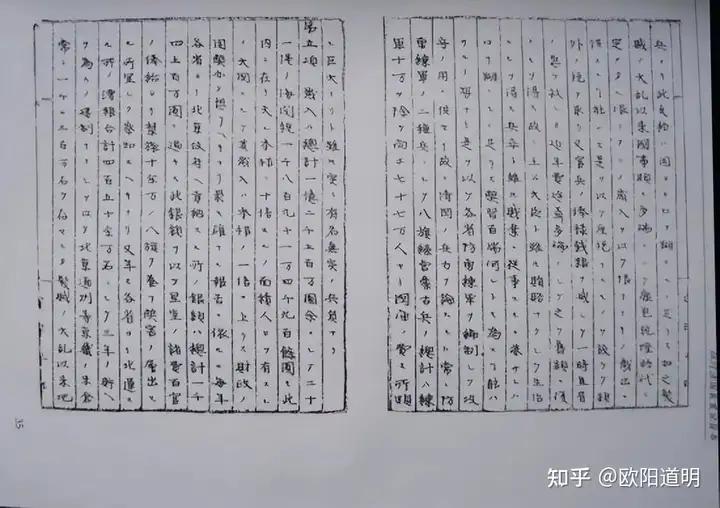
这份计划是整个侵华战争的主要依据,日军在侵华战争时期所作的每一个举动都离不开这份方案的影响。
《征讨清国策》中明确分析了世界的形势,并且着重分析了清朝的现状。
小川又次认为清王朝虽然是第一大国,但是国家腐朽,人民不知世界形势,傲慢自大、愚昧无知,国家社会积弊已久。
而这样的清朝根本就不足为惧,只要日本发兵拿下清王朝,就必定可以国运昌盛,以至千秋万代。
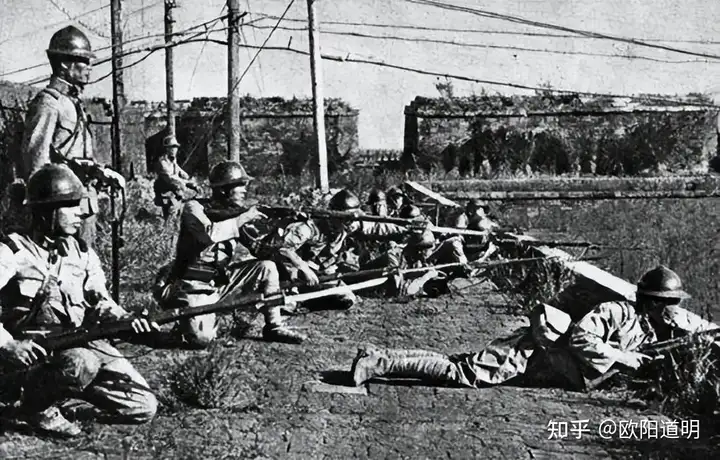
为了实现这所谓的“伟大”事业,小川又次在计划之中明确制定了吞并辽东半岛、台湾、北京、长江中下游等地区的策略,妄想使其成为日本的属国。
而日本帝国主义分子在这份计划的指导下,也开始了疯狂的扩军备战,并且还到处在国内宣传所谓的战争思想和兼并使命。
战争狂热分子们大肆宣扬唯有战争才能造就更好的国家,而兼并他国也是上天的指引,是整个国家一直以来的使命。
把战争给美化成为了推动国家发展的手段!
在这种思想的指引之下,日本也开始了对外侵略的进程。
并且第一个对准的就是“毫无抗衡能力”的清朝。
1894年,日本发动甲午海战,面对蓄谋已久的日军,清朝完全没有做好迎战的准备,只好仓促对战,这也预示着清王朝的失败!
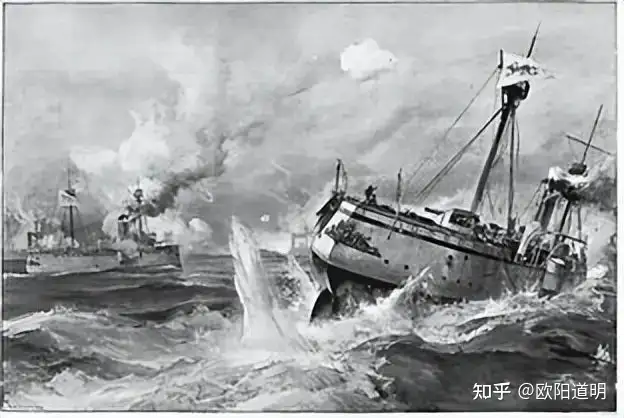
兵败之后,中日之间签订《马关条约》,两亿两的军费、台湾岛的割让,似乎都在昭示着清王朝末路的来临。
甲午战败进一步加深了我国半殖民地化的程度!
而随后的几年间,日本帝国主义一直在侵略我国的领土,多次发动战争,逼迫我国与其签订不合理条约,割地赔款。
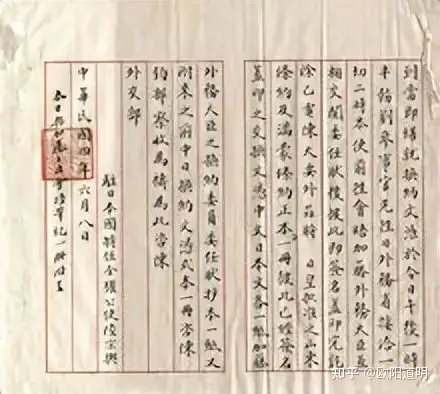
《辛丑条约》里的赔款,“二十一条”中的决定由日本继承德国在山东的权益,无一不在表明日本对于中国的侵略!
我华夏大陆一时间竟沦为日本帝国主义手中待宰的羔羊!
虽然这一时期,侵略中国的国家不止日本一个,而且最初打开中国国门的也不是日本,但是在侵略的过程中,日军犯下的罪孽却是极其严重的。
第一次世界大战期间,日本帝国主义抓住机会,夺取了德国在中国的殖民特权,后来甚至强迫袁世凯政府接受所谓的“二十一条”。
此时,日本帝国主义对于中国的觊觎之心毫不掩饰,明晃晃地展现在世界各国人民的眼前。
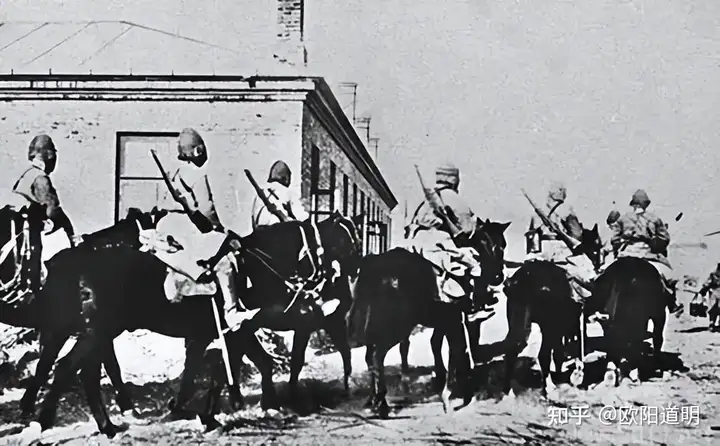
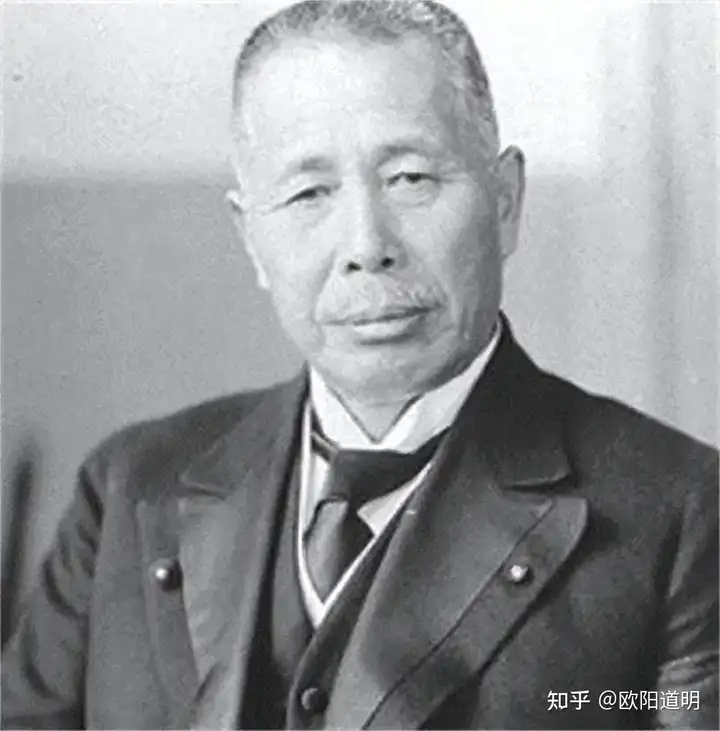
1927年,日本的新任首相田中义一的上台,进一步推动了日军侵略中国的进程。
田中义一是一个狂热的“扩张主义”分子,他认为大陆扩张是国家发展强大的唯一道路。
田中义一制定了侵略中国的总方针,并且还提出要将满洲从中国分离出来的。
由此看来,后期伪满洲国的建立和他之间有着莫大的联系!
日本帝国主义建立所谓的伪满洲国,就是抱着“挟天子以令诸侯”的想法,希望靠着满洲皇室这个正统君主来控制整个社会。
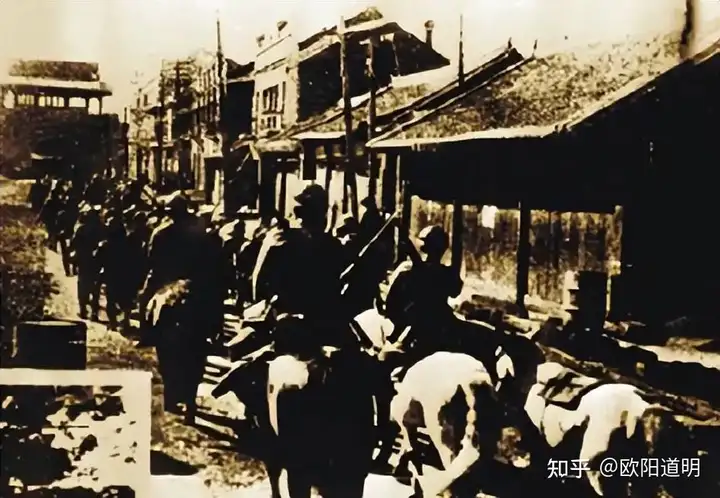
但是民族早已觉醒,封建的统治如何还能控制人民和社会?
田中义一公布了所谓的《对华政策纲要》,在他看来,只有中国国家内部分裂,日本帝国主义才有可能逐个击破,最终全部占领华夏大地!
田中义一还将关于对中国侵略计划的会议内容整理成册,编写成《田中奏折》上呈天皇,详细阐述了侵略中国的作战方案和具体步骤。
这份内容也不仅仅是对中国的侵略方案的制定,还包括了日本帝国主义称霸世界的美梦。
随后,日本帝国主义就开始发兵东北和蒙古,企图以战争的方式占领两地。
并且为了战争的合理性,日军还大肆宣扬,在东北的日本人有被外国人杀害的可能,而他们只是为了保护这些身处险境的日本人而不得不采取武力的方式。
1928年6月的时候,日军更是嚣张地在沈阳皇姑屯炸死了当时的军阀张作霖,以图彻底夺取东北地区。
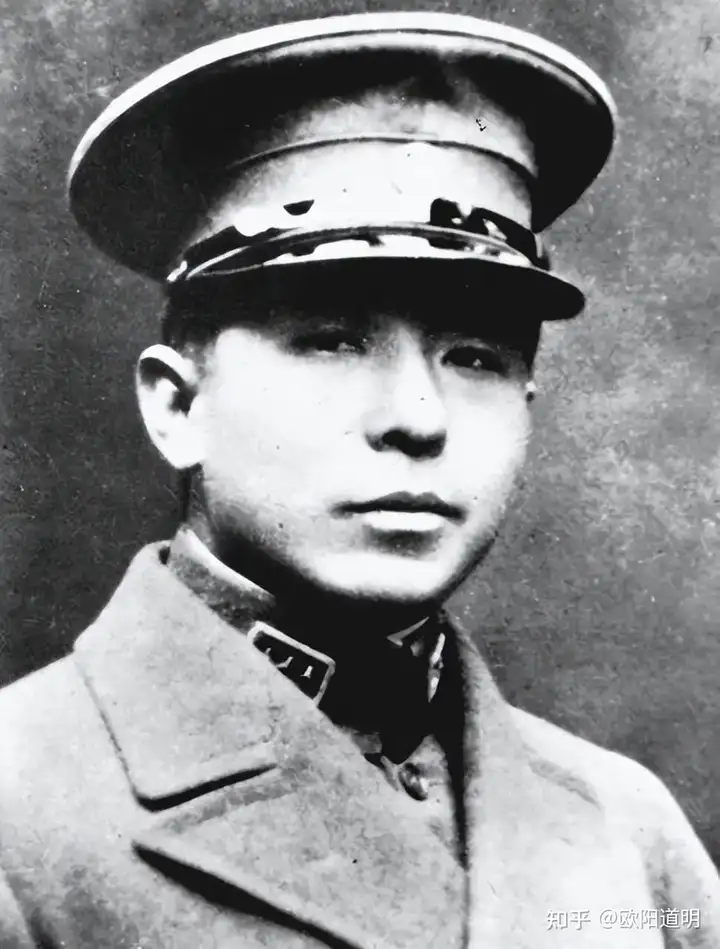
好在张学良得知消息后迅速返回东北主持大局,这才没有让以本人的阴谋得逞,但从此事看来,日本人为了达到目的真是不折手段!
而这次的皇姑屯事件也在预示着接下来的阴谋!
1931年9月18日,在东北的日军部队河本末守中尉带领日军,在柳条湖附近,炸毁了南满铁路。
并且为了推卸责任,把自己立于一个正面形象,好光明正大的向中国追究责任,发动战争,日军布置了一个假现场。
在被炸毁的铁路现场放置了三具中国士兵打扮的尸体,并且说是中国军队包藏祸心,炸毁了铁路,随后,日军部队就立即发动了进攻,并占领了北大营。
与此同时,在东北各地的日本军队开始发起进攻,不久后,日本帝国主义就占领了东北三省,东北地区沦陷了!
九一八事变虽然是日本帝国主义发动侵华战争的开端,但是日军对于侵略中国,占领亚洲大陆的野心却是持续了400年的时间。
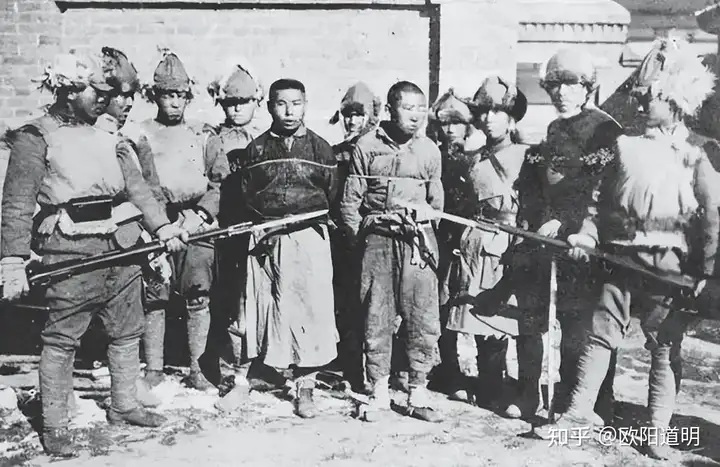
侵华思想,明朝时期的野心
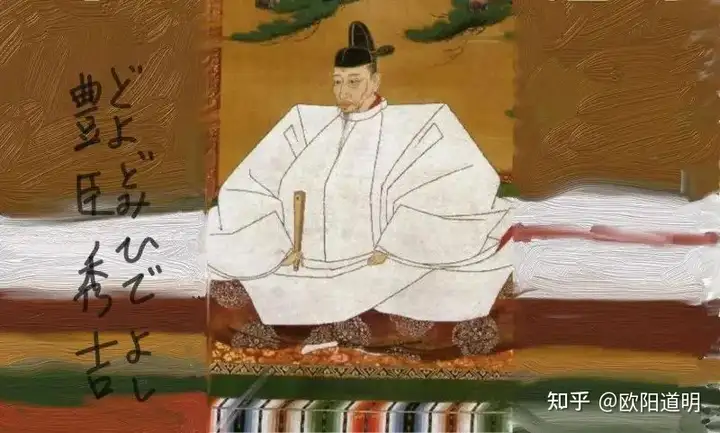
400多年前,日本一个人物的崛起让建立“亚洲大帝国”的侵略思想延续了百年有余,也正是因为他,才有了后来中国所遭受的一切。这个人就是日本的太政大臣丰臣秀吉!
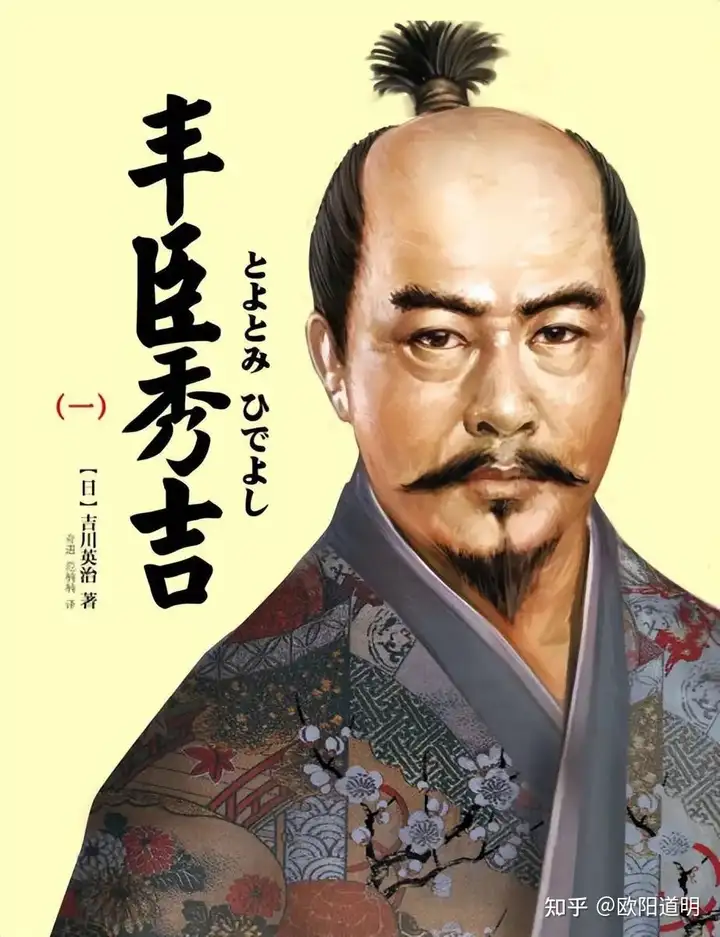
1585年,丰臣秀吉经过长达二十多年的努力,最终平定了日本几个比较大的家族,拥立后阳成天皇,到1590年,基本上统一了日本。
统一日本后的丰臣秀吉,治国有方,带他的带领下,饱受多年战乱影响、民不聊生的日本,也在慢慢地恢复,一时间呈现一片国泰民安之景。
而看到国家和人民逐渐安定的丰臣秀吉,内心逐渐萌现一个“更伟大”的想法。
丰臣秀吉认为,日本不应该局限于一座海岛之上,而应该往更广阔的大陆去发展。
丰臣秀吉有了一个初步的规划,他认为可以先占领朝鲜,再征服中国,最后踏平印度。
从而一统亚洲大陆,建立起一个“亚洲大帝国”!
丰臣秀吉从来都没掩饰自己的野心,他曾表示不管所隔山海有多少、路途有多遥远,日本军队一定会攻入大明,占领中国,以求自己国家的强盛发展。
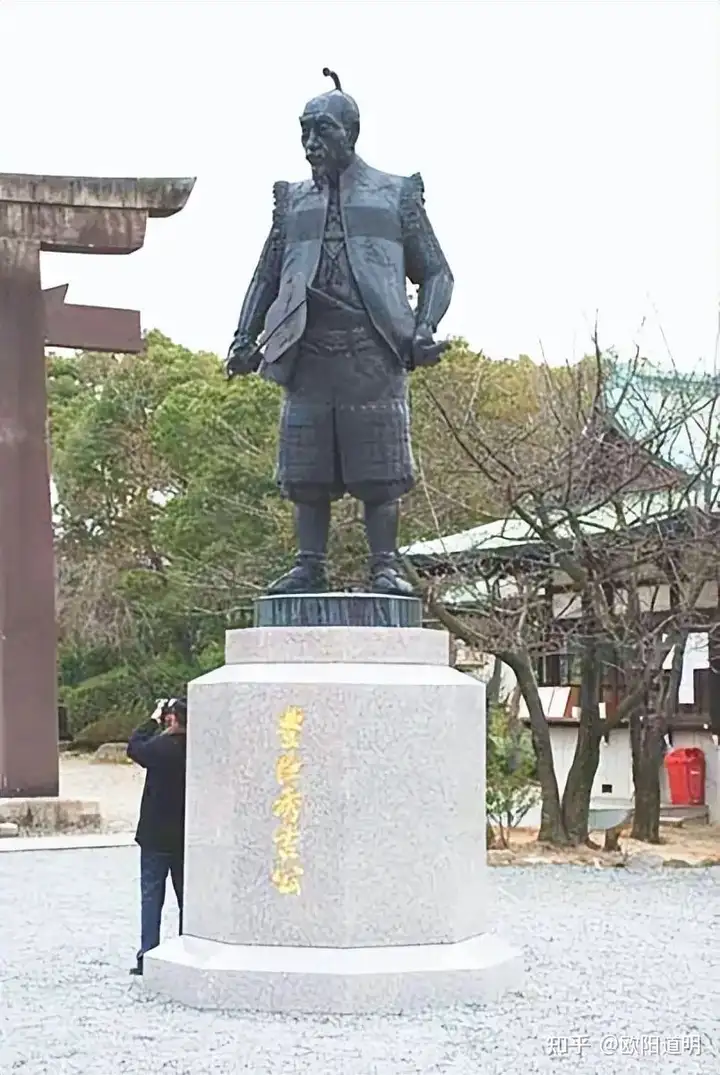
为了实现这一个目的,1592年,丰臣秀吉出兵14万前往朝鲜。
面对久经沙场的日军,朝鲜的军队显然无力抵抗。
日军在朝鲜犹入无人之境,很快便攻占了朝鲜境内的大量城市,一路打到了朝鲜的王京和陪都。
兵败的朝鲜国王被逼逃到了当时的义州,并且派出使节来到明朝求援。
考虑到明朝边境安全,万历皇帝自然不会无视野心勃勃、虎视眈眈的日军。
万历皇帝得知消息后,立即派遣当时的辽东总兵李如松、兵部右侍郎宋应昌带兵进入朝鲜,抗击日军。
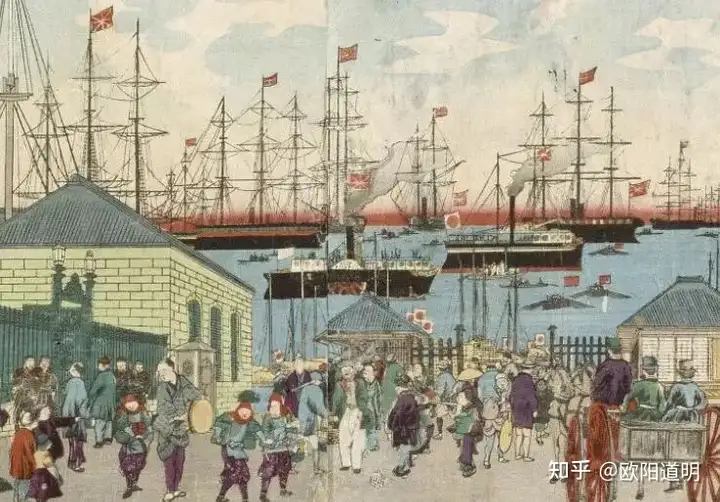
与此同时,攻下朝鲜汉城的丰臣秀吉正在在计划着要带兵攻进明朝境内,拿下北京,准备迁都。
并且还梦想着将北京周围的领地全部攻占,“献为御用、赐公卿以俸禄”,大肆封赏部下。
可是这些所谓的“美梦”在明军出兵之后就如泡影一般破灭了!
有了明朝的援助,日军的攻势明显受阻,在我明军的神威之下,日军在平壤之战结束后只剩下六千五百多人。
眼看损失惨重,丰臣秀吉也明白了明朝军队不是好惹的,自己现在抗衡不了,为了保存实力,丰臣秀吉不得不向明朝求和。
本以为丰臣秀吉见识到明军的实力之后,便不敢再犯,但是没想到他的求和就只是为了暂缓眼前危机。
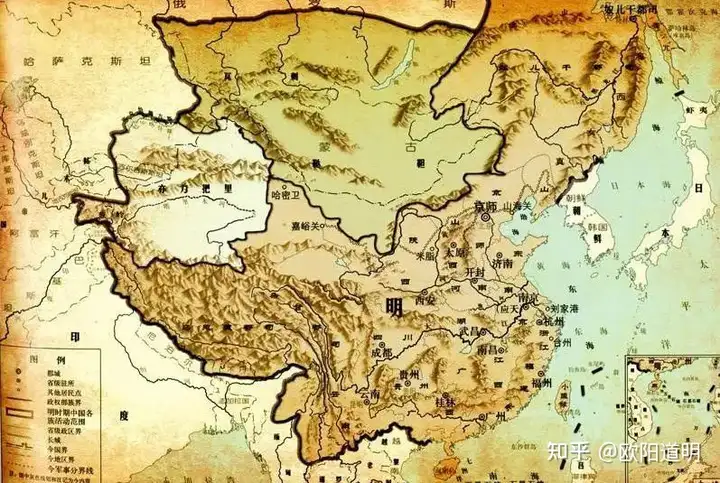
回到日本后的丰臣秀吉,投注大量的心血到军队上,不过5年时间,1597年,丰臣秀吉就再次发兵朝鲜,企图彻底拿下朝鲜,攻占我明朝疆域。
天有不测风云、人有旦夕祸福!第二年,丰臣秀吉就因病逝世了。
因为他的离世,日军士气受挫,没了这个最开始的领导人,他们也无力再攻打朝鲜了。
于是纷纷撤离,但在撤离的途中,遭遇了中朝联军的拦截,几乎全歼日军,此一战彻底打击了日军的野心、奠定了之后三百年的格局。
想要攻占大明王朝成了丰臣秀吉后半生的愿望,如果不是突然病逝,估计当时中日之间还会战乱频起。
虽然因为丰臣秀吉之死,换来了暂时的安宁,但日本人的野心从来都没消失过。
多年谋划,大日本帝国的美梦
自从丰臣秀吉病逝,日军入侵朝鲜的作战计划失败之后,日本没有再发动大规模的战争,但是一直有小股的势力骚扰我国边境地区,烦不胜烦!
而且日本人对于侵华的想法一直没有放弃,他们对此还进行了一系列的计划、分析、研究。
江户时代,一个名为近松门左卫门剧作家曾经利用文学创作的方式,大肆宣扬日本之国威。
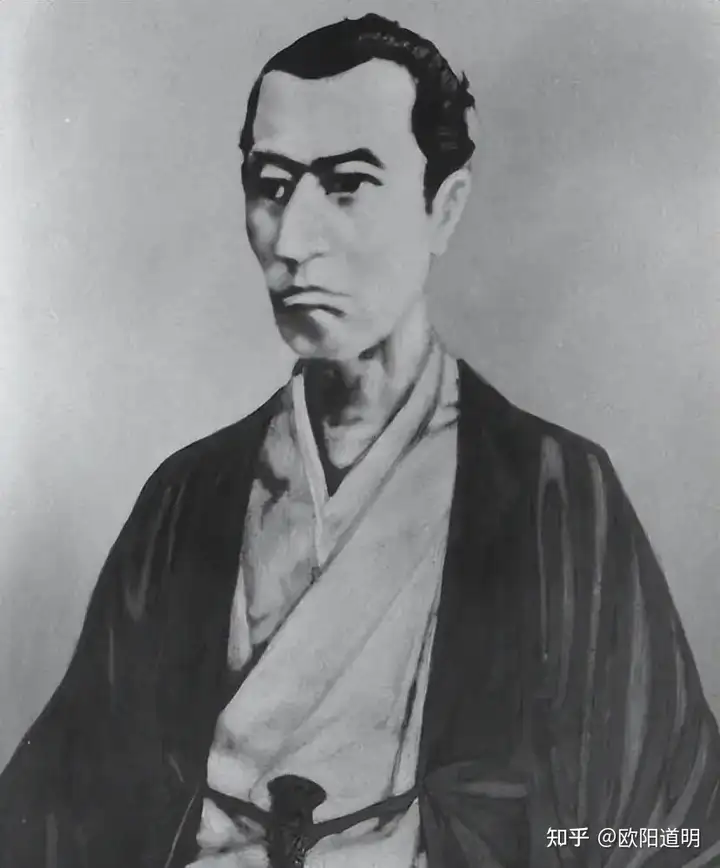
近松门左卫门创作了一部名为《国姓爷合战》的大型历史剧,以明代的郑成功及其反清复明事件为原型,歪曲历史,将人物事件全部套用日本人的身份。
把郑成功这一位民族英雄改为日本武士,而剧中所展现出来的英雄气概、勇猛无敌也都是属于日本人的。
“郑成功”所做的一切都是为了扬日本的国威,并且还宣扬日本的统治比中国的好。
近松门左卫门完全就是想要借助这种文学作品来宣扬日本有多么好,加强日本国民对于本国的信任。
并且企图歪曲国民认知,让大家都认为对于中国的侵略其实是在帮助中国更好地建设国家。
这种打着为别人好的幌子企图侵占别人家产的想法不止近松门左卫门一个人有。
1823年,日本著名的思想家佐藤信渊出版过一本名为《宇内混同秘策》的书。
在此书中,佐藤信渊丝毫不加掩饰地表露出日本的野心,书中明言日本乃是世界上第一个成立的国家,是“万国之根本”,如此大言不惭,也不知他是如何厚着脸皮写下这句话的。
日本建国之时,我泱泱华夏早已存在,日本的历史明显比不过我中国,真不知他们是真的无知还是狂妄!
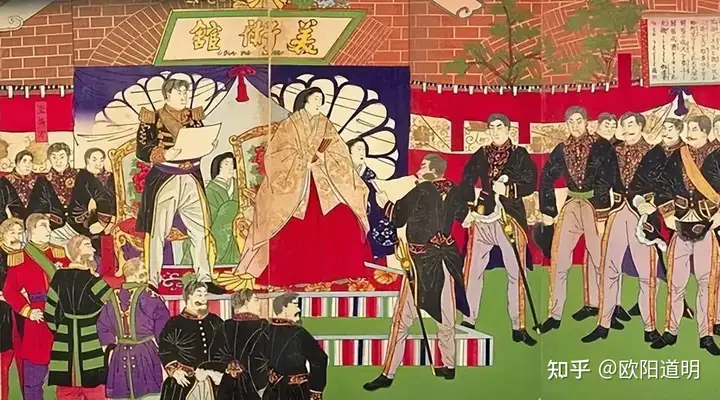
不仅如此,佐藤信渊还在书中极力宣扬日本兼并亚洲各国乃是上天的旨意,他们的所作所为没有一丁点错。
并且还在书中制定了详细的攻占计划,先训练培养雄兵,然后天皇亲征,渡海至我国江南地区,征服中国,对于邻国东南亚、印度再徐徐图之。
佐藤信渊想要先拿大清朝打头阵,然后再兼并各国。
让万国为其郡县,诸君为其臣下!不得不说,佐藤信渊的野心与嚣张和当初的丰臣秀吉有得一拼。
不难看出,丰臣秀吉即使是早已不在了,但他的思想趋势延续了下来,影响了一大批的知识分子,佐藤信渊就是其中之一。
对于丰臣秀吉想要侵占亚洲大陆、进行扩张的想法,佐藤信渊是无比认同和支持的,他不仅继承了丰臣秀吉的侵略思想,还加以发展,十分倡导所谓“征服支那论”。
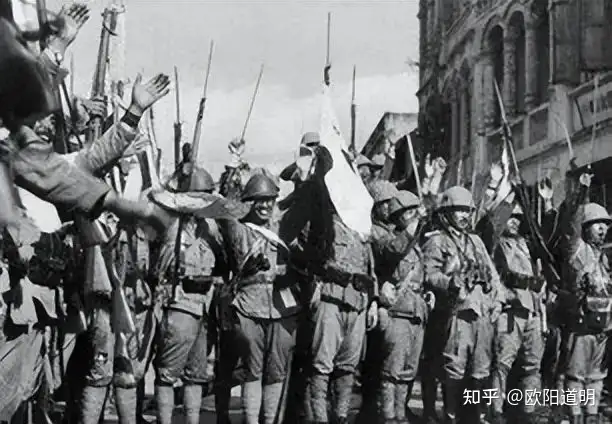
佐藤信渊的思想和策略为近代日本帝国主义侵略之路提供了指引。
对于侵占中国然后称霸世界这个“美梦”,就是佐藤信渊最早提出的。
他还对此进行了系统周密的计划,以至于后来的日本侵华战争以及第二次世界大战都是以此为前提制定的作战策略!
这种侵略思想就这样一直在日本延续发展着,佐藤信渊之后,还有一个人也十分倡导这种思想!他就是日本明治维新的先驱者吉田松阴。
吉田松阴曾在自己的《幽囚录》一书中说道:“收琉球、取朝鲜、拉满洲。临印度、逼俄国”。
企图一步一步侵占亚洲大陆及诸国,充分地表明了对外扩张的思想。
吉田松阴的这种思想一直深深地影响着日本的统治阶层,甚至一度成为明治政府的重要支柱。
而后来的日本军国主义思想也是由此发展而来的。
从丰臣秀吉开始,往后百余年的时间,日本一直从未放弃对外扩张的计划。
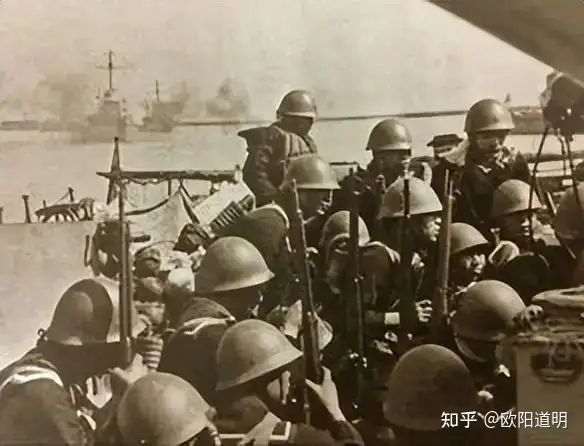
他们致力于改变民众的思想,让全国军民都认同他们的侵占计划是国家的使命,与此同时,也在不断增强国家的军事实力。
明治维新的完成,使日本走上了现代化的道路,在推动日本社会进步发展的同时也让其走上了资本主义道路。
日本也很快成为了当时的“亚洲第一大国”!经济的迅速发展也带来了军事实力的不断增强。
并且明治维新提出的“富国强兵、殖产兴业”等口号,也带有着强烈的侵略扩张性。
也正是在这一点的影响下,走上军国主义道路的日本就更加坚定了占领中国的决心。
不过就算日本帝国主义抱着坚定地决心又如何,最后不还是失败了!
可见一个国家的强盛靠的不是战争,利用鲜血铺就的道路根本就得不到人民真心的支持。
古语有云“得民心者的天下”,一个强国应该是人民真心拥护的国家,这样的国家才能真正的千秋万代、国运繁盛!
日本帝国主义花了400余年的时间,企图以攻占他国的方式壮大自身,最后还不是被正义的中国共产党给消灭了!
正义的一方总是会胜利的,日本企图以战争的方式获得发展根本就是行不通的,所以即便是筹谋百余年,最后的结局依旧是失败!
结语
日本侵略国家以图自身发展的“美梦”终究是破灭了!
一个强大国家的建立从来都不是战争和鲜血造就的。
不过纵观百余年间日本对于战争的狂热和侵略的坚持,现在即使是身处和平年代,也难保日本帝国主义是否还有残余势力,战争会不会再次来临?
不过,中国早已不是以前的中国了,现在的我们不希望战争爆发,只是不愿各族人民再次陷入水深火热之中,并不是我们惧怕战争!
警钟长鸣!铭记历史不仅仅是为了记住伟大的斗争精神,更是为了“居安思危”!


评论
发表评论