Is Lao Lai really unable to solve it now?现在老赖真的没办法解决吗?
Is Lao Lai really unable to solve it now?

The court has now issued a judgment. If it is a cross-city property, is there no way to enforce it? Also, the implementation period is only 2 years? Is the execution terminated after 2 years without repayment?
Difficult to implement, difficult to go to the sky...
In recent years, my country's courts have issued a lot of legal documents to solve the problem of difficult enforcement, which can be said to have hollowed out the minds of think tank decision makers. We can see from the compulsory measures alone: from detention to refusal of execution, and now the sentencing has been increased to 3-7 years. After the addition of criminal law, it has indeed brought a lot of shock to the dishonest persons subject to enforcement, and at the same time brought new vitality to many cases that cannot be enforced. However, judging from the incidence rate of economic disputes, private lending, and the final cost of enforcement cases in recent years, the data is still soaring all the way, especially after the epidemic, the momentum is even more rapid.
Why is it so difficult to implement? In my opinion, the measures to restrict high consumption and blacklist are too weak; and the threshold for entry is indeed too high; secondly, the court system is not strong enough, and it does not have absolute public power, so the crackdown on Lao Lai must be strong is not enough.
1. Pulling into the blacklist + restricting high consumption is nothing more than an incompetent card
According to the purpose of normal laws and regulations, the introduction of criminal law means to combat the incidence of crime; but for civil coercive measures: height limit and blacklisting, it seems to have no effect.
The children can't go to a good private school, but they can definitely get a house in the public school district. How many so-called ex-wives of Lao Lai don't have two school district houses? How many old Lai are really poor? Therefore, as long as Lao Lai is good enough, his children can still go to the best public schools.
Restricting high consumption means that the person subject to enforcement cannot make a single large-scale consumption of more than 2,000 yuan, drive a luxury car, or live in a luxury house. This is good, but it is really difficult to actually implement it.
Why?
Saw Lao Lai driving a luxury car and followed behind to secretly film him?
Seeing Lao Lai spending money at a certain scenic spot, how can he know whose bank card he is using to make money? If he said that others looked at him with pity and invited others to treat him, so what should he do?
You can’t say that if I take the high-speed rail, I can take the car, right? You said I can't drive a luxury car, I can hire a driver and sit in the boss's backseat, right?
In short, measures such as blacklisting and restricting high consumption may have some effect on traditional Lao Lai, but for modern professional Lao Lai, their effect is negligible.
2. Difficulty in detention and refusal
For normal compulsory measures, as long as the person subject to execution refuses to report his property, it is necessary for the court to detain him for fifteen days.
In practice, this coercive measure usually requires us to apply to the court; but here lies the difficulty. It takes a while for the judge to see the paper after the applicant submits the application for detention to the judge. Time has passed, but the witty Lao Lai is also a human being, how many Lao Lai will wait for you to catch him?
Therefore, detention involves the issue that the person applying for execution must find someone by himself. Isn't it a joke to ask an ordinary person to find someone to find a car?
Suggestion: Ask the public security organs to assist in enforcement, which has been promoted in many local courts, and the effect is quite obvious. For small arrears, basically detain them, and there is a high probability that they will be repaid. Therefore, it is very necessary that the country should vigorously promote the joint implementation of public law.
For the crime of refusal of execution, after the judgment becomes effective, if it is found that the person subject to execution continues to transfer or hide his property. The crime of refusal to carry out the law has long been in the law, but the real refusal to carry out the crime is less than 1% of drunk driving. Is it true that the harm of driving a vehicle while intoxicated must be greater than this type of economic case? Surely you can't be so arbitrary, borrowing someone's life savings and not paying back, is this much different from intentionally hurting his life?
Personally, it is obviously more serious to refuse to implement.
Suggestion: Cancel the procedure of the collegial panel for refusal to carry out the case, transfer the authority of refusal to the execution judge directly, and take the admission rate of the crime of refusal to carry out the case into the evaluation of the execution judge, and at the same time link it with the year-end bonus of the judge handling the case.
In short, the crime of refusal to execute is the only cross-entry between criminals and civilians in the civil court, and it must be actively promoted and deepened. It's not just playing the role of loud thunder and small raindrops.
Difficulties in execution are directly related to the presence of the capital market in the venue
1. Low borrowing threshold and multiple channels
In recent years, there have been a lot of thunderstorms in the P2P market. A common saying in the industry is: there is almost no control over access.
Just look at these small loan companies like Congcong. You can borrow money with just an ID card, which is easy and simple. But when it’s time to pay it back, it’s time to tear down the east wall to make up for the west wall. When it’s too late, you can only borrow it from the people around you, and then the people around you become the last wall.
2. The operation is illegal and lenders are lucky
This is why many people subject to enforcement say: Private lending is illegal lending.
It should be noted that some criminal beheading interest platforms are indeed illegal lending. Then the country also cracked down hard. After the crackdown, many borrowers thought that the money would not have to be repaid. Is this true? Of course not, the illegal interest part can not be repaid, but the principal part + legal interest part must be returned. Do you think the money you borrowed is from the platform? Of course not, this is also the platform’s income from private financing, so how can it be reasonable not to pay it back? Many of my netizens said: My friend is a usury, I think you are talking nonsense. If you take the initiative to borrow from your relatives, the annualized rate of 10% and 15.4% is considered illegal lending? I can only say that you are an honest person who does not understand the law.
3. The platform has a high level of risk control and strong professional execution capabilities
From another perspective, we found that many people would rather repay the loans on some online platforms than repay the debts owed by their own brothers, which is enough to explain a problem. That is the strong ability of the platform's professional executive team.
Many people say, does collection count as an executive team? No, generally the bids for collection are relatively small, while the bids for execution by the execution team are relatively large, because the execution team = the execution law firm.
Once the execution team focuses on the person subject to execution, it will most likely be a lifetime; the execution team almost never accepts the other party's mediation, because he knows that if you want to mediate, it means that you have the ability to repay. There are only two ideals for people with this kind of mediation idea:
(1) Use mediation to prepare time for the transfer of property behind the scenes.
(2) Mediation means making concessions, which means that the other party wants you to get a discount, and wants you to exempt the interest part. Is this possible? The executive team will tell you: wishful thinking.
This is the reason why there are persons subject to enforcement who would rather repay the platform if they have some money than to give you half a cent; some people even ask you to borrow money for the purpose of repaying the platform and the bank. As for whether your money can be repaid superior. It can only be said: I'm sorry, I borrowed money based on my ability, do I still have to pay it back?
It is not easy to make money, hard-earned money, not a penny!
In the opinion of authoritative experts, adopting a "one size fits all" approach means that no matter whether it is children's schooling or employment, including the immediate family members of the person subject to execution, they should bear joint and several liabilities. Lao Lai must be severely and resolutely cracked down.
After the final execution, if you find property clues, you can apply for enforcement again, and applying for enforcement again is not subject to the limitation period for applying for enforcement. I don’t know the experience of other applicants. My application has been unsuccessful for so many years. Lao Lai is now also opening a company in another city 120 kilometers away from the court. Looking at his circle of friends, life is very comfortable. Cross-city enforcement should be feasible. Isn’t there a lot of cross-provincial enforcement in the news? It depends on how the court arranges it. What I experienced was that the court did not take any action when Lao Lai went home, let alone across cities. Personally, I feel that if no one can help you with the current case, it is better to temporarily put aside your own life and recharge your batteries, unless you spend time, energy and financial resources at all costs, and it is up to you to weigh the pros and cons. Personally, I feel that the state's current restrictive measures against Lao Lai are useless.
Many people only know that if they become Lao Lai, they cannot get a loan to buy a house or buy an airplane ticket, and they don't know anything else. Today, let's talk about what kind of punishment will be received after becoming an old Lai?
1. Seizing and freezing online payment accounts
In the past, due to the lag in updating laws and regulations, many Lao Lai deposited money in online payment accounts such as Alipay and WeChat, and then used the excuse that there was no money in the bank card to fool the court to avoid debt collection. But it is no longer possible. The funds in the online payment account have been included in the scope of court enforcement. If you don't pay back the money, your bank card, Alipay, WeChat, etc. will be frozen for you.
2. Online freezing and deduction of property
At present, the court has established an interoperability mechanism with more than 4,000 financial institutions across the country, which can directly send electronic legal documents through the network, and receive the result data and electronic receipts of financial institutions' inquiries, freezes, deductions, and disposals. Not only bank cards, WeChat, Alipay, but also wealth management products and insurance purchased from a financial institution will be covered, and these properties can be directly deducted to repay debts.
3. Synchronize the list to Sesame Credit
The Supreme People's Court and Zhima Credit signed a memorandum of cooperation on credit punishment for dishonest persons subject to enforcement. Access to relevant platforms of Zhima Credit will fully restrict Lao Lai.
As the person subject to execution, Lao Lai can no longer go to banks and online loan platforms to borrow money, nor can he buy things on Taobao and Tmall, nor can he book air tickets or train tickets through Alipay, and even go to Baihe.com and Zhenai. no more.
4. Limit high consumption
According to Article 3 of the "Several Provisions of the Supreme People's Court on Restricting High Consumption and Related Consumption of Persons Subject to Enforcement" that came into effect on July 22, 2015, the following high consumption is restricted: When taking transportation, choose airplanes, train soft sleepers, and ships Class and above class; high consumption in star-rated hotels, hotels, nightclubs, golf courses and other places; purchase of real estate or newly built, expanded or high-end decoration houses; lease of high-end office buildings, hotels, apartments and other places for office work; purchase of vehicles not necessary for business operations; Traveling and vacationing; children attending high-fee private schools; paying high premiums to purchase insurance and wealth management products;
Take all the seats of the EMU trains with the prefix G, and the first-class and above seats of other EMU trains, and other consumption behaviors that are not necessary for life and work.
5. The pension is directly deducted, and the only house can be auctioned
Pensions should be regarded as Lao Lai's fixed income from a third party, which falls within the scope of his liability property. According to the provisions of Article 243 of the "Civil Procedure Law of the People's Republic of China", the people's court has the right to freeze and deduct .
Previously, the law stipulated that Lao Lai's only house could not be used for auction to repay debts. Now that the law has kept pace with the times, the only house can also be auctioned to repay debts. The pension is gone, the house is gone, what should I do when I am old?
6. Not being able to serve as a senior manager of an enterprise, etc.
In March 2014, the Central Civilization Office, the Supreme People's Court, the Ministry of Public Security, the State-owned Assets Supervision and Administration Commission of the State Council, the State Administration for Industry and Commerce, the China Banking Regulatory Commission, the Civil Aviation Administration of China, and China Railway Corporation issued a notice on the "Memorandum of Cooperation on "Building Integrity and Punishing Dishonesty"" ( Wenmingban [2014] No. 4), it is clarified that if the dishonest person subject to enforcement is a natural person, he shall not serve as the legal representative, director, supervisor, senior manager, etc. of the enterprise. "Opinions on Accelerating the Construction of Credit Supervision, Warning, and Punishment Mechanisms for Dishonest Persons Subject to Enforcement" uses the word "restriction", which of course also includes prohibition.
7. Restrictions on engaging in specific industries or projects
On September 25, 2016, the General Office of the Central Committee of the Communist Party of China and the General Office of the State Council issued the "Opinions on Accelerating the Construction of Credit Supervision, Warning and Punishment Mechanisms for Untrustworthy Persons Subject to Enforcement", which put forward restrictions in all aspects, including restrictions on engaging in specific industries or projects :
a) Restrictions on setting up financial companies.
b) Restrictions on issuance of bonds.
c) Quota restrictions for qualified investors.
d) Equity Incentive Restrictions.
e) Restrictions on stock issuance or listing transfer.
f) Establish social organization restrictions.
g) Participate in government investment projects or restrictions on projects that mainly use fiscal funds.
7. Prohibition of certain driving behaviors
In March 2016, the People's Court of Yunhe County, Zhejiang Province issued an order restricting high consumption, which for the first time included the small car driven by the person subject to enforcement within the scope of high consumption behavior restrictions.
Although it is a measure carried out by some courts, it may be gradually promoted based on strong measures to restrict dishonest persons.
Summarize
These days, although it is the uncle who owes the money, once he becomes an old man. Do you still live in this society with peace of mind? The court's "methods" to deal with Lao Lai are more "ruthless" than one another! Not only has he lost his credibility in society, but even his children have been dragged down. Why bother?
As the saying goes: "It is only right and proper to repay debts." Whether it is a loan from a bank, an online loan platform, or a loan from relatives and friends, you must pay it back on time. Otherwise, if he is really sued in court and becomes an old Lai, then he will be in big trouble. Use the online loan tool to "sign a note", borrow money from friends, and solve urgent needs, with peace of mind and reliability!
We are the victims of "Lao Lai" reneging on debts, and we are also the legal creditors in private lending disputes. The vast majority of us are normal loan relationships between relatives, friends or acquaintances. Initially, the debtor asks for help, and the creditor lends out of the high level of trust between relatives and friends. However, what we are facing now is not only the loss of money, but also the betrayal of family affection and the deception of trust. We know that "Lao Lai" is not a standard legal term, but at this time, even the titles "Lao Lai" and "Liar" can no longer express our extreme anger. Our anger is anger at deceit and wrongdoing, and intolerance for the ugliness that exists in society.
Since ancient times, "repaying debts is a matter of course", "if you have a loan, you can repay it, and it is not difficult to borrow again", "one promise, one promise", "one promise and one promise" have always been China's excellent cultural traditions and the most basic social rules. has been severely challenged.
Some people excused the "Lao Lai", thinking that it was not that they did not pay back the money, but that they had no money for the time being, and it was not that they did not want to pay it back, but that they could not pay it back. Why don't we hope this is the case, but the actual situation is not like this at all. Deceit and lies are everywhere in the act of repudiation. Don't think that fraud only exists between strangers, and there are more among acquaintances. The routines of old renegades are basically the same: as soon as the money is "borrowed", they will be deliberately indifferent and alienated. If the creditors are embarrassed to ask for it, they will never take the initiative to ask for the repayment of the money. When I opened my mouth, I used all kinds of excuses to procrastinate, I ignored the reminders if I was too late, and yelled at each other when I was too urgent, even various threats of violence and intimidation by black and evil forces. Contact, lost contact. If you don’t sue, you will get your money back, “What’s the rush, it’s not that I won’t pay you back”; once you sue, it becomes an excuse for Lao Lai, “If you have the ability, you can sue”, “You sued me, why should I pay you back?” , "Isn't this killing people, I will pay you back sooner if you have money" - these are some of Lao Lai's original words. "No money" has become their justifiable reason, and they are full of confidence, but lending them money has become their reason to blame. People who have not experienced it themselves cannot imagine how shameless Lao Lai is. According to their logic, other people's hard-earned money should be dedicated to them for squandering, and they will become villains and sinners as soon as they pay for it. The modern version of the story of "the farmer and the snake" is repeated over and over again in this magical land. staged. Even after a legal judgment, many creditors still cannot get back their hard-earned money, and they still pay legal fees and attorney fees in vain.
We are well aware of the efforts the country has made to this end, and have adopted many methods and measures. In particular, the determination of the Supreme People's Court to "basically solve the enforcement difficulties within two to three years" is even more inspiring. However, we also have to see that Lao Lai is still rampant, and the behavior of repudiating debts has not decreased. According to the data released by the Supreme People's Court, a total of 11.885 million enforcement cases occurred in the five years from 2008 to 2012, with an annual average of more than 2.3 million; in the five years from 2013 to 2017, the number soared to 22.246 million, with an annual average of 4.4 million ; 5.2 million in 2016, 6.6 million in 2017, and 6.08 million in the first nine months of 2018. There should be no suspense that it is expected to exceed 7 million for the whole year. As of November 2018, the real-time blacklist of dishonest persons subject to enforcement has reached more than 12 million people, and Lao Lai's team is growing rapidly! One Lao Lai usually corresponds to several or even dozens of victims, so , the number of victims is even greater.
In the face of Lao Lai, the victim has nothing to do, and the court is helpless. why? Is there really nothing you can do about Lao Lai? We believe that there are many reasons, but the fundamental reason is that the law is not in place, repudiation is not punished, and punishment for repudiation is not enough.
1. Repudiation of debts is the root cause of Lao Lai's rampant behavior
Currently, the law refers to repudiation cases as "private lending disputes." We don't understand why it is called a "dispute" instead of a "suspected crime", and why is the person subject to enforcement of dishonesty called a "laolai" instead of a "suspect"? The term "dispute" is defined by the dictionary as a dispute (dispute) between two contradictory parties due to different opinions or opinions. Only when the dispute cannot be resolved is it called a "dispute". Right and wrong need a third party (court) to decide. In private lending cases, the fact of "debt" is very clear and there is no dispute. Even Lao Lai himself has no objection to this fact (how to object in black and white), and "debt repayment" is the simplest The most basic rule, shouldn’t borrowing money be repaid? Do we still need "controversy"? Especially after the legal judgment, it is very clear what is right and wrong, how to solve it, and how to perform it. However, because it is defined as a "dispute", it can be justifiably classified as a civil case rather than a criminal case, which instead allows the suspected criminal Lao Lai to go free.
Today, from our point of view, most of the so-called "private lending disputes" are not "disputes" at all, but criminal acts and real frauds!
Repudiation, essentially the same as robbery, theft, and fraud, is a bad act of illegally embezzling other people's money. In the process of borrowing money, procrastinating, and evading debts, Lao Lai often fabricates facts to conceal the truth, which has typical fraud characteristics. The "Constitution" stipulates that citizens' private property is inviolable, and protecting citizens' property rights is one of the tasks of the "Criminal Law". What is puzzling is that even negligent acts such as causing traffic accidents can be punished, why can't malicious repudiation be punished? We believe that whether it is really unable to repay the debt or not repaying the debt, it is a serious violation of the legal property of citizens. If you really can’t afford it, it is a crime of negligence, and if you don’t pay back your money, it is a malicious repudiation, which is an extremely vicious intentional crime.
It is a wrong positioning of the law that the behavior of repudiation is classified as civil and not punishable, which leads to the low cost of breaking the law, and is also the root cause of Lao Lai's unscrupulousness. For this reason, we strongly call for the addition of "crime of repudiation" in the criminal law. Sentence standard: if the court still refuses to fulfill the debt repayment obligation, it will be sentenced to imprisonment; sentence: when to pay off and when to release.
2. Existing legal means of punishment are too soft and weak to constitute an effective deterrent to Lao Lai
At present, the main means adopted by the courts against dishonest persons subject to enforcement include: publicity of blacklist (i.e. inquiry of "distrustful persons subject to enforcement" on the China Enforcement Information Disclosure Network), restrictions on high consumption, property investigation and control, judicial detention, and sentencing for "crime of refusal to execute" wait. Except for the sentence of "refusal to carry out the crime", all of them are civil means. We believe that trying to use moral means to resolve legal contradictions can only be an illusion, and blindly using civil means to solve criminal problems can only be futile.
1. Let me talk about property inspection and control first. Is property inspection useful? Yes, but not much. First, the property inspection and control can only investigate and control the registered property under the name of Lao Lai, and cannot investigate and control the unregistered, concealed and transferred property. The question is, who would register the property in their own name knowing that the court would seize it? Can't you just register or transfer to the names of your parents, brothers and sisters? Bank transfers can be done at the fingertips, property transfer is so simple, but it is difficult to find it. Second, whether the relevant units can "assist" and cooperate is also a big question. It is understood that the traffic police in many places are not willing to assist the court in finding vehicles, and some banks and telecommunications are also very passive towards the court's assistance, and can only provide registration information within the local area, but cannot provide registration information nationwide. It is also not active to search for Lao Lai who has run away. According to reports, the Housing Management Bureau of Sixian County, Anhui Province was passive and slowed down, and refused to cooperate with the court's seizure work. The court's multiple execution assistance notices were ignored, causing "Lao Lai" to take the opportunity to transfer and sell all 32 houses in one go.
2. Let's talk about "restricting high consumption orders". Restricting high consumption, as the name suggests, is to restrict luxury consumption and luxury consumption, and it does not affect Lao Lai's daily life. What is the use of a measure that does not have any impact on daily life? Are the ears of the deaf just for display? What is the restriction on playing golf and going to nightclubs? There are also restrictions on first-class seats on high-speed rail, soft sleepers on trains, and airplanes. For ordinary people, second-class seats, hard sleepers, and hard seats are enough. If you really want to take transportation, there are many alternatives such as buses and self-driving. As for the restrictions on star-rated hotels and the like, those places that are for profit can't be found, so they will naturally help to find a way, not to mention that many old Lai have multiple ID cards.
3. Judicial detention. Detention has always been considered the most severe punishment for Lao Lai, the ultimate killer, but what is the real effect? According to people who have been in the detention center, judicial detention is different from criminal detention. You can watch TV and buy things inside. Some have air conditioning in summer and heating in winter. Except that you cannot go out, it is not much different from staying in a hotel for a few days. very comfortable. No wonder even Lao Lai himself said, "Isn't it just staying in a hotel for a few days?" With hundreds of thousands or millions of debts, can Lao Lai obediently pay back the money just by staying in a hotel for a few days?
4. Publicity of the list of dishonest persons subject to enforcement. Including online publicity, street publicity, customized ring tones, etc., these methods are nothing more than trying to indirectly exert an effect on Lao Lai through the power of moral public opinion. As we all know, morality and public opinion can only restrain people's words and deeds to a certain extent, and credit punishment can only play a role to a certain extent. As for the contradictions that have risen to the legal level, isn't it funny to want to rely on moral public opinion to resolve them? Since it is a society ruled by law, why not rule by "law" but use "credit" to rule? As a kind of coercive force of the country, the court abandons the strong to seek the soft, and abandons the strong to seek the weak. Is this a kind of helplessness or a kind of sadness?
5. Finally, let’s talk about the “crime of refusal to carry out a crime”. The "crime of refusal to execute" itself is not set up to protect the legal rights of creditors, but to maintain the so-called dignity of the court. Only those who seriously offend the court and judges may be sentenced. Therefore, repudiation cases have not been able to prosecute themselves for a long time. The question is, who would be stupid enough to offend them? According to published data, among the more than 6 million cases of repudiation in the country every year, only 700 to 800 are sentenced for the crime of refusal to execute, not even 1‰. Can such a sentencing rate serve as a deterrent to punishment for Lao Lai?
According to the work report of Dean Zhou, from 2016 to September 2018, courts across the country accepted a total of 18.84 million enforcement cases and concluded 16.938 million cases (including the final case). We would like to know, if the "final case" is not included, what is the number of "conclusions"? Knowing that you need guns and sticks to fight tigers, but you just hand the judge a hemp stalk. Isn't it difficult to execute? Even revoking a driver's license is more effective than restricting golf and nightclubs.
3. Several popular viewpoints worthy of discussion
1. The concept of "Lao Lai is pitiful". Some people sympathize with Lao Lai out of sympathy for the weak, because those who borrow money are those who have no money, and they need to borrow money only if they have no money. In fact, this is an old concept. The current situation is that the poor save money and the rich borrow money. The vast majority of Lao Lai are not without money at all. The money they borrow is generally not used for daily consumption, but for investment profit or extravagant squandering. People who hold this point of view only see Lao Lai pretending to be pitiful when he is being chased for debts, but they don't see Lao Lai's shameless face. It is actually more pitiful to see only a few people being executed, but not to see many victims.
2. The concept of "inability to execute". We have noticed that the term "incapable of implementation" has been repeatedly mentioned by relevant departments in recent years. The so-called "impossibility of execution" means that some persons subject to execution have completely lost their ability to perform, and even if they exhaust all means, they cannot recover their debts, that is, they really have no money. We believe that this point of view deserves further in-depth analysis. As mentioned above, since the current property investigation and control measures of the court can only investigate and control the registered property under the name of Lao Lai, when the unregistered, concealed and transferred property cannot be investigated and controlled, Lao Lai is defined as It is inappropriate to call it "completely incapable of performing". We admit that if it is a huge amount of debt, it is indeed possible that it cannot be paid off in one go. But as the saying goes, "No more, no less", "No money, no words", three for two for one, right? Is it always okay to explain to the victim sincerely and ask for forgiveness? Some debts are only a few thousand yuan, and what is going on without paying a penny after many years? Some Lao Lai has no money in his account, and has not had a penny in or out for many years. If he really has no money, how does Lao Lai survive? What's the matter with not repaying a penny, and having an extremely bad attitude, swearing at each other and threatening violence at every turn? An old Lai in Danyang, Jiangsu, with a huge debt of 500 million yuan, lives with his family in two single-family luxury houses worth tens of millions.
In fact, since primitive society, unless the labor ability is completely lost, any adult’s labor income will have a certain surplus in addition to meeting his own living needs. Even if it cannot be paid in one lump sum, installments can always be paid, right? What's more, there are too many old Lai who live in a luxury house and drive a luxury car but don't pay back the money. "Impossible to enforce" can only mean that the court cannot temporarily enforce it by relying on existing means, and it does not mean that Lao Lai "really has no money", let alone "completely lost the ability to perform". We believe that the court should not overemphasize "impossibility of enforcement", otherwise it will only lead to a decline in judicial credibility.
3. "Risk" view. Some people think that borrowing money is risky, and being repudiated is a risk that creditors should bear. There are risks in investment and risks in the market, but the normal loan relationship between relatives and friends is not a market investment behavior in nature, but a normal exchange and exchange between relatives and acquaintances (normal between people and friends). Interactions, including information exchange (verbal conversation, temporary mutual borrowing of goods and money). Although some have interest, this kind of interest is essentially a kind of thankful return, not an investment. Taking a step back, even if it is regarded as an investment, from the perspective of market science, "risk" can only come from the objective factors of the market itself (that is, uncertainty), and it is unacceptable to come from human-made subjective malicious deception Yes, it is also unforgivable by law. Otherwise, wouldn't "robbery", "theft", "fraud", "contract fraud" and so on all be deleted from the criminal law under the pretext of "risk"? In the loan relationship negotiated voluntarily by both parties, there is an IOU written in black and white, interest, and repayment time are all definite things. Where does the "risk" come from? If there is a risk, it's just that he didn't see Lao Lai's face clearly. Of course, when the debtor borrows money to invest, the subsequent risk is the risk that the debtor should bear and cannot be passed on to the creditor. The obligation of the creditor is only to lend. As for where the loaned money is actually used, it is unnecessary and uncontrollable.
4. Regarding the promulgation of the "Personal Bankruptcy Law". In recent years, some experts and people in the legal field have been making great efforts to advocate the "Personal Bankruptcy Law" and regard the "Personal Bankruptcy Law" as a magic weapon to solve "difficulties in enforcement". It seems that as soon as this law is promulgated, the problem of "difficulty in enforcement" will be completely solved, and the world will be a rogue ever since. It is true that after the promulgation of this law, if Lao Lai who does not pay back the money is classified as "incapable of enforcement", and then "bankrupt", and then the case is terminated, the problem of "difficulty in enforcement" has indeed been completely "solved"! No more hassle to execute!
We believe that at present, under the circumstances that the "crime of repudiation of accounts" has not been included in the criminal law, personal information cannot be fully and effectively investigated and controlled, the property review and audit system is not perfect, and the joint punishment mechanism has not yet been established, the "personal bankruptcy law" hastily promulgated, It is neither in line with Chinese cultural traditions nor in line with China's national conditions. It will only serve as a protective umbrella for Lao Lai. If the existing "impossible to enforce" approach is followed, those that cannot be enforced now will automatically be classified as "impossible to enforce" in the future, and there will be a large number of fake bankruptcies, and a large number of Lao Lai will always be at large. Abolishing Lao Lai's debts in the name of the law is a malicious violation of the legitimate rights and interests of citizens, it is unfair, and it will inevitably not be recognized by the majority of creditors. In that way, creditors will turn from disappointment to despair of the law, and then give up seeking social power or settle it privately, which will only lead to social chaos in the end.
As ordinary citizens, we don't have profound legal knowledge, and we don't know what procedures and steps to go through to amend the criminal law. Leaders, from the perspective of safeguarding the legitimate rights and interests of citizens, from the perspective of maintaining the dignity of the law, from the perspective of maintaining the construction of a social credit system, and from the overall situation of maintaining social security and stability, we attach great importance to the seriousness of this problem and start the legislative process as soon as possible , Penalize the act of repudiation, set up the "crime of repudiation", and sentence the old Lai if the circumstances are serious.
现在老赖真的没办法解决吗?
执行难,难于上青天……
近年来,我国法院在解决执行难的问题上,出台了不少的法规文件,可谓也是挖空了智囊决策者的心思。我们单从强制措施这块我们就可以看到:从拘留到拒执,再到现在的量刑加重至3—7年。刑事加入以后,确实也是给失信被执行人员带来了不小的震撼,同时也给很多的执行所不能案子带来了新的生机。但从近些年经济纠纷类、民间借贷类的发案率,以及执行案件的终本率来看,数据依然是的一路狂飙,尤其是疫情之后,其势头是更加的迅猛。
为什么执行那么难?在我看来还是限制高消费和拉入黑名单措施太柔弱;而对于入刑门槛确实是太高;其次就是法院体系力度不够,并不是具有绝对的公权力,因此对于老赖的打击力度肯定是不够的。
一、拉入黑名单+限制高消费无非就是一张无能牌
按照正常的法规出台的目的来说,刑法的出台意味着旨在打击犯罪发生率;而对于民事强制措施:限高和拉黑来讲,好像没有什么作用。
孩子上不了私立的好学校,完全可以公立的学区房,又有几个所谓的老赖前妻没有两套学区房的?又有几个老赖他妈是真穷的?所以,只要老赖足够赖,他的孩子照样可以上最好的公立学校。
限制高消费,指的是被执行人本人不能进行2000元以上的单笔大额消费,不可以开豪车,住豪宅。这点好是好,但是真正落实起来那是真叫一个难。
为什么?
看到老赖开豪车,跟着后面偷拍他?
看到老赖,在某个风景点进行用消费,又怎能知道他是用谁的银行卡消费的呢?如果他说是别人看他可怜,别人请客的,那又如何是好?
你说不上我坐高铁,我坐汽车可以吧?你说我不能开豪车,我请个司机,自己坐老板的后座可以吧?
总之,对于拉入黑名单和限制高消费等措施,对于传统老赖或许有点作用,但是对于现代化职业老赖而言,其作用是微乎其微。
二、拘留难、拒执难于上青天
正常的强制措施,只要被执行人拒不报告财产,那么法院就有必要对其进行强制拘留十五天。
在实务当中,一般这个强制措施需要我们向法院提出申请;可是难处就在这儿了,等申请执行人把拘留申请书递交到法官那儿,到法官看到这张纸是需要经过一段时间的。时间是过去了,可是机智的老赖他也是人,有几个老赖会在原地等着你去抓他呢?
所以,拘留就涉及到要申请执行人自己找人的问题。让一个平头老百姓找人找车的事儿,这不是在开玩笑吗?
建议:要求公安机关协助执行,在很多地方法院都开始推进,而且效果是相当明显,对于欠款金额较小的,基本上拘留一下,大概率就还了。所以,全国应当大力推进公法联动执行,是非常有必要的。
拒执罪,在判决生效后,如果发现被执行人还在继续转移或藏匿其财产。拒执罪是其实在法条早就有了,可是真正切实入拒执的,还不到酒驾的1%。难道酗酒驾驶车辆的危害真的就一定大于这种经济类案件吗?肯定不能这样武断,把人家一辈子的积蓄,借走不还,这跟故意伤害其性命区别大吗?
个人看来,显然是拒不执行严重的多。
建议:取消拒执合议庭程序,把拒执权限直接交由执行法官,并且把拒执罪入案率作为执行法官的考核当中,与此同时与办案法官的年终奖挂钩。
总之,拒执罪是民庭这块唯一个刑民交叉入口,必须要积极推进,深入推进。而不只是起到了雷声大,雨点小的微乎其微的作用。
执行难和场内的资本市场进驻直接相关
一、借款门槛低,渠道多
近些年,P2P市场大量暴雷,行业内一个共同得说法就是:进出几乎无管控的。
单丛这些小额贷款公司就知道了,随便一张身份证就能借到钱,轻松又简单。可是到了还的时候,又是拆东墙补西墙,到了撑不住的时候,只能再找身边的人借,然后身边的人就成了最后一道墙。
二、操作违法,让借贷人心存侥幸
这就是为什么很多被执行人说:民间借贷就是非法放贷。
要说明的是,有些罪恶的砍头息平台确实是非法放贷。然后国家也是严打了一波,打完一波之后,很多借贷人本以为这个钱可以不用还了,其实是这样吗?当然不是,非法的利息部分,可以不还,但是对于本金部分+合法利息部分,必须归还。你以为你借来的钱是平台的?当然不是,这也是又平台从民间融资所得,所以哪有不要还得道理?我很多网友称:自己的朋友是放高利贷,我看你这是纯属胡说八道。自己主动找自己亲戚借的,年化10%,15.4%也算非法放贷?只能说你这是在不懂法的老实人。
三、平台风控等级高,专业化执行能力较强
从另外一个角度我们发现,很多人宁可去还一些线上平台的借款,都不愿意还自己亲兄弟的欠款,这足以说明一个问题。那就是平台方专业执行团队的能力强。
很多人说,催收算执行团队吗?不是的,一般催收的标地都比较小,而执行团队执行的标地都是比较大的,因为执行团队=执行律所。
执行团队一旦盯上了被执行人,那极有可能是一辈子;执行团队几乎从来都不接受对方的调解,因为他知道,你想调解说明你有还款能力。有这种调解想法的人心理想的只有两点:
(1)利用调解来为背后的转移财产准备时间。
(2)调解意味着要让步,意味着对方想让你打折,想让你免除利息部分,这可能吗?执行团队会告诉你:痴心妄想。
这就是为什么有被执行人,有点钱宁可还平台的,也不肯给你半分的理由;甚至有些人找你借钱的目地就是为了还平台,还银行的钱,至于你的钱能不能还上。那只能说:对不起,凭本事借钱,还要还吗?
赚钱都不易,血汗钱,分文不让!
在权威专家看来,采用“一刀切”的方式也就说不管是子女上学、就业,包括被执行人直系亲属在内都应该承担连带责任。对于老赖,必须得严厉坚决打击。
终本执行后,找到财产线索可以再次申请强制执行,再次申请执行不受申请执行时效期间的限制。不知道其他申请人的经历怎样,我的申请再次执行这么多年一直没成功,老赖现在也在距离法院120公里的另一个城市开公司了,看他晒的朋友圈,生活惬意的很。跨市执行应该可行,新闻里不是有不少跨省执行的吗,就看法院那边怎么安排了。我经历的是老赖回家了法院都没行动,何况是跨市了。个人觉得目前的案件如果没有人能帮你分担,真不如暂时搁下过好自己的生活,养精蓄锐,除非你不惜代价付出时间、精力和财力,看你自己权衡利弊了。目前国家对老赖的那些限制措施个人觉得已经没有任何用处。
很多人只知道变成老赖,就不能贷款买房,不能买飞机票,其他就不知道了。今天,我们就来说说成为老赖后会受到什么样的惩罚呢?
一、查封、冻结网络支付账户
之前由于法律法规更新的滞后,很多老赖把钱存到支付宝、微信等网络支付账户中,然后以银行卡中没有钱为由来忽悠法院,以此来躲避追债。但现在不行了,网络支付账户中的资金已经纳入了法院可执行的范畴。不还钱,银行卡、支付宝、微信等都给你冻结了。
二、网上冻结、划扣财产
目前法院已经与全国4000余家金融机构建立互通机制,可以直接通过网络方式发送电子法律文书,接收金融机构查询、冻结、扣划、处置等的结果数据和电子回执。不仅银行卡、微信、支付宝,就连在某家金融机构买的理财产品、保险等都会被覆盖到,而且这些财产可以直接划扣用于偿还债务。
三、名单同步至芝麻信用
最高人民法院与芝麻信用签署对失信被执行人信用惩戒合作备忘录,接入芝麻信用的相关平台将全面限制老赖。
作为被执行人的老赖,除了再也不能到银行、网贷平台借款外,也不能在淘宝天猫上买东西,不能通过支付宝订机票、火车票,甚至连去百合网、珍爱网相亲都不行了。
四、限制高消费
根据2015年7月22日起施行《最高人民法院关于限制被执行人高消费及有关消费的若干规定》第三条规定,限制如下高消费:乘坐交通工具时,选择飞机、列车软卧、轮船二等以上舱位;在星级以上宾馆、酒店、夜总会、高尔夫球场等场所进行高消费;购买不动产或者新建、扩建、高档装修房屋;租赁高档写字楼、宾馆、公寓等场所办公;购买非经营必需车辆;旅游、度假;子女就读高收费私立学校;支付高额保费购买保险理财产品;
乘坐G字头动车组列车全部座位、其他动车组列车一等以上座位等其他非生活和工作必需的消费行为。
五、养老金直接划扣,唯一住房可拍卖
养老金应当视为老赖在第三人处的固定收入,属于其责任财产的范围,依照《中华人民共和国民事诉讼法》第二百四十三条之规定,人民法院有权冻结、扣划。
之前法律规定老赖的唯一住房不可用于拍卖抵债,现在法律也与时俱进了,唯一住房也可以拍卖抵债了。养老金没了,房子也没了,年纪大了可咋办?
六、不能担任企业的高级管理人员等
2014年3月中央文明办、最高人民法院、公安部、国务院国资委、国家工商总局、中国银监会、中国民用航空局、中国铁路总公司关于印发《“构建诚信惩戒失信”合作备忘录》的通知(文明办[2014]4号),明确失信被执行人为自然人的,不得担任企业的法定代表人、董事、监事、高级管理人员等。《关于加快推进失信被执行人信用监督、警示和惩戒机制建设的意见》中用的是“限制”,当然也包括禁止。
七、从事特定行业或项目限制
2016年9月25日中共中央办公厅、国务院办公厅印发的《关于加快推进失信被执行人信用监督、警示和惩戒机制建设的意见》,提出了全方面的限制,从事特定行业或项目限制包括:
a) 设立金融类公司限制。
b) 发行债券限制。
c) 合格投资者额度限制。
d) 股权激励限制。
e) 股票发行或挂牌转让限制。
f) 设立社会组织限制。
g) 参与政府投资项目或主要使用财政性资金项目限制等。
七、禁止某些驾驶行为
2016年3月浙江省云和县人民法院发出一张限制高消费令,首次将被执行人驾驶小型汽车纳入高消费行为限制范围。
虽然是部分法院进行的措施,根据限制失信人的强力措施,可能会慢慢得到推广。
总结
这年头,虽说欠钱的是大爷,但是一旦成了老赖。你还心安理得的在这个社会生存下去吗?法院对付老赖的“手段”,那可是一个比一个“狠”啊!不仅自己在社会上失了信用,连孩子都受拖累。何必呢?
俗话说得好:“欠债还钱、天经地义。”不管是从银行、网贷平台贷款,还是找亲朋好友借钱,一定要按时还。不然真被告上法庭,变成了老赖,那麻烦可就大了。用线上借条工具“签个条”,跟朋友借钱,解燃眉之急,安心又靠谱!
我们是“老赖”赖帐行为的受害者,也是民间借贷纠纷的合法债权人。我们中的绝大多数都是亲朋好友或者熟人之间正常的借钱关系,最初都是债务人主动求助,债权人出于亲朋好友之间的高度信任才借出。然而,现在我们所面对的不仅仅是钱的损失,还有对親情的背叛和对信任的欺骗。我们知道,“老赖”不是一个规范的法律用语,但此时,即便是“老赖”、“骗子”这样的称呼也已经无法表达我们极度愤怒的心情。我们的愤怒是对欺騙和不法行为的愤怒,是對社会中存在的丑恶行为的难以容忍。
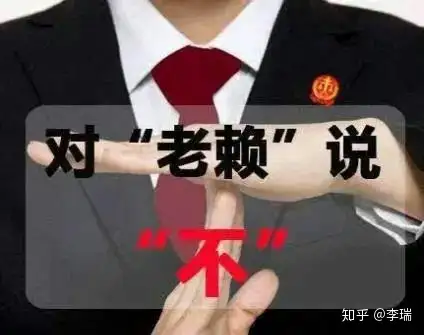
自古以来,“欠債还钱,天经地义”、“有借有还,再借不难”、“一诺千金”、“一言九鼎”一直是中国的优秀文化傳統也是最基本的社会规矩,然而今天却受到了严峻挑战。
有人替“老赖”开脱,认为他们不是不还钱,而是暂时没有钱,不是不想还而是还不起。我们何尝不希望如此,然而实现情况根本不是这样,赖帐行为中处处充满了欺骗和谎言,不要以为诈骗隻存在於陌生人之间,熟人之间更多。老赖赖帐的套路基本上是一樣的:钱一“借”到手就开始有意冷淡疏远,如果债权人不好意思开口催要,它们从来不会主动提还钱的事,等債权人实在忍不住张口时,就各种借口拖延,催的慢了不理不睬,催的急了便恶语相向,甚至各种暴力威胁、黑恶势力恐吓,最后电话微信拉黑、搬家跑路,断绝一切联系,失聯失踪。不起诉要不回钱,“急什么,又不是不还你”;一起诉又成了老赖的借口,“有本事你告去啊”、“你都告我了,我还还什么钱”、“这不是逼死人吗,有钱不早就还你了”——這都是老赖的一些原话。“没钱”成了它们理直气壮的理由,且底气十足,借钱给它们用反而成了它们怪罪的理由,没有亲身经历的人是无法想象到老賴有多么无耻的。按照它们的逻辑,别人的血汗錢都应该白白地奉献给它们挥霍才行,一要账立马就成了恶人、罪人,现代版的“农夫与蛇”的故事在這片神奇的土地上一遍遍地上演。即使經过法律判决,很多债权人依然拿不回自己的血汗钱,还白白地搭上诉讼费、律师费等,正是“花钱買仇人”、“赢了官司输了钱”。
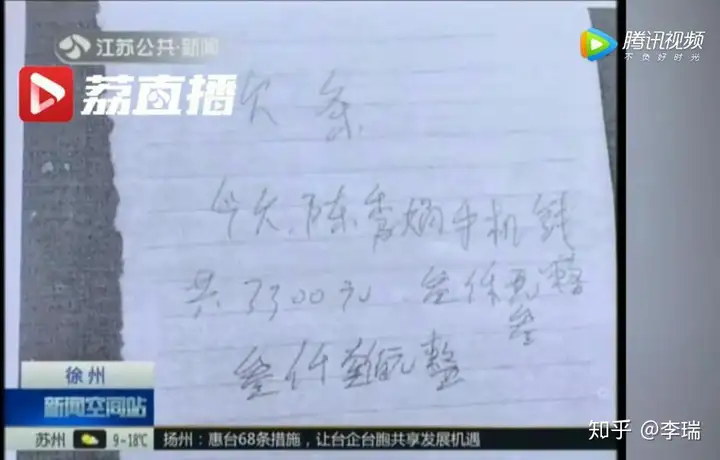
我们深知国家为此所做的努力,也采取了很多办法和措施,特别是最高人民法院“用二到三年时间基本解决执行难”的决心更是鼓舞人心。然而,我们也不得不看到,老赖依然在横行,赖账行为并没有减少。根據最高人民法院公布的数据,2008年—2012年5年间共发生1188.5万个执行案件,年均230多万件;到2013—2017年5年間则猛升到2224.6万件,年均440万件;2016年520万件,2017年660万件,2018年前9个月就达到了608万件,全年預计突破700万件应该没有悬念。截止到2018年11月,失信被执行人黑名单实时在榜人数已达1200多万人,老赖的队伍在迅猛地发展壮大!一个老赖通常又对应几个甚至几十个受害者,所以,受害者的人数更多。
面对老赖,受害者无可奈何,法院束手无策。为什么会这样?真的对老赖没有任何办法吗?我们认为原因固然是多方面的,但法律不到位,赖帐不入刑,对赖帐行为惩罚力度不够是根本原因。
一、赖账行为归民事不入刑是导致老赖横行的根本原因
当前,法律把赖帐案件称为“民间借贷纠纷”。我们不明白为什么要称之为“纠纷”而不是“涉嫌犯罪”,为什么称失信被执行人为“老赖”而不是“犯罪嫌疑人”?“纠纷”一词,词典的解释是矛盾双方因不同的意见或主张而起的争执(争议),争执不下才叫“纠纷”,是非对错需要第三方(法院)定夺。而民间借贷案件中,“欠债”的事实是非常清楚的,并不存在争议,就连老赖自己对这一事实也没有异议(白纸黑字怎么异议),“欠债还钱”更是最朴素最基本的规矩,借钱难道不应该还吗?难道还需要“争议”吗?尤其是经法律判决后,是非对错以及如何解决、如何履行都是很清楚的事情了。但由于定义为“纠纷”,使其得以名正言顺地归入民事案件而非刑事案件,反而让涉嫌犯罪的老赖逍遥法外了。
今天,在我们看来,绝大多数所谓的“民间借贷纠纷”其实根本就不是什么“纠纷”,而是犯罪行为,是实实在在的诈骗!
赖账行为,本质上同抢劫、盗窃、诈骗一样,都是非法侵占他人钱财的恶劣行为。老赖在借钱、拖延、逃债的过程中,往往虚构事实隐瞒事实真相,具有典型诈骗特征。《宪法》规定,公民的私有财产不受侵犯,保护公民的财产权利是《刑法》的任务之一。令人不解的是,连交通肇事这种过失行为都可以入刑,为什么恶意赖账却不能入刑?我们认为,无论是真还不起还是赖债不还,都是严重侵犯公民合法财产的行为。真还不起属于过失犯罪,有钱不还属于恶意赖账,是极其恶劣的故意犯罪。
赖账行为归民事不入刑是法律定位错误,导致违法成本过低,也是老赖肆无忌惮的根本原因。为此,我们强烈呼吁在刑法中增设“赖账罪”。判刑标准:经法院判决仍拒不履行还债义务的,即判刑入狱;刑期:什么时候还清什么时候放出来。
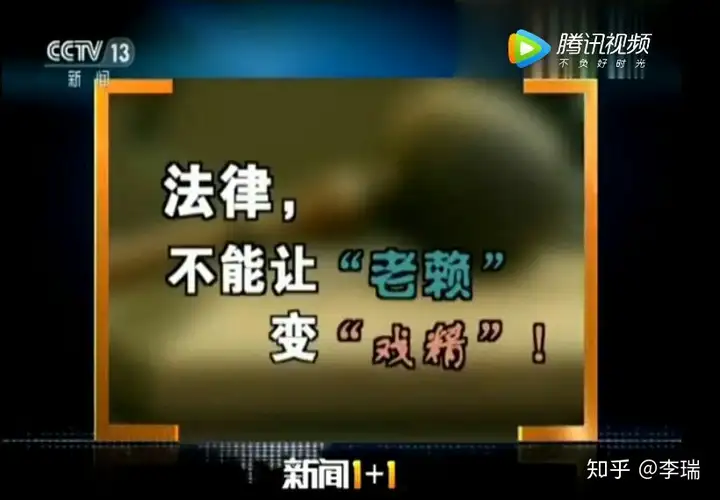
二、现有法律惩治手段偏软偏弱,对老赖构不成有效威慑
当前,法院对失信被执行人采取的主要手段有:黑名单公示(即中国执行信息公开网“失信被执行人”查询)、限制高消费、财产查控、司法拘留、“拒执罪”判刑等。除“拒执罪”判刑外,全都是民事手段。我们认为,企图运用道德手段来解决法律矛盾只能是幻想,一味用民事手段来解决刑事问题只能是徒劳。
1、先说财产查控。财产查控有没有用?有,但作用不大。一是财产查控只能查控老赖本人名下有登记的财产,对于没有登记的、隐匿和转移的财产无法查控。问题是,在明知道法院会查封的情况下,有谁还会把财产登记到自己名下?随便登记或转移到父母兄弟姐妹名下不行吗?银行转账动动手指就能搞定,财产转移如此简单,而查找起来却困难重重。二是相关单位能不能“协助”配合也是个很大的问题。据了解,很多地方的交警并不愿意协助法院查找车辆,一些银行、电信对待法院协助也很消极,并且只能提供本地域内的登记信息,提供不了全国范围内的登记信息,有的公安对于查找跑路老赖也不积极。据报道,安徽省泗县房管局的消极怠工,不肯配合法院的查封工作。法院多次发出协助执行通知书均被无视,导致“老赖”趁机将 32 套房一口气全都转移、变卖。
2、再说“限制高消费令”。限制高消费,顾名思义就是限制奢侈性消费、豪华性消费,并不影响老赖的日常生活。一个不对日常生活带来任何影响的措施有什么用?聋子的耳朵,当摆设吗?什么限制打高尔夫球、去夜总会之类,本身就是个笑话,就是不限制,有几个老赖打高尔夫球、去夜总会?还有限制高铁一等座、火车软卧、飞机之类,对一般人来说,二等座、硬卧、硬座已经足够了呀,而且真想乘坐交通工具,公共汽车、自驾等替代办法多了。至于限制星级酒店之类,那些以盈利为目的的场所,求都求不来呢,自然会主动帮着想办法,何况好多老赖还有多个身份证。
3、司法拘留。拘留一直被认为是对付老赖的最严厉惩罚,终极杀手,但真实的效果怎么样呢?据进过看守所的人介绍,司法拘留不同于刑事拘留,里面可以看电视、买东西,有的夏天有空调,冬天有暖气,除了不能外出之外,和住几天宾馆没太大区别,实际上很舒服。难怪连老赖自己都说“不就是住几天宾馆吗?”赖账几十万、几百万,仅仅以住几天宾馆为代价就能让老赖乖乖还钱?
4、失信被执行人名单公示。包括网上公示、街头公示、彩铃定制等,这种手段无非是想通过道德舆论的力量间接对老赖发挥作用。众所周知,道德和舆论只能在一定程度上约束人的言行,信用惩戒也只能在一定程度上发挥作用。而对于已经上升到法律层面的矛盾,还想靠道德舆论来解决不是搞笑吗?既然是法治社会,却为什么偏偏不用“法”治而用“信用”治呢?法院做为国家的一种强制力量,弃硬寻软,弃强寻弱,这是一种无奈还是一种悲哀?
5、最后说说“拒执罪”。“拒执罪”本身并不是为维护债权人的合法权益而设置的,而是为维护法院的所谓尊严而设置的,只有严重冒犯了法院和法官们才可能被判刑。所以,赖帐案件长期以来不能够自诉。问题是,老赖们谁会傻到去冒犯他们呢?据公开出来的数据,全国每年有600多万赖账案件中,以拒执罪判刑的不过才七八百,连1‰都没有,这样的判刑率能对老赖起到惩罚震慑作用?
根据周院长的工作报告,2016年至2018年9月,全国法院共受理执行案件1884万件,执结1693.8万件(含终本案件)。我们想知道,如果不含“终本案件”的话,这个“执结”的数字会是多少?明知道打虎需用枪支棍棒,却偏偏只递给执行法官一根麻秆,执行能不难吗?哪怕是吊销驾照也比限制打高尔夫球、去夜总会管用的多。
三、值得商榷的几个流行观点
1、“老赖可怜”观。有人出于同情弱者的心理对老赖抱以同情态度,因为借钱的都是没钱人,没钱才需要借钱呀。其实这是老观念了,现在的情况是穷人存钱富人才借钱。绝大多数老赖根本就不是没钱,他们借的钱一般不是用于日常生活消费,而是用于投资牟利或者奢侈性挥霍。持有这种观点的人,只看到老赖被追债时的装可怜,没看到老赖赖帐的无耻嘴脸。只看到个别被执行人可怜,没有看到很多受害者其实更可怜。
2、“执行不能”观。我们注意到“执行不能”这个词近年来一再被有关部门提起。所谓“执行不能”,即有的被执行人完全丧失履行能力,即使穷尽一切手段也无法追回债款,也就是真没钱。我们认为这一观点应该进一步深入分析。如前所述,由于当前法院的财产查控措施只能查控老赖本人名下有登记的财产,在对于没有登记的、隐匿和转移的财产无法查控的情况下,就把老赖定义为“完全丧失履行能力”是不妥当的。我们承认,如果是数额巨大的债务,确实有不能一次性还清的可能。但俗话说的好,“没多有少”、“没钱有话”,有三还二还一总可以吧?诚心诚意地向受害人解释一下求得谅解总可以吗?有的债务区区几千块钱,拖了多少年也不还一分是怎么回事?有的老赖本人账户上一分钱没有,多少年都没有一分钱出入,如果真的是一分钱都没有,老赖是怎么吃饭的生存的?一分钱不还,态度还极其恶劣,动不动就恶语相向、暴力威胁是怎么回事?江苏丹阳一个身背5亿巨额债务的老赖,自己和家人却住着两座价值千万的独栋豪宅,别墅装防弹玻璃,家中茅台一堆,极尽奢靡。
实际上,自原始社会以来,除非完全丧失劳动能力,任何一个成年人的劳动所得,除满足自己的生活需求外,都会有一定剩余,即使不能一次性付清,分期付款总可以吧?何况住着豪宅开着豪车就是不还钱的老赖多了去了。“执行不能”只能说明法院依靠现有手段暂时执行不了,不能代表老赖“真没钱”,更不能说明“完全丧失履行能力”。我们认为,法院不宜过分强调“执行不能”,否则只能导致司法公信力的下降。
3、“风险”观。有人认为借钱有风险,被赖帐是债权人应该承担的风险。投资有风险,市场有风险,但亲朋好友之间的正常借钱关系,从性质上看并不属于市场投资行为,只是亲朋熟人之间的一种正常的来往和交流(人与之间的正常交往,包括信息交流即语言交谈、物品和钱财的暂时相互借用)。虽然有的有利息,但这种利息本质上是一种感谢性回报而已,算不上投资。退一步说,即便看做是投资,从市场学的角度来说,“风险”也只能是来自于市场本身的客观因素(即不确定性),而来自人为的主观恶意欺骗行为是不可接受的,也是法律不可饶恕的。否则,“抢劫罪”、“盗窃罪”、“诈骗罪”、“合同诈骗罪”等岂不是都可以有“风险”为借口从刑法中删除了?双方自愿协商的借贷关系,有白纸黑字的借据,利息、归还时间、都是确定的事情,哪里来的“风险”一说?如果说有风险,也只是没有看清老赖的嘴脸而已。当然,债务人借钱去投资,其后的风险,那是债务人自已应该承担的风险,不能转嫁给债权人。债权人的义务只是借出,至于借出钱真正被用在了什么地方,是无须也无法控制的。
4、关于“个人破产法”的出台。近年来,一些专家和法律界人士在努力鼓噪“个人破产法”,把“个人破产法”视为解决“执行难”的法宝。似乎这个法一出台,“执行难”的问题就彻底解决了,从此天下无赖了。诚然,这个法出台后,如果不还钱的老赖都归入“执行不能”,然后被“破产”,然后终结案件,“执行难”的问题的确是被彻底“解决”了!再也不用劳神费力去执行了!
我们认为,当前,在“赖账罪”未列入刑法、个人信息还不能全面有效查控、财产审查审计制度尚不健全、联合惩戒机制尚未建立健全的情况下,匆忙出台“个人破产法”,既不符合中国文化传统,也不符合中国国情,只会给老赖起到保护伞的作用。如果按照现有的“执行不能”的处理办法,现在执行不了的,将来自然而然归入“执行不能”,会出现大量的假破产,大量的老赖将永远逍遥法外。以法律的名义废除老赖的债务,是对公民合法权益的恶意侵犯,是不公平的,也必然得不到广大债权人的认可。那样,债权人对法律将会由失望到绝望,进而放弃去寻求社会力量或私自了断,最终只会导致社会的混乱。
作为普通公民,我们没有渊博的法律知识,不知道修订刑法要经过什么样的程序和步骤,但做为赖帐这种不齿行为的切身受害者,我们强烈呼吁法律界的专家们和司法界的领导们,从维护公民的合法权益出发,从维护法律尊严的角度出发,从维护社会诚信体系建设的角度出发,从维护社会安全稳定的大局出发,高度重视这个问题的严重性,尽快启动立法程序,将赖帐行为入刑,设置“赖帐罪”,把情节严重的老赖判刑。


评论
发表评论