In the game of great powers, how can one move one style, one day and one night大国博弈,岂在一招一式,一朝一夕
In the game of great powers, how can one move one style, one day and one night
As a native of Northeast China, I knew the song "On the Songhua River" since I was a child:
My home is on the Songhua River in the northeast
there are forest coal mines
And the soybean sorghum all over the mountains...
Soybean occupies a pivotal position in the Northeast. China is the origin and country of origin of soybeans, and soybean cultivation has a long history. For thousands of years, it has been the world's largest soybean producer. In 1954, China's soybean production was surpassed by the United States, and then successively by Brazil and Argentina. China is now the fourth soybean producer in the world. In 1996, China turned from a net exporter of soybeans to a net importer of soybeans. The import volume increased year by year, and the foreign dependence exceeded 80%. The changes in these numbers have a thrilling story. In the game of great powers, how can it be one move and one move, one day and one night.
In the past few days, there have been more news about soybeans on the Internet. The reason is that China imported soybeans worth about 70 billion yuan from Brazil. This is what it says online:
In recent years, China has emerged in the international financial market and has become one of the largest creditor countries in the world. Brazil is one of the largest economies in Latin America. Most recently, China extended a $10 billion loan to Brazil in what was considered a "win twice" deal.
In the game of great powers, how can one move one style, one day and one night (1)
Why is this a "win twice" deal? Let's take a closer look at the specifics of this deal.
First, China lent Brazil $10 billion. Brazil can use the $10 billion to repay the $10 billion in debt it owes the United States. This means that Brazil has successfully avoided the risk of default while avoiding high interest charges. It was Brazil's first win.
Next, China bought $10 billion worth of Brazilian soybeans, paying 69 billion yuan. The deal boosted trade between China and Brazil, helping China get needed goods while Brazil boosted export earnings. This is Brazil's second win.
Then, Brazil used the 69 billion yuan to pay off China's 10 billion U.S. dollars in debt. This means that China has successfully reduced its dollar reserves, thereby reducing the risk. This is also China's first win.
At the same time, China has realized the trade settled in RMB with Brazil, which has increased the proportion of RMB in international trade settlement and provided a new way to de-dollarize international trade. This is China's second win.
Screenshot 2023-04-30 220924_copy.jpg
Moreover, this magical transaction between China and Brazil seems to have nothing to do with the United States, but in fact it has taken advantage of the United States. While China is de-dollarizing, it has used soybeans to put the United States together! So, have China and the United States ever had any problems with the soybean issue?
As we all know, with the gradual rise of China's economy, China and the United States have begun to directly collide in many fields.
The competition around the international import and export of soybeans is almost a thrilling game, which starts with China's entry into the WTO:
In the game of great powers, how can one move and one style, overnight (2)
Before 2001, China’s application to join the WTO was rejected by the United States many times. The most difficult reason to negotiate was that China must sign the “Sino-US Agricultural Cooperation Agreement” to open China’s grain market to the United States.
The main food crops exported by the United States are wheat and soybeans. The United States requires us to open all of them. Even if we negotiate a compromise, we must open at least one. If none of them are open, the United States will prevent us from joining the WTO. As long as one country does not sign China will not be able to enter, let alone the country that refuses is the United States.
After repeated weighing and negotiation, China finally opened the soybean market to the United States and retained the wheat market.
Although the price of soybeans is high but the output is low, the main purpose is to produce oil and meat. Even if there is a problem, at most it will not be able to eat meat, and wheat is a staple food. Retaining the wheat market can ensure the bottom line that Chinese people can eat enough.
In 2001, China joined the WTO and complied with the treaty to open China's soybean market to the United States.
Then the overwhelming American soybeans instantly destroyed China's soybean planting industry.
U.S. soybeans are genetically modified soybeans, and there are black soils everywhere in the country, which directly leads to particularly high soybean yields and low costs. They can also receive agricultural subsidies from the U.S. Treasury Department every year, which directly leads to the crushing price advantage of U.S. soybeans. The CIF price of shipping across the ocean to China can be half the price of soybeans in China.
In the face of the huge price gap, no soybean companies are willing to accept Chinese soybeans soon, and in the face of the sharp drop in soybean prices, farmers are unwilling to plant at a loss, and soon China's soybean production began to decline rapidly.
In 2002, China's soybean production dropped sharply.
In 2003, China's soybean production was only a fraction of what it was before joining the WTO, and soybean companies across the country were buying American soybeans.
After China stopped growing soybeans, American grain merchants began to operate.
After China stopped growing soybeans, American grain merchants began to operate. In August 2003, one month before the U.S. soybean harvest, the U.S. Department of Agriculture suddenly issued a statement saying that the drought would lead to a substantial reduction in soybean production, and then issued an announcement every month, reducing the expected soybean inventory for four consecutive months. Turn down.
Stimulated by the data released by the United States Department of Agriculture, the global soybean price began to soar, quickly rising from 2,300 yuan/ton to 4,400 yuan/ton.
This price has already exceeded the price of soybeans in China, but it takes time to grow soybeans, and we will not be able to produce soybeans in just a few months. The price of 4,400 yuan/ton is too high, which is equivalent to doubling the estimated cost. Chinese soybean companies refused to accept it, so they began to reduce imports and use the soybeans in stock to cope with daily production, hoping that after a period of time Soybean prices fell, because there were rumors that the US government would intervene in the soaring soybean prices, so many soybean companies chose to wait and see.
In 2003, China's soybean imports from the United States dropped by nearly half. This was based on the premise that soybean prices only started to rise sharply in August. Chinese soybean companies are unwilling to buy soybeans after the price has skyrocketed, what should they do?
The goods are all in my hands, and you have no production, so you can stop buying if you don’t buy it? I think it's beautiful. The harvest is about to begin.
In March 2004, the U.S. Department of Agriculture announced that it would not increase soybean production. After the announcement, the global soybean price soared, quickly rising to 5,500 yuan/ton, and there was no tendency to stop.
At this time, Chinese soybean companies finally panicked, because after half a year, the soybean stocks in their warehouses have been used up, and the U.S. Department of Agriculture has made it clear that it will not intervene. No matter how the soybean prices continue to rise, what will happen? Do it, the later you buy it, the more you will suffer. In a panic, Chinese soybean companies that have run out of soybean stocks have quickly signed huge long-term soybean purchase contracts with American grain merchants, and the signed purchase amount is an astronomical figure.
Almost all soybean companies in China have been arrested, and none of them can escape, because the supply of soybeans is in the hands of American grain merchants, and we really have no soybeans here. After all the soybean companies in China signed the contracts, American grain merchants began to close the net, because the purchases from other countries were only small fish and shrimps, and the fat meat they mainly focused on was Chinese soybean companies.
After all Chinese soybean companies signed high-priced soybean purchase contracts, the US Department of Agriculture suddenly announced two news. The first news said that the United States will formulate policies to encourage soybean production in order to consider the people's livelihood and food for the common people. The second news said that there is a problem with the previously released soybean inventory data, and the statistical caliber of the staff is wrong. In fact, there is not so much shortage of soybeans. Please don't panic buying soybeans.
Compassionate and compassionate, loving the people like children, no one can say that the USDA has done anything wrong!
As for the statistical mistakes of the staff, they have given warnings and punishments to several clerks internally.
But after these two news were released, the price of soybeans dropped from 5,500 yuan/ton to 2,200 yuan/ton in just over a month, returning to the starting point of this round of crazy soybean prices. Then all Chinese soybean companies were dumbfounded. I had just signed a huge long-term soybean purchase contract. If I purchased according to the high price agreed in the contract, I would suffer a huge loss. To pay sky-high liquidated damages. The liquidated damages are set very high, but the purchase of high-priced soybeans according to the contract will result in even more losses. After weighing the pros and cons, a large number of Chinese soybean companies chose to default, because even if the deposit was deducted, they would still have to pay sky-high liquidated damages, which would be less of a loss than purchasing soybeans at high prices.
Soon, the four major grain merchants in the United States jointly sued Chinese soybean companies for breach of contract, requiring Chinese soybean companies to pay more than 40 billion yuan in compensation. If they do not pay, they will impose a global soybean embargo on China and sue China in the WTO . That was more than 40 billion in 2003.
After this battle, the vitality of Chinese bean companies was severely injured, and they went bankrupt within a year. Except for a few bean companies with the national prefix, almost all of them died.
In 2003, there were more than 1,000 soybean processing enterprises in China. At the end of 2004, there were only more than 90 companies still alive, of which 64 were controlled by foreign capital, and there were only more than 30 Chinese soybean companies, most of which were state-owned enterprises. In just one year, 97% of Chinese soybean companies have been wiped out. This soybean campaign can be said to be annihilated.
Not only Chinese soybean companies, but also Chinese soybean farmers are bleeding heavily. At the end of 2003, the price of soybeans had soared to more than 4,000 yuan/ton. This price was already very profitable for Chinese soybean farmers. In March 2004, it even soared to more than 5,500 yuan/ton.
After seeing this price, Chinese soybean farmers were all red-eyed, so they began to plant soybeans during the soybean planting season in April. As a result, not long after, the US Department of Agriculture suddenly issued an announcement, and then soybean prices plummeted rapidly. By June, the price of soybeans will be only 2,200 yuan/ton, but at this time, Chinese soybean farmers have already planted all the soybeans, and there are only two months left before the harvest time. If you continue to plant soybeans until harvest, you will lose a lot. You dig up the half-planted soybeans, and you lose even more because the season is over and you can't grow anything else. By the end of August, China had a bumper harvest of soybeans, and the output soared, but the price of soybeans at this time had been firmly welded to 2,200 yuan/ton, and they could not be sold for more than one dollar.
In the year 2004, soybean farmers in China suffered massive losses. Facing warehouses full of soybeans, they wanted to cry without tears. They lost several years of savings in one year, and never dared to grow soybeans again.
China's soybean companies and soybean farmers all suffered heavy losses in 2004, and China's soybean industry was completely monopolized by American grain merchants from upstream to downstream. The U.S. Department of Agriculture said that it just accidentally counted the wrong data caliber, and it just hesitated when measuring whether to increase production policies.
However, the grain merchants in the United States said that they are just ordinary enterprises under the market economy and have no ability to interfere with prices.
Yes, the USDA and grain merchants are right, they are honest and good people, and what they do is completely legal and compliant, we are speechless anyway.
But judging from the actual results, American grain merchants completely destroyed China's soybean industry in a very short period of time, and have since completely monopolized China's soybean market. Hundreds of millions of liquidated damages income, the cost is only a few announcements from the government.
After a few rounds, China can be described as completely defeated in the soybean contest with the United States! But will the curtain of this contest come down?
In 2004, American grain merchants wiped out our food and made our mouths full of oil. What should we do if we are addicted to eating and continue to play like this for a few years?
After all, the production of soybeans at the lowest price is in the hands of American grain merchants, and the largest production is also in the hands of American grain merchants. American grain merchants have absolute pricing power on soybeans, and they can play with you at will.
Although Chinese soybeans are indeed inferior to American soybeans, and it is impossible to ban American soybeans in violation of the WTO agreement, we cannot allow American soybeans to reap wealth from China at will.
In 2004, when U.S. grain merchants lowered the price of soybeans to a low of 2,200 yuan per ton in an attempt to completely destroy Chinese soybean farmers, the Chinese government stepped in and appointed China Grain to build a soybean storage warehouse and purchase soybeans in large quantities.
The soybeans grown by Chinese soybean farmers are harvested by China Grain, and the imported soybeans sold by the United States are also harvested by China Grain. As long as the low-priced soybeans are all harvested by China Grain, the most modern soybean warehouses will be built in the shortest time, and then all warehouses will be filled.
In 2005, Sinograin continued to harvest soybeans. Sinograin is a secret collection and storage. No one knows how many soybeans Sinograin collected and sent to the warehouse in the past two years from 2004 to 2005.
Soybeans in stockpiles in China's grain reserves won't play a role if U.S. grain traders play their cards right.
However, after the United States fully took over China's soybean industry, it only took one year to settle down, and it began to act as a demon in the second year.
In 2006, U.S. grain merchants once again started the soybean war. Taking the disaster in the United States and the reduction of soybean production as an excuse, U.S. grain merchants continued to reduce soybean export volume and continuously pushed up soybean prices.
Hehe, what a coincidence, your soybean production has been reduced again, and the production reduction is too frequent. As soon as we buy your soybeans, your family will encounter natural disasters.
U.S. grain merchants said that U.S. soybean production has been reduced, and that the U.S. has suffered a serious disaster. We cannot confirm or falsify this.
But the difference from 2004 is that we have soybean reserves in our hands this time, and the China Grain Storage warehouse is full.
After the United States pushed up the price of soybeans to an unacceptable height, Sinograin began to release soybeans, selling soybeans in an orderly manner in units of 10 days, and selling them at a price slightly lower than the market price.
American grain merchants laughed when they saw it. All the soybeans in the world are here. Are you selling soybeans to smash the price for me? You bought soybeans for two years as a reserve, and the import volume and production are there. It is impossible to have many soybeans in your warehouse. You sell, you continue to sell, I'll see how much you can have in your hand.
After Sinograin opened warehouses to release soybeans, soybean prices continued to skyrocket, and U.S. grain traders continued to push up prices. Regarding this phenomenon, we are calm and continue to sell soybeans, and gradually increase the frequency of selling. The higher the bean price, the more frequently we sell. At the beginning, it was thrown every 10 days, then once a week, and finally every 3 days.
American grain merchants are not in a hurry, you continue to throw, I will take as much as you throw, and I will see how many soybeans you have in your warehouse and you can still throw them down. In 2004, I just ate a bunch of small fish and shrimp, and I was hungry for a year before I digested it. Since China Grain, a big whale, took the initiative to deliver it to my door, I will not be polite.
So this second soybean battle lasted for two years and lasted until the end of 2008.
U.S. grain merchants controlled the export volume and kept the price of soybeans high. It has been hard for 2 years and the price has not fallen. This ability to control prices, I admire, is really powerful, worthy of being a food giant.In the first soybean war, Chinese soybean companies knelt down after only half a year. In March 2004, they signed a contract and took the bait. It seems that they are still aware of current affairs. You can't last 2 years with high-priced soybeans.
But it has been a full two years, and the soybeans in Sinograin have not been thrown away, and they have been thrown away continuously. No one knows how much soybean reserves are left in the hands of Sinograin.
In 2004~2005, how much food was secretly eaten by the grain storage, and the ability to quickly fill the granary with food in such a short period of time is also admired. It is really amazing, and it is worthy of being a giant of grain storage.
The second battle of soybeans lasted for a full 2 years because of the confrontation between masters.
But in 2008, the financial crisis hit, sweeping across all financial markets in Europe and America, and the grain market also collapsed.
When the price of soybeans collapsed, Sinograin not only did not let go, but also took the opportunity to beat the dog in the water. Before the start of the 2008 Beijing Olympic Games, Sinograin released news that China has too many soybean reserves, and many soybeans have expired in warehouses. They are not suitable for consumption due to deterioration, and they intend to find cooperation with breeding companies to use them as farmed grain.
Take a look, come and take a look, we have too many soybeans, so much that they have been spoiled in the warehouse, and now they can only be used to feed pigs. After the news came out, the last breath of the soybean market was let out, and the price avalanche.
At the end of 2008, soybean prices fell to historical lows, and Sinograin began to secretly purchase large quantities of soybeans, filling up all the warehouses that had been sold at high prices in the previous two years.
China has won the second soybean war!
But Sinograin did not let down its vigilance, because we were able to win the second soybean war because of the financial crisis. If the financial crisis hadn’t hit the U.S. financial market hard and greatly increased the control costs of U.S. grain traders, then the second soybean war would have lasted for a few more years, and it would be hard to say who would win the battle. Sinograin might not necessarily win. American grain merchants, because the time window period left for us to reserve soybeans was only 2 years, which is too short. So after winning the second soybean war, Sinograin continued to frantically repair soybean warehouses, continue to frantically stockpile soybeans, and finally increased the soybean reserves to a level that made other countries look "crazy".
No one knows exactly how many soybean reserves China Grain has, which is a top secret, but the estimated value of any outside company is a figure that makes grain speculators look black after seeing it.
History is a surprisingly similar scene! How did Shanghai win the economic war when Shanghai was first liberated? If Americans can learn more about that period of history, the soybean war between China and the United States may end early!
After several rounds, American grain merchants never dared to launch the third soybean war to pinch China.
In 2020, the epidemic is raging and global grain production is reduced. 11 countries and regions have suspended soybean exports to China. However, China's soybean supply security remains unchanged. International grain merchants have no interest in even testing China's grain storage.
But has the soybean dispute between China and the United States really died down?
大国博弈,岂在一招一式,一朝一夕
做为一个东北人,小时候就知道《松花江上》这首歌:
我的家在东北松花江上
那里有森林煤矿
还有那满山遍野的大豆高粱……
大豆,在东北占据着着举足轻重的地位。 中国是大豆的起源地和原产国,大豆种植历史悠久。几千年来,一直是世界第一大豆生产大国。1954年,中国大豆产量被美国超越,后又相继被巴西、阿根廷超越,现为世界第四大豆生产国。1996年,中国从大豆净出口国转为净进口国,进口量逐年增加,对外依存度超过80%。这些数字的变化,有着惊心动魄的故事。大国博弈,岂在一招一式,一朝一夕。
这几天,互联网关于大豆的新闻突然又多了起来,起因就是中国从巴西进口了价值约700亿人民币的大豆。网上是这么说的:
近年来,中国在国际金融市场上崭露头角,成为世界上最大的债权国之一。而巴西则是拉美地区最大的经济体之一。最近,中国向巴西提供了100亿美元的贷款,这被认为是一项“赢两次”的交易。
为什么说这是“赢两次”的交易呢?让我们仔细看看这个交易的具体细节。
首先,中国借给巴西100亿美元。巴西可以用这100亿美元去还欠美国的100亿美元债务。这意味着,巴西成功避免了违约的风险,同时避免了高额的利息费用。这是巴西的第一次赢。
接下来,中国购买了价值100亿美元的巴西大豆,用690亿人民币支付。这笔交易促进了中巴之间的贸易,帮助中国获取了所需的商品,而巴西则增加了出口收入。这是巴西的第二次赢。
接着,巴西用这690亿人民币还清了中国的100亿美元债务。这意味着,中国成功减少了美元储备,从而降低了风险。这也是中国的第一次赢。
同时,中国实现了与巴西之间用人民币结算的贸易, 增加了人民币的国际贸易结算占比, 使国际间贸易去美元化又有了新的途径,这是中国的第二次赢。
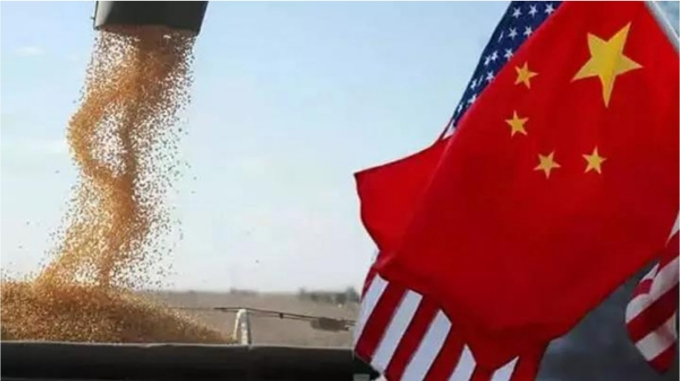
而且,中国与巴西的这番神交易操作,貌似与美国无关,实则是把美国涮了一把。中国在去美元化的同时,又用大豆实打实地摆了美国一道!那么,中国与美国在大豆问题上结过什么梁子吗?
众所周知,随着中国经济的逐步崛起,中国与美国在很多的领域都开始了直接碰撞,
在围绕大豆国际间进出口的较量,更是近乎于惊心动魄的博弈,这要从中国开始要加入WTO说起:

2001年之前,中国多次申请加入WTO均被美国拒绝,拒绝的理由中最难谈判的一条就是中国必须签署《中美农业合作协议》,对美国开放中国的粮食市场。
等中国不再种植大豆后,美国粮商就开始骚操作了。2003年8月,离美国大豆收获还有1个月的时候,美国农业部突然发表声明,说旱情将会导致大豆大幅减产,然后每个月发表一次公告,连续4个月将大豆的预期库存调低。
在美国农业部发布的数据刺激下,全球大豆价格开始飙升,迅速从2300元/吨暴涨到了4400元/吨。
这个价格已经超过了中国大豆的价格,但种植大豆需要时间,这短短几个月我们是变不出大豆来的。4400元/吨的价格实在是太高了,等于是把预计中的成本翻了一倍,中国大豆企业拒绝接受,于是就开始减少进口量,用库存的大豆应付日常生产,指望着过一段时间大豆价格回落下去,因为有传言说美国政府会对暴涨的大豆价格进行介入,所以很多大豆企业选择了观望。
2003年中国对美国的大豆进口量骤减接近一半,这还是建立在大豆价格从8月才开始暴涨的前提下。中国大豆企业不愿意买价格暴涨后的大豆, 怎么办?
货都在我手上,你自己也没产量了,你说不买就能不买?想的美哦。收割,即将开始。
2004年3月,美国农业部宣布不会对大豆进行增产,此消息公布之后全球大豆价格应声暴涨,迅速上涨到了5500元/吨,而且根本没有停下来的趋势。
这个时候中国的大豆企业终于恐慌了,因为撑了半年之后自家仓库里库存的大豆已经用完了,美国农业部又已经明确表态不介入了,这大豆价格再怎么没完没了的涨下去那可怎么办啊,越晚买就越吃亏。在恐慌之下,库存大豆耗尽的中国豆企纷纷迅速和美国粮商签署了巨额的大豆长期采购合同,签订的采购额是一个天文数字。
中国的大豆企业几乎悉数落网,没有一个跑得掉的,因为大豆的供应掌握在美国粮商手中,我们这边确实没有大豆了。等中国的大豆企业全部签了合同之后,美国粮商就开始收网了,因为其他国家的采购量只是小鱼小虾,主要盯着的肥肉就是中国豆企。
中国豆企全签了高价大豆采购合同之后,美国农业部突然公布了两个消息。第一个消息说,美国为了考虑民生,为了考虑老百姓的吃饭问题,将制定政策鼓励大豆生产。第二个消息说,之前公布的大豆库存数据有问题,属于工作人员的统计口径有误,实际上没有那么缺大豆,请大家不要恐慌性抢购大豆。
悲天悯人,爱民如子,谁也不能说美国农业部做错了什么!
至于工作人员的统计失误他们内部已经对几个办事员给与了警告处罚。
但这两个消息发布后,短短一个多月时间里大豆的价格就从5500元/吨爆降至2200元/吨,回到了这轮疯炒大豆价格的起点。然后所有的中国豆企全都傻眼了,自己刚签完巨额的大豆长期采购合同,要是按合同约定的高价采购那会亏的一塌糊涂,如果不按合同采购那不仅自己刚支付的保证金没了,还要支付天价的违约金。违约金设定的非常高,但按合同采购高价大豆亏的更多。权衡利弊之下,大量中国豆企选择了违约,因为即便被扣除了保证金还要支付天价的违约金,算下来也比高价采购大豆亏的要少。
很快,美国的四大粮商就联手起诉中国豆企违约,要求中国豆企支付400多亿人民币的赔款,如果不支付那就要在全球范围内对中国进行大豆禁运并在WTO起诉中国。那可是2003年的400多亿。
经此一役,中国豆企元气大伤,在一年内陆续破产,除了个别国字头的豆企抗住了其他几乎全死了。
2003年,中国共有1000多家大豆加工企业。2004年底只剩下了90多家还活着,其中64家为外资控制,中国豆企仅剩30多家且大多数为国企。短短一年时间中国豆企就被灭绝了97%,这一场大豆战役中国豆企可以称得上是全军覆没。
大出血的不仅有中国豆企,还有中国豆农。2003年底大豆的价格已经飙升到了4000元/吨以上,这个价格对中国豆农来说已经是利润丰厚,2004年3月更是飙升至5500元/吨以上。
看到这个价格后,中国豆农都红眼了,于是纷纷在4月份大豆的种植季节开始种植大豆。结果过了没多久,美国农业部突然发了公告,然后大豆价格迅速暴跌。到6月的时候,大豆价格就只剩2200元/吨了,但此时中国豆农已经把大豆都种下去了,离收获时间只剩2个月。你继续种植大豆到收获,会亏损惨重。你把种了一半的大豆挖出来,亏损会更惨重,因为农季已过,你种不了其他东西了。等到了8月底,中国大豆大丰收,产量飙升,但此时的大豆价格已经被牢牢焊死在了2200元/吨上,多一块钱都卖不出去。
2004这一年,中国的豆农大面积亏损,面对满仓满库的大豆欲哭无泪,一年亏掉了好几年的积蓄,从此再也不敢种植大豆。
中国从豆企都豆农都在2004年损失惨重,中国大豆产业从上游到下游被美国粮商借此全部垄断了。美国农业部说自己只是不小心统计错了数据口径,只是在衡量是否增产的政策时犹豫了一下。
而美国的粮商说,自己只是一个市场经济下的普通企业,没有干涉价格的能力,自己也只是个老实人,老老实实的按合同办事而已。
是的,美国农业部和粮商都没错,都是老实人和好人,做的事情都完全合法合规,我们反正是哑口无言。
但从事实结果来看,美国粮商在极短时间内彻底摧毁了中国的大豆行业,从此彻底垄断了中国的大豆市场,在这个过程中不仅自己一点成本都没有付出,最后还赚了几百亿的违约金收入,代价仅仅只是让政府发了几张公告而已。
几个回合下来,中国在与美国的大豆较量中可以用完败来形容!但这较量的帷幕会就此落下来了吗?
2004年美国粮商把我们吃干抹净吃的满嘴流油,要是吃上瘾了过几年还这么玩一遍那该怎么办?
毕竟最低价格的大豆生产掌握在美国粮商手里,最大规模的产量也掌握在美国粮商手里,美国粮商拥有对大豆的绝对定价权,他们可以随意玩你。
虽然中国的大豆确实打不过美国大豆,也不可能违反WTO协议来禁止美国大豆,但我们不能任由美国大豆这样搅风搅雨的随意从中国收割财富。
2004年,趁着美国粮商把大豆价格打至2200元/吨的低位,意图彻底摧毁中国豆农时,中国政府出手了,委派中储粮建立大豆储备仓库,大量收购大豆。
中国豆农种的大豆,中储粮收,美国卖过来的进口大豆,中储粮也收,只要是低价大豆中储粮全收,在最短的时间里建最多的现代化大豆仓库,然后把所有仓库全部填满。
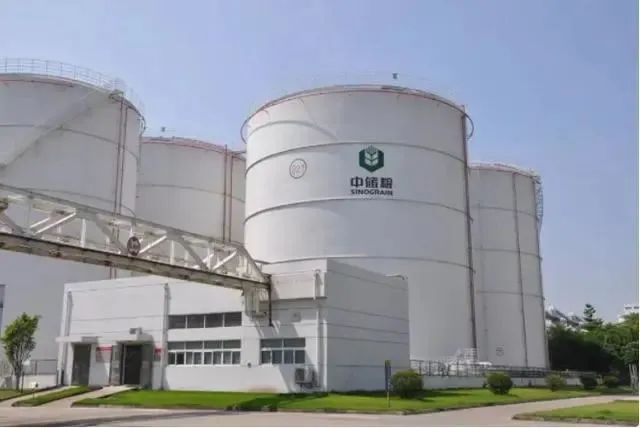
2005年,中储粮继续收大豆。中储粮是暗中收储,没人知道中储粮在04~05年这两年到底收了多少大豆送进了仓库。
如果美国粮商安分守己,那中储粮库存的大豆并不会发挥作用。
但美国全面接管中国大豆产业后仅仅只安分了1年,第二年就开始作妖了。
2006年,美国粮商再度开启大豆战,以美国遭灾,大豆减产为由,美国粮商不断收窄大豆出口量,不断推升大豆价格。
呵呵,这么巧啊,你们家的大豆这又减产了,这减产的也太频繁了吧,我们一买你们家的大豆,你们家就遭遇天灾啊。
美国粮商说美国大豆减产了,说美国灾情严重,这个我们无法证实也无法证伪,即便你千辛万苦证伪了也解决不了任何问题,美国大豆不卖就是不卖,你能怎样?
但和2004年不同的是,我们这次手里有了大豆储备,中储粮仓库里摆的满满当当。
美国把大豆价格推升到一个我们难以接受的高度后,中储粮就开始开仓放大豆,以10天为一个单位有序的抛售大豆,以略低于市场价的价格进行平价销售。
美国粮商一看就笑了,全球大豆都在我这里,你给我玩抛售大豆砸价格?你撑死就买了2年大豆做储备,进口量和产量在那里摆着,你仓库里不可能有多少大豆。你卖,你继续卖,我看你手里能有多少货。
中储粮开仓放大豆之后,大豆价格还在不断的疯涨,美国粮商继续推升价格。对于这种现象,我们不急不躁,继续抛售大豆,而且慢慢提升抛售频率。豆价越高,我们抛售的越频繁。一开始是10天一抛,后来是每周一抛,最后是3天一抛。
美国粮商也不急不躁,你继续抛,抛多少我接多少,我倒看看你仓库里有多少大豆还能抛下去。04年只是吃了一堆小鱼小虾,还没消化一年就饿了,既然中储粮这头大鲸鱼自己主动送上门那我就不客气了。
于是这第二次的大豆之战一口气打了两年,持续到了2008年底。
美国粮商控制出口量,始终维持大豆的高价,硬顶了2年都没让价格跌下来。这控制价格的能力,佩服,真的是厉害,不愧是粮食巨头。
第一次大豆之战中国豆企只扛了半年就跪了,04年3月份签约上钩,看来其实还是识时务的,要是咬着牙不上钩那美国粮商真能让你2年都得买高价大豆,你不可能撑的了2年。
但这足足2年的时间,中储粮的大豆居然还没抛完,连绵不绝的始终在抛,没人知道中储粮手里到底还剩多少大豆储备。
04~05年中储粮到底暗中吃了多少货啊,这短时间内急速吃货填粮仓的能力,同样佩服,真的是厉害,不愧是储粮巨头。
第二次大豆之战能打足足2年这么久,就是因为碰上了高手对决,双方互不退让,看谁先扛不住。
但2008年,金融危机降临了,席卷整个欧美的所有金融市场,粮食市场也跟着崩盘了。
在大豆价格崩盘之时,中储粮不仅不松手,还趁机痛打落水狗。在2008年北京奥运会开始之前,中储粮放出消息说,中国的大豆储备太多了,很多大豆已经在仓库里放过期了,因变质不适于食用,有意向寻找养殖企业合作当成养殖粮使用。
看看,都过来看看,我们这大豆太多了,多到都在仓库里放变质了,如今只能拿来喂猪。消息传出后,大豆市场的最后一口气泄了,价格雪崩。
2008年底,大豆价格降到了历史低点,中储粮开始暗中大量收购大豆,把前两年高价抛空的仓库全部填满了。
中国赢下了第二次大豆之战!
但中储粮并没有放松警惕,因为第二次大豆之战我们能赢是借了金融危机的东风。如果不是金融危机沉重打击了美国的金融市场,极大增加了美国粮商的控盘成本,那第二次大豆之战会再持续几年,最终鹿死谁手,那还真不好说,中储粮未必一定能赢美国粮商,因为当初留给我们储备大豆的时间窗口期只有2年,实在是太短。所以赢下第二次大豆之战后,中储粮继续疯狂修大豆仓库,继续疯狂储备大豆,最终把大豆储备量提升到了一个让其他国家看起来觉得“丧心病狂”的程度。
没人知道中储粮到底有多少大豆储备,这是绝密,但外界任何一家的估测值都是一个让粮食炒家看了之后能眼前一黑的数字。
历史就是有惊人相似的一幕!当年上海刚解放时,上海是如何打赢经济战的?如果美国人能多学学那段历史,中美大豆之战可能会提早结束!
几个回合下来,美国的粮商再也没敢发动第三次大豆之战来拿捏中国。
2020年疫情肆虐,全球粮食减产,11个国家和地区暂停对中国出口大豆,但中国的大豆供应安全依然岿然不动,国际粮商连试探中储粮的兴趣都没有了。
但中美大豆之争真的从此偃旗息鼓了吗?


评论
发表评论