If you don't understand millions of prostitutes going to Nanyang, you don't understand why the Japanese suddenly go crazy不了解百万妓女下南洋,就不理解日本人为啥突然就疯了
Regarding the war of aggression launched by Japan back then, many popular opinions are: it was provoked by a small group of fascists in Japan, and the Japanese people were not willing to fight. The immoral things they did in China were completely forced or brainwashed by the government. , they are also victims of war.
But the actual situation may not be like this. Just before Japan launched the war of aggression against China, all the social elites and ordinary people in Japan believed that "the only way out is war." It can be said that Japan wanted to invade China and planned It has been a long time, and this is the collective will of the Japanese people.
Today's issue mainly talks about why Japan went crazy collectively, and then went to war step by step?
01
After the Meiji Restoration, Japan began to transform into an industrialized country, but the whole process was worse than death.
As a latecomer country, Japan’s development path is not easy at all. The whole country tightens their belts to work for Europe and the United States. After earning foreign exchange, some upgrade equipment and expand production, and some buy weapons to prepare to rob their neighbors, while ordinary people are squeezed. At the limit, the quality of life is not as good as that of Qing Dynasty.
At the government level, the power center in Japan is dominated by the families of the two great feudal lords. Historically, Japan in this period was called the "Floral Lord Government". One meaning of the family politics.
Herein lies a problem.
After the Meiji Restoration, Japan also began to engage in parliamentary elections. Those middle- and lower-level samurai and intellectuals also wanted to participate in national management, so they formed political parties one after another and wanted to climb up. The channel was also blocked.
At that time, Japanese society was divided into various categories, including ordinary people, landlords, and even civil servants. After a certain level of involvement, the society became a bit immobile, and some people became poor and wanted to change.
There is only one solution given by unscrupulous Japanese scholars-robbing neighbors!
Attention everyone, robbing neighbors is not an individual idea of a few intellectuals, but a general consensus in Japanese society at that time.
They also have a very popular theory called "Conquest of Korea". They can also be transferred back to Japan; and ordinary people who can't get along can also go to North Korea to find a way to survive.
Everyone knows what happened later. In 1894, Japan won the Sino-Japanese War, occupied Korea and our Taiwan Province, and received 200 million taels of silver as war indemnity; Great Powers Club.
However, Japan has no sense of presence among the great powers, and is often squeezed out, and its mentality collapses.
First of all, only the Japanese in the Great Powers Club are of yellow race, and they are not in the Christian cultural circle. Usually, when the Great Powers hold meetings, the Japanese representative can only listen quietly, occasionally giggling, and cannot chat in private. At the Versailles Peace Conference, although Japan proclaimed itself one of the top five, it was excluded everywhere.
Secondly, Japan got on the bus late. By the time Japan became a military power, the colonies around the world would have been divided up. It's like, Japan finally mastered the Sunflower Collection on the island, and went to the martial arts conference happily to compete with swords, but people wanted to fight in literature instead of fighting in martial arts, which made Japan very angry.
Although Japan cut away North Korea and Taiwan Province of China by virtue of the Sino-Japanese War of 1899-1895, compared with those old hooligans, Japan felt that its colonies were too few.
The most unbalanced state of mind in Japan was at the Paris Peace Conference. As a victorious country in World War I, Japan did not gain anything. The common people in the country gave up and went to the streets shouting slogans all day long, feeling that their national dignity was insulted by the great powers. Yes, the Japanese delegation couldn't bear the pressure and proposed that if the big brother ran over, he couldn't return empty-handed! Can you transfer the German colony in Qingdao to yourself, so that you will have an explanation when you return to China.
But the problem is, China is also a victorious country, how can it win the war and not return to the colony? As a result, China and Japan quarreled at the Paris Peace Conference.
At that time, countries generally sympathized with China and hated the shameless idea of the Japanese, but the Japanese representative didn't care, and threatened that they would not join the League of Nations unless they got Qingdao.
In the end, the great powers had no choice but to allow Japan to occupy Qingdao, but Japan basically had no friends in the international community.
After China received the news, it immediately blew up the pot, and regarded Japan as the number one enemy from top to bottom. But at that time, they couldn't do anything with Japan, so they could only do Japanese goods, which made the Japanese economy very painful.
After the First World War, the international order was basically established. From the conclusion of the Paris Peace Conference in 1919 to the Great Depression in 1929, the years were quiet and good.
But we all know that there is an undercurrent in Europe. After Mustache came to power, Germany's war machine has begun to start; and Japan in the east is becoming more and more manic every day, because it itself has begun to fall ill.
The first problem in Japan is the population problem. Since 1920, the population of Japan has increased rapidly. For the first time, rice is not free. 15% of rice needs to be imported, which makes Japanese society very panic.
Here I need to explain that after World War I, human society had just ended the era of imperialist looting everywhere, and people lacked confidence in the idea that doing business could avoid war, so as long as there was a food shortage in a country, the whole society was very tense, because the great powers and neighbors It is possible to take advantage of your illness and kill you.
Secondly, Japan's civil and military divisions have been at odds for a long time, and the lower-level military officers are very restless. If they disagree, they will kill the prime minister.
Anyone who understands modern Japanese history knows that the emperor used the samurai group to abolish the shogunate and daimyo, and later set up the parliament and cabinet, and the samurai group evolved into Japan's military officer group. The regiment is directly loyal to the emperor. Therefore, if the elected prime minister does not listen to the emperor, the officer corps will get rid of the prime minister. The two prime ministers, Yuyuki Hamaguchi and Takeshi Inukai, and several other responsible politicians were killed in this way.
Let’s talk about it one by one. The brains of Japanese civil servants are relatively sober. They realized very early on that launching a war of aggression against China would lead to a dead end, but their words are useless. The real power in Japan has always been in the hands of the emperor and the army. , this group of people's thinking is very pure, that is, when they can't get along, they will grab it. What if they get it?
The officer corps is a bit like the "Gu" raised by the emperor, but it is always a low-level "Gu". At first, this "Gu" was just to check and balance the civilian group.
02
In 1929, the Great Depression also affected Japan. Textile exports decreased by 30%, but rice imports were not less than a catty. As a result, foreign exchange reserves fell sharply, and the Japanese government had to tighten money significantly. The consequence was that domestic commodities and agricultural products Prices plummeted.
In order to make ends meet, the farmers sold their daughters to Fengyuechang. Later, there were too many employees, and Fengyuechang was also heavily involved. Japanese girls could only go to Nanyang to sell their skin and meat. They earned foreign exchange and sent it back to Japan to subsidize their families. More than 1.4 million Japanese girls went to Nanyang to sell their flesh.
What about families who have no daughters or cannot afford to raise sons?
Easy to do, send them to North Korea and China's Dalian to join the army, this is the basic set of the Kwantung Army.
The Kwantung Army are all the sons of the lowest-level farmers in Japan. Their older sisters sold their flesh in Nanyang, and they were brainwashed by domestic unscrupulous literati. The militaristic mood is a little bit high. Every day, they think about robbing their neighbors to be loyal to the emperor. Soon this group of people Out of control.
In those years when Japan went crazy, except for the surprise attack on Pearl Harbor, which was done by the Japanese upper class, almost all other major events were made by lower-level military officers with a feverish brain.
The person who planned to kill Marshal Zhang back then was Dasaku Kawamoto, a staff officer of the Kwantung Army, equivalent to a captain and company commander today. He felt that if Marshal Zhang was killed, the bandits in the Northeast would be in chaos. After cleaning up the mess, the entire Northeast can be easily cut off.
As a result, after Marshal Zhang was killed, Japan was stupefied and didn’t know who did it. After the investigation, the Prime Minister, the Minister of Army and the Commander of Kanto were all laid off, but Daisaku Kawamoto was lucky not to be killed. Shot, but also retired early. On the northeast side, Little Six killed a few army leaders and quickly stabilized the situation.
Later, Seishiro Itagaki took over Daisaku Kawamoto's position, but he still wanted to provoke a dispute between China and Japan and continue to complete Daisaku Kawamoto's unfinished business.
Itagaki Seishiro
In 1931, Seishiro Itagaki began to connect with others, and finally contacted Ishihara Wanji. They planned to attack the Northeast Army’s North Camp on September 28. Later, they moved forward to September 18. Due to hasty preparations, they attacked 180 people in the North Camp. The Japanese soldiers rushed in without even taking their guns.
Everyone knows what happened later. The Northeast Army gave up the Northeast without firing a single shot. It was Xiaoliuzi who admitted himself that he ordered not to shoot, because he was worried that it would trigger an all-out war against China.
As for this topic, we will not discuss it, because at key points in history, no one has opened the perspective of God, and it may not be possible to make a better choice for another person.
Or back to Japan.
The 9.18 incident was entirely a major event caused by two junior officers stationed abroad, Wanji Ishihara and Seishiro Itagaki. They did not report to the commander-in-chief of the Kwantung Army until they succeeded, and the commander-in-chief of the Kwantung Army hurriedly reported it to Tokyo.
The Japanese cabinet was shocked after receiving the news, why didn't you say such a big thing earlier! Your military is messing around! You are blatantly trampling on the Nine Powers Pact and the Non-War Treaty! In the future, how can we literary gallant walk in the international arena?
In the face of civil servants scolding their mothers, the Japanese military department was very stubborn. Not only did they refuse to admit their mistakes, but they also uttered harsh words, saying that if the civilian government was blind, the cabinet would be resigned. However, under the flickering of the media, the Japanese people became enthusiastic and ran to the streets to support the Kwantung Army. Faced with such turbulent public opinion, the Emperor of Japan was also vain, and just said that everyone should live with it and not expand the matter.
After the Northeast was occupied, Lao Jiang put all his hopes on international mediation. The Kuomintang government ran around, hoping that Britain and the United States could come forward to discipline Japan. After all, Britain and the United States have a lot of interests in China, but they have always been quiet. Ruji didn't even have a verbal reprimand.
At that time, the United States was in the most painful stage of the Great Depression. In order to save the economy, Roosevelt simply launched trade protection, closed the door and concentrated on solving domestic problems, and had no mood to care about China and Japan.
But Britain and France are even more obscene. They have been thinking about giving China to Japan, so that Japan will no longer worry about the territory of Southeast Asia, so they pretended not to see it.
As we said before, the Japanese Army evolved from a group of low-level warriors, and the Kwantung Army was the lowest-level group in Japan. They don’t understand what political wisdom is. The silence of China and the international community has made the Kwantung Army’s confidence skyrocket .
Less than a month after 9.18, the military department forgot the emperor's "no expansion" decree, and then occupied Inner Mongolia and the entire Northeast, and drove all the Northeast Army into the pass. In March of the following year, the Kwantung Army was in an emergency The establishment of the puppet Manchukuo is to cook raw rice into mature rice.
When things got to this point, the League of Nations couldn't continue to support the corpse, pretending to be invisible, the League of Nations officially issued a document condemning Japan, and asked Japan to choose between the international community and Manchuria.
At this time, the Japanese Prime Minister was named Inuyang Takeshi (I am not swearing, this is his real name). He was one of the few in the Japanese government with a relatively clear mind. Inuyang Takeshi knew that if Japan and the international community turned the table, Japan would If you are isolated, you will not be able to do business in the future; but the problem is that the domestic military sticks and troublemakers are emotional, and they will never easily spit out the robbed territory, and the domestic political environment cannot return to before 9.18.
Therefore, while making a high-profile echo of public opinion, Inukai Takeshi is actively negotiating with China and the international community in private, hoping to reach an understanding. This matter was quickly seen through by the military, and then they found someone to kill Quan Yangyi. Since then, the Japanese civil service group has never dared to restrain the military, and has completely become a role of soy sauce.
Inuyang Takeshi
From 1931 to 1937, these were the six years when China was most isolated and helpless.
Britain and France are doing their best to guard against Germany, and have no mood to take into account the Sino-Japanese issue. After Roosevelt came to power, the United States simply closed its doors to engage in economics, and even agreed to let the Philippines become independent in 1946, intending to give up the entire Western Pacific region.
During those days, Lao Jiang was desperate. In 1933, the government and Japan signed the "Tanggu Agreement", which stipulated that the Great Wall should be used as the boundary, and China and Japan would break away from military contact. Although the government kept saying that this was an armistice agreement and that it had no intention of ceding Manchuria, anyone could see that this agreement was equivalent to tacitly acquiescing Japan's presence in the Northeast.
Moreover, Lao Jiang has been emphasizing his own theory, that is, "to fight against the outside world, we must first secure the inside."
But from the perspective of the Japanese military, after taking over the Northeast, the international environment is no more than that. Apart from scolding a few mothers, China and the international community have no actual actions at all, and even the domestic writing has stopped. The Japanese military His ambitions grew bigger and bigger.
03
The last question is why Japan launched a full-scale war of aggression against China.
After winning the three northeastern provinces and Inner Mongolia, the Kwantung Army was satisfied, and the Japanese government began to devote itself to returning to the international community.
What Japan told the big powers at the time was, you see that China has undergone the Northern Expedition and the Central Plains War in recent years, and the whole country is in chaos. It is better for Japan to come forward and act as the protector of the interests of various countries in China, free of charge;
In addition, didn’t the great powers establish an international order after World War I? The ratio of the number of US and Japanese navies should be maintained at 10:7. This is not fair. Now that Japan is also strong, the number of US and Japanese navies should also become 1:1. , and the United States must also recognize Japan's status as a major power in the Pacific region.
The response from the United States is just one word, get out!
Japan did not show weakness, and simply tore up the "Washington Naval Treaty", which was a complete break with its international counterparts.
The Great Powers Club couldn’t go back, so the Japanese military had two very punk ideas:
One way of thinking is that if Japan wants to maintain its interests in East Asia, it must go north to fight the Soviet Union, because regardless of ideology or historical grievances, the Soviet Union is a serious problem for Japan. If they wait until the Soviet Union develops, they will definitely develop eastward At that time, Japan may not be able to withstand the attack of the Soviets. People who hold this kind of thinking are known as the Northern School.
Another idea is that beating the Soviet Union will not solve the problem. The international order is not created by the Soviet Union, but by Britain and the United States. If the white devils such as Britain, the United States, France and the Soviet Union are not driven out of Asia, then Japan will always succumb to the game of European and American powers According to the rules, be a second-rate country that depends on others. Because this faction has a relatively wide range of attacks, it is called the total faction.
But whether it is the Northward School or the Total School, they always think that they represent Asia, and driving the European and American powers out of Asia is in the interests of all Asians, and they will also get the support of the Chinese people. This is very ridiculous.
Since neither of the two factions could persuade the other, it gradually evolved into a line dispute. Originally, the Northward faction had a chance to win, but the young officers of this faction were more conflicted. The partner couldn't do it well, and leaked the plan in advance, but was completely cleaned up by the other party. In this way, the totalists took control of the situation.
In 1936, the Japanese government and military set a grand strategic goal: to maintain the advantages of the Asian continent, to resist the Soviet Union, and to expand to Southeast Asia.The translation is that it is necessary to go north to fight the Soviet Union, and to go south to fight Britain and the United States. In the middle, it is necessary to maintain military superiority in China. It is just that the army and navy have different opinions on who to fight first, but the general division of labor is as follows: The army went north to deal with the Soviet Union, and the navy was responsible for going south to deal with Britain and the United States.
In addition, in order to concentrate its forces against Britain, the United States, and the Soviet Union, Japan decided to abandon North China and try its best to protect Northeast China, because once Japan fell into an all-out war against China, its war resources would be insufficient. This is Japan's basic national policy.
Looking at the world, this basic national policy of one enemy against four means that the Japanese dare to think and do it at the same time.
So here comes the question, since Japan wants to fight against Britain, the United States, and the Soviet Union with all its strength, why did it launch the July 7th Incident?
This is actually a coincidence of various kinds.
In June 1937, Konoe Fumimaro became the Prime Minister of Japan. This buddy came from a top wealthy family, but his ability is very average. After he became the prime minister, he was unwilling to be a puppet, but he was unable to fight against the military. In order to show that he could hold the situation, he was more radical than the military. Inciting the militaristic sentiments of the people, he also claimed that "it will not hesitate to fight a protracted war with China."
The military department requested to transfer three divisions from the mainland to deploy in North China, and Konoe approved it without even thinking about it.
On the Chinese side, in 1936, just after the Xi'an Incident, Lao Jiang was disgraced, and urgently needed to find an event to re-establish his own personality. After the July 7th Incident, Lao Jiang had no other options and had to face the Japanese. Be tough. He first ordered the Beiping Autonomous Government not to negotiate with Japan, and then mobilized troops from Nanjing to march into North China. In Lao Jiang's view, Japan did not have the confidence to launch a full-scale war, so it retreated at any step.
The problem is that the Japanese side is a Konoe who has just taken office for a month, and both sides urgently need to prove themselves. In this way, the large forces of both sides have formed a battle in North China, and a big war is inevitable.
Not much to say about what happened later, Japan launched a full-scale war of aggression against China, and later went to Southeast Asia to snatch the colonies of Britain and the United States, and finally returned to normal after being educated by the two atomic bombs.
epilogue
Having said so much, I just want to make one thing clear. Back then, Japan went crazy step by step and launched an all-out war. This was the collective will of Japan. If they can resist a little, those low-level Japanese officers will have to apologize, and there will be no full-scale war later. It was Lao Jiang and Xiao Zhang who tried their best to avoid the war that made Japan continue to expand, and finally the whole country was involved in the vortex of war.
After all, the international community has no principle of the rule of law at all. The law of the jungle has always been prey to the strong, and the winner takes all. Once you show your cowardice, gangsters and bandits will immediately surround you.
After the founding of the People’s Republic of China, we went to North Korea to fight against the Americans under great pressure, because the lessons learned in the past 100 years were too profound. When others came to your door, if you pretended not to see them, they would come to you next step. Homes were burned, killed, looted and smashed.
Therefore, the lessons of history tell us that in the face of threats and temptations, we cannot retreat even one step.
If Zhang Xiaoliu had been able to resist a little at the beginning, those low-ranking Japanese officers would have to confess their guilt, and a full-scale war would not have occurred later. "Placing hope in Japan's bureaucratic system to solve September 18th is completely conceited by Chinese fans, and it is not even as reliable as Jiang Zhang's League of Nations plan. You said it yourself, the bureaucracy wants to control the military but can't control it. The more rational prime minister was chopped off. How could you suddenly make the young faction seppuku. The parallel universe you deduced is too diode.
If Zhang Xueliang issued an order from Beiping to demand that the elite Northeast defenders in the pass (actually the alliance of various military leaders, Zhang Xueliang's uncle and uncle, who has been infiltrated by Japan since Zhang Zuolin's time) resolutely resisted, then some of them would have escaped , Some people completely voted against Japan, and a small number of people who resisted violated the non-resistance policy set by the Chiang Kai-shek Nationalist government early, and started war against Japan without state authorization, "illegally resisting Japan." In Japan, however, the situation is turbulent, and civilian officials cannot suppress the military (you can see the materials of the imperial meeting on September 19 and 20, there is no suppression of the military at all, it is completely accelerated)
Under such circumstances, what Zhang Xueliang faced could only be that the few loyal Northeast troops left behind were strangled by the Japanese reinforcements in place, without any support from the Republic of China government behind them, and the Northeast territory was quickly lost. The various warlords in Guan Nei and North China who surrendered to themselves on the books have won the support of Japan to besiege themselves (for example, Yan Xishan secretly boarded a Japanese plane before 918 and sneaked back to take control of the army; Jiang received the Fengtian Arsenal inventory rewarded by the Japanese)
Then the public opinion was like the Middle East Road, first they shouted and shouted, then they insulted the teacher and humiliated the country, and finally the argument fell on Zhang Xueliang's arbitrariness in starting the war to drag the country into the water. 90 years later, the textbooks compiled by the southerners are because Zhang Xueliang’s Northeast Army has been kidnapping the country for foreign wars since it changed its flag for personal gain in 1928. From the Middle East Road to September 18, although the government has calmly restrained and refused to provide any support, it is still After giving the Japanese military an excuse, the peaceful Japanese civil servants were unable to suppress the raging public opinion, which caused Shanghai 128 to be devastated by the flames of war, and the fuse of the all-out war between China and Japan was laid! Mao Zedong's strategy is the "China strategy". Chen Cheng, Bai Chongxi and other senior national army cadres agree with it and implement it. The "space for time" advocated by Mr. Jiang Baili is a protracted war. The Battle of Songhu was launched to change the general direction of the Japanese army's strategic offensive. , Which of your eyes saw Chairman Mao say that the Eighth Route Army is invincible? Even if I can’t understand the book, I’m just talking nonsense [Surprise] Zhang Xueliang is the biggest prodigal son in the modern history of the Chinese nation, and he has no face to go back to the Northeast after he dies. He himself admitted that he made a mistake in his judgment, what are you making of fooling around here, it is reasonable to run away. Northeast is Zhang's base camp, anyone can run, but Zhang Xueliang can't run, squatting in the Northeast he is the Northeast King, leaving the Northeast he is a lost dog. Sun Quan understands this truth. Anyone can surrender, but I, Sun Quan, cannot. Anyone can escape, even Zhang Xueliang can't escape, his little six don't understand, and you don't understand either?
Back then, the little devil invaded China was indeed the wish of all Japanese citizens. In fact, the little devil was like a poor boy. At the beginning, he tightened his belt to buy lottery tickets (the Sino-Japanese War of 1894-1895). Is it such a good thing? Later, the international environment gradually changed, the Great Depression, etc. These are all external factors. In fact, the little devil has dreamed of occupying China since the Tang Dynasty more than 1,000 years ago. At that time, I saw that China was worse than the African natives. I thought this is a once-in-a-lifetime opportunity. That's why large-scale wars were launched, but the people there, the little devils, have no brains, so that the fate of the imperial country is all due to one battle, fantasizing about another victory in the Sino-Japanese War. I didn't expect that Mao Zedong, an old man, was born in China. He is really a genius. Article "On the Protracted War" clearly stated all the problems of the Anti-Japanese War. This is a BUG. You know it, but there is no way to do it. Now a lot of idiots in China are still saying that China's victory in the Anti-Japanese War depends on the United States. I said that KNMB did not graduate from junior high school. Just stop coming out and fooling around
对于当年日本发动的侵略战争,很多比较流行的看法是:这是日本一小撮法西斯分子挑起的,日本老百姓并不愿意打仗,他们在中国干的那些缺德事,完全是被政府强迫或者洗脑,他们也是战争的受害者。
但实际情况可能不是这么回事, 就在日本发动侵华战争之前,日本国内上至社会精英,下至普通百姓,都认定“唯有战争才是出路”,可以说,日本想要侵华蓄谋已久,而且这是日本国民的集体意志。
今天这一期主要聊聊日本为啥会集体发疯,然后又一步步走向了战争?
01
明治维新后日本开始向工业化国家转型,但整个过程生不如死。
作为后发国家,日本的发展道路一点也不轻松,全国上下勒紧裤腰带给欧美打工,赚到外汇后,一部分升级设备、扩大生产,一部分购买武器,准备打劫邻居,而普通老百姓则被压榨到了极限,生活质量还不如大清。
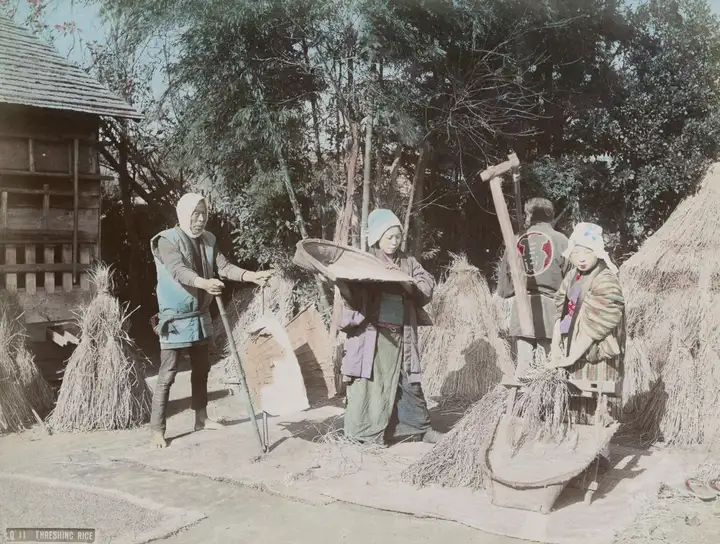
到了政府层面,日本的权力中心被两个大藩的家族把持,历史上称这一时期的日本为“藩阀政府”,就是两个县级地区的家族垄断了政府中的高端职位,和今天的门阀政治一个意思。
这就出现了一个问题。
明治维新后,日本也开始搞议会选举,那些中下级武士和知识分子也想参与国家管理,于是纷纷组建政党,想要往上攀爬一下,但藩阀势力垄断了权力中心,新兴势力的上升通道也就被堵死了。
当时日本社会是各种的卷,老百姓卷、地主卷、就连公务员也卷,卷到一定程度社会就有点卷不动了,一些人就开始穷则思变了。
日本的无良学者给出的解决办法就一个——抢邻居!
大家注意哈,打劫邻居可不是少数知识分子的个别想法,而是当时日本社会的普遍共识。
他们还有个非常流行的理论叫“征韩论”,字面意思再直白不过,就是要去打劫旁边的朝鲜,搞定朝鲜后,公务员就可以跑到朝鲜去当官,说不定历练几年后还能调回日本;而混不下去的老百姓,也能跑到朝鲜找条活路。
后来的事情大家都知道了,1894年日本打赢了甲午战争,占了朝鲜和咱们的台湾省,还获得了2亿两白银的战争赔款;1905年又打赢了日俄战争,算是挤进了列强俱乐部。
但是,日本在列强中间没啥存在感,还经常被排挤,心态就崩了。
首先,列强俱乐部里只有日本是黄种人,而且也非基督文化圈,通常列强们开会,日本代表只能安静的听着,偶尔跟着傻笑两声,私底下根本聊不到一块去。在凡尔赛和会上,日本虽然自封五强之一,但却处处被排挤。
其次,日本上车晚了,等到日本混成军事强国,全球的殖民地已经瓜分完了。这就好比,日本在岛上终于练成了葵花宝典,兴高采烈地跑到武林大会比剑,结果人家要文斗不要武斗了,这就让日本非常生气。
虽然日本靠着甲午战争切走了朝鲜和中国台湾省,但和那些老流氓比起来,日本觉得自己的殖民地太少了。
最让日本心态失衡的是在巴黎和会上,作为一战的战胜国,日本什么好处也没捞到,国内老百姓就不干了,整天上街喊口号,感觉自己国格被列强们侮辱了,日本代表团顶不住压力就提议,自己大佬要跑过来不能空手而回啊!能不能把德国在青岛的殖民地转给自己,这样好歹回国也有个交代。
可问题是,中国也是战胜国,怎么能打赢了战争还要不回殖民地?结果,中日就在巴黎和会上闹了起来。
当时各国普遍同情中国,对日本人这么不要脸的想法非常厌恶,但日本代表无所谓,还威胁说不拿到青岛就不参加国联。
最后列强们没办法,还是让日本占了青岛,但日本在国际社会上也就基本没朋友了。
中国国内收到消息后,立即炸了锅,从上到下把日本当成了头号敌人,但那个时候干不过日本,就只能干日货,搞得日本经济也非常痛苦。
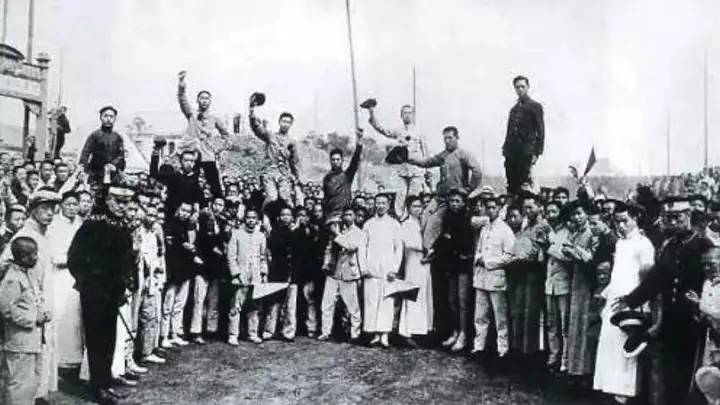
一战后,国际秩序算是基本建立起来,从1919年开完巴黎和会,一直到1929年大萧条,十年间,岁月静好。
但咱们都知道,欧洲那边已经暗潮涌动,小胡子上台后,德国的战争机器已经开始启动;而东边的日本也一天比一天狂躁,因为它自己也开始犯病了。
日本的第一个毛病就是人口问题,从1920年开始,日本人口激增,第一次出现了大米不自由的情况,15%的大米需要进口,这就让日本社会非常恐慌。
这里需要解释一下,一战后,人类社会刚刚结束帝国主义四处打劫的时代,大家对于做生意可以避免战争的想法缺乏信心,所以只要一个国家出现粮食短缺,整个社会就非常紧张,因为列强和邻居就有可能趁你病,要你命。
其次,日本的文、武长期不和,底层军官团非常躁动,一言不合就要杀首相。
了解日本近代史的都知道,天皇利用武士团废掉了幕府和大名,后来搞了议会和内阁,武士团就进化成了日本的军官团,但问题是,议会和内阁要制约皇权,而军官团是直接效忠天皇的。所以,选出来的首相大臣,如果不听天皇的话,那军官团就会动手除掉首相。滨口雄幸、犬养毅两任首相和其他几个有担当的政治家,就是这么被杀掉的。
咱们有一说一的讲,日本文官的脑子相对来说还是清醒的,很早就意识到发动侵华战争只有死路一条,但他们的话没个卵用,日本的实权一直都在天皇和陆军手里,这伙人的想法非常纯粹,那就是混不下去的时候就去抢,万一捞着了呢?
军官团有点像天皇养的“蛊”,但始终是个低级“蛊”,最开始,这个“蛊”只是为了制衡文官集团,后来这个蛊越来越膨胀,最后就完全失控了。
02
1929年,大萧条也影响到了日本,纺织品出口减少了30%,但大米进口却一斤也不能少,于是外汇储备极速下降,日本政府不得不大幅收紧银根,其后果就是国内的商品和农产品价格暴跌。
农民为了糊口,就把女儿卖到风月场,后来从业人员太多,风月场也卷得厉害,日本女孩就只能下南洋卖皮肉,赚了外汇再寄回日本贴补家用,据统计,当年跑到南洋卖皮肉的日本女孩超过了140万。
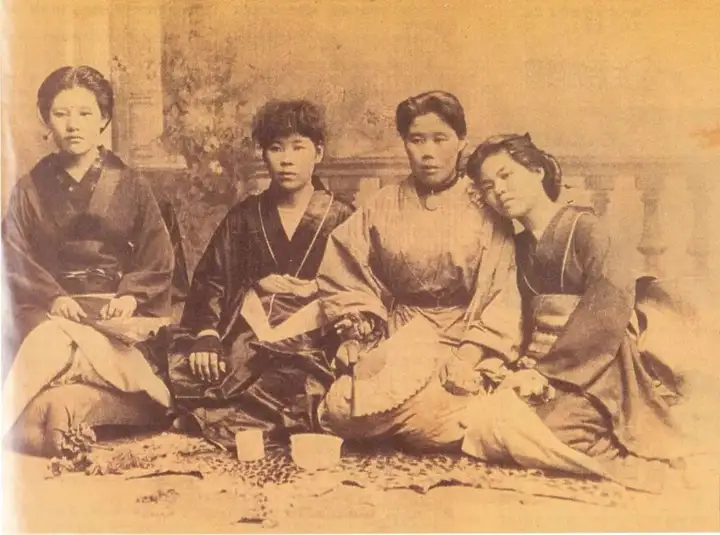
那没女儿或者养不起儿子的家庭怎么办呢?
好办,把他们送到朝鲜和中国的大连去参军,这就是关东军的基本盘。
关东军都是日本最底层农民的儿子,他们的姐姐妹妹在南洋卖皮肉,自己又被国内无良文人洗脑,军国情绪就有点上头,天天想着打劫邻居为天皇尽忠,很快这伙人就失控了。
日本发疯的那些年,除了偷袭珍珠港是日本上层搞出来的,其他那些大事几乎全都是下级军官脑子发热,瞎B搞搞出来的。
当年策划炸死张大帅的人,名叫河本大作,就是个关东军参谋,相当于今天的一个上尉连长,他觉得炸死张大帅,东北的那群土匪就会自乱,到时候日本人收拾下残局,就能轻松切下整个东北。
结果,张大帅被炸死后,日本国内一脸懵逼,根本不知道这事到底是谁干的,一通追责后,首相、陆军大臣和关东司令都下了岗,而河本大作侥幸没有被枪毙,但也提前退役了。而东北那边,小六子毙掉了几个军头,很快稳住了局面。
后来,板垣征四郎接替了河本大作的职位,但依然想着挑起中日争端,继续完成河本大作未完成的事业。
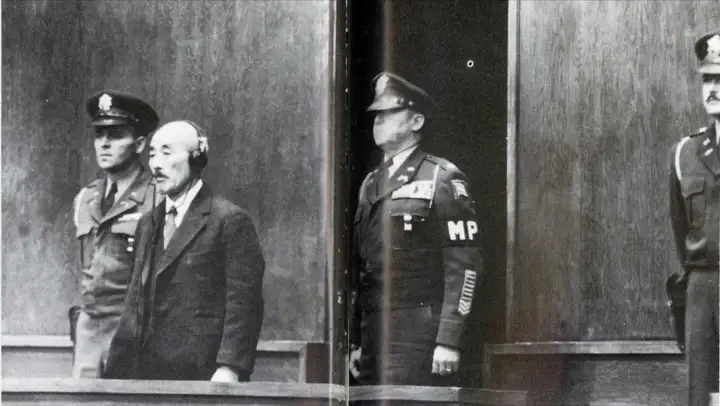
板垣征四郎
1931年,板垣征四郎开始四处搞串联,最后联系上石原莞尔,他们准备在9月28日进攻东北军的北大营,后来又提前到了9月18日,由于准备仓促,进攻北大营的180人日军连枪都没拿,就一窝蜂的冲了进去。
后来的事情大家都知道,东北军没放一枪就让出了东北,全国人民把老蒋和小六子骂出了翔,关于是谁命令不开枪的事还争论了半个多世纪,最后还是小六子亲口承认,是自己下令不许开枪的,因为担心会引发日本对华的全面战争。
至于这个话题,咱们就不展开讨论了,因为在历史的关键节点上,谁也没开上帝视角,换个人上去也未必能做出更好的选择。
还是说回日本。
9.18事变完全是石原莞尔和板垣征四郎,两个驻外下级军官瞎搞搞出来的大事,直到这俩货得手后,才向关东军总司令汇报,关东军司令又赶紧汇报给东京。
日本内阁收到消息后十分震惊,这么大的事你们怎么不早说!你们军方这是在瞎搞啊!你们这是对《九国公约》和《非战条约》的公然践踏!以后,我们这些文胆还怎么在国际上行走?
面对文官们骂娘,日本军部非常头铁,不仅拒绝承认错误,还放出狠话,说文官政府再瞎BB,那就让内阁下台。而日本老百姓在媒体的忽悠下,热情高涨,跑到街上声援关东军。面对如此汹涌的民意,日本天皇也虚了,只是表示大家将就着过吧,别把事情扩大就好。
东北被占后,老蒋把所有希望都放在了国际调停上,国党政府四处奔走,希望英美能出面管教下日本,毕竟英、美有非常多的在华利益,但这俩货始终安静如鸡,连个口头谴责都没有。
当时美国正处在大萧条的最痛苦阶段,为了拯救经济,罗斯福干脆搞起了贸易保护,关起门来专心解决国内问题,根本没心情去管中国和日本的破事;
而英法更加猥琐,他们一直想着把中国让给日本,这样可以让日本不再惦记东南亚的地盘,所以也假装没看见。
咱们前面也说了,日本陆军本来就是一伙低级武士演化出来,关东军更是日本最底层的一伙人,他们可不懂什么叫政治智慧,中国和国际社会的沉默,让关东军的信心暴涨。
9.18过去还不到一个月,军部就把天皇“不要扩大”的旨意给忘了,随后又占了内蒙和整个东北,把东北军全部赶进了关内,次年3月,关东军又紧急成立了伪满洲国,就是要把生米煮成熟饭。
事情搞到这个地步,国联也没办法继续挺尸,假装看不见了,国联正式发文谴责日本,让日本在国际社会和满洲二选一。
此时的日本首相名叫犬养毅(我可没有骂人,这是真名),他是日本政府少数几个脑子比较清醒的,犬养毅知道,如果日本和国际社会掀桌子,那日本将会被孤立,以后的生意也就没办法做了;但问题是,国内的军棍和刁民们情绪激动,也绝不可能轻易吐出抢来的地盘,国内政治环境也不可能回到9.18之前。
所以,犬养毅一边高调附和民意,私底下却在积极与中国和国际社会谈判,希望达成谅解。这事很快被军方看穿,随即便找了人把犬养毅干掉了。从此,日本文官集团再也不敢制约军方,彻底混成了打酱油角色。
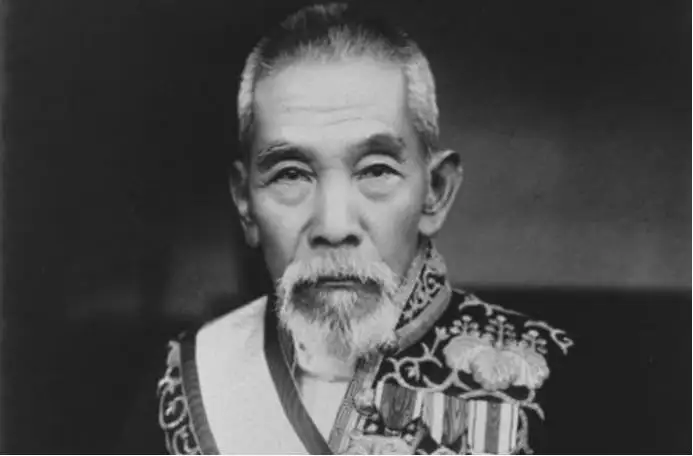
犬养毅
从1931年到1937年,这是中国最孤立无援的六年。
英法在全力防德国,根本没心情去顾及中日问题,而美国在罗斯福上台后,干脆关起门来搞经济,甚至同意让菲律宾在1946年独立,打算放弃整个西太平洋地区。
那段日子,老蒋是绝望的,1933年,国府和日本签了个《塘沽协定》,规定以长城为界,中日双方脱离军事接触。虽然国府嘴硬,一直说这就是个停战协议,完全没有割让满洲的意思,但谁都能看出来,这个协议相当于默认日本在东北的存在。
而且,老蒋一直在强调自己的理论,那就是“攘外必先安内”,其实说白了,就是东北先让日本占着,等以后国军发育起来再说。
但这在日本军部看来,拿下东北后,国际环境也不过如此,中国和国际社会除了骂了几句娘,根本没有实际动作,甚至连国内的文胆也歇菜了,日本军部的野心也就越来越大了。
03
最后一个问题,日本为何发动了全面侵华战争。
拿下东三省和内蒙后,关东军心满意足,日本政府就开始致力于回归国际社会。
日本方面当时给列强的说法是,你们看中国这些年又是北伐,又是中原大战,整个国家兵荒马乱的,不如由日本出面,充当一下各国在华利益的保护人,费用全免;
另外,一战后列强不是搞了个国际秩序嘛,美日海军数量的比例要保持在10:7,这不公平,如今,日本也强大了,美日海军的数量也该变成1:1,而且美国也必须承认日本在太平洋地区的大国地位。
美国的回应就一个字,滚!
日本也不示弱,干脆撕毁了《华盛顿海军条约》,算是彻底和国际同行决裂了。
列强俱乐部是回不去了,日本军部就产生了两个非常朋克的想法:
一种想法是,日本想要维持在东亚的利益,那就必须北上打苏联,因为无论意识形态还是历史恩怨,苏联都是日本的心头大患,如果等到苏联发育起来,那他们必定会向东发展,到时候日本未必能扛得住苏联人的进攻。持这种想法的人被称为北上派。
另一个想法则认为,打趴苏联并不能解决问题,国际秩序不是苏联搞得,而是英美,如果不把英美法和苏联这些白鬼子赶出亚洲,那日本就要永远屈服于欧美列强的游戏规则,做个仰人鼻息的二流国家。由于这一派的打击面比较广,所以被称为总体派。
但不管是北上派还是总体派,他们始终认为自己代表的是亚洲,把欧美列强赶出亚洲,符合所有亚洲人的利益,同样也会得到中国人的支持,这就扯的非常离谱了。
由于两派谁也不能说服谁,后来逐渐演变为路线之争,本来北上派有机会胜出,但这一派的年轻军官比较冲突,计划武力占领军部大本营,然后再把总体派清洗掉,结果这伙人实操不行,提前把计划泄漏了,反而被对方彻底清洗了。就这样,总体派控制住了局面。
1936年,日本政府和军部定下了一个宏伟的战略目标:保持亚洲大陆优势,对抗苏联,向东南亚扩张。
翻译过来就是,既要北上打苏联,又要南下揍英美,中间还要在中国保持军事优势,只是在先打谁后打谁的问题上,陆军、海军产生了不同意见,但大体分工是,陆军复杂北上搞定苏联,海军负责南下搞定英美。
另外,为了集中力量对抗英、美、苏,日本决定放弃华北,全力保东北,因为日本一旦陷入全面对华作战,那战争资源就不够用了,这就是日本的基本国策。
放眼全球,这种以一敌四的基本国策,也就日本人敢想,同时也敢干,小胡子都要甘拜下风。
那问题来了,既然日本要全力对抗英、美、苏,那怎么又发动了七七事变呢?
这实际上是各种巧合碰一块了。
1937年6月,近卫文麿出任日本首相,这哥们出身顶级豪门,但能力却非常一般。他当上首相后,不甘心做个傀儡,但又没能力对抗军部,为了展现自己HOLD住局面,他比军部还激进,七七事变后,近卫表现的比军棍还积极,极力煽动民众的军国情绪,还声称“与中国打持久战也在所不惜”。
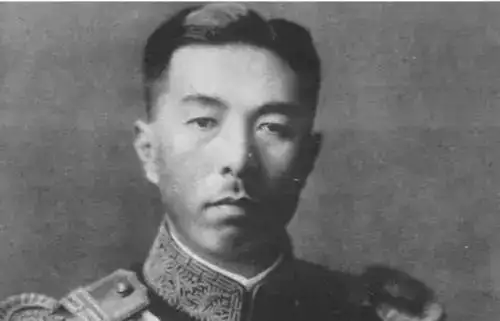
军部要求从本土调三个师部署在华北,近卫想也没想就批准了。
而中国这边,1936年,刚发生西安事变,老蒋被搞的灰头土脸,急需找个事件重新立下自己的人设,七七事变后,老蒋就没有其他选项了,必须在日本人面前硬气一把。他先是命令北平自治政府不能和日本谈判,随后又从南京调动军队开进华北,在老蒋看来,日本没信心发动全面战争,随便找个台阶也就撤回去了。
问题是,日本的那边是刚上任一个月的近卫,两边都急需证明自己,就这样双方大部队在华北摆开了阵势,大战也就不可避免了。
后来的事情就不多说了,日本发动了全面侵华战争,后来又去东南亚抢英美的殖民地,最后在两颗原子弹的教育下才回归正常。
结语
说了这么多,其实就想说明白一件事,当初日本一步步走向疯狂,并发动全面战争,这是日本上下的集体意志,它们想抢邻居都想疯了;另外,如果当初张小六能够稍微抵抗一下,那些日本低级军官就得刨腹谢罪,后面也不会发生全面战争。正是老蒋和小张的全力避战,才让日本不断膨胀,最后整个国家都被卷进战争的漩涡。
说到底,国际社会根本没啥法治原则,一直都是弱肉强食,赢者通吃,一旦你露了怂,那流氓和土匪就会立马围上来。
新中国成立后,我们顶着巨大压力跑到朝鲜硬刚美国人,就是因为100年来的教训太深刻了,别人都打上门来了,你还假装看不见,那下一步他们就会跑进你家进行烧杀抢砸。
所以,历史的教训告诉我们,面对威胁和试探,我们一步也不能退。
如果当初张小六能够稍微抵抗一下,那些日本低级军官就得刨腹谢罪,后面也不会发生全面战争。”寄希望于日本官僚体系掣肘来解决九一八,完全是国粉臆想,论靠谱程度甚至不如蒋张的国联计划。你自己也说了,官僚想管军部但是管不了,对华稍微理智一点的首相就被砍了。怎么突然就能让少壮派切腹了。你这推演的平行宇宙也太二极管了。
如果当初张学良从北平发出命令要求精锐尽在关内的东北守军(实际上是各路军头联盟,张学良的叔伯大爷,从张作霖时期就被日本渗透得一塌糊涂)坚决抵抗,那么结果是一部分人逃跑,一部分人彻底投日,少数抵抗的人违反了老蒋国民政府早早定下的不抵抗方针,在没有国家授权的情况下对日开战,“非法抗日”。而日本国内群情汹涌,文官也压不住军部(可以看9月19、20日御前会议资料,根本就没有一丁点压制军部,完全就是加速推进)
这种情况下张学良面对的只能是少数忠于自己的留守东北军被增援到位的日军绞杀,背后没有任何来自民国政府的支援,迅速丢掉的东北地盘。关内华北账面上归顺自己的各路军阀纷纷获得日本支持来围攻自己(如阎锡山在918前秘密乘坐日军飞机潜回重掌军队,如石友三叛乱分隔蒋张势力,如两广军阀获得日本支持牵制老蒋而获得了日本人奖赏的奉天兵工厂库存)
然后舆论就像中东路一样,先是拱火喊打,然后骂丧师辱国,最后的论调落在张学良擅启战端要将国家拖下水。90年后南方人编的课本上就是由于张学良的东北军在1928年为了私利易帜之后,一直绑架国家进行对外战争,从中东路到九一八,虽然国府已经冷静克制不予任何支援,但还是给了日本军部口实,倾向和平的日本文官也无法压制汹涌民意,导致上海一二八遭受战火荼毒,中日全面战争的导火索由此埋下!毛泽东的战略是“中国战略”,陈诚白崇禧等高级国军干部看了也认同并实施,蒋百里先生提倡的“空间换时间”就是持久战,淞沪会战就是为了改变日军战略进攻总方向而发动的,你哪只眼睛看见毛主席说八路军无敌了?看书都看不懂就来妄议了![[惊喜]](https://pic2.zhimg.com/v2-3846906ea3ded1fabbf1a98c891527fb.png) 张学良就是中华民族近代史的第一大败家子,死都没脸回东北。他自己都承认了是自己判断失误,你在这瞎起的什么哄,还逃跑有理了。东北就是张的大本营,谁都能跑,就是张学良不能跑,蹲在东北他就是东北王,离开东北他就是一条丧家之犬。这个道理孙权都懂,谁都能投降只有我孙权不能投。谁都能逃跑,就是他张学良不能跑,他小六子不懂,你也不懂?
张学良就是中华民族近代史的第一大败家子,死都没脸回东北。他自己都承认了是自己判断失误,你在这瞎起的什么哄,还逃跑有理了。东北就是张的大本营,谁都能跑,就是张学良不能跑,蹲在东北他就是东北王,离开东北他就是一条丧家之犬。这个道理孙权都懂,谁都能投降只有我孙权不能投。谁都能逃跑,就是他张学良不能跑,他小六子不懂,你也不懂?
当初小鬼子侵华 确实是全体日本国民的意愿 其实 小鬼子就好比一个穷小子 一开始勒紧裤腰带买彩票(甲午战争 日俄战争) 没想到中了两个500万 一下子飞黄腾达了 我去 这么好的事吗?后来慢慢国际环境变化 大萧条等等这其实都是外部因素 其实小鬼子从1000多年前的唐朝开始 就梦想占领中国 当时看中国那个吊样 比非洲土著还差 想着这不是千载难逢的机会吗 所以才会大规模发动战争 不过小鬼子那里的人呢 脑子都不好使 一天到晚 皇国命运 毕其功于一役 幻想再来一次甲午战争那种胜利 没想到中国出了一个毛泽东 老毛真的是天才 一篇“论持久战”把抗日战争的所有问题说的明明白白 这就是个BUG 阳谋 你知道 却一点办法还没有 国内现在一大帮傻叉 还在说中国抗战胜利是靠美国 我说KNMB 初中没毕业就别出来瞎逼逼了


评论
发表评论