How dangerous is Japanese cultural invasion to China?日本文化入侵,对中国来说有多危险
Some time ago, China's foreign affairs department confirmed that a Japanese was arrested in Beijing on suspicion of espionage.
How dangerous is Japanese cultural invasion to China? 3 major penetration directions, worthy of our vigilance
For every Chinese, apart from the United States, which is the country that deserves the most attention and attention, Japan, which has declined militarily but has a prosperous culture, is the most worthy of our vigilance. Although during World War II, Japan's ambition to monopolize China and establish the so-called "Greater East Asia Co-Prosperity Sphere" was a complete failure in the political sense, but from the perspective of various extreme right-wing elements (including potential right-wing elements) in Japan's political and literary circles, Now, culturally invading China is still an option.
For many people, the origin of the concept of "cultural invasion" seems to be very old, and it seems to be traced back to ancient times. But those who really understand history know that, in fact, this concept was first put forward by a large number of patriotic youths during the Republic of China and the revolutionary ancestors represented by Chen Duxiu, a kind of "cultural war" between imperialist countries and colonized countries strategy. The imperialist country here refers to the "Japanese Empire" that was still in the Taisho and Showa years.
Of course, in addition to the Japanese, the invaders such as Britain, France, and the United States at that time also exported cultural propaganda products to China, united with Western religious forces, and spread Western values in various regions of China in an organized way, in an attempt to make the Chinese people willingly After India, "the second crown on the Queen of England".
It is worth noting that at that time, many people of insight in China proposed that when uniting the people to jointly resist the cultural war of Western invaders, a concept should also be clarified, that is, "while protecting the traditional culture of the Chinese nation, Nor can we completely negate Western values, we must take the essence and discard the dross, so that China can become a modern cultural power in a way that suits its own development."
It can be seen from this that the "cultural resistance war" action under the guidance of this kind of objective thinking not only met the actual needs of the time and avoided fundamentalism, extremism, and radicalism, but also reflected the intrusion of Japanese, Korean, and European and American cultures that Chinese people view today. , with a certain degree of dialectical thinking for reference.
When understanding Japan's cultural invasion, we hope that every Chinese netizen understands that the influx of overseas culture should not be completely negated, and should absorb the strengths of a hundred schools of thought, integrate the fine traditions of China, and form local characteristics; Invasion with malicious intentions, we should prohibit the dross from endangering China's national security.
So, let’s get down to business, although China has now moved towards military and economic rise, China is still developing in the cultural field. For Japan, the current cultural exporting country, this is bound to be an opportunity to "seek every stitch". Because of this, the Japanese government attaches great importance to the country's cultural output. Even though Japan lost a military opportunity in the "Action of Invasion of China", the Japanese are still eager to try in the cultural field that China has not yet fully risen. . The following three penetration directions, for us, most need to understand and be vigilant!
The first direction of infiltration is to start with the serious historical and cultural directions that middle-aged and elderly people pay more attention to. Many years ago, some Japanese experts put forward the absurd view that "there will be no China after Yashan, and there will be no China after the Ming Dynasty". In their view, after the end of the Yashan naval battle, the fall of the Song Dynasty, and the establishment of the Yuan Dynasty by the Mongols on the land of China, Chinese civilization "doesn't exist". "Are.
However, from a practical point of view, this view does not stand up to scrutiny. If the Chinese civilization was really destroyed in the Yuan and Qing Dynasties, where did the inheritance of the fine Chinese traditions and the roots of the Chinese nation’s ideals come from? The reason for this point of view is the core of "Japan's desire to subjugate China will never die"! The Japanese know very well that the best way to eliminate a nation or civilization is not to slaughter its race, but to exterminate its culture.
During World War II, the Japanese engaged in Japanese education in the occupied areas and instilled Japanese culture in Chinese youth. In modern times, the Japanese are still trying to attack China in the field of history and culture. They want to confuse the historical truth and spread historical nihilism. Let the Chinese people be in complete chaos in the field of history and culture, and achieve the goal of "Japanese pirates chaotic China" from the culture war.
Judging from the current situation, China already has strong internal cultural propaganda capabilities. No matter how much Japan infiltrates from the field of history and culture, such as imposing "Japanese values" on some middle-aged and elderly people in the name of "Chinese-Japanese cultural exchanges" "Etc. However, this is undoubtedly futile for the Chinese government's "big internal propaganda campaign". After all, it is the Chinese government, not Japanese experts, that really treats the Chinese people well and makes them feel the benefits.
The second penetration direction is to start with the entertainment aspects that young people are interested in. As we all know, Japan is extremely popular in the field of animation and games around the world, and some works even surpass cultural export powers such as the United States and South Korea. In all fairness, there were indeed many left-wing anti-war figures in the Japanese entertainment and art circles. Their works are worth tasting and learning. However, at the moment when the right-wing forces are flourishing, it is inevitable that Japanese entertainment content will contain right-wing ideas when exporting to China. "private goods".
This kind of right-wing private goods is generally reflected in some Japanese games, Japanese comics, and Japanese animation dramas. Although at present, it is difficult to detect this kind of ideological infiltration, and it is difficult to say whether it has an effect on Chinese young people (note: love There are not a few young people who watch Japanese comics and are hostile to Japanese right-wingers), so potential ideological infiltration like this is usually moist and silent. However, it is precisely this potential instigation of the idea of "anti-China and pro-Japan" that has already had an irreparable impact on many young people who lack the ability to distinguish right from wrong.
For example, in these years, a video blogger with millions of fans, in order to attract the attention of fans, actually danced Japanese "otaku dance" on a serious occasion, which caused bad social impact. The blogger also announced his retirement afterwards. net.
Furthermore, strange "Japanese elites" appear on various new media platforms, clamoring for support for Japan and promoting militarism. There are even real Japanese elites wearing Japanese military uniforms or posting reactionary words on private cars. It can be seen from this that it is undoubtedly worthy of our vigilance to infiltrate China with entertainment products like Japan!
The third direction of infiltration is to start with "children's thinking", or in other words, the shaping of the three views for children. For example, start with some young-age-oriented animations that Chinese children will inevitably come into contact with, as well as toys that Chinese children are likely to like, and extracurricular books that children will definitely understand.
For many Chinese, China is a real big toy manufacturing country, but when China is responsible for making toys, while Japan is good at "defining what is a toy", in terms of cultural penetration, the relationship between China and Japan There is already a certain degree of gap that needs to be caught up.
As early as the Cold War period, "anime diplomacy" became the "weapon of cultural warfare" used by the Japanese right-wing government to spread Japanese values. For Japan, their natural resources are quite scarce, but Japan is good at processing and manufacturing, and the strength of cultural creation has made Japanese right-wingers see the possibility of realizing their ambitions.
Many years ago, Taro Aso, who served as the foreign minister of Japan, announced to the world through his speech that Japan would continue to use the strategy of cultural export to promote the "Yamato national spirit". It was at that time that Japan proposed the "anime diplomacy" "strategy, trying to use the export of animation culture to allow Japan to make a fortune from China, and at the same time make the new generation of Chinese children enthusiastic about animation from Japan at a young age, hoping to use animation to make future Chinese "become Slaves to the Japanese Spirit".
Judging from these three reasons, Japan’s cultural invasion of China requires long-term maintenance, high-intensity output, and extensive coverage of people of all ages (for middle-aged and elderly people, young people, and children in China) in order to achieve the initial effect of penetration . Therefore, this is also the reason why the Chinese government wants to rectify the cultural industry, crack down on bad Japanese entertainment products, and guide content that conforms to the core socialist values.
Speaking of it, since the Tang Dynasty, Japan has been coveting the profound cultural heritage and huge natural resources of Chinese civilization. It’s just that the current power comparison between China and Japan is no longer what it used to be (compared to World War II). China will return to its place in the world sooner or later, and the time left for the Japanese who confuse history and have a wicked heart is “already Running out". After China has fully realized its cultural rise and moved towards the great rejuvenation of the Chinese nation, what else can Japan use to invade China?
It is reported that this Japanese man, in his fifties, is a manager of the Chinese branch of Astellas, Japan's third largest pharmaceutical company.
Although it has been half a century since the establishment of diplomatic relations between China and Japan, Japan's intelligence gathering activities against China have not stopped.
During this period, there were not only conventional military reconnaissance methods, but also sneaked into various parts of China in the name of non-governmental exchanges and scientific investigations, and collected Chinese military, political, economic and diplomatic intelligence and other means of reconnaissance through illegal photography and surveying and mapping technologies.
In recent years, there have been many Japanese spies arrested on suspicion of espionage.
From 2015 to 2017 alone, within three years, at least 12 Japanese were arrested on suspicion of espionage.
Among them are businessmen, scholars, and tourists, all of whom collect information on China's military, political, economic, and diplomatic aspects through illegal photography and surveying and mapping.
It is worth mentioning that these Japanese spies are almost all "middle-aged and elderly people" over the age of 50, and they all looked old when they were arrested.
This seems to be quite different from the appearance of a spy who is as agile and personable as "007" in people's impression.
So, why are almost all the Japanese spies who come to China to spy on intelligence are old people?
Is it really impossible to send anyone, or is there another meaning?
Let's first look at how old these captured Japanese spies are.
In 2015, an elderly Japanese citizen who traveled between China and Japan as a consultant for a domestic airline company was arrested on suspicion of espionage. He was over 70 years old at the time.
Also in 2015, a nearly 60-year-old Japanese man was discovered when he trespassed on the Nanji Islands military base in Wenzhou to take pictures, and was immediately controlled by relevant departments.
In 2016, our country captured Ao Hiromasa, a Japanese spy who had been dormant in China for 37 years and was an expert in the economic industry.
In 2019, a delegation of six so-called "Japanese scholars" came to a certain coastal city in my country. Under the pretext of geological surveys, they were controlled by relevant departments when they secretly photographed the naval base. The oldest of them was nearly 80 years old.
Almost all the captured Japanese spies were over 50 years old. The reason is very simple. Many of them are not real professional spies.
The public identities of these Japanese spies are almost all scientific researchers or enterprise retirees, and it is relatively easy to obtain permission to come to China.
At the same time, their age has also become the best cover for espionage.
Speaking of which, being a spy at such an old age, these old Japanese are indeed forced to be helpless.
Many Japanese "elderly spies" take risks because their pensions are not enough
The aging population in Japan is very serious. Almost all of them have experienced the Japanese economic bubble. When they retire, they not only have not saved much pension, but may also be burdened with heavy debts.
Among them, there are many old people who have taken risks for huge rewards and started the business of "part-time spies".
As for young Japanese, wouldn't it be nice to find a stable job in China comfortably?
Unless you are a professional spy, no one is willing to do such a high-risk "part-time job" as going to China to collect intelligence.
That being the case, "Old Man Spy" has become the best choice for Japanese intelligence agencies.
On the one hand, there are a large number of Japanese elderly people who can afford to "consume"; on the other hand, these Japanese elderly people have an advantage in status, and it is far easier to collect intelligence when they come to China than unrooted young people.
In fact, no matter before the War of Resistance Against Japan or now, Japan's intelligence gathering activities against China have never stopped.
Lanzhou city map drawn by the Japanese army
As we all know, the military maps used by the Japanese army during the Anti-Japanese War were far more accurate than those of the Chinese army. Every village, as small as a well or a tree, was clearly marked.
The specific information on the Japanese military map was provided by Japanese spies who spied intelligence in China. It can be said that every inch of the Japanese military map was covered with the blood of the Chinese people.
As China's economy develops more and more rapidly, more and more Japanese "civilians" come to China, traveling all over the country, trying to steal all kinds of information by taking pictures and surveying and mapping.
Of course, these spies are most concerned about China's military technology. Almost all of the Japanese spies caught in the past few years appeared near bases equipped with the latest weapons.
Japanese spies can be found near any important military restricted area
It can be said that as long as it is an important military base, Japanese spies will definitely "patronize".
Some people may be curious, now that military satellite technology is so advanced, and Japan itself is also a big aerospace country, it is so simple to take pictures directly through satellites, why send a group of "old people" to take pictures on the spot?
Indeed, the current military satellite shooting technology has reached an unimaginable level, and the clarity can be described as first-class.
In the field of modern military intelligence, the specific location of military bases in various countries is no longer a secret, but the specific coordinate system and starting point are top secret information, because it is directly related to whether missiles and ground firepower in wartime can accurately hit the target.
This means that it is useless to just take photos of military bases, and accurate positioning must also be obtained. This is what the intelligence agencies of various countries are most interested in.
Accurate coordinates and starting points are essential elements for precise fire strikes
Obtaining these intelligence contents is an important reason why Japan's "elderly spies" illegally detect military bases and facilities across our country in various names.
In 2011, according to data released by relevant departments in my country, administrative departments of surveying and mapping at all levels conducted more than 19,000 law enforcement inspections, carried out more than 2,700 major special law enforcement actions, and filed and investigated more than 3,000 illegal cases.
Among them, Japanese nationals accounted for the majority of participants in illegal surveying and mapping related cases in China.
In addition to filming military bases on the spot, Japan's "elderly spies" also have an important task, which is to collect and sort out data on government personnel, economy, agriculture and other aspects published in domestic public newspapers and periodicals.
Their intelligence-gathering capabilities are truly astonishing. Not only do they have a clear understanding of the industrial conditions in various provinces and cities in our country, but they even know the personal information of our local leaders.
There are also two best-selling books in Japan that are updated every year, one is "China Intelligence" compiled by Mitsubishi Research Institute, and the other is "Dictionary of Celebrities in Modern China".
The former includes all kinds of information and data on Chinese society, politics, military, culture, science and technology, etc., while the latter is more detailed and complete. It includes the names, resumes, and capabilities of Chinese party and government officials, relevant institutions above the district and county levels, and even state-owned enterprises. People think carefully and fear.
In addition to routinely using their public identities to collect intelligence, they will also cast a wide net through foreign affairs activities, sponsorship projects, etc., contact various practitioners, and obtain information purposefully.
The intelligence gathering process of Japanese spies in China is also quite scheming, often in the name of academic exchanges or business cooperation, so that many people are unknowingly fooled.
For example, the konjac variety produced in Japan is aging, and similar products in China are very popular in the world. A Japanese company has its eyes on a konjac company in Sichuan and proposed cooperation, but was rejected.
Then, the Japanese side changed their strategy and appointed an old Japanese man of Chinese descent to investigate in Sichuan. He used his identity as a Chinese to deceive the trust of certain departments under the pretext of "engaging in konjac processing", and handed over all the fine varieties, soil samples and production techniques. steal.
Similar stories abound.
No only that, these Japanese "elderly spies" will also look for suitable candidates, often provide funding, and in the name of arranging for them to study in Japan, encourage them to paint the history of Japan's invasion of China.
Some of the Chinese who received funding from Japan, after returning from Japan, wantonly whitewashed the history of Japan’s invasion of China
In recent years, many Chinese scholars who have tried to whitewash the history of Japanese aggression have studied or visited Japan.
They don't necessarily want to sing the praises of Japanese militarism subjectively, but they are more or less bewitched by the cultural infiltration of certain Japanese institutions.
There is also a phenomenon worthy of attention. Many of the captured Japanese "elderly spies" did not come from Japan's unified intelligence system. These people involved as many as nine intelligence agencies.
Before World War II, Japan had a very large intelligence system. The army and navy had independent intelligence departments, and government ministries, such as the Ministry of Foreign Affairs, the Ministry of External Affairs, the Koya Institute, and the Greater East Asia Province also had their own intelligence agencies.
The Japanese Army Intelligence Headquarters during World War II
After the Japanese army invaded China, they set up many special agencies. For example, the Kwantung Army set up 15 special agencies and 20 sub-agencies in the Northeast. The main task was to monitor and investigate the Chinese anti-Japanese forces.
In various places, Japan's secret service agencies are more systematic and widely distributed. In addition to routine military intelligence collection, they also include economic activity intelligence in occupied areas.
After World War II, under the control of the United States, Japan's intelligence system was completely disbanded, and all military intelligence was handed over to the United States.
Originally, this was also quite good, and Japan could concentrate on economic construction.
Unexpectedly, due to the lack of professional overseas intelligence agencies, Japan has repeatedly fallen into a passive position internationally.
Ater the end of the 1990s, North Korea conducted long-range missile tests many times, and the missiles flew over Japan’s airspace several times, but the Japanese government was unaware of it, which aroused strong domestic dissatisfaction. Sleep.
North Korean missiles fly over Japanese airspace multiple times, scaring the Japanese
At that time, Japan did not have intelligence departments. There were both the intelligence headquarters of the Ministry of Defense of Japan and the so-called "Japan's CIA", which were directly under the Prime Minister's Cabinet Intelligence Research Office.
Both of these two are second to none in the Japanese intelligence system, regardless of their intelligence collection or analysis capabilities.
In addition, Japan also has the Coast Guard Agency responsible for maritime intelligence collection, the Public Security Investigation Agency of the Ministry of Justice responsible for domestic intelligence collection and surveillance, the Information and Communications Bureau of the National Police Agency, and the Public Security Department of the National Police Agency. The province, the Department of Financial Services, and some private commercial companies also have their own intelligence systems.
But there are so many agencies, but there is no specialized agency responsible for overseas operations.
Due to the restrictions of the Japanese constitution, no Japanese intelligence agency has the ability to operate secretly.
In 2015, two Japanese were kidnapped by the extremist organization "Islamic State" in Syria. Since Japan lacked agencies responsible for overseas intelligence operations, the negotiations had to be handed over to the governments of Jordan and Turkey.
Probably because the abductees were not their own nationals, talks between Jordan and Turkey and the "Islamic State" quickly collapsed, resulting in the killing of two Japanese hostages.
Feeling ashamed, the Japanese government learned from the painful experience. In order to strengthen overseas intelligence collection, it added the International Intelligence Bureau of the Ministry of Foreign Affairs under the military reconnaissance agency, which is responsible for overseas intelligence collection.
After careful calculation, there are as many as nine Japanese intelligence agencies, but they do not agree with each other and act independently.
On pril 4, 2023, a screenshot of the notification from the Ministry of Defense's Integrated Staff and Supervision Department
However, what worries the Japanese intelligence system most is that there is no one and no money.
For example, the Cabinet Intelligence Research Office, although it has a major task, directly provides domestic and foreign intelligence related to important decisions to the Prime Minister, and has less than 200 available staff; the International Intelligence Bureau of the Ministry of Foreign Affairs has a large responsibility, but only 90 employees.
The Intelligence Headquarters of the Ministry of Defense has the largest number of personnel, about 2,000; the intelligence personnel of the entire Japanese public security and police agencies add up to only about 1,800.
Intelligence agencies have fewer people and less money.
The total expenditure of all intelligence agencies is about 100 billion yen (about 5.1 billion yuan), which is only a fraction of the US CIA's annual budget of 15.2 billion U.S. dollars (about 105.3 billion yuan).
Perhaps, this is also the reason why Japanese intelligence agencies hire "elderly spies" who are hard to tell: the money is not enough, and the old people contribute.
But anyway, "elderly spies" are also spies, and no matter how "weak" Japan's intelligence agencies seem to be now, the fact that so many spies are sent to China fully shows that Japan is still eyeing China, and it deserves our high vigilance.
The Soviet Union was somehow stronger, with the strongest military in the world, tens of thousands of nuclear weapons, and many client states. But no, Japan will not give up the US for the USSR.
Japan is determined to live in a world order led by the United States, the leader/hegemon of the liberal world order, which has many economic and military client countries around the world.
It would be great for Japan to have membership in the liberal world order led by the US. Just let the US take the lead, keep the Soviet Union and China under control, and get trade, economy, technology, and what we need. What we have to do is not to challenge the US (and Japan can't and has no interest in doing this anyway).
The United States has made it clear that they want a world order that they lead, and everyone knows that people must play by the rules they set. We agreed that". Yes, we get good and bad promises. Sometimes what America does in the world is questionable, but the benefits far outweigh the costs. It is unrealistic for us to get only the good and reject the bad.
Now that we have China rising, they have been actively expanding their influence overseas. The world is worried: What kind of world hegemony will China establish? Or maybe it's just a challenge to American hegemony.
China sees itself as an expanding "big shot", but they talk about "non-interventionism" in foreign affairs. Compare that to how blunt the US is about things they don't like. At least the US position is consistent with what they say, even if we don't like it.
China is a business friend with whom you have to have a good relationship. China is the true trading partner, and the US is your spouse.
Demystifying the Origin of the Japanese
Finding answers is difficult because the evidence is conflicting. On the one hand, biologically speaking, the Japanese are similar in appearance and genetics to other East Asians, especially Koreans. As much as the Japanese love excitement, they are fairly close culturally and biologically, with the exception of the Japanese at the northern tip of Hokkaido. Taken together, these facts seem to prove that the Japanese came to the island of Japan not long ago from the Asian continent, because the time was too short for them to have changed much from their close relatives in Asia, where the Japanese were originally from. aborigines. But if this were true, you would expect Japanese to show some interlinkages with continental languages, just as English shows a clear kinship with German (since the Anglo-Saxons did not conquer England from the Continent until the sixth century A.D. ). How can we explain the contradiction between the ancient Japanese language and its modern origin?
Archaeologists have come up with four conflicting theories. The most widely accepted view is that the Japanese evolved from a group of people from the ancient Ice Age who occupied Japan as far back as 20,000 BC. Another popular theory is that the Japanese are descended from the horseback nomads of Asia who conquered Japan across the Korean peninsula in the fourth century, but they are decidedly not Korean. There is also a theory that Western archaeologists and Koreans like, but Japanese people hate, that the Japanese are descendants of Korean immigrants who brought farming civilization to Japan in 400 BC. Finally, a fourth theory insists that people from the above three theories mixed to form today's Japanese.
We can discuss the issue of ethnic origin of other nations in a calm manner. But the Japanese can't. Until 1946, Japanese schools taught a mythical story from one of Japan's earliest histories, written in the eighth century AD. This myth is described as follows. The sun goddess Amaterasu, who was born in the left eye of the creator Izanagi, sent her granddaughter Ninigi to the land of Kyushu, one of the Japanese archipelago, to marry a god of the earth. Ninigi's great-grandson Jimmu, with the help of a beautiful sacred bird, defeated his helpless enemies and became the first emperor of Japan in 660 BC. In order to fill in the history of emperors dating from 660 BC to Japan's first chronology, the history book invented 13 other hypothetical emperors. Japanese archaeologists and historians had to explain why Japan's Emperor Hirohito finally declared, near the end of World War II, that he was not the family of the gods. Unlike American archaeologists, who admit that ancient American sites left by ancient Native peoples have nothing to do with modern Americans, Japanese archaeologists firmly believe that all archaeological remains in Japan, no matter how ancient, are left over from the ancestors of the modern Japanese. In Japan, archeology is funded by the natural science budget, employs nearly 50,000 people in related fields every year, and attracts incredible attention from all over the world.
Why do they care so much? Unlike most non-European countries, in the late nineteenth century, Japan managed to maintain its independence and culture during the dramatic changes that led to the formation of an industrialized society. This is a remarkable achievement. Today, the Japanese are very clearly concerned about maintaining their traditional culture in the face of a powerful Western cultural invasion. They believe that their distinctive language and culture have undergone a unique and complex process of development. Acknowledging the relationship between Japanese and any other language seems to imply the surrender of cultural identity.
The reason why it is so difficult to discuss Japanese archaeology calmly is that the Japanese interpretation of history has deeply influenced the thinking habits of today. Among the peoples of East Asia, who spread civilization to whom? Who has historical sovereignty over the land? These are no longer just academic questions. For example, abundant archaeological evidence shows that people and objects were exchanged between Japan and the Korean peninsula between AD 300 and 700. In this regard, the Japanese explanation is that the Japanese government occupied the Korean Peninsula and brought back slaves and craftsmen from the Korean Peninsula to Japan; while the Koreans firmly believe that the Koreans conquered Japan and that the founders of the Japanese Empire were the Koreans.
So, in 1910, Japan sent troops to the Korean peninsula and made the peninsula its vassal state, an annexation that Japan's military leaders hailed as a reasonable arrangement in line with ancient will. For the next 35 years, the Japanese military forces eradicated Korean culture and tried to replace Korean with Japanese in schools. This practice is the result of a long-standing discriminatory attitude. The Japanese Nose Tomb still holds 20,000 noses that were cut from the Koreans and brought back as trophies of the Japanese invasion in the 16th century. Not surprisingly, many Koreans loathe the Japanese, and this delay breeds contempt.
What is the real reasonable arrangement according to the ancient will? Japan and South Korea are now economically powerful countries separated by the Korean Strait, scrutinizing each other for false myths and past atrocities. If these two great peoples cannot find a common ground, it will mean sickness for East Asia. So, who are the Japanese? They need a proper understanding of this.
Japan's unique culture begins with its unique geographical location and environment. In comparison, it is far more isolated than Great Britain, which is only 22 miles from the coast of France, while Japan is 110 miles from the closest point on the Asian mainland (south of the Korean peninsula), 190 miles from mainland Russia, and 190 miles from China. The continental distance is 480 miles. Similarly, the unique climate also isolates Japan. It receives nearly 120 feet of rainfall each year, making it the wettest country in the world. Unlike Europe's widespread winter rainfall, Japan's rainy season is concentrated in the summer crop-growing season, making it the country with the highest crop productivity in the temperate zone. At the same time, 80 per cent of the land of Japan consists of mountains unsuitable for agricultural development, and only 14 per cent is used as farmland, which is so fertile that each square mile of land supports 8 times as many people as Great Britain. times. Japan's high rainfall also ensures rapid regrowth of felled trees. Despite thousands of years of continuous human warfare, Japan still presents visitors with an impressive green color as 70% of its land is covered in forests.
Japan's forests vary with latitude and altitude: evergreen broad-leaved forests in the southern low-altitude areas; deciduous broad-leaved forests in the central regions; and coniferous forests in the northern and high-altitude areas. For prehistoric humans, deciduous broad-leaved forests were the most fertile, providing an abundance of edible nuts of all kinds, such as walnuts, chestnuts, chestnuts, acorns, and skimmers. Japan's aquatic ecosystems are also rich, with lakes, rivers and offshore waters rich in salmon, trout, tuna, sardines, mackerel, herring and cod. Today, Japan is the world's largest fish consumer. Japan's aquatic ecosystems are also rich in clams, as well as other shellfish, crabs, shrimps and edible algae. Rich products are the key to Japan's prehistoric civilization.
From southwest to northeast, Japan's four main islands are: Kyushu, Shikoku, Honshu and Hokkaido. It wasn't until the late nineteenth century that the main inhabitants of Hokkaido and northern Honshu were the Ainu, whose lifestyle was dominated by hunter-gatherers with a small amount of agriculture. We didn't begin to understand them until the Japanese conquered the rest of the main islands .
Admittedly, from the outside, the Japanese are very similar to other East Asians. The Ainu people are different, their unique appearance is different from any single-component nation in the world. For example, every Ainu (male) has a bushy beard and lush body hair, they are often classified as Caucasian (the so-called white race), it is not clear how they migrated east across Eurasia to come to Japan. Nonetheless, in terms of genetic makeup, the Ainu are related to East Asian races, including the Japanese and Koreans. The unique appearance, gathering and hunting lifestyle of the Ainu people, the ordinary appearance of the Japanese, and the intensive farming and civilized way of life are often used as direct evidence to prove that the Ainu people are primitive hunter-gatherers in the Japanese archipelago. inhabitants, while the Japanese are more likely recent arrivals from the Asian continent.
But this view is difficult to reconcile with the uniqueness of the Japanese language. Everyone admits that Japanese is not related to any other language in the world. Most scholars believe that Japanese is a separate member of the Altaic language family in Asia, which includes Turkish, Mongolian and Tungusic. Korean is also often considered a separate member of this language family, and Japanese and Korean are in this language family. closer than other members. However, the similarities between Japanese and Korean are only limited to the general grammatical functions and about 15% of the basic vocabulary, rather than the detailed functions of the grammar and the associated vocabulary. Compared to Russian and English, their differences are more pronounced.
Languages evolve over time, and the more similar two languages are, the more they have diverged in recent times. By counting the common vocabulary and grammatical functions in languages, linguists can calculate how long ago these languages began to diverge, and this calculation confirms that Japanese and Korean were separated at least 4,000 years ago. As for the Yi language, its origin is still under suspicion, perhaps it has nothing to do with Japanese.
Beyond genes and language, a third line of evidence for the origins of the Japanese comes from ancient drawings. The oldest surviving portraits of Japanese residents are the statues known as haniwa, which stand outside burials around 1,500 years old. These statues undoubtedly depict East Asians. They are different from the Ainu who have bushy beards. If the Japanese did replace the Hibari in southern Hokkaido, the replacement must have occurred before 500 AD.
The earliest written information we have about Japan comes from ancient Chinese history books, because China developed the ability to write records far earlier than Korea or Japan. Among the various Dongyi visitors in early ancient China, Japan was named Wa, and its inhabitants were said to be divided into more than 100 fiercely contested tribes. The history of Japan before 700 AD is only preserved from some Korean or Japanese inscriptions, while more Japanese history books were completed between 712 and 720 AD, and it was a little later in Korea. The above shows that a large amount of Japanese culture comes from Korea itself, and Korea comes from China. In the history books, there are also a large number of Korean visitors in Japan and Japanese visitors in Korea, but they are interpreted by Japanese and Korean historians as evidence that they once conquered each other.
Well, the ancestors of the Japanese appear to have arrived in Japan much earlier than they are written. Their biological factors prove that they arrived in Japan in modern times, and their language proves that they arrived by scriptures long ago. To resolve this paradoxical conundrum, we must return to archaeology.
The narrow sea between the Japanese islands and the East Asian continent was once dry land during the Ice Age, when so much seawater was frozen in icebergs that the sea level was 500 feet lower than it is today. The land bridge connects the main islands of Japan, to mainland Russia, and to the southern part of the Korean peninsula. Mammals crossed land bridges to Japan, including not only the ancestors of today's Japanese bears and monkeys, but also ancient humans, long before ships were invented. Stone Age humans arrived in Japan as early as 500,000 years ago.
About 13,000 years ago, as icebergs around the world melted rapidly, Japan's natural environment changed significantly and became more suitable for human survival. Temperatures rose, rainfall was plentiful, humidity increased, and plant productivity reached its current level. The deciduous broad-leaved forests are full of nut trees, which could only grow in the south during the Ice Age, and now they have also expanded to the northern coniferous forests, providing more food for humans. The rise of the sea submerged the land bridges, turning Japan from a land connected to Asia into a large archipelago, turning what was once a plain into a shallow sea rich in resources, and creating thousands of kilometers of highly productive coastlines. And a large number of islands, bays, floodplains, and estuaries, which are rich in marine life.
The end of the Ice Age was accompanied by the first and most decisive change in Japanese history: the invention of pottery. According to the general experience of archaeologists, the flow of invention is from the mainland to the island, and it is believed that small marginal groups will not contribute revolutionary results to other worlds. So, to the surprise of archaeologists, the oldest known pottery in the world was made in Japan 12,700 years ago. As the first use of pottery in the history of human experience, people made them into sealed water containers of various shapes. As they gain the ability to steam and cook food, they can obtain abundant resources more easily than before: vegetable leaves, which can be dried or dried on an outdoor campfire; shellfish, which can be easily opened; and some Poisonous foods similar to acorns can now cook the poison away. Soft cooked food can be used to feed the baby, which can make the baby weaned earlier and improve the baby's survival rate. Elderly people with few teeth, who have rich social experience, can now be supported and live longer. The significant impact of all this use of pottery created a population explosion that took Japan's population from roughly a few thousand to a quarter of a million.
The long-standing prejudice that islanders should learn from mainlanders was broken by the Japanese who invented pottery, but this is not the only reason for shocking archaeologists. Also, the original Japanese pottery craftsmen were apparently hunter-gatherers, which also defies conventional wisdom. Usually, pottery was only used by sedentary peoples: nomads used tents to transport bulky and fragile vessels, as well as weapons and children. Sedentary peoples in other parts of the world tend to be farming peoples. But Japan was so bountiful that people could settle down and make pottery while still living a hunter-gatherer lifestyle. For more than 10,000 years until the arrival of intensive agricultural civilization in Japan, pottery helped the Japanese inhabitants to take full advantage of the abundant food resources given by the environment.
Many pieces of ancient Japanese pottery are decorated with swirled or pressed rope patterns on soft clay. Because in Japanese, Jomon is represented by jimon, and in that era, Jomon was applied to the pottery Honshu, the ancient Japanese who made pottery, and it was applied to the entire historical period from the beginning of the invention of pottery to the end after 10,000 years. The earliest Jomon pottery, dating back 12,700 years, originated on Japan's southernmost island of Kyushu. From then on, pottery began to expand northward, reaching the vicinity of present-day Tokyo around 9,500 years ago, and reaching the northernmost tip of Hokkaido by 7,000 years ago. The northward expansion of pottery, followed by the northward migration of forests rich in nut delicacies, is evidence of a climate-induced increase in food that allowed for settled life.
How did the people of the Jomon period live? We have a wealth of evidence from living objects unearthed at hundreds of archaeological sites throughout Japan. Clearly, their diet was so nutritious that even today's nutritionists applaud.
A major food category is nuts, especially chestnuts and walnuts, as well as horse chestnuts and acorns, which have their poison removed or cooked. In the fall, the nuts are harvested in huge quantities and can be stored through the winter in underground storage rooms 6 feet wide by 6 feet deep. Other foods derived from plants include berries, fruits, seeds, leaves, twigs, flowers and roots. In all, archaeologists have identified 64 edible plants in Jomon remains.
As now, Japan's ancient inhabitants set the world's trends when it came to sea foods. They hunt tuna on the high seas, kill seals on the beach, and catch salmon in rivers that migrate with ocean currents. They drove the dolphins into narrow waters, clubbed them, or impaled them with pointed spears, much as Japanese hunters do today. They use nets in the dams to catch all kinds of fish and fish with hooks made of antlers. They gather shellfish, crabs and seaweed at low tide. Among animals on land, wild boar and reindeer are the most common prey. They are lured by traps, shot with bows and arrows, and chased by hounds.
The most controversial question about life in Jomon is how much agriculture contributed. Many Jomon remains contain edible plants that originated in the wild in Japan and are grown as crops today, including red and mung beans. The plants left over from the Jomon period do not clearly show the difference between the crops and their wild ancestors, so we do not know whether they were collected from the wild or cultivated. There are also some edible or other plant species in the ruins that are not of Japanese origin, such as cannabis, which must have been introduced from the Asian continent. Around 1000 BC, that is, at the end of the Jomon period, some grains mainly produced in East Asia, such as rice, barley, and millet, began to appear in Japan. All these compelling clues suggest that the people of the Jomon period may well have begun to practice slash-and-burn agriculture, but apparently as a non-major way it contributed little to their diet.
Archaeologists studying the Jomon gatherers and hunters have found not only hard-to-transport pottery (some of which was 6 feet tall), but also unwieldy stone tools, remnants of sturdy houses with signs of repair, and as many as 50 villages with even more inhabitants, and tombs, all this in-depth evidence that the inhabitants of the Jomon period were sedentary rather than nomadic. The diversity and richness of flora and fauna, and the short distances to residential centers - forests, rivers, beaches, bays and the open sea - make this living at home lifestyle possible. During the Jomon period, the population density was high, especially in central and northern Japan, where there were rich nut forests, migrating salmon, and rich oceans. In the Jomon period, the total population of Japan was estimated at 250,000, which is of course dismissive compared to the present, but it was surprising at the time.
Just as we emphasize what the Jomon people did have, we need to be clear about what they didn't. They lived very differently from the Chinese and Koreans living hundreds of miles away at the same time. The residents of the Jomon period did not have the agricultural civilization of intensive farming. Besides dogs (and possibly pigs), they had no other domesticated animals. They have no metal tools, no writing, no weaving, and almost no social class between officials and commoners. Regional differences in pottery styles suggest that there was little push for centralization and unification.
Although unique within East Asia, Jomon Japan was not completely isolated. Pottery, obsidian, and fishhooks testify that Jomon residents traded with Korea, Russia, and Okinawa—as did the introduction of crops from the Asian continent. However, compared with the later period, that limited trade with the outside world had little impact on Jomon society. Jomon Japan was a small, enclosed space that had barely changed for as many as 10,000 years.
Leaving aside the Japanese for now, let us recall what human society in the Asian continent was like in 400 BC, when the Jomon period in Japan was coming to an end. China had formed an imperial state of wealthy aristocrats and poor commoners; the people lived in walled towns, the country was in a transitional phase to centralized power, and shortly thereafter China became the largest empire in the world . Since about 6500 BC, China has developed an agricultural civilization of intensive cultivation. Millet is the main crop in the north, and rice is the main crop in the south. Pigs, chickens, and buffaloes have been raised. By this time, the Chinese had at least 900 years of writing history, 1500 years of metal tool history, and had just invented the world's first iron tool. These developments also spread to Korea, which also had thousands of years of agricultural civilization (growing rice by at least 2,100 years ago) and began smelting metals by 1,000 BC.
For thousands of years, Asian countries have flourished, but Japan, which is only separated from the Asian continent by the Korean Strait, was still occupied by hunters and hunters who used stone tools in 400 BC. They only had a little trade with the Korean Peninsula. . Throughout human history, centralized states with metal weapons and massive armies based on dense agricultural populations have driven and exterminated few hunter-gatherers. But how did Jomon Japan survive such a long time?
In order to understand the answer to the question, we need to realize that by 400 BC the Korean peninsula was divided not by rich farmers and poor hunter-gatherers, but by poor farmers and rich hunter-gatherers. It is likely that China itself had no direct contact with Jomon Japan, but Korea served as a link. Rice was domesticated in warm southern China but was delayed in spreading to colder South Korea because it took so long to develop drought-resistant varieties. In the early days, rice farming in Korea used dry fields instead of paddy fields, so the yield was not high. Therefore, Korea's early agricultural civilization could not compete with Japan's hunting and gathering. The Japanese saw no advantage in introducing Korean agriculture, and the poor Korean farmers had no advantage in forcing their way of life into Japan. What we are about to see, of course, is a sudden and dramatic reversal of this advantage.
The invention of pottery brought Japan's population explosion, and more than 10,000 years later, the second major event in Japanese history triggered the second population explosion. Around 400 BC, a new way of life from southern Korea arrived in Japan. This second change led to the hotly debated question - who were the Japanese? Does this change signify that the Jomon period residents were replaced by immigrants from Korea as the ancestors of the modern Japanese, or did the original Jomon period residents of Japan still occupy Japan and start to learn new knowledge?
This new way of life first appeared on the northern coast of Kyushu, Japan's most southwestern island, separated from South Korea by the Korean Strait. There we find the earliest iron metal tools, and unquestionably comprehensive agriculture. Agriculture at this time appeared in the form of irrigated rice fields, and archaeological excavations include complete ditches, dams, embankments and paddy fields, as well as rice remnants. Archaeologists have dubbed this period of this new way of life the Yayoi period after pottery characteristic of the period was first identified in 1884 in a Tokyo ward. Unlike the pottery of the Jomon period, the pottery of the Yayoi period is very similar in shape to the pottery of the same period in southern Korea. Many other elements of the new Yayoi civilization were also clearly imported to Japan from Korea and other countries, including bronze vessels, weaving objects, glassware, and styles of tools and houses.
While rice was the most important crop, Yayoi farmers introduced 27 new species of plants and animals, including, of course, domesticated pigs. They may have started to practice double harvesting, planting irrigated rice in summer and then draining it, and planting millet, barley and wheat in winter. Inevitably, this efficient, intensive farming immediately triggered a population increase in Kyushu that archaeologists have pointed out was more dramatic than the Jomon period, even though the Jomon period lasted 14 times longer than the Yayoi period .
Almost at the same time, the agricultural civilization of the Yayoi period jumped from Kyushu to the adjacent Honshu and Shikoku, reached the Tokyo area within 200 years, and reached the cold northern tip of Shikoku in the next century (distance from the settlement of the first Yayoi period point 1000 miles). After a brief occupation of northern Honshu, Yayoi farmers abandoned it, presumably because rice farming was nothing more than Jomon hunter-gatherer life. For the next 2,000 years, northern Honshu remained on the fringes, and farther north the Japanese island of Hokkaido, and its resident Ezo hunters, were not even considered part of Japan at all until they were in the 19th century. conquered.
After several centuries of development, Yayoi Japan began to appear for the first time the division of social class, especially in the distribution of cemeteries. After about 100 BC of the park, the cemeteries of the rising elite began to be separated and adorned with luxuries from China, such as beautiful jade and bronze mirrors. As the population boom continued during the Yayoi period, wetlands and irrigated plains optimal for rice cultivation continued to be exploited, and archaeological evidence showed that warfare became more frequent: such evidence includes the large-scale production of bows and arrows, moats around villages, and the use of sharp weapons A buried skeleton that runs through the body. This evidence of Yayoi warfare corroborates the accounts of the earliest visitors to Japan in Chinese annals, which describe Japan's Sengoku period, in which hundreds of small political groups fought each other.
During the period from 300 AD to 700 AD, archaeological discoveries and ambiguous descriptions in later history books give us a vague glimpse of the rudiments of a politically unified Japan. Prior to AD 300, elite burials were small in size and showed a primitive variety of styles. Beginning in AD 300, huge, keyhole-shaped burial sites called kofuns proliferated throughout what was then the Yayoi region from Kyushu to the north of the present day. The tumuli are 1,500 feet long and 500 feet taller, making them possibly the largest mound-style tombs in the world. Building these huge tombs required a huge labor force, and their consistent style meant that powerful rulers commanded a large, politically unified workforce. A large number of funerary objects have also been found in these tombs, but most of them are still closed to the public because they are believed to contain the traces of the ancestors of the Japanese Empire. The open evidence of centralized power found in these tombs further corroborates the descriptions of the Kofun-era emperors by visitors in later Japanese and Korean histories. Korea's influence on Japan during the Kofun era was enormous—whether Korea conquered Japan (Korean perspective) or Japan conquered Korea (Japanese perspective)—Buddhism, writing, horsemanship, and new pottery and metallurgical techniques all emerged from Spread across the Asian continent.
Finally, with the completion of Japan's first history book in AD 712, Japan's history began to fully emerge. That is to say, from 712 onwards, the residents living in Japan are the ultimate undisputed Japanese, and their language (ancient Japanese in academics) is the undisputed ancestor of modern Japanese. The current ruler, Emperor Akihito, is the 82nd direct descendant of the emperor in the history book written in 712 AD. By convention, he is considered the 125th direct descendant of the legendary first emperor, Emperor Jimmu, the great-great-great-great-great-grandson of Amaterasu.
The changes that Japanese culture experienced in the 700 years of the Yayoi period were far more dramatic than those in the 10,000 years of the Jomon period. The contrast between the stability (or conservatism) of the Jomon period and the drastic changes of the Yayoi period is the most obvious feature in Japanese history. Clearly, something significant happened in 400 BC. Are the ancestors of modern Japanese people the people of the Jomon period, the people of the Yayoi period, or a combination of both? During the Yayoi period, Japan's population increased by an astonishing 70-fold: What caused such upheaval? The focus of the debate is centered on the following three speculations.
One theory is that Jomon hunter-gatherers themselves gradually evolved into modern Japanese. Because they lived a sedentary way of life for thousands of years, they may have been ready for agricultural civilization. In the Jomon period, society had introduced cold-resistant rice seeds, and had received information from Korea about irrigated cultivation, which could produce more food to increase the population, and what happened in the Yayoi period, perhaps not more at all . This theory appeals to many present-day Japanese, as it minimizes the contribution of unwelcome Korean genes to Japanese genes, while at the same time demonstrating that the Japanese were a unique people for at least the past 12,000 years .
The second theory—which doesn't pander to those Japanese who favor the first—is that the transformation of the Yayoi period was greatly influenced by Korean immigrants, including their agricultural production, culture, and genetics. Kyushu used to look like a paradise for Korean rice farmers because it was wetter than Korea, had more wetlands, and was a better place to grow rice. It is estimated that during the Yayoi period, Japan received millions of Korean immigrants, and their contribution completely exceeded that of the Japanese in the Jomon period (about 75,000 people before the Yayoi period). If so, modern Japanese are descendants of Korean immigrants who developed their own culture over the past 2,000+ years.
The last theory, accepts the evidence of Korean immigration, but argues that it is less significant. Rather, highly productive agriculture allowed some rice farmers to outpace hunter-gatherers in population growth and eventually outnumber them. Similar to the second theory, this theory holds that modern Japanese have a slight Korean component, but sidesteps the need for mass immigration.
The second and third theories seem more plausible than the first when compared to other parts of the world with similar changes. In the past 12,000 years, agriculture has reached no more than nine places on Earth, including China and the Fertile Crescent. 12,000 years ago, every living human being was a hunter-gatherer; now nearly all of us are farmers or are fed by farmers. Agriculture spread from those origins to all walks of life, mainly because farmers were more powerful than hunters, they developed more advanced technology, and then killed hunters or drove them from land suitable for agricultural production. In modern times, farmers from Europe have replaced native hunters from California, Aboriginal Australians, and Zulus from South Africa. Likewise, farmers using stone tools replaced hunter-gatherers who once spread across Europe, Southeast Asia, and Indonesia. In 400 BC, Korean farmers already had a very clear advantage over Jomon hunters, because Koreans already used iron tools and had highly developed intensive farming.
For Japan, which of the above three theories is correct? The only direct way to answer this question is to compare the bones and genes of the Jomon and Yayoi eras with those of the modern Japanese and Ainu. Now, calculations have been done with many bones. And, over the past three years, molecular geneticists have begun extracting DNA from ancient Japanese bones and using it to compare the genes of ancient and modern Japanese. The study found that Jomon and Yayoi skeletons can be easily distinguished on average. In the Jomon period, people were shorter in stature, with longer forearms and shorter legs, and the distance between their eyes was wider. Their faces were wider and shorter, and their facial features were very prominent, such as prominently protruding foreheads, noses and bridge of the nose. During the Yayoi period, people were on average 1 to 2 feet taller, with narrow eyes, tall and elongated faces, and flat foreheads and noses. Some Yayoi skeletons are still Jomon-like in appearance, but this would have been expected in any theory of the Jomon-Yayoi transition. By the Kofun era, the skeletons of all Japanese except the Ainu formed a homogeneous group, similar to the current Japanese and Koreans.
Combining all the above aspects, the skulls of the Jomon period are different from the current Japanese, but very similar to the modern Ainu. At the same time, the skulls of the Yayoi period are very similar to the modern Japanese. Whether the Yayoi period genes of the Koreans made the greatest contribution to the gene pool of the modern Japanese, or the genes of the Jomon period of the Ainu people contributed the most to the gene pool of the modern Japanese. Geneticists have determined through calculation and comparison that the Yayoi era has Obvious advantage. That being the case, immigrants from Korea did make a great contribution to modern Japanese. But whether the reason is the huge number of immigrants, or moderate immigration and high population growth rate, we cannot yet determine. Genetic research over the past three years has also finally settled the debate over the origins of the Ainu, descendants of Japan's Jomon-era inhabitants who mixed genes from Yayoi-era Korean colonists and modern-day Japanese.
Inheriting the overwhelming advantage that rice farming gave Korean farmers, we wonder why farmers so suddenly triumphed over the Jomon hunter-gatherers. What finally tipped the balance and triggered the Yayoi shift? It is likely a combination of four developments: farmers began to replace low-yielding dry land with irrigated rice fields to increase rice yields; they bred rice varieties that could grow well in colder regions; Incoming land pressure forced Koreans to immigrate; their invention of iron tools allowed them to mass-produce wooden shovels, hoes, and other implements needed for irrigated rice farming. It is unlikely to be a mere coincidence that iron and intensive agricultural production arrived in Japan at the same time.
We have seen how evidence from archaeology, anthropology, and genetics all demonstrate how well-characterized Ainu and less-characterized Japanese shared Japan: Ainu descended from the aborigines of Japan, Japanese inherited Since more recent arrivals. But this view fails to explain the difficult problem of language. If the Japanese were really recent immigrants from Korea, you'd expect Japanese to be very similar to Korean. More generally speaking, if the Japanese living on the island of Kyushu are the mixed race of Ainu-like residents of the Jomon period and Yayoi invaders from Korea, then Japanese should be closely related to both Korean and Ainu. relation. However, Japanese does not have any arguable relationship to Ainu, and Japanese is not even remotely related to Korean. Why is that, if this mixing happened only 2,400 years ago? I propose to solve this dilemma as follows: the language of the Jomon inhabitants of Kyushu and modern Ainu, and the language of the Yayoi invaders and modern Korean, are all very different.
In modern times, the Ainu language is still spoken by the Ainu people of Hokkaido, so it is likely that the Jomon period inhabitants of Hokkaido also spoke an Ainu-like language. This is certainly not the case with the Jomon period inhabitants of Kyushu. The Japanese archipelago spans nearly 1,500 miles from the island of Kyushu in the south to Hokkaido in the north. During the Jomon period, people's lifestyles and pottery styles showed a clear original diversity, and there was never political unity. During the 10,000 years of the Jomon period, people should have formed a variety of languages. In fact, in Hokkaido and northern Honshu, many place names in Japanese use Ainu words, such as nai and betsu for rivers, shiri for capes, but this Ainu-like word does not appear in more Some of Japan in the south. This proves not only that Yayoi and Japanese pioneers adopted many Jomon place names, but also that Ainu was only the northernmost Jomon language in Japan.
That is to say, the Ainu language in modern Hokkaido is not the language of Kyushu in the ancient Jomon period. Similarly, Korean is not a model for the Yayoi language that originated from Korean immigrants in 400 BC. Centuries before the unification of Korea in AD 676, the Korean peninsula consisted of three kingdoms, and modern Korean was inherited from the language of the Silla Kingdom. But before reunification, the Kingdom of Silla had little connection with Japan. Early Korean history books tell us that different kingdoms had different languages. The languages of the kingdoms defeated by Silla are now poorly understood, and the few preserved Goguryeo vocabulary is closer to its ancient Japanese counterpart than to its modern Korean counterpart. In 400 BC, when political unification was not achieved, Korean languages may have been more diverse. I suspect that the Korean language that arrived in Japan in 400 BC and developed into modern Japanese must be very different from the Silla language that developed into modern Korean. We shouldn't be surprised, then, that modern Japanese and Koreans are very similar in appearance and genetics, but vastly different in language.
History has given the Japanese and Koreans fertile ground for mutual mistrust and mutual contempt, so any conclusions that bring them closer are likely to be unpopular. Like Arabs and Jews, Koreans and Japanese are related by blood but hostile to each other. But enmity can destroy each other, in East Asia as in the Middle East. As much as they hate to admit it, the Japanese and Koreans are like twin brothers who grew up together. The political future of East Asia depends largely on their success in rediscovering their ancient close ties to each other.

前段时间,中国外事部门证实,一个日本人因为涉嫌间谍活动,在北京被捕。
日本文化入侵,对中国来说有多危险?3大渗透方向,值得我们警惕
对于每一位中国人而言,除了美国是最值得提防与重视的国家外,已经军事衰落却文化繁荣的日本,是最值得我们警惕的。虽然在二战时期,日本妄图独吞中国,建立所谓“大东亚共荣圈”的野心在政治意义上是彻底失败了,但是从日本政治界、文艺界各类极右翼分子(包括潜在右翼分子)看来,在文化上入侵中国,依旧是一个选择。
对于不少人而言,“文化入侵”这个概念的渊源仿佛十分久远,貌似可以追溯到古代时期。但真正了解历史的人都清楚,实际上,这个概念最早是由民国时期的大量爱国青年,与陈独秀为代表的革命先辈们,联合提出的一种帝国主义国家对被殖民国家的“文化战争”战略。而在这里的帝国主义国家,就是指当时还处在大正、昭和年间的“日本帝国”。
当然,除了日本人外,当时诸如英国、法国、美国等侵略者们,也通过对中国输出文化宣传产品,联合西方宗教势力,对中国各地区有组织地传播西方价值观,妄图让中国人心甘情愿地成为继印度之后,“第二个英国女皇上的皇冠”。
值得我们注意的是,在当时,有不少中国有识之士提出,要联合人民共同抵御西方侵略者的文化战争时,也同样要厘清一个概念,即“在保护中华民族传统文化的同时,也不能全盘否定西方价值观,要取其精华去其糟粕,让中国以适合自己发展的方式,成为一个现代化的文化强国。”
由此可见,在这种客观思想指导下的“文化抗战”行动,不仅是切合当时的实际需求,避免原教旨主义、极端主义、激进主义的,也对今天中国人看待日韩、欧美文化的入侵,有一定程度的辩证性思维借鉴。
在了解日本的文化入侵时,我们希望每一位中国网友都明白,对海外文化的涌入切忌全盘否定,吸取百家之所长,融合中国优良传统,形成本地特色;但对于夹带私货、不怀好意的侵入,我们应当禁止糟粕危害中国国家安全。
那么,言归正传,虽然现在的中国已经走向了军事、经济崛起,但是中国在文化领域还在不断发展当中。这对现在的文化输出大国日本而言,必然是一次“见缝插针”的机会。正因如此,日本政府对本国的文化输出尤为看重,就算在“侵华行动”那次战争中,日本失去了一次军事机会,但是在中国尚未彻底崛起的文化领域方面,日本人终究还是跃跃欲试的。以下三点渗透方向,对我们而言,最需要了解与警惕!
第一个渗透方向,就是从中老年人关注较多的严肃历史、文化方向入手。多年以前,就有日本专家提出过“崖山之后无中华,明朝亡后无华夏”的荒谬看法。在他们看来,在崖山海战结束,宋朝灭亡,蒙古人在中华大地上建立元朝后,中华文明就“不存在”了,就算明朝复兴了一次,在清朝建立后,华夏最终还是彻底“灭亡”了。
然而,从现实情况来看,这种观点是经不起推敲的。若中华文明真的在元清时代所灭,那现在的中华优良传统之传承,以及中华民族理念之根又是从何而来呢?像这种观点,究其原因还是“日本亡华之心不死”的核心所在!日本人深知,若要消灭一个民族或文明,最好的办法并不是屠杀其人种,而是灭绝其文化。
在二战时期,日本人在占领区大搞日文教育,给中国青少年灌输日本文化,到了现代,日本人仍试图在历史文化领域对中国发起进攻,想通过混淆历史真相,传播历史虚无主义思想,从而让中国人在历史文化领域全面混乱,从文化战争中达到“倭寇乱华”的目的。
而从目前的状况看,中国已经有了强大的文化内宣实力,就算日本再怎么从历史文化领域渗透,诸如打着“中日文化交流”的名义,对某些中老年人强加“日本价值观”等,然而,这对于中国政府的“大内宣行动”来看,无疑是徒劳的。毕竟,真正对中国人民好的,让百姓感受到实惠的,是中国政府,而不是日本专家。
第二个渗透方向,则是从青少年感兴趣的娱乐方面入手。众所周知,日本在动漫、游戏领域在全球范围内都有着极高的热度,甚至某些作品还超越了美国、韩国等文化输出强国。平心而论,曾经的日本娱乐艺术界确实存在不少左翼反战人士,他们的作品值得品鉴与学习,但是在右翼势力兴盛的当下,日本文娱内容总会不可避免在向中国输出时,夹带右翼思想的“私货”。
这种右翼私货一般反映在某些日本游戏、日本漫画、日本动画番剧中,虽然目前来看,这种思想渗透很难被察觉,也很难说是否对中国年轻人有效果(注意:爱看日漫与敌视日本右翼分子的年轻人不在少数),所以像这样的潜在思想渗透,通常都是润物细无声的。不过,恰恰是这样潜在教唆“反华亲日”理念,已经能对不少缺乏明辨是非能力的年轻人造成难以挽回的影响了。
例如在这些年里,有坐拥上百万粉丝的视频博主,为了吸引粉丝眼球,竟在某严肃场合跳日本“宅舞”,造成了恶劣的社会影响,该博主也在事后宣布退网。
再者,各类新媒体平台出现诡异的“精日分子”,叫嚣支持日本、宣扬军国主义思想,甚至还有现实中的精日分子身穿日本军服,或是在私家车上贴反动词汇。由此可见,像日本这样潜移默化的,用娱乐产品渗透中国,无疑是极其值得我们警惕的!
第三个渗透方向,就是从“儿童思想”,或者说针对儿童的三观塑造方面入手。例如,在中国儿童必然会接触到的一些低龄向动漫方面,以及中国儿童很大概率会喜欢上得玩具、对儿童自身必然会了解的课外书等方面入手。
对于很多国人来说,中国是一个实实在在的玩具制造大国,但当中国负责制造玩具,而日本却擅长“定义什么是玩具”的时候,从文化渗透这一块来说,中日两国之间就已经有了一定程度的差距需要追赶。
早在冷战时期,“动漫外交”就成为了日本右翼政府传播日式价值观的“文化战争武器”。对于日本来说,他们的自然资源是相当匮乏的,但是日本擅长加工制造,文化创作的实力,让日本右翼分子们看到了野心实现的可能。
在多年以前,曾担任日本外相的麻生太郎通过演讲,就向世界宣布过日本将会继续用文化输出的战略,来宣扬“大和民族精神”,也正是在那时,日本提出了“动漫外交”的策略,妄图用动漫文化的输出,让日本从中国大赚一笔的同时,又让中国新一代儿童们热衷于来自日本的低龄向动漫,希冀于用动漫,让未来的中国人“成为日本精神之奴”。
从这三点原因来看,日本对中国的文化入侵,需要长时间保持,高强度输出、广泛覆盖各年龄层人群(针对中国的中老年人、年轻人、儿童),才能达到初步渗透的效果。所以,这也是为什么中国政府要整顿文化产业,打击不良日本娱乐产品,引导符合社会主义核心价值观内容之原因。
说起来,自从唐代开始,日本就一直对中华文明的深厚的文化底蕴、巨量的自然资源垂涎不已。只是现在的中日实力对比早已今非昔比(比起二战时期来看),中国迟早会回归到属于他的世界位置,而给混淆历史、贼心不死的日本人,统共留下的时间“已经不多了”。在中国完全实现文化崛起,走向中华民族伟大复兴后,日本还能用什么东西来侵入中国呢?
有消息说,这个日本籍男子,五十多岁,是日本第三大制药公司安斯泰来在中国分公司的一名管理人员。
虽说中日建交已半个世纪,可日本对华的情报收集活动一直没有停止。
这期间不仅有常规的军事手段侦察,也有以民间交流、科学考察等名义,潜入中国各地,通过非法拍照和测绘等技术,搜集中国军事、政治、经济和外交方面的情报等其他手段侦察。
这些年,因为涉嫌间谍活动被抓的日本间谍不在少数。
仅2015年到2017年,三年时间内,就至少有12名日本人因涉嫌间谍罪被捕。
他们中有商人、学者、游客,都是通过非法拍照和测绘等手段,搜集中国军事、政治、经济和外交方面的情报。
值得一提的是,这些日本间谍几乎都是50岁以上的“中老年人”,被抓时都是一副老态龙钟的模样。
这似乎与人们印象中,具备“007”那般身手敏捷又风度翩翩的间谍模样大相径庭。
那么,为什么来华刺探情报的日本间谍几乎都是老人呢?
是实在派不出人,还是另有深意呢?
先来看下这些被捕的日本间谍到底有多老。
2015年,一家以国内某航空公司顾问身份往来中日两国的日籍老人,因涉嫌间谍活动被抓,他当时的年龄已超过70岁。
同样是2015年,还有一位近60岁的日本籍男子,擅闯温州南麂列岛军事基地进行拍照活动时被发现,随即被有关部门控制。
2016年,我国抓获了化身经济行业专家,蛰伏在中国37年的日本间谍阿尾博政
2019年,一支由6名所谓“日本学者”组成的考察团来到我国沿海某市,借口地质考察,偷拍海军基地时被有关部门控制,其中年纪最大的已经近80岁。
被抓的日本间谍几乎都是50岁以上的老人,原因也很简单,他们中很多人并非真正的职业间谍,多数人都是借助真实身份来华后,伺机搜集相关情报。
这些日本间谍公开身份几乎都是科研人员或企业退休者,比较容易获得来华许可。
同时,他们的年龄,也成为从事间谍活动最好的掩护。
说起来,岁数这么大还当间谍,整天提心吊胆,这些日本老人确实也是被逼无奈。
很多日本“老人间谍”铤而走险,实在是退休金不够养老
日本老龄化十分严重,他们几乎都是日本经济泡沫的经历者,退休时不但没存下多少养老金,可能还背着沉重的债务负担。
其中不乏为了丰厚报酬铤而走险,做起了“兼职间谍”业务的老人。
至于日本年轻人,舒舒服服在国内找一份稳定工作不香么?
除非是职业间谍,否则去中国收集情报这样高风险的“兼职”,根本没有人愿意做。
既然如此,“老人间谍”就成了日本情报机构的最佳选择。
一方面,日本老人数量多,“消耗”得起;另一方面,这些日本老人有着身份优势,来中国远比毫无根基的年轻人更容易收集到情报。
事实上,无论是抗日战争前,还是现在,日本对中国的情报收集活动从未停止过。
日军绘制的兰州市地图
众所周知,日军在抗日战争时使用的军事地图远比中国军队的要精准得多,每个村庄,小到一口井、一棵树都标注得清清楚楚。
日军地图的具体信息,都是由在中国境内刺探情报的日本间谍提供,可以说,日军地图上每一寸面积都沾满了中国人民的鲜血。
随着中国经济发展越来越迅速,来中国的日本“民间人士”也越来越多,足迹遍布全国各地,通过拍照和测绘等手段,想方设法窃取各类情报。
当然,这些间谍最关心的还是中国的军事技术,这几年抓到的日本间谍,几乎都是出现在装备最新式武器的基地附近。
凡是重要军事禁区,附近都会找到日本间谍的身影
可以说,只要是重要的军事基地,日本间谍就一定会去“光顾”。
可能有人会好奇,现在军事卫星技术那么发达,日本自身也是航天大国,直接通过卫星拍摄多简单,何必还要派一群“老人家”实地拍摄呢?
确实,现在的军事卫星的拍摄技术已经达到令人难以想象的程度,清晰度可谓一流。
现代军事情报领域,各国军事基地的具体位置早已不是秘密,但具体坐标体系和起算点都属于绝密信息,因为这直接关系到战时的导弹以及地面火力能否精准命中目标。
这就意味着,光拍到军事基地没有用,还必须搞到精准定位,这才是各国情报机构最感兴趣的内容。
准确的坐标和起算点是精准火力打击的必备要素
获取这些情报内容,是日本“老人间谍”以各种名义非法侦测我国各地军事基地和设施的重要原因。
2011年,我国有关部门公布的数据显示,各级测绘行政主管部门共开展执法检查一万九千多次,开展重大专项执法行动二千七百多项,立案调查违法案件三千余件。
其中,非法在华测绘相关案件的参与者,日本籍人员占了多数。
除了实地拍摄军事基地,日本“老人间谍”还有个重要任务,就是收集整理国内公开发行报刊上刊登的政府人员、经济、农业等各方面的数据。
他们收集情报的能力也确实令人叹为观止,不仅对我国各省市的产业状况清清楚楚,甚至连我们地方负责人的个人信息,都了如指掌。
日本国内还有两大畅销书每年更新,一是三菱综合研究所所编的《中国情报》,二是《现代中国名人辞典》。
前者包括中国社会政治、军事、文化、科技等各种信息数据,后者更详细完备,中国的党政要员、区县以上相关机构,甚至国企等人名、简历、能力尽在其中,简直令人细思恐极。
除了常规利用自己公开身份收集情报,他们还会通过外事活动、赞助项目等方式,广泛撒网,接触各类从业者,有目的地获取信息。
日本间谍在华的情报收集过程,也颇有心计,往往会以学术交流或商业合作名义,让很多人不知不觉上了当。
比如日本产的魔芋品种老化,中国同类产品在国际上很抢手,日本某株式会社便盯上了四川的一家魔芋企业,提出合作,却遭到拒绝。
然后,日方改变策略,委派一名有中国血统的日本老人到四川考察,以“搞魔芋加工”为由,用华人的身份骗取某些部门的信任,将优良品种、土壤标本和生产工艺全部盗走。
类似的故事比比皆是。
不仅如此,这些日本“老人间谍”还会寻找合适的人选,经常进行资助,并以安排其去日本留学、访学为名义,鼓励他们为日本侵华历史涂脂抹粉。
部分受到日本资助的中国人,从日本回国后,大肆为日本侵华史洗白
这些年,很多试图为日本侵略历史洗白的中国学者,不少都有日本留学或访学经历。
他们倒不一定是主观想为日本军国主义唱赞歌,但他们或多或少都受到某些日方机构文化渗透的蛊惑。
还有个值得关注的现象,众多被抓获的日本“老人间谍”并非来自日方统一的情报系统,这些人涉及情报机构多达九个。
日本在二战前就有着十分庞大的情报体系,陆军和海军有彼此独立的情报部,政府所属各部,如外务省、拓务省、兴亚院、大东亚省也有自己的情报机构。
二战时期的日军陆军情报本部
日军侵略中国后,又设立了多个特务机关,比如关东军在东北就设立了15个特务机关和20个分机关,主要任务是监视和调查中国抗日力量。
在各地,日本的特务机关更为系统缜密、分布广泛,除了常规的军事情报收集,还包括占领区经济活动情报。
二战结束后,在美国的管制下,日本的情报系统全部解散,所有军事领域的情报统统交给美国负责。
本来这样也挺好,日本可以集中精力搞经济建设。
可没想到,因为缺乏专业的海外情报机构,日本屡屡在国际上陷入被动。
上世纪90年代末之后,朝鲜多次进行远程导弹试射,导弹几次飞越日本领空,日本政府却毫无察觉,引起国内强烈不满;此外,日本国内发生过多起恐怖袭击,政府同样浑然不觉。
朝鲜导弹多次飞过日本领空,让日本人惊恐不已
当时的日本并非没有情报部门,既有日本防卫省的情报本部,也有号称“日本的CIA”,直接听命于首相的内阁情报研究办公室。
这两家无论情报的搜集能力还是分析能力,在日本情报系统内均首屈一指。
除此之外,日本还有负责海上情报搜集的海上保安厅、负责国内情报收集与监视工作的法务省公安调查厅、警察厅情报通信局以及警视厅公安部门,就连财务省、经济产业省、金融厅以及一些民间商社,也都有自己的情报系统。
可这么多机构,唯独没有负责海外行动的专门机构。
由于日本宪法的限制,任何一个日本情报机构都不具备秘密行动的能力。
2015年,两名日本人在叙利亚被极端组织“伊斯兰国”绑架,由于日本缺乏负责海外情报行动的机构,只好把谈判工作交给了约旦和土耳其政府。
可能因为被绑架的不是自己国民,约旦和土耳其和“伊斯兰国”很快谈崩,导致两名日本人质被杀害。
感觉丢脸的日本政府痛定思痛,为加强海外情报收集,增设了隶属于军事侦察机关的外务省国际情报局,专门负责海外情报收集。
细算起来,日本情报机构多达九家,却彼此互不买账,各自为政。
2023年4月4日,防卫省统合幕僚监部通报内文截图
不过,最令日本情报系统焦虑的是没人,也没钱。
比如内阁情报研究办公室,虽说任务重大,直接向首相提供重要决策相关的国内外情报,可用人员不到200人;外务省国际情报局责任也不小,但雇员只有90人。
防卫省情报本部人员算最多的,约2000人;整个日本公安和警察机构的情报人员加在一起,只有约1800人。
情报机构的人员少,经费就更少。
所有情报机构的经费加在一起约1000亿日元(约合51亿元人民币),只是美国CIA每年152亿美元(约合1053亿元人民币)预算的零头。
或许,这也是日本情报机构雇请“老人间谍”难以启齿的原因:钱不够,老人凑。
可不管怎么说,“老人间谍”也是间谍,而且无论现在日本的情报机构看上去多么“薄弱”,冲着这么多派向中国的间谍,充分说明日本依然对中国虎视眈眈,值得我们高度警惕。
Miyu Takahashi
2019年至今学生;住在东京
Student 2019-present; Lives in Tokyo
苏联在某种程度上更强大,拥有世界最强的军事力量,拥有数以万计的核武器和许多客户国。但不,日本不会为了苏联而放弃美国。
日本下定决心要在美国领导的世界秩序下生活,美国是自由世界秩序的领导者/霸主,它在世界各地有许多经济和军事上的附庸国家。
对日本来说,拥有美国领导下的自由世界秩序的成员资格是非常好的。只要让美国带头,控制住苏联和中国,得到贸易、经济、技术和所需就行了,我们要做的是不要想挑战美国(而日本无论如何也不能,也没有兴趣做这件事)。
美国明确表示,他们希望建立一个他们领导的世界秩序,每个人都知道,人们必须遵守他们规定的规则。我们说:“好的”。是的,我们得到了好的和坏的承诺。有时美国在世界上的所作所为值得怀疑,但其好处远远大于代价。我们只得到好的而拒绝坏的是不现实的。
现在我们让中国崛起了,他们一直在积极扩大海外影响力。世界担心:中国要建立什么样的世界霸权?或者这只是对美国霸权的挑战。
中国把自己看作是一个不断扩张的“大人物”,但他们在外交事务中说的是“不干涉主义”。与美国对他们不喜欢的事情的直率态度相比。至少美国的立场和他们说的是一致的,即使我们不喜欢。
中国是一个你必须与之建立良好关系的商业朋友。中国是真正的贸易伙伴,而美国是你的配偶。
揭密日本人的起源
寻找答案很困难,因为证据之间互相矛盾。一方面,从生物学角度来说,日本人在外貌和基因方面和其他东亚人特别是韩国人相似。和日本人喜欢激动一样,他们在文化上和生物学上相当接近,只有位于北海道北端的吓夷人例外。总的来说,这些事实似乎可以证明,日本人刚刚总亚洲大陆来到日本岛不久,因为时间太短了,他们还没有从他们的亚洲近亲那里发生太多改变,而吓夷人才是那里的原住民。但是如果这是真的,你会期望日本语会显示出一些与大陆语言相通的特性,就像英语与德语显示出明显的亲缘关系(因为盎格鲁-撒克逊人直到公元六世纪才从欧洲大陆征服英格兰)。日本古代的语言,和其近代起源之间的矛盾,我们如何解释?
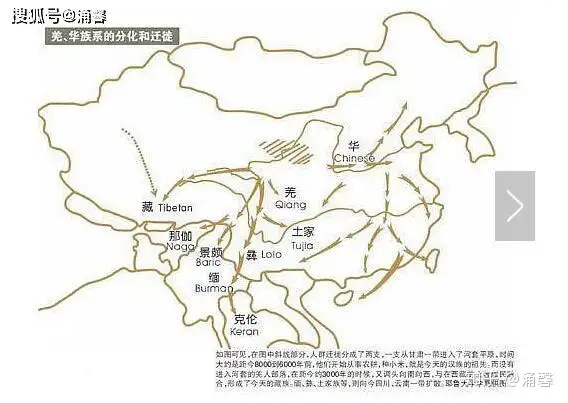
考古学家已经提出四点相互矛盾的理论。最广为接受观点是,日本人是由古代冰河时期的一批人进化而来,他们在遥远的公元前20000年占领了日本。另一种流传很广的说法是,日本人是亚洲骑在马背上的游牧民族的后裔,他们在第四世纪穿过朝鲜半岛征服日本,但是他们断然不是韩国人。还有一种理论,西方的考古学家和韩国人喜欢,而日本人反感,认为日本人是朝鲜移民的后裔,他们在公元前400年携带农耕文明到达日本。最后,第四种理论坚持认为,以上三种理论的人群,混合形成了今天的日本人。
其他民族的种族起源问题,我们可以平静的讨论。但是日本人不行。直到1946年,日本学校还在传授一个源自日本的最早史书中的神话故事,这本史书写于公元8世纪。这个神话是这样描述的,诞生于造物主邪那歧(Izanagi)左眼中的太阳女神Amaterasu,派遣她的孙女Ninigi来到位于日本列岛之一的九州的大地上,和一个大地之神成亲。Ninigi的重孙Jimmu,再一头美丽的圣鸟的帮助下,击败了他的无助的敌人,成为了日本的第一任皇帝,那时是公元前660年。为了填补自公元前660年至日本最初纪年的帝王史,该史书又杜撰了13位其他的假想的皇帝。在第二次世界大战临近结束之前,日本的裕仁天皇最终宣布,他并非神之家族,日本的考古学家和历史学家不得不对此做出合理的解释。和美国的考古学家不一样,他们承认由古代原住民留下来的美国古代遗址和现代的美国人没有任何关系,日本的考古学家坚信,日本的所有考古遗迹,无论其多么古老,都是现代日本人的祖先遗留下来的。在日本,考古学由自然科学预算资助,每年雇佣近50000名相关领域的工作者,并且不可思议的吸引了世界各地的关注。
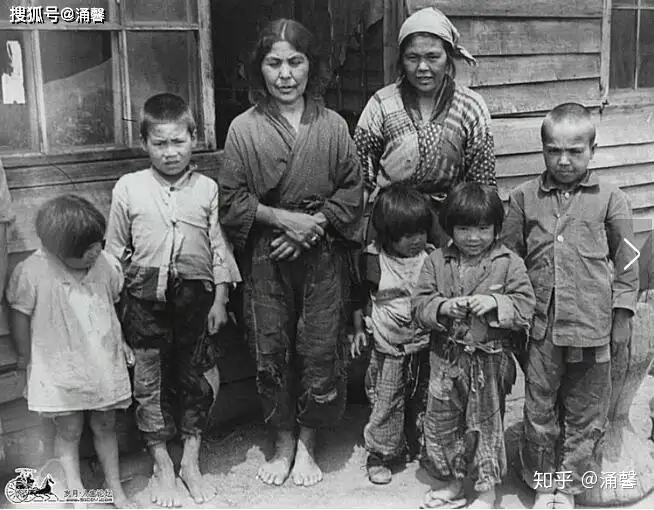
为什么他们这么在乎?和大多数的非欧洲国家不一样,十九世纪晚期,在形成工业化社会的巨变中,日本很好了保持了自己的独立和文化,这是一个了不起的成就。如今,面对强大的西方文化入侵的时候,日本人非常清楚的关注保持他们的传统文化。他们相信,他们特色的语言和文化经过了独特的、复杂的发展过程。承认日语和其他任何语言的关系,似乎意味着文化身份的屈服。
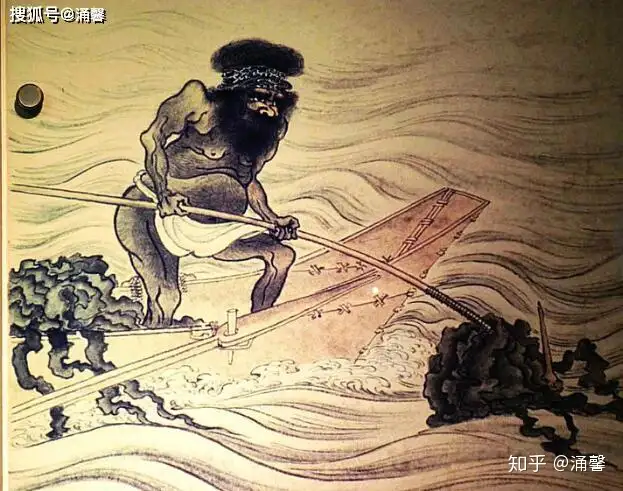
造成冷静得讨论日本的考古学如此困难的原因是,日本人对历史的解释,深深的影响了如今的思维习惯。在东亚的各民族中,是谁把文明传播给了谁?谁对土地拥有历史上的主权?这些已经不仅仅是学术问题。比如,大量的考古学证据表明,在公元300年至700年之间,在日本和朝鲜半岛之间有人和物品的往来。对此,日本人的解释是,日本政府了朝鲜半岛,并且把朝鲜半岛的奴隶和工匠带回了日本;而韩国人坚信高丽人征服了日本,并且日本帝国的创立者是高丽人。
因此,1910年,日本向朝鲜半岛派遣军队,并且把半岛变成了它的附庸国,日本的军方领导人称颂这次吞并为符合古老意志的合理的安排。在接下来的35年里,日本军方势力权利消除韩国文化,并且在学校中力图用日语取代韩语。这种做法,是一种源自于久远的歧视性态度的后果。日本的鼻子坟墓依然埋葬着20000个鼻子,它们是从韩国人身上割下来,被作为战利品带回来的,这场战争是16世纪日本的侵略。不必惊讶,许多韩国人厌恶日本人,并且这种延误又产生蔑视。
什么是真正的符合古老意志的合理的安排?现在,日本和韩国都是经济强大的国家,通过朝鲜海峡隔海相望,因为错误的神话故事和曾经的暴行而彼此审视。如果这两个伟大的民族不能找到共同的立场,这对东亚意味着病态。因此,日本人到底是什么人?对此他们需要一个正确的理解。
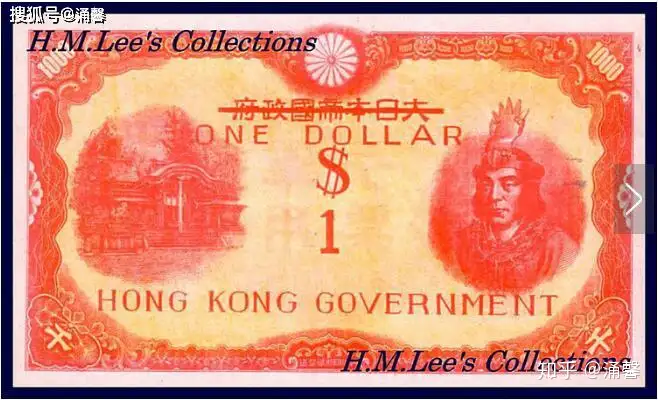
日本独特的文化开始于它独特的地理位置和环境。比较而言,它远比大不列颠更加孤立,大不列颠距离法国的海岸线只有22英里,而日本到亚洲大陆最近的一点(朝鲜半岛南部)距离为110英里,它到俄罗斯大陆的距离为190英里,到中国大陆的距离为480英里。同样的,独特的气候也将日本隔离。它每年近120英尺的降雨量,使其成为世界上最湿润的国家。和欧洲广泛的冬季降雨不同,日本的雨季集中在夏天作物成长的季节,使其成为温带地区最高农作物生产力的国家。同时,日本国土的80%,由不适于农业发展的山地组成,并且只有14%的土地作为农田,这些农田非常肥沃,以至于每平方英里的土地养活的人口,是大不列颠相同土地养活人口的8倍。日本的高降雨量也保证了被砍伐树木的快速再生。尽管经过了数千年的连绵不绝的人类战争,日本依然向游客展示了令人印象深刻的绿色,因为它的70%的国土都被森林覆盖。
随着纬度和海拔的变化,日本的森林树种多样:在南部的低海拔地区,为常绿阔叶林;在中部地区,为落叶阔叶林;在北部和高海拔地区,为针叶林。对于史前人类来说,落叶阔叶林是最富饶的,提供丰裕的可食用的各种坚果,比如胡桃、栗子、七叶树栗子、橡子和掬子。日本的水生态系统也很富饶,湖泊、河流和近海水域出产丰富的大马哈鱼、鳟鱼、金枪鱼、沙丁鱼、鲭、青鱼和鳕鱼。现在,日本是世界上最大的鱼类消费国。日本的水生态系统还盛产蛤蚌,以及其他贝类、蟹类、虾类和可食用的藻类。丰富的物产是日本史前文明的关键。
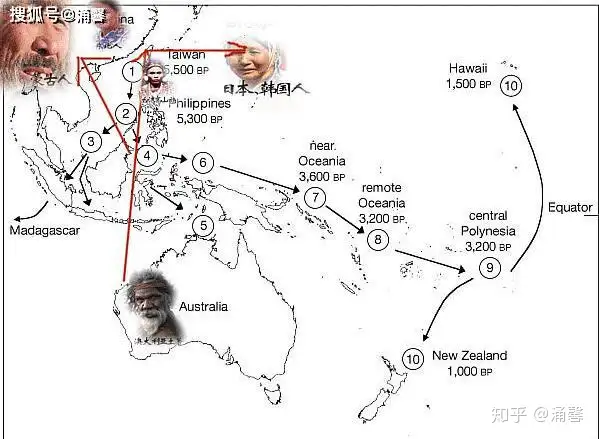
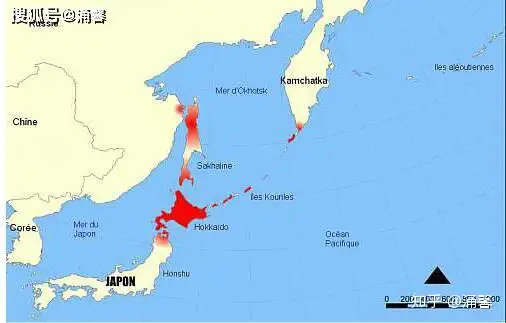
从西南到东北,日本的四个主要岛屿分别是:九州、四国、本州和北海道。直到十九世纪晚期,北海道和本州北部的主要居民还是虾夷人,他们的生活方式以狩猎、采集为主,还有少量的农业,日本人征服了主要岛屿的剩余部分,我们才开始了解他们。
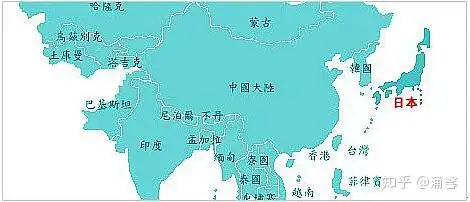
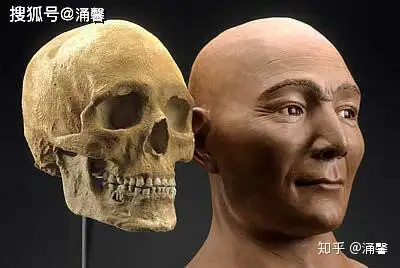
诚然,从外表看来,日本人和其他东亚人非常相似。而虾夷人不同,他们的独特外表和世界上任何一个单一成分的民族都不一样。比如说,每个虾夷(男)人都有浓密的胡须和茂盛的体毛,他们经常被分类为高加索人(所谓的白色人种),不清楚他们如何横穿欧亚大陆向东迁徙来到日本。尽管如此,从遗传基因组成来讲,虾夷人还是和东亚人种有关联,包括日本人和朝鲜人。虾夷人独特的外表,采集和打猎的生活方式,日本人普通的外表,精耕细作的农耕文明生活方式,经常被用来作为直接的证据证明,虾夷人是日本列岛靠打猎采集为生的原始居民的后裔,而日本人则更可能是来自于亚洲大陆的近期的后来者。
但是这个观点很难和日本语言的独特性相一致。每个人都承认,日语和世界上其他任何语言都没有亲缘关系。大多数学者认为,日语是亚洲的阿尔泰语系中独立的一个成员,这个语系包括土耳其语,蒙古语和通古斯语,韩语也经常被认为是这个语系中独立的一员,并且日语和韩语在这个语系中相比其他成员更加亲近。但是,日语和韩语相似的地方,还仅仅限制在一般的语法功能和大约15%的基本词汇,而不是语法的细节功能和关联的词汇。相对于俄语和英语,它们的区别更加明显。
随着时间的流逝,语言也在不停演进,两种语言越相近,它们近代的分歧就越多。通过统计语言中的共通词汇和语法功能,语言学家何以推算这些语言是在多长时间以前开始纷华的,并且这种推算证实,日语和朝鲜语至少在4000年前就以经分离。而对于吓夷语来说,它的起源还处于怀疑之中,或许它和日语没有任何关系。
在基因和语言之外,第三种关于日本人起源的证据来自于古代图画。保存至今最古老的日本居民的画像,是被城为埴轮(haniwa,日本古坟时代陪葬品:译者注)的雕像,它们矗立于具有1500年左右历史的墓葬的外边。这些雕像无疑是刻画东亚人的。他们不同于有浓密胡须的虾夷人。如果日本人确实在北海道南部取代了吓夷人,那么取代的时间必然发生在公元500年之前。
我们关于日本的有文字记载的最早的信息,来自于中国古代的史书,因为中国远比韩国或者日本更早的发展了文字记录的能力。在古中国早期形形色色的东夷访客中,日本的名称为Wa,据说,它的居民被分割为100多个争夺激烈的部落。日本公元700年之前的历史,只有从一些韩语或者日语的碑文中保存下来,而日本更多的史书完成于公元712年至720年之间,在韩国要稍晚一些。以上表明,日本的文化大量的来自于韩国本身,而韩国来自于中国。在史书中,同样记载了大量在日本的韩国访客和在韩国的日本访客,然而在日本和韩国的历史学家那里,分别被解释为曾经征服对方的证据。
那么,日本人的祖先看起来比他们所写的更早之前到达日本。他们的生物学因素证明他们在近代到达日本,而他们的语言证明他们很早以前就以经到达。为了解决这个自相矛盾的难题,我们必须回归到考古学。
日本岛和东亚大陆之间狭窄的海洋,在冰河世纪曾经是一片干燥的陆地,那时很多海水冰冻在冰山之中,海平面比现在的高度要低500英尺。陆地桥连接着日本的主要岛屿,连接着俄罗斯大陆,连接着朝鲜半岛南部。哺乳动物穿过陆地桥,走向日本,这其中不仅包括现在日本熊和猴子的祖先,还包括古代的人类,当然这些早在船只发明以前。石器时代的人类早在50万年前到达日本。
大约在13000年以前,随着世界范围内的冰山迅速融化,日本的自然环境发生了显著的变化,更适合人类生存。温度上升,降雨充沛,湿度加大,植物的生产力达到现在的水平。落叶阔叶林里到处是坚果树,它们在冰河世纪只能生长在南方,现在也扩张到北方的针叶林中,给人类提供了更多的食物。海水的上涨淹没了陆地桥,把日本从一个与亚洲连接的陆地,变成了一个大范围的群岛,把曾经的平原变成了物产丰富的浅海,并且创造了数千公里高生产力的海岸线,以及大量的岛屿、海湾、冲击平原、河口,这些地方都富产海洋生物。
冰河时代的结束,伴随着第一个在日本历史上最具有决定性意义的改变:陶器的发明。根据考古学家的一般经验,发明的流程是从大陆到岛屿,并且认为小的边缘的群体不会对其他世界贡献革命性的成果。因此,令考古学家惊讶的是,世界上已知的最古老的陶器,制造于12700年前的日本。作为人类经验史上第一次使用陶器,人们把它们做成各种形状的密封的盛水容器。随着他们拥有了蒸煮食物的能力的时候,他们可以比以前更容易获得丰富的资源:蔬菜的叶子,可以在户外的篝火上烤干或者烘干;贝类,可以被轻易的打开;并且一些类似于橡子的有毒食物,现在可以把毒性煮掉。柔软的熟食可以用来喂养婴儿,可以使婴儿更早断奶,提高婴儿的成活率。牙齿稀少的老人,他们拥有丰富的社会经验,现在也可以被供养并活的更长久。所有这些使用陶器产生的重大影响,造成了人口的爆发式增长,使日本人口从大约数千人爬升到25万。
岛国居民要向大陆居民学习,这种一直以来的偏见,被发明陶器的日本人打破,但这并不是给考古学家带来震惊的唯一原因。另外,最初的日本陶器工匠,显然都是狩猎和采集者,这一点也违反了传统的观点。通常情况下,只有定居民族才使用陶器:因为游牧民族使用帐篷运输笨重的、易碎的器皿,以及武器和孩童。世界上其他地区的定居民族往往是农耕民族。但是日本的物产如此富饶,人们可以定居下来,制造陶器,同时依然过着狩猎和采集的生活方式。直到精耕细作的农业文明到达日本之前的10000多年中,陶器帮助日本居民充分的利用环境所赐的丰富的食物资源。
许多古代的日本陶器都在柔软的泥土上装饰着旋转或者压制的绳状花纹。因为在日本语中,绳纹用jimon表示,在那个时代,绳纹被应用于陶器本省,用于制造陶器的古代日本人,并且应用于从陶器发明开始至10000年后结束的整个历史时期。最早的绳纹陶器,可以追溯到12700年前,源自日本最南端的九州岛。从那时开始,陶器开始向北扩张,在9500年前左右到达现在东京所在地的附近,并在7000年前到达最北端的北海道。陶器的向北扩张,跟随着富产坚果美食的森林北迁,证明了因为气候导致的食物大增长,允许了定居生活的实现。
绳纹时代的人民如何生活?遍布日本的成百上千个考古遗迹中发掘出来的生活物品,为我们提供了丰富的证据。很明显,他们的膳食营养非常合理,即使现在的营养学家也要拍手称赞。
一个主要的食物范畴是坚果,尤其是栗子和胡桃,以及除去或者煮掉了毒性的七叶树果和橡子。在秋天,坚果的收获量巨大,并且可以贮存在6英尺宽、6英尺深的地下储藏室中度过冬天。源自植物的其他食物包括浆果、水果、种籽、叶子、嫩枝、花卉和根。总之,考古学家在绳纹时代的遗迹中,认定了64中可供食用的植物。
和现在一样,日本古代居民在海洋食品方面也引导着世界的潮流。他们在公海捕猎金枪鱼,在沙滩上杀死海豹,在河流里捕捉随洋流迁徙的大马哈鱼。他们把海豚驱赶到狭窄的水中,用棍棒击打,或者用尖矛刺穿,和现在的日本猎人做的一样。他们用在河坝中网捕捉各种各样的鱼,用鹿角做成的鱼钩钓鱼。他们在退潮的时候采集贝类、螃蟹和海藻。在陆地上的动物中,野猪和驯鹿是最常见的猎物。它们被陷阱诱骗,被弓箭射杀,被猎狗追逐。
关于绳纹时代生活最具争议的问题是,农业的的贡献有多大。许多绳纹时代的遗迹中留有可供食用的植物,它们是源自日本的野生种类,而且今天还作为农作物在种植,包括红豆和绿豆。这些绳纹时代遗留下来的植物,不能明显的显示出农作物和其野生祖先之间的区别,因此我们不知道它们是从野外采集的还是人工种植的。遗迹中还有一些可供食用或者其他用途的植物种类不是源自于日本的,比如大麻,那些一定是从亚洲大陆引入的。大约在公元前1000年左右,也就是绳纹时代的末尾,一些主产地为东亚的谷物如稻谷、大麦、小米开始在日本出现。所有这些引人注目的线索表明,绳纹时代的人们很可能已经开始实践刀耕火种的农业文明,但是很明显,作为一种非主要的方式,其对他们的饮食贡献很小。
研究绳纹时代采集和狩猎者的考古学家,不仅发现了难于运输的陶器(其中一些有6英尺高),还发现了笨重的石器工具,残余的带有修葺痕迹的坚固房子,多达50户甚至更多居民的村庄,还有坟墓,所有这些深入的证据表明,绳纹时代的居民是定居民族,而不是游牧民族。多种多样的丰富的动植物资源,与居住中心较短的距离——森林、河流、海滩、海湾和公海,使这种居住在家的生活方式成为可能。绳纹时代,居住的的人口密度很高,尤其是在日本中部和北部,那里有丰富的坚果森林、不停迁徙的大马哈鱼和富饶的海洋。绳纹时代,日本的总人口估计在25万,当然相对于现在不屑一顾,但在当时令人惊讶。
和我们强调绳纹时代居民确实拥有什么一样,我们需要清楚的知道他们没有什么。他们和同时期的几百英里之外的中国人和韩国人生活的很不一样。绳纹时代居民没有精耕细作的农业文明。除了狗(可能还有猪),他们没有其他驯养的动物。他们没有金属工具,没有文字,不会编织,几乎没有官吏和平民之别的社会等级。陶器风格的地域性区别表明,几乎没有任何推动中央集权和统一的力量。
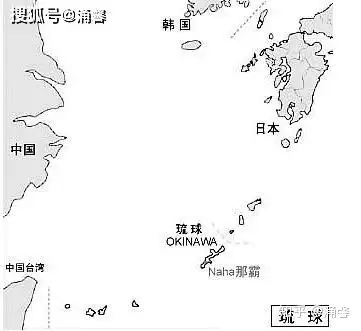
尽管在东亚范围内也特立独行,但绳纹时代的日本并不是完全孤立的。陶器、黑曜石和鱼钩证明,绳纹居民和韩国、俄罗斯和冲绳有贸易往来——正如亚洲大陆农作物的引入。但是,和后来相比,那点和外界有限的贸易,对绳纹社会几乎没有影响。绳纹时代的日本是一个狭小的封闭的空间,在多达一万年的时间里几乎没有改变。
暂且放下日本人,让我们回忆一下,在日本绳纹时代行将结束的公元前400年,亚洲大陆的人类社会是怎么的吧。中国已经形成了由富裕的贵族和贫穷的平民组成的帝王之国;人们居住在高墙保护的城镇中,国家正处于向中央集权过渡的阶段,此后不久,中国变成了世界上最大的帝国。从约公元前6500年开始,中国已经发展了精耕细作的农业文明,北方以粟类为主,南方以水稻为主;已经开始豢养猪、鸡和水牛。到了这时候,中国人至少已经有了900年的文字书写史,1500年的金属工具史,并且刚刚发明世界上第一个铁器。这些发展同样传播到韩国,韩国也拥有数千年的农业文明(至少在2100年前种植水稻),公元前1000年开始冶炼金属。
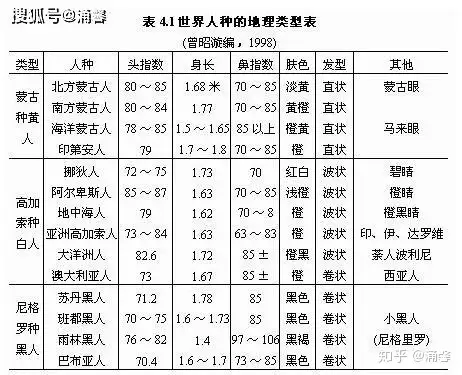
数千年来,亚洲国家蓬勃发展,可是与亚洲大陆只隔着一道朝鲜海峡的日本,公元前400年的时候,仍然被使用石器工具的采集和狩猎者盘踞,他们只和朝鲜半岛发生一点贸易。纵观人类历史,拥有金属武器,以稠密农业人口为基础的庞大军队的中央集权国家,一直在驱逐和消灭稀少的狩猎和采集者。但是绳纹时代的日本怎么样在如此长的时间中幸免?
为了理解问题的答案,我们需要认识到知道公元前400年,朝鲜半岛分隔开的,不是富裕的农民和贫穷的狩猎-采集者,而是贫穷的农民和富裕的狩猎-采集者。中国本身和绳纹时期的日本很可能没有直接接触,而是由韩国充当联系人。水稻在温暖的中国南方被驯化,却迟迟才传播到较为寒冷的韩国,这是因为培育抗旱的品种花去了很长的时间。早期,韩国的水稻农业采用旱田而不是水田灌溉,所以产量不高。因此,韩国早期的农业文明,竞争不过日本的狩猎和采集。在引入韩国的农业方面,日本人看不到任何优势,而且贫穷的韩国农民没有把他们的生活方式强制推进到日本的优势。当然,我们将要看到的,是这种优势突然而戏剧性的逆转。
陶器发明带来了日本的人口爆发,在之后的一万多年后,日本历史上第二个重大的事件触发了第二次人口大爆发。在公元前400年左右,来自韩国南部的新的生活方式到达日本。这第二次改变导致了激烈争辩的问题——日本人到底是谁?这次改变是标志着绳纹时代的居民被来自韩国的移民取代,成为现代日本人的祖先,还是日本的原始绳纹时代的居民依然占据日本并开始学习新知识?
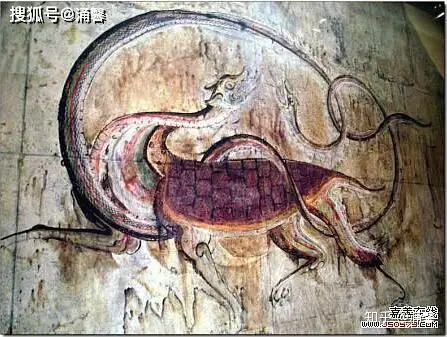
这种新的生活模式,最早出现在日本最西南部的岛屿——九州的北部海滨,与韩国南部隔着朝鲜海峡。在那里,我们发现最早的铁制金属工具,和无可置疑的全面的农业。此时的农业以灌溉稻田的形式出现,经考古发掘,包括完整的沟渠、河坝、堤岸和水田,以及大米残迹。1884年,在东京的一个行政区,具有这个时期特征的陶器被第一次认证之后,考古学家将这这种新生活方式的时期成为弥生时代。和绳纹时代的陶器不同,弥生时代的陶器在形状上非常接近同时期韩国南部的陶器。新的弥生文明的许多其他元素也明显是从韩国和其他国家引入到日本的,包括青铜器皿、编制物品、玻璃器具以及工具和房屋的样式。
在水稻作为最重要的农作物的同时,弥生时代的农民引入了27种新的动植物种类,当然包括被驯养的猪。他们可能已经开始实践一年两收,夏季种植灌溉水稻,然后排干水,在冬季种植小米、大麦和小麦。必然的,这种高效的、精耕细作的农业生产立即在九州触发了人口的增长,考古学家已经指出,这次增长比绳纹时代更加剧烈,尽管绳纹时代持续的时间要14倍于弥生时代。
几乎就要同时,弥生时代的农业文明从九州跳跃式的发展到毗邻的本州和四国,在200年之内到达东京地区,并且在下个世纪到达寒冷的四国北端(距离第一个弥生时代的定居点1000英里)。对本州北部短暂的占领之后,弥生时代农民放弃了那里,据推测是因为水稻农业正不过绳纹时代的狩猎和采集生活。在接下来的2000年里,本州北部一直处于边缘地带,更远处最北部的日本岛屿北海道,以及那里的居民虾夷猎人,甚至根本就不被当作日本过的一部分,知道他们在19世纪被征服。
经过几个世纪的发展,弥生日本开始第一次出现社会等级的划分,尤其显示在墓地分配。在大约公园前100年后,崛起的精英阶层的墓地开始单独分离出来,并饰以来自中国的奢侈品,比如漂亮的玉器和铜镜。随着弥生时代人口的持续剧增,最适合水稻种植的湿地和灌溉平原的不断开发,考古学证明战争越来越频繁:这些证据包括弓箭大规模的生产,村庄周围的护城河,以及被锐器贯穿身体的埋葬的骷髅。这些弥生时代战争的证据证实了中国史书中那些最早到达日本的来访者的说法,他们描述日本的战国时代,上百个小的政治团体互相斗争。
在公元300年至公元700年这段时期,考古学发现和后来史书中模棱两可的描述,都让我们模糊的窥视到政治上统一的日本出现雏形。在公元300年之前,精英阶层的墓地规模狭小,并且显示出原始的多样的风格。从公元300年开始,巨大的、状如钥匙孔的、被称作古坟(kofun)的墓地渐渐增多,遍布当时的从九州到本周北部的弥生地区。古坟长达1500英尺,高于500英尺,标志着他们可能是世界上最巨大的土墩式坟墓。修建这些巨大的陵寝需要巨大的劳动力,而且其一致的风格意味着,强力的统治者指挥巨大的、政治意义上的、统一的劳动力。在这些陵寝中还发现了大量的随葬品,可是其中的绝大部分依然禁止开放,因为据信其中包含日本帝国祖先的轨迹。这些陵寝中发现的对外开放的关于中央集权的证据,进一步证实了在后来日本和韩国的史书中,关于来访者对古坟时代天皇的描述。古坟时代韩国对日本的影响巨大——不论是韩国征服了日本(韩国观点)还是日本征服了韩国(日本观点)——佛教、文字、骑术,以及新的制陶工艺和冶金技术都从亚洲大陆传播过来。
最后,随着日本第一部史书完成于公元712年,日本的历史开始完全显现。也就是从712年开始,生活在日本的居民才是最终的无可非议的日本人,他们的语言(学术上的古日本语)才是无可非议的现代日本语的祖先。当今的执政者明仁天皇,是公元712年写就的史书中的天皇的第82世直系子孙。按照惯例,他被认为是传说中的第一任天皇——神武天皇的第125世直系子孙,而神武天皇是天照大神的重玄孙。
日本文化在弥生时代700年中经历的变化,远比绳纹时代10000年的变化要剧烈。绳纹时代的稳定性(或者说保守性),和弥生时代变化的剧烈性,这种对比是日本历史上最明显的特征。很显然的,公元前400年发生了一些重大的事件。现代日本人的祖先是绳纹时代的人们,还是弥生时代的人民,或是两者的结合?弥生时代,日本的人口实现了令人惊讶的70倍的增长:是什么导致了这样的剧变?争论的焦点集中于以下三个推测之中。
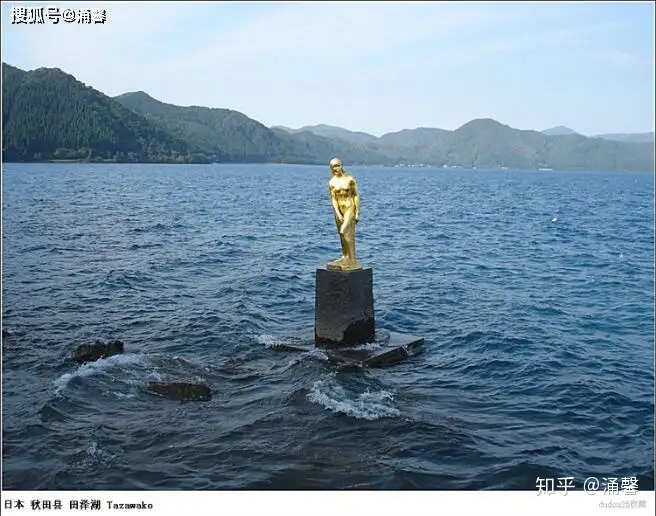
一种理论是,绳纹时代的狩猎—采集者本身渐渐进化成现代日本人。因为数千年来,他们一直过着定居的生活方式,他们可能已经做好准备接受农业文明。绳纹时代,社会已经引入抗寒的水稻种籽,并且已经从韩国得到了灌溉种植的信息,可以生产更多的粮食以提高人口数量,而弥生时代所发生的,也许一点也不会更多。这种理论迎合了许多现在的日本人,因为这样可以把不受欢迎的韩国基因对日本基因的贡献减至最少,同时可以证明,在过去的至少12000年的时间里,日本人是独一无二的民族。
第二种理论——没有迎合那些喜爱第一种理论的日本人——认为弥生时代的转变受到了韩国移民的巨大影响,包括他们带来的农业生产、文化、以及基因。九州曾经看起来像是韩国水稻农民的天堂,因为那里比韩国更湿润,有更多湿地,是一个更好的水稻种植地。据估计,弥生时代,日本接收了几百万的韩国移民,他们的贡献完全超过了绳纹时代的日本人(弥生时代之前,约在75000人)。如果是这样,现代日本人就是韩国移民的后代,他们在过去的2000多年中发展了他们自己的文化。
最后一种理论,接受韩国移民的证据,但是认为没有这么重大。而是,高生产力的农业使一部分种植水稻的农民在人口增速上超过了狩猎和采集者,并最终从数量上超过了他们。和第二种理论相似,这种理论认为现代日本人有轻微的韩国成分,但是回避大规模移民的必要性。
和世界中具有类似改变的其他地方相比,第二种理论和第三种理论看起来比第一种理论更符合道理。在过去的12000年,农业在地球上到达的地方不超过9个,包括中国和肥沃的新月地带。12000年前,每一个生存的人都是狩猎和采集者;现在几乎我们全部都是农民或由农民养活。农业从那些起源地扩展到各界各地,主要是因为农民比狩猎者更加强大,他们发展更先进的技术,然后杀死狩猎者或者把他们驱逐出适合农业生产的土地。在现代,来自欧洲的农民取代了土生土长的加利福尼亚猎人,澳洲土著,以及南非的祖鲁人。同样的,使用石器工具的农民取代了曾经遍布欧洲、东南亚和印度尼西亚的狩猎者。公元前400年,韩国农民已经具有比绳纹狩猎者非常明显的优势,因为韩国人已经使用铁制工具,而且拥有高度发达的精耕细作的农业。
对于日本来说,以上三种理论那一种是正确的?回答这个问题的唯一直接的方法是,拿绳纹时代、弥生时代的骨骼和基因,和现代日本人和虾夷人的骨骼和基因做比较。现在,已经用很多骨骼做了测算。而且,在过去的三年里,分子遗传基因学家已经开始从古代日本人骨骼中提取DNA,并且用以比较古代日本人和现代日本人的基因。研究发现,绳纹时代和弥生时代的骨骼,在平均值上可以轻易的区分出来。绳纹时代,人们的身高较矮,拥有较长的前臂和较短的腿,两眼的距离较宽,他们的面部较宽较短,面部特征非常显著,如明显凸出的额头、鼻子和鼻梁。弥生时代,人们的平均身高要高1到2英尺,他们的两眼距离较窄,面部高而长,额头和鼻子平坦。一些弥生时期的骨骼在外表上依然和绳纹时代类似,但是这在任何关于绳纹——弥生时代转变的理论中,都是已经预料到的。到了古坟时代,除了虾夷人外的所有日本人的骨骼,形成了同质化的群落,类似现在的日本人和韩国人。
综合以上所有方面,绳纹时代的头骨和现在日本人不同,而非常像现代的虾夷人,同时,弥生时代的头骨非常像现代的日本人。是类韩国人的弥生时代基因对现代日本人的基因库贡献大,还是类虾夷人的绳纹时代基因对现代日本人的基因库贡献大,遗传学家经过计算比较已经判定,弥生时代占有显而易见的优势。既然这样,来自韩国的移民的确对现代日本人作出了很大的贡献。但原因是移民的数量巨大,还是适度的移民加高速的人口增长率,我们尚不能断定。过去三年的遗传学研究,还最终解决了关于虾夷人起源的争论,他们是日本绳纹时代居民的后代,混合了弥生时代韩国殖民者和现代日本人的基因。
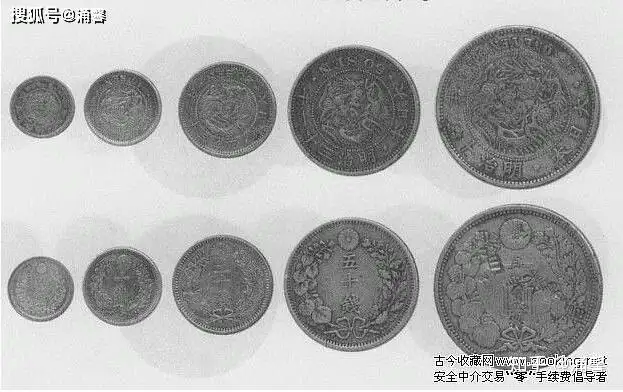
继承了水稻农业赋予韩国农民的压倒性优势,我们惊讶于为什么农民如此突然的就取得了对绳纹时代狩猎和采集者的胜利。是什么最终打破了平衡,触发了弥生时代的转变?很可能是以下四个发展因素的共同作用:农民们开始使用灌溉稻田取代低产的旱地,以提高大米的产量;他们培育了可以在寒冷地区良好生长的水稻品种;韩国人口急剧增长,由此带来的土地压力迫使韩国人移民;他们发明了铁器工具,使他们可以大量生产木铲、锄头以及其他灌溉水稻农业需要的工具。铁器和精耕细作的农业生产同时到达日本,不太可能只是巧合。
我们已经看到,来自考古学、人体学和遗传的证据都证明,特征明显的虾夷人和特征不明显的日本人如何共同拥有日本:虾夷人遗传自日本的原住居民,日本人遗传自更近期的到达者。但是这个观点不能解释语言的难题。如果日本人真是来自韩国的近期的移民,你会期望日语和韩语非常近似。更通常的说,如果生活在九州岛上的日本人,是类虾夷人的绳纹时代居民和弥生时代来自韩国的入侵者的混血儿的话,那么日语应该和韩语和虾夷语都有密切的关系。然而,日语和虾夷语没有任何可论证的关系,日语和韩语的联系也相去甚远。为什么会这样,如果这种混合仅仅发生在2400年前?我建议如下解决这个难题:九州岛绳纹时代居民的语言和现代的虾夷语,弥生时代入侵者的语言和现代的韩语,都差异巨大。
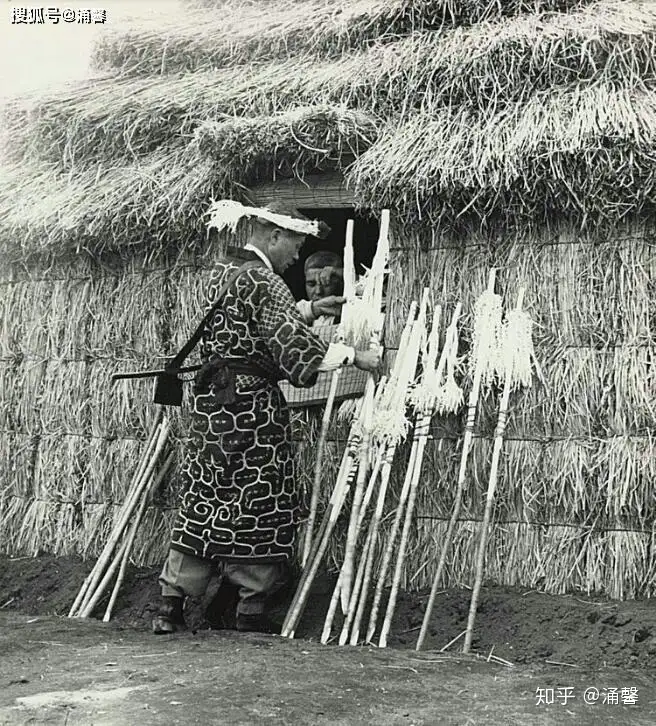
在近代,虾夷语仍然被北海道的虾夷人使用,所以北海道的绳纹时代居民很可能同样说一种类虾夷语的语言。而九州岛的绳纹时代居民当然不是这样。从南端的九州岛到北端的北海道,日本列岛的跨度接近于1500英里。在绳纹时代,人们的生活方式和陶器的风格,呈现出明显的原始的多样性,而且从未有过政治上的统一。在绳纹时代的10000年中,人们应该形成了多种多样的语言。事实上,在北海道和本州北部,许多日语中的地名使用的虾夷语中的词汇,如用于河流的nai、betsu,用于海角的shiri,但是这种类虾夷语的词汇没有出现在更南部一些的日本。这不仅证明了弥生时代和日本的先驱者们采用了许多绳纹时代的地名,还证明了虾夷语仅仅是日本最北端的绳纹时代的语言。
就是说,现代北海道的虾夷语,并不是古绳纹时代九州的语言。同理,对于源自于公元前400年韩国移民的弥生时代语言,韩语也不是一个可参考的模型。在公元676年韩国统一前的数个世纪,朝鲜半岛由三个王国组成,现代韩语继承于新罗王国的语言。但是统一之前,新罗王国与日本的联系并不多。早期的韩国史书告诉我们,不同的王国有不同的语言。而被新罗击败的王国的语言,现在已经知之甚少,所剩无几的被保存下来的高句丽王国的词汇,比起对应的现代韩语,更接近于对应的古代日本语。在没有实现政治统一的公元前400年,韩语可能更加的多种多样。我猜想,在公元前400年到达日本并发展成现代日语的韩语,和发展成现代韩语的新罗语,肯定大不相同。那么,现代日本人和韩国人在外貌和基因上非常相似,在语言上却大相径庭,我们可不必讶异。
历史给了日本人和韩国人富饶的土地,用于互不信任和互相蔑视,所以任何拉近他们之间距离的结论很可能都是不受欢迎的。就像阿拉伯人和犹太人,韩国人和日本人血脉相连却互相敌视。但是敌视会互相破坏,在东亚就像在中东。尽管不愿意承认,但是日本人和韩国人就像孪生兄弟,曾经拥有共同成长的岁月。东亚的政治未来,很大程度上取决于他们能够成功的重新发现彼此在古代紧密的关系。


评论
发表评论