China's economic miracle cannot be "replicated" casually!中国经济奇迹不是随便就能“复制”的!

China's economic miracle cannot be "replicated" casually!

  The world after World War II is a wonderful world.

Man entered space for the first time; man set foot on the moon for the first time; man opened the virtual world of the Internet. These are all great events that are enough to be recorded in the annals of human history.

But when it comes to things that have really affected the entire world structure, there are actually only three things:

1. The birth of dollar hegemony, the establishment of the first financial empire in human history.

2. With the disintegration of the Soviet Union, the world has since entered a new pattern of one superpower and many powers.

3. With the rise of China, the power of the East and the West has changed, a major change unseen in a century.

Speaking of the rise of China, this is a rare miracle in human history. In just 70 years, one of the poorest and backward countries in the world has become the world's second largest economy and led one-fifth of the world's economic growth. Human beings get rid of absolute poverty, which is a major historical topic destined to be studied by future generations.

Many people ask me in private: Why can China rise?

The first thing I want to emphasize is that the first generation of Chinese leaders headed by Chairman Mao led our ancestors to break the feudal remnants of China and establish the foundation of China's industrialization, which is a necessary condition for China's rise.

Regarding what the first generation of new China did, you can follow me to read historical articles, and I will not explain too much.

Before I start talking about the four major historical opportunities, I must first clarify one thing. Some friends do not understand history and do not like to learn. They spread rumors everywhere, saying that Chairman Mao did not allow China to open up, which led to China’s poverty in the first 30 years. Backward, if China had opened up to the outside world in 1949, China would have risen long ago.

I was too lazy to refute this kind of nonsense, but considering that some friends who follow me are relatively young and may not understand the truth of history, I think it is very necessary to talk about it.

Why did China not open to the outside world until 1978?

The first reason: the external environment does not allow.

New China was founded on October 1, 1949, and the Korean War broke out in October 1950. Western countries led by the United States imposed a blockade and embargo on China. China can only communicate with socialist countries, which cannot be fully opened External causes.

The second reason: the internal environment does not allow.

Many younger friends really don’t know how poor China was when it was first established. Let me tell you that in the early 1950s, China could not even make matches and soap completely independently. After opening up, what do you sell to other countries? The Qing Dynasty and the Republic of China have given us the best demonstration of mistakes. When there is no industrial base, no highly competitive products, no enough quality workers, and no national strength to ensure trade security, rashly opening up is directly reduced to Merchandise dumping grounds and economic colonies for other countries.

Moreover, contrary to your impression, China's opening to the outside world was actually led by Chairman Mao in the first place, and I will directly give you the evidence.

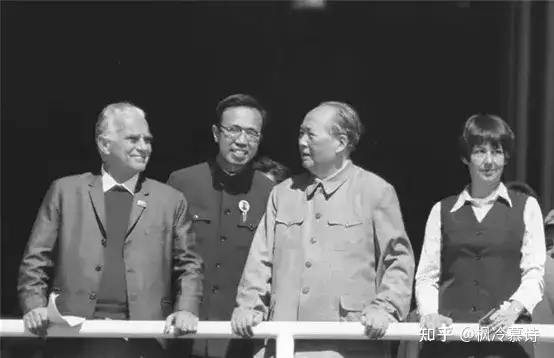
On October 1, 1970, Chairman Mao received the American journalist Snow and his wife on the Tiananmen Gate Tower, and arranged for the People's Daily to announce the news.

In 1971, after learning that Chairman Mao had the idea of contacting the United States, US Secretary of State Kissinger secretly visited China.

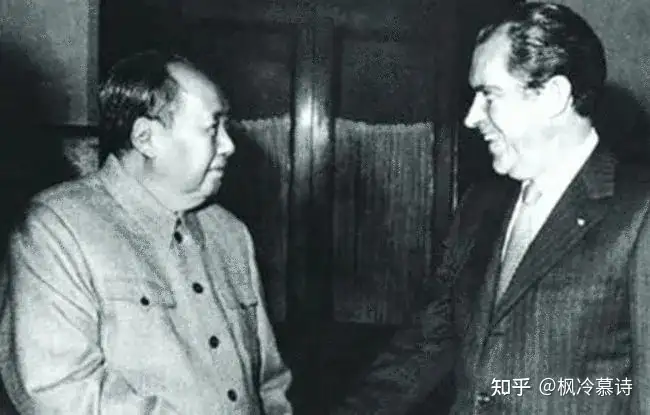
In 1972, US President Nixon was invited to visit China. In the same year, China and Japan, China and Britain, and China and Germany established diplomatic relations.

Almost at the same time, in the famous "Four-Three Plan", China imported many advanced technologies, including fertilizer technology, from the United States, Federal Germany, France, Japan, the Netherlands, Switzerland, Italy and other Western countries on a large scale. The foundation has been laid to solve the problem of food security.

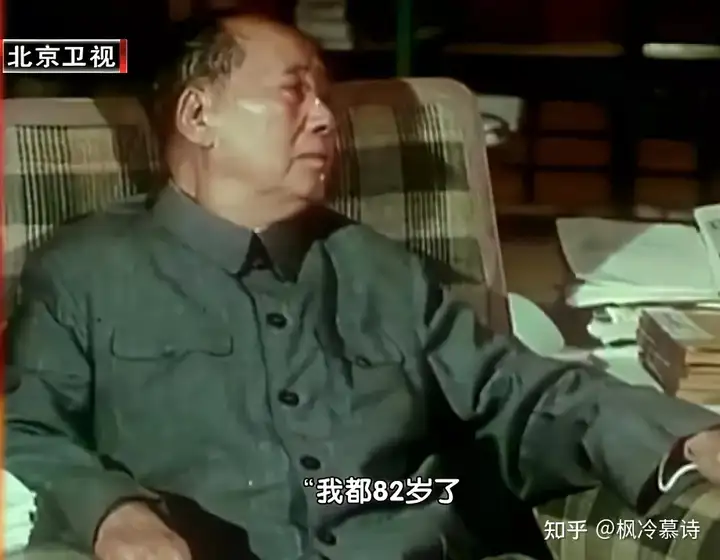
That is to say, in the last stage of Chairman Mao's life, the old man has already begun to try to contact with the outside world. Those who turn the corner and smear Chairman Mao suggest that they should read more books if they feel their conscience.

Moreover, even though Chairman Mao laid a good industrial foundation for China, China's rise was not so easy. After Deng Gong announced the official reform and opening up in 1978, China happened to encounter four major historical opportunities, and walked on thin ice every step of the way. , In the end, it was soaring into the sky today.

01Industrial transfer in the United States

In the world in the 1970s, the U.S. economy was stagnant and trade protectionism was rampant. You can understand the international situation at that time as the scene of the Sino-U.S. trade war in the previous two years. In that environment, opening up early was not advisable. The reason why the opening up was set at the end of the 1970s is because since the end of the 1970s, the United States has gradually stepped out of economic difficulties. After Reagan came to power, he carried out drastic reforms, and it happened that the Internet industry rose in the 1980s. The well-known Apple company was in emerged during that period.

Since then, the United States and Japan have begun to transfer industries abroad. At first, they transferred labor-intensive industries such as textiles and clothing, and later transferred steel, chemical, and shipbuilding industries. After the signing of the Plaza Accord in 1985, some industries were gradually transferred to mainland China.

If you are born in the 80s or 90s, in your childhood memories, you must have seen the scene where China was full of cotton spinning factories, machine tool factories, and chemical factories, because these were the main industries undertaken by mainland China at that time.

If there were no industrial transfers from the United States and Japan during this period, even if China opened up, what industries could it introduce? So it is also the trend of the times.

02 The influx of funds from Japan

From 1979 to 2011, Japan has been providing China with "economic aid". Of course, don't think too well of the Japanese. This so-called "economic aid" is 80% of which is loans and 10% is For technical cooperation, the remaining 10% is free assistance.

The reason why Japan aided China at that time was because after the "Plaza Agreement", the yen appreciated sharply against the US dollar, which led to a rise in the price of Japanese goods, and the products in Japan could no longer be sold, so Japan needed to find a market to dump its goods. This is the reason one.

The second reason is that Japan needs to import raw materials from China, but at that time China's infrastructure was still relatively backward, so Japan gave loans to China, allowing China to build railways, docks, and airports first.

If you are born in the 80s or 90s, you should still remember the scene of Japanese electrical appliances and cars everywhere in China at that time. If people in that era owned a Sony radio, they would almost become the focus of the whole village.

There is another important reason why Japan gave money to China's development, that is, the Japanese were so rich at that time! For example, when the Japanese go shopping in the United States, others buy one by one. The Japanese flock to buy luxury stores directly; in addition to buying luxury goods, the Japanese also travel to resorts around the world. The waiters taught themselves Japanese in order to get more tips. At that time, Japan’s per capita GDP was as high as 42,400 US dollars, which was much higher than the 29,000 US dollars in the United States.

So the Japanese spend money differently, thinking about investing after consumption.

Mitsubishi Estate spent US$850 million to buy a 51% stake in the US landmark Rockefeller Center.

Sony spent $3.4 billion to buy the world-famous Columbia Pictures.

Panasonic spent $6 billion to buy Universal Pictures, the banner of the American film industry.

Japan's Shuwa bought Citi Plaza, and the wealthy Japanese Yasuda Corporation also bought Van Gogh's world-renowned "Sunflower" at a sky-high price of 5.82 billion yen.

Compared with these, the "economic aid" provided by Japan to China is just following the trend, and after Japan opened up the Chinese market, it has already earned back ten times and a hundred times the money. Former Malaysian Prime Minister Rahman once said: " One piece of Japanese aid comes in, and at least twice as much money goes back.”

Even so, we still have to admit that the influx of Japanese funds was an important opportunity for China's industrial development at that time.

03 The disintegration of the Soviet Union

When the Soviet Union was still there, even though we had opened up to the outside world, the north maintained a million-strong army all year round. The heavy military expenditure burden seriously hindered the development of China's economy. Take 1979 as an example, China's military expenditure was 16 billion U.S. dollars, accounting for the 18% of national fiscal expenditure and 6% of GDP. If you don’t know what this is, let me tell you another statistic. Now the military expenditure of the United States only accounts for 3.5% of GDP, and China’s is only 1.25%. This shows that at that time The Soviet Union did put a lot of military pressure on us.

After the disintegration of the Soviet Union, the ratio of China's military expenditure to GDP continued to decline from 1992 to 1997, and finally dropped from 6% in 1979 to 1.03% in 1997.

It can be said that if the Soviet Union had not implemented hegemony for a long time, the Chinese would not have been living with tight belts in the decades before the founding of the People's Republic of China.

Someone once made a metaphor. After the disintegration of the Soviet Union, in addition to the United States, Russia was the first heir to the Soviet heritage, Ukraine was the second heir, and China was the third heir. Although it is also a joke, it can be seen that the disintegration of the Soviet Union did objectively give China room for development.

04 Asian Financial Crisis

Now we all know that the real take-off of China's economy began with China's accession to the WTO in 2001, but few people have seriously thought about why after 2001, investors from all over the world were willing to move their industries to China on a large scale instead of staying in the WTO. Southeast Asia developed earlier?

From the perspective of time, in fact, in the early 1990s, most of the Western industries were transferred to the "Four Asian Tigers", that is, Thailand, Indonesia, Malaysia, and the Philippines. Mainland China did not receive large-scale industrial transfers from the very beginning. , What made the world's investors change their minds?

In 1997, the financial giant Soros came to the Asian financial market with a large sum of US dollars. Through a series of complicated financial operations, Thailand, which was originally a rapidly developing economy, experienced an economic crisis overnight. If you want to know how he operates, you can pay attention I read historical articles.

After Thailand’s economy collapsed, the crisis spread to the entire Southeast Asia. Soros wanted to repeat his tricks and continue to short the Hong Kong dollar. If China failed to hold on to the financial market, it would not only lose the wealth accumulated over the years, but also damage the prestige of the central government. So this is A war that cannot be lost.

At that time, in order to stabilize Hong Kong's financial market, the central government sent two vice-governors of the central bank and the Bank of China to Hong Kong to oversee the war. It was because of the support of the central government that Soros' plan to short Hong Kong finally failed. In the end, they lost as much as 10 With more than 100 million dollars, he had to leave in despair.

After World War I, the Southeast Asian market lost the trust of capital, and the Chinese market won the favor of investors. This is the reason for the large-scale industrial transfer after China joined the WTO in 2001.

The reason why I did not list the "September 11 Incident" in 2001 as a great opportunity for China's rise is because I have always been very clear that China's rise definitely does not depend on the charity of a certain country. It’s not that China itself has the conditions for its rise. Even if it joins the WTO, it’s impossible for China’s economy to rise rapidly. After all, there are more than 150 WTO member countries, and how many are rising?

When I was writing this article, the reason why I told so many things about Chairman Mao at the beginning was because I wanted to tell everyone that the first 30 years and the last 40 years of China’s rise are inseparable. One bun will be full, but it does not mean that eating the seventh bun will make you full. The so-called "predecessors plant trees, future generations enjoy the shade", "drink water and never forget the well digger", we will never forget Chairman Mao and the first person in New China The dedication of the people from generation to generation, and the sufferings of several generations, are worthy of being remembered by us.

Moreover, unlike everyone’s impression, China’s opening to the outside world was actually led by Chairman Mao at the earliest—in fact, the earliest action was February 19, 1969, when Mao Zedong assigned Chen Yi, Ye Jianying, Nie Rongzhen, and Xu Xiangqian 4 The two veterans "studied the international situation together, and Chen Yi was in charge and put forward written opinions." One month before, Nixon had just come to power; in the next 10 days, a bloody conflict on the border of Zhenbao Island was provoked.

Moreover, unlike everyone’s impression, China’s opening to the outside world was actually led by Chairman Mao at the earliest—in fact, the earliest action was February 19, 1969, when Mao Zedong assigned Chen Yi, Ye Jianying, Nie Rongzhen, and Xu Xiangqian 4 The two veterans "studied the international situation together, and Chen Yi was in charge and put forward written opinions." One month before, Nixon had just come to power; in the next 10 days, a bloody conflict on the border of Zhenbao Island was provoked.

Zhou Enlai said to the four veterans: The chairman entrusted you with this task because the chairman believes that there is still a need for continued research. The chairman's consistent thinking is that subjective understanding should strive to conform to objective reality. As objective reality continues to develop and change, subjective understanding should also change with development, and some or even all of the original views and conclusions should be revised in a timely manner. So, don't get your minds boxed. In addition to "staying", you can not be disturbed by administrative affairs, and you have a few days a week to concentrate on considering the international situation. You are all marshals with strategic vision, and you can assist the chairman in grasping strategic trends for his reference. This task is very important and should not be taken lightly. Don't try your best just because of what I said, but pay attention to your body and do what you can. The situation in the world changes every day, but the strategic pattern does not change every day. Two or three discussions a month are enough. With a more mature view, please Mr. Chen sum up a few and send them to me, I will help you as a staff member and then forward it to the chairman. But the content of the discussion is kept confidential.

According to Zhou Enlai's opinion, the Ministry of Foreign Affairs selected Xiong Xianghui, former charge d'affaires in the UK, and Yao Guang, director of the European and American Department, to join the "International Issues Research Group" to assist the four veterans in their work.

After 6 discussions totaling 19 hours, the four veterans submitted a written report entitled "Preliminary Estimation of the War Situation" to Zhou Enlai on July 11, 1969. The report points out that the struggle between U.S. imperialism and Soviet revisionism in Eastern and Western Europe is a real and realistic conflict of interests, and their struggles are frequent and sharp. The contradiction between China and the Soviet Union is greater than the contradiction between China and the United States, and the contradiction between the United States and the Soviet Union is greater than the contradiction between China and the Soviet Union.

From then on to September 16, the four veterans had 10 more 29-hour discussions on major new situations that occurred one after another, and wrote "Views on the Current Situation", which was finalized by Chen Yi and sent to Zhou Enlai on September 17 . The report analyzed Kosygin's intention to come to my country and whether the Soviet revisionist will aggressively attack our country, and pointed out that it is necessary to use the US-Soviet conflict strategically to open up Sino-US relations, and corresponding strategies must be adopted for this.

In fact, this is the starting point of China's reform. From serious confrontation with the United States to easing and thawing, China has made a 180-degree turn at the top of the party, government and military. Even if Mao Zhou personally made decisions and deployments, he still has to do a lot of explaining and persuading work. Therefore, it is necessary to have this unprecedented and top-level "think tank" think tank to do this research and lay the groundwork, and all subsequent operations will be logical.

Zhou Enlai said to the four veterans: The chairman entrusted you with this task because the chairman believes that there is still a need for continued research. The chairman's consistent thinking is that subjective understanding should strive to conform to objective reality. As objective reality continues to develop and change, subjective understanding should also change with development, and some or even all of the original views and conclusions should be revised in a timely manner. So, don't get your minds boxed. In addition to "staying", you can not be disturbed by administrative affairs, and you have a few days a week to concentrate on considering the international situation. You are all marshals with strategic vision, and you can assist the chairman in grasping strategic trends for his reference. This task is very important and should not be taken lightly. Don't try your best just because of what I said, but pay attention to your body and do what you can. The situation in the world changes every day, but the strategic pattern does not change every day. Two or three discussions a month are enough. With a more mature view, please Mr. Chen sum up a few and send them to me, I will help you as a staff member and then forward it to the chairman. But the content of the discussion is kept confidential.
According to Zhou Enlai's opinion, the Ministry of Foreign Affairs selected Xiong Xianghui, former charge d'affaires in the UK, and Yao Guang, director of the European and American Department, to join the "International Issues Research Group" to assist the four veterans in their work.
After 6 discussions totaling 19 hours, the four veterans submitted a written report entitled "Preliminary Estimation of the War Situation" to Zhou Enlai on July 11, 1969. The report points out that the struggle between U.S. imperialism and Soviet revisionism in Eastern and Western Europe is a real and realistic conflict of interests, and their struggles are frequent and sharp. The contradiction between China and the Soviet Union is greater than the contradiction between China and the United States, and the contradiction between the United States and the Soviet Union is greater than the contradiction between China and the Soviet Union.
From then on to September 16, the four veterans had 10 more 29-hour discussions on major new situations that occurred one after another, and wrote "Views on the Current Situation", which was finalized by Chen Yi and sent to Zhou Enlai on September 17 . The report analyzed Kosygin's intention to come to my country and whether the Soviet revisionist will aggressively attack our country, and pointed out that it is necessary to use the US-Soviet conflict strategically to open up Sino-US relations, and corresponding strategies must be adopted for this.
In fact, this is the starting point of China's reform. From serious confrontation with the United States to easing and thawing, China has made a 180-degree turn at the top of the party, government and military. Even if Mao Zhou personally made decisions and deployments, he still has to do a lot of explaining and persuading work. Therefore, it is necessary to have this unprecedented and top-level "think tank" think tank to do this research and lay the groundwork, and all subsequent operations will be logical.
Xu Chenggang: China's achievements in the past 40 years are obvious to all, but on the basis of the old institutional genes, the mechanism supporting the "Chinese miracle" has failed. With the great development and legalization of private enterprises, some new institutional genes are sprouting.
A popular saying is that China's achievements since the reform and opening up are called the "Chinese miracle". The so-called miracle refers to a phenomenon that cannot be reproduced. But before China's reform and opening up, Japan, South Korea, Singapore, and even the Soviet Union and Nazi Germany all experienced rapid economic development. Therefore, the rapid economic development itself can hardly be called a miracle. The real Chinese miracle is not the economic development itself, but the tremendous development of China's private enterprises from illegal to legal, from scratch.
Why can the great development of private enterprises be called a miracle in China? The reason is that at the beginning of the reform and opening up, China banned the private economy. All resources are completely controlled by the government from top to bottom. Without lifting the ban, many local governments violated the party discipline and state laws at the time, secretly covering up and even supporting the development of local private enterprises, which not only helped the development of the local economy, but also laid the foundation for the subsequent development of private enterprises, and eventually became bigger and bigger. Strong private enterprises have obtained a complete legal status and become the protagonists of the Chinese economy. The emergence of this "miracle" is the result of some elements of China's institutional genes.
When we observe the institutional evolution, we will find that in the long-term institutional evolution, some basic institutional components will continue to reproduce themselves, and thus appear repeatedly. I call these self-replicating elements institutional genes. The reason why these basic institutional components will continue to reproduce themselves is often because these components determine the self-interests of the main parties in the system.
Below, I briefly explain the starting point of China’s 40-year economic reform, some of the institutional genes it inherited, and the role of these institutional genes in creating this “miracle” as a commemoration of the 40th anniversary of reform and opening up.
The starting point of reform
Since the founding of the People's Republic of China, a Soviet-style totalitarian system has been fully established in a completely Sovietized manner. However, after the "Great Leap Forward" in 1957 and the "Cultural Revolution" in 1966, China's system systematically deviated from the Soviet-style totalitarian system, and became a totalitarian system of decentralization, referred to as decentralized Totalitarianism. In terms of party, government and military ideology, this system is the same as the Soviet-style totalitarian system, with extreme centralization. However, in terms of administration, economic management, and resource allocation mechanisms, this system highly delegated power to the local party and government, and built the Chinese economy into a large and comprehensive, small and comprehensive administrative management economy (similar to the Soviet Union's centrally planned economy in terms of structure and operation. are fundamentally different). The beginning of China's reform and opening up coincided with the end of the Cultural Revolution. The institutional heritage left over from the Cultural Revolution is precisely the system of China's reform and opening up.
In order to quickly get rid of the disaster brought by the Cultural Revolution and find a way out of the disaster, at the beginning of the reform, China closely followed the reform model of the Central and Eastern European countries, the most important of which included Hungary, the Czech Republic, Poland, Yugoslavia and so on. At the end of the 1970s, the Communist Party of China invited economists and senior government officials from Eastern Europe to China to introduce its reform experience and lessons to China. The Chinese government also sent delegations to study in Central and Eastern European countries.
The basic idea of reform in these central and eastern European countries is market socialism, which is characterized by the complete replacement of central planning by market operations without changing the system of complete state ownership of assets. In 1968, Hungary was the first to abandon central planning and establish a market socialist economy, followed by other Central and Eastern European countries and the Soviet Union. But due to ideological and political constraints, the reforms in all these countries prohibited the establishment and development of private enterprises. Unfortunately, after more than 20 years of reform, in terms of economic development, technological innovation, and meeting consumer needs, all Central and Eastern European countries that insist on full state ownership admit that their market socialist reforms have failed. The main reason for the failure is that private enterprises are not allowed to develop. They generally recognize that ownership reform requires changes in the political system. This is the basic reason that led to the change of political and economic systems in all the countries of Central and Eastern Europe and the Soviet Union between 1989 and 1992.
What needs to be added here is that many people confuse the transition that began in Central and Eastern Europe and the Soviet Union in the 1990s with the reforms that occurred more than 20 years before 1990. The so-called transition refers to changing the track of the basic system after more than 20 years of reforms have completely failed and the entire system has collapsed. Only in the period of transition can there be privatization and the development of private enterprises. Those countries experienced severe economic recession during the transition process. Many blame policies such as shock therapy for the recession in transition. In fact, more than 20 years of failed reforms not only led to the collapse of the state-owned system, but also accumulated enough debts to plant the seeds of economic recession.
Going back to the starting point of the “China Miracle” in this article, one of the questions we want to answer is why in Central and Eastern Europe and the Soviet Union, after more than 20 years of reforms, the development of private enterprises was strictly prohibited, and they had to be changed only after they collapsed? Why did China's reforms start with following in the footsteps of Eastern European countries, but students surpassed teachers, and private enterprises grew up illegally and became the protagonists of the national economy?
Motive Force of Reform and Institutional Gene
The starting point of China's 40 years of reform and opening up was exactly the end point of the 10-year Cultural Revolution. In the totalitarian system of decentralization of power inherited from the Cultural Revolution, large and comprehensive governments at all levels and small and comprehensive governments control everyone and control all resources in all regions of the country. Regardless of the central decision, the success of the reforms will depend on how the incentives for local officials at all levels are resolved. Whether it is possible to advance the reform and whether the economy grows depends first on the motivation of governments at all levels.
Where does the impetus for reform come from? Or who will reform? At the heart of these issues is incentives.
Within the Chinese system, society as a whole is ruled from the top down. Therefore, how to solve the problem of the incentive mechanism between the upper and lower levels determines the reform and development of this system. But the facts have proved that in all the totalitarian and authoritarian bureaucratic systems at all times and in all over the world, the problem of the incentive mechanism of bureaucrats at all levels cannot be basically solved. Because this system requires lower-level officials to obey higher-level officials, but higher-level leaders must obtain information from subordinates, and decide rewards and punishments based on the information reported by subordinates. Informed subordinates can easily deceive superiors for their own benefit. "There are policies at the top, and countermeasures at the bottom" is a universal law.
Without proper incentives, most local officials will not automatically strive for reform. Just like in the enterprise, if the problem of incentive mechanism cannot be solved, most enterprise employees will not automatically work hard and innovate. Different systems determine the distribution characteristics of power and resources; determine information issues between superiors and subordinates. This is where the incentive problem comes in. Any reform and innovation requires the efforts of subordinates. On the one hand, for the subordinates, hard work is his cost, and the superiors can only observe the performance of the subordinates, but cannot observe their efforts. On the other hand, the performance of subordinates also depends on their efforts and other external factors. Therefore, how to link rewards and punishments (such as promotion) with performance is the core of the incentive mechanism. Because in any system, the distribution of power and resources is the arrangement that solves the most important problem of incentive mechanism.
The birth of the so-called "China Miracle" originated precisely from the early stage of the reform, which solved the problem of the motivation of local governments to reform by using the method of ranking regions to compete for economic growth. The so-called regional ranking competition means that the higher-level government uses the performance ranking of its lower-level local governments as the evaluation standard, and directly links the performance ranking of the lower-level governments with their promotion. In addition to economic growth, the most common other performance indicators include attracting foreign investment, exports, industrial output and so on. Academically, this type of competition is called sorting competition, or tournament.
On the basis of solving the motivation of governments at all levels to pursue economic growth and promote reforms by means of regional ranking competition, encouraging local governments to boldly carry out local experiments is the reason why the private economy can win local governments in many areas under the background of illegality. The protection of the government is the starting point for survival and growth. One of the most important examples is Wenzhou and other central and southern regions of Zhejiang. Wenzhou has almost no state assets. To compete with other places for economic growth, it is necessary to protect and condone the development of private enterprises. Under the background that private enterprises are illegal, they are protected in the name of collective system. Make collective enterprises in name and private enterprises in fact develop on a large scale.
But the theory of economics tells us that in principle there is no universal solution to the problem of incentives in government bureaucracies. We theoretically prove that under the following four specific conditions, local ranking competition can solve the problem of incentive mechanism in the bureaucratic system (Maskin, Qian Yingyi, Xu Chenggang, 2000; Xu Chenggang, 2011). A large number of empirical evidences proving that sorting competition is beneficial to economic growth (such as Li Hongbin and Zhou Li'an, 2005) all meet all of the above conditions. But it must be emphasized that these four basic conditions cannot be met at the same time most of the time. When it cannot be satisfied at the same time, any one of these conditions is violated, and regional competition cannot solve the problem of incentive mechanism within the bureaucracy. There is solid empirical evidence that when one of these conditions is violated, sorting competition can lead to adverse consequences, such as environmental damage (Jia Ruixue, 2017). The four basic conditions are:
One is a top-down bureaucratic system of effective appointment, supervision, and execution (common characteristics of both totalitarian and authoritarian systems); "structure" (a characteristic of China's decentralization to local governments); third, the government has only one competitive goal that can be clearly defined and measured; fourth, ignoring other issues other than the above competitive goal will not cause serious consequences.
The totalitarian systems of China, the pre-transition Soviet Union, and Central and Eastern European countries all meet the above-mentioned condition one. During the period when China was fully Sovietized and a Soviet-style totalitarian system was established, the system of condition-one was greatly strengthened. At the same time, the system of the second type of condition left over from Chinese history was severely destroyed. After experiencing the two movements of the "Great Leap Forward" and the "Cultural Revolution", China partially deviated from the system formed by the complete Sovietization. Within the framework of the totalitarian system, rebuilding the institutional elements of local administrative and economic power that had been firmly established during the imperial system allowed the second condition to be satisfied. This is crucial, because its existence distinguishes China from the Soviet-style system and becomes one of the basic conditions for a viable regional competition mechanism.
The totalitarian system of decentralization to local governments is not only the institutional basis for China's reform achievements, but also because mechanisms such as regional ranking competition cannot be applied or replicated in the economic reforms of the Soviet Union and Central and Eastern European countries. Developed into a "miracle". Although the imperial system has long since ceased to exist in China, the genes of traditional Chinese institutions have replicated themselves in modern society and laid the foundation for the "Chinese miracle".
reform tomorrow
The concept of institutional genes can not only help us analyze and understand the major achievements made in the early stage of reform and opening up, but also help us understand the difficulties and even regressions encountered in the reform road in the past ten years. At the government or institutional level, the reason why regional competition can play a very important role is that the government must have only one goal: GDP. But any government in the world must not be single-target but multi-target.
In the early stage of reform and opening up, the "Cultural Revolution" had just ended, and for political reasons, all efforts were concentrated on economic growth in order to reduce differences at the top. Coupled with the fact that China was one of the poorest countries in the world at that time, it was acceptable to the whole society to put all the power on economic growth. Therefore, the method of regional competition can be used to solve the problem of incentive mechanism in the bureaucracy.
However, as China becomes a middle-income country, the fundamental nature of the government means that it must address multiple objectives. Therefore, it is impossible for the central government to continue to use the method of local governments competing with each other as an incentive mechanism. Therefore, the practices that have worked well in the past to create the "China Miracle" cannot continue to work. Conditions 3 and 4 to support the regional competition mechanism after China has changed from the poorest country in the world to a middle-income country, when society has numerous major problems beyond economic growth, such as the environment, inequality, corruption, social stability, etc. They cannot be satisfied, and will become more and more unsatisfied. A series of data tell us that before the outbreak of the global financial crisis more than ten years ago, many serious social problems and the consequences of the gradual failure of the incentive mechanism for regional competition had already begun to emerge.
The once-effective regional competition mechanism and the miraculous achievements made in the early stage of reform and opening up under this mechanism are only transitional, and they only buy time for further reforms. If you don't understand this issue, but mistakenly tout it as a "Chinese model" that can always be implemented, it will only blind your eyes and make it more difficult to carry out institutional reform.
Theoretical and empirical studies of social science have found that in the fields of politics, economy, and justice, apart from organizations with simple and emergency tasks such as the military and fire brigades, resources and manpower are governed by a centralized bureaucracy, and they all face unsolvable incentives. Mechanism problem trap. Specifically, as long as the top-down government bureaucratic system is faced with important multiple tasks, it cannot solve the problem of the incentive mechanism of bureaucrats at all levels; the top-down judicial system cannot effectively enforce the law; the top-down fiscal and financial system , will create a soft budget constraint problem, thereby limiting innovation.
Therefore, the market economy surpasses the planned economy; moreover, for the order and development of the market economy, the top-down administrative system, fiscal and financial system, and judicial system should be reduced as much as possible in terms of political, economic, and judicial systems. In areas where top-down rule has to be maintained, try to narrow the scope of its rule. For example, it is necessary to separate all competitive economic activities from the government and state-owned enterprises as much as possible and as quickly as possible, let the market allocate resources, let private enterprises compete, and let private enterprises solve incentive mechanism problems in the market.
China's achievements in the past 40 years are obvious to all, giving people reason to be optimistic. But on the basis of the old institutional genes, the mechanism supporting the "China miracle" has failed. The road traveled in the past is difficult to repeat. The future of reform cannot be blindly optimistic. With the great development and legalization of private enterprises, some new institutional genes are sprouting. How far and how fast China can go depends on the emergence and development of new institutional genes.
As we all know, globalization is Westernization, and China became the second largest economy in the world only after integrating into globalization. It also calls itself the "Chinese miracle". The one represented by Professor Justin Yifu Lin mainly said that "theories of Western countries cannot explain the Chinese miracle" and refused to explain the "Chinese miracle" with theories of Western countries. It's almost a joke.
The "Chinese School" represented by Zhang Wei adopted another sophistry method, that is, "explaining facts with facts". Many experts and scholars use this method, which not only conforms to the mainstream media, but also can gain both fame and fortune. Now many very popular professors are often experts in this method, basically confirming, learning from each other, and touting each other.
There is a common sense that there are many interrelationships between various historical facts, but there is absolutely no excuse (causal) relationship. In other words, "facts explain facts" cannot be used. For example, some scholars often compare the night lights of Chinese cities with those of American cities to explain the Chinese miracle, and some use the comparison of the economic growth rates of China and the United States to explain the Chinese miracle and so on.
What exactly is the "Chinese Miracle" related to? Only by understanding the meaning of the "Chinese Miracle" can we find a way to explain it. First of all, the purpose of the country is for the majority of people living in this society to enjoy the beautiful ideal of health, peace, freedom and prosperity throughout their lives. The purpose of the country is the responsibility entrusted to the government by the country. That is to say, the purpose of the country is not to use the country's resources and manpower to create miracles. Of course, there are many miracles created by the country, such as scientific exploration of space, etc., but living in this country society The people in China must first enjoy health, peace, freedom and prosperity.
The way to explain the economic miracle for the society: to transform the economic advantage into the political level is to give a human explanation to the world through political discourse, so that people believe in this economic advantage be shared by the people. At the same time, this explanation can also provide a justification for the social and political structures that operate according to this principle.
China's economic growth rate is much higher than that of the United States. If you explain it in economic terms and political terms, you will find that it is completely different, and the difference is very large. Using economic words can only explain economic facts, and the relative comparison of data can indeed prove China's growth advantages, but it cannot explain who is enjoying the economic fruits of this advantage. Only by using political discourse can we express who enjoys the economic achievements, and only then can we explain the legitimacy and legitimacy of the country's social operation and political structure. Economic growth has nothing to do with social distribution. Any use of growth advantages to explain political advantages can only prove that it is deceiving.
In other words, using the "Chinese miracle" to summarize the Chinese path and the Chinese model is putting the cart before the horse. Any success will have many connections with past historical facts. Chinese scholars have summed up various "Chinese models" based on this. Professor Zhang Wuchang even interpreted it as "China must have done something right." In history, we are looking for a Chinese model to realize the "Chinese miracle".
A very typical example is Hu from Tsinghua University, who constantly uses economic words to explain politics. This trap is hidden here, because economists can't make mistakes. This is determined by the task of economists. The social task of economists is to predict and explain. The complexity and periodicity of social and economic development make economic forecasts never wrong, and it is even more important to explain the realized economic achievements. There will be no more errors. Therefore, if we use economic words to explain the political level, and use "facts to explain facts", the political level will not be wrong. This is why such scholars are very much in the government's favour, because they at any rate testify to the wisdom of those in power.
At the "National Conditions Forum" of the National Conditions Research Institute of Tsinghua University, many professors used economics to summarize the 40 years of reform and opening up. Li Daokui, professor of the School of Economics and Management of Tsinghua University, dean of the China Institute of Economic Thought and Practice of Tsinghua University, and founding dean of Schwarzman College of Tsinghua University, delivered a speech on the theme of "Economic Summary of the Forty Years of Reform and Opening Up".
In a country, its political legitimacy and legitimacy are explained in economic terms, which is a very strange thing in itself. This is equivalent to the legitimacy and legitimacy of a government, which needs to be proved by continuous economic growth.
The road and experience of creating Chinese miracles are the wealth of the whole party and the whole people. We must dig out this wealth, express it, summarize it, and raise it to a certain theoretical level, making experience a theory and further guiding our practice. This "Chinese model" that relies on economic achievements to find economic growth has long violated a law. In any country, as long as it is developing with high-speed economic growth, it will eventually need to face economic crisis. Because the high-speed economic growth is constantly destroying its own living conditions, changing the living environment on which its economy and society depend, and destroying the continuity and effectiveness of various unique systems that support high-speed economic development.
There is a "Chinese Miracle" but no "Chinese Model" is found. This is due to the question of how to explain the "Chinese Miracle". Whether to use economic words or political words will determine whether China can find a "Chinese Model" .
!
The world economy is like a big casino. Domestic people, in the gambling game of the real estate market, owed 30 years of debt and lost all the money they could lose in their lifetime. When the gamblers are gone, the casino will be depressed.
This is not a matter of confidence; nor can the policy of "can't fail" save it; let alone expect mercy from the Federal Reserve outside.
There is no miracle in China's economy.
The development path of China's economy can be summed up in a few words:
Join the dollar economic circle, use the demographic dividend, build sweatshops, and introduce low-end manufacturing;
After that, develop infrastructure and further expand manufacturing trade exports;
After that, the society accumulates wealth to a certain extent, develops real estate, borrows money from the future with the help of real estate (key point), and stimulates social production and consumption to achieve extreme prosperity.
This is the path traveled by Japan and the four Asian tigers.
If China's economy is to further develop and prosper, what should it do? Very simple, that is to make more money. How to make more money?
1. To sell more low-end products, which requires foreign and domestic markets to continue to expand;
2. Sell more profitable mid-to-high-end products and seize the mid-to-high-end product market in Europe and America.
1 is basically impossible; 2, first of all, we have to make technological breakthroughs, and secondly, we have to fight with the United States to win.
Prosperity has long since been exhausted, artificially prolonged, and is now coming to an end.
historical peak of credit expansion;
Real estate historical peak;
The historical roof of infrastructure;
The largest export history;
Consumption mid-term big top.
In the past two years, the international political and economic environment has been very unfriendly, and many major events have occurred: the new crown epidemic, high economic inflation, the war between Russia and Ukraine, and the Fed’s interest rate hike. The occurrence of these major events is closely related to the United States.
We have to think about a few questions: What kind of structure is the United States constructing? What kind of goal does the United States want to achieve? What do these things have to do with China?
Since March, the Fed has raised interest rates four times by a total of 225 basis points.
And began to shrink the balance sheet of 90 billion US dollars per month. Intense monetary tightening.
During the Fed's monetary tightening period, capital flows back to the United States, so the US economy has not actually been tightened. It is other countries that are compressed, and dead friends will not die poor people. At present, the European Union, Japan, and South Korea have all fallen, and the U.S. economy has not yet entered a recession, which reflects this.
The Fed will continue to sharply raise interest rates and shrink its balance sheet. Which country does the Fed most want to tighten next?
It is China.
Tightening the EU, Japan, and South Korea is more like half-push, half-handed transfer of capital to the United States, so that the U.S. economy can withstand a sharp increase in interest rates.
Since the failure to harvest China in 2015 and the failure of the trade war in 2018; in 2022, Western capital will concentrate all its efforts and will launch a full blow to China.
If China's false prosperity is reflected in real estate, then the false prosperity of Western countries is reflected in China's huge commodity production capacity. Western capital wants to destroy China's production capacity, asset prices, and financial system, and regain control of industry, capital, and finance.
You may ask: Wouldn’t inflation go to heaven if China’s production capacity was destroyed? Have European and American people accepted it?
You see, the price of natural gas in European countries has increased by 10 times. Is the European society in chaos?
Don't forget what Biden said: Inflation is an asset in the United States.
Don't forget how the petrodollar was established: in 1970, the price of crude oil was $1.80 a barrel, and in 1981 the price of crude oil was $40 a barrel.
A huge amount of dollars needs huge inflation.
On the other hand, raising interest rates will also suppress demand and suppress some inflation.
At present, the Fed has been raising interest rates for a long time, and the domestic currency is still loose.
Think about a question: Is there any possibility of raising interest rates in China?
The answer is clear: no.
China's debt pressure is very huge, residential mortgages, corporate debts, local government debts, skyrocketing housing prices and land prices.
Real estate does not dare to fall, because most of the collateral in China's financial system is related to real estate and land infrastructure. The sharp drop in collateral triggers a debt collapse, and the entire financial system is at risk of collapse.
Where is the lifeblood of Chinese real estate?
It's about export.
Assuming that Xiaoming has a house purchase loan of 1 million, with a monthly payment of 6,000, for 30 years,
There are countless Xiao Mings in society. From the perspective of economic security, what is the most critical issue? Obviously, the most important thing is that Xiao Ming has to earn eight thousand a month to pay off the mortgage.
Several major sectors of the domestic economy, exports, consumption, real estate, and infrastructure; except for exports, the other major sectors have been shut down. The Fed's sharp monetary tightening will compress global demand, and exports will gradually stall.
In fact, infrastructure and real estate are all built on the basis of exports.
Looking at history, the collapse of real estate is always accompanied by a sharp drop in export trade and capital outflow.
In recent days, the RMB has depreciated again, reaching 6.95. The exchange rate is the ultimate reflection of a country's economic conditions. The depreciation of the RMB exchange rate is a reflection of the expected slowdown in exports and the recession in real estate.
As the Federal Reserve further tightens the currency, the world economy will slow down and decline, China's exports will decline, and the domestic loose monetary policy will continue to be squeezed. Various types of real estate local debt will face increasing pressure.
Inferred from the above content of this article, there is no doubt that the Fed will continue to raise interest rates and keep interest rates at a high level next year, while shrinking its balance sheet substantially.
According to the analysis in my previous article "The collapse of asset prices in the second half of the year is predictable", when the U.S. economy has sufficient capital inflows and does not trigger a recession, and when the suppression of the epidemic on the economy disappears, the U.S. dollar index will be the highest Will reach about 120, the highest effective interest rate will reach about 2%.
All assets except cash are expected to continue to fall sharply.
1. Consumption dilemma
Now, I believe everyone feels the impact of the epidemic on the economy. For example, Shanghai's silent fight against the epidemic from March to June actually lost close to trillions of GDP—not counting the indirect impact.
This "big influence" is relatively abstract and empty.
For individuals, "big influence" simply means that it is difficult to make money, and a more direct expression is: it is difficult to find and maintain a job, and individuals face the risk of being laid off by the company.
It is difficult for the company to operate, so it must not be able to support so many people. Why is it difficult? In economic terms, the overall cost of the company is higher than the income, and the company's operations do not generate profits, and the company will not be able to sustain itself over time.
For the survival of the company, it must be to increase revenue and reduce expenditure. The only way to increase revenue is to wait for the economic situation to improve. This depends more on the overall environment. Personal efforts will work, but they will not be the most fundamental role. Such as real estate, such as education and training, such as Internet technology, games...
But throttling is different, the method is simple and fast: such as withdrawing stores, limiting reimbursement, and even layoffs in the end. This can have an immediate throttling effect.
When the economic situation is not good, specific companies in many industries will adopt this method to survive the winter. Therefore, it is inevitable that the economic downturn will also be reflected in the rise in the unemployment rate. After the unemployment rate rises, consumption will definitely be discounted.
With less income, people will definitely not go into debt to consume, and even normal consumption must be restrained.
The three major carriages that drive the economy are import and export trade, investment and consumption.
Insufficient consumption reflected in micro-individuals means that one-third of the economy is missing. Correspondingly, if the economic situation is not good, the investment of enterprises will inevitably decrease (the easiest way is not to build new factories and expand production, etc.)
When the economy reaches this situation, the traditional liberal economics basically has no solution; Dana Keynes of the macroeconomics school proposed a solution to the problem: stimulate investment, thereby stimulating consumption. ——Government intervention in the economy, we call it the Keynesian school.
How to stimulate investment? Broadly speaking, investment includes government investment and private capital investment. At this time, the boss is about to go bankrupt, so he must not invest; if he wants to invest, he can only rely on the government.
What did the Roosevelt administration do with its investments at this time?
In 1933, Franklin D. Roosevelt (Roosevelt Jr.) implemented a series of economic policies after he took office as the President of the United States, the core of which was the three R's, namely relief (Relief), recovery (Recovery) and reform (Reform). Relief was aimed at the poor and the unemployed, recovery was aimed at restoring the economy to normal levels, and reforms to the financial system sought to prevent another Great Depression.
This is The New Deal
The most notable thing in China is the way we responded to the 2008 economic crisis, commonly known as: four trillion stimulus. The effect of investment stimulus continues, everyone recalls, is it immediate?
2. Investment dilemma
So, looking at it this way, as long as there is an economic crisis or such a sign, it is enough to directly stimulate investment from the government, and the problem will be solved immediately? (big smart)
Then let's see if investment is omnipotent.
First of all, the most obvious, you must have the direction of investment, right?
What do you invest in when you have money? The direction of investment must also pay attention to returns. Money does not appear out of thin air. You have to pay it back eventually. In addition to the principal, you also need to pay back the interest.
If you invest just for the sake of investment, then kindergarten children will know it, isn’t it just throwing money into the fish pond to hear it?
Don't laugh, if you don't consider the return, if you go to the deep mountains and old forests to build a two-way 8-lane expressway, the effect will be the same as throwing a fish pond: you can't come back anyway.
Government-led investment also requires money. You can issue bonds to borrow, but you have to pay it back in the end. What if it's not up yet? You see, many states in the United States have declared bankruptcy. Printing money is a temporary pleasure, and paying back the crematorium.
As for the direction of investment, with the progress of these years, many places that should be invested have also received 7788 votes. As for our humanistic considerations of caring for the poor - excluding economic returns, the government has invested enough.
After all, every village is connected now, isn't it? What else can you vote for? Is it back to the old way of real estate?
Obviously not.
Therefore, you can see that the way of relying on investment has a certain ceiling. That is: the government's investment cannot produce enough economic benefits to ensure the principal and interest of the investment.
How big can this leverage be? Relying on the credit of the government, at least it can be done: the local government's expenditure arrangement can pay off the interest on the debt.
As for the principal? What bike do you want! Issue a new debt to fill the hole, and just borrow the new one to repay the old one.
Doesn't it sound a bit fantasy.
We can look at the Japanese debt situation:
As of the end of 2021, Japan's debt has exceeded US$12 trillion, reaching US$12.69 trillion. Debt accounts for 256.9% of GDP in 2021, and the debt ratio is nearly twice that of the United States.
Let’s do some calculations. For example, based on the 4.35% interest rate on domestic first-home loans, Japan’s annual interest payment is 0.55 trillion U.S. dollars, while its GDP in 2021 is 4.938 trillion U.S. dollars, and its GDP growth rate is only 1.7% year-on-year. %.
Interest expenses accounted for 10% of GDP, and the national wealth in 10 years is only repaid with interest!
Do you understand? Why does Japan maintain low interest rates all year round, even zero interest rates? Because he will soon be unable to pay back the interest, not even 1%!
The debt of the United States is also quite staggering. By the end of 2021, the scale of US debt has exceeded the US$30 trillion mark. And its GDP is 23 trillion US dollars, which means that the debt-to-GDP ratio is as high as 130%.
Why is the US emperor so cautious in raising interest rates, the same! If the repayment interest is 5%, the 30 trillion debt needs to be repaid a year: 1.5 trillion interest, which is equivalent to 6.5% of the GDP of the year, and basically the interest alone can repay the GDP in 15 years.
But the United States is suffering, why? Because the monetization of debt has led to a sharp rise in inflation (simply put, if you print too much money, it is naturally worthless), according to a report on the website of the "Wall Street Journal" on April 13, the US inflation rate in March hit 40. A new record in years, surpassing 8% for the first time, and showing little sign of slowing down.
You may not have much idea about inflation.
An inflation rate of 8%, let’s put it simply, I used to buy pork at 10 yuan per catty, but now the price has risen to 10.8 yuan per catty, and all kinds of oil, rice, firewood and salt are all increasing in price by 8%!
Can you accept it? Your salary has not increased.
So, having said that. Investment can't be messed up, debt can't be messed up, especially the government without restraint can't mess around! The result of such indiscriminate debts will make more and more money in the market, and it will become less and less effective, and the stimulus to the economy is basically 0, except for raising the overall price and leading to an increase in the inflation rate. .
This is the tragedy of the gold coupons caused by the excessive issuance of currency by the Kuomintang before liberation: the wealth of the people was looted!
3. Import and export trade
We talked about the two-carriage driven by the economy, and now only the import and export trade remains.
You can understand this matter very simply, that is, the pot is so hot that you can't wait, so you can only go out to grab business!
Is China the most supportive of globalization these years? Is the script wrong? Haha, of course not. You can understand by looking at the data:
In the past 10 years or so, of the 18 trillion new wealth added by globalization, the United States got 6 trillion, while China got 8 trillion, and the rest of the other countries got 4 trillion.
Do you say we will not support globalization? We're all set to do business.
When the economy is in recession, the only thing left to break the game is: the option of import and export trade.
What can trade solve?
For example, at the G7 meeting stand recently, we bought 37.2 billion US dollars of Airbus aircraft and completely abandoned Boeing. Of course, one of the reasons is that Boeing's 737MAX aircraft has become old recently, and there are major safety hazards.
What is the United States doing while forming a group to contain China's economy? total tariff cancellation
The EU has benefited and sold the plane. Under the so-called issue of containing China, it directly resolved the issue of the international airworthiness certificate of the domestically produced large aircraft C919.
But the special guests who came to the meeting, Japan and South Korea, were more embarrassed
It is neither taken seriously, but also welcomes the onlookers of China and Russia
Therefore, more thorough globalization of trade and more resolute reform and opening up mean that we will get out of the quagmire of economic difficulties faster.
We are top students in the globalized economic system! Under the rules of US imperialism, play with the earth.

中国经济奇迹不是随便就能“复制”的!


二后的世界,是一个精彩纷呈的世界。

人类第一次进入太空;人类第一次踏上月球;人类打开了互联网虚拟世界,这都是足以载入人类史册的伟大事件。
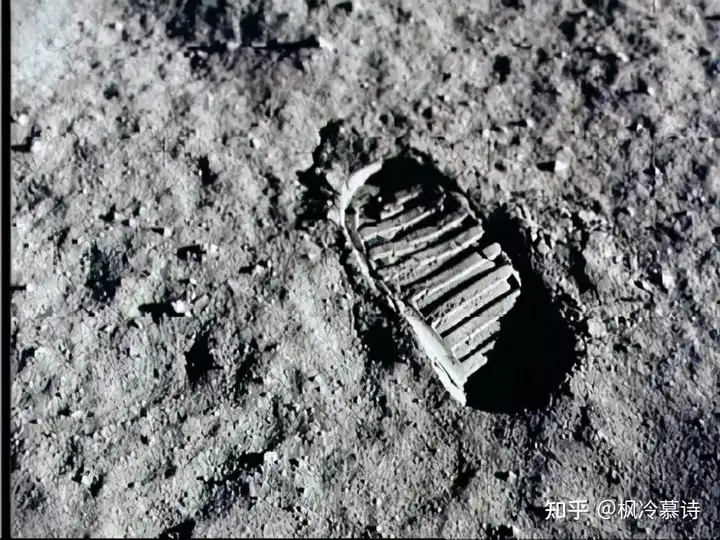
但真正说到影响了整个世界格局的事情,其实只有三件:

1. 美元霸权的诞生,人类历史上第一个金融帝国建立。

2. 苏联的解体,世界从此进入了一超多强的全新格局。

3. 中国的崛起,东西方力量改变,百年未有之大变局。

而说起中国的崛起,这是人类历史罕见的奇迹,在短短70年的时间里,让世界上最贫穷落后的一个国家一跃成为世界第二大经济体,并且带领着全球1/5的人类摆脱了绝对贫困,这是注定会被后人研究的重大历史课题。
很多人私下里问我:为什么中国能崛起?

我最先强调的一定是——以毛主席为首的中国第一代领导人带领我们的祖辈,打破了中国的封建残余,建立了中国的工业化基础,这是中国崛起的必要条件。
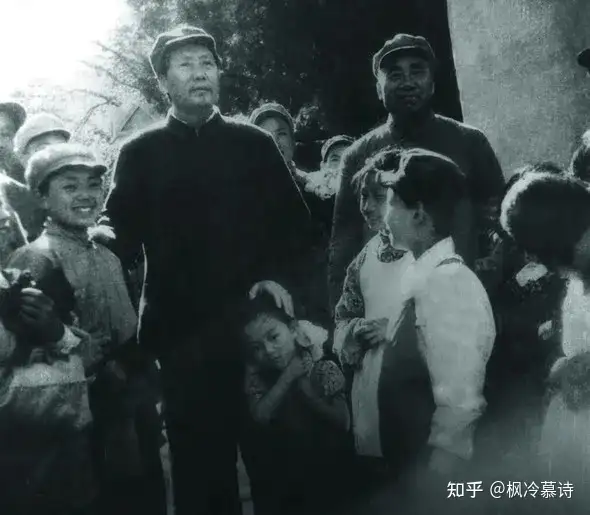
关于新中国第一代人到底做了哪些事,可以关注我看历史文章,我就不做过多的讲解了。

在开始讲四大历史机遇之前,我必须要先澄清一件事,有些朋友不了解历史,也不爱学习,四处传播谣言,说毛主席不让中国开放,导致了中国前三十年的贫穷落后,如果中国在1949年就对外开放,中国早就崛起了。

这种鬼话本来我是懒得反驳的,但是考虑到关注我的一些朋友年纪比较小,可能确实不了解历史的真相,所以我觉得还是非常有必要讲一讲。

为什么中国一直到1978年才对外开放?

第一个原因:外部环境不允许。

1949年10月1日新中国成立,1950年10月份就爆发了朝鲜战争,以美国为首的西方国家对中国实行了封锁禁运,中国只能和社会主义国家进行来往,这是不能完全开放的外部原因。
第二个原因:内部环境不允许。

很多年纪比较小的朋友是真的不知道新中国刚建立的时候有多穷,就这样和你说吧,50年代初期的中国,连火柴和肥皂都不能完全自主的造出来,就这种一穷二白的底子,开放之后你卖什么给其他国家?清朝和民国已经给我们做了最好的错误演示,在没有工业基础、没有强竞争力的产品、没有足够多的素质工人、没有保证贸易安全的国家实力的时候,贸然开放,就是直接沦为其他国家的商品倾销地和经济殖民地。

而且,和大家印象中不一样的是,中国的对外开放,其实最早是毛主席主导的,我直接给你上证据。

1970年10月1日,毛主席在天安门城楼上接见了美国记者斯诺和他的夫人,并安排人民日报对外公布这条消息。
1971年,在得知毛主席有和美国接触的想法后,美国国务卿基辛格秘密访华。

1972年,美国总统尼克松受邀访华。同年,中日、中英、中德建交。
几乎是同时期,著名的“四三方案”,中国从美国、联邦德国、法国、日本、荷兰、瑞士、意大利等西方国家大规模引进包括化肥技术在内的众多先进技术,为中国在80年代解决粮食安全问题打下了基础。

也就是说在毛主席生命的最后阶段,他老人家已经在开始尝试对外接触了,那些拐着弯抹黑毛主席的人,建议摸着良心多读读书。
而且,即便毛主席为中国打下了良好的工业基础,中国的崛起也不是那么容易的,在1978年邓公宣布正式改革开放之后,中国恰好遇到了四个重大历史机遇,每一步都走得如履薄冰,最终才有今天的一飞冲天。


01美国的产业转移

70年代的世界,美国经济滞胀,贸易保护主义横行,你可以把当时的国际形势理解为前两年中美贸易战时的场景,在那种环境下,提前对外开放并不可取,中国的改革开放之所以定在70年代末期,是因为从70年代末期开始,美国逐渐走出经济困境,里根上台后进行了大刀阔斧的改革,而且恰好在80年代互联网产业兴起,大家所熟知的苹果公司,就是在那个时期崛起的。

从那时候起,美国和日本便开始对外进行产业转移,最开始是把纺织和服装这类劳动密集型产业转移出去,后来又转移了钢铁、化工、造船产业,而且一开始主要是转移到“亚洲四小龙”,后来在1985年广场协议签订之后,才逐渐把一部分产业转移到中国大陆。
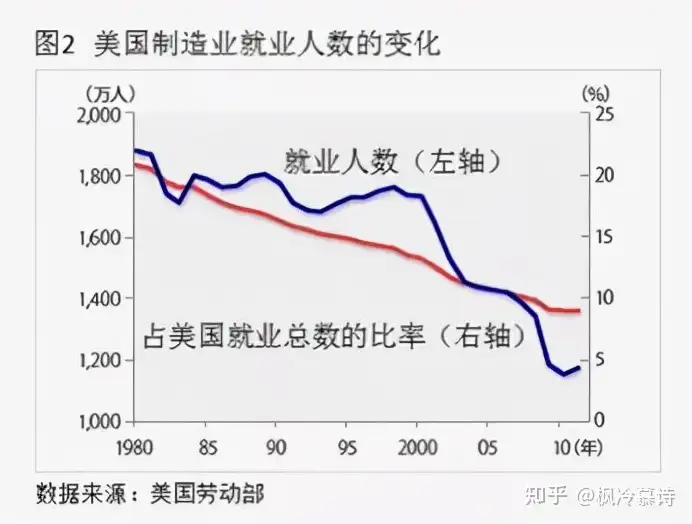
如果你是80后或者90后,在你的童年记忆里,肯定有见到过当时中国遍地都是棉纺厂、机床厂、化工厂的场景,因为这就是当时中国大陆承接的主体产业。
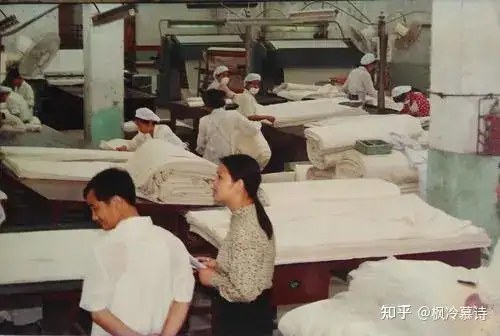
如果没有这段时期美国和日本的产业转移,中国即便开放了,又能引进什么产业呢?所以说也是时代的趋势使然。


02日本的资金涌入

从1979年到2011年,日本其实一直在给中国提供一个“经济援助”,当然,你也别把日本人想得多么好心,这所谓的“经济援助”,其中80%是贷款,10%是技术合作,剩下的10%才是无偿援助。

日本当时之所以会援助中国,是因为“广场协议”之后,日元对美元大幅升值,导致日本商品价格上涨,日本国内的产品卖不动了,所以日本需要找一个市场倾销商品,这是原因之一。

第二个原因是日本需要从中国进口原材料,但是那时候中国的基建还比较落后,所以日本才贷款给中国,让中国先去修铁路,建码头,造机场。
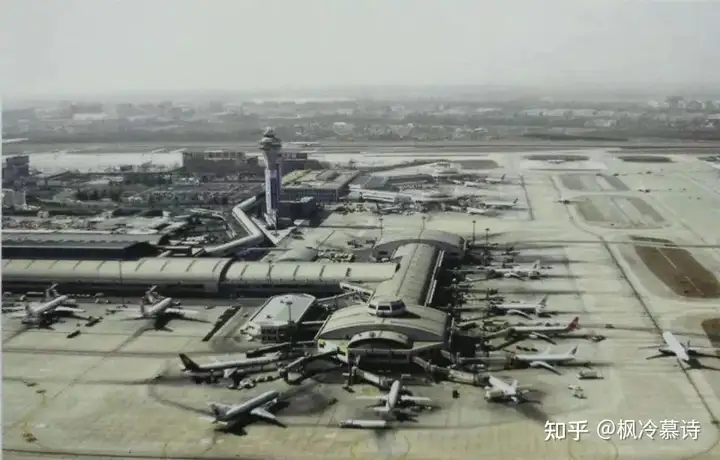
如果你是80后或者90后,你应该还记得当时中国遍地都是日本电器和汽车的场景,那个年代的人,如果拥有一台索尼收音机,简直会成为全村的焦点。

日本之所以拿钱给中国发展,还有一个重要的原因,那就是当时的日本人实在是太有钱了!壕气冲天,比如说日本人去美国购物,别人都是一个个买,日本人是蜂拥而至,直接买空奢侈品店;除了买奢侈品,日本人还在全球各地的度假胜地旅游,美国的服务生为了拿更多小费都自学了日语,那个时代日本的人均GDP高达4.24万美元,比美国的2.9万美元还高出不少。
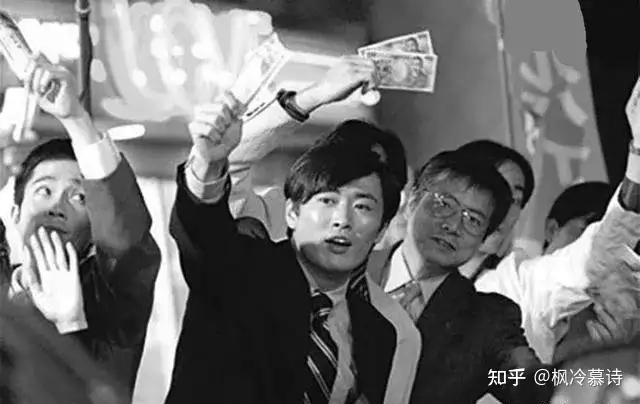
所以日本人变着法花钱,消费完了就想着投资。

三菱地产花了8.5亿美元买下了美国的地标建筑洛克菲勒中心51%的股权。

索尼花了34亿美元买下了闻名世界的哥伦比亚电影公司。

松下花了60亿美元买下了美国电影业的旗帜环球影业。

日本Shuwa买下了花旗广场,财大气粗的日本安田公司还以58.2亿日元的天价,买下了梵高那幅享誉世界的《向日葵》。

与这些相比,日本提供给中国的“经济援助”不过是顺势而为,而且日本打开中国市场之后,早就十倍百倍地把钱给赚回去了,马来西亚前首相拉赫曼曾说:“日本援助一份进来,至少要赚二倍回去”。

虽然如此,但我们还是必须得承认,日本的资金涌入是当时中国产业发展的一次重要机遇。


03苏联的解体

苏联还在的时候,即便我们已经对外开放,但北方常年维持着百万大军,沉重的军费负担严重地阻碍了中国经济的发展,就拿1979年来说,中国军费支出160亿美元,占了当时国家财政支出的18%和GDP的6%,如果大家不知道这是什么概念,我再说一个数据,现在美国的军费支出只占了GDP的3.5%,中国更是只有1.25%,由此可见当时苏联确实是给了我们很大的军事压力。
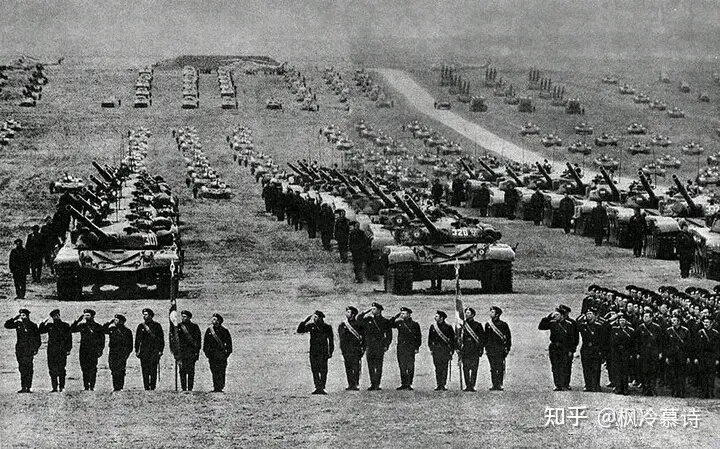
等到苏联解体后,1992年-1997年中国军费支出占GDP比例持续递减,最终从1979年的6%降为1997年的1.03%。

可以这样说,如果不是苏联长期施行霸权主义,中国人也不至于在建国前几十年一直勒紧裤腰带过日子。

有人曾这样做过一个比喻,苏联解体后,除美国获利最大之外,俄罗斯是苏联遗产的第一大继承者,乌克兰是第二大继承者,中国是第三大继承者。虽然也是玩笑话,但由此可见苏联的解体,的确在客观上给了中国发展的空间。


04亚洲金融危机

现在都知道中国经济的真正腾飞,是始于2001年加入WTO,但是很少有人认真想过,为什么2001年之后,世界各国的投资客愿意把产业大规模的搬到中国,而不是继续留在更早开发的东南亚?

从时间上来看,其实90年代初期的时候,西方的产业大部分都转移到了“亚洲四小虎”,也就是泰国、印尼、马来西亚、菲律宾,中国大陆并不是一开始就接收了大规模的产业转移,是什么让世界投资客转变了想法?
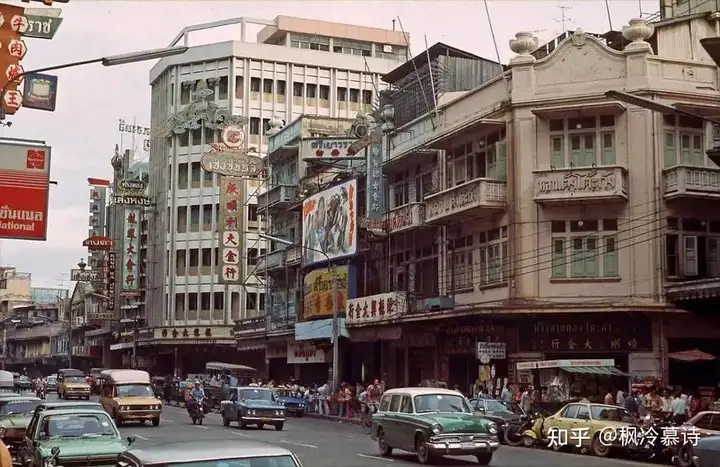
1997年,金融巨鳄索罗斯带着大笔美金来到亚洲金融市场,通过一系列复杂的金融操作,原本经济高速发展的泰国一夜之间发生了经济危机,想知道他是怎么操作的,可以关注我看历史文章。

泰国经济崩了之后,危机蔓延到整个东南亚,索罗斯想故技重施继续做空港币,如果中国没能守住金融市场,不仅会损失多年累积的财富,还会打击中央政府的威信,所以这是一场不能输的战争。

当时为了稳定香港金融市场,中央派了央行和国行的两位副行长亲赴香港督战,正是因为有中央的支持,索罗斯做空香港的计划才最终落败,最后他们损失了高达10多亿美元,不得不灰溜溜的离开。

一战之后,东南亚市场失去了资本的信任,中国市场获得了投资客的青睐,这才有2001年加入WTO后的大规模产业转移。

我之所以不把2001年的“911事件”列为中国崛起的一大机遇,是因为我一直都很清楚,中国的崛起,绝对不是靠的某一个国家的施舍,打铁还需自身硬,如果不是中国本身具备了崛起的条件,即便加入了WTO,中国经济也不可能快速崛起,毕竟,WTO成员国有150多个,崛起的又有几个?

在写这篇文章的时候,我之所以在一开始讲述了那么多关于毛主席的事情,是因为我想告诉大家,中国的崛起,前30年和后40年是不可分离的,你吃七个包子会饱,不代表直接吃第七个包子就会饱,所谓“前人种树,后人乘凉 ”、“喝水不忘挖井人”,我们永远不要忘记毛主席和新中国第一代人民的付出,他们一代人吃了几代人的苦,值得被我们铭记。
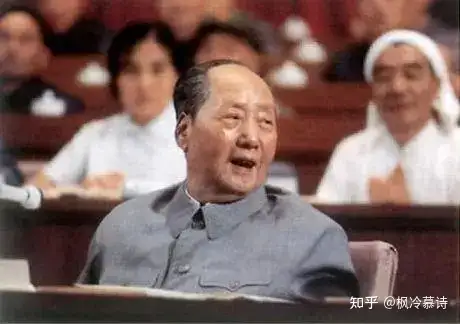
而且,和大家印象中不一样的是,中国的对外开放,其实最早是毛主席主导的————实际上最早的行动,是1969年2月19日毛泽东指派陈毅、叶剑英、聂荣臻、徐向前4位老帅“共同研究国际形势,由陈毅负责,提出书面看法。”此前一个月,尼克松刚刚上台;此后10天,挑起珍宝岛边境流血冲突。

而且,和大家印象中不一样的是,中国的对外开放,其实最早是毛主席主导的————实际上最早的行动,是1969年2月19日毛泽东指派陈毅、叶剑英、聂荣臻、徐向前4位老帅“共同研究国际形势,由陈毅负责,提出书面看法。”此前一个月,尼克松刚刚上台;此后10天,挑起珍宝岛边境流血冲突。


周恩来对四位老帅说:主席交给你们这个任务,是因为主席认为还有继续研究的必要。主席的一贯思想是,主观认识应力求符合客观实际,客观实际不断发展变化,主观认识也应随着发展变化,对原来的看法和结论要及时作出部分的甚至全部的修改。所以,你们的思想不要被框住。除了“蹲点”,你们可以不受行政事务的干扰,每星期有几天时间专心考虑国际形势。你们都是元帅,都有战略眼光,可以协助主席掌握战略动向,供主席参考。这个任务很重要,不要轻看了。你们也不要因为我这样讲就去拼老命,要注意身体,量力而行。世界风云天天变,但战略格局不是天天变,一个月讨论两三次就可以了。有了比较成熟的看法,请陈总归纳几条送给我,我帮你们参谋参谋再转呈主席。但讨论的内容要保密。

根据周恩来的意见,外交部选派前驻英代办熊向晖、欧美司司长姚广二人参加“国际问题研究小组”,协助四位老帅进行工作。


经6次共19小时的讨论,四老帅于1969年7月11日把题为《对战争形势的初步估计》的书面报告上呈周恩来。报告指出,美帝、苏修在东欧、西欧争夺是真正的、现实的利害矛盾,它们的斗争是经常的、尖锐的。 中苏矛盾大于中美矛盾,美苏矛盾大于中苏矛盾。


此后至9月16日,四老帅对相继发生的重大新情况又进行了10次29个小时的讨论,写出了《对目前局势的看法》,由陈毅定稿,9月17日报送周恩来。报告分析柯西金来华意图和苏修会不会大举进攻我国的问题,提出从战略上利用美苏矛盾,有必要打开中美关系,为此必须采取相应的策略。


实际上,这才是中国改开的起点。 中国从对美严重对立到缓和解冻,180度转弯在党政军高层,即使是毛周亲自决策部署,也要做很多解释、说服工作要做。所以,需要有这个空前绝后的最顶级的“智囊团”智库来做这个调研、铺垫工作,后来的一切操作就顺理成章了。


周恩来对四位老帅说:主席交给你们这个任务,是因为主席认为还有继续研究的必要。主席的一贯思想是,主观认识应力求符合客观实际,客观实际不断发展变化,主观认识也应随着发展变化,对原来的看法和结论要及时作出部分的甚至全部的修改。所以,你们的思想不要被框住。除了“蹲点”,你们可以不受行政事务的干扰,每星期有几天时间专心考虑国际形势。你们都是元帅,都有战略眼光,可以协助主席掌握战略动向,供主席参考。这个任务很重要,不要轻看了。你们也不要因为我这样讲就去拼老命,要注意身体,量力而行。世界风云天天变,但战略格局不是天天变,一个月讨论两三次就可以了。有了比较成熟的看法,请陈总归纳几条送给我,我帮你们参谋参谋再转呈主席。但讨论的内容要保密。

根据周恩来的意见,外交部选派前驻英代办熊向晖、欧美司司长姚广二人参加“国际问题研究小组”,协助四位老帅进行工作。


经6次共19小时的讨论,四老帅于1969年7月11日把题为《对战争形势的初步估计》的书面报告上呈周恩来。报告指出,美帝、苏修在东欧、西欧争夺是真正的、现实的利害矛盾,它们的斗争是经常的、尖锐的。 中苏矛盾大于中美矛盾,美苏矛盾大于中苏矛盾。


此后至9月16日,四老帅对相继发生的重大新情况又进行了10次29个小时的讨论,写出了《对目前局势的看法》,由陈毅定稿,9月17日报送周恩来。报告分析柯西金来华意图和苏修会不会大举进攻我国的问题,提出从战略上利用美苏矛盾,有必要打开中美关系,为此必须采取相应的策略。


实际上,这才是中国改开的起点。 中国从对美严重对立到缓和解冻,180度转弯在党政军高层,即使是毛周亲自决策部署,也要做很多解释、说服工作要做。所以,需要有这个空前绝后的最顶级的“智囊团”智库来做这个调研、铺垫工作,后来的一切操作就顺理成章了。


许成钢:中国过去40年成就有目共睹,但在旧的制度基因基础上,支撑“中国奇迹”的机制已失效。随着民企大发展与合法化,一些新的制度基因正在萌动之中。

一种流行的说法是,中国改革开放以来取得的成就称为“中国奇迹”。所谓奇迹指的是不可复制的现象。但在中国改革开放之前,日本、韩国、新加坡,甚至苏联和纳粹德国,都曾经历过高速经济发展。因此,经济高速发展本身很难称为奇迹。真正的中国奇迹,不是经济发展本身,而是中国的民营企业,从不合法到合法、从无到有的巨大发展。


为什么民企的大发展在中国可以被称为奇迹呢?原因在于,改革开放之初的中国禁止私有经济。全部资源,都完全由政府自上而下控制。在没有解禁的条件下,许多地方政府,违反当时的党纪国法,暗中掩护甚至支持当地的民企发展,不仅帮助了当地经济的发展,更为后来的民企大发展奠定了基础,以至最终做大做强的民企,获得了完整的合法地位,成为中国经济的主角。这个“奇迹”的产生,是一些中国制度基因的成分催生出来的结果。

当我们观察制度演化的时候,我们会发现,在长时期制度演变中,有一些基本制度成份会不断自我复制,因而重复地出现。我把这些不断自我复制的成份称为制度基因。之所以这些基本制度成分会不断自我复制,往往是因为这些成分决定了制度主要当事人的自身利益。

以下,我概要解释中国经济改革40年的起点,它继承的部分制度基因,以及这些制度基因在造成这个“奇迹”中的作用,作为对改革开放40周年的纪念。

改革的起点

中华人民共和国建国以来,以全盘苏化的方式,全面建立了苏联式的极权主义制度。但是,经过1957年的“大跃进”和1966年的“文化大革命”,中国的制度系统地偏离了苏联式的极权主义制度,而变成了向地区分权的极权主义制度,简称分权式极权制。在党政军意识形态方面,这个制度与苏联式的极权制相同,极度集权。但是,在行政、经济管理和资源配置机制方面,这个制度则高度向地方党政放权,把中国经济建成了大而全,小而全的行政管理经济(与苏联的中央计划经济在结构和操作上都基本不同)。中国改革开放的开始,正是文革的结束。文革遗留的制度遗产,正是中国改革开放时的制度。

为了迅速摆脱文革带来的灾难,为了在灾难中寻找出路,在改革之初,中国紧密追随中东欧国家的改革模式,其中最重要的国家包括匈牙利、捷克、波兰、南斯拉夫等等。在70年代末,中国共产党邀请东欧的经济学家、政府高官来中国,向中国介绍其改革的经验和教训。中国政府也派代表团去中东欧国家学习。

这些中东欧国家改革的基本想法是市场社会主义,基本特点是由市场运作完全取代中央计划,但不改变资产完全国有的制度。1968年,匈牙利率先放弃中央计划建立市场社会主义经济,其他中东欧国家和苏联跟随其后。但是由于意识形态和政治的限制,所有这些国家的改革都禁止私有企业的建立和发展。不幸的是,在经历20多年的改革之后,从经济发展、技术创新、和满足消费者需求等方面,所有坚持全面国有制的中东欧国家都承认他们的市场社会主义改革全面失败。而失败的最主要原因是不允许私有企业发展。他们普遍认识到,所有制改革需要政治制度的改变。这正是导致1989年到1992年之间,所有中东欧和苏联国家改变政治经济制度的基本原因。

这里需要补充的一点是,很多人把中东欧以及苏联1990年代开始的转轨,和1990年之前20多年的改革混淆了。所谓转轨,是在经历了20多年的改革彻底失败、整个系统已经崩塌的基础上,转变基本制度的轨。只有在转轨时期,才有私有化,才允许私有企业发展。那些国家,在转轨过程中出现了严重的经济衰退。很多人将转轨中的经济衰退归罪为休克疗法等政策。而实际上,20多年的改革失败,不仅导致国有制度的崩溃,而且积累了足够多的债务,为经济衰退埋下了祸根。

回到本文“中国奇迹”的出发点,我们要回答的一个问题是,为什么在中东欧和苏联,20多年的改革,严禁民企发展,直至全面崩塌后才不得不转轨?为什么中国的改革,起始于步东欧国家之后尘,然而,学生超过了老师,民企居然在非法中长大,变成了国民经济的主角?

改革的动力与制度基因

中国40年改革开放的起点,恰恰是十年文革的终点。从文化革命继承来的、向地区分权的极权主义制度中,各级大而全、小而全的政府控制着所有人,掌握着全国所有地区的全部的资源。无论中央的决定是什么,改革的成败取决于如何解决各级地方官员的激励机制问题。改革有没有可能推进,经济是否增长,首先取决于各级政府的动力是什么。

改革的动力来自哪里?或者说谁来改革?这些问题的核心是激励机制。

在中国的体制内,整个社会是自上而下统治的。因此,如何解决上下级之间的激励机制问题,决定了这个体制的改革与发展。但事实证明,古今中外所有极权和威权主义官僚体制中,各层官僚的激励机制问题都无法得到基本解决。因为这个体制要求下级官员要服从上级官员,但上级领导又要从下级那里获得信息,并且根据下属报告的信息来决定奖惩。知情的下级很容易为了自己的利益欺骗上级。“上有政策,下有对策”是普遍规律。

没有适当的激励机制,多数地方官员不会自动努力改革。正如同在企业里,如果不能解决激励机制问题,多数企业雇员不会自动努力工作和创新。不同制度决定权力、资源的分配特点;决定上下级之间信息问题。这是激励机制问题的来源。任何改革、创新都需要下级的努力。一方面,对下级来说,努力工作是他的成本,上级只能观察下级的业绩,无法观察其努力程度。另一方面,下级的业绩同时取决与其努力程度和其他外在因素,因此,如何把奖惩(如升迁)与业绩挂钩是激励机制的核心。因为在任何制度下,权力、资源分配都是解决最重大激励机制问题的安排。

所谓“中国奇迹”的诞生,恰恰是源于改革早期,用地区排序竞争经济增长的方式,解决了地方政府改革动力的问题。所谓地区排序竞争是指,上级政府以其下级地方政府的业绩排序为评审标准,并把下级政府业绩排序与他们的升迁直接挂钩。除了经济增长之外,最常见的其他业绩指标包括吸引外资、出口额、工业产出额等等。在学术上,把这类竞争方式称为排序竞争,或锦标赛。

在用地区排序竞争方式解决各级政府追求经济增长、推动改革的动力问题的基础上,激励地方政府大胆地进行地方试验,是民营经济之所以能在不合法的背景下,在许多地区得到地方政府的保护,得以生存、成长的起点。最重要的例子之一是温州等浙江中、南部地区。温州几乎没有国有资产。要和其他地方竞争经济增长速度,就需要保护和纵容民企发展。在私有企业不合法的背景下,就以集体制为名义进行保护。使名义上的集体企业、事实上的私有企业,大规模发展。

但是,经济学的理论告诉我们,原则上不存在解决政府官僚体制的激励机制问题的普遍办法。我们在理论上证明,在满足以下四个特定条件下,地方排序竞争能够解决官僚体制内的激励机制问题(马斯金、钱颖一、许成钢,2000;许成钢,2011)。大量证明排序竞争有益于经济增长的实证证据(例如李宏彬,周黎安,2005),都满足所有以上这些条件。但必须强调的是,这四个基本条件,在多数时候是无法同时满足的。当不能同时满足的时候,违反其中任何一个条件,地区竞争就不能解决官僚机构内的激励机制问题。有坚实的实证证据表明,当违反其中某个条件时,排序竞争则可以导致恶果,如破坏环境(贾瑞雪,2017)。这四个基本条件是:

一是,自上而下有效任命、监督、执行的官僚体制(极权制和威权制的共同特点);二是,除最高层外,各层官僚机构都组织成“大而全、小而全”的结构(中国向地方分权的特点);三是,政府只有一个可以明确定义、清楚度量的竞争目标;四是,忽略以上的竞争目标之外的其他问题,不会造成严重后果。

中国与转轨前的苏联、中东欧国家的极权主义制度都满足上述的条件一。在中国全盘苏化、建立苏式极权主义制度的时期,条件一类型的制度得到极大强化。与此同时,中国历史上遗留的、条件二类型的制度则被严重摧毁。经历了“大跃进”和“文化大革命”这两场运动,中国部分偏离了全盘苏化形成的制度。在极权主义制度框架内,把帝制时期就稳固建立的地方掌握行政和经济权的制度要素重建起来,使得条件二得到满足。这一点至关重要,因为它的存在使得中国区别于苏式的制度,并且成为地区竞争机制可行的基本条件之一。

向地方分权的极权制,不仅是中国改革成就的制度基础,而且因为地区排序竞争这类的机制,在苏联中东欧国家的经济改革中即不能应用更无法复制,因此也使得中国的改革和发展成了“奇迹”。虽然帝制在中国早已不复存在,但中国传统制度基因却在现代社会里,自我复制,而且奠定了“中国奇迹”的基础。

改革的明天

制度基因这个概念,既可以帮助我们分析和理解改革开放早期取得的重大成就,也可以帮助我们认识近十年改革道路中遇到的困境甚至倒退。在政府或者制度层面,地区竞争之所以能够发挥非常重要的作用,其先决条件就是政府必须只有一个目标:即GDP。但世界上任何政府一定都不是单目标而是多目标的。

在改革开放的早期阶段,“文化大革命”刚结束,出于政治的原因,所有的力量都集中在经济增长才能减少高层的分歧。再加上中国当时是世界上最贫穷的国家之一,把所有的力量都放在经济增长上,对全社会来说是可以接受的。因此,可以用地区竞争的方法,解决官僚制度内的激励机制问题。

但是,当中国变成了中等收入国家之后,政府的基本性质意味着它一定要面对多目标。于是,中央不可能再继续使用地方政府互相竞争的办法作为激励机制。因此,过去曾经行之有效的造成了“中国奇迹”的那些做法不可能持续奏效。在中国从世界上最贫困的国家变成中等收入国家之后,当社会产生无数超出经济增长的重大问题时,例如环境、不平等、腐败、社会稳定等等,支持地区竞争机制的条件三和四就都不能得到满足,而且会越来越得不到满足。一系列的数据告诉我们,在十几年前,在全球金融危机爆发之前,许多严重的社会问题,以及由此带来的地区竞争激励机制逐渐失效的后果,就已经开始显现。

曾经行之有效的地区竞争机制,和在这个机制下改革开放早期取得的奇迹般的成就,只是过渡性的,只是为进一步改革赢得了时间。对这个问题没有认识,反而误将此吹捧为永远可以推行的“中国模式”,只会一叶障目,使制度改革更难进行。

社会科学的理论和实证研究发现,在政治、经济、司法等领域,除了军队、消防队等任务简单而且应急的组织之外,以中央集权的官僚制度统治资源和人力,都面对无法解决激励机制问题的陷阱。具体地看,只要面临重要的多重任务,自上而下的政府官僚制度就无法解决各级官僚的激励机制问题;自上而下的司法制度,无法有效执法;自上而下的财政金融制度,会产生软预算约束问题,从而限制创新。

因此,市场经济超越计划经济;而且,为了市场经济的秩序和发展,从政治、经济、司法制度上,都应尽可能减少自上而下的行政制度、财政金融制度以及司法制度。在不得不保持自上而下统治的领域,则要尽力缩小其统治的范围。例如,要把所有竞争性经济活动尽可能多和尽可能快地从政府、国企当中分离出去,让市场配置资源,让民企去竞争,让民企在市场上解决激励机制问题。

中国过去40年取得的成就有目共睹,让人们有乐观的理由。但是在旧的制度基因基础上,支撑“中国奇迹”的机制已经失效。过去走过的路,难以重复。改革的明天不容盲目乐观。伴随着民企的大发展与合法化,一些新的制度基因正在萌动之中。中国可以走多远,走多快,取决于新的制度基因的产生与发展。

所周知,全球化就是西方化,中国是融入了全球化才成为世界上第二大经济体的,也自称是“中国奇迹”。以林毅夫教授为代表的主要是以“西方国家理论不能解释中国奇迹”,拒绝用西方国家理论对“中国奇迹”进行解释。这几乎成为笑话。

  以张维为为代表的“中国学派”,则是采用了另外一种诡辩的方法,即“以事实说明事实”。很多的专家、学者都是以此方式,既符合主流媒体,又可以名利双收。现在许多非常红的教授,往往都是这一方式的专家,基本上是相互印证、相互借鉴、相互吹捧。

  有一个常识,各历史事实之间存在着众多的相互关联,但绝对不存在辩解(因果)关系。也就是说,不能用“事实说明事实”。例如,有学者常常用中国城市夜晚的灯光与美国城市夜晚的灯光相比较,来说明中国奇迹,有的采用中美两国的经济增长率相比较,来说明中国奇迹等等。

  “中国奇迹”到底与什么有关,明白“中国奇迹”的意义才能找出解释的方法。首先,国家的目的是为了当下生存在这个社会的大多数人,都能终其一生享受健康、和平、自由与繁荣这一美好的理想。国家的目的则是国家交付给政府的责任,也就是说国家的目的不是用国家的资源和人力来创造奇迹,固然有很多的奇迹是国家创造的如科学探索太空等,但生存在这个国家社会中的人民,先要能享受到健康、和平、自由与繁荣。

  为社会解释经济奇迹的方式:将经济层面上的优势转化为政治层面上,是只能通过用政治上的话语,来对世界给出一种符合人性的解释,使得人们相信这个经济上的优势能为人民所共享。同时,这个解释也能为按照这一原则运转的社会和政治结构提供正当性的辩护。

  中国经济增长率远高于美国经济增长率,用经济上的话语和用政治上的话语进行解释,就会发现是完全不同,区别是非常之大。用经济上的话语只能说明经济事实,数据的相关比较的确能证明中国的增长优势,却不能说明是谁在享用这一优势的经济成果。用政治上的话语才能表述经济成果被谁享用,才能说明本国社会运转和政治结构的合法性与正当性。经济增长与社会分配无关,任何用增长的优势来说明政治上的优势,只能证明其是在进行欺骗。

  换句话说,用“中国奇迹”来总结出中国道路、中国模式则是本末倒置。任何的成功都会与过去的历史事实有着众多的关联,中国学者就此总结出五花八门的“中国模式”,张五常教授更是解读为“中国一定是做对了什么”,中国学者就拼命在过往的历史中,寻找着实现“中国奇迹”的中国模式。

  非常典型的如清华的胡某,不断的用经济话语解释政治,这里隐藏这一个陷阱,因为经济学家是不会错的。这是由经济学家的任务所决定,经济学家的社会任务是预测与解释,社会经济发展的复杂性、周期性令经济预测永远都不会错,对已实现的经济成就进行解释就更不会出现错误了。所以,用经济上的话语来解释政治层面,用“事实来说明事实”,政治层面也就不会错了。这种学者会非常受政府的青睐,其原因就在于此,这些学者无论如何都能证明执政者的英明。

  在清华大学国情研究院『国情讲坛』上,众多教授都是用经济学来总结改革开放的四十年。清华大学经管学院教授,清华大学中国经济思想与实践研究院院长,清华大学苏世民书院创始院长李稻葵就“改革开放四十年经济学总结”主题发表演讲。

  一个国家里,其政治的正当性与合法性是用经济话语来解释,这本身就是非常奇怪的事情,这就相当于一个政府的合法性与正当性,是需要用不断地经济增长来证明。

  创造中国奇迹的道路和经验是全党的财富、全民的财富。要把这个财富挖掘出来,表达出来,总结出来,并上升到一定的理论层次,使经验成为理论,进一步指导我们的实践。这种从经济成就来倒推以寻找令经济增长的“中国模式”,其早已违背了一个定律。在任何国家里,只要是具有高速经济增长的发展进程,最终都需要面对经济危机。因为,高速的经济增长时刻破坏着它的自身生存的条件,并且改变着,其经济与社会所依赖的生存环境,也破坏着支撑着高速经济发展的各种独特制度的持续性与有效性。

  有“中国奇迹”却找不到“中国模式”,则是源于“中国奇迹”应该如何解释的问题,是用经济上的话语还是用政治上的话语,决定中国能否找到“中国模式”。

东南亚只有一个越南突出的话,不符合地区平衡和稳定,其实印尼很有潜力,人口多,土地面积阔,如果这国政治稳定、政策够开放,基建内需就能为该国的工业提供不少动力,吸引大量的国际资本进。

其实99%的发展中国家永远也不可能成为发达国家。二战后只有以色列和四小龙成功步入发达国家,其实也就是儒家文化和犹太文化能在与西方的残酷竞争中胜出。其他没有先例。等到中国完成产业升级,经济巨人定型之后,其庞大的经济体量会对整个东南亚形成黑洞效应,东南亚国家除了继续充当代工地、当组装流水线和低端工业品生产国,几乎无路可走,想要进行产业升级和复制中国经济更是痴人说梦,因为你努力再多,你无法形成规模效应,无法获得市场认同,就无法在产业升级上进行突破。

中国人的特性:吃苦耐劳。中国人的追求:只要肯吃苦日子只会越来越好。中国人最瞧不起懒惰的人,从骨子里就有一种奋发向上的精神!
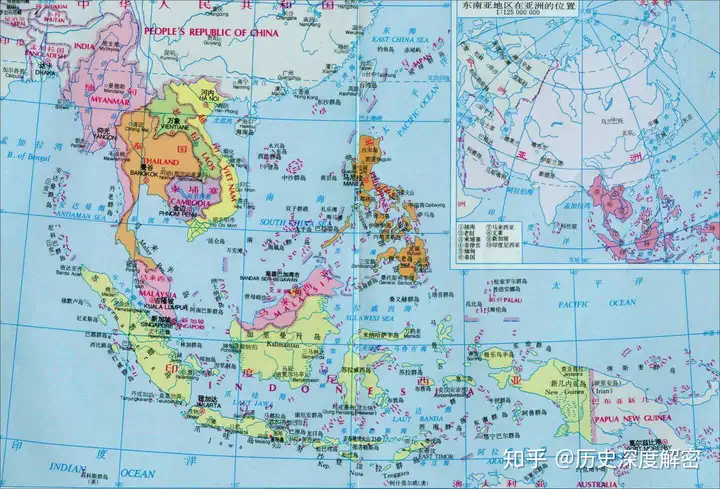
依我看,差的是刻苦耐劳,积极向上的民族精神。你看华人漂洋过海闯南洋,大多数都能安身立命,或小康,或大款。而当地人吃饱喝足,就不动弹了,并且有仇富,仇勤的倾向。这几十年,类似越南,印尼的排华事件时有发生,好多华人另谋生路,当地土著,提供不出一个制造大国应有的大量的合格的产业工人。

我认为可以复制。中国之所以能够高速发展,难道仅仅是依靠改革吗?内因固然重要,但是外因才是量变到质变的基础,那即是开放才是最关键的因素。大量国外资本的注入,给这条东方睡狮一记强心针,大量的基础红利更是给中国经济插上了腾飞的翅膀,从此中国走上了高速发展的道路。如果东南亚国家具备和平的内外政治环境,复制中国经济模式不是梦想。

中国是学习的德国,分层培养人才,比如中专,大专,本科,研究生,一层层的为社会培养出适合社会的人才,但是,哪怕最低的中专生,那也是妥妥的高中学历,而且是有一技之长的高中学历,而东南亚,南亚,也许他们的经营教育不差,但是,人民大众的基本教育就差的多了。
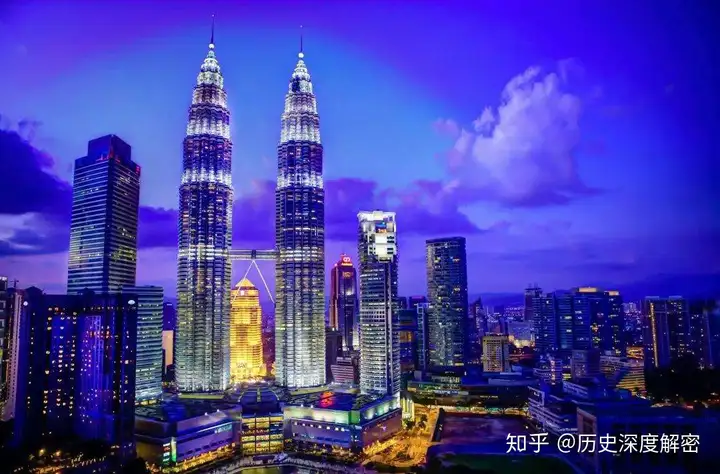
缺压力,没高房价,没教育压力,有免费医疗,车也不贵,结婚也要不了那么多礼金,国家虽然小但是人口也没有那么多,所以人家只是过生活,而我们只是在生存。生存要拼命,生活却可以享受。你让过生活的人像生存的人一样人家脑袋有坑么?他们什么都能学会,但是,他们永远也学不会,我们中国人的逻辑思维。

美国的东西怎么样?技术封锁,进口封锁,但是,只要通过其他渠道,看到外型,就能找到制造原理,另辟蹊径,给你做出来,而且还要美国的更好,还不侵犯其知识产权。 究其根源,是中国人的汉文化使然。我们有这样的习惯,几乎任何一个事情,都有几乎无穷尽的表述方法。外国人包括美欧人,当然东南亚人更是小儿科,就没有我们的宽阔思维方式。所以,他们和我们就差在文化根基上。你说对不对?
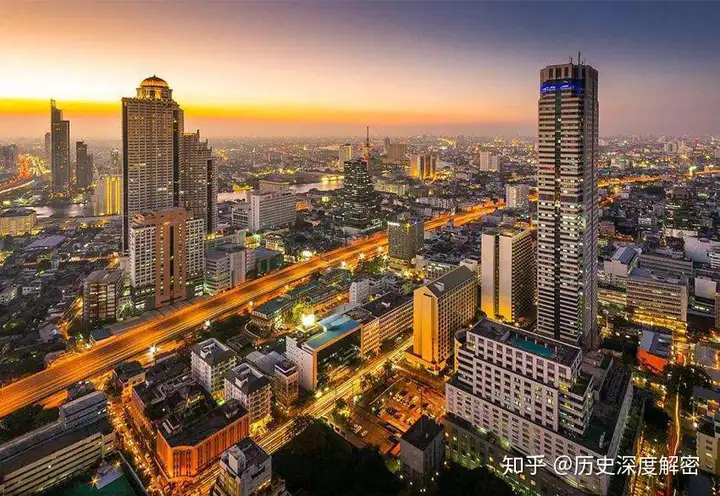
很多人列举了一系列东南亚国家发展经济的缺失条件,但却漏了最重要的一条:缺失中国式的政治制度与社会结构,因此不能形成稳定而长久的发展计划,一以贯之的改革进程和自清自强的领导团隊。缺失了上述条件,就使得经济发展顿挫反复,难以顺利推进。

哪怕是服装厂,也需要机械、电力、运输这些配套。服装厂需要缝纫机,稳定的电力供应,便捷的交通运输。所以并不是所有国家都可以靠服装纺织发家的。越南的服装厂要大量从中国进口各种辅料,扣子花边内衬皮筋之类,所以他那里的服装厂其实是个组装厂,利润很低,要不是人工便宜,搞服装厂都搞不起来。
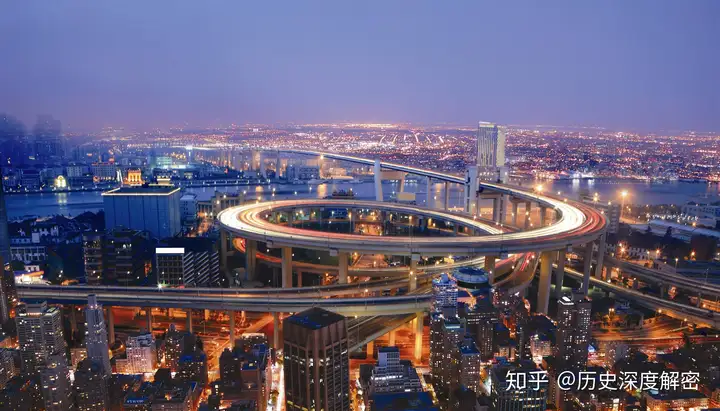
最大的原因是中国抓住机遇,第一中国拥有巨大的市场。第二,中国的几千年儒家思想,使得中国工人自律高效。第三,中国的政治体系单一高效,政府的产业布局明确,市场经济和计划经济结合。第四,最关键的还是这几十年高新科技产业高峰期,中国抓住了这个机遇。至于基础设施,其陆地纵深没中国大,所以要求没那么高。

中国还是要想办法留下来,我们劳动力人口是好多个亿,不是靠一些高科技、高级服务业就行。通过降低土地、厂房租金,降低税收,降低电、水等费用,来抵消人工成本的增长,趁现在产业链配套,熟练工人这些还有些优势,留下这些劳动密积型企业(污染大的企业除外)。否则,东南亚一旦形成规模,我们的比较优势将不存在。要有忧患意识,解决我国的就业是一个长期问题,我们的建筑行业规模现在十分庞大,不可能长期保持这个量,现在上下游从业人员数量也是十分庞大的。所以我国对劳动密集型产业也应重视。
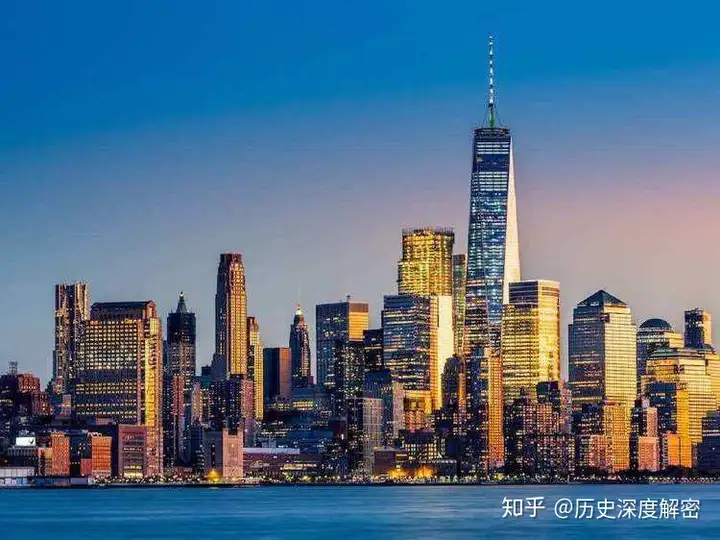

说那么多没用,文化决定,世界西方唯有英德那个民族能吃苦赖劳,所以英德系的国家都几乎发达国家,东方就东亚儒家圈!越南有希望,但一味学西方就会拉胯!其他民族基本没得希望,现实如此,并不是歧视!

还缺的是。内销。全世界到中国来投资办公司。很多的产品和服务是中国人在做,同时大部分产品和服务也还要是中国人自己消化了。供销都在中国,东南亚只是外资企业来投资,做出来的产品出售给国外。中国不仅解决了产的问题,因为人口多,同时解决了销的问题。

直接简单一点,就是人的原因,和制度环境基础设施等虽然有关系但是都是次要的,仔细看看东南亚国家富裕程度往往都是和华人比例高低有关系,华人占比越高的越富已经说明了一切。
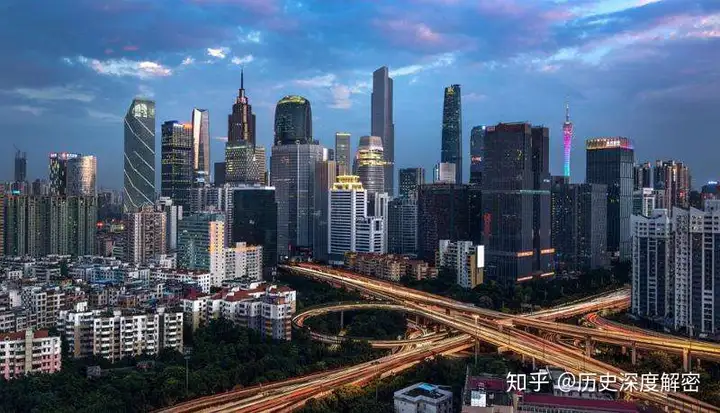
建国前三十年打下的根基:1、完整工业体系,特别是装备设备这些重工业产学研体系。2、工业化素质的人口,中国改革开放前的农村教育和医疗水平都名列前茅。3、工业化基础设施,工程兵团建设覆盖整个中国,改革开放后更是永不停歇。 再加一个4、独立自主打造的工业化基石,那更加可歌可泣,自卫反击战、金融战争、政治战争,自主而非跪求来的稳定与和平。

从大的方面说,中国有由老一辈革命家作表率,带动了一大批人以身许国,影响了几代人为国奋斗,教育了全体人民以国家利益、集体利益为重,需要时放弃个人利益,使得国家的大建设得以顺利进行、快速进行;从小的方面说,中国人普遍拥有为家人而吃苦耐劳的精神,父母为孩子、为孙子孙女都是任劳任怨地付出,不图回报。其他国家的人也有,但没有中国人那么普遍。这两方面是中国人的特点,特别是第一点,是其他国家学不来的。

主要是福利区别,别的国家人不干活有国家养,中国人不干活就等死。所以外国人就比较散慢,中国人就得拼命。所以中国人能创造奇迹,但外媒评论中国人是活着最没意义的人,除了干活还是干活。中国的发展也是循序渐进的。

以前我们也是这也造不出,那也造不好,一个国家总要有重点的发展某些行业,叫有所为,有所不为,不能眉毛胡子一把抓,比如我国的摄像器材,汽车在前些年也是主要靠进口,其它高精尖设备许多至今也是以进口为主,东南亚的其它国家,国土面积小,相对资源缺,劳动人口少,依靠自已的优势发展主导产业,其它靠别国进口没什么不好的,这是小国和大国的区别,关键是让老百姓生活能够好起来就行了。

今年以来国外国内经济困局日益为人所知。

浏览头条,解读经济时局文章众多:

或曰:关键是信心。

或曰:地产不能倒。

或曰:很快美联储加息加不动了。

或曰:A股见底,买入待涨。


每每看到此类文章,就忍不住大骂:还财经大V?蠢货!白痴!


世界的经济就像一个大赌场。国内民众,在楼市这个赌局当中,欠了30年的债,把一生能输的钱都输光了。赌客没了,赌场就萧条了。


这不是信心的问题;也不是“不能倒”的政策能救的;更不能指望外边的美联储手下留情。


中国经济本就没有奇迹。

中国经济的发展路径几句话可以概括:

加入美元经济圈,借助人口红利,建设血汗工厂,引进低端制造业;

之后,发展基建,进一步扩大制造业贸易出口;

之后,社会积累财富到一定程度,发展地产,借助地产从未来借钱(重点),刺激社会生产消费达到极端繁荣。

这是日本,亚洲四小龙都走过的路。


中国经济若要进一步发展,进一步繁荣,该怎么做?很简单,那就是赚更多的钱。怎样赚更多的钱呢?

1. 卖更多的低端产品,这要国外国内继续扩大市场;

2.卖更赚钱的中高端产品,抢占欧美中高端产品市场。

1基本上已经没可能了;2呢,首先得科技突破,其次还得跟美国干一架,打赢才行。


繁荣早已耗尽,并被人为的延长,且如今又走到尽头了。

信贷扩张历史大顶;

房地产历史大顶;

基建历史大顶;

出口历史大顶;

消费中期大顶。


这两年国际政治经济环境很不友好,发生了许多大事:新冠疫情,经济高通胀,俄乌战争,美联储加息。这些大事的发生都与美国息息相关。

不能不思考几个问题:美国正在构造一个怎样的格局?美国想达到一个怎样的目的?这些事跟中国又有什么相干?


3月以来,美联储已经4次加息共225个基点,

并开始了每月900亿美元的缩表。激烈的货币紧缩。


美联储紧缩货币时期,引发资本回流美国,所以,美国经济实际上没有被紧缩。被紧缩的是其它国家,死道友不死贫道。当前,欧盟日本韩国都已经倒下,美国经济还未进入衰退就反应了这点。

美联储还将继续大幅加息缩表。美联储接下来最想紧缩哪个国家呢?

就是中国。


紧缩欧盟日韩,更像半推半就,将资本让渡到美国,使美国经济能承受大幅加息。

自2015年收割中国失败,2018年贸易战失败后;2022年西方资本集中全力,将发动对中国全力一击。


如果说中国的虚假繁荣体现在房地产上,那么西方国家的虚假繁荣就体现在中国巨大的商品产能上。西方资本想摧毁中国的产能,资产价格,金融系统,重新将产业,资本,金融掌控于手中。


你可能会问:摧毁中国的产能,通胀岂不上天?欧美民众受的了吗?

你看现在欧洲国家天然气价格涨了10倍,欧洲社会乱了吗?

别忘了拜登说的话:通胀是美国的一项资产。

别忘了石油美元是怎样建立的:1970年,原油价格1.8美元一桶,1981年原油价格40美元一桶。

天量的美元正需要巨幅通胀。

另一方面,加息也会压制需求,压制部分通胀。


当前美联储加息已久,国内仍在货币宽松。

思考一个问题:当前国内有没加息的可能?

答案十分明确:没有。


中国债务压力十分巨大,居民房贷,企业债务,地方政府债务,高耸入云的房价地价。

房地产还不敢跌,因为中国金融系统的抵押物大部分都跟房地产土地基建相关,抵押物大跌引发债务崩盘,整个金融系统都有崩溃的风险。


中国房地产的命门在哪里呢?

就在于出口。


假设小明购房贷款100万,月供6000,30年,

社会上有无数的小明。从经济安全的角度考虑,最关键的问题是什么呢?显然,最关键的是小明每月得赚个万八千,把按揭贷款还上。


国内经济几大块,出口,消费,房地产,基建;除了出口,其它几大块已经熄火。美联储急剧货币紧缩,压缩全球需求,出口也将渐渐熄火。

事实上,基建房地产都建设在出口的基础之上。

看历史,房地产的的崩盘总是伴随出口贸易大跌,资本流出。


近几日,人民币又一轮贬值,已达6.95。汇率是一国经济状况的终极体现。人民币汇率贬值就是出口放缓的预期和房地产衰退状况的反应。


随着美联储进一步紧缩货币,世界经济将放缓和衰退,中国出口下滑,国内宽松的货币政策持续受到挤压,房地产地方债各类债务将面临越来越大的压力。


按本文以上内容推论,美联储继续加息,并在明年将利率保持在高位,同时大幅缩表是毫无疑问的。

按照我之前文章《下半年资产价格的崩盘是可以预见的》中的分析,在美国经济有足够的资本流入,不引发衰退的情况下,且疫情对经济的压制消失的情形下,美元指数最高将达约120,实际利率最高将达约2%。


预估除现金以外,所有资产还将继续大幅下跌。

1、消费的困境

现在,相信大家都切肤感觉到疫情对经济的影响大了。比如说3-6月上海的静默抗疫那可是实实在在损失了接近万亿GDP的——还不算间接的影响。

这个“影响大”是比较抽象空洞的。

对个体而言“影响大”简单说就是赚钱难了,而更直接的表达就是:工作不好找,也不好维持,个人面临着被公司裁员的风险。

公司经营比较困难,那必然就养不起那么多人了。为啥困难?用经济术语来说,就是公司的总体成本高于了收入,公司经营没有产生利润,久而久之公司就维持不下去了。

为了公司的存续,那肯定就是开源节流,开源只有等经济形势好转,这个更多的需要依靠大环境,个人努力会起作用,但是不会是最根本的作用。比如地产,比如教培,比如互联网科技,游戏……

而节流就不同了,方式简单快捷:比如退掉门店,限制报销,甚至最后的裁员。这都能立竿见影的起到节流的效果。

经济形势不好的时候,很多行业的具体公司都会采取这样的方式过冬。所以必然的,经济不景气也会体现在失业率的上升上,失业率上升之后消费肯定就要打折扣了。

收入都少了,人们肯定不会负债去消费了,甚至正常的消费都要抑制。

拉动经济的三大马车是进出口贸易,投资和消费。

体现在微观个体上的消费不足,那么经济就缺了三分之一的大口。相应的,经济形势不好,企业的投资必然也就会减少(最简单的不会新建工厂扩产等)

经济到了这个情况的时候,传统的自由经济学派基本拿不出办法了;宏观经济学派的大拿凯恩斯提出了解决问题的方案:刺激投资,从而拉动消费。——政府对经济的干预的做法,我们称之为凯恩斯学派。

怎么刺激投资呢?投资粗放点来说,包含了政府投资和民营资本投资,这个时候老板都要破产了,必然不投资;要投资就只能依靠政府了。

罗斯福政府这个时候的投资做了什么呢?

1933年富兰克林·罗斯福(小罗斯福)就任美国总统后实行了一系列经济政策,其核心是三个R,即救济(Relief)、复兴(Recovery)和改革(Reform)。救济主要针对穷人与失业者,复兴则是将经济恢复到正常水准,针对金融系统的改革则试图预防再次发生大萧条。


这就是罗斯福新政(The New Deal)


而国内最显著的就是2008年经济危机之后我们采取的应对方式,俗称:四万亿刺激。投资刺激的效应下去,大家回忆一下,是不是立竿见影?

2、投资困境

那么这样看,是不是只要有经济危机或者有这样的苗头,直接政府拉动投资就可以了,不就马上解决问题了?(大聪明)

那么我们看投资是不是万能的呗。

首先,最明显的,你必须有投资的方向对吧?

有钱你投什么呢?投资的方向也必须讲究回报的,钱不是凭空出现的,你最终是要还的,除了本金还需要还利息的。

如果只是为了投资而投资,那幼儿园小朋友都会,不就是往鱼塘里丢钱听个响嘛?

别笑,若不考虑回报,到深山老林去修双向8车道的高速那效果不就和丢鱼塘一样:反正都回不来了。

政府的主导的投资也是需要钱的,你可以发债去借,但是最后要还。还不上咋办?你看美国不就很多州宣布破产了,印钱是一时爽,还钱火葬场。

而投资的方向随着这些年的进行,很多应该投资的地方也都投得7788了。至于再加上我们关照贫困人口的人文主义角度考虑——剔除经济回报,政府也投得足够多了。

毕竟现在都是村村通了不是。那还能投什么呢?难道又回到房地产老路么?

显然是不会的。

所以,你看依靠投资拉动的方式也是有一定的天花板的。那就是:政府的投资无法产生足够的经济效益能够确保投资的本息。

这个杠杆可以放到多大呢?依靠政府的信用,至少可以做到:当地政府的支出安排上能还掉债务利息。

至于本金?要啥自行车!再发一个新的债去填窟窿,借新还旧就好了。

听起来是不是有点天方夜谭。

我们可以看看日本债务情况:

截止到2021年底,日本债务规模已经超过12万亿美元,达到了12.69万亿美元。债务占到了2021年GDP比重的256.9%,负债率是美国的近2倍。

我们算一个账就知道了,比如按国内首套房的贷款利息4.35%算,日本一年需要还的利息支出0.55万亿美元,而其2021年的GPD为4.938万亿美元,GDP同比增长才1.7%。

利息支出占比到了GDP的10%,10年全国财富只还利息就光了!

看明白了么?为啥日本常年维持低利率,甚至0利率?因为他快还不起利息了,连1%都是不敢的!

美国的债务也是相当的惊人, 到2021年底,美国债务规模已经突破30万亿美元大关。而其GDP为23万亿美元,也就是说债务占GDP比重高达130%。

为啥美帝加息如此谨慎,一样的!如果还款利息在5%,30万亿债务一年需要偿付:1.5万亿的利息,这就相当于当年GDP的6.5%,15年基本上单单还利息就能把GDP的本还光。

但是美帝痛苦啊,为啥?因为债务的货币化导致了通货膨胀的大幅上升(简单来说,钱印多了钱自然就不值钱了),据美国《华尔街日报》网站4月13日报道,美国3月通胀率,创下40多年来新记录,首次超过8%,而且几乎没有放缓的迹象。

讲通货膨胀大家可能没啥概念。

8%的通胀率,简单来说吧,以前买猪肉10元一斤,现在涨价到10.8元一斤了,是方方面面的油米柴盐全部都在涨价8%!

能接受么?你工资可没涨哦。

所以,话说回来了。投资不能乱来,负债不能乱来,尤其是没有约束的政府更不能乱来!这样的乱来负债的结果,就会使得市场上的钱越来越多,而且越来越没有效应,对经济的刺激基本为0,——除了拉高整体的物价,导致通货膨胀率的上升。

这就是解放前国民党滥发货币导致的金圆券悲剧:人民的财富被洗劫一空!

3、进出口贸易

我们讲了经济拉动的两驾马车,现在就剩下进出口贸易了。

你可以很简单的去理解这个事情,就是锅里霍霍得无法霍霍了,那就只能出门去 抢 做生意!

这些年最支持全球化的是不是中国?剧本拿错了么?哈哈,自然没有。你看一个数据就明白了:

在过去的10来年中,全球化新增的18万亿财富,美国得到了6万亿,而中国得到了8万亿,剩下的其他国家分4万亿。

你说我们会不支持全球化么?我们妥妥的要做生意啊。

在经济不景气的时候,唯一破局的地方就剩下:进出口贸易这个选项了。

做贸易能解决什么事情呢?

比如说最近在G7会议档口,我们出手买了372亿美金的空客飞机,完全抛弃了波音——当然,最近波音的飞机737MAX老掉,存在较大的安全隐患也是原因之一。

在合计围堵中国经济的时候美国一边组团,一边在干嘛呢?合计取消关税
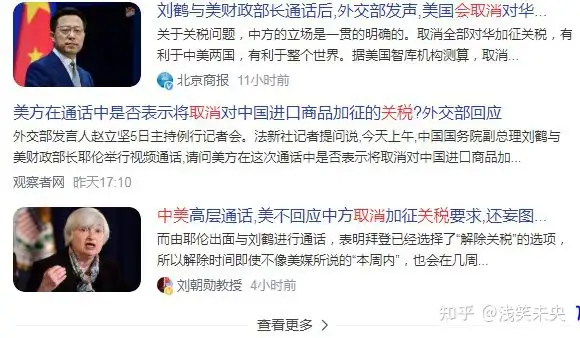
欧盟得了好处,卖掉了飞机。在号称围堵中国的议题下,直接解决了国产大飞机C919的国际适航证问题。

但来参会的特邀嘉宾日韩就比较尴尬了
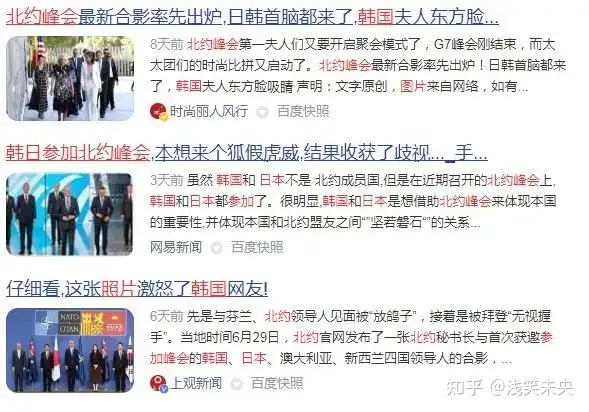
既不被重视,又喜迎中俄的围观
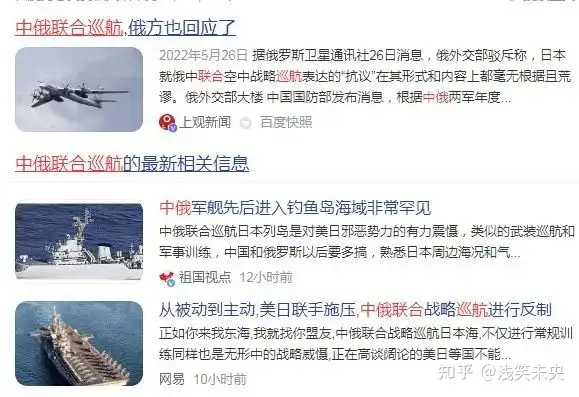
所以,更彻底的全球化贸易,更坚决的改革开放,就意味着我们会更快的走出经济困境的泥潭。

我们是全球化经济体制下的优等生啊!在美帝的规则下,玩转地球。

深化改革,坚持开放才是中国经济的唯一出路!

评论

此博客中的热门博文

The Ultimate Tool Stack for AI Agents

弦线驻波