China & Vietnam, Malaysia, Philippines, Indonesia and Timor-Leste, Thailand: How do big countries "unite" small countries?大国如何“团结”小国?
How do big countries "unite" small countries? This is a worldwide problem.
In its dealings with small countries, China's handling methods have become more and more mature, and its diplomatic wisdom is shining frequently.
Vietnam
Among the countries in Southeast Asia, Vietnam is relatively strong in terms of military and economy, and its culture is closest to China.
The relationship between Vietnam and China is also up and down.
The process of China's "repair" of Vietnam can be regarded as a coquettish display of the wisdom of a great power.
Vietnam is also very cooperative, from military to diplomatic, it has become the best experimental field.
One: Self-defense counterattack against Vietnam
In 1975, with the last helicopter departure from Saigon, the Vietnamese finally drove the Americans out. They also drove out the French 21 years ago.
The confident Vietnamese began to call themselves "the third military power in the world". In addition to invading Cambodia, they also frequently harassed China.
Vietnam after the withdrawal of the People's Liberation Army
From February 17 to March 16, 1979, 560,000 "unbearable" Chinese troops crossed the border and fought a "self-defense counterattack" in Vietnam, directly hitting Liangshan in one breath. Looking at Hanoi at the end of Yimapingchuan, the Chinese army took the initiative to turn around and retreat to the border.
When leaving, the Chinese army took away all machinery and equipment, cattle, horses and sheep, and blew up almost all houses, bridges, mines, roads, railways, including telephone poles.
Part Two: Frontier Rounds
Many people think that this war is over, but in fact it is not the case, the wonderful round of border battle has just begun. It finally ended ten years later in 1989. The war scenes in the movies "Greath under the Mountain" and "Youth" were shot against this background.
The combat locations are Faka Mountain on the Guangxi border, and Luojiaping Mountain, Koolin Mountain, Laoshan, Zheyin Mountain, and Balihe River Mountain on the Yunnan border. The fighting mainly took place on the "riding line point" on the Sino-Vietnamese border. "Riding the line point" refers to the boundary mountain on the border. Usually, the national border line extends along the ridge, and the commanding height on the national border line is the "riding line point".
According to international practice, "riding points" generally do not send troops to each other. After the Sino-Vietnamese War in 1979, the Chinese army returned to China, and some important "riding points" on the Sino-Vietnamese border were occupied by the Vietnamese army.
The first domestically produced sniper rifle, the Type 79, was put on trial on the battlefield against Vietnam
It is conceivable that China has done its part to snatch back these "riding points". At the same time, they deliberately wedged 2-3 kilometers into Vietnam and established auxiliary positions.
Why is it wedged 2-3 kilometers into Vietnam? This is the brilliance of military decision-makers.
The counterattack in 1979 had great results, but it cost a lot and consumed a lot. The subsequent battle for "riding the line" was to "lure the enemy to attack fortifications" from the perspective of the campaign intention. At the same time, because these auxiliary positions are in Vietnam, the Vietnamese army will inevitably counterattack. Taking advantage of the opportunity of fighting Vietnam, China transferred the main forces of the whole army to the border in turn for combat exercises, and conducted tests of new weapons in this area.
Repeatedly for many years, Vietnam has been tortured to the end, but it has cultivated a group of excellent command talents for China and tempered the combat capabilities of the troops. There were 27 generals who later became generals. Zhang Wannian, Fu Quanyou, Liang Guanglie, Liao Xilong, Zhang Youxia, Zhang Haiyang, Liu Dongdong, Liu Yuejun, Zhao Zongqi, Li Zuocheng, Wang Ning, etc. all participated in the war against Vietnam.
Li Zuocheng (first from left), currently a member of the Central Military Commission of the Communist Party of China
In 1989, Vietnam withdrew its troops from Cambodia, and the fighting on the Sino-Vietnamese border gradually subsided. In 1990, the Beijing Asian Games was held, and the Vietnamese government sent representatives to attend the Asian Games. After the disintegration of the Soviet Union in 1991, the General Secretary of the Communist Party of Vietnam visited China, and Sino-Vietnamese relations finally entered the road of normalization.
China's ten-year war against Vietnam disabled a younger brother and dragged down a Soviet Union. Compared with the Korean War, which "knocked away the United States and drove away the Soviet Union", the results are also very significant.
Three: Lancang River Hydropower Station
For Vietnam, the younger brother, China is really speechless.
After China implemented the "reform and opening up" policy, Vietnam also learned from China and started "reform and opening up" (the policy proposed by the Sixth National Congress of the Communist Party of Vietnam changed only one word of China's policy slogan). After introducing the market economy and the policy of opening to the outside world, Vietnam has entered a period of rapid economic development.
With a certain economic foundation, the Vietnamese began to "burst with confidence" again.
After China and Vietnam determined the land border, disputes in the South China Sea remained, mainly in the Nansha, Xisha, and Dongsha Islands in the South China Sea. For this reason, the Xisha naval battle in 1974 and the Nansha naval battle in 1988 broke out between China and Vietnam.
Since May 2014, Vietnam has continued to take actions in the South China Sea, including the previous high-profile commemoration of the "Huangsha (that is, our Xisha) naval battle" and accusations of CNOOC's drilling platform for infringement.
Vietnamese vessel KN-762 rams into Chinese vessel
Since May 2, 2014, Vietnam has sent 35 ships of various types to actively ram Chinese ships, interfering with the operations of Chinese companies in waters off China's Xisha Islands. As of mid-June 2014, the Vietnamese side had rammed Chinese ships more than 1,600 times. The ships dispatched by Vietnam included many armed ships. During the collision, the Vietnamese side sent diving frogmen and released a large number of fishing nets and large obstacles.
How to teach this little brother a lesson again, this time China has adopted "surround the spot to fight for aid".
The Lancang River originates in Qinghai Province, flows through Tibet and enters Yunnan, and is called the Mekong River after flowing out of the country at the mouth of the Nanla River in Xishuangbanna Prefecture.
The Lancang-Mekong River flows through China, Myanmar, Laos, Thailand, Cambodia, and Vietnam. It is a famous international river and is called "the Danube of the East". The Lancang-Mekong River is 4,500 kilometers long, the Lancang River is 2,130 kilometers long in my country, and the Mekong River is 2,888 kilometers long, of which 33% are in Cambodia and 51% are in Laos. The Mekong River finally flows into the South China Sea via Vietnam.
Since the 1980s, China has successively built 8 cascade hydropower stations on the Lancang River, all of which are in Yunnan Province, which not only greatly improved the frequent drought problems in Yunnan, but also achieved precise regulation of downstream water flow.
In March 2016, the water level of the Mekong River dropped to the lowest level since 1926, and the arid Mekong Delta also experienced seawater intrusion two months earlier than usual. more than 100 kilometers).
Located at the southernmost tip of Vietnam, the Mekong Delta is the most fertile and densely populated place in Vietnam. Nearly one million people lack daily water and nearly 160,000 hectares of rice fields have been affected. By the end of the year, Vietnam is estimated to have lost 500,000 hectares of rice fields and nearly half of the Mekong Delta's 2.2 million hectares of arable land will be salinized.
The Vietnamese, who had no other choice, came to Beijing again.
Manwan Hydropower Station is the largest hydropower station built on the Lancang River
Subsequently, China's National Defense Commission issued a message that at the request of the Socialist Republic of Vietnam, China initiated the emergency dispatch of water from the cascade hydropower stations on the Lancang River to alleviate the severe drought in the Mekong River Basin. At 8:00 on March 15, the discharge flow of Jinghong Hydropower Station on the Lancang River has increased to 2190 cubic meters per second, marking the official launch of the emergency dispatch of water volume of the Lancang River Cascade Hydropower Station implemented by us at the request of the Vietnamese side.
For the rare drought in Vietnam, China just underestimated it as "affected by the strong El Niño phenomenon".
Afterwards, Vietnam was quiet for a while in the South China Sea.
Longitudinal section of the development plan for cascade hydropower stations on the main stream of the Lancang River
By the way, there are 14 cascade hydropower stations planned for the Lancang River, and 6 of them have yet to be completed. It is foreseeable that the regulation of the water level of the Mekong River will be more timely and accurate in the future.
Of course, the premise is that the countries along the coast are more cooperative with China.
Part Four: The South China Sea Dispute
The main dispute between China and Vietnam in the South China Sea is the Nansha Islands.
Vietnam not only occupies a large number of islands and reefs and expands on them, but also cooperates with Western companies to drill more than 1,400 wells, with an annual output of more than 50 million tons of oil, which is almost the peak output of Daqing Oilfield!
Vietnam stole oil from the South China Sea, earning tens of billions of dollars in total. 30% of Vietnam's GDP comes from South China Sea oil, and Vietnam has directly changed from an oil-poor country to an exporter.
Why has China not done anything in the South China Sea before?
In a word, the strength is not enough.
The South China Sea is too big and too far away.
The natural sea area of the South China Sea is about 3.5 million square kilometers, of which the total area of China's territorial waters is about 2.1 million square kilometers.
The distance from Lingshui Military Airport in Hainan to the farthest Nansha Islands is more than 1,000 kilometers. The plane can only circle a few times over the Nansha Islands before returning.
Behind Vietnam's rampant behavior, there is also the support of the United States.
what to do? China wants to play a big game of chess.
It is very simple to say that China's strategy is to advance simultaneously from the sea, the sky, and the sea.
In 1999, China began to implement the summer fishing moratorium policy in the South China Sea, and fishing boats from China and other countries were all within the restricted range.
This policy has not attracted the attention of other countries, and Vietnamese fishing boats continue to fish in the South China Sea.
On June 21, 2012, China revoked the Xisha Islands, Nansha Islands, and Zhongsha Islands offices in Hainan Province, and established a prefecture-level Sansha City to govern the islands and reefs of the Xisha Islands, Zhongsha Islands, and Nansha Islands and their waters. Sansha Municipal People's Government is stationed in Yongxing Island, Xisha.
After "drying and filling", the Meiji Reef has become the largest island in the Nansha Islands with a size of 5.66 square kilometers.
At the end of 2013, China began to launch the "planting islands" operation in the South China Sea. The "Sky Whale" cutter suction dredger has been stationed in the South China Sea and is working 24 hours a day. Especially in the second half of 2014, it suddenly started to work hard, working on 6-8 reefs at the same time, and the construction speed was significantly accelerated.
In one and a half years, China has reclamated land on 8 islands and reefs in the South China Sea, namely Mischief Reef, Subi Reef, Yongshu Reef, Cuarteron Reef, Gaven Reef, Dongmen Reef and Johnson Reef. , Yongxing Island.
It took China one and a half years to surpass the total amount of reclamation projects in Vietnam in 25 years.
Control of Chinese aircraft over the South China Sea has completely shifted
In May 2015, China issued a fishing moratorium in the South China Sea in accordance with previous practice.
China's fishing moratorium is obviously well-prepared.
China's coast guard ships are looking for opportunities in the South China Sea day and night.
The Chinese Coast Guard slipped washing powder into the drinking water tank on a Vietnamese fishing boat
The sea is full of excitement, and there is no idle time under the sea.
From May to July 2010, China's self-designed and self-integrated manned submersible "Jiaolong" conducted multiple dive missions in the South China Sea. The maximum dive depth reached 3,759 meters, and the Chinese flag was inserted into the seabed. , a direct declaration of sovereignty.
A few years later, the "Jiaolong" manned submersible successfully reached the seabed of 7,020 meters in the Mariana Trench in the western Pacific Ocean, setting a new world record for an operational manned submersible.
The long arm of the "Jiaolong" planted the Chinese flag on the bottom of the South China Sea
Then something even more "crazy" happened.
On December 15, 2016, the American oceanographic survey ship "Bowditch" stopped on the water about 100 miles from the port of Subic Bay, Philippines, and recovered two underwater unmanned submersibles. A Chinese warship 500 meters away suddenly put down a small boat and sailed into the sea, and quickly appeared next to the "Bowditch", and then the Chinese crew stole one of the unmanned submersibles.
After the stunned American sailors woke up, they called the Chinese ship by radio, claiming that it was the property of the United States.
After the Chinese ship left a long distance, they casually replied: "Is there anything I can do to help?"
On the sea so close to the Philippines, China has the guts to make such "crazy" actions against the United States. What else can it not do to Vietnam?
US survey ship (top right) and underwater drone (bottom right)
Big moves followed.
On July 4, 2018, the Hainan Provincial Department of Oceans and Fisheries announced the "Approval Measures for the Development and Utilization of Uninhabited Islands in Hainan Province". One day later, the State Oceanic Administration issued "Opinions on the Paid Use of Sea Areas and Uninhabited Islands". The Measures clearly stipulate that individual Chinese citizens or units may apply for the development and utilization of uninhabited islands within the South China Sea.
China has more than 10,000 islands, accounting for 0.8% of its land area. Most of them are located in the South China Sea, and more than 90% are uninhabited islands. After individuals and units develop uninhabited islands, once these islands are invaded by other countries, Chinese warships can justifiably protect them.
Whether there are residents of the same country living on the island or not, the justice of protection actions will be completely different. Diaoyu Island is an uninhabited island, and it is still a problem.
At least 5 Chinese warships "siege" the US aircraft carrier
A report last year is also meaningful.
In September 2019, according to foreign media reports, foreign satellite photos showed that the USS Ronald Reagan was sailing in the South China Sea. Many suspected Chinese warships appeared around the "Reagan" aircraft carrier.
China's Ministry of National Defense stated: "The US aircraft carrier fleet went to the South China Sea to show off its force and promote the militarization of the region. We firmly oppose this... The Chinese military will earnestly fulfill its duties and missions and firmly defend national sovereignty and security."
"Copy away" US submarines and "siege" US aircraft carriers. China does not have Vietnam in its eyes.
Malaysia chapter
Although Malaysia only occupies 3 islands in the Nansha Islands (4 of which are inspected and monitored), it is the fastest and most profitable in the development of oil resources in the Nansha Sea.
From the beginning of exploration in the 1950s to today, Malaysia has 10 commercial oil fields and more than 90 oil wells in the waters near Nansha, and 70% of its oil exports come from this sea area. With the help of offshore oil production, Malaysia's economy has developed very rapidly. The total value of oil exports has exceeded 20% of its gross national product, and the annual output of offshore oil has exceeded 30 million tons.
Malaysia keeps a low profile: it sells oil and gas to China at a price lower than the market price.
Therefore, China also turned a blind eye to Malaysia's oil exploration before.
The important geographical location of Qiongtai Reef
But then the situation was different.
At 2:40 am on March 8, 2014, Malaysia Airlines stated that a Boeing 777-200 aircraft carrying 239 people lost contact with the control center. The flight number was MH370, which was originally scheduled to fly from Kuala Lumpur to Beijing. There were 154 Chinese passengers on board the plane.
China is very angry at the serious dereliction of duty of the Malaysian government, and also took the opportunity to randomly enter the sensitive waters of the South China Sea countries with warships and planes for "search and rescue", and "discuss for justice" with the force of soldiers suppressing the border.
Later, according to Malaysian media reports, when the Chinese government searched for MH370 in April 2014, in the name of searching, it took control of Qiongtai Reef along the way.
But the Chinese media reported this:
Later, in order to protect this precious flower and plant, China sent more than 400 "animal and botanical experts" to live in Qiongtai Reef each to study its growth characteristics, associated relationship and grafting relationship.
China believes that vegetation has already grown on Qiongtai Reef, and the reef has developed into an island. The reasons are as follows: 1. The shape of the sandbar is relatively fixed—according to previous satellite image observations, the shape of the Qiongtai Reef sandbar is fixed; 2. It is a low-lying central landform with raised sand banks around it; 3. There are woody vegetation formed.
Qiongtai Reef is located at the South Gate of China, 115 kilometers away from Zengmu Shoal. It is one of the southernmost islands and reefs in China.
Green plants on Qiongtai Reef
On May 28, 2018, Mahathir, who was recently elected Prime Minister of Malaysia, said: "We must abandon some unnecessary projects, such as this high-speed rail (China is responsible for the construction)... This project will be cancelled. .”
Three months later, Mahathir visited China and also visited Alibaba and Huawei.
On April 12, 2019, after months of negotiations, Malaysia and China reached an agreement to resume the construction of the East Coast High Speed Rail Project.
China also did not carry out the expansion of "Blowing Island" on Qiongtai Reef.
A small Qiongtai Reef has become a card in China's hand. Whether to expand or not depends on China's face.
Philippines
The Philippines occupies a total of 7 Spratly Islands, second only to Vietnam. When Aquino III was president, the Philippines was the most troubled by the South China Sea issue.
Scarborough Shoal Incident
On April 10, 2012, when 12 Chinese fishing boats were operating normally in the lagoon of Huangyan Island in China, they were disturbed by a Philippine warship. When the Philippine warship took control and tried to take away a fishing boat, two Chinese sea surveillance ships were driven in (Lvda-class destroyer reconstruction) prevented. Later, the number of Philippine warships was reinforced to four, and anti-submarine aircraft also flew in to help.
The geographical location of Huangyan Island (left picture) and the jigsaw puzzle of the confrontation between Chinese and Philippine warships (right picture)
Because the Philippine warship fired at the Chinese fishing boat during the pursuit, and it was indecent when it came and went. A Chinese sea surveillance ship "due to the high temperature and hot weather caused technical failures in various equipment", which forced the Philippine warship to evacuate Huangyan. island.
At present, Huangyan Island is still under the effective control of the Chinese government.
South China Sea Arbitration Case
In March 2014, the Philippines formally submitted a complaint to the International Arbitration Court in The Hague regarding the sovereignty dispute with China in the South China Sea, requesting a ruling on the maritime status of eight islands and reefs in the Nansha Islands, including Taiping Island and Meischief Reef, and confirming that the Philippines has exclusive jurisdiction over its 200 nautical miles. rights enjoyed within the economic zone.
The move by the Philippines has aroused strong dissatisfaction in China. China reiterated that its position of not accepting or participating in the South China Sea arbitration initiated by the Philippines has not changed.
Then a very interesting thing happened.
On April 2, 2014, a group of armed men hijacked a Chinese tourist and a hotel employee in a hotel in Malaysia, and fled to an island in the southern Philippines. Team) actively participated in the rescue.
On May 30, 2014, the Prime Minister of Malaysia, who was visiting China, notified China that the Chinese female tourist kidnapped in Malaysia had been released, and the Malaysian side would escort her back to China in the near future.
Kidnapped Chinese female tourist and hotel staff
Why did the Prime Minister of Malaysia inform China personally?
The reason is that after the disappearance of Malaysia Airlines 370 on March 8, Chinese warships and aircraft have continued to carry out search and rescue operations in the waters surrounding Malaysia for several months, and "looked after" Qiongtai Reef along the way.
Why does the Philippine military actively participate in the rescue?
In the Philippines, the military holds real power, and every president must please the military (otherwise, the president will be given special “care” by the military after he steps down). This abnormal behavior of the Philippine military sent a positive signal to China:
1. The military holds different opinions on President Aquino III's South China Sea litigation;
2. The military is worried about the repeat of the Huangyan Island incident.
Without the support of the military and the response of neighboring countries, the Philippines' South China Sea claims were destined to be a farce from the very beginning.
So China is not worried.
But how to resolve this farce?
On May 20-21, 2014, then UN Secretary-General Ban Ki-moon attended the CICA Summit held in Shanghai.
What is unbelievable is that after the meeting ended, China suddenly accelerated its "island planting" operation in the Nansha Islands from the second half of 2014, and at the same time built 6-8 islands and reefs day and night. By the end of 2015, all finished.
On January 6, 2016, two Chinese civil aviation passenger planes took off from Haikou Meilan Airport successively. After nearly 2 hours of flight, they landed smoothly at the newly-built airport on Yongshu Island in Nansha at 10:21 and 10:46. Returned to Haikou in the afternoon of the same day, and the test flight was successful.
Two Chinese civil aviation passenger planes parked at the new airport of Yongshu Island
On July 12, 2016, the International Arbitration Court in The Hague ruled that the Philippines "won the case" in the South China Sea arbitration case.
Just one day later, on July 13, 2016, the official website of the United Nations released the following news:
In a word, the Hague International Arbitration Court (the South China Sea Arbitration Tribunal) has nothing to do with the United Nations.
It is not an international court, but a mediation organization, and it even manages private affairs.
The composition of this arbitral tribunal is actually the result of a behind-the-scenes operation.
The netizen who suddenly realized it joked: "(The South China Sea Arbitration Tribunal is like) the Putian department contracted out of the top three hospitals."
There used to be a joke on the Internet:
The United Nations mediates conflicts between small countries and small countries, and the conflicts disappear;
The United Nations mediates conflicts between big and small countries, small countries...;
The United Nations mediates conflicts between great powers and great powers, the United Nations...
Second Thomas Reef Incident
On May 8, 1999, US missiles attacked the Chinese embassy in the former Federal Republic of Yugoslavia.
On May 9, a dilapidated tank landing ship of the Philippine Navy, the Sierra Madre, sailed to Second Thomas Shoal, claiming that there was a "water leak at the bottom of the ship" and had to "land on the beach".
Subsequently, the Chinese Ministry of Foreign Affairs made solemn representations to it, demanding that the Philippine side immediately tow away the stranded landing ship. However, the Philippine side ignored it, and used the ship as a base to station seven soldiers for a long time, and adopted the method of regular rotation of the ship's personnel, forming actual control over the reef.
The damaged warship "grounded" on Ren'ai Reef
Since then, Chinese law enforcement ships have stepped up patrols in nearby waters.
In May 2018, when a supply ship in the Philippines rushed towards Ren'ai Reef, it was suddenly blocked by a Chinese coast guard ship and a 054A frigate. At the same time, China also dispatched a carrier-based helicopter.
The background at that time was that the Philippine military was expanding the airport on Thitu Island.
The Philippine supply ship ended in vain.
Why didn't China tow this wreck away?
Ren'ai Reef is only tens of kilometers away from China's Meiji Island and is completely controllable.
In addition, keeping it can also become a card in China's hand. We must unite all forces that can be united.Duterte and the military receive purchases of Chinese equipment
In 2016, after the new Philippine President Duterte came to power, he adopted a foreign policy of being pro-China and alienating the United States, and actively building good relations with China. China also provided advanced equipment to the Philippines in a timely manner, provided technical support for the Philippines to quell the riots in Marawi, and enhanced Duterte's prestige.
Later, the Philippines announced that it would cooperate with China to develop oil in the South China Sea, which provided a good example for other countries and China to resolve disputes in the South China Sea.
Indonesia and Timor-Leste
There is no territorial dispute between China and Indonesia, but China has been looking for opportunities to retaliate against Indonesia.
The reason is Indonesia's massacre of Chinese.
From October 1965 to April 1966, according to data released by Indonesian officials in 1975, about 450,000 to 500,000 Chinese were massacred.
From May 13th to 15th, 1998, thousands of mobs systematically burned, killed, raped and plundered ethnic Chinese, resulting in the death of more than 1,200 ethnic Chinese in the riots.
Anti-Chinese Incident in Indonesia in 1965
Given the chance, China will retaliate.
The massacre of Chinese in 1965 was actually caused by the Americans. After the incident, Indonesia immediately fell to the United States. The Soviet Union found out the American agents who planned at that time and provided the information to China. In the spring of 1968, in a tavern in Vietnam, the American agent was shot and killed three times.
In 1967, China and Indonesia broke off diplomatic relations.
In 1999, the Chinese navy went south to Phang Nga, Thailand, to deter the Indonesian navy with force.
From 2000 to 2003, China used the opportunity of conducting military exercises with India to deploy fighter planes deployed in Thailand to frequently fly over Indonesian airspace.
In 2001, China used the interception of a fishing boat as an excuse to combat piracy and sank an armed escort-class warship of unknown nationality.
East Timor independent from Indonesia
In 1975, after East Timor became independent, it was immediately invaded by Indonesian armed forces. Since then, China has been calling for the independence of East Timor all the year round, using its status as the "five permanent members" of the United Nations.
On May 20, 2002, East Timor officially became independent and became the first new country in this century. On the same day, then Chinese Foreign Minister Tang Jiaxuan led a Chinese government delegation to attend the independence ceremony, and Chinese leaders sent congratulatory letters.
On the same day, China established formal diplomatic relations with East Timor, becoming the first country to establish diplomatic relations with East Timor.
Chinese "peacekeeping forces" stationed in East Timor all year round
Timor-Leste is rich in oil resources, but its geographical location is of more strategic significance to China.
From a geographical point of view, Timor-Leste is located in the transitional zone between Asia and Oceania, between the Pacific Ocean and the Indian Ocean, and between the first island chain and the Western Pacific. If a military base is established in Timor-Leste, it will significantly enhance China’s ability to intervene in the Asia-Pacific region .
East Timor, with a population of less than 1.3 million, was able to become independent from Indonesia, which has a population of nearly 300 million, and still retains an "enclave" on Indonesian territory. It is not easy. It is also conceivable how reluctant Indonesia is.
Subsequently, China began to offer support for Aceh's independence movement.
Next to Aceh is the Strait of Malacca
The Indonesian government has completely relented.
Forced by strong military deterrence, Indonesia had no choice but to secretly arrest those involved in the 98 incident from the army and the internal security police force in 2003. According to reports from Singapore, 231 military officers were arrested and 4 generals dismissed in 2003.
In 2006, Indonesia abolished unfair provisions targeting indigenous and non-indigenous people, and both Chinese and Indonesians are equal. In 2014, President Yudhoyono officially abolished the Circular No. 6 of 1967 and renamed "China" as "China".
Supplementary chapter on Chinese anti-Chinese incident in Indonesia
Regarding the anti-Chinese incident in Indonesia, many people have misunderstood China. Now for the rough details:
In the mid-1960s, the Chinese in Indonesia were divided into two factions, one pro-Taiwan and the other pro-China. Due to historical reasons, the majority are pro-Taiwan (after the founding of New China, by 1960, only about 7,000 overseas Chinese returned to the mainland).
On September 30, 1965, six Indonesian army generals were killed, and President Sukarno was forced to step down. His successor, Suharto, began a history of more than 30 years of Indonesian military rule. What I want to explain here is that Sukarno is pro-mainland, while Suharto is pro-US and Taiwan. Suharto's coup was successful because the US and Taiwan authorities secretly provided a large amount of weapons and money.
Indonesian soldiers arrest Chinese
After the Indonesian massacre began, the Taiwan authorities helped the evildoers, and the pro-Taiwanese Chinese also took advantage of their familiarity with the Chinese to actively provide intelligence to Indonesia. The Chinese embassy in India immediately lodged a diplomatic protest, and at the same time notified the local Chinese to take refuge in the embassy. More than 5,000 Chinese entered the embassy and survived. Over 90,000 Chinese nationals holding Chinese passports and overseas Chinese who are pro-China have all withdrawn to the mainland.
The US Central Intelligence Agency once called Indonesia during this period "the worst mass murder in the 20th century". It is estimated that 500,000 "leftists" were killed and another 600,000 were imprisoned without trial.
In 1967, China and Indonesia severed diplomatic relations, but the Taiwan authorities immediately resumed diplomatic relations with Indonesia even before the blood of the massacred Chinese had dried.
chaotic street
Before the anti-Chinese incident occurred in 1998, the Chinese embassy in Indonesia got the news in advance and quickly visited the headquarters of the local Chinese community. The pro-Taiwanese Chinese stayed behind closed doors until the ambassador personally came to inform the news, but the pro-Taiwanese Chinese turned around and reported to the Indonesian government, which led Indonesia to act in advance. Subsequently, the Chinese embassy in Indonesia made another suggestion to the Chinese community to withdraw into the Chinese embassy in Indonesia, but was rejected.
At the same time, the staff of the Chinese embassy provided services to Chinese citizens and Indonesian Chinese 24 hours a day, and worked hard to facilitate the addition of three flights by Hong Kong Cathay Pacific Airways and China Southern Airlines. However, some overseas Chinese waiting at the airport refused to board the plane when they saw the five-star red flag on the plane.
During the anti-Chinese incident in Indonesia in 1998, 15 overseas Chinese holding Chinese passports were killed in the suburbs of Jakarta, and the remaining 3,700 returned to the mainland safely.
Thailand
Among Southeast Asian countries, Thailand is the most concentrated place for Chinese people to travel abroad, with about 9 million Chinese coming here every year. There are also 9 million Chinese in Thailand, accounting for about 14% of Thailand's total population.
Pattaya Beach, Phuket Island, and Koh Samui Island are all familiar to everyone.
However, when it comes to Phang Nga and Songkhla, many people are not clear. In fact, these two places are China's overseas military bases stationed in Thailand.
Phang Nga is above Phuket, very close to each other, in the Andaman Sea, very close to the Strait of Malacca. Songkhla is just below Koh Samui, also not far away, in the Gulf of Thailand.
Important geographical location of Songkhla and Phang Nga
This is China's earliest overseas military base, and it is also the overseas base where China actually has the largest number of troops stationed. Songkhla is dominated by the army, and the Guangzhou Military Region sent a battalion of 400-500 troops permanently, equipped with various light and heavy weapons. Phang Nga is dominated by sea and air, with more than 1,600 sea and air service troops stationed, several "Song II" class submarines, 24 J-7P fighters, and 12 Su-27 fighters.
Why did China choose Thailand?
In fact, Thailand chose China.
In the late 1970s, Laos and Cambodia were successively controlled by Vietnam. When the Vietnamese army was encircling and suppressing the remnants of the Khmer Rouge army, they often invaded Thailand and clashed with the Thai army.
From then on, Thailand began to get closer to China. China responded positively and formed a defense partnership with Thailand.
At the beginning of 1983, Yang Dezhi, then chief of staff of the People's Liberation Army, publicly stated in Thailand: "If Vietnam dares to invade Thailand, the Chinese army will not ignore it." About 400 tons of weapons and supplies were transferred to the Cambodian anti-Vietnamese armed forces.
One of the purposes of China's subsequent border wars against Vietnam was to contain Vietnam's forces against Cambodia and Thailand.
Chinese warships moored in a Thai port
In 1990, the Indonesian navy suddenly attacked a Thai naval patrol. Thailand has found China again. In 1991, Thailand and China secretly signed the "China-Thailand Friendship Ship Sales Agreement", and China built two F25T warships and four "Chao Phraya-class 053HT" ships to Thailand.
Later, China "assisted" Thailand in the development and construction of a 500-kilometer "port area" in Phang Nga and Songkhla. Phang Nga is the gateway to control the Andaman Sea, with the Straits of Malacca below. China has spared no expense in building a number of "military equipment maintenance bases" here, and openly stationed in two ports in the name of "assisting in the training" of the Thai navy.
In 1994, Thailand purchased 150 "85" armored vehicles from China to "prevent land threats", and opened a "Thai-China joint maintenance base" between Songkhla and Phang Nga.
In 1995, after Indonesia purchased U.S. fighter jets, Thailand introduced the Chinese J-7PM "Air Flash", 12 "Yun-12" patrol aircraft, and 2 Y8DC anti-submarine aircraft in the name of "maintaining airspace security", and deployed them at Phang Nga Sea and Air Base. .
In 1996, Thailand secretly "provided" an AV-8A (a British "Harrier" MK50 vertical-short take-off and landing attack aircraft purchased by the US Marine Corps) to China for reference. China was able to witness the most advanced warplanes in the West.
In 1998, after the anti-Chinese incident in Indonesia, the Chinese navy went south to Phang Nga, Thailand, to deter the Indonesian navy with force.
Later, the Chinese aircraft that used military exercises to frequently fly over Indonesia, and the Chinese warship that sank an unidentified ship in the name of combating piracy all set off from the Phang Nga military base.
Some people think that military bases are of little use in peacetime, but they are not. When war broke out in Yemen in 2015, three Chinese warships cruising in the Gulf of Aden quickly arrived and evacuated more than 600 Chinese and overseas Chinese to the nearest Chinese military base in Djibouti, providing safe protection. The movie "Operation Red Sea" was shot against the background of the evacuation of overseas Chinese from Yemen.
The Mekong tragedy
On the morning of October 5, 2011, two Chinese merchant ships were attacked in the waters of the Golden Triangle of the Mekong River. All 13 Chinese crew members on the "Hua Ping" and "Yuxing 8" were killed, and one of them was missing.
After the tragedy, the Thai military behaved abnormally.
On October 6, 2011, the Thai military stated that it received clues to drug smuggling on the 5th and exchanged fire in the afternoon. The militants who were killed were not Chinese.
From October 7th to 8th, the Thai police successively discovered the bodies of 12 Chinese crew members.
Naw Kham, the mastermind of the tragedy who was escorted to China
On October 10, the Thai military changed its words and claimed that the murderer was the Nokan drug cartel from Wa State, Myanmar. Shooting of the crew continued and six bodies were pushed into the river.
On the afternoon of October 28, the Thai military stated that the suspects were nine soldiers belonging to the "Phamang" military camp of Thailand's Third Military Region.
But the Chinese police believe that there must be a bigger mastermind behind it.
On October 31, 2011, China, Laos, Myanmar, and Thailand held talks in Beijing and passed the "Mekong River Basin Law Enforcement Security Cooperation Agreement."
China-Laos-Myanmar-Thailand Joint Cruise on the Mekong River Basin First Sentinel
Subsequently, the Chinese police directly pursued and handled the case across the border (cross-border case handling is relatively rare in the world), and it took more than half a year to completely destroy the drug den of Naw Kham, the mastermind behind the case, and captured all seven key members of the case and brought them back. China, executed after trial. The movie "Operation Mekong" restored some of the plots.
The cause of the case is also roughly clear: at the end of September and early October 2011, in order to retaliate against the Chinese ships being confiscated by the Burmese army to suppress drug trafficking activities, Naw Kham successively planned to hijack Chinese ships with Sangkang Chasa, Yi Lai, Weng Mie and Nong Luo.
Waw Kham and his key members are all foreigners. They were arrested across the border by the Chinese police and brought back to China to be sentenced to death. This greatly shocked the drug dealers in the Golden Triangle area and the interest groups behind them. They never dared to attack Chinese merchant ships and Chinese people.
Since then, China, Laos, Myanmar and Thailand have been carrying out joint cruises in the Mekong River Basin until now.
After the Mekong tragedy, China became the "cross-border policeman" on the Mekong River, and this is China's biggest gain.
Norway
Every October, the Nobel Prize announces the winners of the year.
Mo Yan wins 2012 Nobel Prize in Literature
After October 2010, the relationship between China and Norway fell to a freezing point.
After that, China began to retaliate.
China and 18 other countries refused to participate in the award ceremony that year.
China immediately halts FTA negotiations with Norway. The cancellation of the import of Norwegian salmon has caused the Norwegian salmon, which accounts for 92% of the Chinese market, to plummet.
In 2012, the former Prime Minister of Norway attended an international conference in Nanjing, but was notified of a visa refusal one week before the conference. The Prime Minister was refused a visa, which is almost a serious crisis second only to the severance of diplomatic relations.
On January 1, 2013, China implemented a 72-hour visa-free transit policy at the Beijing port for all European countries except Norway.
On April 18, 2015, China strictly restricted the import of whole salmon products from other parts of Norway.
The Arctic Yellow River Scientific Research Station is located in Svalbard, Norway, and the Chinese can freely enter and exit the area
After the new Norwegian government came to power in 2013, it emphasized adhering to the one-China policy and began to pave the way for the normalization of relations between the two countries.
In 2013, the new Prime Minister Solberg appointed Brende, who has a close relationship with China, as Norway's foreign minister.
Subsequently, Norway recognized China's participation in the Arctic Council and accepted China as a permanent observer of the Arctic Council.
In the same year, the Norwegian Museum announced the return of seven carved stone pillars from the Old Summer Palace.
In 2015, Norway announced to join the AIIB one day before the deadline.
On December 19, 2016, the Chinese government and the Norwegian government issued a joint statement, unanimously agreeing to restore the normalization of relations.
Chinese Foreign Minister Wang Yi held talks with Norwegian Foreign Minister Brende in Beijing on the same day. Wang Yi said:
"The Norwegian side has deeply reflected on the reasons for damaging the mutual trust between the two sides, and conducted serious and serious consultations with the Chinese side on how to improve bilateral relations. The two sides have reached an important consensus on learning lessons and restoring mutual trust."
Carefully comprehend the tone of Wang Yi's speech, "Norway...has made a deep reflection."
Wang Yi Meets with Norwegian Foreign Minister Brende in Beijing
A more interesting episode is that the Norwegian ambassador to China has been in China for nearly 10 years since 2007, and did not return to China until 2017. The main reason is that before 2010, I was busy with official duties and had no time to go back. Later, when I saw that the Prime Minister of Norway had been refused a visa, I dared not go back.
When he returned to China, the ambassador was already 68 years old, and he had overstayed his military service for 5 years...
In fact, the results have long been clues.
The Nobel Prizes in Physics, Chemistry, Physiology and Medicine, Literature, and Economics are all assessed by Sweden, while the Peace Prize is elected by the Norwegian Parliament.
Sweden, also one of the five Nordic countries, drew a clear line with Norway early on, and expressed its clear position to China with practical actions:
On October 11, 2012, the Swedish Academy announced that Chinese writer Mo Yan won the Nobel Prize for Literature that year.
Malaysia Supplement
Port of Kota Kinabalu
In November 2015, Malaysia and China reached an agreement to allow Chinese naval vessels to use the port of Kota Kinabalu in the Malaysian state of Sabah as a "stopover point" to "enhance defense relations between the two countries".
In a word, Malaysia, allow China to use Kota Kinabalu port for military resupply and docking.
The Port of Kota Kinabalu is the only way for the South China Sea to enter the Indian Ocean
The Port of Kota Kinabalu is the largest port in Sabah, bordering on the southern side of the South China Sea. Kota Kinabalu is the capital of Sabah, and the local Chinese call it Kota Kinabalu.
After the announcement of the news, some American netizens said: This is a "great shame" that the US Navy has never encountered in a century!
Why do American netizens say this?
On November 18, 2015, a US submarine entered a Malaysian port for resupply. This port is also located in Sabah, not far from the port of Kota Kinabalu.
The destroyer USS Lassen also set sail from this port to conduct activities in the South China Sea.
That is to say, when the US submarine was parked in Malaysia, Malaysia announced that Chinese warships would be adjacent to US warships in the future.
In other words, Malaysia allows Chinese warships to closely monitor the actions of US warships.
What is even more meaningful is that, according to a report by the Chicago Tribune, the United States was negotiating with Malaysia at the time to dispatch U.S. military P-8 and P-3C patrol planes to Malaysia to monitor the activities of Chinese warships in the South China Sea.
Obviously, Malaysia chooses to believe in China, discrediting the United States.
US submarine docked in Malaysian port
What did China do?
In April 2014, according to a Malaysian media report: "The Chinese government took control of Qiongtai Reef while searching for the MH370 that crashed on March 8."
On December 22-26, 2014, Chinese and Malaysian military representatives held the first joint tabletop game in Kuala Lumpur, code-named "Peace and Friendship-2014". This is the first joint tabletop game between the two militaries. A total of 22 people from the Malaysian side participated in the performance, and 21 people from the Chinese side participated in the performance.
What is a joint tabletop game?
Simply put, it is negotiation. Or, to put it in a phrase familiar to the Chinese, China is doing ideological work for the Malaysian military.
Since the location of this tabletop deduction was held at the Simulation Center of the Malaysian Joint Forces Command, it can be seen that both sides attach great importance to it.
Has this tabletop game achieved the desired effect in China?
Not quite reached.
What did China do next?
Beginning in the second half of 2014, China suddenly accelerated the "island planting" operation in the Nansha Islands, and at the same time, construction was carried out day and night on 6-8 islands and reefs. By the end of 2015, all construction had been completed.
Among them, how far is Meiji Island, the largest of China's Nansha Islands, from Kota Kinabalu Port in Malaysia?
Only 480 kilometers. What is the concept? Military planes can arrive in just half an hour.
What happens in the end?
On September 19, 2015, the Chinese and Malaysian armies carried out the first joint military exercise in the middle of the Strait of Malacca, code-named "Peace and Friendship-2015".
This is China and Malaysia's transition from tabletop games to real-force joint exercises.
What is certain is that Malaysia's trust in China does come from China's actions and strength.
Of course, China's support to Malaysia is also essential.
On October 19, 2016, the foundation stone laying ceremony of the deep-water supply terminal of Malacca Huangjing Port, Malaysia, which was generally contracted by China Power Construction Group, was held in Malacca. The Chinese lease of the port is 99 years.
Huangjing Port has a total investment of about 80 billion yuan. After completion in 2025, it will surpass Singapore to become the largest port on the Straits of Malacca.
The superior geographical location of Huangjing Port
On November 1, 2016, Malaysia and China signed a contract to purchase four littoral multi-mission ships, the first two of which were built by China, and the other two were built by Malaysia itself through technology transfer.
Malaysia plans to purchase a total of 18 LMMVs.
From November 22 to 25, 2016, the joint military exercise between China and Malaysia was held in Malaysia, code-named "Peace and Friendship-2016".
From January 3 to 7, 2017, China's "Changxing Island" ocean-going lifeboat and the "Great Wall 217" conventional submarine technically docked at the Sebangka Naval Base in Kota Kinabalu, Sabah, Malaysia for replenishment and rest .
Chinese submarine docks in Malaysia for repair and resupply for the first time
The US "Wall Street Journal" website commented:
"A Chinese submarine makes an unprecedented docking in Malaysia, a rare public display of China's expanding underwater power."
Graham, director of the International Security Program at the Lowy Institute for International Policy in Australia, said:
"Chinese naval warships have previously docked in Malaysia (Note: In August 2013, the Chinese naval training ship Zheng He had docked at the port for a five-day friendly visit), allowing submarines to dock in Malaysia, indicating that the Malaysian side Trust in China has improved."
From October 20th to 29th, 2018, the "Peace and Friendship-2018" China-Malaysia-Thailand joint military exercise was held in Malaysia.
Why is Thailand added to the "Peace and Friendship" military exercise between China and Malaysia?
This can be seen more clearly from the first picture of the article.
China's military bases in Songkhla and Phang Nga in Thailand, and China's military supply point in Kota Kinabalu Port in Malaysia, do they echo each other?
What's in between? It's the Straits of Malacca.
Obviously, one of the reasons for this China-Malaysia-Thailand joint military exercise is to squeeze Singapore, the biggest beneficiary of the Strait of Malacca.
Why squeeze Singapore? This will be introduced separately in a future article.
Supplement to Nansha Islands
Freshwater on Yongshu Island
In 2016, scientific research and engineering technicians led by technical experts from the Chinese military conducted a geological survey on Yongshu Island. The technicians drilled a total of 27 points, and 11 points obtained fresh water, and the water output was large. The water output from the drilling point in the middle of the island reached the drinking water standard.
Yongshu Island was originally an atoll, but after land reclamation, a 2.8-square-kilometer island was formed. Currently, nearly 2,000 soldiers and civilians are stationed there.
The Yongshu Island project was only completed at the end of 2015, and fresh water was discovered in 2016. Isn’t it incredible that there are still so many water outlets?
Yongshu Island in mid-October 2016
Some netizens explained this natural phenomenon with "fresh water lens".
Some netizens used "high-pressure reinjection well technology" to explain the feasibility of artificial technology.
In any case, the conclusion is that "Fresh water was discovered on Yongshu Island".
What does this mean?
According to Article 121 of the United Nations Convention on the Law of the Sea, an "island" must have the basic conditions to "sustain human existence and its own economic life". Without a doubt, fresh water is the most important one.
On January 28, 2016, Ma Ying-jeou landed on Taiping Island, tasted and inspected the well water of Taiping Island, and strongly refuted the unreasonable accusation raised by the Philippines that Taiping Island is just a "reef".
With fresh water, it proves that Yongshu Island is a natural island. According to the United Nations Convention on the Law of the Sea:
"Natural islands enjoy an exclusive economic zone of 200 nautical miles."
Singapore
Armored vehicles seized in Hong Kong
On November 23, 2016, Hong Kong Customs found 9 Singaporean armored vehicles on a cargo ship of the American APL Shipping Company.
According to Hong Kong's "Import and Export (Strategic Commodities) Regulations", armored vehicles and tank vehicles are listed as strategic commodities. Whether they are imported, exported, or transited, they must obtain a license issued by the Director of Trade.
On November 24, Singapore's Ministry of Defense stated: "(Armored vehicles) were "delayed" because of routine inspections by Hong Kong Customs.
The equipment was shipped from Taiwan to Singapore.
Singaporean armored vehicle under green covering cloth
Why is Singapore's equipment shipped from Taiwan?
The reason is that Singapore's land area is too small and there is no suitable place for military training.
In December 1974, Singaporean Prime Minister Lee Kuan Yew proposed to Chiang Kai-shek: "Singapore has limited space and hopes to train troops in Taiwan."
Chiang Kai-shek "expressed sympathy" for Singapore.
In 1975, Lee Kuan Yew and Chiang Ching-kuo signed the "Starlight Project":
The Singaporean troops went to Taiwan for military training under the code name "Starlight Exercise", and Taiwan provided the venue for free. This force is also called "Starlight Force".
This batch of equipment was transported back to Singapore after completing the Starlight exercise in Taiwan.
On the evening of November 25, the armored vehicles were moved to another open warehouse.
On November 27, Singapore’s Lianhe Zaobao stated:
"(Armored vehicles) are likely to be inspected as a reason to obtain internal parameters."
Chinese experts reply: In the field of tanks and armored vehicles, China does not need to learn from Singapore.
During the night of December 31, the armored vehicles were moved to indoor storage "to protect them from the wind and rain".
The common international practice is to cherish every opportunity to observe the new equipment of other countries at close range.
Detained Singapore Terrex AV-81 eight-wheeled armored vehicle
Among the three containers detained at the same time as the armored vehicles, in addition to high explosives, there were also frequency-hopping radio communication systems to be installed on the armored vehicles.
The United States provided this "wartime instant communication" system with super anti-jamming capabilities to Singapore and Taiwan, and its intention is self-evident:
The United States' "Asia-Pacific rebalancing" strategy has been put into action.
The Singapore armored vehicle incident finally brought the United States, which has been silent, to the surface.
On January 9, 2017, Singaporean Prime Minister Lee Hsien Loong personally wrote to Hong Kong Chief Executive Leung Chun-ying, requesting the return of the armored vehicles.
On January 20, Trump took office as the President of the United States.
In the early morning of January 27, the armored vehicle was reloaded and continued to be transported back to Singapore by the freighter of the American APL company.
It took exactly 66 days from the time the armored vehicle (American freighter) was detained to released.
In 1993, the Chinese cargo ship "Yinhe" was detained by the United States and its normal voyage was interrupted for 33 days.
There is an old saying in China: All debts owed in the past will be doubled in the future.
Yangshan Port
In 1995, Shanghai officially proposed to build a deep-water port. In 1996, the Shanghai Regional Leading Group Office of Shanghai International Shipping Center was established.
In March 2002, with the approval of the State Council, the Shanghai Yangshan Deepwater Port project was established.
On December 10, 2005, Yangshan Port opened.
On September 29, 2013, the Shanghai Pilot Free Trade Zone was officially established.
In 2018, the throughput of Shanghai Port + Yangshan Port exceeded 40 million TEUs, ranking first in the world, followed by Singapore with 36.6 million TEUs.
GIF cover
Yangshan Port becomes the world's largest smart container terminal
What many people don't understand is that the policy of "Shanghai Free Trade Zone + Yangshan Port" has been delayed for nearly ten years.
The reason for the delay is precisely because of Singapore's careful calculation.
In February 1994, the Suzhou Industrial Park was established with the approval of the State Council, of which the Sino-Singapore cooperation zone covers an area of 80 square kilometers.
The Suzhou Industrial Park is a "successful example of international cooperation" between China and Singapore, and it has also allowed Singapore to gain the trust of China.
In 1996, China and Singapore signed a plan for senior Chinese officials to be trained in Singapore.
In 2001, China and Singapore reached a further agreement. China planned to send bureau-level cadres to Nanyang Technological University and National University of Singapore to participate in Singapore's master's program in managerial economics and public administration. This is famous.
Almost all provinces and municipalities directly under the central government in China have sent people to Singapore for training, with a total of more than tens of thousands of people.
After returning to China, these senior officials who participated in the training have influenced many important decisions in China.
Under Singapore's "active suggestion", the Shanghai Deepwater Port project went through several twists and turns. Although it was not canceled in the end, it was only a local investment project in Shanghai at the beginning.
Singapore has made a huge detailed plan for Tianjin Port free of charge, guiding China to invest hundreds of billions of funds in the construction of "Binhai New Area + Tianjin Port".
In 2005, Tianjin Binhai New Area became a state-level new area. On December 12, 2014, Binhai New Area became the first free trade zone in the north.
However, due to the fact that Tianjin's geographical location is far inferior to that of Shanghai, coupled with the defects of Tianjin Port itself (Tianjin Port is not a natural deep-water port, it became an artificial deep-water port after dredging the river), the "Binhai New Area + Tianjin Port" Development is not as expected.
In 2018, the container throughput of Tianjin Port reached 16 million TEUs, ranking ninth in the world.
Yangshan Port has accelerated the historical process of Shanghai becoming the largest port in the world
Singapore’s worries at the beginning are becoming reality today:
On March 26, 2018, crude oil futures were listed on the Shanghai Futures Exchange.
Prior to this, Chinese companies such as PetroChina and Sinopec traded oil futures in the international futures market, and most of their delivery locations in Asia would choose Singapore.
Singapore is a tiny place with a population of only 5.6 million, but the annual futures transaction amount reaches 2 trillion US dollars, and almost all world-renowned banks have branches in Singapore.
Tianjin does not have a national-level exchange, while Shanghai, in addition to the futures exchange, also has the Shanghai Stock Exchange and the Shanghai Financial Exchange. The annual transaction amount has far exceeded that of Singapore.
The rise of Shanghai will inevitably squeeze Singapore's status and interests.
The original intention of Singapore is clear at a glance.
Puerto Gwadar
In 2001, it was China and Pakistan that signed an agreement that China would aid in the construction of the first phase of the Gwadar Deepwater Port.
In 2002, the project officially started and was delivered on schedule at the end of 2006.
Gwadar Port is the only deep-water port in Pakistan. 65% of China's oil imports come from the Middle East, and the journey from Gwadar Port to China will be shortened by 80%.
In 2006, Singapore won the right to operate Gwadar Port for 40 years.
However, since it was put into operation in January 2007, Gwadar Port has been abandoned by Singapore. No more than 10 cargo ships have entered the port in 5 years, and no investment has been made in 8 years.
Why did Singapore abandon Gwadar Port?
Because once the China-Pakistan Economic Corridor is opened, the number of ships transiting through Singapore will be reduced by one-third.
From Gwadar Port to Xinjiang, no longer passing through the Strait of Malacca and Singapore
In February 2013, Pakistan forcibly withdrew its operating rights and handed over Gwadar Port to the Chinese government.
Due to years of disrepair, most of the port machinery in Gwadar Port was scrapped, the oil storage tanks were corroded, and the roads were severely damaged. China has almost rebuilt Gwadar Port according to new standards.
On November 13, 2016, Gwadar Port reopened.
Gwadar Port has been delayed for nearly ten years from handing over to Singapore for operation to reopening the port.
Myanmar Chapter
"Until the end of this world, Burma will survive!"
This is the first line of the lyrics of Myanmar's national anthem "The World Is Not Perishable".
One: The Myitsone Hydropower Station Incident
In 2009, China Power Investment Corporation and the Ministry of Electric Power of Myanmar cooperated to build 7 cascade hydropower stations in the upper reaches of the Irrawaddy River in Myanmar, with a planned total installed capacity of 20 million kilowatts and a construction period of 15 years.
Among them, the Myitsone Hydropower Station is the largest and the most downstream one. After completion, the dam is 152 meters high, ranking first in Myanmar and fifteenth in the world. It is known as the "Three Gorges Overseas".
The power station is jointly invested and developed by China Power Investment Corporation Yunnan International Power Investment Company, Myanmar Ministry of Electric Power and Myanmar Asia World Company, with a total investment of 3.6 billion US dollars and an installed capacity of 6 million kilowatts. The first unit was originally planned to generate electricity in 2017.
In December of the same year, construction officially started.
On September 30, 2011, the then President of Myanmar U Thein Sein suddenly announced that the Myitsone Hydropower Project would be temporarily suspended during his term of office.
The reason for shelving is: "The Myanmar government is an elected government and must respect the will of the people."
What is the real reason for Myanmar to suspend the Myitsone Hydropower Station?
There are two main reasons:
First, in August 2009, after the Burmese government troops captured the "Kokang Special Zone" in Shan State, Myanmar planned to reorganize the entire Burmese ethnic armed forces.
On June 9, 2011, after the reorganization negotiations between the Burmese government army and the Kachin Independence Army broke down, they attacked the Kachin Independence Army by force on the grounds of protecting the Taiping River Hydropower Station.
The Kachin Autonomous State controls an area of 287 square kilometers and has a population of 150,000 under its jurisdiction. The Kachin Independence Army has more than 30,000 armed forces and nearly 100,000 militiamen. It is one of the largest independent armed forces in Myanmar. It can be said that everyone in the Kachin is a soldier, regardless of gender, from enlisting in the army at the age of 18 to 60, including militiamen.
The Burmese government army originally planned to capture Kachin in 10 days, but they fought for 100 days with no outcome.
Second, the distribution of benefits between the Burmese government and the Kachin people has not been negotiated.
During the 50-year franchise period, the Myanmar government will obtain 15% of the shares and 10% of the electricity generated by the Myitsone Hydropower Station, and 90% of the electricity will be sold to China. The Myanmar government will receive US$17 billion in revenue. Fifty years later, the hydropower plant was handed over to the Burmese government.
The Kachin people think that they have received very little benefit, and most of the benefits have been shared by the Myanmar government.
Of course, there are also interference factors from Western forces behind this.
In desperation, the Myanmar government had to unilaterally suspend the Myitsone hydropower project.
The incident at the Myitsone Hydropower Station not only caused heavy losses to Chinese companies, but also had an impact on China's foreign policy.
First, in terms of economy, CPI invested more than 7.3 billion yuan in the early stage, and there are still 300 million yuan in financial and maintenance costs every year.
The incident at the Myitsone Hydropower Station has made Chinese companies more cautious in foreign investment. The direction of investment has gradually shifted from large-scale projects such as hydropower stations, mineral resources, and ports to projects that solve local employment and people's livelihood issues.
Second, in terms of diplomacy, since the Kokang Incident in 2009, especially after the Myitsone Hydropower Station incident, China has undergone a major rethinking of its foreign policy towards Myanmar, and has begun to make some minor adjustments to the "three noes" policy that has been followed for many years:
On the one hand, with regard to the ethnic conflicts in Myanmar, China has started to take the initiative to mediate and achieve reconciliation from a gesture of concern but non-intervention.
On the other hand, China has changed its previous approach of only dealing with the ruling government of the investor country, and has also begun to communicate with local governments, and even maintains normal communication with local influential opposition organizations, and communicates with all levels of Myanmar society, such as the media and NGOs. contact is also open.
On December 15, 2011, the Chinese Ministry of Foreign Affairs confirmed:
"The Chinese ambassador to Myanmar has met with Aung San Suu Kyi, the leader of Myanmar's opposition and the leader of the National League for Democracy."
It is such a change that paved the way for future solutions for the Myitsone Hydropower Station.
On November 8, 2015, Myanmar held a national general election. Aung San Suu Kyi led the Myanmar National League for Democracy and won 886 seats out of 1,150 seats, achieving an overwhelming victory.
On March 30, 2016, the new government of Myanmar announced that Aung San Suu Kyi will concurrently serve as the ministers of the four ministries of the Ministry of Foreign Affairs, the Ministry of the Presidential Office, the Ministry of Education, and the Ministry of Power and Energy.
On August 17, 2016, Aung San Suu Kyi visited China as the State Counselor of Myanmar.
After that, Aung San Suu Kyi visited China many times.
Two: Kyaukpyu Port
After the construction of the Myitsone Hydropower Station was suspended, Myanmar proposed several alternatives, including reducing the size of the hydropower station, rebuilding it at another site, and providing another alternative hydropower project, etc.
China's condition is that the Myitsone Hydropower Station can be abandoned, but Myanmar must let China invest in places with strategic value, including Kyaukpyu Port.
Why did China specifically mention Kyaukpyu Port?
Kyaukpyu Port is located in Rakhine State in western Myanmar, close to the Bay of Bengal. It is the starting point of the China-Myanmar Economic Corridor and the China-Myanmar Oil and Gas Pipeline, and is an important part of China's "Belt and Road" construction.
The Kyaukpyu Special Economic Zone is also the third special economic zone planned and constructed by the Myanmar government, covering an area of 1,736 hectares.
Kyaukpyu Port + China-Myanmar Oil and Gas Pipeline
On December 30, 2015, the "Consortium" of CITIC Group won the bid for the two projects of the deep-water port and industrial park in the Kyaukpyu Special Economic Zone in Myanmar, only one and a half months after the general election in Myanmar.
The CITIC Consortium includes: CITIC Group, China Harbor, China Merchants Group, Tianjin Teda, Yunnan Construction Engineering, and Thailand Chia Tai.
Why use consortium bidding?
On the one hand, it has learned the lessons of the Myitsone Hydropower Station. At that time, only one Chinese-funded company, China Power Investment Corporation, was bidding, and it was unable to bear the risk when an accident occurred.
On the other hand, when there are other international companies (Chia Tai, Thailand) in the consortium, the project execution will be more standardized.
The Kyaukpyu deep-water port project includes two port areas of Made Island and Yanbai Island, with a total of 10 berths. It is planned to be constructed in four phases, with a total construction period of about 20 years.
The industrial park project covers an area of about 1,000 hectares, and the project is planned to be constructed in three phases.
CITIC Group made four proposals in subsequent negotiations, and Myanmar can only choose one of them.
"Because China and Myanmar still have differences on specific details," the project stalled for a while.
What is the reason behind the stagnation of the project?
In 2016, when the Rohingya incident broke out in Myanmar, the newly appointed Aung San Suu Kyi supported the drive to drive the Rohingya out of Myanmar.
Western countries condemned Aung San Suu Kyi and even demanded to withdraw the Nobel Prize she won in 1991.
Aung San Suu Kyi, who originally hoped to use Western funds to aid Myanmar's development, was left out in the cold by the West.
The main place where the Rohingya live is in Nokhei State, where Kyaukpyu Port is located.
Wherever the cooperation projects between China and Myanmar go, there will be problems. The purpose of Western countries is self-evident.
Aung San Suu Kyi pinned her hopes on China.
On May 13, 2017, Aung San Suu Kyi went to Beijing to participate in the first Belt and Road Forum for International Cooperation.
On December 7, 2018, Myanmar announced the establishment of the "Belt and Road" Steering Committee, with Aung San Suu Kyi as the chairman.
One month before this, on November 8, 2018, China and Myanmar signed the Kyaukpyu Deepwater Port Project Framework Agreement.
The Kyaukpyu Port project has been restarted after nearly three years of stagnation.
The shareholding ratio of China and Myanmar is changed from the original "85%: 15%" to "70%: 30%".
According to the original agreement, Myanmar only needs to use land to inject capital, and does not need to invest money.
The proportion of Myanmar in the new agreement has increased to 30%, but Myanmar needs to inject US$1.1 billion.
The figure of US$1.1 billion is very mysterious, as it is exactly the same as China's initial investment in the Myitsone Hydropower Station.
The total investment of the Kyaukpyu Port project is US$7.2 billion, and US$1.3 billion will be invested in the first phase.
The total investment of the industrial park project is 2.3 billion US dollars, and the CITIC consortium holds 51% of the shares.
The port and industrial parks are part of the development of the Nokhine State Special Economic Zone. Myanmar’s ultimate goals for the SEZ are to:
"Beyond Singapore in 20 years".
Three: China-Myanmar oil and gas pipeline
Strictly speaking, Kyaukpyu is the starting point of the natural gas pipeline in the China-Myanmar oil and gas pipeline.
Made Island is the starting point of the crude oil pipeline in the China-Myanmar oil and gas pipeline.
China-Myanmar oil and gas pipeline includes crude oil pipeline and natural gas pipeline, two parallel lines
Different from the Central Asia oil and gas pipeline and the China-Russia oil and gas pipeline, the crude oil and natural gas sources of the China-Myanmar oil and gas pipeline are different.
The main source of crude oil is the Middle East, and all natural gas comes from Myanmar.
Naturally, the focus of China's and Myanmar's concerns is somewhat biased.
Myanmar's natural gas reserves rank tenth in the world. Myanmar's natural gas production is more than 8 billion cubic meters per year, and its natural gas exports are more than 5 billion cubic meters per year.
Myanmar is more concerned about selling its own natural gas. At the same time, since natural gas will also be sold to South Korea and India, investors in the China-Myanmar natural gas pipeline (Myanmar section) also include South Korea and India, with a total cost of 1 billion US dollars. The construction of the pipeline was given the green light all the way.
From the start of construction on June 3, 2010 to the opening on July 28, 2013, in just three years, Myanmar natural gas began to be transported to China through the China-Myanmar natural gas pipeline, which greatly alleviated the natural gas shortage in Yunnan, Guizhou and Guangxi situation.
Distribution map of natural gas exported from Myanmar to China
At the same time, the opening of the China-Myanmar natural gas pipeline not only solved the transportation problem of Myanmar's natural gas export, but also brought considerable economic benefits to Myanmar. As of January 31, 2019, the China-Myanmar weather pipeline project has contributed a total of US$209 million in direct benefits to Myanmar.
The opening time of the crude oil pipeline built in the same period has been delayed for a long time.
China-Myanmar crude oil pipeline project (Myanmar section) is jointly funded and constructed by China National Petroleum Corporation and Myanmar National Oil and Gas Company, with shareholding ratios of 50.9% and 49.1% respectively. The operation period is 30 years and the cost is 1.5 billion US dollars.
On January 30, 2015, the China-Myanmar crude oil pipeline project held a trial operation ceremony in Made Island, and the Port of Made Island opened at the same time.
Made Island Port is Myanmar's first international large-scale crude oil unloading port, which can accommodate 300,000-ton large oil tankers.
There are 12 crude oil storage tanks built on Madi Island
On April 10, 2017, the "China-Myanmar Crude Oil Pipeline Transportation Agreement" was officially signed in Beijing, and the China-Myanmar Crude Oil Pipeline was officially put into operation at the end of April.
At 16:00 on May 19, the first batch of Middle East crude oil transported through the China-Myanmar crude oil pipeline entered China from Ruili, Yunnan.
So far, part of the crude oil imported from the Middle East has been directly transported to China by land in Myanmar without going through the Strait of Malacca.
Mongolia
One: Kuitun Mountain Boundary
"Kuitun Mountain" is the highest peak of the Altai Mountains, and it means "what a cold hill" in Mongolian.
Genghis Khan, who named it back then, never expected that this mountain would become a barrier to cut off Mongolia.
From the map, Mongolia and Kazakhstan seem to be connected, but in fact, they are not connected together, but they are not far apart, only 38 kilometers. In the middle is Kuitun Mountain. The world's top two landlocked countries can only face each other across the mountain.
Mongolia and Kazakhstan are 38 kilometers apart
This result was deliberately done by the Soviet Union.
When dealing with the republics, the Soviet Union took into account the border issues between Kazakhstan and Mongolia.
There were two options at that time:
1. If the two countries of Harmony are connected, Russia and western China will be completely separated.
Second, if the two countries are not connected, Russia can maintain a channel to communicate with western China.
After weighing again and again, the Soviet Union still chose the second option. This plan also has a deeper consideration: while separating the two countries of Harmony, the Soviet Union is also a constraint on China.
As a result, Mount Kuitun became the border mountain of the four countries, and China, Russia, Kazakhstan, China, Russia, Mongolia, and Harmony were not connected.
On January 27, 1994, China, Russia, and Mongolia signed an agreement:
The junction of the western ends of the Three Kingdoms is located at a height of 4104 meters on the top of Kuitun Mountain, and there is no mark on the height.
Schematic diagram of the border between China, Russia and Mongolia at Kuitun Mountain (for reference only)
Therefore, before and after the disintegration of the Soviet Union, Mongolia had only two neighbors: an unchanged neighbor, China, and a changed neighbor, the Soviet Union was replaced by Russia.
Such an ending also doomed the development of Mongolia, an inland country, to be restricted by its two neighbors. And these two neighbors are precisely the "five constants" who are called "rogues" by the outside world.
The second: "Success is Xiao He, failure is Xiao He" mineral resources
In 1997, Mongolia promulgated its first Mining Law:
Foreign investors only need an application and 200 RMB to invest in mining in Mongolia.
Foreign investors flocked to Mongolia. In a few years, 12,000 foreign companies registered in Mongolia, and nearly half of them were Chinese companies.
From 2000 to 2011, Mongolia's average annual GDP growth rate reached 9%, reaching a peak of 17.5% in 2011, 12.4% in 2012, and 11.7% in 2013.
Mongolia is known as "the second Dubai".
Who is the biggest contributor to helping Mongolia create the "prairie economic miracle"?
From 2005 to 2016, the trade volume between China and Mongolia increased from 810 million US dollars to 5 billion US dollars, and China has become Mongolia's largest trading partner for 10 consecutive years.
During the same period, the trade volume between Russia and Mongolia increased from 460 million US dollars to 1.9 billion US dollars, ranking second.
Mongolia, with a population of only 3 million, is full of confidence.
"God wants to destroy him, he must first make him mad."
Mongolia is in the middle of the phrase.
Mongolian capital Ulaanbaatar at night
In 2012, Mongolia promulgated the "Foreign Investment Coordination Law in Strategic Fields":
he mining industry is listed as a strategic field, foreign investment is restricted, and existing contracts are voided.
Obviously, Mongolia is mainly aimed at China.
Mongolia, whose mineral exports account for 82% of GDP, is catching up with the sharp drop in international commodity prices, and its economy has plummeted after a large number of foreign capitals withdrew.
In 2011, Mongolia's annual foreign capital inflow reached 4.62 billion US dollars.
In 2014, Mongolia's GDP growth rate fell to 7.8%, and in 2015, it fell to 2.3%, and foreign investment plummeted by 85%.
From January to June 2016, foreign investment was only US$35 million.
On August 9, 2016, the Mongolian Finance Minister stated that Mongolia was in deep economic crisis and could not afford the salaries and operating costs of government departments and the military.
Afterwards, Mongolian bonds were rated as junk bonds. Mongolia only needs to repay the huge loan interest, which is as high as 23 billion U.S. dollars.
In August, the Mongolian currency fell by 7.8%, the lowest level in the 23 years since the data was recorded in 1993, and it was the worst performing currency in the world that month.
On August 18, in order to stabilize the currency, the Central Bank of Mongolia announced that it would raise the benchmark interest rate from 10.5% to a record high of 15%.
In 2016, the cumulative decline of Mongolian currency exceeded 11%, more than 60,000 of more than 130,000 enterprises closed down, and the GDP growth rate was only 0.4%.
Part Three: China's Punishment
On November 23, 2016, Chinese Foreign Ministry spokesman Geng Shuang stated that Mongolia's wrong approach on diplomatic issues has damaged China-Mongolia relations and had a negative impact on the development of bilateral relations.
After that, China’s punishment measures against Mongolia were introduced immediately:
1. China imposes additional fees on Mongolian copper ore and other export products.
The Oyu Tolgoi copper-gold mine is the pillar of Mongolia's economy, and most of its products are sold to China. After the measures were promulgated, Mongolian copper exports were basically suspended.
Oyu Tolgoi copper-gold mine accounts for nearly one-third of Mongolia's economy
2. China requires that Mongolian copper ore products must use the same port as coal.
The nearest two Chinese ports are more than 200 kilometers apart. Due to the severe congestion at the port, a large number of truck drivers had to wait in line in the severe cold of minus ten degrees.
3. The Oyu Tolgoi Copper-Gold Mine is located 80 kilometers north of the China-Mongolia border. All the electricity required for production comes from China. The original power supply agreement was terminated in October 2017.
The Rio Tinto Group, the foreign-owned holding company of the copper-gold mine, is worried: "China uses itself as a power supply country and a major copper importer as a bargaining chip to demand a stake in the copper-gold mine."
4. China canceled its loan plan to Mongolia, and the railway project connecting the Tavan Tolgoi coal mine was postponed indefinitely.
In 2016, under China's additional punishment, Mongolia's economy became even worse and reached the "brink of collapse", known as "the second Venezuela".
From "Second Dubai" to "Second Venezuela", Mongolia has experienced alpine diving.
On December 20, the helpless Mongolian foreign minister issued a "guarantee" to China that he would "never make the same mistake again".
Fourth: Why doesn't Mongolia turn to Russia?
There are several reasons:
First, Russia is also a major exporter of resources;
Second, Mongolia exports through the Russian railway, which is far away and costs more;
Third, China is Mongolia's main exporter, accounting for more than 60% of Mongolia's exports;
Fourth, and more importantly, Mongolia is "playing with fire" between China, Russia and the United States:
From September 2003 to September 2006, Mongolia sent a total of 7 batches of soldiers to Iraq. The first 6 batches totaled 887 soldiers, ranking third in the number of Iraqi overseas troops.
From October 2003 to October 2006, Mongolia sent a total of 95 soldiers to Afghanistan in six batches.
When both China and Russia opposed the US stationing troops in Iraq and Afghanistan, Mongolia sent a total of thousands of soldiers, while the total number of Mongolian troops was only about 20,000.
Mongolian soldiers in Iraq
Since 2003, the United States has held the "Khan Exploration" military exercise in Mongolia every year on the grounds of anti-terrorism, and has set up radar measurement and control and electronic monitoring stations in Mongolia.
In November 2005, US President Bush visited Mongolia.
On October 22, 2007, after talks with the visiting Mongolian President, US President Bush announced that the US would provide Mongolia with a total of US$285 million in aid within the next five years.
The intention of the United States to support Mongolia is obvious: while encircling China, it also restricts Russia.
In 2014, the Ukrainian crisis broke out, the United States and the West imposed sanctions on Russia, and the Russian economy was hit hard. With the strong support of China, Russia survived the economic crisis.
Under such circumstances, how could Russia support Mongolia?
On the contrary, Russia and China have reached a tacit agreement: it is time to "teach" Mongolia.
Fifth: Mongolia, where mistakes are corrected
Regarding Mongolia's request for the Sino-Russian natural gas pipeline to transit through Mongolia, China and Russia expressly rejected it.
The lesson of the Russian-European natural gas pipeline being stuck in Ukraine is still vivid.
China-Russia natural gas pipeline bypasses Mongolia
Under the pressure of China and Russia, Mongolia began the "confession" operation.
Mongolia began to tentatively export rare metal minerals including uranium to Iran.
In return, Iran also exported oil to Mongolia.
In the first half of 2017, the amount of Mongolian coal exported to North Korea increased by 300% year-on-year, and the revenue was 1.28 billion US dollars.
The transportation of minerals, petroleum and coal all passes through China, and the capital transaction is completed through China's CIPS system.
In early August 2017, the special envoy of the new Mongolian president visited Iran. Speaking at the inauguration ceremony of Iranian President Hassan Rouhani, the Mongolian envoy said:
"We do not recognize the US sanctions as a good solution to the problem and condemn it."
Why is Mongolia doing this?
In a word, it is "voting certificate".
Iran and North Korea are the hot spots of conflict between China, Russia and the United States. If China and Russia come forward directly, the conflict will intensify.
However, Mongolia used the bad economy as an excuse to export materials to Iran and North Korea in exchange for foreign exchange. The United States could not directly express its opposition.
Mongolia's act of correcting after knowing its mistakes has naturally been rewarded by China.
The Erenhot-Zamin-Uud Cross-border Economic Cooperation Zone and the Manzhouli Comprehensive Bonded Zone in the China-Mongolia Economic Corridor have begun to be re-promoted.
The Ulan Bator line of the China-Mongolia-Russia Economic Corridor can be replaced at any time
In 2019, 1,300 China-Europe freight trains passed through Mongolia, more than double the 556 in 2017.
In 2019, the bilateral trade volume between Mongolia and China reached 8.9 billion US dollars, about 65% of Mongolia's total foreign trade.
Among them, Mongolia exported 6.798 billion US dollars to China and imported 2.06 billion US dollars, achieving a trade surplus.
In 2020, the bilateral trade volume between China and Mongolia will reach 10 billion US dollars.
In addition, according to China's "Planning Outline for the Construction of China-Mongolia-Russia Economic Corridor", China's "Belt and Road" will connect Mongolia's "Prairie Road" and Russia's "Trans-Eurasian Railway".
大国如何“团结”小国?这是一个世界性的难题。
在和小国的交往中,中国的处理方式日臻成熟,外交智慧频频闪光。
越南篇
在东南亚的国家中,越南无论军事还是经济都比较强,文化也和中国最为接近。
越南和中国的关系,也时好时坏。
中国对越南的“修理”过程,堪称大国智慧的风骚展示。
越南也极为配合,从军事到外交,成为了最好的试验田。
之一:对越自卫反击战
1975年,随着最后一架直升飞机从西贡的离开,越南人终于将美国人赶了出去。21年前,他们还赶走了法国人。
信心爆棚的越南人开始自称为“世界第三军事强国”,除了入侵柬埔寨外,还频频骚扰中国。
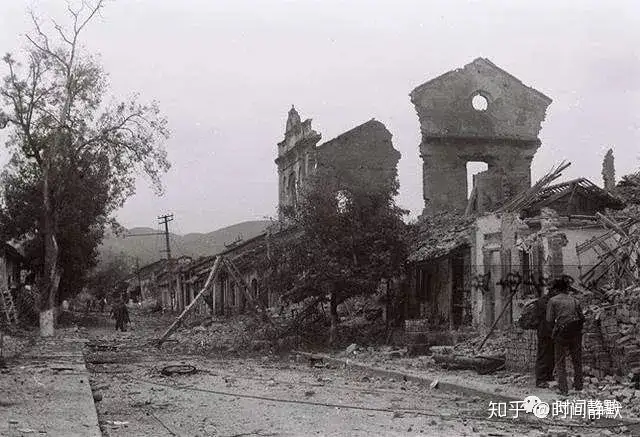
1979年2月17日--3月16日,56万“忍无可忍”的中国军队越过边境线,在越南境内打了一场“自卫反击战”,一口气直接打到了凉山。看着一马平川尽头的河内,中国军队主动转身撤回到了边境线内。
离开的时候,中国军队运走了全部的机器设备以及牛马羊,还顺手炸毁了几乎所有的房屋、桥梁、矿山、公路、铁路,包括电线杆。
之二:边境轮战
很多人以为,这场战争就结束了,其实不然,精彩纷呈的边境轮战才刚刚开始。最后结束的时间是十年后的1989年。电影《高山下的花环》、《芳华》中的战争场面就是在这个背景下拍摄的。
作战地点是在广西边境线上的法卡山,和云南边境线上的罗家坪大山、扣林山、老山、者阴山、八里河东山。战斗主要发生在中越边境的“骑线点”上。“骑线点”就是指边境上的界山,通常国境线沿山脊延伸,国境线上的制高点即是‘骑线点’。
按国际惯例,“骑线点”一般互不派兵。1979年中越战争后,中国军队返回国内,中越边境线上的部分重要“骑线点”被越军占领。
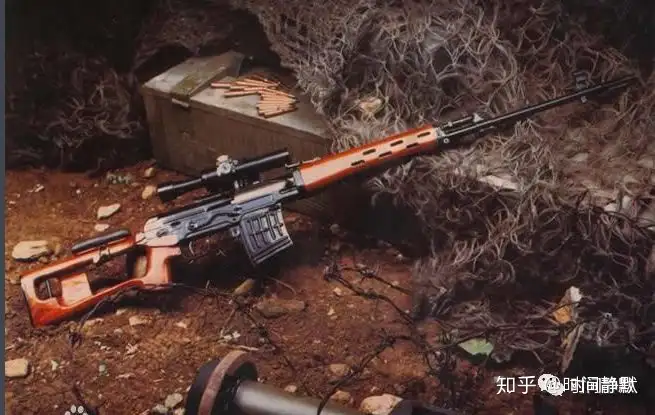
可以想到的是,中国当仁不让地抢回了这些“骑线点”。同时,还有意楔入越南境内2-3公里,建立了辅助阵地。
为什么要楔入越南境内2-3公里?这正是军事决策层的高明之处。
1979年的反击战,战果大,但代价大,消耗也大,其后的"骑线点"争夺战,从战役意图上就是"诱敌攻坚"。同时,因为这些辅助阵地在越南境内,越南军队必然要反扑。利用和越南作战的机会,中国将全军各主力部队轮流调到边界进行作战锻炼,并在这一地区进行新式武器的试验。
如此反复多年,把越南折磨得山穷水尽,却为中国培养了一批优秀的指挥人才,锻炼了部队的作战能力。后来成为将军的共有27位,张万年、傅全有、梁光烈、廖锡龙、张又侠、张海阳、刘冬冬、刘粤军、赵宗岐、李作成、王宁等等,都曾参加过对越南的战争。
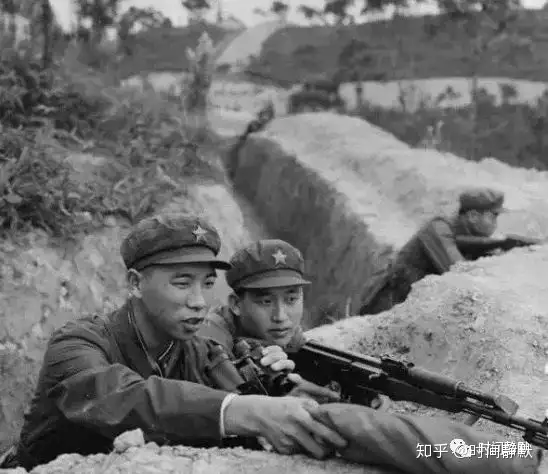
1989年,越南从柬埔寨撤军,中越边境的战事逐渐平息。1990年北京亚运会召开,越南政府派代表出席亚运会。1991年苏联解体后,越共总书记访华,中越关系终于走入了正常化的道路。
中国对越南的十年战争,打残了一个小弟,拖垮了一个苏联。相比“打走一个美国,赶走一个苏联”的朝鲜战争,战果也十分显著。
之三:澜沧江水电站
对于越南这个小弟,中国实在是无语。
中国实行“改革开放”政策后,越南也学习中国,开始了“革新开放”(越南共产党第六次全国代表大会所提出的政策,把中国的政策口号只改变了一个字)。导入市场经济和对外开放政策后,越南进入了经济高速发展时期。
有了一定的经济基础后,越南人又开始“信心爆棚”了。
中国和越南确定完陆地边境后,留下了南海纠纷,主要就是在南海的南沙、西沙、东沙群岛。为此,中越之间还曾爆发过1974年的西沙海战和1988年的南沙海战。
2014年5月以来,越南在南海动作不断,包括此前高调纪念“黄沙(即我西沙)海战”,指责中海油钻井平台侵权等。
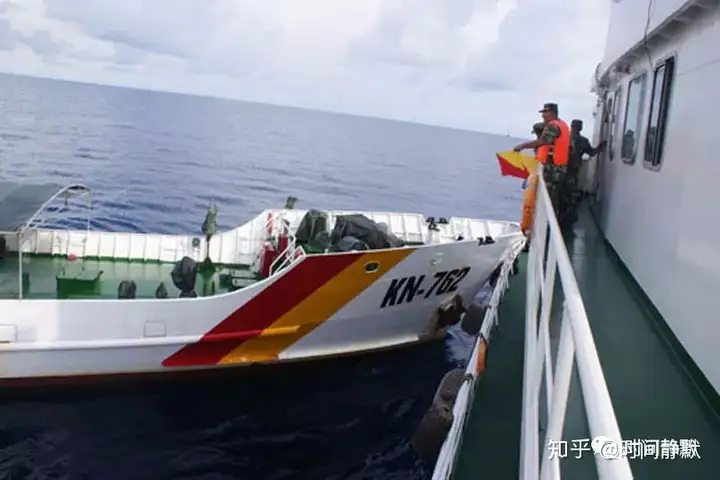
2014年5月2日以来,越南派出35艘各类船只对中方船只进行主动冲撞,干扰中国企业在中国西沙群岛海域的作业。截止到2014年6月中旬,越方冲撞中国船只达1600多次。而越南方面出动的船只中包括了多艘武装船。在冲撞过程中,越方派出了潜水蛙人,还释放了大量渔网和大型障碍物 。
如何再次教训这个小弟,中国这次采取了“围点打援”。
澜沧江发源于青海省,流经西藏后入云南,在西双版纳州南腊河口处流出国境后称湄公河。
澜沧江-湄公河流经中国、缅甸、老挝、泰国、柬埔寨、越南6国,是一条著名国际河流,被称为"东方的多瑙河"。澜沧江--湄公河全长4500公里,澜沧江在我国境内长2130公里,湄公河长2888公里,其中的33%在柬埔寨、51%在老挝。湄公河最后经越南流入南海。
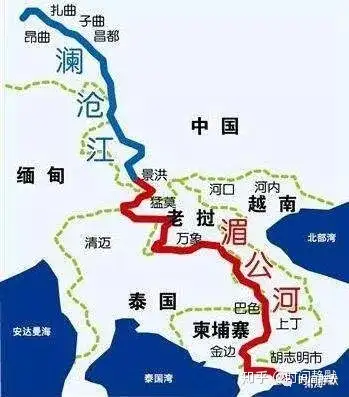
从80年代开始,中国在澜沧江陆续修建了8个梯级水电站, 全部在云南省内,不仅极大地改善了云南经常出现的干旱问题,也可以做到对下游水量的精准调节。
2016年3月,湄公河的水位降至1926年以来最低,干旱的湄公河三角洲也比往常提早2个月出现海水入侵现象,盐水入侵三角洲主河道最远处已达93公里(湄公河在越南境内总共才100多公里)。
湄公河三角洲位于越南的最南端,是越南最富饶的地方和人口最密集的地方,有近百万人缺乏日常用水,近16万公顷稻田受灾。到年底,越南估计将有50万公顷稻田受灾,湄公河三角洲约220万公顷的可耕地中有近一半的面积将出现盐碱化。
实在是没有办法的越南人,又一次来到了北京。
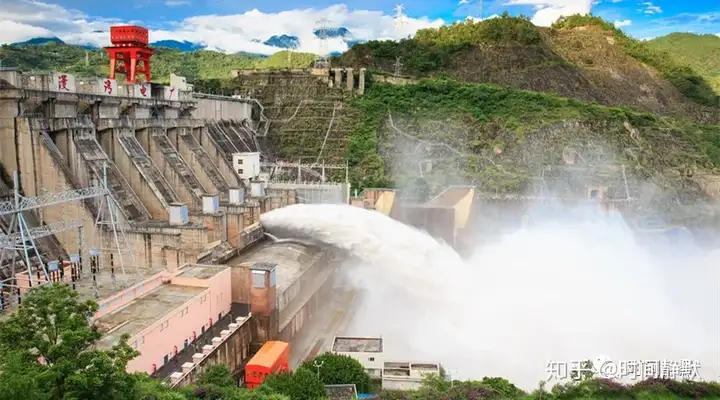
随后,中国国家防总发布消息,应越南社会主义共和国请求,中国启动澜沧江梯级水电站水量应急调度,缓解湄公河流域严重旱情。3月15日8时,澜沧江景洪水电站下泄流量已加大至2190立方米每秒,标志着应越方请求,由我方实施的澜沧江梯级水电站水量应急调度正式启动。
对于越南出现的罕见旱情,中国只是轻描淡写地归结为“受强厄尔尼诺现象的影响”。
之后,越南在南海安静了一段时间。
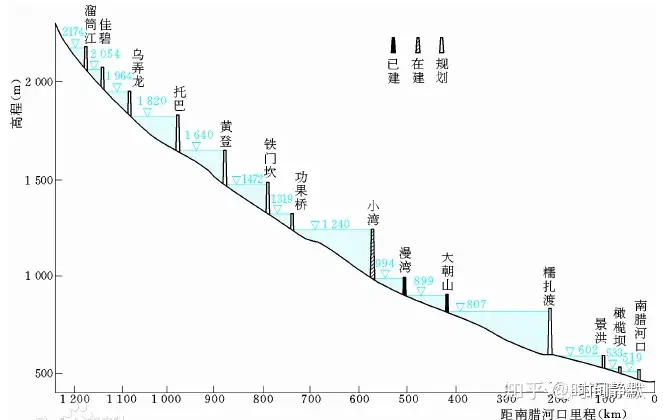
顺便提一下,澜沧江的规划共有14个梯级水电站,还有6个没有完工。可以预见的是,今后对于湄公河的水位调节将更加及时和准确。
当然,前提是沿岸的几个国家更加配合中国。
之四:南海纠纷
中国和越南在南海的主要纠纷,就是南沙群岛。
越南,不仅占据大量的岛礁,在岛礁上展开扩建行为,而且还跟西方公司合作,打了1400多口井,年产石油5000万吨以上,这几乎是大庆油田巅峰时期的产量!
越南偷采南海石油,获利总数达几百亿美元。越南30%GDP来自南海石油,越南直接从贫油国变成出口国。
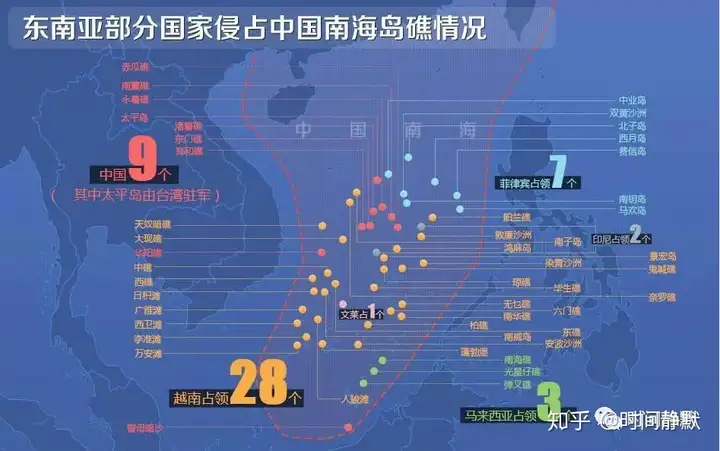
一句话,实力不够。
南海太大,距离太远。
南海的自然海域面积约350万平方公里,其中中国领海总面积约210万平方公里。
从海南陵水军用机场到最远端的南沙群岛距离超过1000公里,飞机到达南沙群岛上空只能盘旋几圈后必须返航。
越南猖狂的行为背后,还有美国的支持。
怎么办?中国要下一盘很大的棋。
说起来很简单,中国的策略就是分别从海上、天上、海下齐头并进。
1999年,中国开始在南海实施伏季休渔政策,中国和其他国家的渔船都在限制范围内。
这条政策并未引起其他国家的重视,越南渔船还是继续在南海捕鱼。
2012年6月21日,中国撤销海南省西沙群岛、南沙群岛、中沙群岛办事处,设立地级三沙市,管辖西沙群岛、中沙群岛、南沙群岛的岛礁及其海域。三沙市人民政府驻西沙永兴岛。
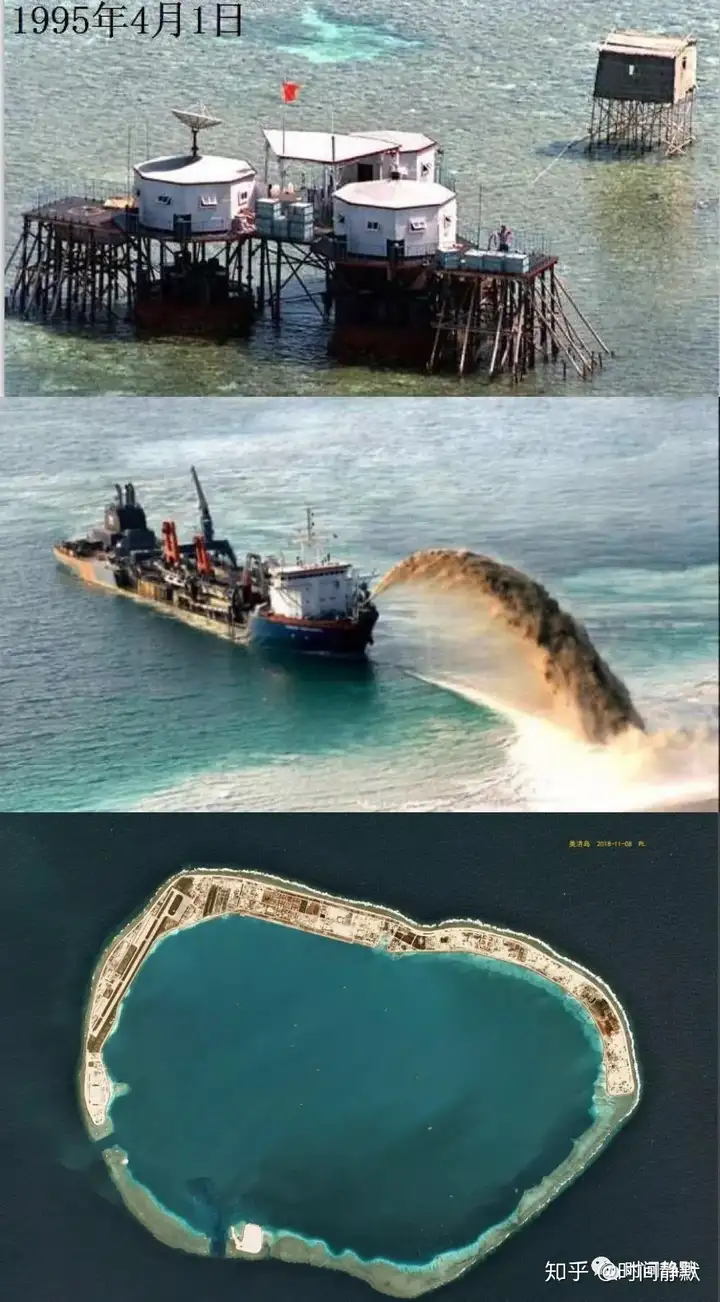
2013年底,中国开始在南海启动“种岛”行动。“天鲸”号绞吸式挖泥船进驻南海,全天候24小时不停歇地作业。特别是2014年下半年忽然开始发力,在6-8个礁盘同时作业,建设速度明显加快。
在一年半的时间里,中国已在南海8座岛礁上填海造地,分别是美济礁、渚碧礁、永暑礁、华阳礁、南薰礁、东门礁、赤瓜礁、永兴岛。
中国用一年半的时间就超过了越南25年的填海工程总量。
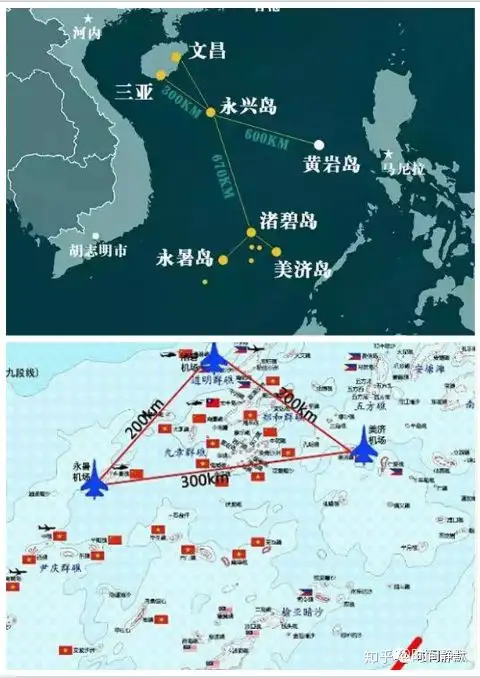
2015年5月,中国按照以往的惯例,又发布了南海休渔令。
中国的这次休渔令,显然是有备而来。
中国的海警船日夜在南海寻找机会。
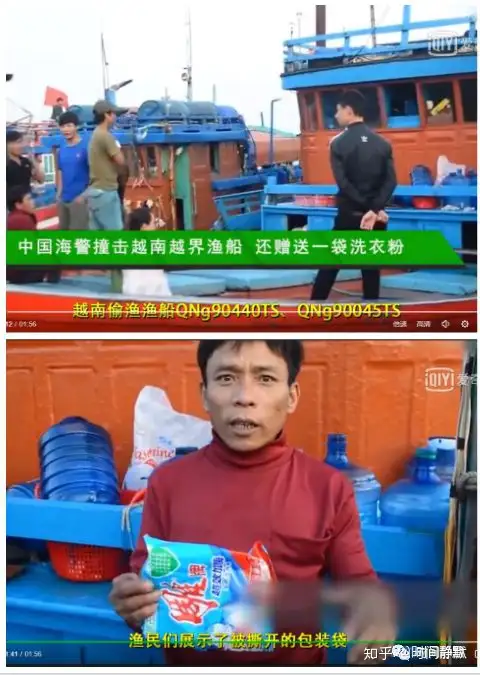
海面上热闹非凡,海底下也没有闲着。
2010年5月至7月,中国自行设计、自主集成研制的“蛟龙号”载人潜水器在南海进行了多次下潜任务,最大下潜深度达到了3759米,还把中国国旗插到了海底,直接宣示了主权。
几年后,“蛟龙号”载人潜水器在西太平洋的马里亚纳海沟海试成功到达7020米海底,创造了作业类载人潜水器新的世界纪录。
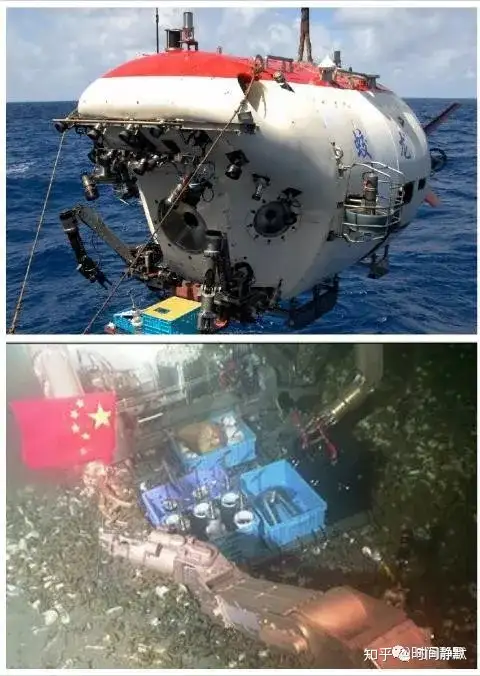
接下来发生了一件更为“疯狂”的事件。
2016年12月15日,美国海洋测量船“鲍迪奇”号停在离菲律宾苏比克湾港口约100英里处的水面上,回收两个水下无人潜航器。500米远处的一艘中国军舰,突然放下一条小艇驶入海中,并快速出现在“鲍迪奇”号旁边,然后中国船员抄走了其中的一个无人潜航器。
惊呆了的美国船员清醒过来后,才通过无线电向中国舰艇喊话,声称那是美国的财产。
中国舰艇离开很远后,才漫不经心地回答:“有什么可以帮忙的吗?”
在离菲律宾如此近的海面上,中国有胆量对美国做出这样的“疯狂”行动,对越南还有什么不可以做的呢?
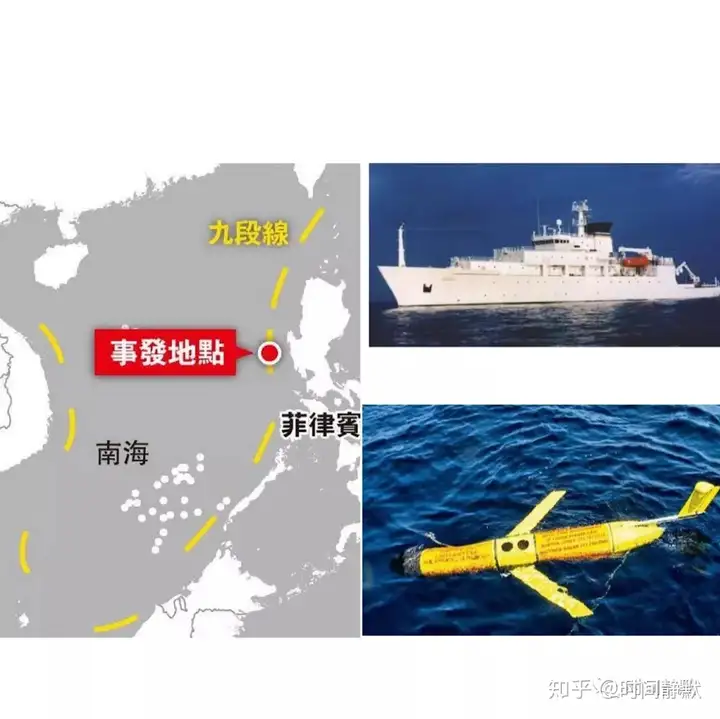
大招接踵而至。
2018年7月4日,海南省海洋与渔业厅公布了《海南省无居民海岛开发利用审批办法》,一天后,国家海洋局发布《关于海域、无居民海岛有偿使用的意见》。办法明确规定,中国公民个人或单位可申请开发利用南海范围内的无居民海岛。
中国共有海岛1万多个,总面积占陆地面积的0.8%,其中大部分位于南海海域,90%以上是无人居住的海岛。个人和单位开发无人岛后,一旦这些岛屿受到其他国家的侵犯,中国军舰就可以名正言顺地进行保护。
岛上有无本国的居民居住,保护行动的正义性会截然不同,正所谓”师出有名“。钓鱼岛就是一个无人居住的岛屿,现在还是一个难题。
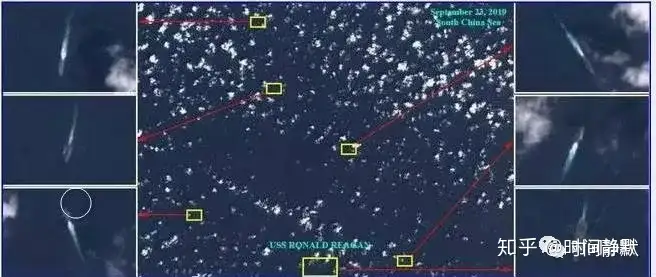
去年的一个报道也意味深长。
2019年9月,据外媒报道,国外卫星照片显示,美国“里根”号航母正在南海航行。在“里根”号航母周围出现不少疑似中国军舰的船只。
中国国防部表示:“美国航母编队到南海炫耀武力,推动地区军事化,我们对此坚决反对......中国军队将认真履行自身的职责与使命,坚定捍卫国家主权与安全。”
“抄走”美国的潜航器,“围堵”美国的航空母舰,中国眼里并没有越南。
马来西亚篇
马来西亚虽然只占据了南沙群岛的3个岛屿(巡视监控4个),但在南沙海域石油资源的开发中,却是动作最快和收益最大的。
从上个世纪50年代开始勘探到今天,马来西亚在南沙附近海域有10个商业性油田,90多口油井,其石油出口的70%来自于这一海域。借助于海上石油生产,马来西亚经济发展非常迅速,石油出口总值已超过其国民生产总值的20%,海上石油年产量超过3000万吨。
马来西亚行事低调:将石油和天然气卖给中国,价格总要低于市场价格。
所以,之前中国也对马来西亚开采石油睁一只闭一只眼。
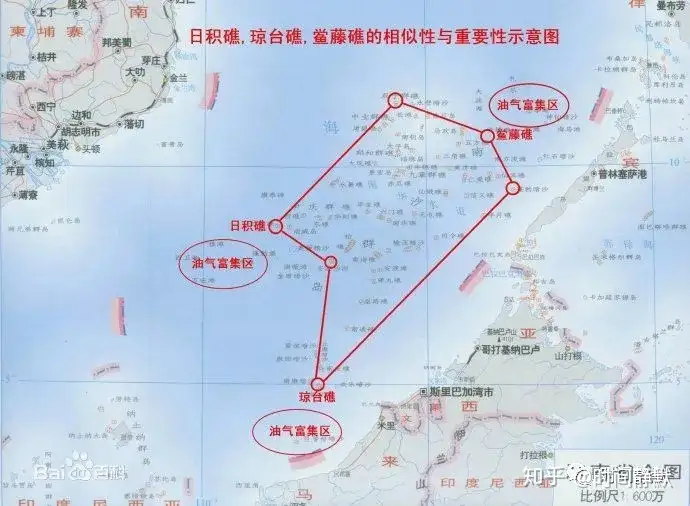
但后来形势不同了。
2014年3月8日凌晨2点40分,马来西亚航空公司称,有一架载有239人的波音777-200飞机与管制中心失去联系,该航班号为MH370,原定由吉隆坡飞往北京。飞机上有154名中国乘客。
中国对于马来西亚政府的严重失职非常愤怒,也借机将军舰、飞机随意进入南海各国敏感海域“搜救”,以大兵压境之势“讨说法”。
后来,据马来西亚媒体报告,中国政府于2014年4月搜寻MH370时,以搜寻的名义,顺路控制了琼台礁。
但中国媒体的报道是这样的:

随后,为保护这株珍贵的花草,中国特派“动植物学专家”各四百余名常驻琼台礁,研究其生长特性与伴生关系以及嫁接关系。
中国认为:琼台礁上已有了植被,该礁盘已经发育成了岛屿。理由如下:1. 沙洲形态相对固定——根据历次卫星图观察,琼台礁沙洲形态固定;2. 呈中央低洼、四周有高出的沙堤地貌;3. 有木本植被形成。
琼台礁位于中国南大门,距离曾母暗沙115公里,为中国最南端的岛礁之一。
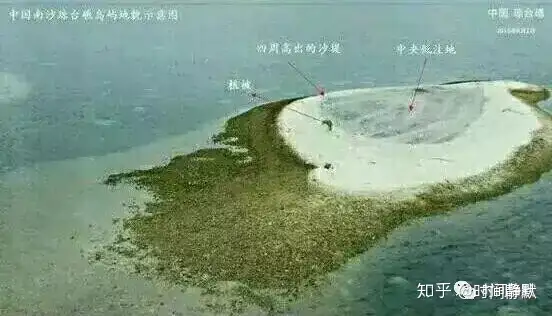
2018年5月28日,不久前刚刚当选马来西亚总理的马哈蒂尔说:“我们必须放弃一些不必要的项目,例如这条高铁(中国负责建设)......这个项目将被取消。”
3个月后,马哈蒂尔访问了中国,还参观了阿里巴巴和华为公司。
2019年4月12日,马来西亚与中国历经数月谈判后达成协议,同意恢复东海岸高铁项目的建设。
中国也没有对琼台礁实行“吹岛”扩建。
一个小小的琼台礁,成为中国手里的一张牌。扩建与否,要看中国的脸色。
菲律宾篇
菲律宾占据的南沙群岛共有7个,仅次于越南。在阿基诺三世当总统之时,菲律宾在南海问题上闹得最厉害。
黄岩岛事件
2012年4月10日,12艘中国渔船在中国黄岩岛潟湖内正常作业时,被一艘菲律宾军舰干扰,菲军舰控制并企图带走一艘渔船时,被赶来的中国两艘海监船(旅大级驱逐舰改建)所阻止。后菲律宾军舰增援至4艘,反潜机也飞来助阵。
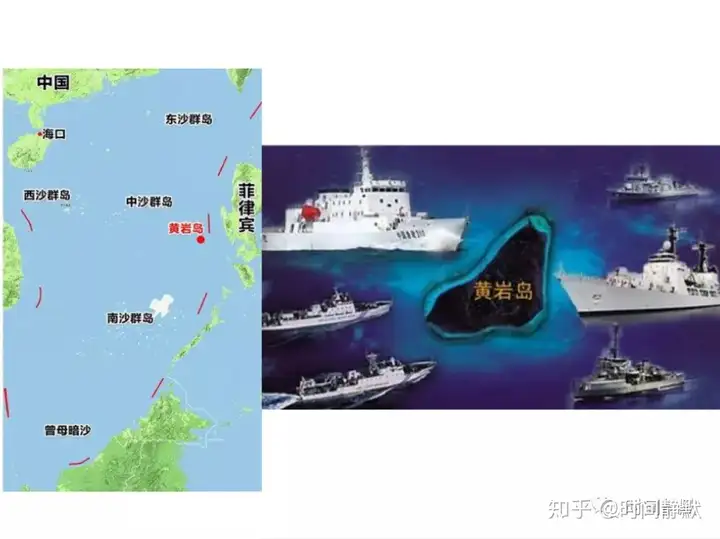
因为菲方军舰在追捕中向中国渔船开过炮,来而不往非礼也,中国一艘海监船“因天气高温炎热,造成多种设备出现技术故障”,导致菲方军舰不得不撤离黄岩岛。
目前,黄岩岛仍在中国政府的有效控制之下。
南海仲裁案事件
2014年3月,菲律宾就与中国的南海主权纠纷,正式向海牙国际仲裁法庭递交了诉状,要求裁定太平岛、美济礁等8个南沙岛礁的海洋地位,并确认菲在其200海里专属经济区内享有的权利。
菲律宾此举引起了中国的强烈不满,中国重申不接受、不参与菲律宾提起的有关南海仲裁的立场没有改变。
随后就发生了一件很有意思的事情。
2014年4月2日,一伙持枪武装人员在马来西亚的一家酒店劫持了1名中国游客和1名酒店员工,并逃到菲律宾南部的一个岛屿,菲律宾军方立即派出菲律宾海军(包括海军陆战队)积极参与救援。
2014年5月30日,正在访华的马来西亚总理向中国通报,在马来西亚遭绑架的中国女游客已获释,马方近期将护送其回到中国。

为什么马来西亚总理要亲自向中国通报?
原因就是3月8日马航370失踪后,中国军舰、飞机一直在马来西亚周边海域持续开展搜救行动,时间长达几个月之久,并顺路“照看了一下”琼台礁。
为什么菲律宾军方要积极参与救援?
在菲律宾,军方掌握着实权,每一届总统都要讨好军方(否则,总统下台后会被军方特殊“关照”)。菲律宾军方的这次反常行为向中国表示出了积极的信号:
1、军方对于阿基诺三世总统的南海诉讼做法持有不同的意见;
2、军方担心黄岩岛事件重演。
没有军方的支持,没有邻国的响应,菲律宾的南海诉讼请求一开始就注定是一场闹剧。
所以中国并不担心。
但是,如何化解这场闹剧呢?
2014年5月20-21日,时任联合国秘书长潘基文出席了在上海举行的亚信峰会。
令人匪夷所思的是,这个会议结束之后,从2014年下半年开始,中国突然加快了在南沙群岛的“种岛”行动,同时在6-8个岛礁日夜施工,截至到2015年底,已全部完工。
2016年1月6日,中国的两架民航客机先后从海口美兰机场起飞,经过近2小时的飞行,于10时21分、10时46分平稳降落在南沙永暑岛新建机场,并于当日下午返回海口,试飞成功。
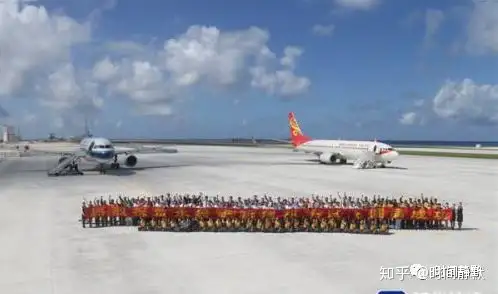
2016年7月12日,海牙国际仲裁法庭对南海仲裁案判菲律宾“胜诉”。
仅仅一天之后,2016年7月13日,联合国官网就发布消息如下:
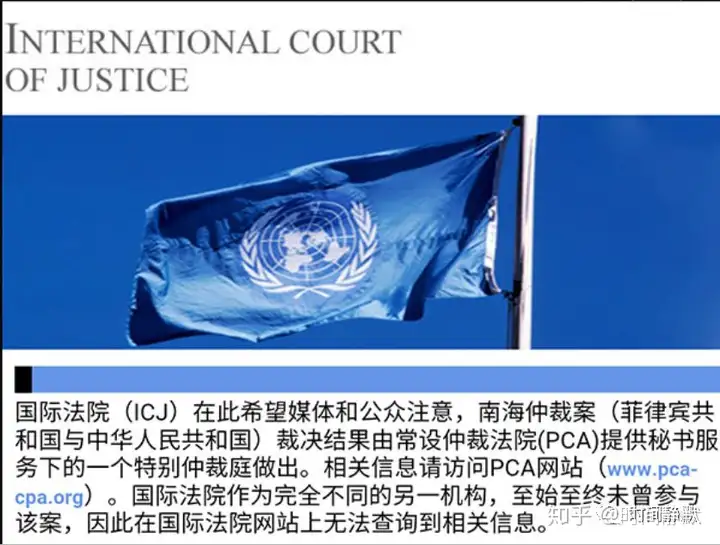
一句话,海牙国际仲裁法庭(南海仲裁案仲裁庭)和联合国没有关系。
它不是国际法庭,就是个调解组织,连私人的事情都管。
这个仲裁庭的组成实际上是一个背后操作的结果。
恍然大悟的网友调侃道:“(南海仲裁庭就像)三甲医院里包出去的莆田系。”
网上曾经有个段子:
联合国调解小国和小国的矛盾,矛盾没了;
联合国调解大国和小国的矛盾,小国......;
联合国调解大国和大国的矛盾,联合国.....。
仁爱礁事件
1999年5月8日,美国导弹袭击了中国驻前南斯拉夫联盟共和国大使馆。
5月9日,菲律宾海军一艘破旧的坦克登陆舰“马德雷山号”驶往仁爱礁,声称“船底漏水”,不得已“坐滩”。
随后,中国外交部向其进行严正交涉,要求菲方立即拖走搁浅的登陆舰。但菲律宾方面不予理会,并以该舰为据点,长期驻守7名士兵,采用定期轮换舰上人员的方式,形成了对此礁的实际控制。
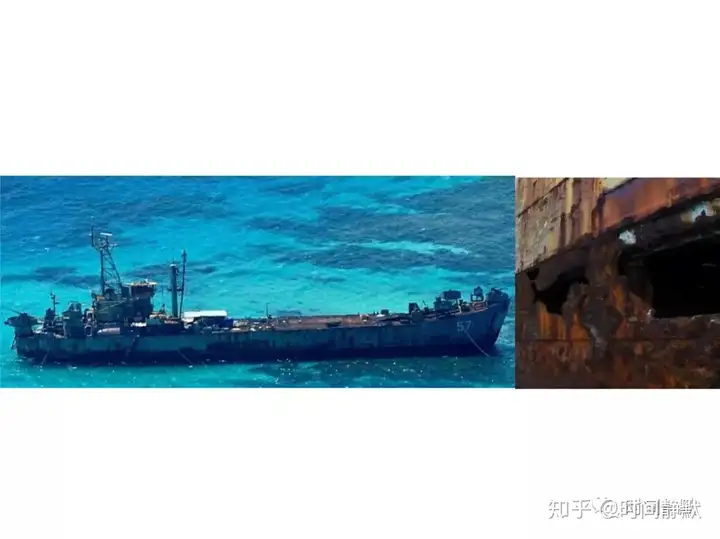
此后,中国执法船只加强了附近海域的巡视。
2018年5月,菲律宾一艘补给船快速冲向仁爱礁的时候,突然遭遇中国海警船和054A护卫舰的阻拦,同时中国还出动了一架舰载直升机。
当时的背景是,菲律宾军方在中业岛扩建机场。
菲律宾补给船无果而终。
为什么中国不把这艘破舰拖走?
仁爱礁离中国的美济岛只有几十公里的路程,完全可控。
另外,留着它也可以成为中国手里的一张牌。要团结一切可以团结的力量。
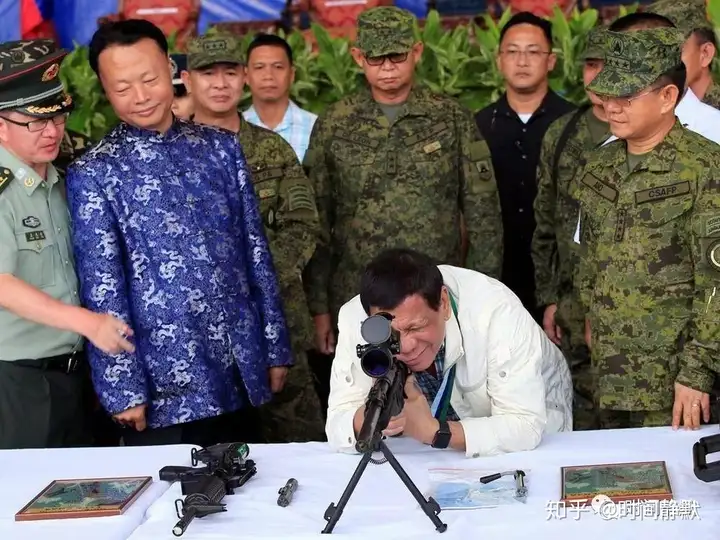
2016年,菲律宾新总统杜特尔特上台后,采取了亲中疏美的外交政策,积极和中国搞好关系。中国也及时地将先进的装备提供给菲律宾,为菲律宾平息马拉维骚乱提供了技术支持,提高了杜特尔特的威望。
后来,菲律宾宣布和中国合作开发南海石油,为其他国家和中国解决南海纠纷提供了很好的样板。
印度尼西亚和东帝汶篇
中国和印尼之间没有领土纠纷,但中国对印尼一直在寻找机会报复。
原因就是印尼对华人的屠杀。
1965年10月到1966年4月,据印尼官方在1975年公布的数据,大约有45到50万左右的华人被屠杀。
1998年5月13日~15日,数千暴徒有组织地针对华裔进行烧、杀、奸、掠, 导致1200多华人在骚乱中丧生。
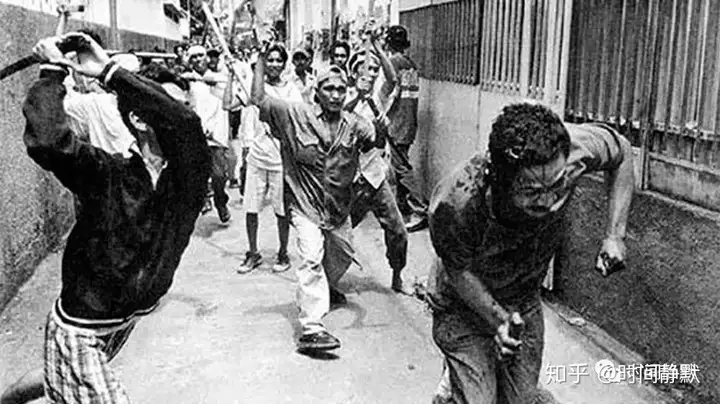
只要有机会,中国就会出手报复。
1965年的屠杀华人事件,其实背后是美国人在捣鬼。事件发生后,印尼立即倒向了美国。苏联查出了当时策划的美国特工,将情报提供给中国。1968年春天,在越南的一个酒馆,这个美国特工被三枪毙命。
1967年,中国和印尼断交。
1999年中国海军南下增兵泰国的攀牙,武力威慑印尼海军。
2000年-2003年,中国利用和印度搞军事演习的机会,将部署在泰国的战机,频频飞临印尼领空。
2001年,中国以渔船被截击为理由,打击海盗行动,将1艘不明国籍的武装护卫艇级军舰击沉。
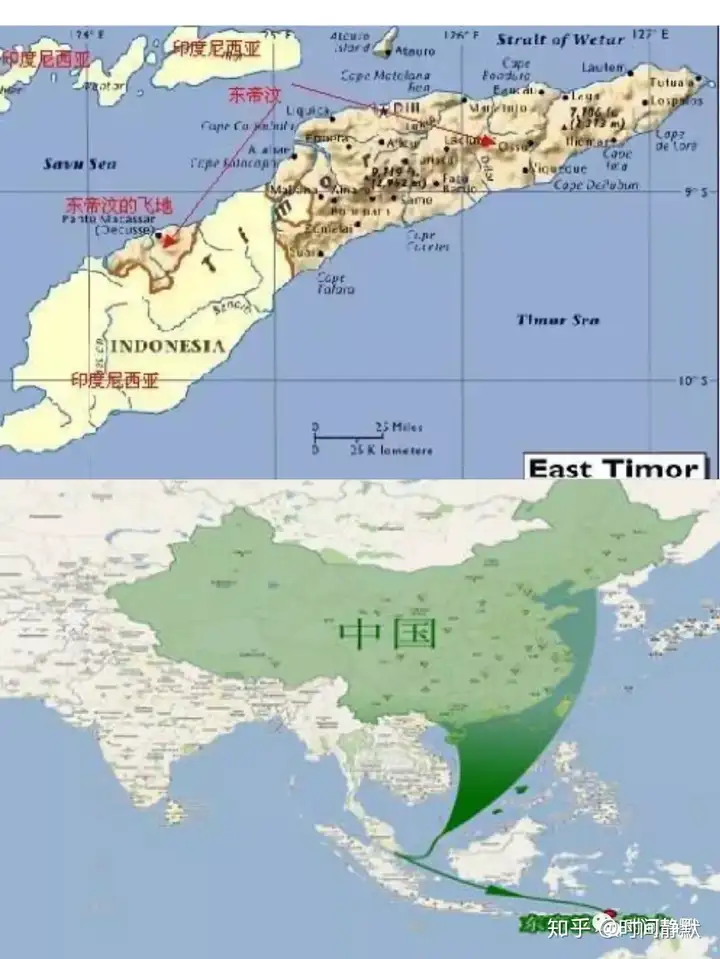
1975年,东帝汶独立后,立即被印尼武装入侵。从那时起,中国利用联合国“五常”的身份,常年为东帝汶的独立而呼吁。
2002年5月20日,东帝汶正式独立,成为本世纪第一个新生国家。同日,中国时任外长唐家璇率中国政府代表团出席了独立仪式,中国领导人分别致信祝贺。
当天,中国与东帝汶建立正式外交关系,成为第一个与东帝汶建交的国家。
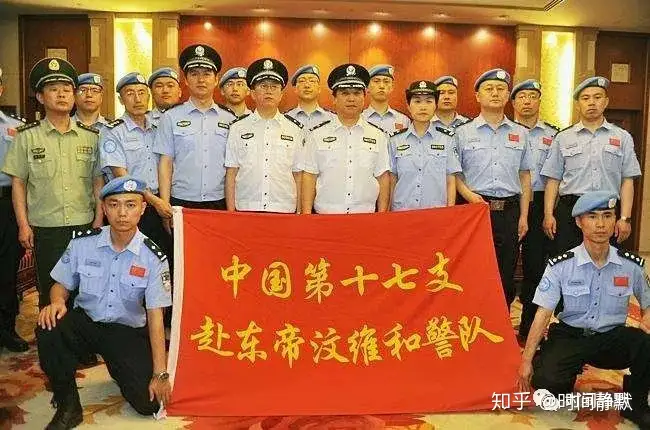
东帝汶石油资源丰富,但地理位置对中国来说更具有战略意义。
从地理位置来看,东帝汶位于亚洲与大洋洲之间、太平洋与印度洋之间、第一岛链与西太平洋之间的过渡地带,如果在东帝汶设立军事基地,能显著提升中国在亚太地区的干预能力。
只有不到130万人口的东帝汶,能够从将近3亿人口的印尼独立出来,还保留了在印尼领土上的一块“飞地”,是多么的不容易。也可想而知印尼是多么的不情愿。
随后,中国又开始提出支持亚齐的独立运动。
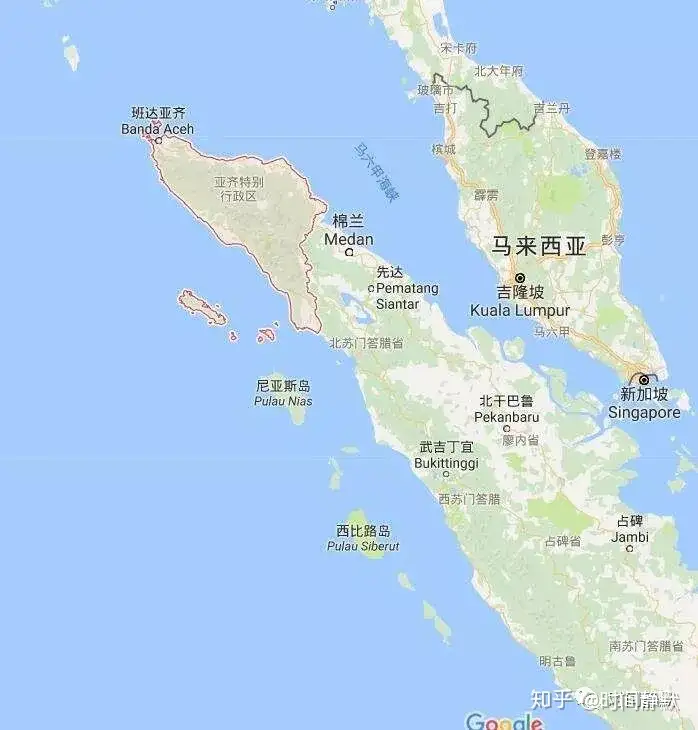
印尼政府彻底服软了。
印尼迫于强大的军事威慑,不得已于2003年对军队、内卫警察部队参与98事件的人员,进行秘密抓捕。据新加坡报道,2003年1年内231名军官被捕,4名将军被革职。
2006年,印尼取消了针对土著和非土著等不公平的条文,华人和印尼人都是平等的。2014年,总统苏西洛正式废除1967年第6号通告,把“支那”改称“中华”。
印尼排华事件补充篇
关于印尼排华事件,很多人对中国有误解。现在讲一下大致的细节:
六十年代中期,印尼的华人分为两派,一派亲台,一派亲中。由于历史原因,亲台的占绝大多数(新中国成立后,到1960年,只有大约7000位华侨回到大陆)。
1965年9月30日,印尼6名陆军将领被杀,总统苏加诺被迫下台,继任者苏哈托开始了印尼军人主政长达30多年的历史。这里要说明的是,苏加诺是亲大陆的,而苏哈托是亲美和台湾的。苏哈托之所以政变成功,是美国和台湾当局秘密提供了大量的武器和金钱。
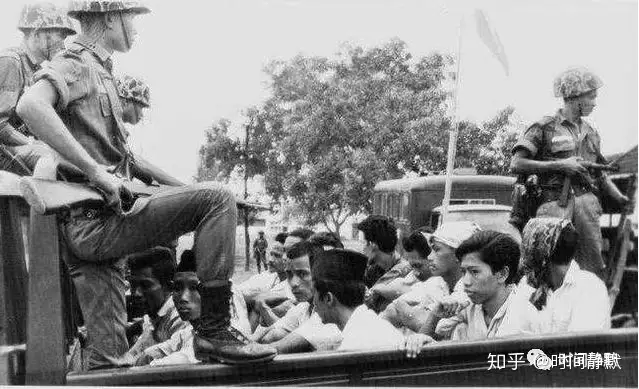
印尼开始屠杀后,台湾当局助纣为虐,亲台华人也利用自己熟悉华人的特点,积极为印尼提供情报。而中国驻印使馆立即提出外交抗议,同时通知当地华人到使馆避难,先后有5000多华人进入使馆幸免一死。持有中国护照的华人和亲中的华侨共计9万余人,则全部撤回大陆。
美国中央情报局曾经把这段时间的印尼称为“20世纪最惨的集体谋杀”,估计有50万名 “左翼分子”被杀,另有60万名未经审判就关进监狱。
1967年,中国和印尼断绝外交关系,而台湾当局却在被屠华人尸血未干的情况下,立即与印尼恢复了外交关系。
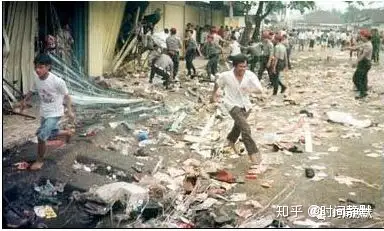
1998年排华事件发生前,中国驻印尼大使馆提前得到了消息,迅速到当地的华人社团总部拜会。亲台华人闭门不见,直到大使亲自上门告知消息,而亲台华人转身就向印尼政府报告,导致印尼提前行动。随后,中国驻印尼大使馆再次向华人社团提出建议,撤入中国驻印尼大使馆,遭到拒绝。
同时,中国使馆人员24小时为中国公民和印尼华人提供服务,并努力促成香港国泰航空公司和中国南方航空公司增加3个航班。但是,在机场等待的部分华侨,看见飞机上的五星红旗,却拒绝上机。
在1998年印尼排华事件中,持中国护照的华侨,除在雅加达郊外的15名华侨被杀害外,其余3700余名均得以安全返回大陆。
泰国篇
在东南亚国家中,泰国是中国人出国旅游最集中的地方,每年大约有900万中国人来到这里。泰国的华人数量也有900万人,占泰国总人口的14%左右。
巴提亚海滩、普吉岛、苏梅岛,都是大家耳熟能详的。
但是,如果说到攀牙、宋卡,很多人就不清楚了。其实,这两个地方就是中国驻泰国的海外军事基地。
攀牙在普吉岛上方,相距很近,在安达曼海,离马六甲海峡很近。宋卡在苏梅岛下方,也相距不远,在泰国湾。
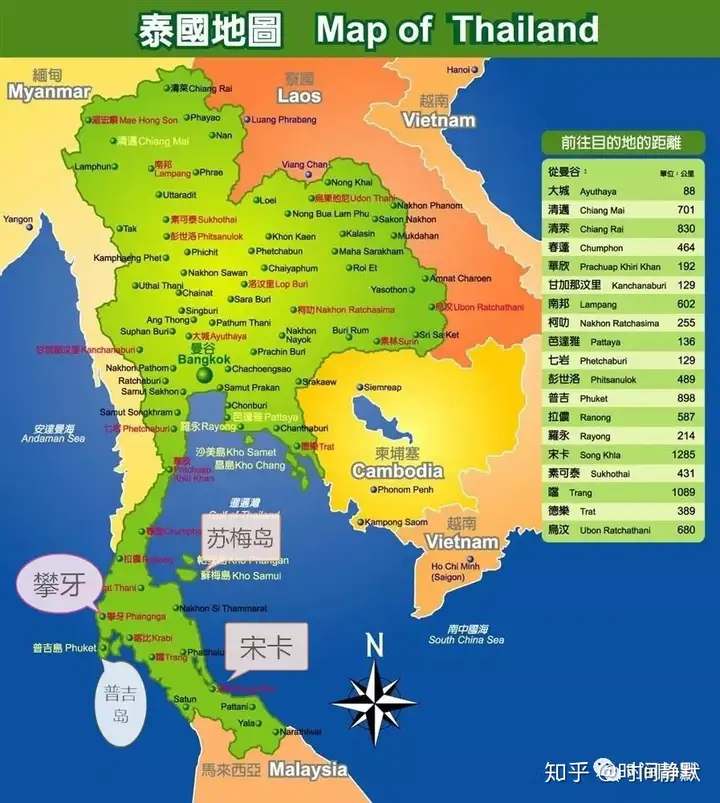
这是中国最早的海外军事基地,也是中国实际驻军最多的海外基地。宋卡,以陆军为主,广州军区派一个营400-500人的兵力常驻,装备有各式轻重武器。攀牙以海空为主,驻扎海空勤务部队1600多人,驻有数艘“宋II”级潜艇,歼-7P战机24架,苏-27战机12架。
中国为什么会选择泰国?
其实是泰国选择了中国。
七十年代末期,老挝、柬埔寨相继被越南控制,越军在围剿红色高棉残余军队时,经常侵入泰国境内,与泰军发生冲突。
从那时起,泰国开始与中国走近。中国积极响应,与泰国结成了防务合作伙伴关系。
1983年初,时任解放军总参谋长杨得志在泰国公开表态:“如果越南胆敢侵略泰国,中国的军队不会视之不理。”泰国也打开了方便之门,动用军方力量将中国提供的每月约400吨的武器和物资转运给柬埔寨抗越武装。
中国后来的对越边境轮战,其中一个目的,就牵制越南对柬埔寨和泰国的兵力。
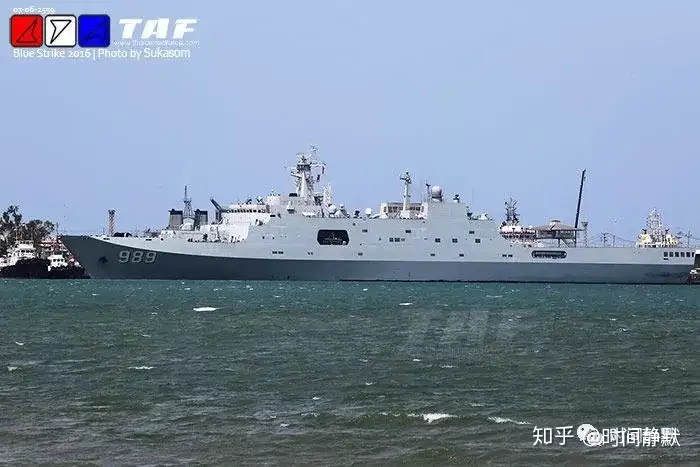
1990年,印尼海军突然袭击了泰国海军巡逻队。泰国又找到了中国。1991年,泰国同中国秘密签署《中泰友好舰船销售协议》,由中国建造2艘F25T型战舰、4艘“昭披耶级053HT”舰艇给泰国。
之后,中国“协助”泰国在攀牙、宋卡开发建设500公里“港区”。攀牙是控制安达曼海的门户,下方就是马六甲海峡。中国不惜巨资在这里兴建多处“军事设备维持基地”,并且以“协助训练”泰国海军为名公开进驻2个港口。
1994年,泰国为“防止陆地威胁”从中国采购150辆“85”装甲车,并且在宋卡和攀牙之间开设了“泰中联合维持基地”。
1995年,印尼采购美国战机后,泰国以“维护领空安全”为名,引进中国歼7PM“空中闪光”、12架“运-12”巡逻机、2架Y8DC反潜机,部署在攀牙海空基地。
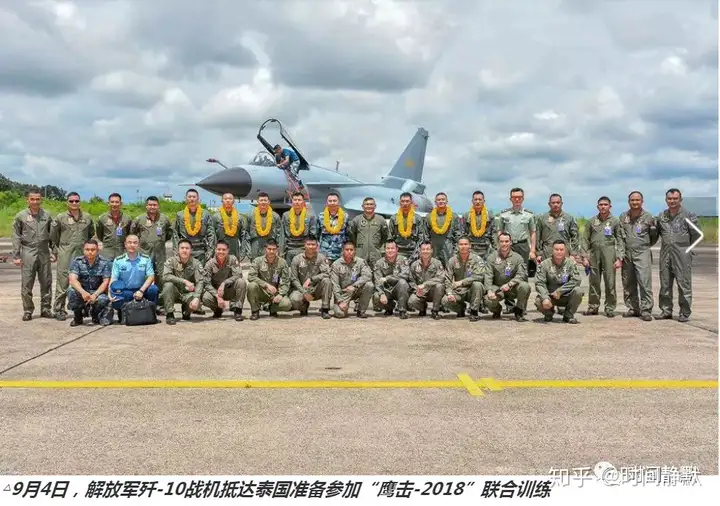
1996年,泰国将一架AV-8A (美国海军陆战队购买的英国“鹞” MK50 垂直 - 短距起落攻击机),秘密“提供”给中国参考。中国得以亲眼目睹西方最先进的战机。
1998年,印尼排华事件发生后,中国海军南下增兵泰国的攀牙,实际上就是武力威慑印尼海军。
后来,利用军事演习频频飞临印尼上空的中国飞机、以打击海盗的名义击沉一艘不明国籍舰艇的中国军舰,都是从攀牙军事基地出发的。
有些人认为和平时期军事基地用处不大,实际上却不是如此。2015年也门发生战乱,正在亚丁湾巡航的3艘中国军舰迅速赶来,将600多位华人华侨人首先撤离至最近的中国驻吉布提军事基地,提供了安全的保护。电影《红海行动》就是以也门撤侨为背景拍摄的。
湄公河惨案
2011年10月5日上午,两艘中国商船在湄公河金三角水域遭遇袭击,造成“华平号”和“玉兴8号”上的13名中国船员全部遇难,其中1人失踪。
惨案发生后,泰国军方的表现异常。
2011年10月6日,泰国军方称,5日接到毒品走私线索,下午交火,被击毙武装分子不是中国籍。
10月7日-8日,泰国警方陆续发现12具中国船员尸体。
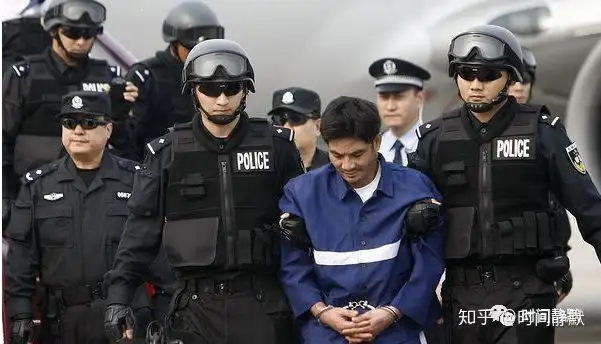
10月10日,泰国军方改口称凶手是来自缅甸佤邦的诺坎贩毒集团,缅甸佤邦政府当即否认,并公布了目击者所见事实:泰国军人从岸上对船只鸣枪,登船后继续枪击船员,并将六具尸体推入江中。
10月28日下午,泰国军方表示,嫌犯是隶属于泰国第三军区“帕莽”军营的9名士兵。
但中国警方认为,背后必然还有更大的主谋。
2011年10月31日,中国、老挝、缅甸、泰国四国在北京举行会谈,通过了《湄公河流域执法安全合作协议》。
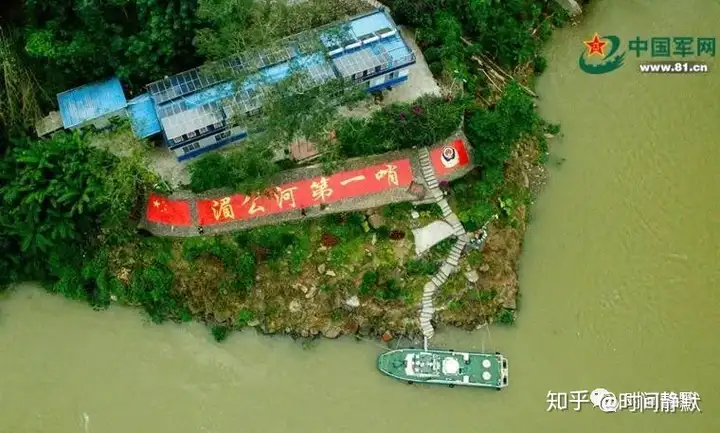
随后,中国警察直接跨境追捕办案(跨境办案在国际上是比较少见的),历时半年多将该案件的背后主谋糯康的毒品窝点彻底摧毁,并将其7名骨干成员全部抓获带回中国,审判后处死。电影《湄公河行动》还原了其中的部分情节。
案件起因也大致清楚:2011年9月底10月初,为报复中国船只被缅甸军队征用清剿贩毒活动,糯康先后与桑康·乍萨、依莱及翁蔑、弄罗策划劫持中国船只。
糯康及其骨干均是外籍,被中国警方跨境抓捕,并带回中国判处死刑,极大地震撼了金三角地区的毒贩和背后的利益集团,再也不敢对中国商船和中国人下手。
从那以后,中国联合老缅泰三国在湄公河流域一直执行联合巡航至今。
湄公河惨案后,中国成为湄公河上的“跨境警察”,这才是中国最大的收获。
挪威篇
每年的10月,诺贝尔奖都会公布当年的中奖者名单。

2010年10月之后,中国和挪威关系降入冰点。
之后,中国开始了报复行动。
中国联合其他18个国家拒绝参加当年的授予仪式。
中国立即停止与挪威的自贸协定谈判。取消对挪威三文鱼的进口,使在中国市场占比高达92%的挪威三文鱼,一落千丈。
2012年,挪威前首相参加位于南京的国际会议,但在与会前一个星期被通知拒签。首相被拒签,这几乎是仅次于断交的严重危机了。
2013年1月1日,中国向除挪威之外的所有欧洲国家在北京口岸实行72小时过境免签政策。
2015年4月18日,中国严格限制进口来自挪威其他各地域的鲑鱼整鱼产物。
......
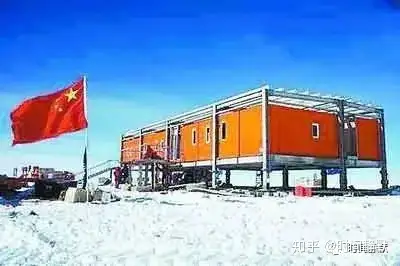
2013年挪威新政府上台后,特别强调坚持一个中国的政策,并开始为两国关系正常化铺路。
2013年,新任首相索尔贝格委任了与中国关系密切的布伦德为挪威外交大臣。
随后,挪威承认中国加入北极理事会,接纳中国为北极理事会永久观察员。
同年,挪威博物馆宣布归还圆明园的7根雕刻石柱。
2015年,挪威于截止日期前一天,宣布加入亚投行。
......
2016年12月19日,中国政府和挪威政府发表联合声明,一致同意恢复关系正常化。
中国外交部长王毅当日在北京与挪威外交大臣布伦德举行会谈,王毅表示:
“挪威方面对损害双方互信的原因进行了深刻反思,并与中方就如何改善双边关系进行了认真、严肃的磋商。双方就汲取教训、恢复互信达成了重要共识。”
仔细领会王毅的讲话口吻,“挪威......进行了深刻反思”。
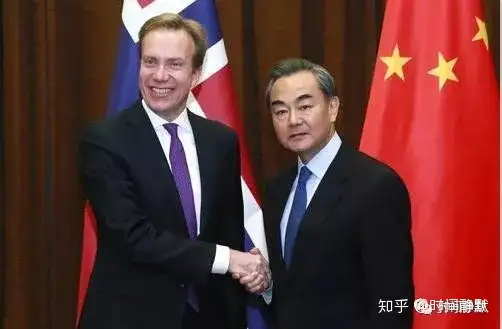
比较有意思的一个插曲是,挪威驻华大使从2007年开始,在中国待了将近10年,直到2017年才回国。主要原因是2010年前,公务繁忙,没时间回去。后来,看见挪威首相都被拒签了,就不敢回去了。
回国的时候,大使已经68岁,超期服役5年了......
其实,结果早有端倪。
诺贝尔奖的物理学奖、化学奖、生理和医学奖、文学奖、经济奖均由瑞典评定,而和平奖则由挪威议会选出。
同为北欧五国之一的瑞典,早早地就与挪威划清了界限,用实际行动向中国表明了自己的鲜明立场:
2012年10月11日,瑞典文学院宣布,中国作家莫言获得了该年度诺贝尔文学奖。
马来西亚补充篇
哥打基纳巴卢港
2015年11月,马来西亚和中国达成协议,允许中国海军船只使用马来西亚沙巴州的哥打基纳巴卢港作为“中途停留的地点”,以“加强两国之间的防务关系”。
一句话,马来西亚,允许中国使用哥打基纳巴卢港进行军事补给和停靠。
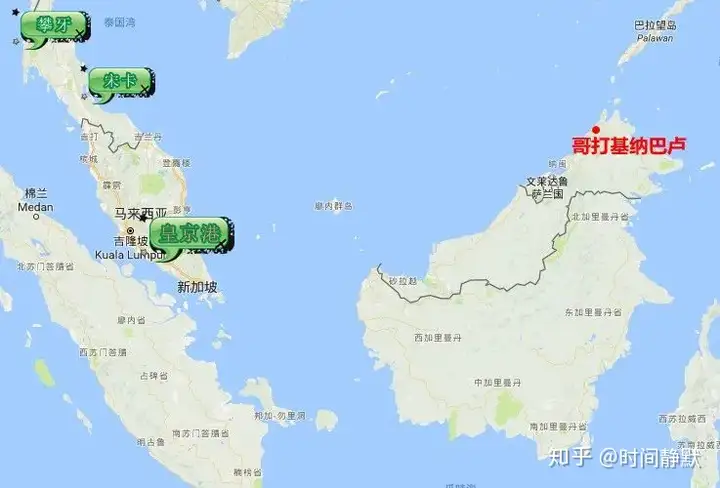
哥打基纳巴卢港是沙巴州最大的港口,濒临南海南侧。哥打基纳巴卢是沙巴州首府,当地华人称为亚庇。
该消息公布后,有美国网友称:这是美国海军百年未遇的“奇耻大辱”!
为什么美国网友会这样说呢?
2015年11月18号,美国一艘潜艇进入马来西亚港口进行补给,这个港口同样位于沙巴州,距离哥打基纳巴卢港不远。
美国“拉森”号驱逐舰,也是从该港起航,前往中国南海进行活动的。
也就是说,就在美国潜艇停泊在马来西亚的时候,马来西亚宣布,中国的军舰今后将会和美国军舰相邻。
或者说,马来西亚让中国军舰可以近距离的监视美国军舰的行动。
更意味深长的是,根据美国《芝加哥论坛报》的报道,当时美国正与马来西亚协商,调派美军P-8、P-3C巡逻机至马来西亚,以便监视中国军舰在南海的活动。
很显然,马来西亚选择相信中国,让美国颜面扫地。
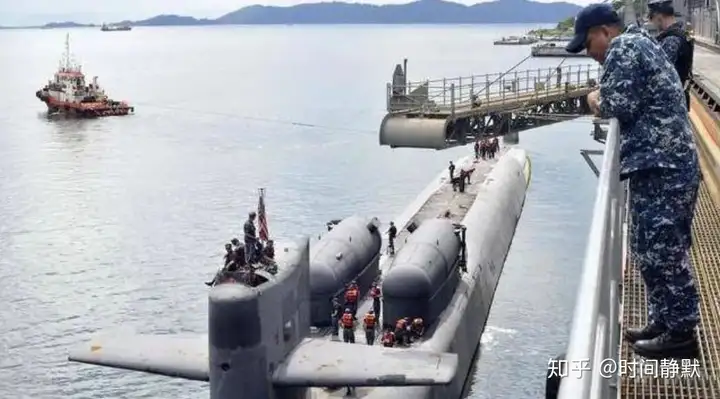
中国做了什么呢?
2014年4月,据马来西亚媒体报告:“中国政府在搜寻3月8日失事的MH370时,顺路控制了琼台礁。”
2014年12月22-26日,中国和马来西亚军方代表在吉隆坡举行了首次联合桌面推演,代号为“和平友谊-2014”。这是两军首次联合桌面推演。马方共有22人参演,中方有21人参演。
什么是联合桌面推演呢?
简单的讲,就是谈判。或者,换一句中国人熟悉的话讲,就是中国在做马来西亚军方的思想工作。
由于这次桌面推演的地点,是在马来西亚联合部队司令部模拟中心举行的,可以看出双方都很重视。
这次桌面推演达到中国想要的效果了吗?
没有完全达到。
接下来中国又做了什么?
从2014年下半年开始,中国突然加快了在南沙群岛的“种岛”行动,同时在6-8个岛礁日夜施工,截至到2015年底,已全部完工。
其中,中国南沙群岛中最大的美济岛距离马来西亚的哥打基纳巴卢港有多远呢?
只有480公里。这是什么概念呢?军用飞机只需要半个小时就可以到达。
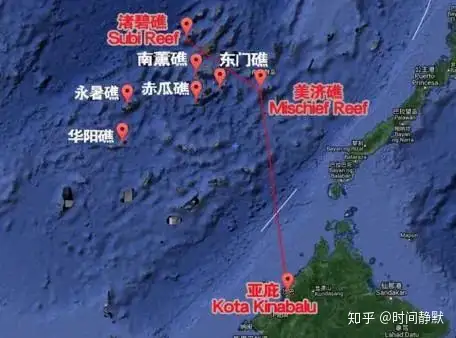
结果是什么呢?
2015年9月19日,中国和马来西亚军队在马六甲海峡中部开展首次实兵联合演习,代号为“和平友谊-2015”。
这是中国和马来西亚从桌面推演到实兵联合演习的转变。
可以肯定的是,马来西亚对于中国的信任,确实是来自于中国的行动和实力。
当然,中国对马来西亚的支持也是必不可少的。
2016年10月19日,中国电建集团总承包的马来西亚马六甲皇京港深水补给码头奠基仪式在马六甲举行。该港口中方租期为99年。
皇京港总投入约800亿人民币,2025年竣工后,将超越新加坡成为马六甲海峡上最大的港口。
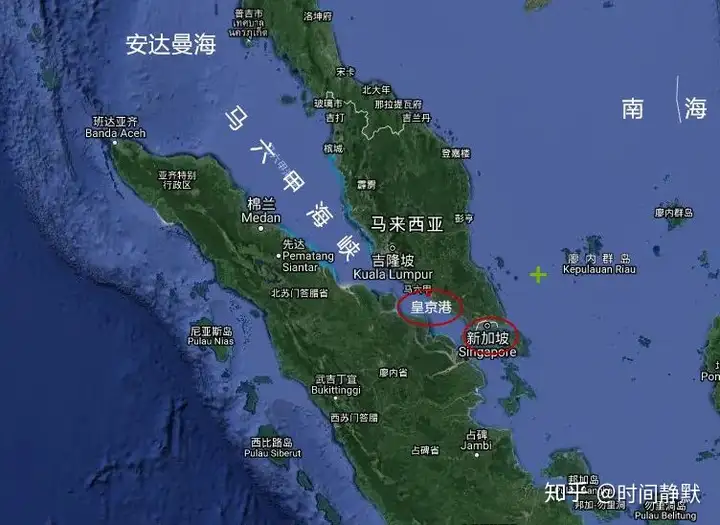
2016年11月1日,马来西亚和中国签订合同,购买4艘濒海多任务舰,其中头2艘由中国建造,另外2艘通过技术转让由马来西亚自行建造。
马来西亚计划采购濒海多任务舰的总数为18艘。
2016年11月22日至25日,中国和马来西亚联合军事演习在马来西亚举行,代号为“和平友谊-2016”。
2017年1月3日至7日,中国“长兴岛”号远洋救生船和 “长城217”号常规潜艇,技术停靠在马来西亚沙巴州哥打基纳巴鲁塞邦加海军基地,进行补给和休整。
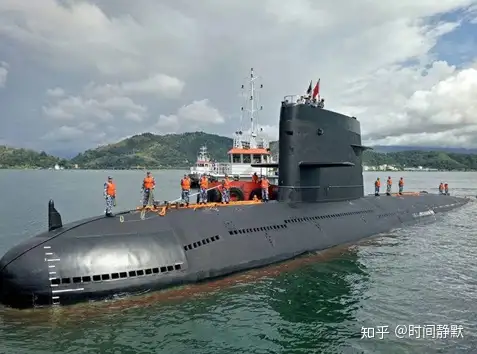
美国《华尔街日报》网站评论:
“一艘中国潜艇史无前例地在马来西亚停靠,这是中国不断扩大的水下力量的罕见公开亮相。”
澳大利亚洛伊国际政策研究所国际安全项目主任格雷厄姆说:
“中国海军军舰此前就曾在马来西亚停靠(注:2013年8月,中国海军郑和号海军训练舰曾停靠该港口,进行为时5天的友好访问),允许潜艇在马来西亚停靠,表明马方对中国的信任度有所提高。”
2018年10月20日至29日,“和平友谊-2018”中马泰联合军事演习在马来西亚举行。
为什么中国和马来西亚的“和平友谊”军事演习,又加上了泰国呢?
这个从文章的第一张图片上看,可以更清晰一些。
中国在泰国的军事基地宋卡和攀牙,和中国在马来西亚的军事补给点哥打基纳巴卢港,是不是遥相呼应?
中间隔着什么呢?是马六甲海峡。
很显然,这次中马泰联合军演的一个原因,就是为了挤压马六甲海峡的最大受益方新加坡。
为什么要挤压新加坡?这个会在以后的文章单独介绍。
南沙岛屿补充篇
永暑岛上的淡水
2016年,由中国军方的技术专家带领的科研和工程技术人员,在永暑岛进行地质考察。技术人员总共钻探27个点,有11个点获取了淡水,并且出水量大,岛屿中部钻探点的出水,达到饮用水标准。
永暑岛原来是环礁,经过吹填造陆,形成了一个2.8平方公里的岛,目前常驻军民有将近两千人。
永暑岛工程2015年底才完工,2016年就发现了淡水,还有那么多的出水点,是不是有点不可思议?
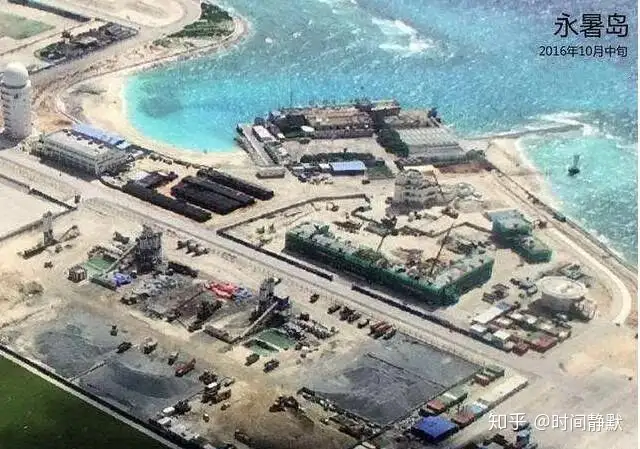
有的网友用“淡水透镜体”解释了这个自然现象。
有的网友用“高压回灌井技术”解释了人工技术的可行性。
无论如何,结论就是“永暑岛发现了淡水”。
这意味着什么呢?
根据《联合国海洋法公约》第121条,“岛屿”必须具有“维持人类生存与自身经济生活”的基本条件。毫无疑问,淡水是最重要的一条。
2016年1月28日,马英九登上太平岛,亲口品尝了考察了太平岛的井水,有力地驳斥了菲律宾提出的太平岛只是一个“礁”的无理指责。
有了淡水,就证明永暑岛是天然岛屿。按照《联合国海洋法公约》:
“天然岛屿享有200海里专属经济区。”
新加坡篇
装甲车在香港被扣事件
2016年11月23日,香港海关在美国APL船运公司的一艘货轮上,发现了9辆新加坡装甲车。
根据香港《进出口(战略物品)规例》,装甲车、坦克车等被列为战略物品,无论是进口、出口,抑或过境,必须领有由贸易署署长所发出的许可证。
11月24日,新加坡国防部申明:“(装甲车)因为香港海关进行例常检查”被“延误”。
这批装备是从台湾运往新加坡的。
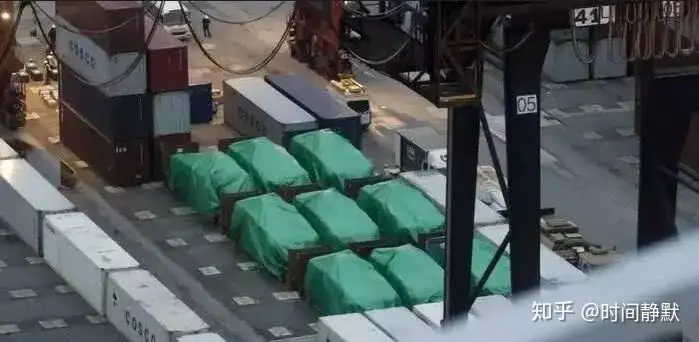
为什么新加坡的装备会从台湾运出来?
原因就是,新加坡国土面积太小,没有适合的地方进行军事训练。
1974年12月,新加坡总理李光耀向蒋介石提出:“新加坡空间有限,希望在台训练部队。”
蒋介石对新加坡“表示同情”。
1975年,李光耀与蒋经国签署“星光计划”:
新加坡部队以“星光演习”代号赴台进行军事训练,由台免费提供场地,该部队也被称为”星光部队”。
这批设备正是在台完成星光演习后,被运回新加坡。
11月25日晚,装甲车被转移到另一处露天货仓。
11月27日,新加坡《联合早报》称:
“(装甲车)很有可能被以检查为理由,获取内部参数”。
中国专家回复:在坦克装甲车领域,中国无需向新加坡学习。
12月31日夜间,装甲车被移至室内仓库,“以避免风吹雨打”。
国际上的通行做法是,对于其他国家的新式装备,都很珍惜每一个近距离观摩的机会。
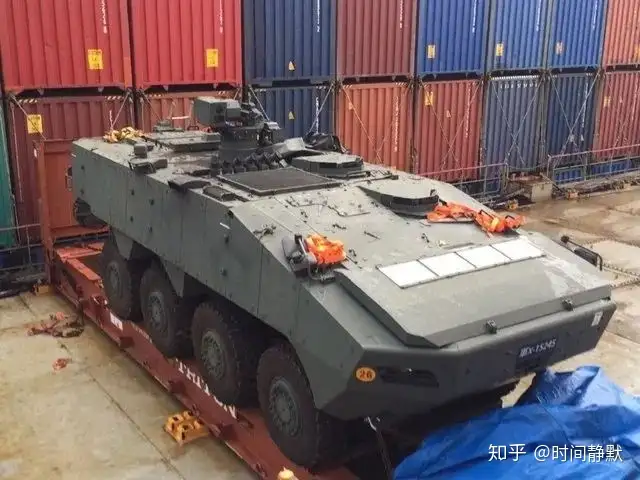
在与装甲车同时被扣留的3个货柜中,除了高爆炸药外,还有准备安装在装甲车上的跳频无线电通讯系统。
美国将这种具有超强抗干扰能力的“战时即时通信”系统,提供给了新加坡和台湾,其用意不言而喻:
美国的“亚太再平衡”策略已经落实到行动上。
新加坡装甲车事件,终于让一直默不作声的美国浮出了水面。
2017年1月9日,新加坡总理李显龙亲自致函香港特首梁振英,请求归还装甲车。
1月20日,特朗普就职上任美国总统。
1月27日凌晨,装甲车被重新装货,继续由美国APL公司的货轮运回新加坡。
装甲车(美国货轮)从被扣留到放行,前后正好66天。
1993年,中国“银河号”货轮被美国扣留中断正常航行长达33天。
中国有句古话:以前的所有欠债,今后都要加倍偿还。
洋山港
1995年,上海正式提出建设深水港。1996年,上海国际航运中心上海地区领导小组办公室成立。
2002年3月,经国务院批准,上海洋山深水港立项。
2005年12月10日,洋山港开港。
2013年9月29日,上海自由贸易试验区正式成立。
2018年,上海港+洋山港吞吐量超过4000万标箱,成为世界第一,新加坡以3660万标箱退居其后。
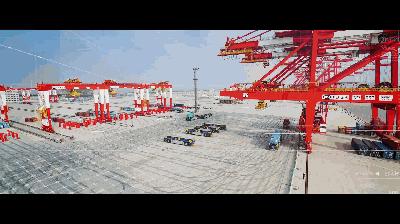
很多人并不了解的是,“上海自贸区 + 洋山港”的政策,曾经被耽误了将近十年。
而耽误的原因,正是因为新加坡的精心算计。
1994年2月,苏州工业园区经国务院批准设立,其中,中新合作区80平方公里。
苏州工业园区是中国和新加坡“国际合作的成功范例”,也让新加坡获得了中国的信任。
1996年,中国和新加坡签订了中国高级官员到新加坡培训的计划。
2001年,中新双方又进一步达成协议,中国有计划地向南洋理工大学、新加坡国立大学派出厅局级干部,参加新加坡的管理经济学硕士班、公共管理学硕士班,“市长班”由此出名。
中国几乎所有省和直辖市都派人到新加坡参加过培训,总人数超过上万人。
这些参加过培训的高级官员回到中国后,影响了中国的许多重要决策。
在新加坡的“积极建议”下,上海深水港的项目几经周折,虽然最后没有被取消,但一开始的地位,只是上海市的地方投资项目。
新加坡免费为天津港做了庞大的详细规划,引导中国把几千亿资金投入到“滨海新区+天津港”的建设中去了。
2005年,天津滨海新区成为国家级新区。2014年12月12日,滨海新区成为北方第一个自贸区。
但是,由于天津的地理位置远不及上海,再加上天津港本身的缺陷(天津港并不是天然的深水港,后经过疏通河道,才成为人工的深水港),“滨海新区+天津港”的发展并不如人意。
2018年,天津港集装箱吞吐量完成1600万标准箱,世界排名第九。
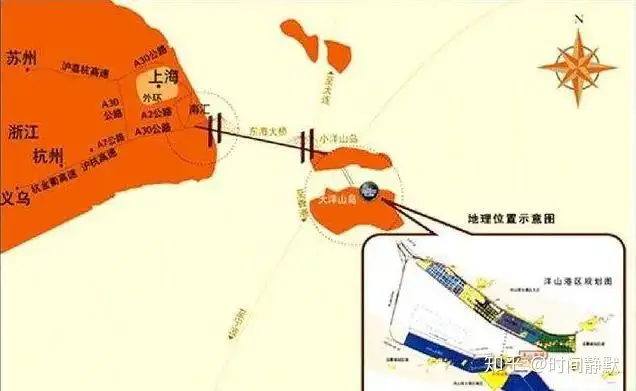
当初新加坡的担心,今天正在变成现实:
2018年3月26日,原油期货在上海期货交易所挂牌交易。
在这之前,中石油、中石化等中国公司,在国际期货市场上进行石油期货交易,在亚洲的交割地点大多会选择在新加坡,原因就是新加坡的炼油业发达,从而带动了新加坡的金融业发展。
弹丸之地的新加坡只有560万人口,但每年的期货交易的金额,达到2万亿美元,全球知名银行几乎都在新加坡开有分行。
天津没有一个国家级的交易所,而上海除了期货交易所外,还拥有上海证券交易所、上海金融交易所,每年的交易金额已经远远超过新加坡。
上海的崛起,必然挤压新加坡的地位和利益。
新加坡当初的用意,一目了然。
瓜达尔港
2001年,是中国和巴基斯坦签署协议,由中国援助建设瓜达尔深水港一期工程项目。
2002年,该项目正式动工,2006底年如期交付。
瓜达尔港是巴基斯坦唯一的深水港口。中国65%的石油进口来自中东,从瓜达尔港经陆路运回中国,行程将缩短80%。
2006年,新加坡获得了瓜达尔港 40 年运营权。
但是,从2007年1月投入运营开始,瓜达尔港就被新加坡弃之不用,5年中进入港口的货轮不超过10艘,8年中没有进行任何投资。
新加坡为什么要弃用瓜达尔港?
因为中巴经济走廊一但开通,经新加坡中转的船舶将减少三分之一。
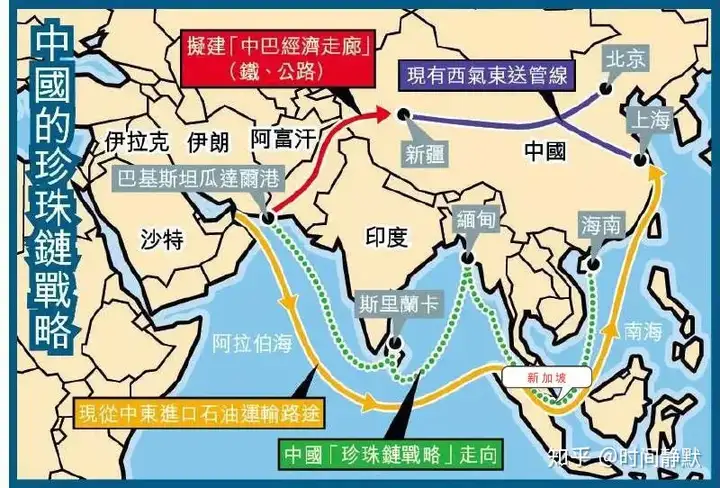
2013年2月,巴基斯坦强制收回运营权,将瓜达尔港转交给中国政府。
因为年久失修,瓜达尔港的大部分港口机械报废,储油罐锈蚀,道路损毁严重。中国按照新的标准几乎重建了瓜达尔港。
2016年11月13日,瓜达尔港重新开港。
瓜达尔港从交给新加坡运营,到重新开港,被耽误了将近十年。
缅甸篇
“直到这个世界毁灭,缅甸依然存活!”
这是缅甸国歌《世界不灭》的第一句歌词。
之一:密松水电站事件
2009年,中国电力投资集团和缅甸电力部合作,在缅甸伊洛瓦底江的上游修建7个梯级水电站,计划装机总容量2千万千瓦,工期15年。
其中,密松水电站最大,也是最下游的一座,建成后坝高152米,排名缅甸第一,世界第十五,号称“海外三峡”。
该电站由中电投云南国际电力投资公司、缅甸电力部及缅甸亚洲世界公司共同投资开发,总投资36亿美元,装机容量600万千瓦,原计划2017年首台机组发电。
同年12月,正式开工。
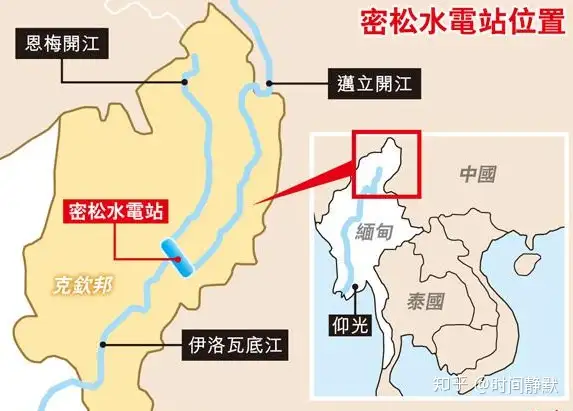
2011年9月30日,时任缅甸总统吴登盛突然宣布,在其任期内暂时搁置密松水电站项目。
搁置理由是:“缅甸政府是民选政府,必须尊重人民意愿。”
缅甸暂停密松水电站的真正原因是什么?
有两个主要原因:
其一,2009年8月,缅甸政府军攻下掸邦“果敢特区”后,缅甸拟整编全缅民族武装。
2011年6月9日,缅甸政府军同克钦独立军的整编谈判破裂后,以保护太平江水电站为由,武力进攻克钦独立军。
克钦族自治邦控制面积287平方公里,管辖人口15万人,克钦独立军拥有武装3万多人,民兵近10万人,是缅甸最大的独立武装部队之一。克钦可谓人人皆兵,不论男女,从18岁入伍服役到60岁,包括民兵。
缅甸政府军原计划十天攻下克钦,结果打了100天,也未分胜负。
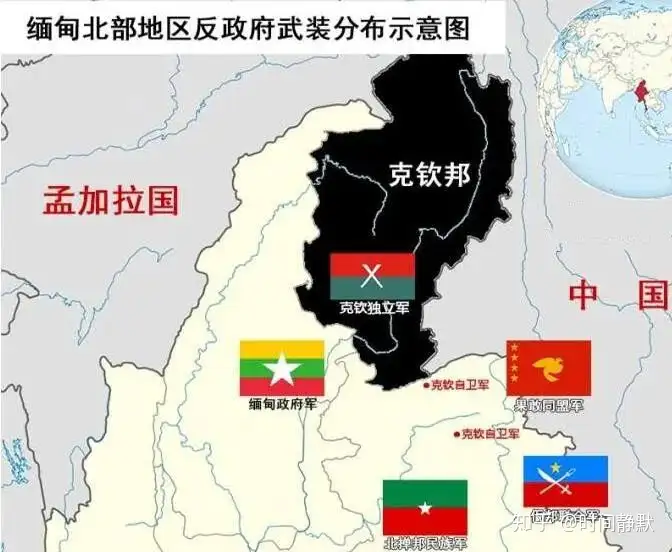
其二,缅甸政府和克钦人之间的利益分配没有谈好。
在五十年的特许经营时间内,缅甸政府获得密松水电站15%的股份和10%的发电量,90%的电量销往中国,缅甸政府将获得170亿美元收入。五十年后,水电站移交给缅甸政府。
克钦人认为自己得到的利益很少,大部分利益被缅甸政府分走了。
当然,这背后也有西方势力的干扰因素。
无奈之下的缅甸政府,只好单方面叫停了密松水电站项目。
密松水电站事件,不仅让中国企业蒙受了重大损失,也对中国的外交政策产生了影响。
第一,经济方面,中电投前期投资超过73亿人民币,每年还有3亿元的财务和维护费用。
密松水电站事件,让中国企业的对外投资变得更加谨慎,投资方向从水电站、矿产资源、港口等大型项目,开始向对解决当地就业和民生问题的项目逐步转型。
第二,外交方面,从2009年果敢事件中,尤其是在密松水电站事件之后,中国对缅外交政策经历了一次大的反思,开始对沿袭多年的“三不”政策出现一些细微的调整:
一方面,对于缅甸的民族冲突,中国从关切但不介入的姿态,开始主动出面调停,实现和解。
另外一方面,中国改变了以前只和投资国执政政府打交道的方式,也开始和地方政府交往,甚至和当地有影响的反对派组织保持正常的沟通,同缅甸社会的各个层面,如媒体、NGO的接触也持开放态度。
2011年12月15日, 中国外交部证实:
“中国驻缅甸大使已经与缅甸反对派领袖、全国民主联盟领导人昂山素季会面。”
正是这样的改变,为今后的密松水电站解决方案埋下了伏笔。
2015年11月8日,缅甸举行全国性大选,昂山素季领导缅甸全国民主联盟在1150个议席中斩获886席,取得压倒性胜利。
2016年3月30日,缅甸新政府公布,昂山素季兼任外交部、总统府部、教育部、电力能源部四个部的部长。
2016年8月17日,昂山素季以缅甸国务资政身份访华。
之后,昂山素季又多次访华。
之二:皎漂港
密松水电站停建后,缅甸提出多个替代方案,包括缩小水电站规模、另择地点重建、提供另一个替代的水电站项目,等等。
中国提出的条件是:可以放弃密松水电站,但缅甸要让中国投资具有战略价值的地方,其中包括皎漂港。
中国为什么会特意提到皎漂港?
皎漂港位于缅甸西部若开邦,临近孟加拉湾,是中缅经济走廊、中缅油气管道的起点,是中国“一带一路”建设的重要组成部分。
皎漂经济特区也是缅甸政府规划兴建的第三个经济特区,占地1736公顷。
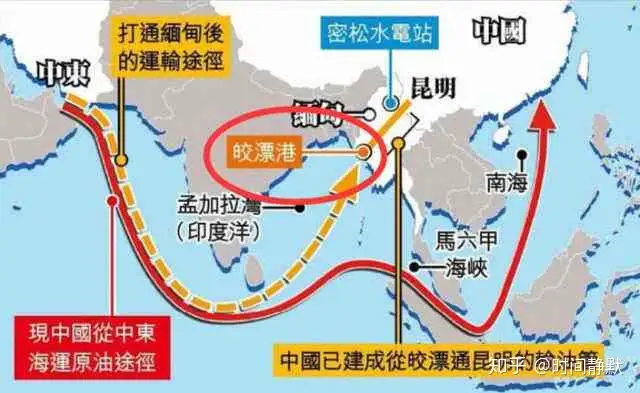
2015年12月30日,中信集团“联合体”中标缅甸皎漂特区深水港和工业园两个项目,距离缅甸大选仅仅一个半月之后。
中信联合体包括:中信集团、中国港湾、招商局集团、天津泰达、云南建工、泰国正大。
为什么要采用联合体的投标方式?
一方面,吸取了密松水电站的教训,当时只有中电投一家中资公司投标,出现意外时无力承担风险。
另外一方面,联合体中有其他国际公司(泰国正大)时,项目执行会更加规范。
皎漂深水港项目包含马德岛和延白岛两个港区,共10个泊位,计划分四期建设,总工期约20年。
工业园项目占地约1000公顷,项目计划分三期建设。
中信集团在后续的谈判中给出了四个建议,缅甸只能在其中选择一个。
“由于中缅双方在具体细节上仍有分歧”,该项目一度停滞。
项目停滞的背后原因是什么呢?
2016年,缅甸爆发了罗兴亚人事件,新上任的昂山素季支持将罗兴亚人驱赶出缅甸的行动。
西方国家借此谴责昂山素季,甚至要求收回她在1991年获得的诺贝尔奖。
原本希望借助西方资金援助缅甸发展的昂山素季受到了西方的冷落。
而罗兴亚人居住的主要地点,正是皎漂港所在的诺开邦。
中国和缅甸的合作项目,走到哪里,哪里就出现问题,西方国家的目的不言而喻。
昂山素季把希望寄托到了中国身上。
2017年5月13日,昂山素季到北京参加第一届一带一路国际合作高峰论坛。
2018年12月7日,缅甸宣布成立“一带一路”指导委员会,由昂山素季任主席。
在这之前的一个月,2018年11月8日,中缅双方签署了皎漂深水港项目框架协议。
皎漂港项目在停滞了将近3年之后,重新启动。
中缅双方股权占比由原来的“85%:15%”修改为“70%:30%”。
按照原来的协议,缅甸只需用土地注资,无需投入资金。
新协议缅甸占比提高至30%,但缅甸需要注资11亿美元。
这个11亿美元的数字很有玄机,正好和中国在密松水电站的前期投资金额相当。
皎漂港项目总投资72亿美元,第一阶段将投资13亿美元。
工业园项目总投资23亿美元,中信联合体占51%股份。
港口和工业园区属于诺开邦经济特区的开发项目。缅甸对该经济特区的最终目标是:
“20年超越新加坡”。
之三:中缅油气管道
严格来说,皎漂是中缅油气管道中的天然气管道起点。
马德岛是中缅油气管道中的原油管道起点。
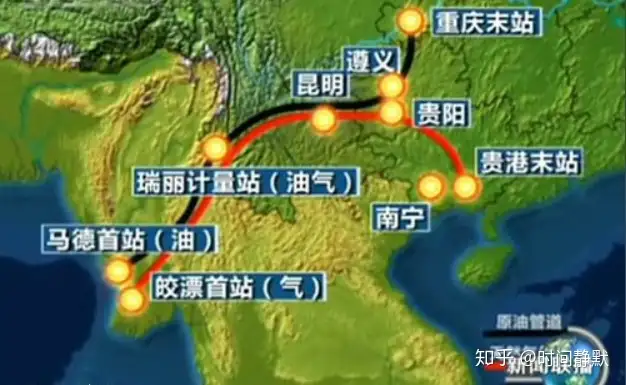
区别于中亚油气管道、中俄油气管道的是,中缅油气管道的原油和天然气来源是不同的。
原油的主要来源是中东,天然气全部是来源于缅甸。
自然而然,中国和缅甸关心的重点是有所偏重的。
缅甸天然气储量排名世界第十,缅甸天然气产量每年80多亿立方米,天然气出口每年50多亿立方米。
缅甸更关心的把本国的天然气销售出去,同时,由于天然气还将销售给韩国和印度,所以中缅天然气管道(缅甸段)的投资方还包括韩国和印度,总耗资10亿美元,缅甸对天然气管道的建设一路绿灯。
从2010年6月3日开始施工,到2013年7月28日开通,短短3年时间,缅甸天然气就开始经中缅天然气管道输送到中国,极大地缓解了云南、贵州、广西的天然气短缺状况。
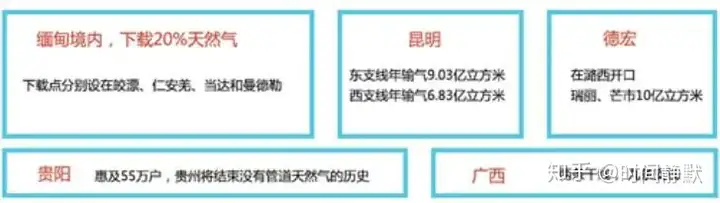
同时,中缅天然气管道的开通,不仅解决了缅甸天然气出口的运输难题,而且为缅甸带来可观经济收益。截至2019年1月31日,中缅天气管道项目累计为缅甸贡献了2.09亿美元的直接收益。
而同期建设的原油管道,开通时间被延后了很长时间。
中缅原油管道工程(缅甸段)由中石油集团、缅甸国家油气公司共同出资建设,持股比例分别为50.9%和49.1%,运营期30年,耗资15亿美元。
2015年1月30日,中缅原油管道工程,在马德岛举行试运行仪式,马德岛港同时开港。
马德岛港是缅甸第一个国际大型原油卸载港,可供30万吨级大型油轮停靠。
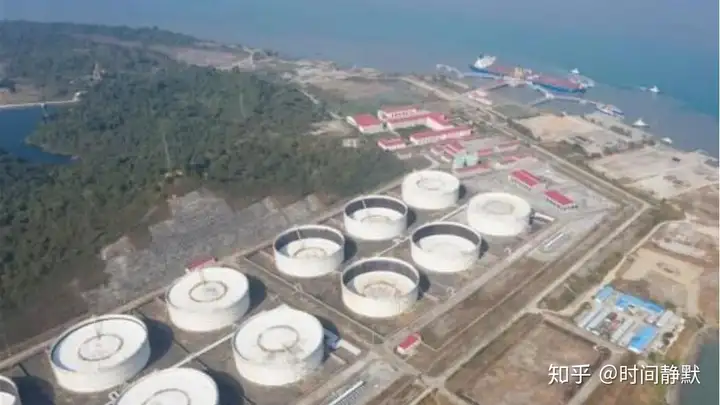
2017年4月10日,《中缅原油管道运输协议》在北京正式签署,中缅原油管道4月底正式投入运行。
5月19日16时,经中缅原油管道输送的第一批中东原油从云南瑞丽进入中国。
至此,从中东进口的部分原油直接在缅甸通过陆路输送到中国,无需再经过马六甲海峡。
蒙古篇
之一:奎屯山边界
“奎屯山”,是阿尔泰山的第一高峰,蒙古语为“多么寒冷的山冈”。
当年为它命名的成吉思汗也未曾料想到,这个山峰竟成为隔断蒙古的一道屏障。
从地图上看,蒙古和哈萨克斯坦似乎相连,而实际上,却并没有连接在一起,但相隔也不远,只有38公里。中间隔着的,正是奎屯山,世界前两大内陆国只能隔山相望。
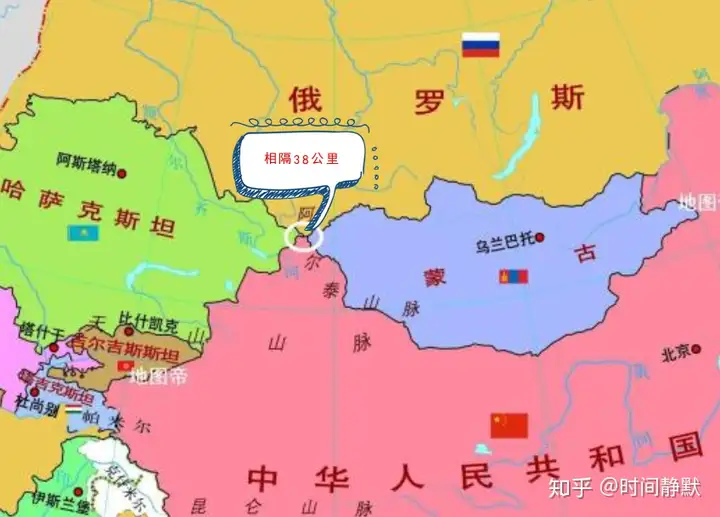
这个结果,是苏联有意而为之。
在处理加盟共和国的时候,苏联就考虑到了哈萨克斯坦和蒙古的国界问题。
当时有两个方案:
一、如果让哈蒙两国相连,俄罗斯和中国西部就完全隔开了。
二、如果不让哈蒙两国相连,俄罗斯就可以保持一个通道和中国西部相通。
权衡再三,苏联还是选择了第二个方案。这个方案也有更深一层的考虑:苏联在分隔哈蒙两国的同时,对中国也是一个制约。
这样的结果,就造成了奎屯山成为四个国家的边界山,中俄哈、中俄蒙,哈蒙并不相连。
1994年1月27日,中国、俄罗斯、蒙古签署协定:
三国西端交界点位于奎屯山顶4104米高地,所在高地不设标。
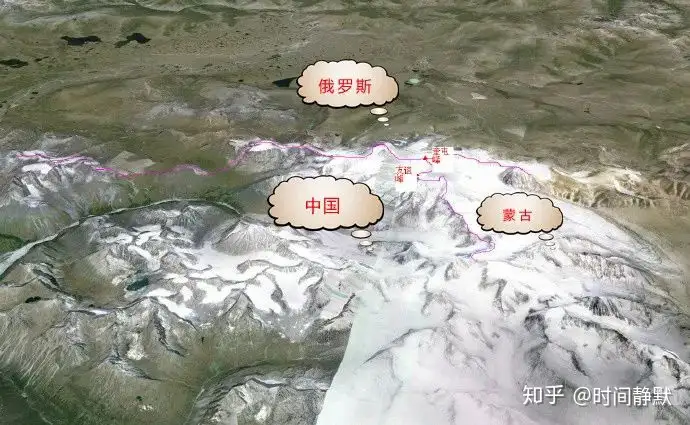
所以,苏联解体前后,蒙古只有两个邻居:一个不变的邻居中国,一个改变的邻居,苏联换成了俄罗斯。
这样的结局,也注定了内陆国家蒙古的发展必定受到两个邻居的限制。而这两个邻居,又恰恰都是被外界称之为“流氓”的“五常”。
之二:“成也萧何,败也萧何”的矿产资源
1997年,蒙古颁布了第一部《矿业法》:
外国投资者只需一份申请书和200人民币,就可以在蒙古投资开矿。
外国投资者蜂拥而至,几年时间,一万两千家外企在蒙古注册,中国企业近半数。
2000年至2011年,蒙古年均GDP增长率达到9%,2011年到达峰值17.5%,2012年12.4%,2013年11.7%。
蒙古被称为“第二个迪拜”。
谁是帮助蒙古创造“草原经济奇迹”的最大功臣?
2005-2016年,中蒙贸易额从8.1亿美元增加到50亿美元,中国连续10年成为蒙古的最大贸易伙伴。
同一时期,俄蒙贸易额从4.6亿美元增加到19亿美元,排名第二。
只有300万人口的蒙古,信心爆棚。
“上帝欲使其灭亡,必先使其疯狂。”
蒙古被一语中的。
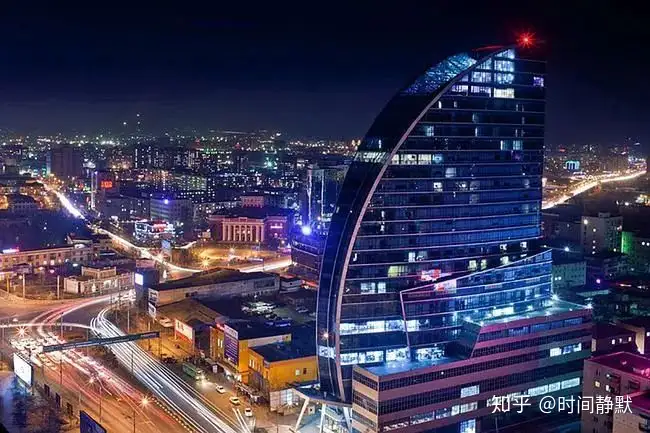
2012年,蒙古出台了《战略领域外国投资协调法》:
矿业被列为战略性领域,限制外商投资,已有合同作废。
很显然,蒙古主要就是针对中国。
矿产出口占82%GDP的蒙古,正赶上国际大宗商品价格大跌,大批外资撤离后经济一落千丈。
2011年,蒙古全年外资流入达46.2亿美元。
2014年,蒙古GDP增速滑落到7.8%,2015年,降至2.3%,外国投资暴跌85%。
2016年1-6月,外国投资只有0.35亿美元。
2016年8月9日,蒙古财长表示,蒙古深陷经济危机之中,无法承担政府部门和军队薪资以及运营成本。
之后,蒙古债券被评为垃圾债。蒙古仅需要偿还的巨额贷款利息,就高达230亿美元。
8月,蒙古货币跌幅为7.8%,创下1993年有数据记录以来23年的最低水平,为当月全球表现最差的货币。
8月18日,为稳定货币,蒙古央行宣布将基准利率从10.5%提升至历史新高15%。
2016年,蒙古货币累计跌幅超过11%,13万多家企业有6万多家停业,GDP增幅只有0.4%,
之三:中国的惩罚
2016年11月23日,中国外交部发言人耿爽表示,蒙方在外交问题上的错误做法,损害了中蒙关系,对双边关系发展产生了消极影响。
之后,中国对蒙古的惩罚措施随即出台:
一、中国对蒙古的铜矿等出口产品征收额外费用。
奥尤陶勒盖铜金矿是蒙古经济支柱,绝大部分产品销往中国。措施出台后,蒙古铜出口基本暂停。
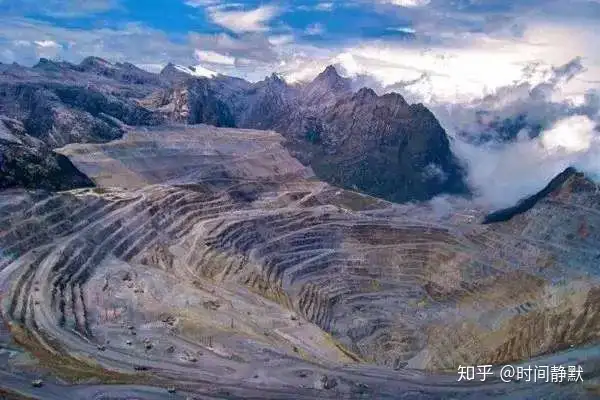
二、中国要求蒙古铜矿产品必须与煤炭使用同一个口岸。
最近的两个中国口岸相距200多公里。由于口岸严重堵塞,大批卡车司机不得不在零下十多度的严寒下排队等候。
三、奥尤陶勒盖铜金矿位于中蒙边界以北80公里处,生产所需电力全部来自中国,原供电协议终止日期是2017年10月。
该铜金矿外资控股方力拓集团担心:“中方以自己是供电国和主要铜进口国为筹码,要求获得该铜金矿的股份。”
四、中国取消了向蒙古的贷款计划,连接塔班陶勒盖煤矿的铁路项目被无限期推迟。
......
2016年,在中国的额外惩罚下,蒙古经济雪上加霜,到了“崩溃的边缘”,被称为“第二个委内瑞拉”。
从“第二个迪拜”到“第二个委内瑞拉”,蒙古经历了高山跳水。
12月20日,无可奈何的蒙古外长对中国立下了“永不再犯相同错误”的“保证书”。
之四:为什么蒙古不求助于俄罗斯?
有几个原因:
第一、俄罗斯也是资源出口大国;
第二、蒙古通过俄罗斯铁路出口,距离遥远,成本更高;
第三、中国是蒙古的主要出口国,占蒙古国出口比例的60%以上;
第四、更重要的是,蒙古在中俄和美国之间“玩火”:
2003年9月至2006年9月,蒙古共派出7批军人赴伊拉克,前6批共887人,排名伊拉克海外军队人数第3。
2003年10月至2006年10月,蒙古共派出6批95名军人赴阿富汗。
在中国和俄罗斯都反对美国在伊拉克和阿富汗驻军的情况下,蒙古派出了总数上千人的军人,而蒙古军队总数才2万左右。
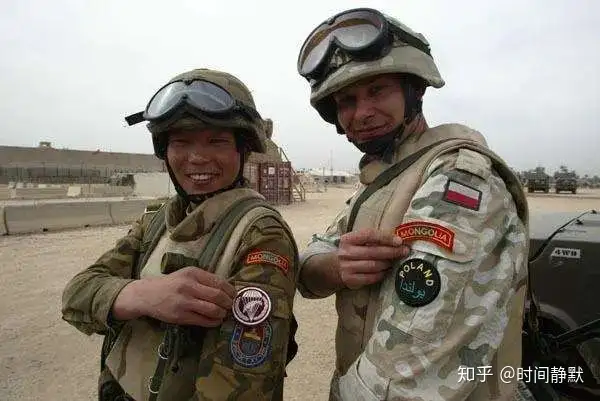
2003年开始,美国以反恐为由每年在蒙古举行“可汗探索”军事演习,在蒙古境内设立了雷达测控和电子监控站点。
2005年11月美国总统布什访问蒙古。
2007年10月22日,美国总统布什在与来访的蒙古总统会谈后宣布,美国将在今后5年内向蒙古提供总额为2.85亿美元的援助。
美国支持蒙古的意图显而易见:围堵中国的同时,制约俄罗斯。
2014年,乌克兰危机爆发,美国和西方对俄罗斯实施制裁,俄罗斯经济遭受重创。在中国的大力支援下,俄罗斯才挺过经济危机。
在这样的情况下,俄罗斯怎么会支持蒙古呢?
相反,俄罗斯和中国达成默契:该“教训”一下蒙古了。
之五:知错就改的蒙古
对于蒙古提出的中俄天然气管道过境蒙古的请求,中俄两国明确表示拒绝。
俄罗斯到欧洲的天然气管道被乌克兰卡脖子的教训,至今历历在目。
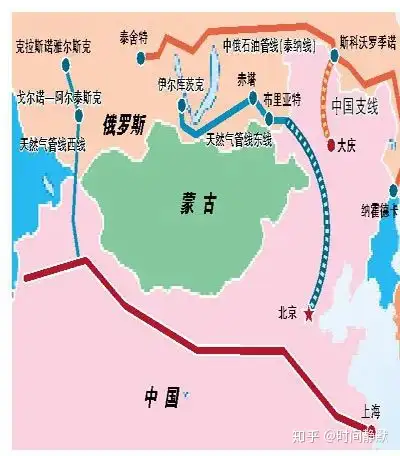
在中俄两国的压力下,蒙古开始了“表白”行动。
蒙古开始尝试性地向伊朗出口包括铀在内的稀有金属矿产。
作为回报,伊朗也向蒙古出口石油。
2017年上半年,蒙古出口朝鲜的煤炭数量同比增长300%,收入12.8亿美元。
矿产、石油以及煤矿的运输全部经过中国,资金交易通过中国的CIPS系统完成。
2017年8月初,蒙古新任总统的特使访问伊朗。在参加伊朗总统鲁哈尼的就职仪式上,蒙古特使说:
“我们不承认美国的制裁,不认为这是解决问题的好办法,并对此予以谴责。”
为什么蒙古要这样做?
一句话,就是“投名状”。
伊朗和朝鲜问题,是中俄和美国的冲突热点。中俄直接出面,会将矛盾激化。
而蒙古以经济不好为借口,向伊朗和朝鲜出口物质换取外汇,美国不好直接表示反对。
蒙古知错就改的行为,自然得到了中国的回报。
中蒙经济走廊的二连浩特—扎门乌德跨境经济合作区、满洲里综合保税区等开始重新推进。
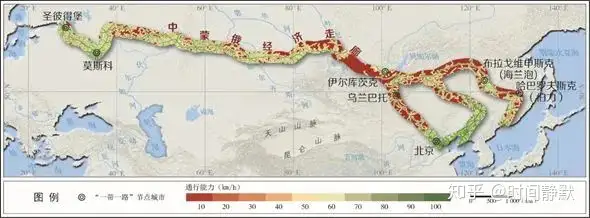
2019年,1300列中欧货运班列路经蒙古,比2017年的556列增长一倍多。
2019年,蒙古与中国的双边贸易额为达到了89亿美元,约为蒙古对外贸易总额的65%。
其中,蒙古对中国出口67.98亿美元,进口20.6亿美元,实现贸易顺差。
2020年,中蒙双边贸易额将达到100亿美元。
另外,按照中国的《建设中蒙俄经济走廊规划纲要》,中国的“一带一路”,将对接蒙古的“草原之路”和俄罗斯的“跨欧亚大铁路”。


评论
发表评论