Chen Yonggui: The Poor Among the High Officials陈永贵:大官里的穷人
Chen Yonggui: The Poor Among the High Officials
In his later years, Chairman Mao intentionally promoted and trained many cadres who came from workers, peasants and soldiers, allowing them to enter the ranks of important leaders. Among them, Chen Yonggui, who came from a peasant background, is the most well-known.
Chairman Mao once said "Forever is good", and these three words spread throughout the country for a while.
In February 1953, Dazhai established a primary agricultural production cooperative based on the Chen Yonggui Mutual Aid Group. Chen Yonggui led the villagers to continuously reform labor management methods, experiment with new scientific farming methods, and achieve a bumper harvest of grain. Chairman Mao called on agriculture to learn from Dazhai, and Chen Yonggui became a banner.
Chairman Mao said that "big bosses" should not be underestimated. Chen Yonggui has practical experience and knowledge, and he really has dialectics. However, the books we read in our universities become more and more stupid the more we read. Some of our cadres are stupid because they are divorced from the masses, and they are not at the level of Chen Yonggui.
On May 1 Labor Day in 1967, Chairman Mao boarded Tiananmen Square, and Chen Yonggui was invited to Chairman Mao's side; at the Ninth National Congress in 1969 and the Tenth National Congress in 1973, Chairman Mao personally nominated Chen Yonggui; in 1975, he became the deputy.z .reason.
Chen Yonggui's position is getting higher and higher, but he insists on not moving his household registration and not receiving state wages. His source of income is still Dazhai's work points, which are 1 yuan and 50 cents. Every year after autumn, when Dazhai distributes grain, Chen Yonggui's rations must be specially taken out and sent to the commune grain store to be exchanged for national grain coupons, and sent to Chen Yonggui in Beijing.
Chen Yonggui has always maintained the true nature of a working people, does not leave production, does not require any subsidies, and does not take a car.
According to Chairman Mao's request, Chen Yonggui spent one-third of his time working in Dazhai, one-third of his time traveling across the country, and the rest of his time working in Beijing. Under the leadership of Chen Yonggui, the people of Dazhai engaged in the basic construction of farmland, the grain handed over to the state increased every year, and hospitals, kindergartens and schools were also built.
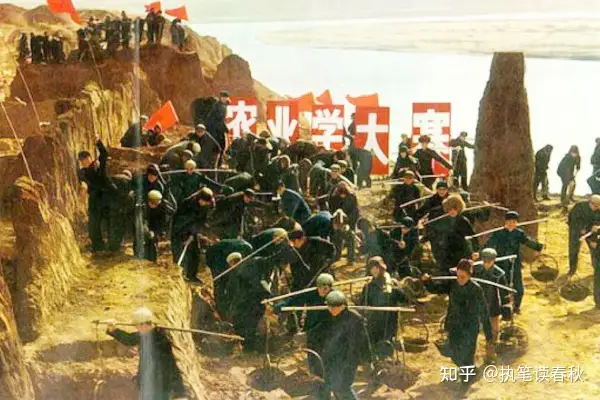
When Chen Yonggui lived in a hotel, he got up very early every day to fold the quilt, sweep the floor, and do the laundry by himself. The guards rushed to help him, and he said angrily, "It's not that I don't have long hands!" He went to Lhasa for inspection and did not go to the Potala Palace. , he said: "Cropland is the most interesting thing. The scene of farmland construction with red flags waving and people cheering is the most beautiful!"
He is very addicted to smoking. He smoked the dry tobacco grown by himself in Dazhai, and changed to cigarettes in Beijing, but they were all low-quality cigarettes with a box of about 30 cents.
This is Chen Yonggui—the poor man in the State Council.
During foreign affairs activities, foreign guests sometimes gave Chen Yonggui some gifts such as calculators, and he handed them in all of them.
In 1975, Chen Yonggui moved out of Diaoyutai. According to regulations, he should be assigned a waiter. Chen Yonggui refused, saying: "It's inconvenient to have a young girl, forget it." The relevant department said that they could send an older one, but Chen Yonggui said: "It's inappropriate to serve me at such an age."
Chen Yonggui was a high-ranking official in Beijing, but his family did not keep up with the blessings. Being strict with himself, he asked his wife and children to earn work points in Dazhai, and he did not even transfer their urban hukou to them. The local leaders in Shanxi once completed all the procedures for his family members to enter Beijing behind Chen Yonggui's back. When Chen Yonggui learned about it, he slapped the table and shouted: "Who did it! I don't agree! Who dares!"
After the death of Chairman Mao, Chen Yonggui continued to insist on doing things according to Chairman Mao's ideology, which caused conflicts with many people.
In 1980, Chen Yonggui asked to resign from his position, and then worked as a consultant at a farm in the eastern suburbs of Beijing, continuing to exert his residual heat. On November 23, 1980, the organization approved and forwarded the Shanxi Provincial Party Committee's "Inspection Report on Experience and Lessons in the Agricultural Learning from Dazhai Movement" with Document No. 83, and added comments, believing that Dazhai had changed from an advanced model on the agricultural front to a "Leftist" "The model of the leaning line believes that it is wrong and harmful to model, absolutize, and eternalize the experience of advanced models.
On August 12, 1985, Chen Yonggui was admitted to Beijing Hospital. When he learned that he had lung cancer, he stopped taking medicine. Because he felt that it was a waste of money for the country.
Chen Yonggui started to take care of his own funeral affairs. He originally wanted to pay all the party dues of more than 8,000 yuan in savings, which also included more than 3,000 yuan that his family's house was paid to the collective during the land reform. But his wife disagreed, saying that his youngest son was going to college in a few months, so Chen Yonggui amended his will and left part of his son's tuition.
Chen Yonggui's deeds have left us with a lot of emotion. Why was there such a leader in the Mao era? Chen Yonggui said: "It is worth living with Chairman Mao all my life. In the future, there will never be a great leader like Chairman Mao who will hold a farmer to such a high position." people."
On March 26, 1986, Chen Yonggui died of illness at the age of 72. His ashes were sent back to Dazhai for burial.
Looking at it today, Chen Yonggui achieved such great achievements only by following Chairman Mao's teachings and using the power of the revolutionary spirit and socialist means to solve production problems.
So, should we continue to learn from Chen Yonggui?
In 1964, Dazhai bought a fat and strong farming ox, but he fell down not long after and broke the ox's bone, making it impossible to plow the fields.
Chen Yonggui took the cattle to the food department of the county to sell them, but when he arrived at the market, he was surrounded by people, who offered high prices, the highest being 80 yuan. Someone from the food department came over and offered 27 yuan. Chen Yonggui said: "You drive away."
The people at the scene immediately exploded. They didn't sell it to 80, but sold it to 27. Fools and nerves...
Chen Yonggui finally explained: "It's not that I'm crazy, nor that I'm a fool. The cow has broken its spine and can't work. You can't work after buying it. The masses don't complain about you? They still blame us, saying Dazhai The production team lied to the brother production team. This is not what Dazhai people do."
Second:
During the period of large collectives, struggles between cadres and livestock and poultry occurred in almost every village. The crops belonged to the collective, and the livestock and poultry belonged to the commune members. This phenomenon also exists in Dazhai.
One day, Chen Yonggui announced a rule in Dazhai: All households should lock up their pigs. From tomorrow, anyone who catches a pig in the crop field, no matter whose family belongs to it, will be fined a bucket of corn. .
The next day, Chen Yonggui asked his wife to let the pig out, but his wife refused to do so, and Chen Yonggui became anxious, "If I tell you to let it go, you will let it go!"
After the explanation, Chen Yonggui called the cadres of the brigade to check the implementation of the new regulations, and caught Chen Yonggui's pig before halfway through. A cadre smoothed things over: "Old Chen, it seems to be your pig... forget it?"
Chen Yonggui didn't reply, he went straight to the warehouse of the brigade and raised the bucket, and said to other cadres, "Come on, go to my house to pack corn."
Since then, there has been no phenomenon of privately releasing pigs and chickens in Dazhai.
Third:
Chen Yonggui is straightforward, has a bad temper, and often loses his temper at home, but he has never beaten his wife or children, and he does not engage in machismo at home.
Later, when he was transferred to work in Beijing, he found that when cooking in Beijing families, the couple helped each other.
After returning to Dazhai, Chen Yonggui scolded the men in Dazhai with a smile and scolding at the member meeting: "Women cook for you in the morning, fold the quilt, wash the dishes, and you just take the bowl and eat it? People also Why don’t you fucking care about anything? If your wife cooks, you can’t peel an onion? Your man doesn’t do any housework? Cooking and washing clothes are women’s business? Men and women are equal!”
"Men will help women cook in the future! No, you can lie down on the kang after eating? No! Starting tomorrow, men will go home and help their wives cook! No work points will be given if you don't cook! You will lie down on the kang after eating Come on, women wash the dishes for you, and let you fuck at night? Why should your wife bring you food when you are sitting on the kang? Serve your man? What is equal pay for equal work? That’s it!”
Since then, men in Dazhai have changed the "tradition" of thousands of years and started to do housework, and the custom still exists today, which is unique in the local area.
Fourth:
Chen Yonggui was transferred to work in Beijing. According to regulations, he could bring his family members here, but he refused. Instead, he asked his wife and children to earn work points in Dazhai, and he did not even transfer their urban hukou to them.
The relevant departments in Shanxi transferred the household registrations of his family members behind Chen Yonggui's back, and wanted to send them to Beijing. They only greeted Chen Yonggui after completing the formalities. Chen Yonggui slapped the table and shouted: "Who did it! I don't agree, who dares!" But he backed away.
Not only did family members have to rely on participating in collective labor in Dazhai to earn work points for food, but Chen Yonggui himself only earned work points by exchanging Dazhai food stamps for national food stamps and bringing them to Beijing for use.
After Chen Yonggui moved to Jiaodaokou, cadres from Xiyang and model workers from all over the country often came to visit, and it was inevitable to treat guests to dinner. The State Council stipulates that you can apply for a guest meal subsidy, and the staff around you applied without saying hello to Chen Yonggui, and was immediately approved. Chen Yonggui stared and said: "My guest asked the national newspaper? Return it!" So he returned it again.
Fifth:
According to Chen Yonggui’s recollection in his later years, once, he brought some of his own local products to Jiang Qing from Dazhai to Beijing. Jiang Qing insisted on paying, and said to Chen Yonggui, “Old Chen, we are all members of the Communist Party and Chairman Mao.” To train party cadres, we must consciously accept and obey party discipline, resist the invasion of bourgeois legal rights, and we should not engage in the bourgeois style of treating guests and giving gifts. However, fair trading is still allowed. Money, I must Pay, I will also accept what you send. The communication between us is completely within the scope of the party's principles."
This shocked Chen Yonggui quite a bit.
Once Chen Yonggui went to Guizhou for inspection. After returning to Beijing, he found two extra boxes of Moutai. He asked the staff, only to find out that the leaders of Guizhou forced it into Lizhong behind his back. Chen Yonggui was very upset and ordered the staff to send the money.
Another time, when Chen Yonggui was eating at his residence in Beijing, he found chickens, but he did not order to buy them, so he asked the staff about the origin of the chickens, and when he learned that the chickens were sent by people from his hometown, he urged him to send the money to go.
He only has a living allowance of more than 100 yuan per month, and he sends money here and everywhere, which really stumps the staff around him. This makes Chen Yonggui not only have simple food at ordinary times, but also can't even afford tea in meetings ...
Sixth:
Chen Yonggui often said, "I grew up under the nurture of Mao Zedong Thought", which is not just a scene.
Chen Yonggui was born in poverty. When he was six years old, his mother and younger brother were sold to the next county by his father. Later, his father hanged himself because he was desperate. He was liberated after Chairman Mao led the poor working people to overthrow the three mountains.
Therefore, Chen Yonggui loved Chairman Mao from the bottom of his heart and listened to Chairman Mao wholeheartedly. Chairman Mao called on the rural areas to establish cooperatives. Chen Yonggui led some farmers in Dazhai to establish cooperatives in 1952, and achieved a bumper harvest that year.
In 1964, Chairman Mao was very dissatisfied with the situation of the socialist education movement in the countryside. Many rural cadres did not participate in labor, but instead received high work points, which resulted in a big difference from the income of commune members. Tao Lujia, then Secretary of the Shanxi Provincial Party Committee, reported to Chairman Mao that under the leadership of Chen Yonggui, the cadres in Dazhai insisted on putting politics in command and always insisted on participating in labor on the front line of production. , There is a difference between cadres' work points and social workers' points, but not very different, which prevents the phenomenon of high work points.
After learning about the deeds of Chen Yonggui and Dazhai in detail, Chairman Mao praised and said, "Chen Yonggui has practical experience and knowledge, he is the one who really has dialectics, and the books we read in universities become more and more stupid. Some of our Cadres who are divorced from the masses are stupid, and they are not at the level of Chen Yonggui."
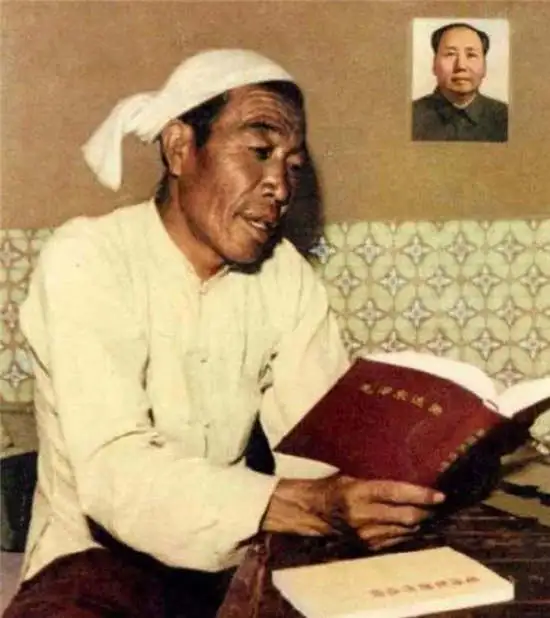
Chen Yonggui never went to school and was originally illiterate, but he worked very hard. After heavy labor, he insisted on self-study, and soon he was able to read newspapers and read "Selected Works of Mao Zedong" with the help of a dictionary.
Chen Yonggui's education level is not high, but his speech is clear, logical, orderly, and full of dialectics. After hearing Chen Yonggui's report, Zhao Shuli was full of praise. His speech was of high level and dialectical. Although Chen Yonggui would not quote Chairman Mao's works when he spoke, and the examples he gave were all about the farmers, Mao Zedong Thought was reflected everywhere.
Seventh:
In 1977, in the absence of Chairman Mao, some unhealthy tendencies in various places began to rise. Chen Yonggui was very worried about this.
In June, Chen Yonggui went to Dongping County, Shandong Province to inspect the great battle organized by tens of thousands of people. During the period, the leaders of Dongping County invited Chen Yonggui to visit and visit Mount Tai not far away. But Chen Yonggui was not in the mood, and said, "I'll go after retirement! I'd better look at a few more projects."
Not long after, Chen Yonggui went to Hangzhou again, and the local leaders advised him to swim in the West Lake. He also said to see it later, but he never swam in the West Lake in his life. Similarly, he passed Huangshan but did not go up Huangshan, and he did not enter the Potala Palace when he arrived in Lhasa...
For Chen Yonggui, crops and land are the most interesting things, and the People's Commune Agricultural Conference with the red flags waving and crowds cheering is the most beautiful sight.
After returning to Beijing, Chen Yonggui raised his doubts, but was ridiculed as "still as naive as a three-year-old child..."
Soon, Chen Yonggui was retired. He rejected the pension from the government and planted his own crops, allowing his children to return to their hometown and allow them to live a normal life without allowing them to use their fame to make money.
On the evening of March 26, 1986, Chen Yonggui died in Beijing at the age of 72. Before he died, he said with tears: "I have been able to be with Chairman Mao all my life, and I have lived a life in vain. People are doomed to die, and I did not embarrass Chairman Mao... From now on, I will never be together again." There will be a great leader like Chairman Mao, who will hold a peasant to such a high position."
After Chen Yonggui passed away, there was only one high-ranking person to see him off at Babaoshan——Hua Lao. In front of the deserted mourning hall, Hua bowed deeply three times to Chen Yonggui's coffin, and then walked around the body, crying like rain.
So, what happened between them? Why was Chen Yonggui's funeral in Dazhai so crowded?
First of all, Chen Yonggui and Hua are both from Shanxi. One is in Xiyang County and the other is in Jiaocheng County. They can be said to be fellow villagers.
Secondly, they are all from the grassroots and have rich experience in local work.
Chen Yonggui was born in a poor peasant family and provided intelligence to the Eighth Route Army during the Anti-Japanese War. After the founding of the People's Republic of China, Chen Yonggui was the secretary of the Dazhai Party branch. He took the lead and led the cooperative farmers to dig ditches on the earth and rocks to build land, store water and food, and fought three battles against wolves. In 1952, Dazhai’s grain yield per mu was 237 jin; ten years later, it reached 774 jin, three times the original. Chairman Mao happily wrote: learn from Daqing in industry, and learn from Dazhai in agriculture.
Hua was born in a family of small merchants. He started from participating in the local anti-Japanese and national salvation vanguard, and gradually served as leaders of Jiaocheng County, Luliang District, Xiangtan County, Xiangtan Prefectural Committee and Hunan Provincial Committee. He focused on carrying out the agricultural cooperative movement In 1955, when Chairman Mao read the article "We Must Resolutely Rely on Poor Peasants in the Cooperative Movement" written by Hua. After the article, he held his hand tightly and said, "You are really my parent officer!"
Thirdly, both Hua and Chen Yonggui were promoted to Beijing by Chairman Mao in the 1970s, and they were both familiar with agriculture, so naturally they had a lot of contact.
In the end, after the two became high-ranking officials, they never forgot their original aspirations, kept in mind Chairman Mao's teachings, and were honest and upright.
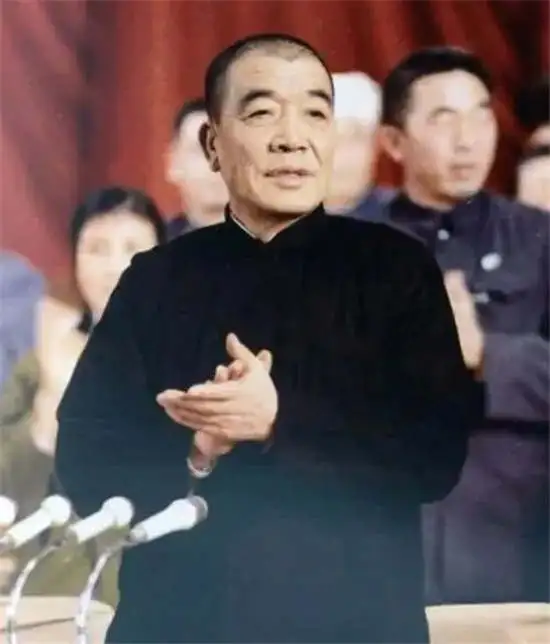
No matter what meeting Chen Yonggui held, he always wore the old farmer's double-breasted clothes and a white headscarf. He didn't care about his rank, and he didn't even need salary for his position. He only received Dazhai's work points. He doesn't take a car, doesn't need a waiter, and eats simple food every day... So the young people affectionately call him "Uncle Yonggui".
Hua is also very frugal. According to Chen Yonggui's wife's recollection: After Hua took office as deputy zl, he did not hire anyone to wash and cook at home. He did everything by himself, even washing dishes, and he was unwilling to ask his wife to help.
They also like to go down to do research and research: Chen Yonggui's rule is: one-third of the country visits and investigates, one-third returns to Dazhai to work in agriculture, and one-third stays in Beijing to work. In 1971, in just one month, Hua traveled to 19 brigades in 18 communes in 17 counties in six provinces across the country. He suffered from acute appendicitis and was admitted to the hospital due to the exhaustion of the journey. But as soon as his health recovered, he embarked on a journey of investigation and investigation.
However, after the death of Chairman Mao, the two had a disagreement.
For example, when discussing whether to cancel private plots or keep private plots, Chen Yonggui deeply realized that only organized farmers can resist natural disasters and promote the construction of farmland water conservancy. He believes that maintaining the rural people's communes is to implement Chairman Mao's ideology.
However, Hua did not listen to his opinion. Later, there was a trend of criticizing Dazhai in the public opinion: they said that Dazhai's achievements were fake, and imitating Dazhai was "reckless bragging". Chen Yonggui was under tremendous pressure mentally.
In 1980, Chen Yonggui felt that he could not continue to be loyal to his duty and should not continue to stay in such a high position, so he voluntarily resigned. He said: Alas! Can't do it! People can't avoid us, let's not wait for others to be exempted, let's write an application ourselves!
A year later, Hua also resigned from important positions.
They left the political center at the same time, and they interacted less. Chen Yonggui went to Beijing Dongjiao Farm as a consultant. Hua Ze lives reclusively, except on September 9 and December 26, accompanied by his children to commemorate Chairman Mao, he rarely goes out on weekdays, very low-key!
But when Dang Hua heard that Chen Yonggui was suffering from cancer, he took the initiative to visit the hospital. The two had a great time together and never seemed to have any disagreements.
On March 26, 1986, Chen Yonggui died of illness. Before that, he had told his family many times not to hold a funeral for him, nor to invite others to come to offer condolences, but to simply send the ashes back to Dazhai.
Therefore, during Chen Yonggui's funeral, the outside of the Babaoshan funeral home was deserted, making people mistakenly think that the time and place were wrong. After Kehua learned the news, he drove over by car. He walked into the farewell room without saying a word, bowed three times in front of Chen Yonggui's body, stared blankly at Chen Yonggui's body, and shed tears. Then, with tears in his eyes, Hua slowly walked around Chen Yonggui, shook hands with Chen Yonggui's relatives without saying a word, and then got in the car and left.
Hua didn't say a word, but his tears couldn't be concealed from anyone. Maybe he thought of Chairman Mao's entrustment to him when he was alive, maybe he thought of the days and nights he had struggled with Chen Yonggui, maybe he also thought of Chen Yonggui's love for him. His advice and counsel...
According to the records of those involved, at Chen Yonggui's memorial service, there were crowds applauding for Hua's arrival.
However, unlike Beijing's desolation, when the relatives returned to Dazhai with Chen Yonggui's urn in their arms, and the hearse drove to Niangziguan at the junction of Hebei and Shanxi, the leaders of Xiyang County were already waiting here. When the hearse arrived at the junction of Pingding and Xiyang, there was another row of people kneeling on the road. Liang Bianliang, Guo Fenglian and others from Dazhai welcomed the spirit here. At 4:00 p.m., when the hearse finally arrived at Dazhai, there was already a sea of people, and people from all directions surrounded Dazhai in an impenetrable way. Chen Mingzhu, Chen Yonggui's son, got out of the car holding the urn. Many people burst into tears when they saw it. More people rushed to Chen Mingzhu, wanting to touch the urn.
Deafening firecrackers exploded, and the band from Xiyang Art School played Shanxi folk music.
According to Chen Yonggui's last wish, his ashes were scattered on the land of Dazhai. People in Dazhai erected a monument for him on the top of Hutou Mountain, and wrote: "Great achievements cover the tiger's head, achievements spread the earth"!
Later, Song Liying, the first female party member in Dazhai, said: Dazhai did it! In the past, the newspapers said that Dazhai was good every day, and everything was good; a while ago, they said that Dazhai had this problem, that problem, and everything was a problem. In fact, Dazhai in the past was not as good as you say, and Dazhai today is not as bad as you say.
Xiao Bing felt that this was the truth!
Chen Chunmei, Chen Yonggui's granddaughter, said in the book "My Grandpa Chen Yonggui": He looks like a farmer and does farm work, but deep in his soul he is a thinker.
Xiaobing remembered something similar to what Chairman Mao said back then: Don't underestimate the "big old man". Chen Yonggui has practical experience and knowledge, and he is the one who really has dialectics. The books we read in our universities become more stupid the more they read.
Xiaobing believes that history has already given the answer to whether Chen Yonggui is capable or not, and the people will give Chen Yonggui a fair word.
The reason why Chen Yonggui is so popular among the people is that he can pass the test of socialism well, become a revolutionary, can always stand on the side of Chairman Mao's correct line, never surrender, can never forget that he is a peasant, and has not been corrupted. .
Such a good cadre, we naturally need to publicize it more.
I would like to use this article to commemorate the death of Comrade Chen Yonggui
Chen Yonggui used to be the branch secretary of "Dazhai Village" in the 1960s. He was born in a poor mountainous area. After he became the person in charge of Dazhai Village, he used scientific methods and hard work to help the village out of poverty. Become a role model for the whole country to learn from.
In 1975, under the personal intervention of Chairman Mao and Premier Zhou, a campaign of "learning from Dazhai in agriculture" was launched across the country. Therefore, Chen Yonggui walked from the "Hutou Mountain" in the Taihang Mountains to Zhongnanhai and became the Vice Premier of the State Council.
However, within a few years, the "joint production contract system" began to be implemented in rural areas across the country, and "learning from Dazhai in agriculture" became a thing of the past for a while. Later, Chen Yonggui also resigned as vice premier of the State Council.
In March 1986, Chen Yonggui died at the age of 71. Before Chen Yonggui passed away, he enjoyed the retirement benefits of the Vice Premier of the State Council, so what kind of "standards" should be followed to hold a memorial service for him has become a problem.
At this time, Deng Xiaoping stood up. He advocated holding a memorial service for Chen Yonggui according to the treatment of the Vice Premier of the State Council, and personally reviewed and published an obituary about his death. The obituary said:
Comrade Chen Yonggui was once a well-known model worker in the country... In the early days of liberation, he resolutely listened to the party's words, took the lead in organizing cooperatives, and devoted his life to changing the poverty of mountainous areas. His spirit of daring to fight against heaven and earth has been highly praised and commended by Chairman Mao of the Party Central Committee and Premier Zhou.
Then, how did Chen Yonggui become a vice premier of the State Council from a farmer who did not go to school, and why did Deng Xiaoping insist on holding a memorial service for Chen Yonggui according to the treatment of a vice premier?
1. Leading Dazhai to double grain production
In 1914, Chen Yonggui was born in a poor peasant family in Xiyang, Shanxi. Judging from his resume, he has been farming in the Taihang Mountains since the day he was born, and he did not join the Communist Party of China until 1948 when he was 34 years old.
In 1949, after the founding of New China, Chen Yonggui became the party branch secretary of the local Dazhai village. Dazhai Village is located in the Taihang Mountains, and most of the farmland is located on the ridges. Because there are many rocks on the mountain and the land is uneven, watering after planting grain is very problematic.
Often, a ladle of water and fertilizer is poured down, and it immediately flows towards the low places on both sides of the hillside. Therefore, there has always been a jingle circulating in the local area: "The manure flows on the ground, washing away the water and leaving the stones."
Chen Yonggui could not read a few words, but he was smart and eloquent. Since becoming secretary of the Party branch of Dazhai Village, he has often consulted experts on agricultural knowledge, and finally developed "parallel terraced fields" with wisdom and hard work, doubling the grain output.
In the mid-1960s, Chairman Mao heard about Chen Yonggui's deeds when he went south for inspection, and told Premier Zhou about it after returning to Zhongnanhai. Premier Zhou immediately arranged for an investigation team to enter Dazhai Village to conduct on-the-spot inspections.
Later, the inspection team made a report and highly praised the "sponge fields" in Dazhai. At that time, Chairman Mao intended to let the whole country learn from "Dazhai".
For this reason, Premier Zhou visited "Hutou Mountain" three times. Guo Moruo also said at the time that he hoped that a hundred years later, Dazhai's "Hutou Mountain" would be his home.
2. Chen Yonggui, Deputy Prime Minister of Farmers
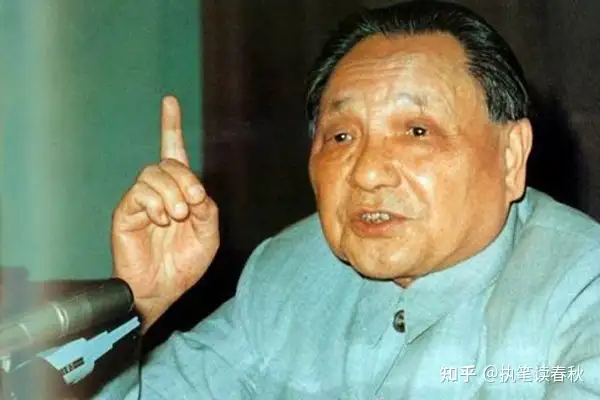
In 1975, the central government decided to set off a climax of "learning from Dazhai" across the country. At that time Deng Xiaoping said: "Chen Yonggui is a farmer with a brain." Later, Chen Yonggui served as the Vice Premier of the State Council.
At that time, some people did not take Chen Yonggui seriously, because he was different from the leaders of other countries. Others had gone through decades of bullets and bullets before finally entering the core leadership of New China, but he did not fight a single day. hit.
Only Chairman Mao, Premier Zhou, and Deng Xiaoping felt that there was nothing wrong with all this, so why did these three leaders support Chen Yonggui?
China has been relying on agriculture for thousands of years to build a country. Many young people living in cities have learned knowledge from books, but they are completely unfamiliar with farm work. irrespective of" suspicion.
Therefore, from the 1950s to the 1970s, Chairman Mao has been calling on urban educated youths to "go to the mountains and go to the countryside." At the same time, he invited some "experienced experts in agricultural production" to work in government departments, and Chen Yonggui was one of them.
The same is true of Deng Xiaoping, we all know that he has a very famous theory - "It doesn't matter whether the cat is white or black, as long as it catches mice, it is a good cat".
Therefore, although some people attacked Chen Yonggui, thinking that his qualifications and education were not enough to be the vice premier of the State Council, Deng Xiaoping still firmly supported him in taking office.
When launching the "Agricultural Learning from Dazhai" nationwide, Jiang Qing still wanted to mess things up. She made a "Little Jinzhuang" as a model, and wanted farmers all over the country to learn from it.
The reason why Jiang Qing wanted to make this "Little Jinzhuang" a model was because the people in this village "can sing model operas and make up revolutionary jingles." Deng Xiaoping thought this was simply "nonsense."
So in September 1975, during the rehearsal for the Third National Games, Deng Xiaoping recorded the performance about "Little Jinzhuang".
People from the State Sports Commission asked, and Deng Xiaoping said: "Chairman Mao advocated learning from Dazhai in agriculture, but now learning from 'small' instead of 'big'. What's so good about Xiaojinzhuang? It is fed with state money. !"
Deng Xiaoping once humbly stated at a meeting that he was basically a layman in agriculture and could only rely on Hua Guofeng and Chen Yonggui in this regard. All he has done is naturally to increase the country's grain production and make the common people have enough to eat.
Before the 1980s, China's grain output was relatively low, and in the period before that, the output was even lower. It was not until 1963 that the economic situation improved slightly.
Since the past method does not work, it can only find a new method. At this time, Chairman Mao and Premier Zhou discovered Dazhai and Chen Yonggui.
When agricultural science and technology have not made major breakthroughs, and when Yuan Longping's hybrid rice has not been popularized, if we want to increase food production, we can only give full play to the industrious and intelligent nature of Chinese farmers, and use tenacious willpower to defeat nature.
Therefore, "learning from Dazhai in agriculture" is to call on hundreds of millions of farmers across the country to learn from Dazhai's spirit of "fighting against the sky and fighting against the earth". Deng Xiaoping supported Chen Yonggui's "Dazhai spirit". Later, Chen Yonggui was so grateful that he risked his life to speak out for him.
After Chairman Mao passed away in 1976, Deng Xiaoping continued to support "Learning from Dazhai in Agriculture". However, new changes occurred in the domestic situation later, and the joint production contract system gradually emerged in some rural areas.
Because of this transformation, the people's commune lost its meaning of existence and disintegrated. Without the commune, it would be impossible to talk about "learning from Dazhai". When Chen Yonggui served as the vice premier of the State Council, it was because he wanted to expand the experience of the village across the country.
But after the disintegration of the commune, Chen Yonggui could not play any role. Coupled with issues such as qualifications, there are more and more gossips around him. In the end, some people publicly slandered and attacked him.
In 1980, Chen Yonggui voluntarily resigned from the position of Vice Premier of the State Council. At that time, Deng Xiaoping had a long talk with him, and finally agreed to his resignation, but still arranged for him to live in a big house in Jiaodaokou, Beijing.
However, Chen Yonggui firmly disagreed to continue to enjoy the treatment of the vice premier, and finally moved to the Minister Building outside Fuxingmen, and the furniture only brought a bed, an old TV, file boxes and other daily necessities.
After going through all these ups and downs, Chen Yonggui did not fail. Three years later, when he was nearly seventy years old, he took the initiative to write a letter to Deng Xiaoping, hoping to use his expertise to continue to contribute to the country. This time, the country arranged for him to work as a consultant on a farm in the suburbs of Beijing.
Chen Yonggui did a lot of work there, and wrote letters to Deng Xiaoping from time to time to make suggestions, and the latter adopted them one by one. Unfortunately, Chen Yonggui fell seriously ill in 1985 and passed away in March of the following year.
epilogue
In 1980, Guo Fenglian approached Deng Xiaoping to defend Chen Yonggui. She told Deng Xiaoping that at that time some people in China were constantly attacking and slandering Chen Yonggui because of the "Dazhai" issue. Deng Xiaoping told her:
Sometimes the trend of the times is irresistible. Premier Zhou has been to Dazhai three times, and I have been there twice. Dazhai did it! I praised Dazhai at the National Conference on Learning from Dazhai in Agriculture, and there is nothing wrong with learning from Dazhai... We must separate Dazhai itself from learning from Dazhai. Learning from Dazhai is the spirit of Dazhai.
Chairman Mao, Premier Zhou, and Deng Xiaoping were all optimistic about Dazhai back then, because at that time there was no better way to boost people's hearts and improve agricultural production than Dazhai.
With the changes of the times, people later found a better way, and the Dazhai form would no longer work, but this does not mean that it is wrong to advocate learning the "Dazhai spirit".
It was the trend of history that pushed Chen Yonggui to the forefront of politics. In the end, the situation changed, but it cannot be denied that Chen Yonggui and the "Dazhai Spirit" still have a side worth learning.
Faced with doubts and accusations from the outside world, Chen Yonggui chose to resign as Vice Premier of the State Council, but he did not give up his ideals and pursuits.
At the age of 68, Chen Yonggui still wanted to rely on his own knowledge and experience to do practical things for the country, and he did not disappoint the appreciation of Chairman Mao and Premier Zhou.
Therefore, Deng Xiaoping insisted on the proper treatment and held a memorial service for Chen Yonggui. There may be some controversy in "Dazhai", but as a model worker, Chen Yonggui still has some qualities shining in him!
On September 23, 1970, Chen Yonggui, as the soul of Dazhai, responded to the outside world's doubts about Dazhai when he gave a report at the graduation meeting of a study class run by the province, and also disclosed some of Dazhai's early years. At the same time, he also expressed his views on the Learning from Dazhai Movement.
You can take a look at what he said, does it match your impression of that era?
This is part of the report, from the third chapter of the fifth volume of "Shanxi Provincial Chronicles·Chen Yonggui Zhi" published by Zhonghua Book Company in 2015, pages 703-713.
In terms of learning from Dazhai, comrades should pay attention to it, and don't just focus on the surface. ...
In particular, Dazhai has no private land, and the brigade makes calculations. After some comrades went back to study, they collected their private land, pigs from other people's production teams, and trees in front of and behind their houses to the brigade.
It is indeed gone. For example, the issue of private trees. After the disaster in 1963, there were no private trees, private land, and even houses collapsed...
Why not private plots? It's not that the cadres ordered the members to return their private plots, but the cadres went down to mobilize the private plots, and the commune members stopped planting them.
...
Dazhai's wealth is not the result of taking back all the private plots of the commune members. It is because the collective has become richer, the collectively distributed more food, the income has also increased, the food has also increased, and the thinking has improved, so everyone does not want it. We also did some ideological work for private plots, and mobilized everyone to plant private plots. This is a policy. Members also criticized the cadres for being wrong. One mu of collective land can be divided into eight or nine hundred catties of grain, and one mu of private land can be divided into two to three hundred catties. Why should I grow private plots?
If the food cannot be supplied, and the members of the commune are not satisfied with the food, everyone’s private land can be added to the two if they can’t add a catty... Can the production be increased by taking back the personal private land? Can you fatten up the collective? Bring back your own trees, and you will be able to afforest? totally not. Our production has not yet come up, the masses have not yet awakened, and you cannot meet any requirements, how can you cancel the private plot?
... Another one is to build a new countryside. Do you have this condition? Before the food has passed the customs, you should grasp the new countryside. The new countryside won't produce food for you, and you can't maintain the life of the members, so how can you build a new countryside.
In some places, after seeing Dazhai, they demolished old houses and built new ones when they returned. It also brought dissatisfaction among the masses. Dazhai has never demolished an old house, and the old ones were washed away by the floods. If it is not repaired, will there be no houses to live in? If we could get food from the new countryside, we would have done it a long time ago, and we still have to wait until after the 1963 flood. ...
Let's just talk about high indicators, Qianjin County, Wanjin Society, Satellite Team, the loss is still small? Is it still small enough to dampen the enthusiasm of the broad masses? If things go on like this, the class enemies will not be happy? For example, if 30,000 catties of corn are grown on one mu of land, then 11 catties of corn will be produced on that one stalk. Each of our counties, communes, and teams have heard it, yelling every day, taking the lead, and thousands of horses galloping. A horse in Dazhai did not become the first, and ten thousand horses did not gallop. Why didn't our food go up? It's just that we didn't engage in exaggeration.
In 1957, we carried out a whole winter of land infrastructure construction. Revolutionary and desperate, in 1958 we had another big spring. The yield per mu has increased by more than 220 catties, and the average yield per person has increased by more than 500 catties. This is enough for a leap forward. But if we went to participate in the advanced representative meeting, we would not be on the list. They have the Wanjin Society and the Satellite Team. They do our job and want us to change to double jacks. You can only be listed on the list if you change it, and steal the honor of the country for the sake of being a model for a while. ...
We don't do that. We send a telegram saying that we are as many as we are, one is one, two is two, and we can't lie to people if we don't make it to the list. He came back in despair. Later, the low-yield unit that couldn’t make the list went to visit them. I remember that one mu of sweet potatoes produced 1.1 million catties... Some comrades were very enthusiastic, but I didn’t have that kind of enthusiasm. I sat down and thought: Why do you have such courage to say these things? So, what will you do in the future? At the meeting, I also criticized by name, and some people's tails went up to the sky. Everyone knows Guo Zhenshan, do ideological work for me, Yonggui, don’t be emotional, others have high grades, but you have low grades, comrades should do their best. Did I say they have great grades or are they exaggerated? He said you dare not say that...why do those old county committees, old prefectural committees, and old provincial committees always want to put me to death as soon as they start a movement? It's just that I love to give opinions. ...
In April of the following year, four members of the Jinzhong Prefectural Committee came to Dazhai. They said that all the high-yield units have been exposed. Your sloping land hits 540 catties. How much less? I said that we are not only not less than 540 catties, but also five or six catties more. The rations of the commune members have been distributed to their families, the reserve grain has been put into the warehouse, and the purchased grain is stored there.
This made them hate them, saying everywhere that Chen Yonggui is great, that Dazhai's tail is up to the sky, that tigers can't touch their buttocks, and they even say that we are anti-party. Giving them advice is anti-Party. Sue, sue! Revolution, how can we not ask others to sue, if you want to sue, just sue. In 1964, they used the name of Siqing to retaliate.
... In order to think that the yield is too high, the land is measured. This is how Dazhai is doing across the country. Our hillside land contains 800 catties of grain per mu. They don't believe that the plains with the conditions for the four modernizations are not so high, so there is no need to investigate and investigate, it must be black land. Mingli is 802 mu, but the actual number of 802 mu is unknown.
At the beginning, I was very energetic, but I plan to expand a few more 802 acres to see where you go. If you can't beat you, you are considered a ghost. Zhangzhangzhang for more than 50 days, the more vigorous the less. Needless to say, there are several 802s, none of which is enough, and more than 6 acres are missing.
"Culture..." At the beginning, the poor and lower-middle peasants wanted to take them back and repair the 6 mu of land we lost. During the day he was dragged to carry stones to repair the land, and at night he was criticized, making a fuss for more than a week. It is no problem for a commune member to carry more than 100 catties of rocks to climb the mountain, but he has to wrestle even if he carries 10 catties. After working for a few days, the members of the commune said forget it, get out, they will not be repaired even if they die, so they sent them away. Look at how bureaucratic they are, do they still have a point of view of the masses?
Then why is there less? There was a survey of land in our county when it was first liberated, and then another team came to measure the land. There was a conflict during the survey. They measured the land in Dazhai, and the fraction of the land was counted as one mu. The same is true for other teams in Dazhai. Even more than half an acre dares to report an acre. It is not an estimate of the mu but the mouth. The bigger the fire, the bigger the fire, and no one wants to punish anyone. Therefore, the land was overreported, and we repaired the land to make up for the vacancy.
They don't investigate, they just say that the land is repaired every year, and there will be no shortage of land. Of course, the more the land is repaired, the more it will be repaired, and the less it will be, who will repair it? They measure the land, and the masses shed tears. Counting nine cold days, more than 20 degrees below zero, three feet of freezing, bloody seams on the hands, and crimes after repairing the land. If you shed this tear, they will measure it. What can you do? They have the right, but we don't have the right.
This plan is useless. It is said that there is not much land in Dazhai, and it sells more than 200,000 catties of grain to the state every year, with an average of 3,000 catties per household. The Grain Bureau may play tricks on him. Go to the Grain Bureau to take out the accounts of unified purchase and sales in 1953, and check them up and down. Our unified purchase is not less than one catty and one tael.
...
A cadre from the second Jin Dynasty came to Dazhai. This person came to our village in 1963 to understand the situation. We said that there are people from the central government who are also in the village, and we have to receive them first. He felt disrespected again. The leader of the Ministry of Agriculture left, and the commune members went to the fields. We went an hour later than the commune members, just to answer him.
In the Qing Dynasty, he came to ask if you had misrepresented your work points, but we said that you didn't have any. The words are absolute, leaving no room for it. Deliberately misrecording work points is certainly not, but we did not expect to miss that hour for work. As soon as he said we didn't have it, he threw the notebook towards our faces, and look, he caught it this time.
We're wrong, we'll check. In the evening, the members came back and said they couldn't check. We knew that you didn't smoke or rest when you came that afternoon, and you worked hard all afternoon to drive out the work. And if you arrive an hour late for work, you can't record work points. Does he not miss an hour a year? They go home for three to five days, will the state still deduct his salary? He was absent from work for several months in the hospital, and the state still deducted his salary because of illness? Medical expenses are also reimbursed in full. We will not check, what else to check?
Just one more thing. In 1958, when the leveling was carried out, the commune built a 10,000-head pig farm without a single pig. There are more than 300 pigs in the Dazhai brigade, let us transfer the pigs there. I said that there were fewer transfers in the past, how could it be transferred to you, and you did not increase the wealth of society. Later, some places were adjusted, and I dare not not adjust them.
After adjusting the pigs, they opened a powder workshop to collect grain. The other teams' food was delivered, but Dazhai didn't. They called to criticize, but they delivered it, and you still couldn't pay it. Later, I called him and told him that I would not give you a catty, and that no one has the right to distribute grain after the state purchase is completed.
He blatantly claimed that Dazhai was so proud that no one dared to offend him, that we couldn't lead Dazhai, and they would teach us a lesson. Later, against the Five Winds, he said that you should learn from the people of Dazhai. Didn’t the people of Dazhai resist it? It was the Dazhai people who used their invincible...thoughts to withstand those unhealthy tendencies...
These are endless. During the Siqing period, Jia Jincai, Jia Chengrang, and Song Liying of our brigade... had already prepared to commit suicide, dozens of them committed suicide in our county... just didn't trust the masses and comrades, and if they couldn't achieve their goals, they had to think about it. way to persecute you. ...
Some comrades went to Dazhai, and they had a lot of doubts about Dazhai. I went to see that the crops in Dazhai were not special, and it was a bumper harvest in autumn. Why do we produce more? There are times when we don't look as good as the brothers, we just don't pull our legs. There are two pull-leg fields, one is low-yielding crop species, you need all kinds of small grains such as hemp, wheat, millet and beans, so you need to plant more. High-yield crops grow well, but low-yield crops cannot bear it. On the other hand, if the bowl of water is uneven, you care about the places close to the village, and you don’t care about the places far away. You don't care about it, and it doesn't care about you.
So does Dazhai's non-specialized cultivation of small miscellaneous grains affect the needs of members? Not only is there no less, but more... The soil layer has thickened, the fertilizer has increased, and various conditions of this land have been met. Under the high-yield crops, there are all kinds of hemp, wheat, millet, and millet.
Our area is cold, but there is a lot of straw and fertilizer, and the ground can be heated. In the past, winter wheat died when planted, but now it does not freeze to death, and the yield is also high.
plain old farmer
You are an ordinary person who is the prime minister
High moral integrity and selfless thoughts
A generation of heroes and models rises
Diligence, thrift and sincerity
Candid and unselfish
Dedicated to Great China
Ye Luo Returns to Roots Tiger Head Soul
Attachment: Written by the granddaughter of People's Premier Chen Yonggui
My grandfather Chen Yonggui, from a farmer to the vice premier of the State Council, insisted on not taking the state salary
Text/Chen Chunmei
In the 1960s, Chen Yonggui led the people of Dazhai to be self-reliant and hard-working, creating the amazing Dazhai spirit. Afterwards, he walked from Hutou Mountain to Zhongnanhai, from a farmer to a vice premier of the State Council, but insisted on working in the fields without receiving state wages... His life is a symbol of an era.
Dazhai spirit
1963 was the year of "seven disasters and eight disasters" in Dazhai, a catastrophic flood, two wind disasters, a hailstorm, a frost, plus a period of drought before the flood, waterlogging during spring sowing, Dazhai was ravaged to the point of being muddy and beyond recognition, Terrible.
But the people of Dazhai rely on the spirit of self-reliance, relying on patched shoulders and calloused iron hands to develop production and rebuild their homes. Chen Yonggui encouraged everyone optimistically: "Mountains are built by people, and houses are built by people. If you have people, you will not be afraid of anything, and everything will come!"
In the year of the catastrophe, the grain yield in Dazhai was 704 catties per mu, and the total output reached 560,000 catties. Not only did it not ask for a penny of relief from the state, but it also paid 240,000 catties of commercial grain to the state. At the end of that year, the goal of "three don'ts and three no less" was achieved. The members of the commune ended their history of living in earthen kilns forever, and all moved into new houses in stone kilns. Grandpa walked around the rows of train-carriage-like new houses several times, and said happily: "In the past, upstairs and downstairs, electric lights and telephones, isn't it now!" The old man Jia Genyuan sat in the new cave dwelling, looking at the With bright electric lights, listening to the rap on the trumpet, my heart was full of joy, and I said to my wife: "Yonggui is right, we have seen socialism!"
he spoke without citations
Zhao Shuli said: "His speech did not quote classics, but it was completely in line with Mao Zedong Thought and dialectics."
The deeds of Dazhai people overcoming natural disasters attracted the attention of superior leaders, and the whole province of Shanxi set off a climax of learning from Dazhai. Grandpa introduced Dazhai's experience at the Provincial Agricultural Model Worker Conference. This time, he not only introduced the process of Dazhai people fighting against heaven and earth, but also showed his excellent eloquence to the participants. His speech caused a great sensation in the whole province, and people were very emotional after listening to it, and they recited it one after another.
The famous writer Zhao Shuli immediately ran to the office of Tao Lujia, the first secretary of the Shanxi Provincial Party Committee, and said, "Secretary Tao, I discovered a talent today!" Secretary Tao asked, "Who is it?" "Chen Yonggui! He didn't Mao Zedong is mentioned in one place, but Mao Zedong Thought is everywhere, philosophy is not mentioned in one place, but dialectics is everywhere, I am so impressed, what a talent! Chen Yonggui is amazing!"
At the end of 1963, Li Yiqing, then secretary of the Central South Bureau Secretariat, came to Dazhai. After the visit, he said very emotionally: "Dazhai has suffered such a catastrophe, but it doesn't need the country's money. It is commendable! The enthusiasm of the people in Dazhai is great. This kind of perseverance is rare in contemporary China. Although Chen Yonggui is a farmer, he has a powerful charm. He has shown extraordinary commanding skills in a complicated environment. From him, I see something other than a farmer .” Since then, the names of Dazhai and Chen Yonggui have entered the field of vision of high-level officials.
On the podium of the Great Hall of the People
On January 19, 1964, at the invitation of the Beijing Municipal Committee of the Communist Party of China and the Municipal People's Congress, Grandpa stepped onto the podium of the Great Hall of the People. More than 10,000 party, government and military cadres stared at him, but he was calm and not shy. Without reading the script, he spoke for 4 hours with the unique words full of Taihang Mountain's local atmosphere. He talked about cooperation, three wars against wolves, paying more patriotic grain, emergency rescue and disaster relief, "three don'ts, three less" and slope control during the day and nest control at night... He talked about the history of Dazhai's construction vividly. People stared at the brigade secretary with a white towel wrapped around his head, excitedly listening to his concise, profound, vivid jingles and well-organized, logical, and philosophical words, bursting into warm applause from time to time.
On February 10, 1964, "People's Daily" published the editorial "A Good Example of Building Mountainous Areas with Revolutionary Spirit" on the headline of the front page, and distributed a long article entitled "Road to Dazhai" written by a reporter from Xinhua News Agency Communications sounded the clarion call for national agriculture to learn from Dazhai.
In March 1964, Mao Zedong toured the south. He summoned Tao Lujia, the first secretary of the Shanxi Provincial Party Committee, and others to report to the special train that stopped in Handan. Tao Lujia reported the situation in Dazhai to Mao Zedong in detail. He said: "I have been in the countryside and have met many farmers. I think Chen Yonggui is an outstanding farmer."
Mao Zedong listened with interest. Tao Lujia reported on Dazhai's work evaluation and scoring system, and also on Chen Yonggui's practice of leading the masses to engage in collective production, with new routines every year. Hearing this, Mao Zedong asked with great interest: "What are the characters of Chen Yonggui? Does he know how to read?" Tao Lujia wrote "Chen Yonggui" on the note and said, "He was literate at the age of 42. , I am 50 years old this year, and now I can read newspapers and understand what logic is." Mao Zedong said in a tone of affirmation and appreciation: "Chen Yonggui is not very literate, but he has done a lot of things."
After the meeting, Mao Zedong continued his southern tour. Everywhere he went, Mao Zedong talked about Dazhai's spirit of self-reliance and hard work, and Chen Yonggui's work style of taking the lead in labor, not doing special things, and maintaining a hard and simple style.
Mao Zedong said: "Hello Yonggui!"
In December 1964, my grandfather went to Beijing to attend the First Session of the Third National People's Congress. On the morning of the 26th, just after the meeting ended, he walked out of the venue with everyone, and suddenly heard Zhou Enlai calling him from behind: "Comrade Yonggui, please wait a moment!" He stopped in his tracks. Zhou Enlai said, "You don't have to go to Dazao for dinner tonight, come with me!" Zhou Enlai told him, "Today is Chairman Mao's birthday, and the Chairman specially invited you here."
Grandpa walked happily with Zhou Enlai, and when he arrived at the lounge, he saw that Chairman Zhu De had arrived first, and comrades Zeng Zhi, Peng Zhen, Luo Ruiqing and Yu Qiuli were also invited. After a while, Mao Zedong walked in briskly with a smile on his face, and shook hands with everyone one by one with a smile.
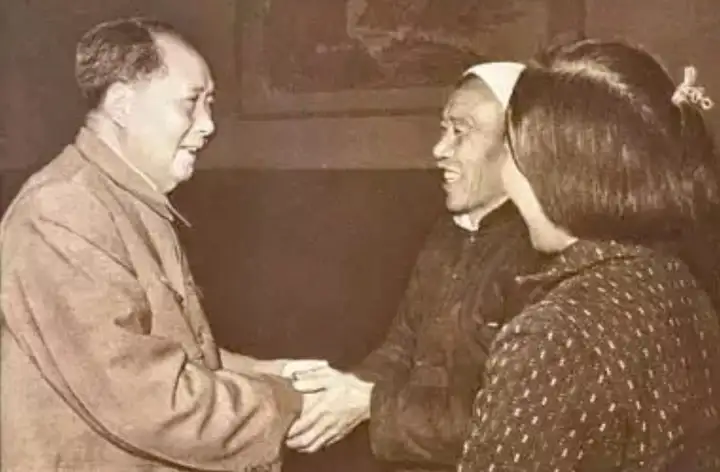
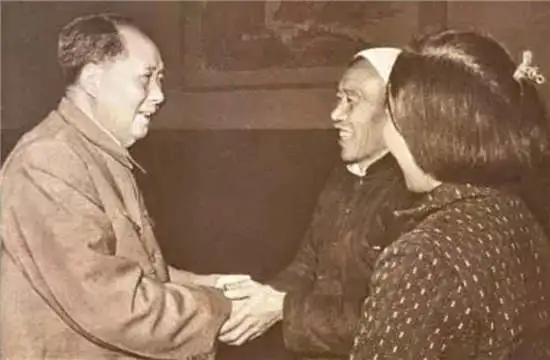
Mao Zedong held his hand tightly and said: "Hello, Yonggui!" After the banquet began, Mao Zedong toasted and said humorously: "Today is not a birthday celebration, but I use my manuscript fee to treat everyone to a meal. There are workers here. , peasants, scientists, and the People’s Liberation Army, not only to eat, but also to talk!”
During the dinner, Mao Zedong saw that his grandfather seldom moved his chopsticks, so he said enthusiastically: "Yonggui, eat vegetables, eat vegetables!" He took a chopstick for him and greeted him: "This dish is good, eat this... Yonggui Comrade, you are welcome!" Mao Zedong knew that his grandfather was 50 years old, so he said humorously: "Oh, I know my destiny at fifty! It would be great to build a big village." After the banquet, my grandfather was immersed in happiness and excitement, and blurted out Recite a poem: "It is easy to go down the mountain and difficult to go up the mountain, but the view of the mountain is wider when you go up the mountain. Don't say that no one goes to this mountain, and there are even more peaks ahead."
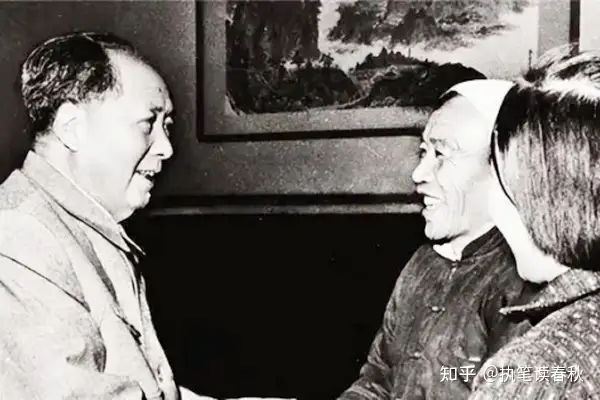
The next day, all major newspapers in the capital published photos of Mao Zedong and Chen Yonggui shaking hands cordially.
On May 1st Labor Day in 1967, Mao Zedong inspected the Red Guards in Tiananmen Square, and grandpa was invited to Mao Zedong's side. Mao Zedong took his hand and greeted him: "Hello, Yonggui! Hello, Yonggui!" At that time, this greeting became the highest instruction of the leader. The major newspapers posted "Hello Yonggui! Hello Yonggui!" Some newspapers printed it in red on their eyebrows.
"You have to be prepared"
Premier Zhou said: "You have to be prepared to be the vice premier of the State Council..."
As people's voices became louder and louder, Grandpa's official positions became more and more high, from Dazhai party branch secretary to Xiyang county party secretary, Jinzhong prefectural party secretary, and Shanxi provincial party secretary equal rank. When Grandpa came to power in Xiyang, he did two things that others would not dare to do: one was to rehabilitate cadres and the other was to forgive food debts for the masses. He has established a high authority in Xiyang, with him in charge, no one dares to mess around. In other places, civil attack and military defense are fierce, but Xiyang's production and construction are blooming everywhere. He has been in charge of Xiyang for 12 years and in charge of Dazhai for 21 years. He has done many practical things for the people in a down-to-earth manner.
In January 1975, my grandfather went to Beijing to attend the First Session of the Fourth National People's Congress. Zhou Enlai returned to the hospital after delivering the "Government Work Report" at the meeting and told him to go there immediately. As soon as Zhou Enlai saw his grandfather, he said, "This time I am looking for you to arrange for the National People's Congress. You have to be prepared. How about being the vice premier of the State Council and promoting the spirit of Dazhai to the whole country?" Grandpa was taken aback when he heard this. , hurriedly said: "Prime Minister, my education level is not good enough, I really can't be the deputy prime minister!"
Zhou Enlai said seriously: "Look at you Yonggui, are you a party member? If you are a party member, you have to accept the party's arrangements." Zhou Enlai also explained many truths to him: From ancient times to the present, from foreign countries to China, talents do not fall from the sky come down, but emerge from the masses. At this meeting, grandpa was elected as the vice premier of the State Council, in charge of national agriculture.
According to the arrangement of the central government, grandpa lives in Building No. 3 of Diaoyutai. With the status of the head of the central government, he is always protected three layers inside and three layers outside when he goes out. He felt that it was difficult to get close to the masses, so he wrote a letter to Mao Zedong, proposing to move out of Diaoyutai and implement the "three-three system" working method, that is, one-third of the time spent in Dazhai and Xiyang, and one-third of the time in the whole country Running, working in the central government for one-third of the time, can give full play to his strengths and provide some grassroots information for the central government.
Mao Zedong gave instructions in the letter: "It is a fine tradition of our party to go down to conduct social investigations. All Politburo members who can go down must go down." The next day, Mao Zedong held him tightly at the Politburo meeting. The hand said: "Yonggui, it's good to move out of the Diaoyutai. There is no fish to catch on the Diaoyutai!"
"Dazhai is my root"
"Dazhai is my root, I must come back"
Grandpa loved Dazhai deeply. On Hutou Mountain, he told everyone: "I will be buried here after I die. You can stand higher and see farther." People said: "You are from the central government. , I will be buried in Babaoshan after death, how can I come back?" But he said: "Dazhai is my root, I must come back."
Grandpa became the vice premier of the State Council. According to the regulations, he can move his rural household registration to Beijing, and he should also get a national salary. But he insisted not to move his registered permanent residence, nor to get paid by the state. He still eats Dazhai's rations, and earns Dazhai's work points, 1.5 yuan a day. The Shanxi provincial party committee considered that he often went to other places for meetings, and his work points alone were not enough to spend, so he was subsidized 100 yuan a month. Later, the State Council decided to subsidize him with 1.2 yuan per day considering that he was the vice premier. He accepted the subsidy from the State Council, but at the same time refunded the 1.5 yuan per day that Dazhai gave him. Since then, his living expenses have been 136 yuan per month.
In September 1980, at the Third Session of the Fifth National People's Congress, Grandpa requested to resign as Vice Premier of the State Council, and the Congress approved his application. After Grandpa left office, the state gave him 200 yuan a month for living expenses in accordance with the standards of a formal employee.
Life in old age is plain and casual
Grandpa's life in his later years was plain, casual and happy. He gets up at 5 o'clock every morning, and first prepares breakfast for his young son and grandson who are studying with his grandmother, carefully puts it in a hot water pot to keep it warm, and eats it after the children wake up. Then walk down the stairs from the 12th floor, walk through the tree-lined path of Sanli River, and take a walk by the river near Diaoyutai. Seeing other people practicing Tai Chi, he also gestured a few times. He felt that it was not easy to fight, so he raised his hands, spread his legs, and assumed a posture of digging the ground. He created a set of moves and named it "Crop Boxing".
In January 1985, my grandfather suddenly felt headache and fatigue, so my father accompanied him to Beijing Hospital. After the examination, the doctor quietly told my father: "He is suffering from lung cancer, which is already at an advanced stage."
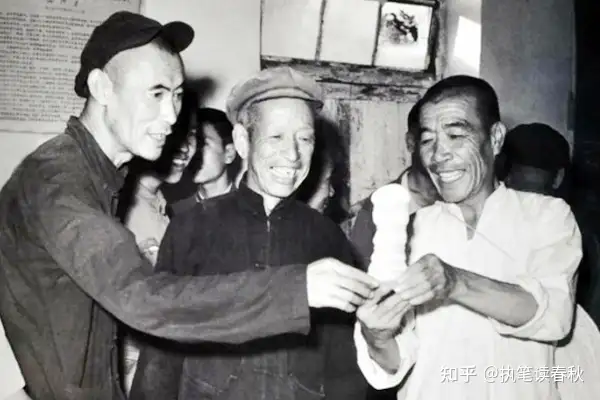
After learning of his condition, he felt very calm. The General Office of the Central Committee specially brought Guo Fenglian, Liang Bianliang, Jia Chengrang, Jia Laiheng, Zhao Cuntang and other old and new cadres from Dazhai to Beijing to meet him for the last time. Grandpa looked at his former partners and struggled to pick up the oranges on the table for everyone to eat. He enjoined: "I did not do it for the individual, and I did not do it for the children. I did it wholeheartedly for the country and the collective..."
From: "My Grandpa Chen Yonggui", by Chen Chunmei
陈永贵:大官里的穷人
主席在晚年,有意提拔、培养了许许多多的工农兵出身的干部,让他们进入了重要领导行列,其中农民出身的陈永贵最为让人熟知。
毛主席曾说过“永贵好”,这个三个字一时传遍全国。
1953年2月,大寨成立了以陈永贵互助组为基础的初级农业生产合作社,陈永贵带领村民,三战狼窝掌,不断改革劳动管理办法,试验科学种田新方法,粮食获得大丰收。毛主席号召农业学大寨,陈永贵成为了一面旗帜。
毛主席说不可轻视“大老粗”,陈永贵有实践经验,有知识,他才是真有辩证法,而我们的大学里读的那些书,越读越蠢。我们的一些干部脱离群众,就很蠢,就没有陈永贵这样的水平。
1967年五一劳动节,毛主席登上了天安门,陈永贵被请到毛主席身边;1969年的九大和1973年的十大,毛主席又亲自提名了陈永贵;1975年,他又成为副.z.理。
陈永贵的职务也越来越高,但他坚持不迁户口,不拿国家工资,他的收入来源依然是靠大寨的工分,一个工分是1元5角。每年秋后大寨分粮食,要专门拿出陈永贵的那份口粮送到公社粮店换成全国粮票,给北京的陈永贵捎去。
陈永贵一直保持劳动人民本色,不脱离生产,也不要任何补助,不坐小汽车。
陈永贵按照毛主席的要求,三分之一的时间回大寨劳动,三分之一的时间在全国跑面;剩下的时间在北京办公。在陈永贵的带领下,大寨人民大搞农田基本建设,上交国家的粮食每年都有增加,还建起了医院、幼儿园和学校。
陈永贵住宾馆时,每天很早起床,自己叠被、扫地、洗衣,警卫员抢着帮他做,他生气地说“我又不是没长手!”他到拉萨视察,不去布达拉宫,他说:“庄稼地是最有看头的东西。红旗招展、人欢马叫的农田建设场面,才是最美的!”
他的烟瘾很大,在大寨抽自种的旱烟,进了京改抽香烟,但都是3毛左右一盒的劣质烟。
这就是陈永贵——国务院里的穷人。
在外事活动中,外宾有时也送给陈永贵一些计算器之类的礼物,他一律上交,两袖清风。
1975年,陈永贵搬出钓鱼台,按规定应该给他配一名服务员。陈永贵拒绝说:“来一个年轻姑娘挺不方便的,算啦。”有关部门说可以派个岁数大的,陈永贵又说:“岁数那么大还侍候我,多不合适。”
陈永贵在京当大官,但家人没跟上享福,严于律己的他叫老婆带着孩子在大寨挣工分,连城市户口也不给她们转。山西地方上的领导曾经背着陈永贵给,把他家属的进京手续都办全了,陈永贵获悉后拍桌子吼道:“谁办的!我不同意!谁敢!”
毛主席逝世后,陈永贵继续坚持按照毛主席的思想办事,与许多人产生了矛盾。
1980年,陈永贵请求辞去职务,之后在北京东郊农场担任顾问,继续发挥余热。1980年11月23日,组织以83号文件批转山西省委《关于农业学大寨运动中经验教训的检查报告》并加批语,认为大寨从农业战线的先进典型变成了执行“左”倾路线的典型,认为把先进典型的经验模式化、绝对化、永恒化的做法,是错误的、有害的。
1985年8月12日,陈永贵住进北京医院。他得知自己得的是肺癌,便不再吃药。因为他觉得,那是在给国家浪费钱。
陈永贵开始料理自己的后事,他本来想将8000多元存款全部交党费,这里面还包括土改时候他家的房子作价给集体的3000多元。但他的妻子不同意,说小儿子还有几个月就要上大学,陈永贵这才修改了遗嘱,为儿子留了一部分学费。
陈永贵的事迹让我们感慨万千,为什么毛时代会有这样的领导呢?陈永贵说:“我这一辈子能够和毛主席连在一起,也算是不枉活了一场了。今后,再也不会有毛主席那样伟大的领袖,会把一个农民捧到那样高的地位的人了。”
1986年3月26日,陈永贵病逝,享年72岁,他的骨灰送回了大寨安葬。
今天看来,陈永贵无非是按毛主席的教导,用革命精神的力量和社会主义的手段去解决生产问题,才取得了那样巨大的成就。
那么,我们要不要继续学习陈永贵呢?
1964年,大寨买了一头又肥又壮的耕牛,可是没多久就摔了一跤,把牛骨头摔断了,没法耕田了。
陈永贵把牛牵到了县里的食品部门打算卖掉,刚到市场就被人围住了,纷纷开出高价,最高的出到了80元。食品部门的人过来了,开价27元。陈永贵说:“你赶走吧。”
现场的人顿时炸了锅,给80不卖,给27卖了,傻瓜、神经……
陈永贵最后才解释说:“不是我神经,也不是我傻瓜,那牛已经把脊梁骨摔坏啦,不能劳动啦。你买回去了不能劳动,群众还不埋怨你?还会埋怨我们,说大寨生产队骗了兄弟生产队。这不是大寨人做的事。”
其二:
大集体时期,几乎每个村都发生过干部与家畜、家禽的斗争,庄稼是集体的,畜禽是社员自家的,总有一些社员有意或无意地把自家的畜禽放出去,祸祸集体的庄稼,大寨也存在这样的现象。
有一天,陈永贵在大寨宣布了一条规定:各家一律把家里的猪关好,从明天起,只要在庄稼地里逮住了猪,不管是谁家的,一律罚玉茭(玉米)一斗。
第二天,陈永贵就叫他妻子把猪放出去,他妻子死活不愿意,陈永贵急了,“叫你放你就放!”
交代完之后,陈永贵就召集大队干部一起检查新规定的执行情况,还没转到一半就抓到了陈永贵家的猪。一位干部打圆场:“老陈,好像是你家的猪⋯⋯就算了吧?”
陈永贵没有回话,直奔大队的库房提上了斗,对其他干部说:“走,到我家装玉茭去。”
从此,大寨就没有私放猪、鸡出门的现象了。
其三:
陈永贵为人耿直、脾气有点暴躁,在家里也经常发脾气,但他从来没有打过自己的妻子和孩子,在家里也不搞大男子主义。
后来,他被调到北京工作,发现北京的家庭做饭时,都是两口子互相帮忙。
回到大寨后,陈永贵在社员大会上连笑带骂地训大寨的男人:“妇女早上给你做了饭,叠了被,刷了碗,你就端了碗吃了下地?人家也下地么,你他妈的就什么也不管?老婆做饭你就不会剥颗葱?你男人就一点家务不做?做饭、洗衣裳,都是妇女的事?男女平等哩!”
“男人以后都帮妇女做饭!不行,你吃完饭就炕上躺着去了?不行!从明天开始,男人回家帮老婆做饭!不做饭不给记工分!你吃完了躺炕上,妇女还给你刷碗,晚上还让你××?凭什么你坐炕上老婆就该给你端过来吃?侍候你男人?什么叫男女同工同酬?就是这!”
自此,大寨的男人们一改千年来的“传统”,居然开始干家务了,而且风气至今尚存,在当地独树一帜。
其四:
陈永贵被调到北京工作,按规定可以带家属来,但他不干,反而叫妻子带着孩子在大寨挣工分,连城市户口都不给他们转。
山西有关部门背着陈永贵给他的家属转了户口,还想把他们送到北京,手续办完了,才跟陈永贵打招呼。陈永贵拍桌大吼道:“谁办的!我不同意,谁敢!”结果又退了回去。
不仅家属要靠在大寨参加集体劳动挣工分吃饭,陈永贵自己也只是挣工分,把大寨粮票换成全国粮票,带到北京用。
陈永贵搬到交道口以后,昔阳的干部、各地的劳模经常来拜访,少不了要请客吃饭。国务院规定可以申请报客饭补助,身边的工作人员没跟陈永贵打招呼就去申请了,而且立刻被批了下来。陈永贵瞪着眼说:“我的客人让国家报?退掉!”于是又退掉了。
其五:
据陈永贵晚年回忆,有一次,他从大寨到北京,给江青捎了一点自家的土特产,江青坚决要付钱,还对陈永贵说:“老陈,我们都是共产党员,都是毛主席培养的党的干部,我们要自觉地接受和服从党的纪律,抵制资产阶级法权的侵袭,我们不要搞那套请客送礼的资产阶级作风。但是,买卖公平还是许可的。钱,我一定要付,你送的东西我也要收。我们之间的交往,完全是党的原则范围内进行的。”
这让陈永贵颇受震撼。
有一次陈永贵到贵州考察,回京后发现多了两箱茅台酒,便问工作人员,才知道是贵州的领导背着他硬塞进行李中的。陈永贵很不高兴,命令工作人员把钱寄去。
又有一次,陈永贵在北京的住所吃饭时发现有鸡,而自己并未吩咐去买鸡,便向工作人员询问鸡的来历,得知是家乡人送来的,他千叮咛万嘱咐把钱寄去。
他每月只有100多元的生活补贴费,往这儿也寄钱,往哪儿也寄钱,实在难倒了身边的工作人员,这才导致陈永贵不仅平时伙食很简朴,开会时连茶叶都喝不起……
其六:
陈永贵经常说,“我是在毛泽东思想哺育下成长起来的”,这并不是一句场面话。
陈永贵出身贫苦,六岁的时候,母亲和弟弟被父亲卖到了隔壁县,后来他父亲也因为走投无路上吊自杀了。他是在毛主席领导贫苦的劳动人民推翻三座大山后才翻身得解放的。
所以,陈永贵打心眼里热爱毛主席,一心一意听毛主席的话。毛主席号召农村搞合作社,陈永贵1952年就率先带领大寨部分农民建立了合作社,当年就取得了丰收。
1964年,毛主席对农村社会主义教育运动的状况很不满意,很多农村干部不参加劳动,反而拿高工分,从而和社员的收入出现较大差别。时任山西省委书记陶鲁笳向毛主席汇报说,大寨的干部在陈永贵带领下,坚持政治挂帅,始终坚持在生产第一线参加劳动,管理上也有一套办法,有制度,不繁琐,干部工分与社员工分有差别但不悬殊,防止了高工分现象。
在详细了解了陈永贵和大寨的事迹之后,毛主席夸赞说,“陈永贵有实践经验,有知识,他才是真有辩证法,而我们的大学里读的那些书,越读越蠢。我们的一些干部脱离群众,就很蠢,就没有陈永贵这样的水平。”
陈永贵从小没有上过学,本来不识字,但他十分刻苦,繁重劳动之后,坚持自学,很快能够看报纸,还能借助字典读《毛泽东选集》。
陈永贵文化程度不高,但讲话却思维清晰、很有逻辑、有条有理,且充满了辩证法。赵树理在听过陈永贵的报告后赞不绝口,讲话水平高,有辩证法。虽然陈永贵讲话时不会引用毛主席的著作,举的例子也都是农民的身边事,但处处都体现着毛泽东思想。
其七:
1977年,在没有毛主席的日子里,各地的一些不正之风开始抬头。对此,陈永贵感到十分忧心。
6月,陈永贵前往山东东平县,视察这里组织的万人万亩大会战。期间,东平县领导邀请陈永贵到距离不远的泰山上去看看,游览游览。但陈永贵却没有心思,说:“以后退休了再去吧!还是多看几个工程。”
不久后,陈永贵又到了杭州,当地领导劝他游西湖,他也说以后再看吧,结果一生也没游过西湖。同样,他路过黄山没上黄山,到了拉萨没进布达拉宫……
对陈永贵来说,庄稼和土地是最有看头的东西,红旗招展人欢马叫的人民公社农业大会战,才是最美的景象。
回到北京后,陈永贵提出了自己的疑惑,却被嘲讽“还像三岁孩童一般幼稚……”
很快,陈永贵就被退休。他拒绝了政府给他的养老金,而是自己种庄稼,让他的孩子回到自己的老家,让他们过着正常的生活,不允许他们利用自己的名声来赚钱。
1986年3月26日晚,陈永贵在北京逝世,享年72岁。临终前,他流着泪说道:“我这一辈子能够和毛主席连在一起,也算是不枉活了一场了。人是注定要死的,我没有给毛主席丢脸……今后,再也不会有毛主席那样伟大的领袖,会把一个农民捧到那样高的地位的人了。”
陈永贵去世后,到八宝山给他送别的,只有一个高级别的人——华老。在那个冷冷清清的灵堂前,华对着陈永贵的灵位深深三鞠躬,之后更是绕着遗体走了一圈,泪如雨下。
那么,他们之间到底发生了什么?陈永贵在大寨的葬礼为什么又人山人海呢?
首先,陈永贵和华都是山西人,一个在昔阳县,一个在交城县,可以说是老乡。
其次,他们都来自基层,都有着丰富的地方工作经验。
陈永贵出身于贫困的农民家庭,在抗日战争中为八路军提供情报。新中国成立后,陈永贵是大寨党支部书记,他身先士卒,带领合作起来的农民,在土石山上开沟造地,蓄水保粮,三战狼窝掌。1952年,大寨粮食亩产237斤;十年后,达到了774斤,比原来翻了3倍。毛主席高兴地写下:工业学大庆,农业学大寨。
华出生于一个小商贩家庭,他从参加当地的抗日救国先锋队开始,一步步担任了交城县、吕梁区、湘潭县、湘潭地委和湖南省委等领导,他着力开展农业合作化运动,大搞农田水利基本建设,支持袁隆平研究杂交水稻、基本消灭了湖南血吸虫病、推广农村赤脚医生……1955年,当毛主席看到华写的《在合作化运动中必须坚决依靠贫农》的文章后,紧紧握住他的手说:“你真的是我的父母官啊!”
再次,华和陈永贵都是在70年代被毛主席提拔到北京的,而且他们都对农业比较熟悉,交集自然也比较多,两人彼此都十分尊敬,配合也十分默契,因此结下了友谊。
最后,两人当大官后,都不忘初心,牢记毛主席的教导,清正廉洁。
陈永贵无论开什么会,都穿老农民的对襟衣服,包白头巾,他不计较什么级别,连职务工资都不要,只领大寨的工分。他不坐小车,不要服务员,每天粗茶淡饭……于是,年轻人亲切称他为“永贵大叔”。
华也十分节俭。据陈永贵的妻子回忆:华就任代zl后,也没有雇人来家中洗衣做饭,他每件事都是亲力亲为,甚至洗碗,也不愿意让妻子帮忙。
他们还都喜欢下去搞调查研究:陈永贵的规矩是:三分之一全国走访调查,三分之一回到大寨务农,三分之一留在北京办公。1971年,华在短短一个月,跑了全国六省17个县18个公社19个大队。他因旅途操劳,患上急性阑炎住进了医院。但身体刚好转,他又踏上了走访调查的旅途。
可是,毛主席逝世后,两人产生了分歧。
比如,在讨论是取消自留地还是保留自留地的问题上,陈永贵深切体会到组织起来的农民才能抵御自然灾害,才能大兴农田水利建设,认为维护好农村的人民公社,就是执行毛主席的思想。
可是,华没有听他的意见。后来,舆论上掀起一股批评大寨的潮流:他们说大寨的成就是假的,学大寨是“胡乱吹”。陈永贵精神上承受了巨大的压力。
1980年,陈永贵觉得无法继续忠于职守,不应该继续留在这么高的职务上,于是便主动请辞。他说:唉!干不了啦!人家不免咱,咱也别等人家免,咱自己写个申请吧!
一年后,华也辞去了重要职务。
同时离开政.治中心的他们,交集更少了。陈永贵去北京东郊农场担任顾问。华则深居简出,除了在9月9日和12月26日,在子女陪同下去纪念毛主席外,平日里的极少出门,十分低调!
可当华听说陈永贵患上了癌症后,便主动去医院探望。两人在一起相谈甚欢,似乎从未有过任何分歧。
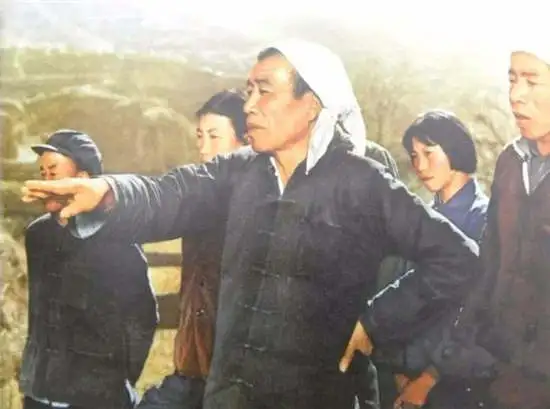
1986年3月26日,陈永贵病逝,他之前曾多次叮嘱家人不要为自己办葬礼,也不邀请别人过来吊唁,简简单单的把骨灰送回大寨就行。
因此,陈永贵葬礼时,八宝山殡仪馆门外冷冷清清,让人误以为把时间、地点看错了。可华得知消息后,专门乘车赶了过来,他一言不发地走进告别室,在陈永贵的遗体前三鞠躬,呆呆望着陈永贵的遗体,流下泪来。接着,华流着泪慢慢地绕着陈永贵走了一圈,又一言不发地与陈永贵的亲属一一握手,然后上车离去。
华没有说一句话,但他的眼泪是瞒不人的,也许他想到了毛主席在世时对他的嘱托,也许他想到了和陈永贵一起奋斗的日日夜夜,也许他还想到了陈永贵给他的那些建议和忠告……
据当事人记载,陈永贵的追悼会上,有群众为华的到来鼓掌。
但,不同于北京的冷清,当亲属们抱着陈永贵的骨灰盒回大寨,灵车开到河北与山西交界的娘子关时,只见昔阳县的领导已在此迎候。当灵车行至平定与昔阳的交界处,迎面又有一排人跪在路上。大寨的梁便良、郭凤莲等人在此迎灵。下午4点,当灵车终于开到大寨时,这里早已人山人海,四面八方的老百姓把大寨围了个水泄不通。陈永贵的儿子陈明珠,捧着骨灰盒从车上下来,许多人一见就放声大哭,更多的人向陈明珠拥过去,都想摸一下骨灰盒。
震耳欲聋的鞭炮炸响了,昔阳艺术学校的乐队奏起了山西民间乐曲。
按照陈永贵的遗愿,他的骨灰撒在了大寨的土地上。大寨人在虎头山顶为他立了一座碑,上书:“功盖虎头,绩铺大地”!
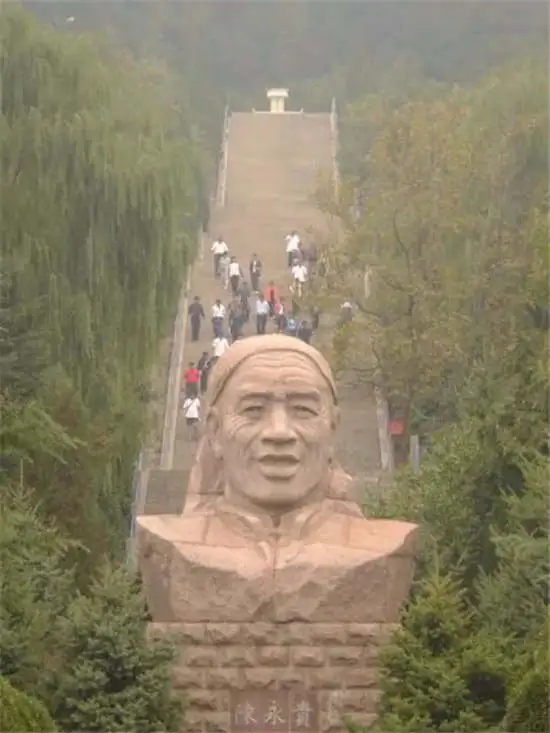
后来,大寨的第一个女党员宋立英说:咱大寨是干出来的!过去,报纸每天说大寨好,什么都好;那阵子,又说大寨这问题那问题,什么都是问题。其实,过去的大寨没你们说的那么好,现在的大寨也没你们说的那么坏。
小兵觉得,这是大实话!
陈永贵的孙女陈春梅在《我的爷爷陈永贵》一书中说:他外表是农民,干的是农活,但在灵魂深处他是个思想者。
小兵想起了当年毛主席说过的类似的话:不可轻视“大老粗”,陈永贵有实践经验,有知识,他才是真有辩证法,而我们的大学里读的那些书,越读越蠢。
陈永贵到底有没有水平,小兵相信历史已经给出了答案,人民是会给陈永贵说句公道话的。
陈永贵之所以这样深得民心,是因为他能过好社会主义这一关,成为一个革命派,能始终站在毛主席正确路线一边,永不投降,能始终不忘自己是个农民,没有腐化变质。
这样的好干部,我们自然要多多宣传。
谨以此文纪念陈永贵同志逝世
陈永贵曾是上世纪六十年代“大寨村”的支部书记,他出生于贫穷山区,当上大寨村里的负责人后,他运用科学的方法和实干的精神让这个村子成功地脱贫,并成为全国学习的榜样。
一九七五年,在毛主席、周总理的亲自过问下,在全国范围内掀起了一场“农业学大寨”的运动。陈永贵也因此从太行山区的“虎头山”走进了中南海, 当上了国务院副总理。
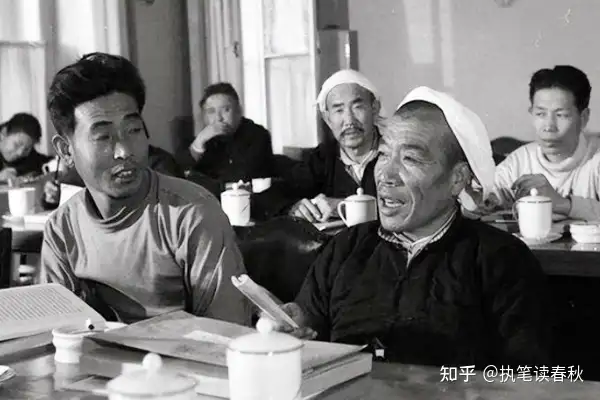
但是没过几年,全国农村又开始推行“联产承包制”,“农业学大寨”一时成为了过去。后来,陈永贵也辞去了国务院副总理一职。
一九八六年三月,七十一岁的陈永贵去世。陈永贵去世之前享受的是国务院副总理的退休待遇,所以到底应该按照什么样的“规格”为他举办追悼会就成了问题。
这个时候,邓小平站出来了,他主张仍按国务院副总理的待遇为陈永贵举办追悼会,并亲自审订发布了一条关于他去世的讣告,讣告中说:
陈永贵同志曾经是全国著名的劳动模范……解放初期,他坚决听党的话,带头组织合作社,为改变山区的贫穷面貌贡献了自己毕生的力量。他这种敢于战天斗地的精神,曾经受到党中央毛主席和周总理的高度赞扬和表彰。
那么,陈永贵是怎么从一个没上过学的农民,成为国务院副总理的,邓小平又为什么要力排众议,坚持按国务院副总理的待遇为陈永贵举办追悼会呢?
一、带领大寨实现粮食产量翻倍
一九一四年,陈永贵出生在山西昔阳一个贫农家庭。从他的履历来看,自打出生之日起,他就一直呆在太行山区务农,直到一九四八年34岁的时候才加入中国共产党。
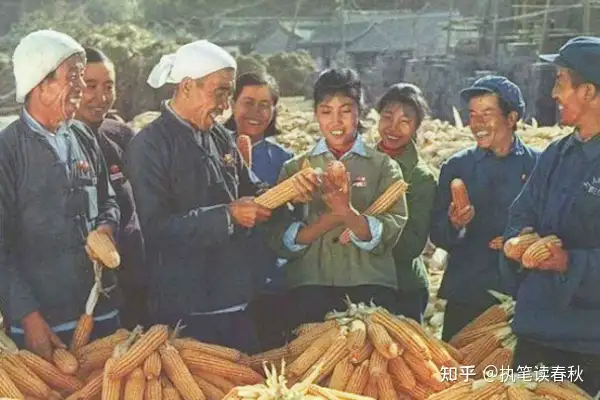
一九四九年,新中国成立以后,陈永贵就当上了当地大寨村的党支部书记。大寨村地处太行山区,农田大部分位于山脊之上。因为山上石头多,土地不平整,种粮后浇灌非常成问题。
往往是一瓢水肥淋下去,马上就朝着山坡两侧的低处流开了。因此当地一直流传着一个顺口溜:“地里上粪地边流,冲走水肥露石头。”
陈永贵不识几个字,但是头脑聪明,口才也很好。自从当上大寨村党支部书记后,他就经常找专家请教农业知识,最终凭借智慧与勤劳开发出了“平行梯田”,让粮食产量实现了翻倍。
上世纪六十年代中期,毛主席南下考察的时候听说了陈永贵的事迹,回到中南海以后就把这件事告诉了周总理。周总理当即安排了一个调查小组进驻大寨村,进行实地考察。
后来考察组作出了一个报告,对大寨的“海绵田”进行了高度赞扬,毛主席当时就有意让全国都向“大寨”学习。
周总理为此三上“虎头山”考察,郭沫若当时还说希望百年以后,以大寨的“虎头山”作为自己的归宿。
二、农民副总理陈永贵
一九七五年,中央决定在全国范围内掀起“学大寨”的高潮。当时邓小平说:“陈永贵是一个有头脑的农民。”随后,陈永贵担任国务院副总理。
当时有一些人对陈永贵不以为然,因为他和别的国家领导人不一样,别人都是经过了几十年枪林弹雨的生涯,最后才走进了新中国的核心领导层,但是他却一天仗也没有打过。
只有毛主席、周总理、和邓小平觉得这一切没有什么不妥,那么为什么这三位领导会支持陈永贵呢?
中国几千年以来一直靠农业立国,很多生活在城市里的年轻人,学习过书本上的知识,但是对农活完全不熟悉,他们虽不能说“四肢不勤奋”,但是最起码也有一点“五谷不分”的嫌疑。
因此五十年代至七十年间,毛主席一直在号召城市知识青年“上山下乡”。与此同时,他又把一些富有“农业生产经验的专家”,请到了政府部门工作,陈永贵就是其中之一。
邓小平也是一样,我们都知道,他有一个非常著名的理论就是——“不管白猫黑猫,捉住老鼠就是好猫”。
所以尽管有人攻击陈永贵,认为他的资历与学历皆不足以担任国务院副总理一职,但是邓小平依旧坚定地支持他上任。
在全国范围内开展“农业学大寨”的时候,江青还想把事情搅黄。她弄了一个“小靳庄”出来当典型,想让全国的农民都去学习。
江青之所以要把这个“小靳庄”搞成典型,原来是因为这个庄的人“全都会唱样板戏,还能编革命的顺口溜”,邓小平觉得这简直是“胡闹”。
于是在一九七五年九月,第三届全运会彩排的时候,邓小平就把关于“小靳庄”的表演节目刷下来了。
国家体委的人去询问,邓小平就说:“毛主席提倡的是农业学大寨,现在是学‘小’不学‘大’。小靳庄有什么好?它是用国家的钱喂肥的!”
邓小平曾在一次会议上谦虚地表示,自己对于农业基本上是一个外行,这方面只有依仗华国锋和陈永贵。他所做的这一切,自然是为了提高国家的粮食产量,让老百姓们都吃饱饭。
八十年代以前,中国的粮食产量都比较低,再往前一点的时间,产量更低,直到一九六三年经济情况才稍有好转。
既然过去的方法行不通,那就只能寻找新的方法。就在这个时候,毛主席、周总理发现了大寨,发现了陈永贵。
在农业科学技术没有取得重大突破时,在袁隆平的杂交水稻还没有得到普及时,想要提高粮食产量,只能充分发挥中国农民勤劳、智慧的天性,用顽强的意志力去战胜大自然。
所以“农业学大寨”,就是呼吁全国数以亿计的农民们,学习大寨“战天斗地”的精神。邓小平支持陈永贵的“大寨精神”,后来陈永贵感激在心,冒着生命危险,挺身而出为他说公道话。
一九七六年毛主席与世长辞以后,邓小平继续支持“农业学大寨”。不过后来国内的形势出现了新的变化,在一些农村渐渐兴起了联产承包制度。
因为这种转变,人民公社失去了存在的意义,就解体了。没有了公社,“学大寨”自然也就无从谈起了。当初陈永贵担任国务院副总理,就是因为要在全国扩广大寨的经验。
但是公社解体后,陈永贵就发挥不了什么作用了。再加上资历等问题,他身边的闲言闲语就越来越多了。发展到最后,一些人公开对他进行诬蔑与攻击。
一九八〇年,陈永贵主动辞去了国务院副总理一职。当时邓小平与他长谈了很久,最终同意他辞职,但是仍旧安排他住在北京交道口的大房子里面。
可是陈永贵坚决不同意继续享受副总理待遇,最后搬去了复兴门外的部长楼,家具也只带了一张床、一台旧电视机和文件箱等日常用品。
经历此番大起大落,陈永贵并没有一蹶不振。三年后,年近古稀的他主动写信给邓小平,希望能用自己的专长继续为国家出力,这一次国家把他安排到北京郊区的农场去当顾问。
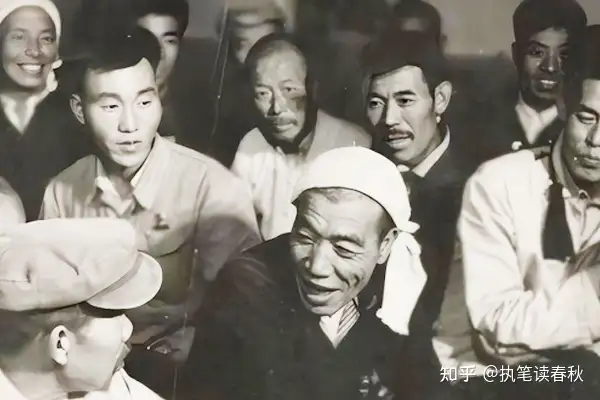
陈永贵在那里做了大量的工作,还不时给邓小平写信提意见,后者都一一采纳了。然而不幸的是,一九八五年陈永贵患上重病,第二年三月去世了。
结语
一九八〇年,郭凤莲曾经找到邓小平为陈永贵打抱不平。她告诉邓小平,当时国内有一些人因为“大寨”的问题不断攻击、诬蔑陈永贵,邓小平告诉她:
有时候时代潮流来了是不可抗拒的。周总理去过三次大寨,我也去过两次。大寨是干出来的!我在全国农业学大寨会议上表扬过大寨,学大寨没有错……要把大寨本身和学大寨分开,学大寨学的是大寨的精神。
毛主席、周总理、邓小平三位领导人当年都看好大寨,是因为当时没有比大寨更加能提振人心,提高农业生产的办法了。
随着时代的变迁,人们后来找到了更好的办法,大寨的形式就行不通了,但是这并不表明提倡学习“大寨精神”就是错误的。
是历史的潮流把陈永贵推到了政治的前台,最后情况出现了变化,却并不能因此否定陈永贵与“大寨精神”仍有值得学习的一面。
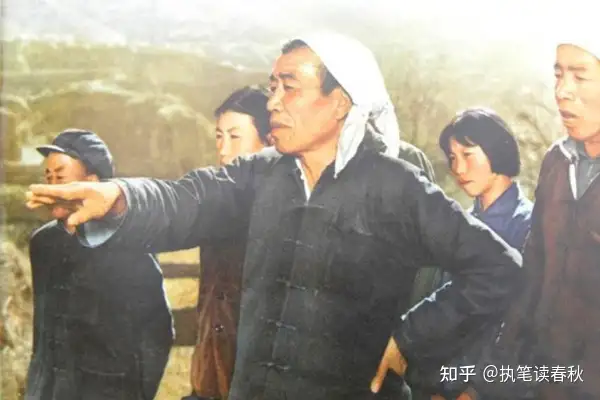
面对外界的质疑与指责,陈永贵选择主动辞去国务院副总理的职务,但是他却并未因此放弃自己的理想与追求。
到了68岁时,陈永贵仍然想着依靠自己的知识与经验为国家办实事,并没有辜负毛主席、周总理当年对他的赏识。
所以邓小平坚持按照应有的待遇,为陈永贵举行追悼会是完全正确的,“大寨”也许存在一定的争议,但是陈永贵作为一个劳动模范,身上仍旧有一些品质在闪闪发光!
链接:https://www.zhihu.com/question/31657923/answer/2750138118
来源:知乎
著作权归作者所有。商业转载请联系作者获得授权,非商业转载请注明出处。
1970年9月23日,陈永贵在省办的一个学习班毕业大会上作报告时,作为大寨的灵魂人物,曾回应过外界对大寨的质疑,还披露了一些大寨早年的往事。同时,他也表达了自己对学大寨运动的看法。
你可以看看他的说法,和你对那个时代的印象,是不是符合呢?
这是报告的一部分,来自中华书局2015年出版的《山西省志•陈永贵志》的第五编第三章,第703-713页。
学大寨这方面,同志们要注意一下,不要光在表面上。……
特别是大寨没有自留地,又是大队核算。有些同志回去学了,就收自留地,收人家生产队的猪,把人家房前屋后的树也收归大队了。
确实是没有了。比如自留树的问题,1963年遭灾后,哪还有什么自留树,自留地,连房屋也倒塌了……
为什么不要自留地?不是干部下命令,让社员把自留地交回来,是干部分头下去动员种自留地,社员也不种了。
……
大寨的富并不是把社员的自留地全收回来富了的。是集体富了,集体地分的粮食多,收入也增加了,粮食也增加了,思想也提高了,大家才不要了。我们为了自留地还做了一阵思想工作,动员大家种自留地,这是政策。社员还批评干部不对,一亩集体地能分八九百斤粮食,种一亩自留地才分二三百斤,我还种自留地干嘛呢?
如果说粮食还上不去,社员吃粮也不满足,大家那点自留地添不了斤也能添个两……把个人那点自留地拿回来,就能增产了吗?就能肥了集体?把自留树拿回来,你就能绿化了?完全不是。我们的生产还没上来,群众还没觉悟,什么要求你都不能满足,你怎么能把自留地取消了呢?
……再一个就是建设新农村。你具备这个条件了吗?粮食还没有过关,你就抓新农村。新农村又不会给你产出粮食来,社员的生活你都维持不了,你怎么能修新农村。
也有的地方看了大寨,回去就拆旧房,盖新房。又带来群众不满。大寨没有拆过一间旧房,旧的都被洪水冲走了,不修不是没有房住了吗?如果搞新农村能拿来粮食,我们早就搞了,还用等1963年洪水以后搞。……
咱就说一下高指标,千斤县,万斤社,卫星队,损失还小?对广大群众积极性挫伤得还小?这样下去阶级敌人还不幸灾乐祸?比如说,一亩地产下3万斤玉米啦,那一棵玉米得产11斤。我们每个县,社,队都听过,每天大喊大叫,一马当先,万马奔腾。大寨一马没有当了先,万马也没有奔腾。我们粮食为什么没有上去?就是我们没搞浮夸。
1957年我们大搞了一冬天土地基本建设。革命加拼命,1958年我们又大搞了一春。每亩地增产了220多斤,每人平均增产了500多斤,这够跃进了嘛。可是我们去参加先进代表会不上榜。人家有万斤社,还有卫星队。他们做我们的工作,要让我们改成双千斤。改了才能上榜,为了一时的模范,窃取国家的荣誉。……
我们不干那事,发电报说我们多少就是多少,一是一,二是二,上不了榜也不能骗人。就灰溜溜地回来了。后来上不了榜的低产单位去拜访他们,我记得一亩产110万斤的地瓜……有的同志非常热情,我没那种热情,坐一边考虑:你们为什么有这么大的胆量,能说这些话,你们将来咋办呀?在会上我也不指名地批判,有些人尾巴翘到天上去了。大家知道郭振山,给我做思想工作,永贵呀你不要有情绪,人家成绩大,你成绩小,同志还是好好干吧。我说他们是成绩大还是浮夸大?他说你可不敢说这话……为什么那些旧县委,旧地委,旧省委,一运动就老想把我置于死地呢?就是我爱提意见。……
到第二年四月份,晋中地委四个人来大寨了。他们说高产单位全都露馅了,你们这坡地打540斤,少了多少?我说我们比540斤不但没少,还多了五六斤。社员口粮分到家里了,储备粮入了库了,征购粮在那里放着哩。
这下给他们惹恨了,到处说什么陈永贵了不起,大寨尾巴翘到天上了,老虎屁股摸不得,甚至还说我们反党。给他们提提意见就是反党。告,告吧!革命嘛,哪能不叫人家告,愿意告尽管告。到了1964年,就借四清之名,行报复之实。
……为了嫌产量高,就丈量土地。全国就大寨是这样搞的。我们的山坡地一亩800斤粮食,他们不信,四化条件具备的平原也没这么高,那就不用了解调查,肯定是黑地。明里802亩,实际还不知几个802亩。
刚开始劲头很足,可是准备多丈出几个802亩,看你往哪里跑,打不倒你算有鬼。丈丈丈50多天,越丈劲头越小。不用说几个802,一个也没丈够,还少了6亩多。
“文化…”一开始,贫下中农要把他们抓回来,给我们把少了的6亩地修回来。白天拉他去扛石头修地,晚上批判,闹了一个多礼拜。社员扛100多斤的石块爬山也没问题,他扛10斤也要摔跤。干了几天社员们说算了,滚蛋吧,死也修不出来,把他们打发走了。你看他们官僚成个啥样了,还有没有点群众观点?
那怎么又少了呢?刚解放时候我们县有过一次丈量土地,后来又来了一个队与队抽丈。抽丈中发生了矛盾,他们量大寨地,几分地也给算一亩,大寨量其他队也是这样。半亩多也敢报一亩,不是估亩是估嘴。越丈火越大,谁也想治谁一下。所以土地原本就多报了,我们修地,把空补起来。
他们不去调查,只说每年那么修整土地,地是不会少的。整修土地当然是越整越多,越整越少谁还整修?他们量土地,群众掉眼泪。数九寒天,零下20多度,冰冻三尺,两手裂的血缝,修出来土地还要犯罪。掉这个眼泪,他们就要量呀,你有什么办法?他们有权呀,咱又没有权。
这计不成再生一计,说大寨土地没多出来,每年卖给国家20多万斤粮食,一户平均三千斤,粮食局可能给他搞鬼。到粮食局拿出1953年统购统销的账目,上下核对。我们的统购一斤一两也不少。
……
有次晋中一个干部到大寨了,这个人1963年到过我们村里了解情况。我们说中央有人也在村里,我们还得先接待他们。他就感到对他又不尊重了。农业部的领导走了,社员们下地了,我们比社员晚去了一个小时,就是为了答复他。
四清时他就来问你们有没有乱记工分,我们说一分也没有。话说得绝对了,没留下余地。故意乱记工分肯定没有,但我们没有想到为工作误了那一小时。一说我们没有,他把笔记本冲我们脸上甩来了,看吧,这下可是抓住了。
我们错了,我们就检查。晚上社员回来说不能检查,我们知道你们那天下午来了没抽烟没休息,猛干了一下午把活赶出来了。而且你为工作晚到一小时,还不能记工分,他一年难道一个小时也不误?他们回一趟家三五天,国家还扣他工资吗?他住医院缺勤几个月,国家还因为生病扣他工资?医药费还全报销。我们也就不检查了,还检查什么呢?
再举一件事。1958年大搞平调,公社修了一个万头猪场,一个猪都没有。大寨大队300多头猪,让我们把猪调过去。我说调过去我们也少了,怎么能调给你,你也没增加社会财富。后来有些地方就调了,不敢不调。
调了猪又开粉坊,收粮食。其他队的粮食都送到了,大寨没送到,打电话批评,人家都送到了,你们还交不来。后来我打电话告诉他,一斤也不给你,完成国家征购以后,任何人无权派粮食。
他就大肆宣扬大寨骄傲得不得了,谁也不敢惹了,咱领导不了大寨,人家还教训咱呢。后来反五风,他又说你们向大寨人学习,大寨人不是顶住了吗?是大寨人用战无不胜的…思想顶住了那些歪风邪气……
这些是说不完举不尽。四清时我们大队贾进才呀,贾承让呀,宋立英呀,……已经准备了自杀,我们县里自杀了大几十个……就是不相信群众,不相信同志,达不到目的,他就要想办法迫害你。……
有些同志去大寨,对大寨的怀疑也不少。去看了大寨庄稼长得也不特殊,秋天又是大丰收。为什么我们的产量多?有些时候我们长得不如兄弟队好,我们就是没拉腿田。拉腿田有两个,一个是低产作物种的多,麻麦谷黍豆什么小杂粮你都需要,需要就种得多。高产作物长得好,吃不住低产作物拉。另一部分一碗水端不平,靠村近地你就关心,投工往近地投,好肥料往近地撒,远地你就不关心。你不关心它,它也不关心你。
那么大寨小杂粮不专种是不是影响社员需要呢?不但没有少了,反而更多了……土层增厚,肥料增多了,这一地多种条件也就具备了。高产作物下面麻麦谷黍豆样样都有。
我们的地区寒,可上的秸秆肥料多,地也就能取暖了,以前冬小麦种上就死了,现在种上也不往死里冻了,产量也高了。
朴素简单老农民
贵为总理平凡人
高风亮节无私念
一代英模起风云
勤俭节约真诚君
坦荡磊落没私心
鞠躬尽瘁大中国
叶落归根虎头魂
后附:人民总理陈永贵孙女所写
我的爷爷陈永贵,从农民到国务院副总理,坚持不拿国家工资
文/陈春梅
上个世纪60年代,陈永贵带领大寨人自力更生、艰苦奋斗,创造了令人惊叹的大寨精神。之后,他从虎头山走进中南海,从一个农民到出任国务院副总理,却坚持在地里劳动,不拿国家工资……他的人生是一个时代的象征。
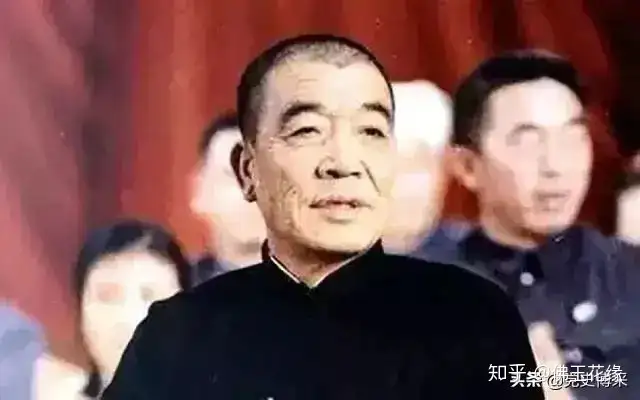
大寨精神
1963年是大寨的“七灾八难”年,特大洪水、两次风灾,一次雹灾,一次霜冻,加上洪灾前的一段干旱,春播时的涝灾,大寨被蹂躏得泥泞不堪,面目全非,惨不忍睹。
但大寨人凭着自力更生的精神,靠着打满补丁的双肩和长满老茧的铁手发展生产,重建家园。陈永贵乐观地给大家鼓气:“山是人开的,房是人盖的,有了人就甚也不怕,一切都会有的!”
大灾之年,大寨粮食亩产704斤,总产量达到了56万斤,不但没要国家一分钱救济,而且还向国家缴了24万斤商品粮。当年年底,实现了“三不要三不少”的目标,社员们永远结束了住土窑的历史,全部搬进石窑新房。爷爷绕着一排排火车厢一样的新居转了好几圈,高兴地说:“过去说楼上楼下,电灯电话,这不就成了吗!”贾根元老汉坐在新窑洞里,看着明晃晃的电灯,听着喇叭说唱,心里乐开了花,对老伴说:“永贵说得对,咱看到社会主义啦!”
他的讲话没有引经据典
赵树理说:“他的讲话没有引经据典,却完全合乎毛泽东思想和辩证法。”
大寨人战胜天灾的事迹引起了上级领导的关注,山西全省掀起了学大寨的高潮。爷爷在省农业劳模大会上介绍了大寨的经验。这一次他不仅向人们介绍了大寨人战天斗地的过程,更向与会人员展示了他绝佳的口才。他的讲话在全省引起了极大的轰动,人们听了情绪激昂,纷纷传诵。
著名作家赵树理听了讲话后马上跑到山西省委第一书记陶鲁笳的办公室说:“陶书记,我今天发现了一个人才!”陶书记问:“是谁?”“陈永贵!他没有一处讲到毛泽东,却处处都是毛泽东思想,没有一处提到哲学,却处处都是辩证法,我佩服得五体投地,人才啊!陈永贵了不起!”
1963年底,时任中南局书记处书记的李一清来到大寨,参观完后非常动情地说:“大寨遭了这么大灾,却不要国家的钱,难能可贵!像大寨人这种干劲,这种战天斗地的毅力,在当代中国少见。陈永贵虽然是个农民,但他身上有一股强大的魅力,他在复杂的环境中表现出了非凡的指挥才能,从他身上我看到了农民之外的东西。”从此,大寨和陈永贵的名字进入了高层的视野。
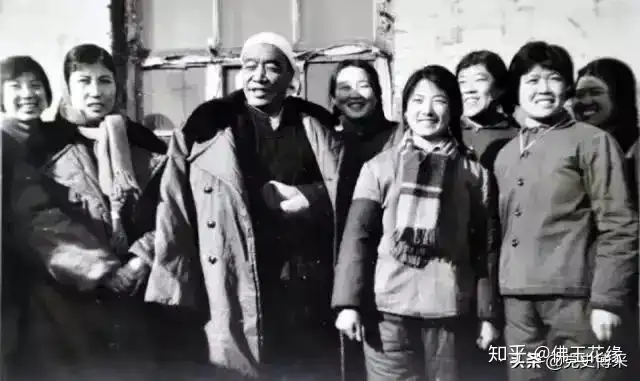
登上人民大会堂讲台
1964年1月19日,应中共北京市委和市人大邀请,爷爷登上了人民大会堂的讲台。一万多名党政军干部盯着他,他却从容不迫,毫不腼腆。他不看讲稿,用那独特的充满太行山乡土气息的话,讲了整整4个小时。他讲合作化,三战狼窝掌,多缴爱国粮,讲抢险抗灾,“三不要、三不少”和白天治坡、晚上治窝……大寨建设史被他讲得活灵活现。人们盯着这位头上裹着白毛巾的大队书记,兴奋地听着他简洁深刻、形象生动的顺口溜和条理分明、逻辑性强、充满哲理的话,不时爆发出热烈的掌声。
1964年2月10日,《人民日报》在头版头条位置刊登了社论《用革命精神建设山区的好榜样》,并配发了由新华社记者采写的题为《大寨之路》的长篇通讯,吹响了全国农业学大寨的号角。
1964年3月,毛泽东南巡。他召集山西省委第一书记陶鲁笳等人到停在邯郸的专列上汇报工作。陶鲁笳把大寨的情况向毛泽东详细作了汇报,他说:“我一直在农村,见过的农民不少,我认为陈永贵是一个杰出的农民。”
毛泽东感兴趣地听着。陶鲁笳汇报了大寨的评工记分制度,又汇报了陈永贵领导群众搞集体生产,年年都有新套套的做法。毛泽东听到这里,饶有兴趣地问:“陈永贵是哪几个字?他识不识字?”陶鲁笳在纸条上写了“陈永贵”三个字,说:“他42岁扫了盲,今年50岁了,现在能读报,还懂得什么叫逻辑。”毛泽东用肯定和赞赏的语气说:“陈永贵识字不多,干的事情不少。”
会见后,毛泽东继续南巡。每到一处,毛泽东就讲大寨自力更生、艰苦奋斗的精神,讲陈永贵带头劳动、不搞特殊、保持艰苦朴素的作风,说农业要过关,没有大寨精神不行呀!
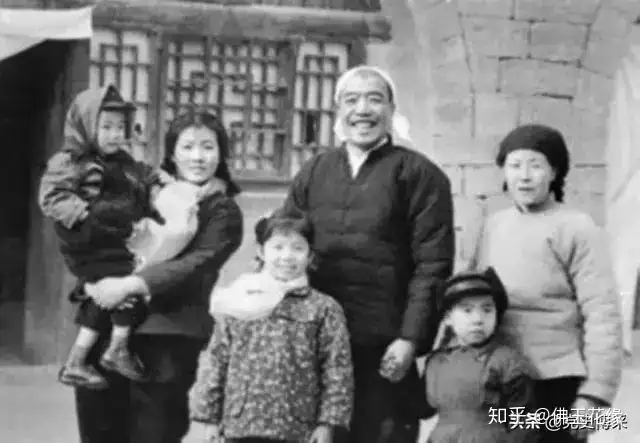
毛泽东说:“永贵好!”
1964年12月,爷爷到北京参加三届人大一次会议。26日上午,会议刚结束,他随着大家一起走出会场,忽然听到周恩来在背后喊他:“永贵同志,请等一下!”他停住了步子。周恩来说:“今天晚上不用到大灶吃饭了,跟我来吧!”周恩来告诉他,“今天是毛主席的生日,主席特意要把你请来。”
爷爷高兴地随周恩来一同走去,到了休息室,只见朱德委员长已经先到了,应邀而来的还有曾志、彭真、罗瑞卿和余秋里等同志。不一会儿,毛泽东面带笑容健步走进来,微笑着一一与大家握手。
毛泽东紧紧地握住他的手说:“永贵好啊!”宴会开始后,毛泽东举杯风趣地说:“今天不是祝寿,而是我用自己的稿费请大家吃顿饭。这里有工人、农民、科学家、解放军,不光是吃饭,还要谈话嘛!”
席间,毛泽东见爷爷很少动筷子,就热情地说:“永贵,吃菜,吃菜嘛!”随手为他夹了一筷子,招呼道:“这个菜好,吃这个……永贵同志别客气!”毛泽东知道爷爷已50岁,于是风趣地说:“噢,五十知天命喽!搞出一个大寨来很好。”宴会结束后,爷爷沉浸在幸福和激动之中,脱口吟诗一首:“下山容易上山难,上得山来景更宽。莫说此山无人到,更有高峰在前边。”
第二天,首都各大报纸都以显著版面登载了毛泽东和陈永贵亲切握手的照片。
1967年“五一”劳动节,毛泽东在天安门检阅红卫兵,爷爷被请到毛泽东身边。毛泽东拉着他的手问候道:“永贵好!永贵好!”在那个年代,这句问候成了领袖的最高指示。各大报纸在醒目的地方登了“永贵好!永贵好!”一些报纸把它套红印在了报眉上。
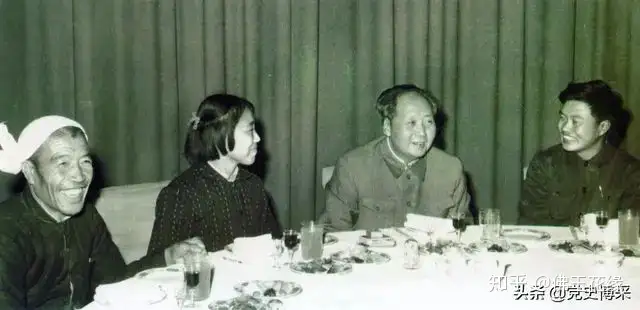
“你要有所准备 ”
周总理说:“你要有所准备,当国务院副总理……”
随着人们的呼声越来越高,爷爷的官职也越来越多、越来越高,从大寨党支部书记,到同时兼任昔阳县委书记、晋中地委书记、山西省委副书记等职。爷爷在昔阳上台执政,一出手就干了两件别人不敢干的事:一是为干部平反冤案;二是为群众免掉粮食债。他在昔阳树立了很高的权威,有他坐镇,谁也不敢乱来。别处文攻武卫白热化,惟有昔阳生产建设遍地开花。他主政昔阳12年,执掌大寨21年,踏踏实实为老百姓办了许多实事。
1975年1月,爷爷赴京参加第四届全国人大一次会议,周恩来在会上作了《政府工作报告》后回到医院,通知他马上去一趟。周恩来一见爷爷,开口就说:“这次找你来,就是安排人大的事。你要有所准备,当国务院副总理,把大寨精神推向全国,怎么样?”爷爷听后一愣,忙说:“总理,我文化水平不行,实在是当不了这个副总理!”
周恩来态度严肃地说:“看你永贵,你是不是党员?是党员就得接受党的安排。”周恩来还给他讲了很多道理:从古至今,从外国到中国,人才不是从天上掉下来的,而是群众中涌现的。就在这次会议上,爷爷当选为国务院副总理,分管全国农业。
根据中央安排,爷爷住在钓鱼台三号楼。有了中央首长的身份,他外出时总是里三层外三层地被保护起来。他觉得很难接近群众,便向毛泽东写了一封信,提出搬出钓鱼台并实行“三三制”工作方法,即三分之一时间在大寨、昔阳蹲点,三分之一时间在全国跑,三分之一时间在中央工作,可以充分发挥他的长处,为中央提供一些基层情况。
毛泽东在信上作了批示:“下去搞社会调查,是我党的优良传统,所有的政治局委员,能下去的都要下去。”次日,毛泽东在政治局会议上紧紧地握住他的手说:“永贵,搬出钓鱼台,这很好。钓鱼台无鱼可钓嘛!”
“大寨是我的根”
“大寨是我的根,我一定要回来”
爷爷深深地爱恋着大寨,在虎头山上,他跟大家说:“我死后就埋在这里吧,可以站得高些,看得远些。”人们说:“你是中央的人,死后要埋在八宝山哩,哪能再回来?”他却说:“大寨是我的根,我是一定要回来的。”
爷爷当上了国务院副总理,按规定他是可以把农村户口迁到北京来的,也是应该拿国家工资的。但是他坚持不迁户口,也不拿国家工资。他吃的仍然是大寨分的口粮,挣的仍然是大寨的工分,每天1.5元。山西省委考虑到他经常到外地开会,光靠工分不够花,因此每月补助他100元。后来国务院考虑到他身为副总理,决定每天补助他1.2元。他接受了国务院的这点补助,同时却把大寨给他每天1.5元的工分钱退掉了。从此,他的生活费便是每月136元。
1980年9月,在全国人大五届三次会议上,爷爷请求辞去国务院副总理的职务,大会同意了他的申请。爷爷卸任之后,国家按照正式职工的标准,给他每月200元的生活费。
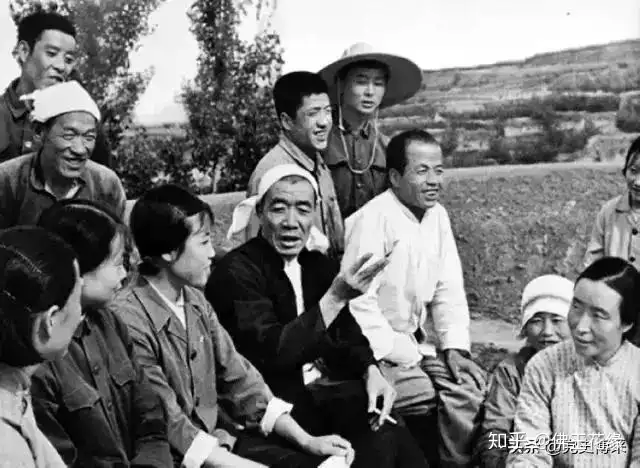
晚年生活平实随意
爷爷的晚年生活是平实的,随意的,快乐的。他每天早上5点钟就起来,先和奶奶一起为读书的小儿子和孙子做好早饭,细心地放在热水锅里保温,等孩子们睡醒后吃。然后从12层步行下楼梯,走过三里河的林荫小道,到钓鱼台附近河边散步。看到别人打太极拳,他也比划几下。觉得不好打,于是就举起双手、叉开双腿,摆起了刨地的架势,自创了一套招式,取名“庄稼拳”。
1985年1月,爷爷突然感到头痛、浑身乏力,爸爸陪爷爷去了北京医院。检查后,医生悄悄地告诉我父亲:“他患的是肺癌,已经是晚期了。”
得知自己的病情后,他的心情很坦然。中央办公厅专门把郭凤莲、梁便良、贾承让、贾来恒、赵存棠等大寨的新老干部都接到北京,和他见上最后一面。爷爷望着自己昔日的伙伴们,费力地拿起桌上的橘子招待大家吃。他嘱咐说:“我一没有为个人,二没有为孩子们,我一心一意为国家为集体……”
出自:《我的爷爷陈永贵》,陈春梅 著


评论
发表评论