North Korea, a turning point in the fate of the country朝鲜,国运的转折
North Korea, a turning point in the fate of the country
In 1973, a turning point in human history.
On January 27, the Vietnam War ended, Vietnam and the United States signed the Vietnam Peace Agreement, and the US military began to withdraw from North Vietnam.
On October 6, the Fourth Middle East War broke out.
In late December, the Organization of the Petroleum Exporting Countries (OPEC) announced an oil embargo, and a serious oil crisis broke out.
Since then, the "golden age" of the world economy from 1945 to 1973 came to an abrupt end.
Economic historian Mark Levinson wrote the book "The Great Turning Point" based on this, taking 1973 as a starting point to review the 50 years of Western economic ups and downs after the war.
But what Mark Levinson didn't realize was that in the same year, North Korea, a small country on the border of East Asia, also ushered in a turning point in its national destiny.
1 The whims of North Korea
Speaking of North Korea, many people may still have the impression that although the military parade is grand and magnificent, the people are rustic, yellow and thin.
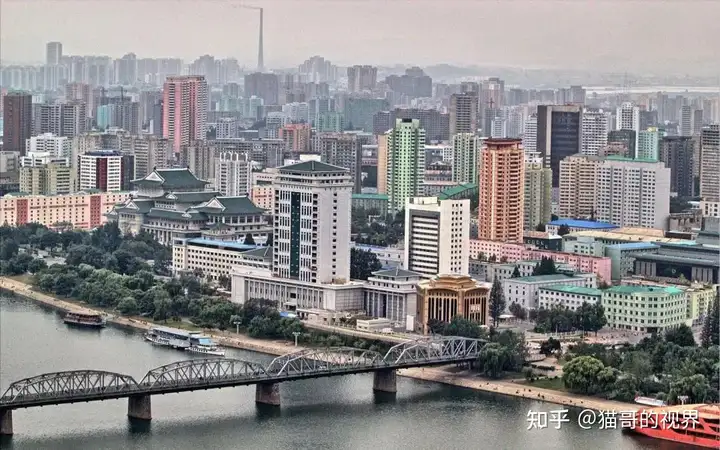
But what many people don't know is that in the 1960s and 1970s, North Korea was also prosperous and developed.
We all know that after the Korean peninsula was occupied by Japan, as a springboard for Japan's aggression, it has always attached great importance to North Korea's industrialization, and built very complete industrial facilities in the mineral-rich areas in northern North Korea.
Therefore, after 1945, North Korea's industrialization level was higher than that of China. During the War of Liberation, many military raw materials in the Northeast Industrial Base were actually provided by North Korea.
After the Korean War, North Korea vigorously developed its economy with the help of China and the Soviet Union.
Later, China and the Soviet Union turned against each other, and North Korea was able to do a job between the two big powers. The signing of the Soviet-North Korean Friendship and Mutual Assistance Treaty and the Sino-North Korean Friendship and Mutual Assistance Treaty were only 5 days apart.
In order to win over North Korea, China helped North Korea build 29 complete sets of projects including textile factories, bearing factories, sugar factories, thermal instrument factories, relay factories, electronic tube factories, and radio parts factories.
The Soviet Union did not show weakness, and gave North Korea 1.3 billion rubles in free aid and 3.6 billion rubles in low-interest loans, as well as aid in the construction of steel mills, thermal power stations, oil refineries, etc., and provided equipment and technology.
With the help of China and the Soviet Union, North Korea's economy recovered very quickly.
By the end of the 1960s, North Korea had popularized electrification across the country, and every household in the countryside was connected to electricity. The per capita electricity consumption reached 1184 degrees, which was 5 times the per capita electricity consumption in China at that time!
At that time, North Korea and Japan were known as the two industrial countries in Asia, and they were also one of the most modernized countries in East Asia. The per capita GDP was three times that of South Korea, and many South Koreans went to North Korea.
In November 1970, at the Fifth Congress of the Workers' Party of Korea, North Korea proudly announced that it had successfully transformed into a socialist industrialized country.
But small countries have a problem. Once they have made some achievements, they tend to drift away.
Seeing that it is already an industrial country, North Korea wondered whether it is time to unify the motherland?
This idea is not groundless.
Because the U.S. military withdrew from North Vietnam in 1973, the North Vietnamese People’s Army could unify Vietnam just around the corner, and the U.S. was in a stage of comprehensive strategic contraction in Asia.
At the same time, South Korea's Park Chung-hee came to power through a coup, carried out dictatorial rule, dissolved the National Assembly, triggered a wave of protests, and South Korea fell into turmoil.
Such a situation, no matter how you look at it, is a thousand-year opportunity to unify the motherland!
But the Soviet Union and China, the bosses behind North Korea, disagree.
At that time, the Soviet Union's center of gravity was in the Middle East and Eastern Europe, and it would not support North Korea's risky move that might drag the Soviet Union into the war.
On the Chinese side, Sino-US relations have just broken the ice. If war breaks out on the Korean Peninsula, China must fulfill the "China-North Korea Treaty of Friendship and Mutual Assistance" and send troops to the war, which will undermine China's overall development.
The two big brothers don't support it, North Korea can only do it by itself, prepare for war!
Just wait until the time is right, rely on your own efforts, and go south to unify the motherland!
To prepare for war, you must prepare two things, one is ammunition for weapons, and the other is food.
Weapons and ammunition are easy to deal with. North Korea has established a complete military industry system. Except for fighter jets and warships, everything else can basically be produced by itself.
But there is a problem with food. North Korea has many mountains and few plains. The arable land only accounts for 18% of the country, and three-quarters of the arable land is in the mountains, which is not conducive to reclamation and irrigation. Therefore, North Korea has not been self-sufficient in food.
There was not enough food in the first place, but now they want to hoard food, so they can only buy it from outside.
Coincidentally, in 1972, the Soviet Union encountered bad weather, resulting in a poor harvest of grain.
In order to solve the food problem, in 1973, the Soviet Union began to buy food in the international market on a large scale, and even bought out the food of the mortal enemy the United States, which suddenly pushed up the price of food in the whole world.
North Korea itself does not have much foreign exchange, and when food prices increased soaring, the foreign exchange was quickly depleted, so that the purchase of 1,000 Volvo trucks had no money to pay.
The international community sees that North Korea does not respect martial ethics in doing business! So they refused to do business with North Korea unless they took real money.
North Korea cannot buy food in the international market, so it can only rely on its own efforts.
In this regard, North Korea set the goal of the second stage of the "Chellima Movement" as a total grain output of 10 million tons by the end of the 1970s!
But food production is a matter of science.
In 1970, North Korea’s total grain output was only 6 million tons. How could it have grown to 10 million tons in just ten years without revolutionary progress in productivity?
The most direct way is to work hard on the land area.
What if there is not enough land? Cultivate new lands!
What if there are too many hills? Engage in terraces! "Rice up the hill"!
What if the coastline is too long? Reclaim land from the sea! Use the tidal flats to engage in "rice into the sea!"!
Over the past ten years, North Korea has built a total of 1,300 square kilometers of land by reclamation and use of tidal flats.
What if there are too many mountains? Engage in a "land leveling" campaign, use excavators and dynamite to flatten the hills! Then spread the soil and turn it into a farm field!
In short, fighting against heaven and earth, everything is for increasing food production!
In addition, North Korea has done something beyond human imagination, building a sea-blocking dam at the mouth of the Taedong River!
The reason is that the Taedong River Basin is the main grain-producing area of North Korea, but when typhoons occur frequently in autumn, it is easy for seawater to flow back along the Taedong River, which is called a salt tide, and the water of a salt tide cannot be used for irrigation.
In order to solve this problem, North Korea spent 5 years, using 1.1 million tons of cement, 280,000 tons of steel, 140,000 cubic meters of wood, 500 tons of non-ferrous metals, leveling 10 mountains, investing more than 4 billion US dollars and hundreds of thousands of people. , Built into the 8-kilometer-long Xishui Lock.
The towering sluices store billions of cubic meters of fresh water, irrigate the newly reclaimed land in South Pyongan and South Yellow Sea, and also provide water for cities and villages in the lower reaches of the Taedong River, as well as industrial water in Nanpu and Daan.
North Koreans proudly proclaim it the eighth wonder of the world.
It has to be said that North Korea's mind-blowing ideas have achieved fruitful results.
After this series of tossing, the area of paddy fields in North Korea has reached 100,000 hectares, and the area of dry fields that can be irrigated has reached 800,000 hectares.
In 1974, North Korea's grain output reached 7 million tons, and after just six years, it increased to 9.5 million tons. In 1984, North Korea's grain output exceeded 10 million tons, reaching the highest level in history.
Not only has it achieved self-sufficiency, but it can also be exported to the outside world, and even when South Korea is hit by a disaster, it can "aid" the compatriots in the south and slap South Korea in the face.
However, these feats of "man will conquer nature" instead planted the root of the food crisis in North Korea.
2 Hidden dangers of external aid
The reason why North Korea’s food production has grown so fast is that in addition to increasing the area of land reclamation, the Soviet Union also contributed.
If we carefully analyze North Korea's agricultural production increase model, we will find that North Korea is engaged in oil agriculture through and through.
Oil agriculture is generally a highly industrialized agriculture based on cheap oil in developed countries of the world.
Replace expensive production factors (i.e. manpower, animal power and land, etc.) A large-scale agriculture based on high investment and high energy consumption.
For example, in the United States, from 1920 to 1990, the number of tractors in the United States increased by 18 times, farm trucks increased by 24 times, grain combine harvesters increased by 165 times, corn harvesters increased by 67 times, and the use of agricultural chemicals increased by 11.5 times. times.
This resulted in a 1.45-fold increase in wheat yields, a 2.57-fold increase in cotton yields, a 3.48-fold increase in potato yields, and a 5.12-fold increase in corn yields.
Although the effect of oil agriculture is good, the problem is that North Korea does not produce oil!
Never mind that North Korea has no oil, but the Soviet Union has oil.
In the 1960s, the Soviet Union discovered a world-class large oil field in Siberia - the Tyumen oil field.
This oil field covers an area of 1.5 million square kilometers (twice the size of Germany and France combined), and has more than 150 oil storage areas. The prospective crude oil reserves are estimated at 40 billion tons. It is the world's largest super oil field!
Just after the world oil crisis after the Middle East War, the price of oil rose from $3 to $13 a barrel, and the Soviet Union made a fortune instantly by selling oil.
The huge wealth of the Soviet Union also made the small partners of the Soviet Union an important part of its national economic supply chain, and enjoyed a wave of benefits with the "big brother".
After the establishment of the Warsaw Pact, the Soviet Union established a socialist version of the WTO - the Committee for Mutual Economic Assistance.
According to the Soviet Union's vision, you little brothers don't have to engage in industrialization. This is all redundant construction.
It’s better to give full play to your strengths, specialize in one industry, and then use the industry you are good at to exchange for the products you need within the framework of the Economic and Trade Association, isn’t it all right?
This sounds nice, but it actually wants to turn the economies of various countries into a part of the Soviet planned economy.
East Germany produced automobiles, Hungary produced excavators, the Soviet Union produced refrigerators, Poland produced electronic tubes, Mongolia raised cattle and sheep, and so on.
Although North Korea is only an observer state of the Economic and Trade Council, it enjoys no less preferential policies than other member states.
North Korea used its own coal, lead, graphite, lead and uranium (you read that right, North Korea has 26 million tons of high-quality uranium ore) in exchange for a large amount of oil from the Soviet Union.
And in consideration of taking care of this little brother on the front line of the Cold War, the price of oil in the Soviet Union is very cheap, less than one-third of the international oil price.
With oil, not only can fuel be refined, but also chemical fertilizers, agricultural films, etc. can be made, which is of great significance to agriculture.
At the same time, East Germany, Poland, Hungary and other countries also exported tens of thousands of agricultural machinery to North Korea, and provided agricultural machinery technical assistance to North Korea. North Korea quickly realized the mechanization of agriculture.
At the end of the 1970s, North Korea basically bid farewell to the agricultural production method of ox-drawing and human-ploughing. 95% of mechanical transplanting, 80% of mechanical harvesting, and all agricultural irrigation use machinery. The annual output of North Korean fertilizer factories reached 3 million tons.
The comprehensive use of chemical fertilizers in grain cultivation, coupled with the increase in land, has doubled the grain output achieved.
However, this development model also has considerable hidden dangers.
The first is that much of the land in North Korea is newly reclaimed, and the soil layer is inherently thin. Mechanical farming often digs out the poor soil below, affecting production.
The second is that North Korea has tasted the sweetness of chemical fertilizers, so it can only rely on chemical fertilizers to increase production, but a large amount of chemical fertilizers will lead to a decline in soil fertility, so it can only use more chemical fertilizers, entering a vicious circle.
After a long time of use, the soil will be acidified and compacted, causing soil degradation.
The third is that it will create an absolute dependence on Soviet oil. The biggest problem with North Korea is that it is an oil-poor country. Once the external energy source is cut off, North Korea will return to the pre-liberation overnight.
However, North Korea did not take all this to heart, but prepared for war wholeheartedly, preparing to liberate the entire peninsula.
It's just that the international situation has changed, and the Soviet Union has fallen into the graveyard of the empire in Afghanistan, and is no longer able to support North Korea in launching a unification war in the East.
In addition, South Korea achieved economic take-off during the Park Chung-hee period, and its national strength increased greatly. I am afraid it will not be very easy to fight. After thinking about it, North Korea finally gave up its plan to unify the war.
However, North Korea did not expect that its own preparations for this unstarted war would become an inducement for the entire country's crisis.
3 The coming of disaster
Almost all crises are hidden dangers that accumulate slowly and then erupt suddenly.
The food crisis in North Korea began precisely with those "great projects" that were fought against heaven and earth.
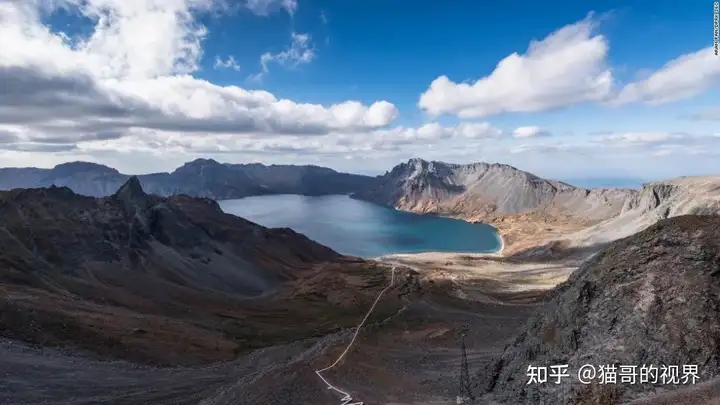
Anyone who has traveled to North Korea knows that there are basically no large areas of forests on the mountains along the railway line.
This is mainly due to the "rice up the mountain" practice in North Korea in the 1970s, which cut down forests and turned them into farmland.
According to statistics, in 1972, North Korea's forest coverage rate was still 74%, but in the 2000s, it was only 40%, which means that a quarter of the country's land area was reclaimed into farmland.
However, in the world's agricultural circles, it is generally believed that hillsides with a slope of more than 25 degrees are not suitable for reclamation as terraced fields.
Because of the large slope, it is easy to separate from the surface after being washed by rainwater, causing soil erosion. The rainwater that falls on the hillside flows down the hillside quickly, and the soil and sand on the hillside will also be washed away by the flowing water.
In this way, the fertile topsoil on the sloping fields will slowly be lost, and plants will naturally not grow well on barren land.
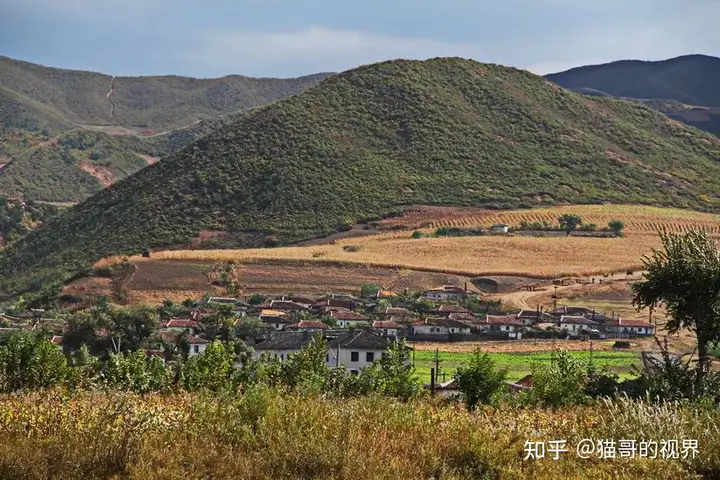
What's more serious is that the mudslides washed down will not only submerge the farmland below the mountain, but also cause sedimentation on the riverbed after rushing into the river.
Once it enters the stage of heavy rainfall, it is easy for the river to flood and flood the farmland on both sides.
You see, originally wanted to increase grain production, but because of these constructions, grain production decreased instead.
In addition, the negative effects of North Korea's "eighth wonder of the world" - the West Sea Lock, have also begun to appear slowly.
Although the Xishui Lock can trap some fresh water, it is not disconnected from the sea. There are 3 lock chambers, 36 gates and 3 fish paths. Therefore, over time, the salinization of fresh water becomes inevitable.
It directly led to the salinization of the land on both sides of the strait, turning it into a saline-alkali land unsuitable for farming.
Until now, the yield per mu in North Korea has been very low. Taking rice as an example, the average yield per mu in North Korea is about 150 kg, while that in China can reach 500 kg.
From this point of view, the sea-blocking dam, which cost 4 billion U.S. dollars, is not worth the candle.
Of course, what is more serious is the disintegration of the Soviet Union.
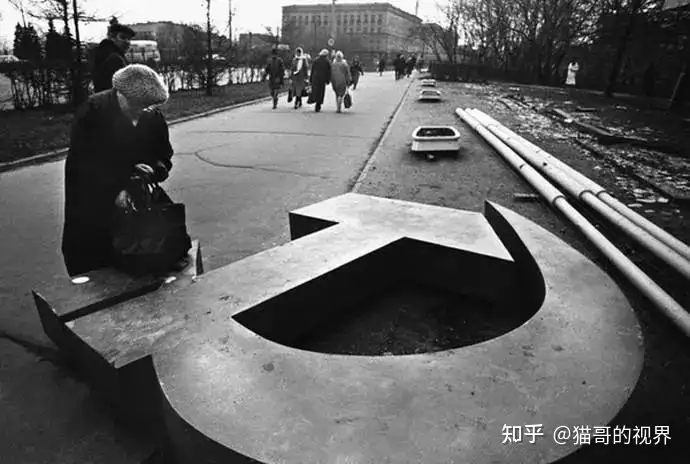
On June 28, 1991, the Economic Exchange Council announced its dissolution in Hungary. On December 25, the Soviet Union collapsed.
Russia has inherited the legacy of the Soviet Union, but it can't even support itself. It is all counting on selling oil for money. How can it be cheaper for North Korea?
Therefore, North Korea is required to settle with hard currencies such as US dollars or gold.
But how can there be US dollars in North Korea?
The previous trade was all from the Economic and Trade Council, and the trade volume accounted for more than 80% of North Korea, and most of them were barter transactions denominated in rubles, and no US dollars were used at all.
Now you let North Korea use dollars to buy oil, North Korea should be able to get it out!
So before the disintegration of the Soviet Union, the Soviet Union's trade with North Korea was still 53%, but in 1995, it dropped directly to 3%. North Korea's oil imports dropped sharply from 18.47 million barrels in 1990 to 3.88 million barrels.
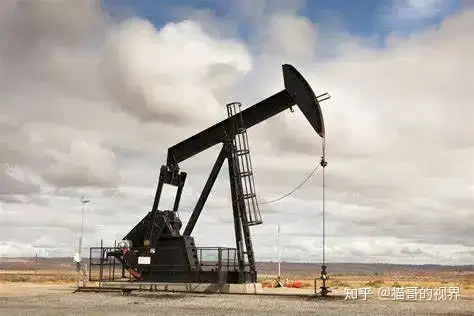
Without oil, we cannot produce chemical fertilizers, fertilize farmland, or provide fuel for agricultural machinery. A large number of agricultural machinery cannot move, and food cannot be produced.
At the same time, various chemical plants that depend on oil are also facing shutdowns. We can only watch these factories and agricultural machinery corrode little by little and turn into a pile of scrap iron.
So North Korea's agricultural economy seemed to collapse overnight.
If North Korea can raise vigilance at this time, it may not be so bad. Unfortunately, North Korea implements a rationing system, and there is no market early warning mechanism for supply and demand prices. Decision makers have underestimated the difficulties faced by food.
In addition, in the grain wars in the 1980s, in order to meet the production increase targets, North Korean grassroots cadres often falsely reported production to deal with their superiors.
Judging from the false figures, North Korea’s rice yield per mu exceeds that of Japan, and its corn yield exceeds that of the United States. Is this possible?
In the late 1980s, North Korea’s literal grain output was close to 12 million tons, far exceeding North Korea’s food and clothing line.
Perhaps North Korea feels that even if it cuts production a little, it should not be a big problem, and missed the most precious time for intervention.
The result is that when North Korea formulated the grain purchase plan, it did not take into account the grain production that had actually fallen off a cliff.
As a result, after the grain was handed in, the farmers simply didn't have enough to eat, so they had to go up the mountain to develop their own cultivated land. As a result, the vegetation damage was even more serious.
As a result, this kind of environmental damage has plunged North Korea into a catastrophe.
From 1994 to 1996, North Korea experienced three consecutive years of natural disasters.
Especially in 1995, the highest rainfall in parts of North Pyongan Province in North Korea was as high as 845 millimeters (four times that of the Zhengzhou rainstorm in 2021). 900,000 people.
Such a severe rainstorm, even if the vegetation is not destroyed, can't bear it, let alone the bare mountains?
As a result, 30,000 mu of terraced fields in North Korea were lost in this single rainstorm, and 40,000 hectares of land could never be restored.
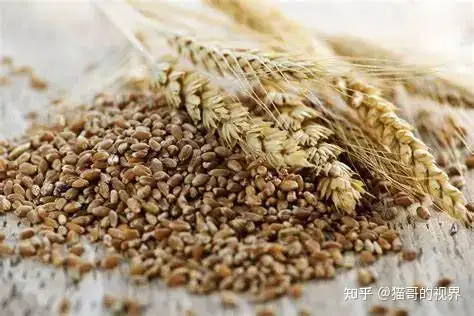
Due to the combination of various factors, North Korea’s annual grain production dropped from more than 11 million tons in the peak period to 3.45 million tons in 1995, and then dropped to 2.5 million tons in 1996!
What is this concept?
North Korea's food and clothing line is 5 million tons, that is to say, two North Koreans, only one can eat enough.
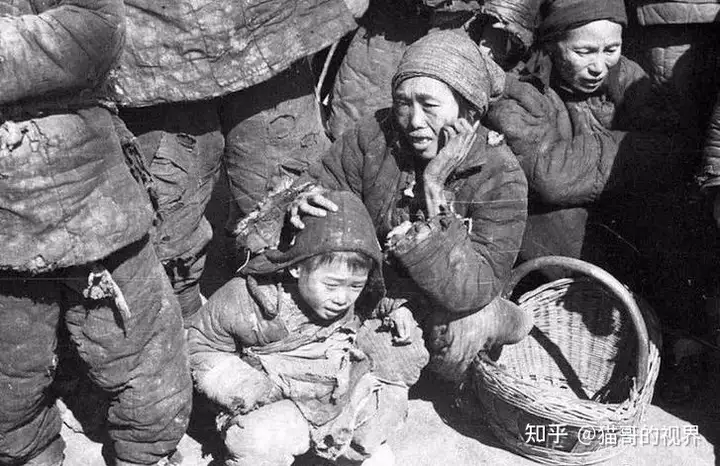
North Korea fell into a famine, and North Korea had to mobilize the "Eat Two Meals a Day Campaign", but the results were not obvious.
Countless people who couldn't get enough to eat ran across the border to China, and a huge "departure wave" broke out.
In 1997, "the builder of the Juche theory and the speaker of the Supreme People's Assembly of North Korea" Hwang Jang-yeop went to Japan to seek food aid, but returned in vain.
Knowing that he did not complete the tasks assigned to him by Kim Jong-il himself, he did not dare to return to his country, so he simply "defected" from North Korea, and defected to South Korea directly when he was changing planes in Beijing.
The domestic and international situation is very unfavorable. North Korea's sense of security for the stability of the regime has been greatly reduced, and it has begun to develop nuclear weapons.
As a result, sanctions were triggered by the United States. Originally, the United States gave North Korea emergency food aid in order to "economic aid for peace".
As a result, as soon as the United States imposed sanctions, the aid disappeared, and the famine in North Korea became worse.
At present, different institutions and researchers have different opinions on how many people died during the North Korean famine.
The death toll ranged from 240,000 to 3.5 million. Most of them died of starvation or malnutrition, which became an unforgettable historical pain for North Korea.
4 Another option
In the 1970s, it was not only North Korea but also South Korea that were in dire straits in the face of soaring world food prices.
However, South Korea's current food supply has reached 25 million tons, which is more than twice that of North Korea per capita.
Although the area is similar, South Korea’s arable land conditions are not as good as North Korea’s. Why is there no famine in South Korea?
This is because South Korea has gone the other way.
In 1973, after the oil crisis broke out, South Korea, an oil-poor country, was the first to bear the brunt.
They did not have the cheap oil from the Soviet Union, and their spending on imported oil soared from $300 million in 1973 to $1.1 billion in 1974.
Soaring oil prices led to energy shortages in South Korea, price fluctuations, foreign exchange depletion, deficit expansion, large inflation, food prices also skyrocketed, and rice rushes even broke out in many places.
Park Zhengxi saw that, given the conditions in South Korea, it was too inefficient to plan food from the land if he wanted to eat enough, and it was impossible to achieve self-sufficiency in food at all.
It's better to maximize strengths and avoid weaknesses, and find ways to earn foreign exchange. With foreign exchange, wouldn't there be food?
To put it simply, it is to use comparative advantages to develop some advantageous industrial chains, and make money through industry to feed back agriculture.
The theory of comparative advantage is one of the most important principles in the whole of economics, first proposed by British political economist David Ricardo in 1817.
Ricardo believed that each country would gain greatly if it specialized in what it was relatively best at, and then traded to obtain all the other products it needed.
For example, for an Iphone, Apple in the United States is responsible for the design, and Foxconn in China is responsible for the production. Can Apple produce the Iphone itself?
Of course you can, but it must be more expensive than those produced by Foxconn in China.
Because Foxconn already has all suppliers and an efficient industrial workforce, its operating costs are lower than Apple's.
This is the case in South Korea. In the case of being poor and white, they can only rely on their own advantages of low labor costs, first develop labor-intensive industries, use comparative advantages to develop industries, and make money before taking the next step.
I have to say that this idea is very good, but it took the hard work of a whole generation of Koreans.
For example, in the second five-year plan (you read that right, South Korea also followed the example of socialist countries in its five-year plan), South Korea focused on strengthening light industries such as textiles, glass, and cement, and exported primary products of these light industries in exchange for foreign exchange .
As a result, various small workshops that undertake overseas light industrial products blossomed everywhere, and a large number of rural youths came to the cities and began to devote their blood and sweat to the rise of South Korea.
Jang Ha-joon, a leading figure in South Korea’s development economics, recalled, “Many little girls from poor rural families had to leave elementary school to work at the age of 12—in order to “reduce one person’s meal” and earn some money so that at least one brother could accept More education.
Boys, too, are exploited in factories in conditions reminiscent of 19th-century "Dark Satanic Mills."
In major export industries such as textiles and garments, workers often work 12 or more hours in very dangerous and hazardous conditions for very little pay.
In this way, Koreans endured low wages and long hours of labor, and produced products in a toxic or dangerous environment that could cause disability and death, and used them in exchange for foreign exchange and the development of the country.
For another example, in September 1974, Park Chung-hee proposed: In response to the foreign exchange crisis brought about by the oil crisis, countermeasures should be found in the Middle East, which has become rich because of the oil crisis.
At that time, in the Middle East, there was nothing but money, and a major infrastructure construction was urgently needed.
South Korea helped the U.S. military build ports, airports, roads, barracks, and defense projects during the Vietnam War, accumulated a lot of experience, and urgently needed foreign exchange, so the two became a match made in heaven.
The South Korean government even retired many soldiers early and sent them to the Middle East to earn foreign exchange.
In 1974, South Korea's contracted value in the Middle East was 89 million US dollars, which soared to 640 million US dollars in 1975, and by 1978, it had reached 7.89 billion US dollars!
Throughout the 1970s, South Korea's construction industry alone earned $5.6 billion in profits in the Middle East.
South Korea's ten-year total trade deficit is about the same.
In other words, South Korea's construction industry alone has basically offset the impact of rising oil prices and helped South Korea survive the difficulties.
But the price is that tens of thousands of Koreans died on foreign construction sites due to accidents, diseases, wars and other reasons.
It was by relying on the foreign exchange exchanged by blood and sweat that Park Chung-hee solved the domestic food problem, and then bowed his knees to Japan, promising not to strongly demand that Japan make a public apology and compensation for the history of colonizing North Korea in exchange for large sums of money from Japan Inject as well as advanced technology and management experience.
Japan has invested in more than 140 industrial projects in South Korea. Japanese capital was once as high as 50% of South Korea's foreign capital, and a large number of factories and enterprises have sprung up like mushrooms after rain.
Relying on these technologies and funds, South Korea has accelerated its industrialization, and soon grew from a country with a trade deficit to a country with a trade surplus.
South Korea's automobiles, steel, heavy industry, and shipbuilding have become the trump products of export earnings.
By 1986, South Korea's export trade had grown to 34.71 billion US dollars, and the import trade volume was 31.58 billion US dollars. It officially achieved a trade surplus, and it was out of control, boosting the Korean economy into a virtuous circle and soaring into the sky.
The stark contrast between North Korea and South Korea on solving the food problem fully shows that small countries are not qualified to be independent.
In the absence of external resources and environment, no matter how much effort you make, you can only use comparative advantages in the economic system dominated by big countries and build part of the industrial chain is the way to survive.
5 world trends
The different experiences of North Korea and South Korea and the huge differences today have fully proved that only China Unicom is the king of the economy.
Countries can make use of their comparative advantages, do subdivision of labor, and then exchange what they need under the framework of globalization, and everyone can live a good life.
But the current situation is not optimistic.
Since the global financial crisis in 2008, unilateralism and trade protectionism have risen.
The United States launched a trade war against China in 2018, and now it is pursuing "values diplomacy" and promoting the "Indo-Pacific Cooperation Framework" by strengthening its allies.
In fact, they want to establish a small circle, separate China from the world economic chain, use "decoupling" to make China lose its market, and completely curb China's rise.
It has to be said that this move is very vicious, and it really hits China's weaknesses.
China's total exports to the United States, the share of US imports has dropped from 22% to 18%.
The current sluggish external demand has made it difficult for many small and medium-sized enterprises to survive, driving the economic downturn.
But the problem is that this kind of decoupling is against economic laws.
China has become the factory of the world, is it because of China's relationship with others?
no!
It is the high quality and low price of Chinese products that attracts distributors from all over the world! It is a natural phenomenon that is natural.
The reason for this phenomenon is also because of China's comparative advantages, which no one can compare with!
Take the billions of lighters that the world consumes every year as an example:
A small lighter, whether it is a common drainage core, core sleeve, sponge, electronic device, air outlet valve, printing, packaging materials, electroplating and spray paint, has a very complete supply chain and hundreds of suppliers in China, so China's lighters are sold for 1 yuan, and there is still a profit.
Which country in the world can do it? Which other country has a comparative advantage comparable to that of China?
Even if the United States engages in "manufacturing reshoring", can lighters be made so cheap?
Even if the United States supports India and Mexico, can it provide them with a complete industrial chain?
After all, although this thing is small, it still has a certain technical content and requires a certain industrial foundation. It cannot be played with cheap labor.
Therefore, there are comparative advantages. China is the largest manufacturing country in the world, the largest (according to the purchasing power parity index) market in the world, and the largest trading country in more than 100 countries in the world.
In this case, it is impossible to kick China out of the global economic system.
Compared with China, the United States has no production capacity except for the consumer market, and other countries in the world together do not have the production capacity of China.
Now Biden unites with allies to put pressure on allies and asks allies to decouple from China, but allies are not stupid!
Who will make up for my losses after decoupling?
Do you make up for it in the United States?
If not, why should I ditch cheap Chinese goods and buy more expensive American ones?
Therefore, the more Biden struggles, the more rebellious he feels, and the more he touches the fundamental interests of the small country's survival.
As a result, the Middle East, ASEAN, and South America turned left collectively, abandoning the US dollar one after another, and establishing an independent currency settlement system with China.
Even German Chancellor Scholz has stated that he firmly supports globalization and opposes decoupling from China.
Recently, French President Emmanuel Macron also visited China. Before his visit to China, he signed a contract with China to settle natural gas in RMB.
When more and more countries do this, a trend will form, and this trend is the general trend of the world, and no one can stop it.
Therefore, when the United States is becoming more and more closed and conservative, only China has the ability to rebuild the global economic and trade system.
Not only can China bring development opportunities to the world, but it can also allow small countries to take advantage of their comparative advantages in this system to have a living.
I hope that more and more countries can see this clearly.
原创:朝鲜,国运的转折
1973年,人类历史上的转折点。
1月27日,越战结束,越美签订越南和平协议,美军开始撤离北越。
10月6日,第四次中东战争爆发。
12月下旬,石油输出国组织(OPEC),宣布石油禁运,严重的石油危机事件爆发。
自此,1945-1973年的这段时间世界经济的“黄金时代”,戛然而止。
经济史学家马克·莱文森由此写了《大转折》一书,以1973年为立足点,复盘了战后西方经济起落的50年。
但马克·莱文森没有意识到的是,同样是在这一年,处于东亚边陲的小国朝鲜,同样迎来了自己国运的转折。
1 朝鲜的异想天开
说起朝鲜,很多人的印象中可能还是那个虽然阅兵式宏大壮丽,但人民都土里土气、面黄肌瘦的国家。
但很多人不知道的是,在上世纪六七十年代,朝鲜也曾辉煌和发达过的。
我们都知道,朝鲜半岛被日本占领后,作为向日本侵略的跳板,一直非常重视朝鲜的工业化,在朝鲜北部矿产丰富的区域建设了非常完善的工业设施。
所以1945年后,朝鲜的工业化水平是高于中国的,解放战争时期东北工业基地很多军工原材料,其实都是朝鲜提供的。
朝鲜战争后,朝鲜在中苏两国的帮助下,大力发展经济。
后来中苏交恶,朝鲜在两个大国之间游刃有余,苏朝友好互助条约和中朝友好互助条约的签订,仅仅隔了5天。
中国为了争取朝鲜,帮朝鲜建设纺织厂、轴承厂、糖厂、热工仪表厂、继电器厂、电子管厂、无线电零件厂等29个成套项目。
苏联也不示弱,给了朝鲜13亿卢布无偿援助和36亿卢布的低息贷款,以及援建钢厂、火电站、炼油厂等,提供设备、技术等等。
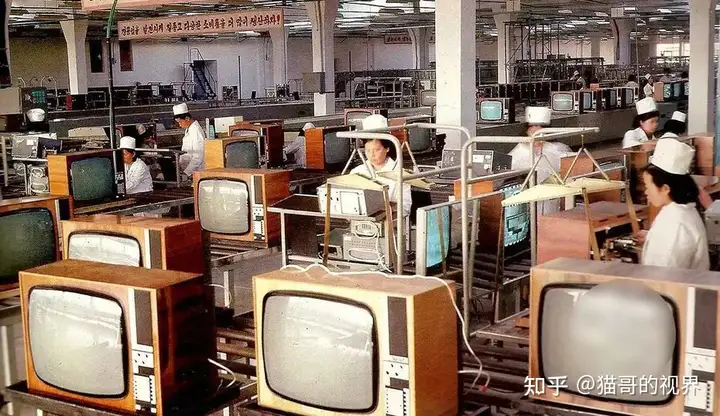
有中苏的帮忙,朝鲜经济恢复非常快。
到60年代末的时候,朝鲜已经全国普及了电气化,农村家家户户都通电,人均用电量达到1184度,是当时中国人均用电量的5倍!
当时朝鲜与日本并称为亚洲的两个工业国家,也是东亚地区现代化程度最高的国家之一,人均GDP是韩国的三倍之多,很多韩国人都往朝鲜跑。
1970年11月,在朝鲜劳动党第五次代表大会上,朝鲜自豪地宣布已成功地转变为社会主义工业化国家。
但是小国啊都有个毛病,一旦取得了一些成就,就容易飘。
眼看着自己已经是工业国了,朝鲜就琢磨着,是不是该统一祖国啦?
这种想法不是空穴来风。
因为1973年美军撤出北越,北越人民军统一越南指日可待,而美国在亚洲处于全面的战略收缩阶段。
同时,韩国朴正熙通过政变上台,大搞独裁统治,解散国会,引发抗议浪潮,韩国陷入动荡。
如此局面,怎么看都是统一祖国的千年良机!
但朝鲜背后老大苏联和中国却并不赞同。
苏联当时的重心在中东和东欧,不会支持朝鲜做这种可能把苏联拖入战争的冒险举动。
中国这边中美关系刚刚破冰,如果朝鲜半岛开打,中国就必须履行《中朝友好互助条约》出兵参战,会破坏中国发展大局。
两个大哥都不支持,朝鲜只能自己干了,备战!
只待时机成熟,自力更生,南下统一祖国!
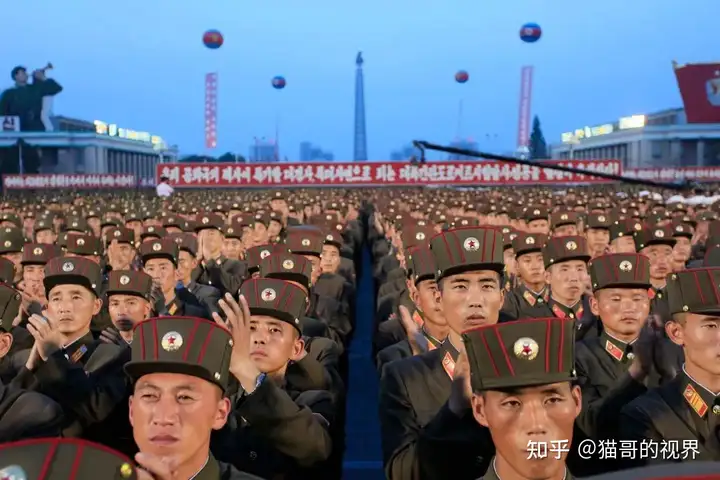
要备战,肯定要准备两样东西,一是武器的弹药,第二就是粮食。
武器弹药好解决,朝鲜已经建立起完备的军工体系,除了战斗机和军舰,其他的基本都能自产。
但是粮食就有问题了,朝鲜多山而少平原,耕地面积只占全国的18%,而且这些耕地有四分之三都处于山地,不利于开垦和灌溉,所以朝鲜粮食一直不能自给。
本来粮食就不够吃,现在又要囤粮,那只能向外买了。
巧了,1972年,苏联遭遇恶劣天气,导致谷物歉收。
为了解决粮食问题,1973年度,苏联开始大肆在国际市场上买粮食,连死敌美国的粮食都买光了,这一下子就推高了整个世界的粮价。
朝鲜本身就没多少外汇,在粮价疯涨的时候再增加粮食进口,外汇很快就耗光了,以至于购买的沃尔沃公司的1000辆卡车,都没钱付账了。
国际社会一看,朝鲜做生意不讲武德啊!于是纷纷拒绝和朝鲜做生意,除非拿真金白银出来。
朝鲜在国际市场上买不到粮食,就只能自力更生了。
对此,朝鲜把“千里马运动”第二阶段的目标,定为到70年代末,粮食总产量要达到1000万吨!
可是粮食生产这个东西,是要讲科学的。
1970年朝鲜粮食总产量也才600万吨,在生产力没有发生革命性进步的情况下,怎么可能在短短十年时间增长到1000万吨?
最直接的办法,那就只能在土地面积上下功夫了。
土地不够怎么办?开垦新土地!
丘陵太多怎么办?搞梯田!“水稻上山”!
海岸线太长怎么办?填海造田!利用海边滩涂搞“水稻下海!”!
十年间朝鲜一共填海和利用滩涂造了0.13万平方公里的土地。
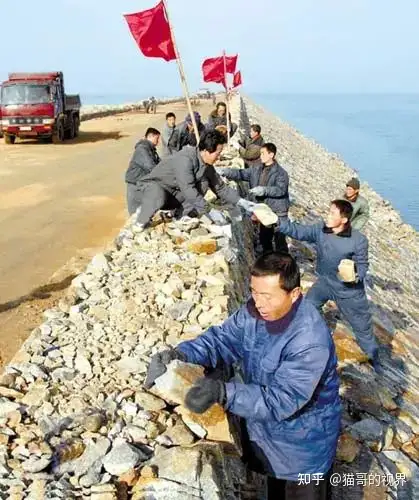
山地太多怎么办?搞“土地平整”运动,用挖掘机和炸药将山包炸平!然后铺上土壤变成农田!
总之,战天斗地,一切为了粮食增产!
此外,朝鲜还干出了一件超出人类想象力的事情,在大同江入海口建一道拦海大坝!
起因是大同江流域是朝鲜的粮食主产区,但是当秋季台风频发的时候,容易让海水沿大同江倒灌,被称为咸潮,而咸潮的水是不能用来灌溉的。
为了解决这个问题,朝鲜花了5年功夫,使用了水泥110万吨,钢材28万吨,木材14万立方,有色金属500吨,削平了10座山头,投资40多亿美元以及几十万人力,建造成了长达8公里的西海水闸。
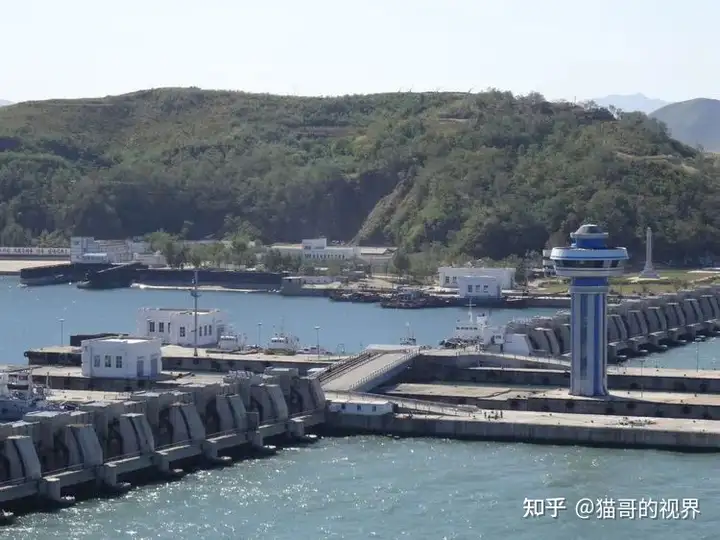
高耸的水闸储存了数十亿立方米的淡水,灌溉了平安南道和黄海南道新开垦的土地,也解决了大同江下游地区城市和村庄用水及南浦、大安等地区的工业用水。
朝鲜人自豪地宣称这是世界第八大奇迹。
不得不说,朝鲜这些脑洞大开的想法取得了丰硕成果。
经过这一系列折腾,朝鲜的水田面积达到了10万公顷,可灌溉的旱田面积达到80万公顷。
1974年,朝鲜的粮食产量达到了700万吨,短短6年后,提高到950万吨,1984年,朝鲜的粮食产量更是突破1000万吨的大关,达到历史最高水平。
不仅实现了自给,还能对外出口,甚至在韩国受灾的时候,还能“援助”一把南边同胞,打一下韩国的脸。
然而,这些“人定胜天”的壮举,反而埋下了朝鲜粮食危机的祸根。
2 外部援助的隐患
朝鲜粮食产量之所以增长这么快,除了增加土地开垦面积之外,苏联也功不可没。
如果我们仔细分析一下朝鲜的农业增产模式,就会发现,朝鲜搞的是彻彻底底的石油农业。
石油农业一般是世界经济发达国家以廉价石油为基础的高度工业化的农业。
把昂贵的生产因素(即人力、畜力和土地等)由廉价的生产因素(即石油、机械、农药、化肥、技术等)代替,把农业发展建立在以石油、煤和天然气等能源和原料为基础,以高投资、高能耗方式经营的大型农业。
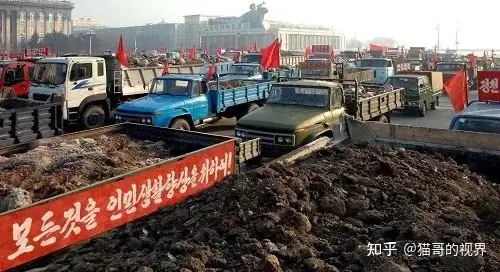
比如美国,1920年到1990年,美国的拖拉机数增加了18倍,农用卡车增加了24倍,谷物联合收割机增加了165倍,玉米收获机增加了67倍,农用化学品使用量增加了11.5倍。
带来的是小麦单产提高了1.45倍,棉花单产提高了2.57倍,土豆单产提高了3.48倍,玉米单产提高了5.12倍。
虽然石油农业效果是不错,但问题是,朝鲜不产石油啊!
没关系,朝鲜没有石油,但苏联石油可有的是。
上世纪60代,苏联在西伯利亚发现了世界级的大油田—秋明油田。
这个油田面积高达150万平方公里(比德国和法国加起来还大一倍),有150多个储油区,原油远景储量预估为400亿吨,是世界第一大超级油田!
正好中东战争后世界石油危机,油价从3美元一桶涨到了13美元,苏联靠卖油瞬间发了大财。
苏联巨大的财富也让苏联的小伙伴们成为其国民经济供应链重要的一环,跟着“老大哥”享受了一波福利。
在华约建立之后,苏联建立了一个社会主义阵营版的WTO——经济互助委员会。
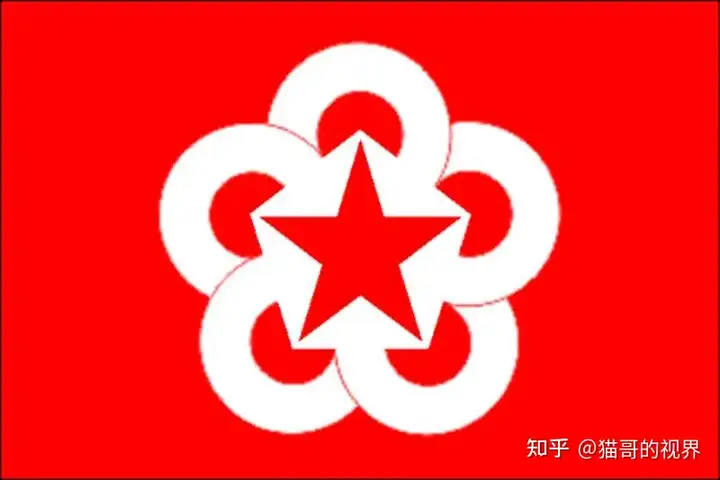
按照苏联的设想,你们这些小老弟不用吭哧吭哧搞工业化了,这都是重复建设。
不如发挥自己的特长,专攻一样产业,然后用你擅长的产业,在经互会框架内换取你需要的产品,不就行了?
这话说得好听,其实是想把各国经济变成苏联计划经济的一部分而已。
东德生产汽车,匈牙利生产挖掘机,苏联生产电冰箱,波兰生产电子管,蒙古养牛放羊等等。
虽然朝鲜只是经互会观察员国,但它所享受的优惠政策一点都不比其他会员国少。
朝鲜用自己的煤炭、铅、石墨、铅以及铀(你没看错,朝鲜有2600万吨优质铀矿),从苏联换来了大量石油。
而且处于照顾这个冷战前线小兄弟的考虑,苏联对石油的计价非常便宜,还不到国际油价的三分之一。
有了石油,不仅能炼化燃料,还能造化肥,造农用薄膜等等,对农业意义巨大。
同时,东德、波兰、匈牙利等国家,也向朝鲜出口了上万台农业机械,并对朝鲜开展农机技术援助,朝鲜迅速实现了农业的机械化。
70年代末,朝鲜基本上告别了牛拉人耕的农业生产方式,95%的机械插秧,80%的机械收割,所有的农业灌溉全部都使用机械,朝鲜化肥厂每年产量达到了300万吨。
粮食种植全面使用化肥,再加上土地增加,这才实现的粮食产量翻倍。
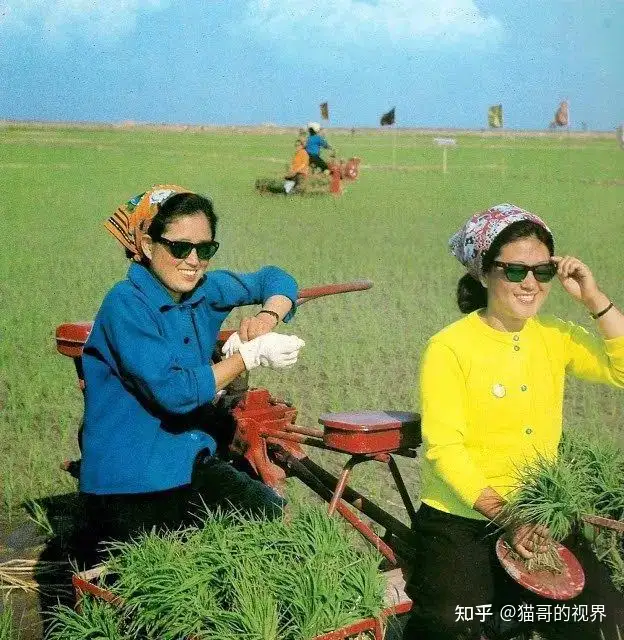
但是这种发展模式,也有相当大的隐患。
第一是朝鲜土地很多都是新开垦的,土壤层本来就薄,机械耕作往往把下方贫瘠土壤翻出来,影响产量。
第二是朝鲜尝到了化肥的甜头,就只会依赖化肥增产,但大量化肥会导致土壤肥力下降,只能用更多化肥,进入恶性循环。
用得久了,土壤会酸化板结,造成土壤退化。
第三是会造成对苏联石油的绝对依赖,而朝鲜最大的问题是它是一个贫油国,一旦外部能源断绝,朝鲜就会一夜回到解放前。
不过这一切朝鲜并没有放在心上,而是全心全意地备战,准备解放整个半岛。
只不过国际形势发生变化,苏联陷入阿富汗这个帝国坟场,无力再支持朝鲜在东方发动一场统一战争。
再加上韩国在朴正熙时期实现了经济腾飞,国力大增,恐怕不怎么好打,思前想后,朝鲜最终还是放弃了统一战争的打算。
然而,朝鲜没有想到,自己为这场没有开始的战争所做的准备,会成为整个国家危机的诱因。
3 灾难的来临
几乎所有的危机,都是隐患的慢慢积累,然后突然爆发。
朝鲜的粮食危机,恰恰始于那些战天斗地的“伟大工程”。
去朝鲜旅过游的人都知道,铁路沿线的山上,基本见不到大面积山林。
这主要就是70年代朝鲜搞的“水稻上山”,把山林砍伐后成了农田。
据统计,1972年的时候,朝鲜的森林覆盖率还有74%,但到了2000年代,就只有40%了,也就是说占国土四分之一的面积,被开垦成了农田。
但是在世界农业界,普遍认为坡度25度以上的山坡是不适合开垦做梯田的。
因为坡度较大,经过雨水冲刷容易脱离地表,造成水土流失,落在山坡上的雨水,沿着山坡很快地向下流动,山坡上的泥土沙石也会被流水冲走。
这样坡田上肥沃的表层土壤就会慢慢流失,植物在贫瘠的土地上自然是长不好的。
更严重的是,被冲下来的泥石流,不仅会淹没山下的农田,冲进河流后还会造成河床泥沙淤积。
一旦进入强降雨阶段,就很容易让河流泛滥成灾,淹没两岸的农田。
你看,本来想增加粮食产量,结果因为这些建设,粮食产量反而降低了。
此外,朝鲜的“世界第八大奇迹”——西海水闸的负面作用,也开始慢慢显现。
西海水闸虽然能圈住一些淡水,但和大海并不是不连通的,有3间闸室36个闸门3条鱼路,所以时间久了,淡水咸化就成了必然。
直接导致了两岸的土地盐碱化,变成不适合耕作的盐碱地。
一直到现在,朝鲜的亩产都非常低,以水稻为例,朝鲜平均亩产是150公斤左右,而中国能达到500公斤。
这样看来,这座耗资40亿美元的拦海大坝,反而有点得不偿失了。
当然,更严重的是苏联解体。
1991年6月28日,经互会在匈牙利宣布解散。12月25日,苏联解体。
俄罗斯继承了苏联的遗产,但连自己都养不活,全指望着石油卖钱呢,怎么可能便宜给朝鲜?
所以要求朝鲜用美元或黄金等硬通货结算。
可是朝鲜哪有美元?
之前的贸易都是来自经互会,贸易量占朝鲜的80%以上,而且绝大部分都是以卢布计价的以货易货交易,根本用不到美元。
你现在让朝鲜用美元去买石油,朝鲜也要能拿的出来啊!
所以苏联解体前,苏联对朝鲜的贸易还是53%,但到了1995年,直接掉到了3%。朝鲜的进口石油数量,从1990年的1847万桶,锐减到388万桶。
买不来石油,就生产不了化肥,无法给农田施肥,也无法给农机提供燃料,大批农业机械趴窝动不了,生产不了粮食。
同时依赖石油的各种化工厂也面临停工,只能看着这些工厂和农业机械一点一点锈蚀变成一堆废铁。
所以朝鲜的农业经济,似乎在一夜之间崩溃了。
如果这时候朝鲜能够引起警惕,可能还不会那么糟,可惜的是朝鲜实行的是配给制,也没有市场对供求价格的预警机制,决策者对粮食面临的困难估计不足。
再加上80年代的粮食大会战中,朝鲜的基层干部为了完成增产指标,往往虚报产量,应付上级。
从虚报的数字来看,朝鲜的水稻亩产超过日本,玉米亩产超过美国,这可能么?
80年代末,朝鲜粮食字面产量已经接近1200万吨,远远超过朝鲜温饱线。
可能朝鲜觉得,就算减产一点,应该问题也不太大,错过了最宝贵的干预时间。
结果就是朝鲜在制定粮食统购计划时,没有考虑到实际上已经断崖式下跌的粮食产量。
导致粮食上交后,农民根本不够吃的,于是只能上山自行开发耕地,结果植被破坏更加严重。
结果这种环境破坏,让朝鲜陷入万劫不复。
1994年至1996年,朝鲜出现了连续三年的自然灾害。
特别是1995年,朝鲜平安北道部分地区最高降雨高达845毫米(是2021年郑州暴雨的4倍),朝鲜全境一天之内集中降雨达到100至300毫米(接近郑州暴雨的水平),受灾民众近90万人。
如此严重的暴雨,哪怕植被没被破坏也扛不住,何况已经光秃秃的山岭呢?
结果仅这一场暴雨,就朝鲜境内三万亩梯田流失,四万公顷土地再也无法恢复。
多种因素迭加起来,朝鲜的粮食产量从巅峰时期的年产1100多万吨,1995年降到了345万吨,1996年又降到了250万吨!
这是啥概念?
朝鲜的温饱线是500万吨,也就是说,两个朝鲜人,只有一个能吃饱饭。
朝鲜陷入了饥荒当中,朝鲜不得不动员开展“一天只吃两顿的运动”,但成效不明显。
无数吃不饱的人,纷纷越过边境往中国跑,爆发了巨大的“脱北潮”。
1997年,“主体思想理论的构建者、朝鲜最高人民会议议长”黄长烨到日本寻求粮食援助,但无果而归。
他知道没有完成金正日亲自交给他的任务,不敢回国,所以干脆也“脱北”了,在北京转机时直接叛逃了韩国。
国内国际形势都非常不利,朝鲜对于政权稳定的安全感大大降低,开始研发核武器。
结果引发美国制裁,本来美国为了“经济援助换和平”,还给了朝鲜紧急食品援助。
结果美国一制裁,援助也没了,朝鲜的饥荒雪上加霜。
目前,关于朝鲜饥荒期间到底死多少人,不同的机构和研究者有不同说法。
死亡人数约为24万至350万不等,死因大多为饿死或因营养不良而病死,也成了朝鲜无法忘却的历史之痛。
4 另一种选择
70年代,面对世界粮价大涨而窘迫不堪的,不只有朝鲜,还有韩国。
可是韩国如今的粮食供给量,却达到了2500万吨,人均是朝鲜的2倍还要多。
明明面积差不多,韩国的耕地条件还不如朝鲜呢,为什么韩国就不会发生饥荒呢?
这是因为韩国走了另一条路。
1973年,石油危机爆发后,贫油国韩国首当其冲。
他们可没有苏联廉价的石油可拿,进口石油开支从1973年的3亿美元猛增到1974年的11亿美元。
暴涨的油价导致韩国能源短缺,物价波动,外汇枯竭,赤字扩大,陷入大通胀,粮价也跟着暴涨,很多地方甚至爆发了抢米风潮。
朴正熙一看,就韩国这条件,要想吃饱,靠土地里刨食效率太低了,也根本实现不了粮食自给。
不如扬长避短,想办法赚外汇,有外汇了,粮食不就有了么?
简单来说,就是利用比较优势做部分优势产业链发展,通过工业赚钱反哺农业。
比较优势理论是整个经济学中最重要的原则之一,由英国政治经济学家大卫・李嘉图于1817年首次提出。
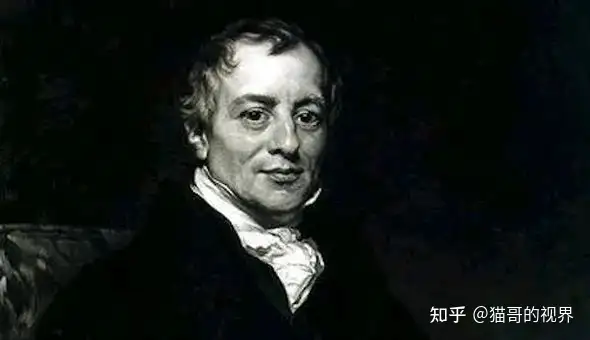
李嘉图认为,如果每个国家专门从事自己相对最为擅长的行业,然后通过贸易来获取所需要的所有其他产品,会获得很大的好处。
打个比方,比如Iphone,美国苹果负责设计,中国富士康负责生产,那么苹果自己能不能生产Iphone呢?
当然可以,但一定比中国富士康生产的贵。
因为富士康已经拥有了全部供应商和高效的产业工人队伍,相比苹果运行成本更低。
韩国就是如此,在一穷二白的情况下,只能靠自己人力成本低的优势,先发展劳动密集型产业,利用比较优势发展产业,赚到钱后才能再走下一步。
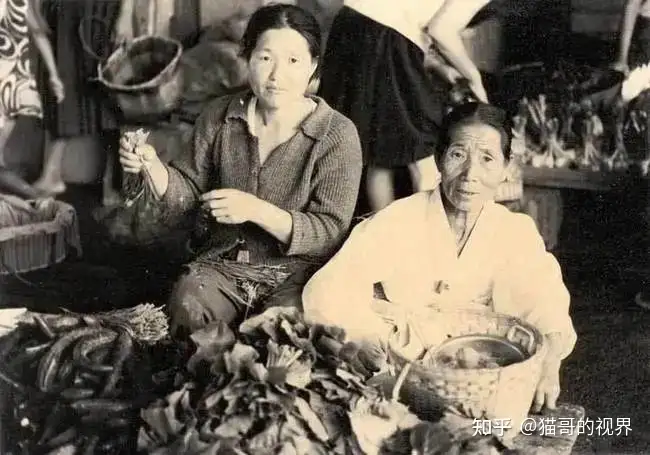
不得不说,这个设想很好,但却耗费了整整一代韩国人的血汗。
比如,在第二个五年计划(你没看错,韩国也学社会主义国家搞五年计划)中,韩国重点加强轻纺、玻璃、水泥等轻工业,用这些轻工业的初级产品出口,换取外汇。
于是,各种承接海外轻工业品的小作坊遍地开花,大批农村青年来到城市,开始为韩国的崛起奉献血汗。
韩国发展经济学泰斗张夏准回忆说,“许多来自农村贫寒家庭的小女孩不得不在12岁时就离开小学去打工——为了“减少一个人吃饭”,也为了赚点钱,使至少一个兄弟能接受更多的教育。
还有男孩子都只能在工厂里接受盘剥,那里的条件使人想起19世纪“黑暗的撒旦磨坊”。
在纺织和成衣这样的主要出口行业,工人们经常要在非常危险且有害的环境中工作12个小时,甚至更多,报酬却非常低。
就这样,韩国人忍受着工资低而时间长的劳动,在足以致人伤残死亡的有毒或危险的环境中生产出产品,用来换取外汇,换来了国家的发展。
再比如,1974年9月,朴正熙提出:针对石油危机带来的外汇危机,对策应到因石油危机而成为富翁的中东去寻找。
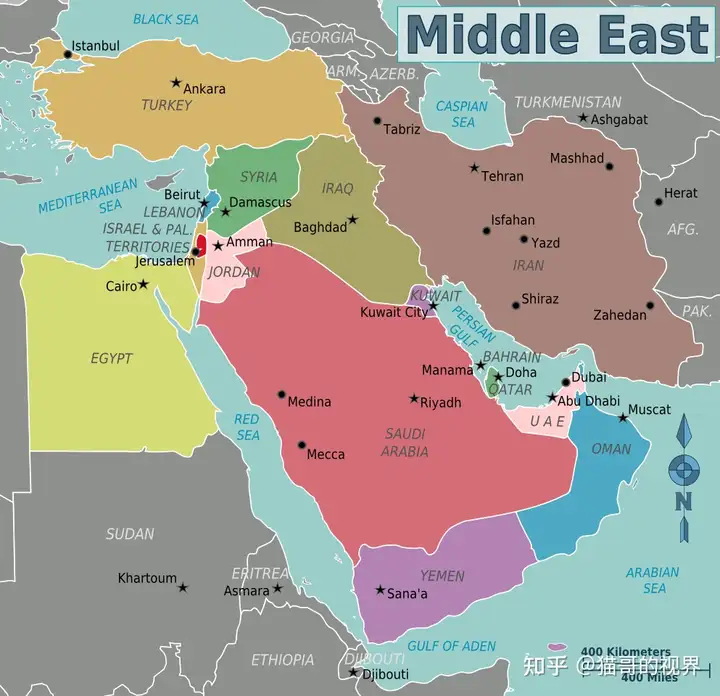
那时候的中东,除了钱啥都没有,迫切需要一场大基建。
韩国在越战期间帮助美军修建港口、机场、道路、兵营以及防御工程,积累了大量经验,又急需外汇,所以二者成了天作之合。
韩国政府甚至将很多军人提前退役,送到中东去挣外汇。
1974年,韩国在中东承包额为8900万美元,1975年就猛增到6.4亿美元,到1978年,已经达到了78.9亿美元!
整个70年代,韩国光建筑业在中东赚到的利润,就高达56亿美元。
韩国的十年贸易赤字总额,也差不多是这个数。
也就是说,韩国仅靠建筑业,就基本抵消了石油涨价带来的影响,帮韩国挺过了难关。
但代价就是上万名韩国人因事故、疾病、战乱等原因死在了外国工地上。
就是靠着这些血汗换来的外汇,朴正熙才解决了国内的粮食问题,随后又卑躬屈膝去找日本,承诺不再强烈要求日本对过去殖民朝鲜的历史做公开道歉和赔偿,来换取日本大笔资金注入以及先进的技术和管理经验。
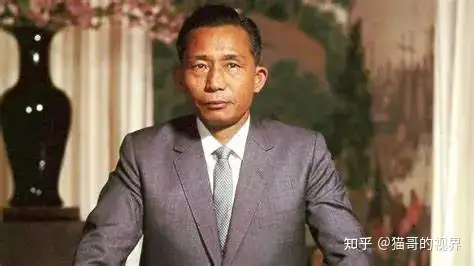
日本在韩国投资了超过140个工业项目,日本资本一度高达韩国接受对外资本的50%,大批的工厂和企业如雨后春笋不断地冒出来。
靠着这些技术和资金,韩国加速完成了工业化,并且很快在从贸易逆差国成长为贸易顺差国。
韩国的汽车、钢铁、重工、造船成为了出口创汇的王牌产品。
到了1986年,韩国出口贸易增长到了347.1亿美元,进口贸易额为315.8亿,正式实现了贸易顺差,并且一发不可收拾,助推韩国经济走上良性循环,一飞冲天。
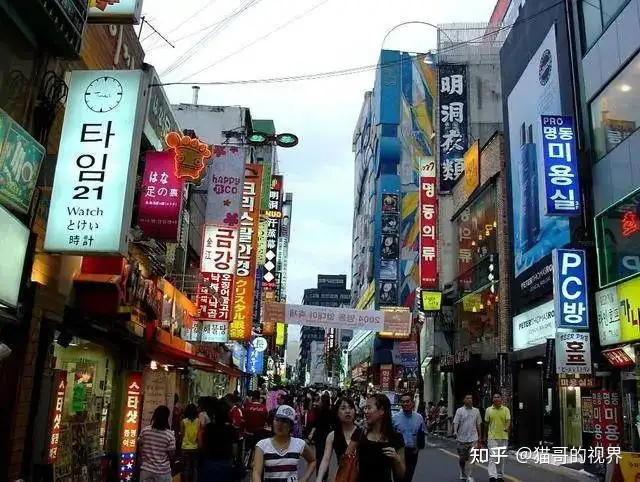
朝韩关于解决粮食问题的鲜明对比,充分说明,小国,是没有资格搞独立自主的。
在没有外部资源和环境的情况下再怎么折腾都是白费功夫,只能在大国主导经济体系中通过比较优势,做部分产业链才是生存之道。
5 世界大势
朝鲜和韩国的不同遭遇和现今的巨大差异,已经充分证明,经济只有联通才是王道。
各国发挥自己的比较优势,做细分工,然后在全球化框架下互通有无,大家就都能过上好日子。
但是现在的情况,却不容乐观。
2008年全球金融危机以来,单边主义和贸易保护主义抬头。
美国2018年对华发起贸易战,现在又通过加强盟友关系,大搞“价值观外交”,推行“印太合作框架”。
其实就是想建立一个小圈子,把中国从世界经济链条上剥离,以“脱钩”来让中国失去市场,彻底遏制中国崛起。
不得不说,这一招非常狠毒,也的确打在了中国的弱点之上。
中国向美国的出口总量,占美国进口份额从22%已经下降到了18%。
当前外需不振,很多中小企业生存艰难,拉动经济下行。
但问题是,这种脱钩,是违反经济规律的。
中国成为世界工厂,是中国四处拉关系拉出来的吗?
不是啊!
是中国商品物美价廉,把世界各国的经销商吸引过来的!属于水到渠成的自然现象。
出现这种现象的原因,也是因为中国的比较优势,没有谁能比!
以世界每年要消耗的几十亿个打火机为例:
一个小小的打火机,无论是常见的引流芯、芯套、海绵以及电子装置、出气阀乃至印刷、包装材料、电镀喷漆,在中国,都有非常完善的供应链和上百家配套商,所以中国的打火机卖到1块钱,还有利润。
世界上哪个国家能做到?还有哪个国家的比较优势能和中国比?

美国就算再搞“制造业回流”,能把打火机做到这么便宜吗?
美国就算再扶持印度墨西哥,能给他们配齐产业链吗?
毕竟这玩意虽然很小,但也是有一定技术含量的,需要一定工业基础的,不是廉价劳动力多就能玩得转的。
所以,有比较优势在,中国就是全球最大的制造业大国,也是全球第一(按照购买力平价指数)市场,还是全球一百多个国家第一大贸易国。
这种情况下把中国踢出全球经济体系是不可能的。
与中国相比,美国除了有消费市场,是没有生产能力的,全球其它国家加在一起也没有中国的生产能力。
现在拜登联合盟友对盟友施压,要求盟友们对华脱钩,但盟友们也不傻啊!
我脱钩后的损失谁来补?
你美国补么?
不补的话,我干嘛要抛弃便宜的中国商品,去买更贵的美国货?
所以拜登越折腾,逆反情绪越重,越触动小国生存的根本利益。
结果反而是中东、东盟、南美集体左转,纷纷抛弃美元,与中国建立独立货币结算体系。
就连德国总理朔尔茨都表态,坚定支持全球化,反对与中国脱钩。
最近法国总统马克龙也访华,访华之前还专门和中国签了一笔中法使用人民币结算天然气的合同。
当这么干的国家越来越多的时候,就会形成趋势,而这种趋势就是世界大势,浩浩汤汤,谁也阻挡不了。
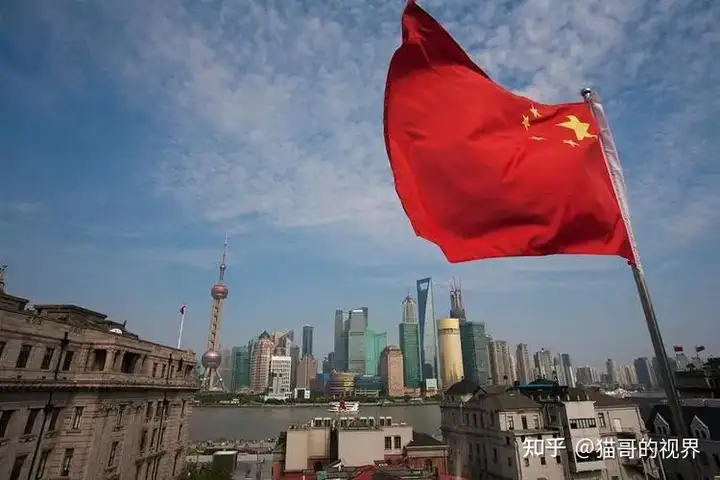
所以,在美国越来越封闭保守的时候,只有中国才有这个能力,重建全球化经贸体系。
不仅中国能给全世界带来发展机会,也能让小国在这个体系中利用比较优势有一口饭吃。
希望越来越多的国家,能够看清这一点吧。


评论
发表评论