Assassins in China, Japan and Korea中日韩的刺客们
Assassins in China, Japan and Korea
Since Sima Qian's "Historical Records of Assassin Biography", Chinese history books no longer write about assassins. After the "Book of Han", even the ranger has no place. It is probably because Han Fei's "Confucianism uses literature to disrupt the law, and chivalry to violate the law with martial arts" is generally accepted. After "Confucianism" has been included, it is best not to have "Xia".
However, Sima Qian's writing style is really good. The stories of Yu Rang, Jing Ke and others were engraved in the collective memory of the Chinese people early. Every time troubled times arise, assassins emerge tenaciously in the cracks of the times. Unfortunately, only modern assassins are eligible to be recorded.
Since modern times, many countries have produced many assassins. Because China, Japan and South Korea are closely related to each other, we can talk about them together.
In 2011, Phoenix Satellite TV once produced a program called "The Age of Assassination", which specifically talked about revolutionaries engaged in assassination activities in the late Qing Dynasty and early Republic of China. In 2014, the CCTV documentary channel also broadcast a similar documentary called "Blood Dawn".
Before that turbulent period, after 1840—the outbreak of the Opium War in this year, which marked the beginning of modern Chinese history—there were two assassinations with relatively large influence in China:
Together, in 1849, Shen Zhiliang, a villager in Xiangshan, Guangdong, and others killed the governor of Macau, Amarius, and cut off his head and left arm (Amarius lost his right arm in the war when he was 18 years old). The assassination sparked Portugal's One-Day War against the Qing court and brought about the full occupation of Macau. Afterwards, Shen Zhiliang was ordered to be executed by Xu Guangjin, governor of Guangdong and Guangxi, and "the leader of the crime was shown to the public at the place where he committed the crime."
The other case was the assassination of a horse, one of the four strange cases in the late Qing Dynasty. In 1870, Ma Xinyi, governor of Liangjiang, was assassinated by Zhang Wenxiang. "Certificate of Names" directed by Chen Kexin is adapted from this. To some extent, after Ma Xinyi's death, the Qing court gradually lost control of the southeast half.
The assassins in these two cases are roughly similar to the characters in Sima Qian's "Biography of Assassins", but they are obviously different from those assassins in the late Qing Dynasty and early Republic of China who had clear political ideas and pursuits.
During this period in Japan, there were changes outside the Sakurada Gate known as "the prelude to Japan's political assassination".
In March 1860, because Naosuke Ii, the lord of the Hikone domain who advocated the founding of the country, and Tokugawa Naizaki, the lord of the Mito domain who advocated respecting the emperor and fighting barbarians, opposed each other. After Ii Naosuke became the head of the shogunate, he severely suppressed the opposing faction. 17 rogues who broke away from the Mito domain He and a rogue from the Satsuma domain ambushed Ii Naosuke outside the Edo Sakurada Gate and beheaded him on the spot. At that time, Ii Naosuke had more than 60 guards but failed to stop the killing. Later generations called these 18 wanderers the "Eighteen Sakurada Scholars".
In July 1860, the rogues of the Mito clan launched the "Sakashita Outer Change" in an attempt to assassinate the old Naosuke Ando. — Failed.
Since then, Japanese political assassinations have continued. Among them, the legendary Ryoma Sakamoto was assassinated in 1867, and Toshimichi Okubo, one of the three heroes of the Meiji Restoration, was assassinated in 1878. But the assassins in most assassinations are not well-known.
As for South Korea, on March 28, 1894, Hong Jong-woo, a member of the Korean king's sect, assassinated the exiled leader of the Kaihwa Party of Korea, Kim Ok-kyun, on a ship bound for Shanghai, China.
(Hong Zhongyu (1850-1913), courtesy name Shengsu and nickname Yuting, was originally a descendant of the Hong family in Nanyang. His father Hong Jae-won was a high-ranking official in North Korea. He went to study in France at his own expense. Jin Yujun, who was assassinated, He led the "Jiashen Coup" in December 1884 to seize power, but was suppressed by the Qing army led by Yuan Shikai three days later. Jin Yujun had no ambitions after exiled to Japan. This trip to Shanghai was at the invitation of Li Jingfang, the adopted son of Li Hongzhang. Li Hongzhang met. After Jin's death, the body was extradited back to North Korea by the Qing government, and was killed by Ling Chi. It is said that in Japanese history, the assassination of Jin Yujun and the Donghak Party incident were jointly regarded as the direct cause of the Sino-Japanese War.)
After entering the 20th century, as Sun Yat-sen's revolutionary ideas were recognized by more and more people, the number of political assassinations in China increased sharply. Although in the movie "October Besieged City" it was the Qing government who wanted to assassinate Sun Yat-sen, in actual history it was the revolutionaries who paid more attention to assassination and carried out more.
In October 1900, taking advantage of the Boxer Rebellion and the invasion of the Eight-Power Allied Forces, the revolutionaries revolted in Huizhou, Guangdong, and soon fell into trouble. Shi Jianru and others planned to assassinate Deshou, the governor of Guangdong and Guangxi, in Guangzhou in response. They leased a house near the back garden of the Governor's Office of Guangdong and Guangxi, and planned to dig a tunnel to the bottom of Deokshou's bedroom. The first assassination failed due to the failure of the fuse of the explosive due to the dampness of the tunnel; on October 28, Shi Jianru successfully detonated the explosive alone. It was only because the excavated tunnel was out of position with Deokju's bedroom, Deju was knocked off the bed but was not injured. Shi Jianru was arrested on October 31 and died heroically on November 9 at the age of 21.
Shi Jianru
(Shi Jianru, born in 1879, formerly known as Wenwei, styled Jingru, later changed to Jianru, was born in Panyu County, Guangdong Province. His grandfather once worked as an editor for the Imperial Academy. He belonged to a family of officials and wealthy businessmen. He lived a good life. In 1898, he entered the He studied at the Gezhi Academy opened by Americans in Guangzhou. In 1899, he went to Hong Kong to meet Chen Shaobai and Yang Quyun and others. After being guided by them, he joined Sun Yat-sen's Xingzhong Association and went to Japan to meet Sun Yat-sen.
Sun Yat-sen praised Shi Jianru as "the second hero who died for the republic" after Lu Haodong, and said: "Jian Ru is smart, studious, sincere and sincere, similar to Lu Haodong, and his talent and appearance are also similar to Haodong. Poetry and painting are similar. Haodong Shenyong, firm as resolute, are all talents in the world, but unfortunately they all sacrificed because of failure. Yuanliang was depressed, and the country's scholars fell. It is a great misfortune for the future of the revolution! And the two died. The festival is fierce, the majestic and heroic style is a model for the deceased. Every time I think about it, I look up to infinity. Although Er Gong died, his spirit lingered in my heart for no day or time." Japanese patriot Gong Qi praised Shi Jianru as "the angel of the Chinese revolution".
The tomb of Shi Jianru is in the tomb of the 72 martyrs in Huanghuagang, Guangzhou.
In addition, there is a small pavilion named "Xing Pavilion" in Sun Yat-sen University, which commemorates him, Ou Lizhou, Xu Yaozhang and other three people. )
If Shi Jianru's assassination was only a temporary choice due to the situation at the time, then the assassination gradually became the first choice of the revolutionaries.
In 1902, Yang Yulin published an article in "New Hunan", saying that "it is not enough to startle his wandering soul in dreams without rumbling bombs; it is not enough to scrape his heart-warming copper stench unless it is the light of a knife."
Cai Yuanpei once recalled in his article "My Experience in Education":
"Since the age of thirty-six (that is, in 1902 AD), I have decided to participate in revolutionary work. I feel that there are only two ways to revolution: one is riots and the other is assassination. Doing my best to help military training in the Patriotic Society can be regarded as planting the seeds of riots .Assassination is more suitable for women, and the patriotic women's school (founded in 1903), prepares to plant the seeds of assassination."
Lin Baishui, who was also a member of the Patriotic Society at the time, published "On the Education of Assassins" in his own "China Vernacular News", publicly advocating assassination as a transitional means of revolution. He said: "We want to pull all sentient beings out of hell, transcend suffering, and enter the most civilized and free state. Only by single-handedly, as an assassin is the only way... We can still use all the above-mentioned powerful and effective methods to prevent social evolution. A powerful person, if one person feeds him with a knife, the evolution of society will not know how fast."
It is said that Lin Baishui also wrote a novel "Rose Flower", which tells that an assassin assassinated Zhang Zhidong, a representative of the Qing government, so that the revolution finally succeeded.
It was under the secret planning and public advocacy of these revolutionaries that the real era of assassination came.
In 1903, Tsarist Russia invaded and occupied the Northeast. During the Anti-Russia Movement, a group of Qing Dynasty students studying in Japan organized the "Resisting Russia Volunteer Team", which was later disbanded by the Japanese government, but was reorganized into the "Military and National Education Association" immediately. : One is advocacy, the other is uprising, and the third is assassination", some of the members specialize in developing explosives and practicing assassination methods.
In the summer of 1904, Yang Yulin, a member of the National Military Education Association and a member of the Xingzhong Society, brought explosives from Japan to Beijing, and invited Zhang Ji, He Haiqiao and others to plan to blow up Empress Dowager Cixi. He stayed in Beijing for several months to no avail. During this period, Yang Yulin was injured in one eye due to the development of explosives.
Yang Yulin
(Yang Yulin, born in 1871, from Changsha County, Hunan Province, was a 26-year-old Zhongjuren and a 27-year-old Zhongjinshi. The Qing court granted Guangxi a magistrate, but Yang did not take up the post. In 1902, Yang Yulin was admitted as a public-funded student studying in Japan and studied in Japan. He was admitted to Waseda University. In the autumn of 1904, Huang Xing, Liu Kuiyi, Song Jiaoren and others planned an uprising in Changsha. Yang Yulin and Zhang Shizhao secretly established a Patriotic Association in Shanghai after learning about it. Later, the uprising failed due to leaks , Yang Yulin changed his name to "Yang Shouren" and went into exile in Japan. But soon returned to Changsha and founded Huaxing Society with Huang Xing, Song Jiaoren, Chen Tianhua, Zhang Shizhao and others. On August 5, 1911, he was thrown into the sea in the Atlantic Bay of Liverpool, England suicide.)
On November 9, 1904, members of the Huaxing Society Wan Fuhua, Liu Shipei, Zhang Shizhao, Lin Baishui, Chen Zixin and other revolutionaries assassinated former Guangxi governor Wang Zhichun in the Jingu Xiangyang restaurant in the British Concession in Shanghai. Wan Fuhua was arrested on the spot, and the rest get away. Later, Zhang Shizhao and others were also arrested, but they were released because of insufficient evidence. Wan Fuhua was sentenced to 10 years in prison. Although the assassination failed, it caused considerable public opinion. The "Alarm Bell Daily" edited by Cai Yuanpei specially published "The Biography of Wan Fu Hua". Chen Qubing wrote the script of "Jingu Xiang" based on this incident, and published it in the drama publication "Twentieth Century Stage" edited by him. Liu Yazi and others also wrote poems to praise him.
Wan Fuhua
(Wan Fuhua, born in 1865, was born in Feidong, Anhui, from a poor family when he was young. He was an apprentice in a Chinese medicine store and became a talent by self-taught. He was recommended by the Gong family in Hefei to work in a Shanghai official bank, and was later recommended to Luanzhou Railway Later, he was invited to be in charge of local salt affairs in Guangdong and Fujian. After resigning from office in 1904, he traveled around and met Huang Xing and others in Shanghai, so he joined the Huaxing Association. Wan Fuhua once said: "European and American innovations are all natural From the beginning of assassination, there are no such people in China today, but if there are, please start from Fuhua."
It is said that in 1904 Xia Wanfuhua organized an assassination group in Nanjing to assassinate Tie Liang but failed. After the Revolution of 1911, the Nanjing Provisional Government sent multiple notes to the British Consulate requesting the release of Wan Fuhua but was rejected. After the peace talks between the North and the South, Chen Qimei, the governor of the Shanghai Military Governor's Mansion, sent a note to the British Consulate and the Trial Office, and more than 20,000 Shanghai gentry, businessmen, celebrities and the public jointly signed a petition, and finally Wan Fuhua was released on December 7, 1912.
In 1913, Wan Fuhua was hired by Yuan Shikai as an economic and industrial consultant. Because of his research on philology in prison, he was promoted as the honorary president of the "Association for the Advancement of Languages of Five Nationalities".
In 1914, Wan Fuhua published "On the Harm of the Imperial System" to oppose Yuan Shikai's proclaiming the emperor, but failed. He invited himself to go to Suifenhe, Heilongjiang to start an industry as a "Yuebian committee member", which made a lot of achievements. Yuan Shikai passed away in 1916, and Li Yuanhong, who succeeded him as President, invited him back to Beijing to remain as an adviser to the Presidential Palace.
In 1918, Xu Shichang assumed the presidency, proposed peace between the North and the South, and issued an armistice order. Wan Fuhua, Cai Yuanpei and others initiated the establishment of the "National Peace Federation" to support Xu Shichang's peace proposition. Wan Fuhua himself also traveled between Beijing and Shanghai.
On October 15, 1919, Wan Fuhua died of illness at the age of 56 due to overwork. )
In February 1905, Wang Han, a member of the Science Tutorial Institute, failed to assassinate Tieliang, Minister of the Ministry of Household Affairs of the Qing Dynasty, at the Zhangde Railway Station in Henan Province. During the escape process, Wang Han committed suicide by throwing himself into a well at the age of 21.
Wang Han
(Wang Han, born in Qishui, Hubei Province in 1884, his father and brother are local celebrities. Wang Hanshan's "Yi" and Tan Sitong's "Ren Xue" were highly praised. He had a close relationship with He Zixin and Xiong Shili in Huanggang, a neighboring county. Later, Xiong Shili joined the army. Han and He Zixin joined one of the earliest revolutionary organizations in Hubei in 1904, the Science Tutorial School. Song Jiaoren was the secretary of the Science Tutorial School at that time, with Lu Dasen as the director, Hu Ying as the director-general, and Liu Jingan, Cao Yabo and others. When Huang Xing was planning the Changsha Uprising, Wang Han and Hu Ying were in charge of armaments together. After the uprising broke out, the science tuition center was banned, and Wang Han and Hu Ying transported the guns to Yingwu Island for hiding. After Wang Han died, Hu Ying buried them Afterwards, Hu Ying widely informed the revolutionaries that Wang Han committed suicide by throwing himself into a well after his failed assassination attempt, which aroused great repercussions. After the success of the Revolution of 1911, Zhang Taiyan listed Wang Han as the first martyr who should be commended.)
On September 24, 1905, Wu Yue assassinated the five ministers who went abroad for inspection at Zhengyangmen Station in Beiping with a bomb in his arms. Wu Yue died on the spot, and two of the five ministers were seriously injured.
Wu Yue
(Wu Yue, born in 1878 in Tongcheng, Anhui, was from a poor family and failed in the imperial examination. In 1902, he was admitted to Baoding Higher School. In 1904, he was introduced by Cai Yuanpei to join the Restoration Association. He met Zhao Sheng, a revolutionary party member, and was introduced by Zhao Sheng to Yang Yulin. , so Wu, Zhao, Yang and others founded the northern assassination group, and Wu Yue served as the head of the northern assassination group. Originally, Wu Yue and others planned to assassinate Tie Liang, but later the Qing court dispatched Zai Ze, Xu Shichang, Duan Fang, Dai Hongci, Shao Ying, etc. The five ministers went abroad to investigate and prepare for the implementation of the constitutional monarchy. At this time, the revolutionaries fell into a trough due to repeated failures in the uprising, and the call for royalist constitutionalism was loud, so Wu Yue and others decided to change the plan and assassinate the five ministers. During this period, Wu Yue Wrote the book "The Age of Assassination", in which he wrote: "There are two ways to suppress man's fullness: one is assassination, and the other is revolution. Assassination is the cause, and revolution is the result. Although assassination can be done by individuals, revolution cannot be achieved by group efforts. Ineffective. Today's era is not the era of revolution, but the era of assassination. With revenge as reinforcements, the more you kill, the more you kill, the more you kill. Turning one self into tens of thousands of self, the former is the servant of the latter, if they don’t kill endlessly, if they don’t stop, it will be beneficial to die. However, after the two sons of the king, I have never heard of any follow-up. Therefore, at the beginning of this beginning, it seems inappropriate not to have impressions on my compatriots. Now, what I have seen recently, and those who have written about it, and those who are concerned about it in letters, are also similar to them, and they are compiled into several articles, called the era of assassination."
After Wu Yue died, the Tongmenghui published the full text of "The Era of Assassination" in the "Tianchaohao" supplement, Sun Yat-sen wrote the sacrificial text, Cai Yuanpei presided over the sacrifice, and his body was buried outside the west gate of Anqing.
During the Republic of China, Wuyue Street was established in Anqing, and there was Wuyue Park; Wuyue Temple was built in Tongcheng, and after Wuyue was named Mengxia, Chengguan Town was changed to Mengxia Town, and Mengxia Primary School and Mengxia Middle School were established. Today, there are Mengxia Road in Tongcheng City and the former residence of Wu Yue in Wangjiang County, Anqing City. )
At the end of 1906, Yang Zhuolin, a member of the alliance, and others planned to assassinate Duanfang, the governor of Liangjiang, with a bomb in Yangzhou. They were informed by the secret agents of the Qing court and they were all arrested. Yang Zhuolin took the initiative to take the charge and died on March 20, 1907.
Yang Zhuolin
(Yang Zhuolin, born in 1876, a native of Liling County, Hunan Province, loves martial arts and loves to read military books. He joined the Qing Army in 1893 as a soldier, participated in the Qing-Japanese Sino-Japanese War in 1894, and fought against the invasion of the Eight-Power Allied Forces in 1900; he resigned from the army Traveled around, met heroes, contacted the party, graduated from Jiangbei Academy in Nanjing in July 1905, entered the Higher Police School in Kanda District, Japan in the fall, made friends with Sun Yat-sen, Huang Xing, etc., and joined the Tongmenghui. December 8, 1905 Chen Tianhua He committed suicide by crossing the sea in Omori Bay, Tokyo; on March 27, 1906, Yao Hongye, a representative of returned students studying in Japan, sank into the Huangpu River. The Pingliuli uprising was suppressed, so Yang Zhuolin decided to assassinate Duanfang, the governor of Liangjiang. Unexpectedly, his subordinates infiltrated the secret agents of the Qing court, and he was caught in the trick and died at the age of 32.
After the success of the Revolution of 1911, on March 6, 1912, the Army Department of the Nanjing Provisional Government rebuilt Duanfang’s former private house in Xuanwu Lake outside the Taiping Gate of Nanjing into a martyr’s shrine. Wu Yue, who was martyred by the five ministers including Fang, Xiong Chengji who was murdered after plotting to assassinate Zai Xun, and martyrs such as Yang Yulin and Chen Tianhua who crossed the sea. )
On July 6, 1907, Xu Xilin, Chen Boping, Ma Zonghan and others launched the Anqing Uprising and shot and killed Anhui governor Enming; the uprising failed, Chen Boping was killed, Xu Xilin and Ma Zonghan were arrested, and died successively.
Xu Xilin
(Xu Xilin, born in 1873, was born in Shaoxing, Zhejiang Province. His father was an official of Shanyin County, and his family was wealthy. He studied in Japan in 1903 and met Tao Chengzhang and Gong Baoquan in Tokyo. He joined the Restoration Society in Shanghai in 1904. He founded Datong School in Shaoxing in 1905. In 1906, Xu Xilin, together with Chen Boping and Ma Zonghan, bought an official position and went to Anqing; then Xu Xilin became Enming's confidant, and served as the deputy general office of the Armed Forces School and the police office; in 1907, it was renamed the Army Elementary School Supervisor and the Patrol Academy Supervisor Xu Xilin originally agreed with Qiu Jin in Shaoxing to launch an incident in Anhui and Zhejiang on July 19, but because some party members were arrested in Shanghai and confessed some alias codes of revolutionaries, Enming asked Xu Xilin to be responsible for the arrest. Xu Xilin saw His alias was on the list, so he decided to act righteously at the graduation ceremony of the Patrol Academy on July 8. Unexpectedly, Enming had something to do that day and asked to advance the graduation ceremony two days, so the uprising had to be held hastily on the 6th. On the same day, Xu Xilin and others Fighting fiercely for 4 hours, he was finally arrested because he was outnumbered and tortured to death by Ling Chi. He was 35 years old at the time.
Xu Xilin's "Notice of the Restoration Army" written before the uprising said:
"The self-satisfied barbarians entered the customs, the Central Plains were devastated, the clothes were swept away, and the literature was exhausted. For more than two hundred years, under the tyrannical regime, there were all kinds of embarrassments and embarrassments. Recently, it is called constitutionalism, but it is actually a centralized center. Playing with me, Prohibition of freedom, killing of nobles, cruelty and injustice, and tyranny. The world is disturbed, the people have no place to rely on, and the neighbors are forced by the strong neighbors, and they cannot live forever. All kinds of crimes are caused by the Manchu government's foolish head of Guizhou who abused the Han people! Embracing public indignation, join the rebels, and my compatriots, to restore the old cause, vow to wipe out the demon atmosphere, rebuild the new country, seek the happiness of the republic, and avenge the deep revenge of the past."
In his confession after his arrest, he said:
"You said that Enming is a good official and treats me very kindly. It is true! But since I take the Manchus as my purpose, I don't ask whether Manchus are good or bad officials. As for favoring me, it is a personal favor; I killed Enming is full of axioms."
After Xu Xilin's death, Zhang Taiyan commented: "The Guangfu Society is the same as the Tongmenghui, but its name is hidden. However, a blow from Anqing shakes the overall situation, establishes the ambition of a coward, and inspires the heart of the rebel army. Xu Xilin did it."
Ma Zonghan, born in 1884, was born in Yuyao, Zhejiang Province. He entered Zhejiang Higher School in 1902 and was expelled for participating in the student movement. In 1904, he became a scholar. In September 1905, he entered Shaoxing Datong Academy and joined the Restoration Association. In January 1906, studied in Japan with Xu Xilin and Chen Boping, and studied in the preparatory course of Waseda University in Tokyo. Returned to China in April 1906. He participated in the Anqing Uprising on July 6, 1907, was arrested in failure, and died in Anqing on August 24 at the age of 24.
Chen Boping, born in 1885, is a native of Shaoxing, Zhejiang. He lived in Fuzhou, Fujian when he was young. In January 1906, he studied in Japan with Xu Xilin and Ma Zonghan. He returned to China in May, and served as a teacher in a Chinese public school in July. He was injured while researching and testing explosives in Shanghai, and went to Japan to study medicinal chemistry. After returning to China again, Chen Boping conspired to kill Tieliang, a Qing official, but was stopped by Xu Xilin. During the Anqing Uprising on July 6, 1907, Chen Boping guarded the front gate of the Anqing Ordnance Institute and died in a battle with the Qing army at the age of 23. )
On October 26, 1909, Ahn Jung-geun, a Korean, shot dead Japan's first supervisor of the North Korean government and chairman of the Japanese Privy Council Ito Hirobumi at Harbin Railway Station.
An Jung-geun
(An Jung-geun, born in 1879, a native of Haeju, Hwanghae-do, North Korea, is a son of an official family. His father, An Tae-hoon, became a Catholic during his asylum in the Catholic Church and became a missionary. Afterwards, the whole family converted to Catholicism. An Jung-geun had 10 years Follow the French priest to learn French and Western culture, and spread the gospel everywhere.
In March 1906, An Jung-geun used all his property to establish two schools in order to save the country through education. At the same time, actively participate in and publicize the National Debt Repayment Movement, and persuade family members and relatives to donate gold and silver jewelry to help the country get rid of the huge national debt.
In 1907, he participated in the formation of a volunteer army in Vladivostok and served as a lieutenant general of the staff.
In 1908, he led volunteer troops to fight the Japanese army twice.
In January 1909, in Russia, Yanqiu formed a finger-cutting alliance with Jin Qilong, Jiang Shunqi and others. give up". The 12 people cut off their ring fingers, wrote the four characters "Korean Independence" in blood on the Taiji flag, and shouted "Long Live the Independence of Korea" three times in unison.
On the early morning of October 26, 1909, An Jung-geun, wearing a black suit and carrying an eight-company Browning pistol, fired three shots at Hirofumi Ito at Harbin Railway Station. Hiromi Ito was shot in three vital parts of his bra, ribs, and abdomen, and was shot on the spot. die. In order to prevent hitting the wrong person, An Jung-geun fired 4 more shots at the 4 Japanese next to him.
On February 14, 1910, after the sixth public trial, the District Court of the Kanto Metropolitan Government sentenced An Jung-geun to death for murder. According to reports, after An Jung-geun's mother learned that he was sentenced to death, he sent An Jung-geun's two younger brothers He sent a message saying: "You were sentenced after doing the right thing for the country, so don't live in a lowly way, you should die in accordance with righteousness, this is filial piety to your mother."
At 10:15 am on March 26, 1910, An Jung-geun died for his country in the execution ground of Lushun Prison.
On March 25, 1910, Daehan Daily Shinbo published Ahn Jung-geun’s letter to his compatriots: “In order to restore Korea’s independence and maintain peace in the East, I spent three years living and sleeping overseas, and died here without fulfilling my ambition. Our 20 million brothers and sisters must work hard to improve culture, revitalize industry, follow suit, and restore the independence of the motherland, and I will die without regret.”
After Ahn Jung-geun was martyred, all walks of life in China praised him, and Zhang Taiyan called him "Asia's No. 1 righteous hero".
There is now the Ahn Jung-geun Martyr Memorial Hall in Namsan Park, Seoul, South Korea;
Ahn Jung-geun Martyr Memorial Hall is located in Harbin Railway Station, China;
There is an "Ahn Jung-geun Toyo Peace Prayer Monument" at Muliangji Temple in Saga City, Saga Prefecture, Japan;
On October 18, 2001, the Liberation Society and the Korea Academic and Cultural Foundation erected a monument to the Alliance of Severed Fingers at the entrance of the village of Yanqiukari in Kraskino, Russia, to commemorate the 12 members of the Alliance of Severed Fingers headed by An Jung-geun. )
In February 1910, Wang Jingwei, Huang Fusheng and Luo Shixun attempted to plant a bomb on Yinding Bridge and were arrested for plotting to assassinate Qing Regent Zaifeng. They were discovered in advance. On April 16, the three were arrested.
Wang Jingwei
(Wang Jingwei, born in 1883, was born in Sanshui County, Guangdong Province. His ancestral home was in Shanyin, Zhejiang Province. His original name was Wang Zhaoming.
In 1904, he was admitted as an official fee student studying in Japan.
In 1905, he joined the Tongmenghui in Japan and became Sun's assistant. At the same time, he served as the editor of the Tongmenghui's official newspaper "Minbao" and published revolutionary articles. Cen Chunxuan, governor of Guangdong and Guangxi, sent people to Japan to ask Wang to stop his revolutionary activities but was rejected. In order to avoid harm to his family, Wang wrote a letter to sever ties with his family.
In 1906, after graduating from Hosei University in Japan, he followed Sun Yat-sen to set up alliance branches in various parts of Nanyang and planned uprisings.
In 1908, met Chen Bijun, a wealthy overseas Chinese businessman in Penang, Malaya.
In March 1909, the Qing court announced that it was preparing to establish a constitutional monarchy. The revolutionaries had failed many uprisings before, and their morale was low. In May, Tao Chengzhang and Zhang Taiyan, the former leaders of the Restoration Association in the Tongmenghui, attacked General Sun for enriching his own pocket with donations, published "Sun Wen's Incrimination", demanded that "Prime Minister Sun Wen be fired in the name of Prime Minister Sun Wen", and published leaflets attacking "the current "Min Bao "Owned by Sun Wen and Wang Zhaoming". Liang Qichao and other royalist reformers ridiculed the leaders of the Tongmenghui as "long-distance revolutionaries" and "deceived people to death, while they enjoy high-rise luxury houses." Wang was greatly stimulated by this, and ignored Sun Yat-sen, Huang Xing, Hu Hanmin and others many times Dissuaded, decided to sneak into Beijing to carry out assassination activities. Before the trip, the "Letter to Nanyang Comrades" said: "No matter the success or failure of this trip, there is no hope of survival. Even if blood is shed on the streets of the vegetable market, I still look forward to the revolutionary army entering the capital. door too."
On the evening of February 22, 1910, Wang, Huang Fusheng, Yu Peilun and others were discovered when they were laying explosives and laying wires at Yinding Bridge. On April 16, Wang Jingwei, Huang Fusheng and Luo Shixun were arrested. At that time, Yu Peilun went to Tokyo to buy explosives, and Li Zhongshi and Chen Bijun went to Nanyang to raise funds.
While in prison, Wang Jingwei's poems, such as "Using a knife to achieve success, live up to the boy's head", were widely praised. Prince Shanqi, Shangshu Su of the Ministry of Civil Affairs of the Qing court gave him special preferential treatment, and later mediated to save him from the death penalty.
On October 10, 1911, the Wuchang Uprising broke out. On November 6, the Qing government amnesty for political prisoners, and Wang, Huang, and Luo were released. On November 27, Wang went to Tianjin to organize a branch of the Beijing-Tianjin League and directly govern the Assassination Department.
People often lament that if Wang Jingwei dies at this time, he will leave a perfect image in history. But the world is impermanent.
Later, Wang Jingwei participated in the Second Revolution, serving as the chairman of the Guangdong National Government as the successor of Sun Yat-sen, and later the president of the Executive Yuan; but he eventually became a traitor after the Japanese invasion of China.
On November 10, 1944, Wang Jingwei died of illness in Japan and was buried in Meihua Mountain, southwest of Sun Yat-sen Mausoleum in Nanjing.
On January 21, 1946, He Yingqin, commander-in-chief of the army, was ordered to blow up Wang's tomb, destroying his bones and ashes.
Huang Fusheng, born in 1883 in Longchang, Sichuan, went to Japan to study in 1904, joined the Tongmenghui in 1905, and served as the president of the Sichuan branch and the manager of Minbao. After the assassination of Prince Regent Zaifeng was released, he joined the branch of the Beijing-Tianjin League. He served as a member of the Nanjing Provisional Senate, concurrently served as the Director of Printing and Casting of the Nanjing Provisional Government, acting Governor of Sichuan Province, commander-in-chief of the Yasukuni Military Aid to Hubei First Road, and legislator of the Legislative Yuan of the National Government. Member, National Policy Advisor of the Presidential Palace, etc., died of illness on October 1, 1948, at the age of 66.
Luo Shixun, born in 1883, was born in Neijiang, Sichuan. He was arrested and imprisoned after failing to plan to kill Prince Regent Zaifeng, and sentenced to 10 years in prison. After the Wuchang Uprising, he was released and joined the branch of the Beijing-Tianjin League. During this period, he participated in the planning of the Luanzhou Uprising, and also participated in the assassination incidents such as the bombing of Yuan Shikai by Yang Yuchang and the bombing of Liangbi by Peng Jiazhen.
Later, he was arrested and imprisoned for opposing Yuan Shikai's proclaiming emperor.
He was released from prison in 1916 and returned to his hometown to start a business.
Died in 1943 at the age of 61. )
On October 6, 1910, Kuang George and Zhu Zhuowen assassinated Prince Zaixun of the Qing Dynasty who was visiting the United States in San Francisco. The incident failed. Kuang George was arrested on the spot and Zhu Zhuowen escaped. George Kwong was sentenced to 14 years in prison. After the founding of the Republic of China, Tang Shaoyi negotiated with the United States, and Kwong George was released with amnesty.
(Kong George, born in San Francisco, USA in 1879, from Xinning, Guangdong, studied in China in his early years, and later returned to the United States as a cook. In 1909, he joined the San Francisco Juvenile Academy. In 1910, he was reorganized with the Juvenile Academy and became a member of the North American League.
Zhu Zhuowen, born in 1875 in Xiangshan County, Guangdong Province, went to San Francisco, USA in 1896 to follow Sun Yat-sen and learn flying skills at the same time. Joined the Tongmenghui on January 16, 1910.
In 1912, he returned to China and served as the director of the General Affairs Department of the Provisional Presidential Palace in Nanjing. Later, he served successively as the director of the Aviation Bureau of the Grand Marshal’s Palace, the director of the Guangdong Arsenal, the commander of the central government’s anti-thief army, the county magistrate of Xiangshan County, and the Director of the Audit Bureau of Guangdong Province, director of the Aviation Bureau, etc., and later served as the head of Xiangshan County and the director of the Land Bureau of Zhongshan County.
In 1935, he was killed at the age of 61 because the secret organization "Datong National Salvation Army" attempted to oppose Chen Jitang.
The second daughter, Zhu Mufei, is the first female pilot in China. )
On April 8, 1911, Wen Shengcai, a member of the Tongmenghui, assassinated General Fu Qi of Guangzhou.
(Wen Shengcai, born in 1870, is a native of Jiaying Prefecture, Guangdong Province. He joined the League in 1907. Before his execution, he laughed to himself while parading through the streets. He passed by many people and declared loudly: "Today, I will take revenge on behalf of my compatriots. All compatriots must be angry. It’s good to be a human being.” “Many things belong to me, I will die soon and live soon, and then I will attack the thieves!”)
On August 13, 1911, Lin Guanci and Chen Jingyue, members of the China Assassination Group, assassinated Li Zhun, the admiral of the Guangdong Navy.
Li Zhun was seriously injured in the bombing, Lin Guanci died on the spot, and Chen Jingyue died after being arrested.
(Lin Guanci, born in 1883, a native of Guishan (now Huiyang), Guangdong, came to work in Hong Kong because of his poor family, hated evil and admired revolution, and was later recruited by Gao Jianfu into the assassination group;
Chen Jingyue, born in 1870, a native of Jiaying Prefecture, Guangdong, joined the Tongmenghui in Malaya; participated in the Huanghuagang Uprising in April 1911, and joined the assassination group in Hong Kong after the uprising failed.
After the founding of the Republic of China, Wen Shengcai, Lin Guanci and Chen Jingyue were all buried in Huanghuagang, Guangzhou. )
On October 25, 1911, Li Peiji, a member of the China Assassination Regiment, blew up the newly appointed Guangzhou General Fengshan to death in the street.
Li Peiji
(Li Peiji, born in 1895 in Enping, Guangdong, the second son of the female revolutionary Xu Mulan—Xu Mulan, younger sister Xu Zonghan and second sister Xu Peiyao joined the China League successively, known as the "Three Xu Sisters", Xu Zonghan is Huang Xing's wife;
After the failure of the Huanghuagang Uprising in Guangzhou, Li Peiji, who was 16 years old at the time, said: "At this time, the party members can only carry out personal assassinations, otherwise they will not be able to deal with the martyrs";
Later, Li Peiji and his brother Li Yingsheng were sent by the assassination group to assassinate Fengshan. To be on the safe side, poison was placed in a heavy bomb, and Li Yingsheng was poisoned and unconscious, so Li Peiji executed it alone. Li Peiji left calmly after winning.
After the founding of the Republic of China, Li Peiji and Li Yingsheng went to the United States to study. Li Peiji died of illness in the United States. After completing his studies, Li Yingsheng returned to China and taught at Lingnan University. )
(Liu Sifu, studied in Tokyo, Japan in 1905 and joined the Tongmenghui. Liu Sifu called the assassination a "unique daring to die". In the spring of 1906, he made a bomb in Fengxiang Academy, Jiucang Lane, Guangzhou, in an attempt to assassinate Li Zhun, the admiral of the Guangdong Navy at that time. The bomb exploded After Liu was released in 1909, he formed the "China Assassination Group" in Hong Kong. Liu Sifu served as the head of the group, Gao Jianfu served as the deputy head of the group, and Chen Jiongming was one of the members. On August 13, 1911, Lin Guanci was dispatched to successfully injure Li Zhun at Shuangmendi (now the northern section of Beijing Road) in Guangzhou. On October 25 of the same year, he dispatched Li Peiji to blow up Fengshan to death. In early 1912, he sent people northward to plan to assassinate the regent. Feng, but because the peace talks between the North and the South were soon successful, they did not continue. After the founding of the Republic of China, because "the original intention has been fulfilled, the resolution was dissolved on its own, and it was ashamed to seek fame, so the documents such as the League Charter and the next year's meeting letter were all included. burn.")
On January 16, 1912, dozens of people, including Zhang Xianpei, Huang Zhimeng, Yang Yuchang, Tao Hongyuan, Xue Rong, Li Huailian, Xu Tonghua, Fu Sixun, Huang Yongqing, Xiao Sheng, used bombs at the intersection of Donganmen Street and Wangfujing Street. During the assassination of Yuan Shikai, Yuan Jinbiao, Yuan's chief guard, was killed, and Yuan Suo's carriage capsized, leaving him unharmed. Zhang Xianpei, Huang Zhimeng, Yang Yuchang, Tao Hongyuan, Xue Rong, Li Huailian, Xu Tonghua, Fu Sixun, Huang Yongqing, and Xiao Sheng were arrested on the spot. Zhang Xianpei, Huang Zhimeng, and Yang Yuchang were sentenced to death because weapons were found on their bodies. The remaining seven were released on bail by the French journalists.
(Huang Zhimeng, born in 1988 in Guiding County, Guizhou Province, native of Kaiping, Guangdong Province, was admitted to the Beijing Army Surveying and Mapping School in 1910, and joined the Assassination Department of the Beijing-Tianjin League in 1911.
Zhang Xianpei, born in 1980, is a native of Majiang County, Guizhou Province. He graduated from the Beijing Army Noble Academy and joined the Beijing-Tianjin League Assassination Department in 1911.
Yang Yuchang, born in 1885, is a native of Zizhou (now Zizhong County), Sichuan. He graduated from Baoding Army Normal School and joined the Assassination Department of the Beijing-Tianjin League in 1911.
On the night of January 26, 1912, Peng Jiazhen used a bomb to seriously injure Liang Bi, an important minister of the Qing court and leader of the Zongsha Party, and died on the spot. Two days later, Liangbi died of his injuries. After Liangbi's death, the Qing emperor announced his abdication.
(Peng Jiazhen, born in 1888, was born in Jintang, Sichuan. In 1903, Peng Jiazhen was admitted to the Chengdu Armed Forces Academy. In 1906, he was sent to Japan to inspect military affairs. He joined the Tongmenghui in Japan and returned to Sichuan in the same year. After an internship, he served as a platoon leader in the army. In 1907, he participated in the uprising of the Tongmenghui in Sichuan. After the uprising was aborted, his identity as a member of the alliance was not revealed. In April 1909, he served as a team officer (equivalent to a company commander); in the summer of 1909, he went to Kunming, Yunnan, He served as the supervisor and instructor of the camp school in the 19th town of the army, and was later promoted to promotion.
Arrived in Fengtian in early May 1910, and was introduced by Liu Jiefan, a member of the Tongmenghui, as the front team officer of the Xuebing Battalion affiliated to Fengtian Lecture Hall.
In 1911, Zhao Erxun was appointed by Zhao Erxun as the deputy chief of the Tianjin Military Station and acted as the agent of Biaotong. He took office within a few days after the Wuchang Uprising. In late October, Peng Jiazhen and others were responsible for transporting the arms purchased by the Qing government from Europe from Fengtian to the front line of the Yangtze River via the Jingfeng Railway. He secretly contacted Shi Congyun and Wang Jinming, officers of the 20th Township of the Army stationed in Luanzhou, and urged Zhang Shaozeng, the commander of the 20th Township of the Army, to intercept the batch of munitions in Luanzhou. Later, Peng Jiazhen was wanted by the Qing court for raising uprising funds and military supplies. In late December, Peng Jiazhen met with Sun Yat-sen in Shanghai, and served as the deputy director of the military department of the Sichuan Tongmenghui Party member's brigade branch in Shanghai. He organized the Northern Expedition to the Shu Army and was promoted as the deputy commander-in-chief of the Shu Army. However, he refused the Shu Military Government's return to Sichuan. At the invitation, he accepted the title of "Northern recruiter" appointed by Cheng Dequan, governor of Jiangsu. After returning to Tianjin, Peng Jiazhen served as the head of the military department of the Beijing-Tianjin branch of the Tongmenghui.
In mid-January 1912, Peng Jiazhen participated in the planning of the Beijing-Tianjin branch of the Tongmenghui to assassinate important officials of the Qing government, Yuan Shikai, Liangbi, and Zaize. However, the assassination of Yuan Shikai failed on January 16, and Peng Jiazhen took on the task of assassinating Liang Bi.
On the night of January 26, Peng Jiazhen successfully assassinated Liangbi, and she herself was 25 years old.
Sun Yat-sen believed that Peng Jiazhen "received great achievements for a small projectile", and after the founding of the Republic of China, he was posthumously awarded the title of "General of the Army" and worshiped the Martyrs' Shrine.
In February 1912, the Nanjing Provisional Government buried Peng Jiazhen's clothes and the remains of Zhang, Huang, and Yang in the agricultural experiment field in the western suburbs (before the cemetery was built, Peng Jiazhen's body had been transported back to the place of origin by his relatives for burial, so the cemetery was built. His clothes were buried), known as the "Tomb of the Four Martyrs". During the Cultural Revolution, the tombs of the martyrs were razed to the ground. In August 1990, a stele of the memorial site of the tombs of the four martyrs was established on the original site. )
* There was also a woman named Zheng Yuxiu who participated in the assassination of Yuan Shikai and Liang Bi. After the Qing emperor abdicated in 1912 and Yuan Shikai became the interim president of the Republic of China, Zheng went to France for a work-study program. In 1925, she received a doctorate in law from the University of Paris, and is currently the first female doctor in China that can be confirmed. After returning to China, she set up a law firm in Shanghai, becoming the first female lawyer in China, and served as Yang Xingfo's defense lawyer. Died in Los Angeles, USA in 1959.
After the success of the Revolution of 1911, the establishment of the Republic of China was established, but the constitutional government was not yet achieved, and the current situation was turbulent. The original revolutionary party assassinated others and also became the target of assassination, such as Tao Chengzhang, Song Jiaoren, Chen Qimei, etc., and then Liao Zhongkai was assassinated and died. However, it is very different from the earlier assassination of righteous men who stood up for revolutionary ideals. For example, Shi Jianqiao assassinated Sun Chuanfang to avenge his father. Although legendary, it was out of personal grievances, not national justice.
On January 8, 1932, Lee Bong-chang, a member of the "Korean Patriotic Corps", managed to disguise himself as a Japanese military policeman and threw a grenade at Emperor Showa when he passed by the Sakurada Gate in a carriage, but the grenade fell to Baron Kazuki, Minister of Internal Affairs On Kitoro's carriage, only one guard was injured. Li Bongchang was arrested on the spot, sentenced to death in the same year, and executed on October 10, 1932 at the Ichigaya Prison.
Lee Bong-chang, born in 1900, a native of Seoul, a supporter of the independence movement of the Republic of Korea,
In 1962, he was posthumously awarded the Medal of Founding by the Second Republic of Korea, and issued commemorative stamps in 1992. The Japanese took the opportunity of celebrating the "Tianchang Festival" (Emperor Showa's birthday) to hold the "Songhu War Victory Ceremony" in Shanghai Hongkou Park. Yoon Bong-gil, a Korean youth who is proficient in Japanese, sneaked in a few meters away from the rostrum, and threw kettle bombs at the feet of the commander-in-chief of the Japanese army Shirakawa Yoshinori and the executive chairman of the Japanese Migrant Corps in Shanghai Kawabata Sadaji. Kawabata was killed immediately; 204 pieces of shrapnel, dying until May 25; the head of the Ninth Division, Kenkichi Ueda, and the Japanese ambassador to China, Shigemitsu Aoi, were blown off one leg, and Yoshisaburo Nomura, commander of the Japanese Navy’s Third Fleet, was blinded in his right eye; Many Japanese officers and soldiers were killed or injured.
After the explosion, Yin Bongji was arrested on the spot. The Japanese military police tortured Yin, but Yin insisted that he was responsible for the bombing alone.
On December 19, 1932, Yoon Bong-gil was shot in the outskirts of Kanazawa, Japan at the age of 24.
Yin Bongji, born in 1908, whose real name is Yuyi, nicknamed Meixuan, and nicknamed Fengji, was born in the Yun family of Popyeong. In 1930, he decided to join the "Korean Independence Movement" and left his last words to his family, "Husband leaves home and never returns." In 1931, he went to Shanghai to join the Provisional Government of Korea. He met An Jung-geun's younger brother An Gong-geun and independence activist Park Zhen, and was introduced to Kim Goo, the founder of the "Korean Patriotic Corps" through them. On April 26, 1932, Yoon Bong-gil took an oath to join the Korean Patriotic Corps under the banner of Taiji in Kim Gu's office.
After the bombing in Hongkou Park, Chiang Kai-shek commented: "It is really touching that a young man from North Korea can do something that even a million Chinese soldiers could not do." He wrote an inscription: "Don't tell right from wrong Dayi knows life and death and leaves righteousness between heaven and earth to take righteousness and become benevolence and live forever."
After the recovery of South Korea on August 15, 1945, Kim Gu returned to China on November 23, and then met with the family of Yin Bongji.
On April 26, 1946, activities to commemorate the 14th anniversary of Yun Bong-gil's Shanghai charity event were held in Deoksan-myeon, Yesan-gun, Chungcheongnam-do, Yoon's hometown, and a memorial service for Yoon Bong-gil was also held in Seoul.
On April 29, 1949, the 17th anniversary of Yin Bongji's Shanghai charity event, Yesan County erected the first monument for him. Today, on April 29 every year, the Maeheon Cultural Festival is held in Yesan County.
On March 1, 1952, Yoon Bong-gil was posthumously awarded the National Founding Medal by the South Korean government.
In November 1992, with the approval of the Ministry of Foreign Affairs, Shanghai, China built a two-story Korean-style building named after Yin Bongji's name "Meixuan" in Hongkou Park.
On April 29, 2002, at the "International Academic Conference Commemorating the 70th Anniversary of Yoon Bong-gil and Lee Bong-chang's righteous acts" held in Shanghai, some scholars proposed that "righteous struggle" was a strategy of the Korean independence movement under the historical conditions at that time, and it was also the only choice. There is a major difference between contemporary terrorist activities that harm innocent civilians.
Kanazawa City, Ishikawa Prefecture, Japan has built a memorial cemetery and monument at the place where Yin Bongji was "secretly buried", and has issued commemorative books
On March 17, 1933, Korean independence activists such as Baek Jeong-gi, Lee Kang-hoon, Won Shin-chang planned to assassinate the Japanese minister Ariyoshi who was hosting a banquet at the "Liusan Pavilion" restaurant in Hongkou Park (replacing Shigemitsu Aoi who was injured by Yin Bongji) . But because of the traitor's betrayal, Bai, Li and Yuan were arrested. Bai Zhenji and Yuan Xinchang were sentenced to life imprisonment in the Nagasaki court in Japan, and Li Kangxun was sentenced to 15 years. Bai Zhenji died in prison on June 5, 1934, while Yuan and Li were released after the recovery of South Korea.
(Baek Jeonggi, No. Obo, was born in 1896 in a poor peasant family in Buan County, Jeollabuk-do. He started to join the independence movement in 1919 and joined the anarchist organization Black Taohui in 1923. In 1924, he sneaked into Tokyo and planned to assassinate the Japanese emperor. Fled to China after failure of Hayakawa Hydropower Station.)
In mid-May 1946, the remains of Lee Bong-chang, Yoon Bong-gil, and Baek Jung-ki were transported back to Korea from Japan with the help of MacArthur Command. Kim Goo also made a special trip to Busan to greet him. On June 15, a large-scale memorial service was held in Busan. The next day, the remains of the three martyrs were transported to Seoul, where they were enshrined in Taikoo Temple to receive the national worship. On June 30, South Korea held a state funeral for the three martyrs, who were buried in Xiaochang Cemetery.
On October 12, 1960, Yamaguchi Futoya rushed to the podium at the pre-selection speech meeting of the three parties held at the Hibiya Public Hall in Tokyo, and stabbed Asanuma Inejiro who was giving a speech with a wakizashi (a Japanese-style short knife). At that time, NHK was televising the speech, and the assassination scene shocked the whole of Japan. Yamaguchi was arrested on the spot. A few days later, Yamaguchi Futoya hanged himself in the Juvenile Detention Center at the age of 17.
On April 24, 1970, Huang Wenxiong, a doctoral student at Cornell University, shot at Jiang Jingguo, who was visiting the United States, at the gate of the Plaza Hotel in New York City. He was blocked by American security personnel and the bullet flew 20 centimeters above Jiang Jingguo's head. Huang Wenxiong was arrested on the spot, and Zheng Zicai (Huang Wenxiong's brother-in-law), who tried to rescue him, was also arrested. After the incident, fundraising activities were launched in various places to raise the bail of 200,000 US dollars for Huang and Zheng, and they were released on bail on May 26 and July 8 respectively. Huang Wenxiong, born in 1937, graduated from the Journalism Department of National Chengchi University in Taiwan. In 1964, he received a scholarship from the University of Pittsburgh in the United States to study at the Institute of Sociology of the school. In 1966, he transferred to the doctoral program of the Institute of Sociology of Cornell University; Father was labeled as a "bandit spy" and imprisoned;
Huang Wenxiong later said in an interview: "I want to target the system rather than the individual. The shooting should not be overestimated. The high insurance premiums should have a greater impact on the Kuomintang regime."
Huang Wenxiong returned to Taiwan in 1996 and is currently the chairman of the Taiwan Foundation for the Promotion of Peace Culture and Education.
中日韩的刺客们
自从司马迁的《史记刺客列传》之后,中国的历史书就不再写刺客了。《汉书》之后更连游侠都没了位置。大概是韩非的“儒以文乱法,侠以武犯禁”被普遍暗纳,在“儒”已收编之后,“侠”就最好是没有。
然而司马迁的文笔实在太好,豫让、荆轲等人的故事,早早被刻印在中国人的集体记忆里。每逢乱世起,在时代的缝隙中刺客们就又顽强地冒出头来,可憾者,只有近代的刺客们才有条件被记录下来。
近代以来,各国都出过不少刺客。中日韩因为相互关联比较紧密,可以放一起讲一讲。
2011年的时候凤凰卫视曾经做过一个名为《暗杀时代》的节目,专门讲清末民初从事与暗杀活动相关的革命者。2014年CCTV纪录片频道也播放过类似的纪录片,名为《血色黎明》.
纪录片《暗杀时代》
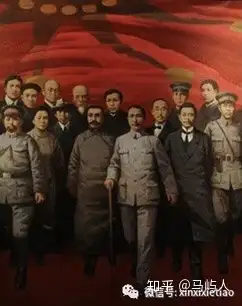
纪录片《血色黎明》
而在那段风起云涌之前,1840年 —— 此年鸦片战争爆发,是为中国近代史开端—— 之后,中国有过两起影响比较大的暗杀事件:
一起是1849年广东香山的村民沈志亮等人击杀澳门总督亚马留,并砍下其首级和左臂(亚马留18岁时在战争中失去右臂)。此次暗杀引发了葡萄牙对清廷的一日战争,并实现了对澳门的全面占领。之后沈志亮被两广总督徐广缙下令处死,并“枭首犯事地方示众”。
另一起则是清末四大奇案之一的刺马案。1870年两江总督马新贻遭张汶祥刺杀身亡。陈可辛导演的《投名状》即是改编自此。从某种程度而言,马新贻死后清廷对东南半壁就逐渐失去了控制。
这两个案子的刺客大致与司马迁的《刺客列传》中人物相类,而与清末民初那些自身有清晰政治理念和追求的刺客们显然不同。
日本在这期间则有被称为“拉开日本政治暗杀序幕”的樱田门外之变。
1860年3月,因为主张开国的彦根藩主井伊直弼与主张尊皇攘夷的水户藩主德川齐昭相互对立,井伊直弼出任幕府大佬后又严厉打压对方派系,17名水户藩脱离出来的浪士们和1名萨摩藩出来的浪士在江户樱田门外伏击了井伊直弼,并将其当场斩首,而彼时井伊直弼有60多名护卫却未能阻断杀机。后世称这18名浪士为“樱田十八士”。
1860年7月,水户藩浪士们又发动了“坂下门外之变”,试图刺杀老中安藤信正——井伊直弼死后,便由安藤与另一老中久世广周共掌幕府实权——未果。
从那时起,日本政坛暗杀不断。其中,传奇人物坂本龙马1867年遇刺身亡、明治维新三杰之一大久保利通1878年遇刺身亡。但大多数暗杀事件中的刺客名声不显。
至于韩国,则有1894年3月28日,朝鲜尊王派人士洪钟宇在开往中国上海的轮船上将流亡的朝鲜开化党领袖金玉均刺杀。
(洪钟宇(1850年 - 1913年),字声肃、号羽亭,本贯南阳洪氏官宦子弟,其父洪在源是朝鲜高官。他曾自费往法国留学。而被刺杀的金玉均则曾在1884年12月领导发动“甲申政变”,夺取政权,但三日后即被袁世凯率领的驻朝清军镇压。金玉均流亡日本后不得志,此次前往上海本是应李鸿章养子李经方邀请与李鸿章会面。金死后尸体被清廷引渡回朝鲜,惨遭凌迟戮尸。据称日本历史上把金玉均遇刺事件与东学党事件共同视为引发日清战争的直接原因。)
进入20世纪之后,随着孙中山的革命理念受到越来越多人认同,中国的政治暗杀事件便陡然增加了。虽然在电影《十月围城》里是清廷要暗杀孙中山,在实际的历史中倒是革命党们对暗杀看得比较重,实行的也比较多。
1900年10月,趁着义和团之乱和八国联军入侵,革命党人在广东惠州起义,不久即陷入困顿。史坚如等人在广州策划暗杀两广总督德寿以相策应。他们租赁两广总督衙门后花园附近宅院,计划挖掘地道至德寿卧室下方。第一次暗杀因地道潮湿导致炸药引线失灵而失败;10月28日史坚如独自将炸药成功引爆。只是因所挖掘的地道与德寿卧室位置出了偏差,德寿被从床上震翻下来却并未受伤。10月31日史坚如被捕,11月9日英勇就义,牺牲时年方21岁。
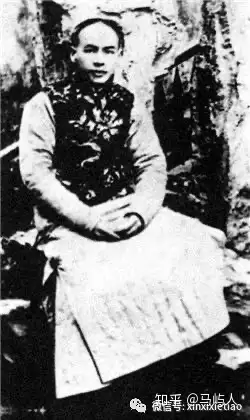
史坚如
(史坚如,生于1879年,原名文纬,字经如,后改坚如,广东番禺县人,祖父曾做过翰林院编修,属于官宦富商之家,生活优越。1898年他进入广州美国人开设的格致书院学习。1899年前往香港结识了陈少白和杨衢云等人,后又经他们引导,加入了孙中山的兴中会,并曾到日本与孙中山会面。
孙中山称赞史坚如是继陆皓东之后“为共和殉难之第二健将”,并说:“坚如聪明好学、真挚恳诚与陆皓东相若,其才貌英姿亦与皓东相若,而二人皆能诗能画亦相若。皓东沉勇,坚如果毅,皆命世之英才,惜皆以事败而牺牲。元良沮丧,国士沦亡,诚革命前途之大不幸也!而二人死节之烈,浩气英风,实足为后死者之模范。每一念及,仰止无穷。二公虽死,其精灵之萦绕吾怀者,无日或间也”。日本志士宫琦滔天赞扬史坚如是“中国革命之天使”。
史坚如墓在广州黄花岗七十二烈士墓内。
另,中山大学内有一小亭名为“惺亭”,即是纪念他和区励周、许耀章等三人。)
如果说史坚如的这次暗杀行动还只是迫于当时形势的一种临时抉择,那么之后暗杀逐渐成为革命党人的行动首选。
1902年,杨毓麟在《新湖南》上发表文章称“非隆隆炸弹,不足以惊其入梦之游魂;非霍霍刀光,不足以刮其沁心之铜臭”。
蔡元培曾在《我在教育界的经验》一文中回忆说:
“自三十六岁(即公元1902年)以后,我已决定参加革命工作。觉得革命只有两途:一是暴动,一是暗杀。在爱国学社中竭力助成军事训练,算是下暴动的种子。又以暗杀于女子更为相宜,于爱国女学(成立于1903年,),预备下暗杀的种子。”
其时同为爱国学社成员的林白水,则在自己办的《中国白话报》上发表《论刺客之教育》,公开鼓吹将暗杀作为革命的过渡手段。他说:“我们要把众生拔出地狱,超脱苦恼,进入那顶文明、顶自由的境界,只有单枪匹马,以做刺客为不二法门。。。尚能将以上阻止社会进化的各种有力有势的人物,一人给他一刀吃吃,那社会的进化也不晓得有多快的速度了。”
林白水据说还写过一篇小说《玫瑰花》,里面讲刺客暗杀了清政府代表张止东,从而使得革命终于取得成功。
正是在这些革命党人的暗中筹划和公开鼓吹之下,真正的暗杀时代来临。
1903年沙俄侵占东北,在拒俄运动中一批清朝留日学生组织了“拒俄义勇队”,后被日本政府解散,但旋即改组为“军国民教育会”,会则规定“方法三种:一曰鼓吹,二曰起义,三曰暗杀”,其中部分成员专事研发炸药、练习暗杀手段。
1904年夏,军国民教育会成员、已经加入兴中会的杨毓麟从日本携带炸药进入北京,并邀约张继、何海樵等人一起策划炸死慈禧,在京盘桓几月无果。期间杨毓麟因为研制炸药受伤致使一只眼睛失明。
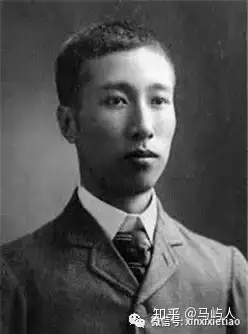
杨毓麟
(杨毓麟,生于1871年,湖南省长沙县人,26岁中举人,27岁中进士,清廷授予广西一知县,但杨并未赴任。1902年,杨毓麟考取留日公费生,留学日本,后考入早稻田大学。1904年秋,黄兴、刘揆一、宋教仁等人策划在长沙起义,杨毓麟得知后与章士钊在上海秘密成立爱国协会,作为接济和呼应。后来起义因泄密而失败,杨毓麟改名为“杨守仁”,流亡日本。但不久又回到长沙,与黄兴、宋教仁、陈天华、章士钊等人一起创立华兴会。1911年8月5日在英国利物浦的大西洋海湾投海自尽。)
1904年11月9日,华兴会成员万福华、刘师培、章士钊、林白水、陈自新等革命党人在上海英租界金谷香洋菜馆刺杀前广西巡抚王之春,失败,万福华当场被捕,其余人等逃离。后章士钊等人也被捕,但因为证据不足而被释放。万福华被判刑10年。这次暗杀虽然未成,却造成相当舆论。蔡元培主编的《警钟日报》专门发表《万福华传》。陈去病以此事为蓝本写成《金谷香》剧本,发表在其主编的戏剧刊物《二十世纪大舞台》。柳亚子等人也作诗颂赞。
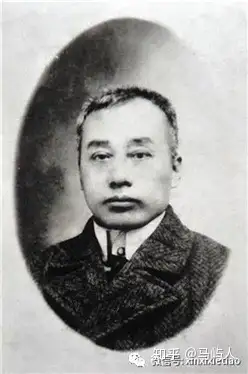
万福华
(万福华,生于1865年,安徽肥东人,幼年家贫,曾在中药店当学徒,靠自学成才,经合肥望族龚家推荐,进入上海官银号任职,后被举荐至滦州铁路分局任总办;后又受邀在广东、福建主事地方盐务。1904年弃官后游历各地,在上海认识黄兴等人,遂加入华兴会。万福华曾说:“欧美革新,无不自暗杀始,今中国无其人也,有之,请自福华始。”
据称1904年夏万福华就曾在南京组织暗杀团计划刺杀铁良而未成。辛亥革命后,南京临时政府多次照会英国领事馆要求释放万福华被拒。南北议和后,沪军都督府都督陈其美照会英国领事馆与会审公廨,上海绅商名流及群众2万多人联名请愿,终于使万福华在1912年12月7日获释。
1913年,万福华被袁世凯聘为经济实业顾问。又因在狱中研究文字学,被推为”五族语文共进会”名誉会长。
1914年,万福华发表《论帝制之害》反对袁世凯称帝,未果,自请以“阅边委员”身份赴黑龙江绥芬河开办实业,颇有建树。1916年袁世凯逝世,继任大总统的黎元洪将其邀回北京仍任大总统府顾问。
1918年徐世昌担任大总统,提出南北和平,发布停战令。万福华、蔡元培等人发起成立“全国和平联合会”,支持徐世昌的和平主张,万福华本人也奔走于北京、上海之间。
1919年10月15日,万福华因积劳成疾病逝,享年56岁。)
1905年2月,科学补习所成员王汉在河南彰德火车站刺杀清廷户部尚书铁良未成,在逃捕过程中王汉投井自杀,年仅21岁。
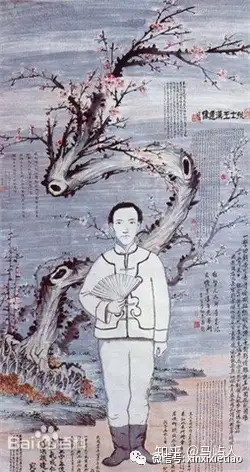
王汉
(王汉,生于1884年,湖北蕲水人,父兄皆为当地名士。王汉善《易》,又推崇谭嗣同《仁学》,与邻县黄冈的何自新、熊十力相交莫逆。后熊十力参军入伍,王汉、何自新则于1904年加入湖北最早的革命团体之一 —— 科学补习所,宋教仁时任科学补习所的文书,所长吕大森,总干事胡瑛,另有刘静庵、曹亚伯等人。黄兴筹划长沙起义时,王汉、胡瑛一起负责军械。起义事泄后,科学补习所被查禁,王汉与胡瑛将枪械运至鹦鹉洲藏匿。王汉牺牲后,胡瑛为其殓葬。随后胡瑛将王汉刺杀未果而投井自尽一事广为告知革命志士,引起巨大反响。辛亥革命成功后,章太炎将王汉列为应表彰先烈第一人。)
1905年9月24日,吴樾怀揣炸弹在北平正阳门车站刺杀出国考察五大臣,吴樾当场身亡,五大臣中两人受伤较重。
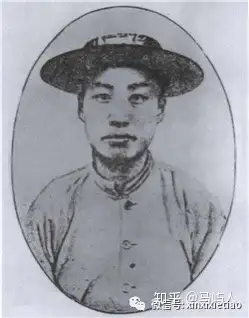
吴樾
(吴樾,生于1878年,安徽桐城人,家境清贫,科举失意,1902年考入保定高等学堂,1904年经蔡元培介绍加入光复会,结识革命党人赵声,又由赵声介绍结识杨毓麟,于是吴、赵、杨等人创立北方暗杀团,吴樾任北方暗杀团支部长。原本吴樾等人计划刺杀铁良,后来适值清廷派遣派载泽、徐世昌、端方、戴鸿慈、绍英等五位大臣出国考察,为实行君主立宪制做准备,此时革命党人因起义屡次失败陷入低谷,而保皇立宪呼声高涨,于是吴樾等人决定改变计划,刺杀五大臣。在此期间,吴樾写下《暗杀时代》一书,其中写道:“夫排满之道有二:一曰暗杀,一曰革命。暗杀为因,革命为果。暗杀虽个人而可为,革命非群力即不效。今日之时代,非革命之时代,实暗杀之时代也。以复仇为援兵,则愈杀愈仇,愈仇愈杀。仇杀相寻,势不至革命而不已!予愿予死后,化一我而为千万我,前者仆后者起,不杀不休,不尽不止,则予之死为有济也。然一念万、王二子之后,竟未闻有接踵而兴者,则予当此发轫之始,似不宜不有观感于同胞矣。今即迩来之所见,并信札之有关切于此者,亦连类及之,缀为若干篇,名曰暗杀时代。”
吴樾牺牲后,同盟会报刊设《天讨号》增刊将《暗杀时代》全文发表,孙中山撰写祭文,蔡元培主祭,遗体安葬于安庆西门外。
民国时安庆曾辟吴樾街,有吴樾公园;在桐城建造吴樾祠,又以吴樾字孟侠故,改城关镇为孟侠镇,创办孟侠小学、孟侠中学。今存桐城市孟侠路以及安庆市望江县吴樾故居。)
1906年底,同盟会员杨卓林等人在扬州计划用炸弹刺杀两江总督端方,被清廷密探得知,尽皆被捕,杨卓林主动包揽罪名,于1907年3月20日就义。
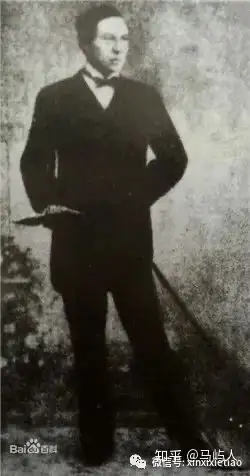
杨卓林
(杨卓林,生于1876年,湖南省醴陵县人,好武事儿喜读兵书,1893年入清军当兵,1894年参加过清日甲午战争,1900年抗击过八国联军入侵;后辞军游历各地,结识豪杰,联络会党,1905年7月在南京将备学堂卒业,秋,入日本神田区高等警监学校,与孙中山、黄兴等交游,加入同盟会。1905年12月8日陈天华在东京大森湾蹈海自尽;1906年3月27日留日学生归国代表姚宏业自沉黄浦江,两人皆与杨卓林为友。12月4日,爆发萍浏醴起义。杨卓林受命组织响应,但不久萍浏醴起义被镇压,杨卓林遂决意刺杀两江总督端方,不料部属中混入清廷密探,中计被捕,牺牲时年32。
辛亥革命成功后,1912年月6日,南京临时政府陆军部将南京太平门外玄武湖原端方私宅改建为烈士祠,主祀先后被端方杀害的杨卓林和郑子瑜,并附祀曾谋炸端方等五大臣而殉难的吴樾、谋刺载洵而被害的熊成基以及蹈海的杨毓麟、陈天华等烈士。)
1907年7月6日,徐锡麟与陈伯平、马宗汉等人发动安庆起义,枪杀安徽巡抚恩铭;起义失败,陈伯平死难,徐锡麟与马宗汉被捕,先后就义。
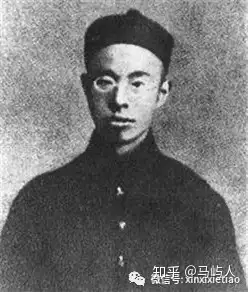
徐锡麟
(徐锡麟,生于1873年,浙江绍兴人,父为山阴县吏,家境富裕;1903年留学日本,于东京结识陶成章、龚宝铨。1904年在上海加入光复会。1905年在绍兴创建大通学堂。1906年,徐锡麟与陈伯平、马宗汉一道买得官职,前往安庆;随后徐锡麟更是成为恩铭手下亲信,任武备学校副总办、警察处会办;1907年改名为陆军小学监督、巡警学堂监督。徐锡麟原本与在绍兴的秋瑾约定7月19日皖浙同时举事,但因一会党人员在上海被捕,招供出革命党人的一些别名暗号,恩铭让徐锡麟负责抓捕,徐锡麟见自己别号在列,遂决定于7月8日巡警学堂举行毕业典礼时举义。谁知恩铭这天有事,要求将毕业典礼提前两天,于是起义只得于6日仓促举行。当日徐锡麟等激战4小时,终因寡不敌众而被捕,后被凌迟虐杀。时年35岁。
徐锡麟起义前写的《光复军告示》有言:
“自满夷入关,中原涂炭,衣冠扫地,文献无遗。二百余年,偷生姑息,虐政之下,种种难堪,数不可罄。近则名为立宪,实乃集权中央,玩我股掌,禁止自由,杀戮志士,苛虐无道,暴政横生。天下扰扰,民无所依,强邻日逼,不可终日。推厥种种罪由,何莫非满政府愚黔首虐汉族所致!以是予等怀抱公愤,共起义师,与我同胞,共复旧业,誓扫妖氛,重建新国,图共和之幸福,报往日之深仇。”
被捕后写供词里说:
“尔等言恩铭是好官,待我甚厚。诚然!但我既以排满为宗旨,即不问满人作官好坏。至于恩抚厚我,固属个人私恩;我杀恩铭,乃是排满公理。”
徐锡麟牺牲后,章太炎评价说:“光复会比同于同盟会,其名则隐,然安庆一击,震动全局,立懦夫之志,而启义军之心,则徐锡麟为之也。”
马宗汉,生于1884年,浙江余姚人,1902年入浙江高等学堂,因参与学生运动被退学,1904年中秀才。1905年9月进入绍兴大通学堂,加入光复会。1906年1月,与徐锡麟、陈伯平留学日本,就读于东京早稻田大学预科。1906年4月回国。1907年7月6日参加安庆起义,失败被捕,8月24日就义于安庆,时年24岁。
陈伯平,生于1885年,浙江绍兴人,少时在福建福州,1905年进绍兴大堂。1906年1月与徐锡麟、马宗汉留学日本,5月回国,7月任中国公学教习,11月协助秋瑾办《中国女报》并任主编。后在上海研试炸药时受伤,再赴日本学习药物化学。再次回国后,陈伯平密谋药杀清臣铁良,为徐锡麟所阻。1907年7月6日安庆起义,陈伯平守安庆军械所前门,在同清军战斗中身亡,时年23岁。)
1909年10月26日,韩国人安重根在哈尔滨火车站击毙日本首任朝鲜统监府统监、日本枢密院议长伊藤博文。
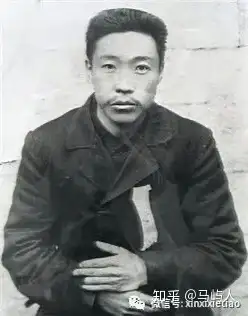
安重根
(安重根,生于1879年,朝鲜黄海道海州人,官宦世家子弟,其父安泰勋在天主教堂避难期间入天主教,成为传教士,其后全家都改信天主教。安重根有10年时间跟随法国神父学习法语和西方文化,并四处传播福音。
1906年3月,安重根拿出所有家产创办两所学校以图教育救国。同时积极参与和宣传国债报偿运动,并劝家人和亲属将金银首饰捐献出来,以帮助国家摆脱巨额国债。
1907年,在海参崴参与组建义兵队伍,任参谋中将。
1908年,率领义兵队伍两次与日军交战。
1909年1月,在俄罗斯烟秋与金起龙、姜顺琦等人结成断指同盟,“以砍断手指作为一同盟誓的标志,从此结为团体,一心一意为国献身,不达目的,绝不罢休”。12人各自截断无名指,并在太极旗上血书“大韩独立”四个大字,齐声三呼“大韩独立万岁”。
1909年10月26日清晨,安重根身穿黑色西服,携带八连发布朗宁式手枪在哈尔滨火车站向伊藤博文连开三枪,伊藤博文胸、肋、腹三处要害部位中弹,当场死亡。为了防止打错人,安重根又向旁边的4名日本人开了4枪。
1910年2月14日,关东都督府地方法院在第六次公审后,以谋杀罪判处安重根死刑,据报道,安重根的母亲在得知他被判死刑后,派安重根的两个弟弟送去口信说:“你是为国家做正确之事后被判刑,所以不要卑贱求生,应当遵从大义而死,这才是对母亲的孝道。”
1910年3月26日上午10点15分,安重根在旅顺监狱刑场殉国。
1910年3月25日,《大韩每日新报》发表了安重根的告同胞书:“为了恢复韩国的独立,维护东洋和平,我在海外风餐露宿三年,壮志未酬竟死在这里。我们二千万兄弟姐妹们,要各自奋发,提高文化,振兴实业,前仆后继,恢复祖国的独立,我便死而无憾。”
安重根殉国后,中国各界分致赞颂,章太炎称其为“亚洲第一义侠”。
现韩国首尔南山公园建有安重根义士纪念馆;
中国哈尔滨市火车站内设有安重根义士纪念馆;
日本佐贺县佐贺市的无量寺立有“安重根东洋和平祈愿碑”;
2001年10月18日,光复会和高丽学术文化财团在俄罗斯克拉斯基诺烟秋卡里村口竖立断指同盟碑,以追念以安重根为首的12名断指同盟成员。)
1910年2月,汪精卫、黄复生和罗世勋企图在银锭桥埋设炸弹,谋刺清摄政王载沣被捕,被提前发觉,4月16日,三人被捕。
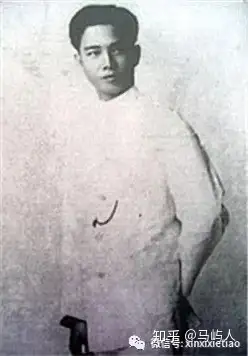
汪精卫
( 汪精卫,生于1883年,广东三水县人,祖籍浙江山阴,原名汪兆铭,号精卫,中过秀才,曾在广东水师提督李准家担任过家庭教师。
1904年考取留日官费生。
1905年在日本加入同盟会,成为孙的助手,同时担任同盟会机关报《民报》)编辑,发表革命文章。两广总督岑春煊派人前往日本要求汪停止革命活动被拒,为免祸及家人,汪写信与家庭断绝关系。
1906年,从日本法政大学毕业后,追随孙中山在南洋各地设立同盟分会,并策划起义。
1908年,与马来亚槟城华侨富商女陈璧君相识。
1909年3月,清廷宣布预备君主立宪,革命党人此前多次起义失败,至此士气低沉。5月,同盟会内的原光复会领导人陶成章、章太炎等攻击孙将捐款中饱私囊,发表《孙文罪状》,要求“开除孙文总理之名”,并刊印传单攻击“今之《民报》为孙文、汪兆铭所私有”。梁启超等保皇改良派讥讽同盟会领袖是”远距离革命家”、“徒骗人于死,己则安享高楼华屋。”汪为此大受刺激,遂不顾孙中山、黄兴、胡汉民等人多次劝阻,决意潜入北京进行暗杀活动,行前《致南洋同志书》中说:“此行无论事之成败,皆无生还之望。即流血于菜市街头,犹张目以望革命军之入都门也。”
1910年2月22日晚,汪与黄复生、喻培伦等人在银锭桥埋设炸药、敷设引线时被人发觉。4月16日,汪精卫、黄复生和罗世勋被捕。其时,喻培伦赴东京购买炸药,黎仲实、陈璧君赴南洋筹款。
在狱中,汪精卫所赋诗词,如“引刀成一快,不负少年头”等被广为传颂,清廷民政部尚书肃亲王善耆对其格外优待,后又斡旋使其免判死刑。
1911年10月10日,武昌起义爆发,11月6日,清廷大赦政治犯,汪、黄、罗三人被释放。11月27日,汪赴天津,筹组京津同盟会分会,直接管辖暗杀部。
常有人感叹,汪精卫若是此时死掉,在历史上将会留下一个完美的形象。奈何世事无常。
其后,汪精卫参加二次革命,作为孙中山接班人担任广东国民政府主席,后又任行政院院长;但最终在日军侵华后成了汉奸。
1944年11月10日,汪精卫在日本病逝,归葬南京中山陵西南梅花山。
1946年1月21日,陆军总司令何应钦奉令将汪坟炸毁,将其挫骨扬灰。
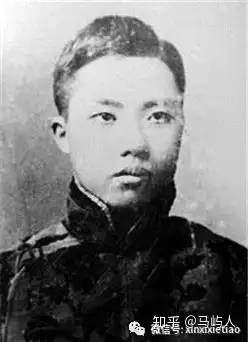
黄复生
黄复生,生于1883年,四川隆昌人,1904年赴日留学,1905年加入同盟会,曾任四川分会会长兼》民报经理。谋刺摄政王载沣获释后,参加了京津同盟会分会,曾担任过南京临时参议院议员,兼任南京临时政府印铸局长、代理四川省省长,靖国军援鄂第一路总司令、国民政府立法院立法委员、总统府国策顾问等职,1948年10月1日病逝,终年66岁。
罗世勋,生于1883年,四川内江人,谋划炸死摄政王载沣失败后被捕入狱,判处有期徒刑10年。武昌起义后,他获释并参加了京津同盟会分会。其间,他曾参与策划滦州起义,还参与了杨禹昌等人炸袁世凯、彭家珍炸良弼等刺杀事件。
后因为反对袁世凯称帝而被捕入狱。
1916年出狱,回家乡兴办实业。
1943年去世,享年61岁。)
1910年10月6日,邝佐治与朱卓文在旧金山刺杀在美国考察的满清亲王载洵,事败,邝佐治当场被捕,朱卓文逃脱。邝佐治被判处监禁14年。中华民国成立后,唐绍仪向美交涉,邝佐治获特赦释放。
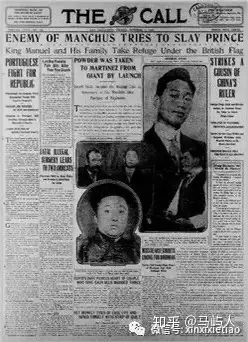
刺杀载洵案的报道
(邝佐治,1879年生于美国旧金山,广东新宁人,早年在中国求学,后回美任厨师。1909年参加旧金山少年学社。1910年随少年学社改组,成为北美同盟会会员。
朱卓文,生于1875年,广东香山县人,1896年赴美国旧金山,追随孙中山,同时学习飞行技术。1910年1月16日加入同盟会。
1912年回国任南京的临时大总统府庶务司司长,其后在孙中山的广州护发军政府历任大元帅府航空局局长、广东兵工厂厂长、中央直辖讨贼军司令、香山县县长、广东省审计局局长、航空局局长等职务,后又担任香山县长、中山县土地局局长。
1935年因为秘密组织“大同救国军”企图反对陈济棠而被害,终年61岁。
其次女朱慕菲为中国第一位女飞行员。)
1911年4月8日,同盟会成员温生才刺杀广州将军孚琦,得手后被巡警抓捕,4月15日就义。
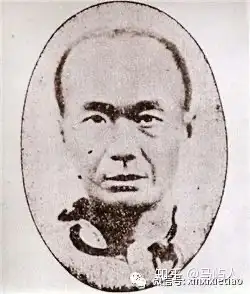
温生才
(温生才,生于1870年,广东省嘉应州人,1907年加入同盟会。行刑前游街时他自言自笑,路经人多处还大声宣告:“今日我代同胞复仇,各同胞务须发愤做人方好。”“许多事归我一身担当,快死快生,再来击贼!”)
1911年8月13日,支那暗杀团成员林冠慈与陈敬岳刺杀广东水师提督李准,
李准被炸重伤,林冠慈当场牺牲,陈敬岳被捕后就义。
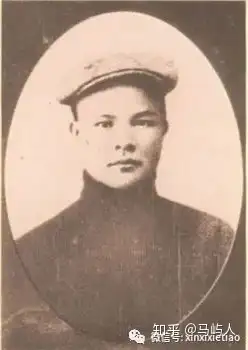
林冠慈
(林冠慈,生于1883年,广东归善(今惠阳)人,因家贫至香港打工,嫉恶如仇、倾慕革命,后由高剑父招入暗杀团;
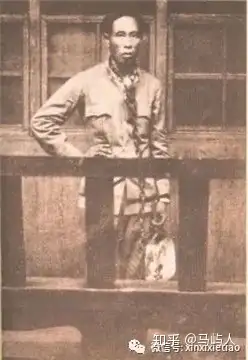
陈敬岳
陈敬岳,生于1870年,广东嘉应州人,于马来亚加入同盟会;1911年4月参加黄花岗起义,起义失败后到香港加入暗杀团。
中华民国成立后,温生才、林冠慈和陈敬岳都移葬于广州黄花岗。)
1911年10月25日,支那暗杀团成员李沛基将新赴任的广州将军凤山当街炸死。
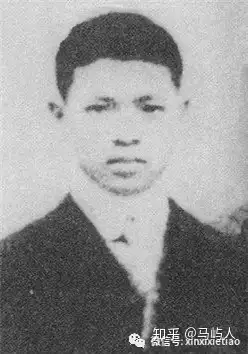
李沛基
(李沛基,生于1895年,广东恩平人,女革命家徐慕兰次子——徐慕兰与小妹徐宗汉及二妹徐佩瑶先后加入中国同盟会,号称“徐氏三姐妹”,徐宗汉是黄兴之妻;
广州黄花岗起义失败后,时年16岁的李沛基言道:"此时党人唯有行个人暗杀之事,否则无以对诸烈士";
后李沛基与其兄李应生受暗杀团派遣刺杀凤山,为求稳妥,在重型炸弹里放置毒药,李应生中毒昏迷,遂由李沛基单独执行。李沛基在得手后从容离去。
中华民国成立后,李沛基和李应生赴美留学。李沛基在美国病逝,李应生学成后回国,在岭南大学任教。)
(刘思复,1905年留学日本东京,加入同盟会,刘思复称暗杀为“独一无二之敢死主义”。1906年春于广州旧仓巷凤翔书院制造炸弹谋图刺当时的广东水师提督李准,炸弹发生爆炸而导致事泄被捕。1909年刘被释放之后在香港组建“支那暗杀团”,刘思复担任团长,高剑父担任副团长,陈炯明是团员之一,主要策划刺杀清朝的广东省高官。1911年8月13日派遣林冠慈在广州双门底(今北京路北段)成功炸伤李准,同年10月25日派遣李沛基将凤山炸死。1912年初曾派人北上谋划刺杀摄政载沣,但因为很快南北议和成功,因而没有继续进行。民国成立后,因“初志已遂,议决自行解散,且耻于求名,遂将团章盟书与年来会议函扎等文件,悉皆烧毁。”)
1912年1月16日,张先培、黄之萌、杨禹昌、陶鸿源、薛荣、李怀莲、许同华、傅思训、黄永清、萧声等十数人,在东安门大街跟王府井大街交叉的丁字街口用炸弹行刺袁世凯,袁的侍卫长袁金标被炸死,袁所乘马车倾覆,其人无恙。张先培、黄之萌、杨禹昌、陶鸿源、薛荣、李怀莲、许同华、傅思训、黄永清、萧声等十人当场被捕,张先培、黄之萌、杨禹昌三人因身上被搜出武器被处以死刑,其余七人被法国记者保释。
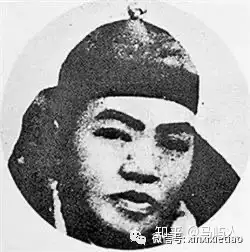
黄之萌
(黄之萌,生于1988年,贵州贵定县人,祖籍广东开平,1910年考入北京陆军测绘学堂,1911年加入京津同盟会暗杀部。
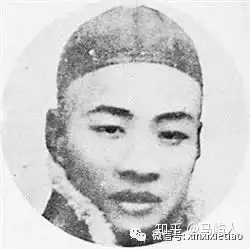
张先培
张先培,生于1980年,贵州省麻江县人,毕业于北京陆军贵胄学堂,1911年加入京津同盟会暗杀部
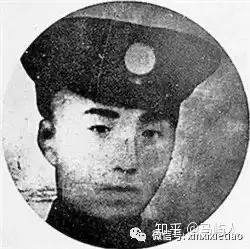
杨禹昌
杨禹昌,生于1885年,四川资州(现资中县)人,毕业于保定陆军师范学堂,1911年加入京津同盟会暗杀部
1912年1月26日夜,彭家珍用炸弹将清廷重臣、宗社党领袖良弼炸成重伤,自己当场死亡。两日之后,良弼因伤重死亡。良弼死后,清帝宣布逊位。
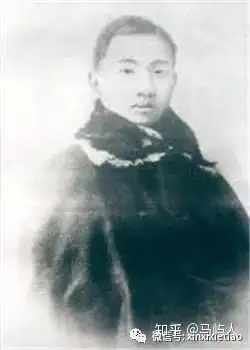
彭家珍
(彭家珍,生于1888年,四川金堂人,1903年考入彭家珍考入成都武备学堂,1906年被派赴日本考察军事,在日本加入同盟会,于同年返回四川。之后他在四川高等军事研究所实习,后到陆军担任排长职务。1907年参与同盟会在四川的起义,起义流产后没有暴露同盟会员身份,1909年4月担任队官(相当于连长);1909年夏,赴云南昆明,任陆军第十九镇随营学堂管带兼教官,随后升任提调。
1910年5月初抵达奉天,7月经同盟会会员刘介藩介绍担任奉天讲武堂附属学兵营前队队官。
1911年,由赵尔巽任命为天津兵站副官长并代理标统,于武昌起义发生后几日内到职。10月下旬,彭家珍和其他人一道负责将清廷自欧洲购得的军火自奉天经京奉铁路南运至长江前线。他秘密联络陆军第二十镇驻滦州的军官施从云、王金铭,促使陆军第二十镇统制张绍曾在滦州截留了这批军火。后彭家珍为筹措起义经费和军用物资而被清廷通缉。12月下旬,彭家珍在上海会见孙中山,并担任四川同盟会党人旅沪支部军事部副部长,筹组北伐蜀军,后被推为蜀军副总司令,但挽拒了蜀军政府的回川邀请,接受了江苏都督程德全任命的“北方招讨使”头衔。回到天津之后,彭家珍担任同盟会京津分会军事部部长。
1912年1月中,彭家珍参与同盟会京津分会刺杀清政府要员袁世凯、良弼、载泽的策划。但1月16日刺杀袁世凯失败,彭家珍遂承担刺杀良弼的任务。
1月26日夜,彭家珍成功刺杀良弼,自己也杀身成仁,时年25岁。
孙中山认为彭家珍“小弹丸而收巨功”,民国成立后追赠他为“陆军大将军”,崇祀忠烈祠。
1912年2月,南京临时政府将彭家珍衣冠与张、黄、杨三人遗体合葬于西郊农事试验场(在墓地建成之前,彭家珍的遗体已由其亲属运回原籍安葬,故此墓地建成后入葬的是他的衣冠),称为“四烈士墓”。文革时期,烈士墓被夷为平地,1990年8月在原地建立四烈士墓纪念遗址石碑。)
*参与刺杀袁世凯和良弼的还有一位女性名为郑毓秀,1912年清帝逊位,袁世凯就任中华民国临时大总统后,郑到法国勤工俭学。1925年获得巴黎大学法学博士学位,是目前可确证的中国第一位女博士。其回国后又于上海设立律师事务所,成为中国第一位女律师,曾担任杨杏佛辩护律师。1959年在美国洛杉矶去世。
辛亥革命成功之后,民国肇建,宪政未成,时局动荡。原来的革命党暗杀别人的同时也成为被刺杀的对象,如陶成章、宋教仁、陈其美等,之后又有廖仲恺遇刺身亡。但与早前义士为革命理想挺身而刺已大相径庭,如施剑翘为父报仇刺杀孙传芳固然传奇,却是出于私人恩怨,而非国族大义。
1932年1月8日,“韩人爱国团”成员李奉昌在昭和天皇乘马车经过樱田门外时,设法伪装成一名日本宪兵接近天皇并投掷手榴弹袭击,但手榴弹掉到内务府大臣男爵一木喜徳郎的马车上,只造成一名近卫兵负伤。李奉昌当场被捕,同年被判死刑,1932年10月10日在市谷刑务所被处决。
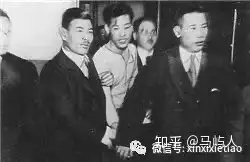
李奉昌(中)被逮捕
李奉昌,生于1900年,汉城府人,大韩民国独立运动支持者,
1962年获大韩民国第二共和国追授建国勋章,并于1992年发行纪念邮票。
1932年4月29日,日本人借庆祝“天长节”(昭和天皇生日)的机会,在上海虹口公园举行“淞沪战争祝捷大会”。通晓日语的韩国青年尹奉吉混入距主席台数米处,将水壶炸弹投掷在日军总司令白川义则、日本驻沪留民团行政委员长河端贞次等脚下,河端当即被炸死;白川义则身中204块弹片,残喘至5月25日死亡;第九师团长植田谦吉、日本驻华公使重光葵均被炸断一腿,日本海军第三舰队司令长官野村吉三郎被炸瞎右眼;另有多名日本军官、士兵伤亡。
爆炸发生后,尹奉吉当场被捕。日军宪兵对尹施以酷刑,但尹一口咬定投弹之事由他一人承担。
1932年12月19日,尹奉吉在日本金泽郊外被枪决,时年24岁。
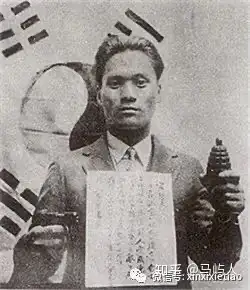
尹奉吉加入韩人爱国团并太极旗下宣誓留影
尹奉吉,生于1908年,本名禹仪,号梅轩,别号奉吉,出身坡平尹氏,1930年决心投身“韩国独立运动”,给家人留下绝笔“丈夫离家生不还”。1931年到上海投奔韩国临时政府,结识了安重根的弟弟安恭根以及独立运动人士朴震,并经由他们引荐给“韩人爱国团”的创建者金九。1932年4月26日,尹奉吉在金九办公室的太极旗下宣誓加入韩人爱国团。
虹口公园爆炸案后,蒋介石评价说:“连中国百万大军都做不到的事情,让一名朝鲜的年轻人做到了,真令人感动”,并曾题词:“别顺逆辨是非 明大义 知生死 留正气 在天地之间 取义成仁 永垂不朽”。
1945年8月15日韩国光复后,金九于11月23日回国,后会见了尹奉吉的遗属。
1946年4月26日,尹奉吉家乡忠清南道礼山郡德山面举行纪念尹奉吉上海义举14周年的活动,首尔也举行了尹奉吉追悼会。
1949年4月29日,尹奉吉上海义举17周年纪念日,礼山郡为他树立了第一块纪念碑。如今每年4月29日,礼山郡都会举行梅轩文化节。
1952年3月1日,尹奉吉被韩国政府追授建国勋章。
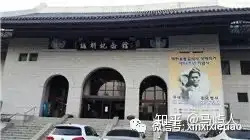
韩国梅轩纪念馆
1992年11月,中国上海市经外交部批准在虹口公园建设以尹奉吉的号“梅轩”为名的两层韩式建筑,1994年扩建成梅园,2003年扩建成梅轩尹奉吉纪念馆。
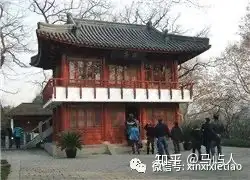
上海梅轩尹奉吉纪念馆
2002年4月29日在上海召开的“纪念尹奉吉、李奉昌义举70周年国际学术会议”上,有学者提出“义烈斗争”是韩国独立运动在当时历史条件下的一种方略,也是唯一能选择的斗争方式,与当代伤害无辜平民的恐怖活动有着重大区别。
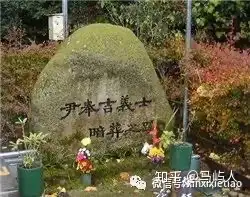
日本尹奉吉纪念墓园
日本石川县金泽市在尹奉吉“暗葬”之地建有纪念墓园和纪念碑,并曾发行纪念书籍
1933年3月17日,白贞基、李康勋、元心昌等韩国独立运动人士计划在虹口公园的“六三亭”餐厅刺杀在此设宴的日本公使有吉明(接替被尹奉吉炸伤的重光葵)。但因叛徒出卖,白、李和元三人被捕。白贞基、元心昌在日本长崎法庭被判无期徒刑,李康勋被判15年。白贞基于1934年6月5日在狱中殉国,元、李则在韩国光复后获释。
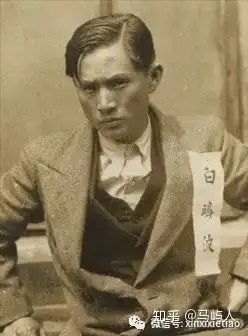
白贞基
(白贞基,号鸥波,生于1896年,全罗北道扶安郡贫农家庭出身,1919年开始投身独立运动,1923年加入无政府主义组织黑涛会。1924年潜入东京计划暗杀日本天皇,在破坏早川水电站失败后逃至中国。)
1946年5月中旬,李奉昌、尹奉吉和白贞基的遗骸在麦克阿瑟司令部的帮助下从日本运回韩国。金九也专程来到釜山迎接。6月15日,釜山举行了规模浩大的追悼会。次日,三位义士遗骸被运往首尔,后供奉于太古寺接受国民参拜。6月30日,韩国为三位义士举行了国葬,安葬于孝昌陵园。
1960年10月12日,山口二矢在东京日比谷公会堂举行的三党党首选前演讲会上,冲上演讲台,以胁差(一种日式短刀)刺杀正在发表演讲浅沼稻次郎。当时NHK正在对演讲进行电视转播,刺杀场景震动全日本。山口当场被捕。几日后,山口二矢在少年监管所上吊自杀,时年17。
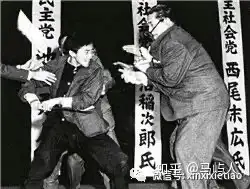
山口二矢刺杀浅沼稻次郎
1970年4月24日,康奈尔大学博士生黄文雄在纽约市广场饭店门口向访美的蒋经国开枪,受阻于美方保卫人员,子弹从蒋经国头顶20公分处飞过。黄文雄当场被捕,企图上前搭救的郑自财(黄文雄的妹夫)也一同被捕。案发后各地发起募款活动以筹措黄、郑二人的保释金20万美元,后分别在5月26日和7月8日将二人保释出狱。
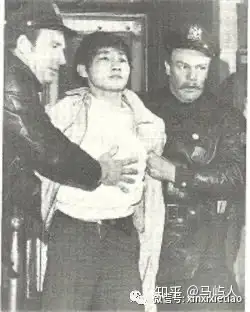
黄文雄(中)被捕
黄文雄,生于1937年,台湾国立政治大学新闻学系毕业,1964年获得美国匹兹堡大学奖学金,到该校的社会学研究所就读,1966年转到康奈尔大学社会学研究所博士班;其父曾被打成“匪谍”而入狱;
黄文雄后来在接受采访时说:“我要针对的是制度而非个人。不该高估开枪这件事。高额交保费的筹措,对国民党政权的冲击应该更大。“
黄文雄于1996年回到台湾,现任台湾促进和平文教基金会董事长。


评论
发表评论