Of the 5 people closest to God in the world, China has three of them alone, and the first Confucius will call him a teacher世界上最接近神的5个人,中国独占三人,第一名孔子都要叫他老师
Of the 5 people closest to God in the world, China has three of them alone, and the first Confucius will call him a teacher
5. Guiguzi (China·Warring States Period)
How magical is Guiguzi? He is known as a strange person through the ages and founded the Guigu school. Mr. Guigu is an encyclopedic figure. His wisdom has educated Su Qin, Zhang Yi, Sun Bin, Pang Juan, Shang Yang, Lu Buwei, Li Mu and many other influential figures! Guiguzi's only book "Guiguzi" also had a great influence on later generations, and it is still considered an important ancient book on tactics. How old did Guiguzi live? This is the biggest mystery. He spanned from the Eastern Zhou Dynasty to the Qin Dynasty. No one knows its origin and its ending.
4. Wang Mang (the end of the Western Han Dynasty in China)
The New Deal measures announced by Wang Mang are very similar to the socialist reforms of later generations. It is these reform measures that make some people feel that he is more like traveling from modern times to the past. He nationalized the land in the world, collectively referred to as "Wang Tian", and distributed it uniformly, prohibiting the sale and acquisition of land. He also freed the slaves, and they were not allowed to buy or sell them; he also carried out several rounds of currency reform, and issued a lot of this kind of worthless money. Wang Mang's rebellion came suddenly, and the regime disappeared quickly. The hasty coming and going seemed like an addiction. Although this experience was short, Wang Mang did many incredible things, making people feel that he is a man who traveled to the Han Dynasty. modern man.
3. Nikola Tesla (Austro-Hungarian Empire)
Some people say that he predicted the first and second world wars; some people say that he foresaw the sinking of the Titanic; Electromagnetism can be used to travel through time and space; some people say that the FBI hangs his photo at the top of the secret building. Nikola Tesla had the genius to understand electricity, machinery, and even light. He was single all his life, forgot to sleep and eat, and devoted all his attention to scientific inventions instead of making money and other material pursuits.
2. Da Vinci (Italy)
Da Vinci's life can be said to be open, and he has significant achievements in the fields of astronomy, physics, optics, meteorology, medicine, biology, anatomy, botany, geology, geography, invention, civil engineering, etc. Achievement. Einstein believed that if Da Vinci's scientific research results were published at that time, technology could advance half a century. He is best known as a painter. Through his notes and paintings, many of us in modern times can get a glimpse of Da Vinci's fanaticism through various scientific techniques, content analysis, and research and investigation. It is said that the famous painter Leonardo Da Vinci does not need to sleep all night, as long as he sleeps for 15-20 minutes every 4 hours. In this way, I only sleep about 2 hours a day, leaving a lot of time for creation, and can maintain abundant energy.
1. Laozi (China · Late Spring and Autumn Period)
Who is Lao Tzu's last name? Which country are you from? Some say that Laozi’s surname is Li Minger, some say that Laozi is Laodan, and some say that Laozi is Laolaizi. As for the place of birth, there are at least 20 kinds of classics that have made different descriptions of Laozi's birthplace. How old is Lao Tzu? Some historical materials say that Lao Tzu lived to be 101 years old. Some historical materials also say that Lao Tzu is missing, and some say that he is 160-200 years old. Where did I go? Some say that Lao Tzu died at home, but there are also historical records that Lao Tzu disappeared after leaving Hangu Pass on a green bull. Later, some Taoists said that he attained Taoism and ascended to immortality, and others said that he went to India to enlighten Sakyamuni.
Lao Tzu did not write words all his life, but when he left Hangu Pass, he dictated five thousand words of the "Tao Te Ching" in three days. This "Tao Te Ching" not only established Laozi's supreme philosophical status, but also established Laozi's supreme literary status. Confucius, the most holy teacher, worshiped Lao Tzu as his teacher twice, and lamented that Lao Tzu's dragon sees the head but does not see the end. Let Confucius sigh so much, how high is Lao Tzu's knowledge? Later generations even came up with a common saying based on this sentence: Lao Tzu is number one in the world.
Zhuangzi's eternal mystery to Confucius, the sorrow of the world
In the books of the sages, there are often details that people often don't care about. But when we care about it and understand it, our hearts will feel like dense needle pricks, and the faint pain will immediately spread.
For example, "It is such a pleasure to have friends come from afar" at the beginning of "The Analects of Confucius", which is so simple that everyone seems to understand it. But an old man said, how sad Confucius felt in his heart when he said this, because it meant that he didn't even have a friend around him, and he had to wait for someone from a long distance to come before he could be happy.
If you understand Confucius' down-and-out life and the deep sorrow, you will know that this statement is credible. It's a pity that there are too few caring people who are so considerate. Thousands of years are all the distant places that the sages have been waiting for.
There is such a lonely person as Zhuangzi. And Zhuangzi's loneliness is also entangled with Confucius, forever inseparable.
The person who appears the most in Zhuangzi is none other than Confucius. How many? Unbelievable degree.
According to the statistics of Taiwanese Taoist scholar Chen Guying, in the 33 chapters of "Zhuangzi", Confucius appeared 85 times. Even in the seven articles written by Zhuangzi himself, it has reached 10 times. What kind of concept is this? Zhuangzi's most respected Lao Tzu appeared only 3 times, the second most respected Yan Hui also appeared 3 times, Liezi, who is also a Taoist master, only appeared 2 times, his good friend Hui Shi only appeared 3 times, even himself only appeared 3 times Second-rate.
It's either true love or true hate. But neither seems to be, and both are. Confucius, as an allegorical figure in Zhuangzi, appears as the object of criticism, ridicule, and teaching when he is unbearable, and as the spokesperson of Taoism who masters the Dao when he is brilliant. Why does Zhuangzi care so much about Confucius and why is he so special? Many people have noticed this over the past two thousand years, but no one has given a convincing answer.
This is an eternal mystery.
And if we can be as considerate as the old gentleman, the mystery may not be so difficult to solve.
In Zhuangzi's eyes and heart, Confucius has three faces. The answer lies in these three aspects. We only talk about the narration in the seven chapters, which is Zhuangzi's most direct and true attitude.
The first type of Confucius is the opposite of Zhuangzi. He is the "Heaven's Killer of People" and "Heaven's Villain" in "The Great Master", and he is the person who has been "sentenced by the sky" in "De Chongfu". From the perspective of heaven, he is the so-called person trapped in a choice The mental disability of morality, ignorance and no trade-offs of the way of heaven, has a great impact on "Qiwulun" that "sages do not engage in business, do not seek benefits, do not violate harm, do not like to seek, do not follow the Tao, are meaningless and meaningful, and have meaning and meaningless, And the realm of "walking beyond the dust and dirt" can only be understood by "how can Qiu know it!" There is no level of understanding and knowledge. This points to the real Confucius in history.
The second kind of Confucius stands side by side with Zhuangzi. Zhuangzi once proposed two most important methods for cultivating the Tao, both of which were proposed through Confucius, and both appeared in the master-student dialogue between Confucius and Yan Hui, and the master and the disciple stood on the same side. Zhuangzi is very fond of Yan Hui, who is "a sack of food, a ladle of drink, in a back alley. People are overwhelmed by their worries, and they will never change their joy when they come back." Whenever he is mentioned, he is only praised but not criticized. Confucius is Yan Hui's favorite. Dear people.
These two methods, one is "heart fasting" in "Human World", "If you have a will, if you don't listen to it with your ears, you can listen to it with your heart; if you don't listen to it with your heart, you can listen to it with your breath! Listening stops at the ear, and the heart Stop at the talisman. Those who are qi are those who are empty and treat things. Only the Tao gathers the emptiness. The emptiness is also the heart." The mind is single-minded, close the senses and experience it with the heart, and then use the breath to sense it, and finally enter the road. The emptiness and tranquility of the qi make the heart clear, this is Xin Zhai.
The other is "Zuo Wang" in "The Great Master". The fetters of separation of breath and calculation, forgetting the body first and then forgetting the mind, and finally being able to enter the state of the great channel, this is sitting and forgetting.
Zhuangzi's words on cultivating the Tao are very few, so they are very precious. However, such precious words are all entrusted to Confucius, and they are completely inconsistent with the real Confucius. What does this mean? It can only show that this is the Confucius that Zhuangzi hoped for. And the reason why there is such a hope must be because he feels that Confucius is possible to do it, at least he has such potential, and he is not hopeless and hopeless like those fools in the world.
Regarding this point, perhaps when we think of the words in "The Analects of Confucius" that "there is a way in the world, there is a way, and there is no way, then it is hidden", "the way is not good, swim in the sea on a tree", think of Confucius asking his disciples about their ambitions, and finally deeply agree with Zeng The point of "those in late spring, spring clothes are ready, five or six crowned, six or seven boys, bathing in Yi, dancing in the wind, singing and returning", the similarity with Zhuangzi's feelings may be relieved.
However, Zhuangzi's two diametrically opposed attitudes towards Confucius seem to be too jumpy and abrupt. As a transition in the middle, it is the third aspect of Confucius. That is also the saddest part, where Chuang Tzu fell in love with Confucius.
In "Human World", there is such a fable that Confucius traveled around the world and came to Chu, where he met a madman from Chu, Jieyu. Some scholars believe that Zhuangzi’s ancestors were from Chu, and because there are many Chu languages in the text, and the writing has the same brilliant imagination as Qu Yuan, then Jieyu here is not only Zhuangzi’s fellow villager, but also his incarnation and spokesperson.
When Jieyu passed by Confucius' gate, he sang a song to him:
Fengxi Fengxi, how is the decline of virtue!
You can't wait for the next life, and you can't chase the past.
There is a way in the world, and a sage will become a sage;
There is no way in the world, and there is no way for saints to live.
At this time, only punishment is exempted.
Blessing is as light as a feather, and Mo Zhizhi carries it;
Misfortune is so serious that no one knows how to avoid it.
It's almost already, be kind to others!
Almost almost, painting the ground and trending!
Lost in the sun, lost in the sun, I will do it without harm!
But the song is the song, it doesn't hurt my feet!
Phoenix, phoenix, why is your virtue declining! The next life cannot be expected, and the past life cannot be recalled. If there is a way in the world, a sage can accomplish his career; if there is no way in the world, a sage can only save his life. In today's time, we can only ask for freedom from punishment. Happiness is lighter than a feather, and I don't know how to pluck it; disaster is heavier than the earth, and I don't know how to avoid it. Forget it, forget it, stop talking about virtues! Dangerous, dangerous, go on like this! Thorns, thorns, don't hinder your walk! Turn the corner, turn the corner, don't stab yourself in the foot!
This is the true portrayal of Confucius who traveled around the world to promote benevolence, rituals and music, hoping to reproduce the era of the three emperors and five emperors, revive the prosperity of the Xia, Shang and Zhou dynasties, and pass it on to the ages, but he got nothing and was like a bereaved dog. Confucius' life was "doing what he knew he couldn't do." His life was nothing but failure, his state of mind was just loneliness, but he died nine times without regret. I have always been obsessed with the dialogue between Lao Tzu and Confucius in the movie "Confucius", which pierced the sad but persevering heart of Confucius:
Laozi: Confucius, in today’s world, Wang Gang is out of order and the world is chaotic, but do you still want to go your own way and promote ritual, music, benevolence and righteousness?
Confucius: Qiu is ashamed, he has achieved nothing.
Lao Tzu: Then simply give up. Those who are famous and noble are also public utensils and cannot live for a long time.
Confucius: Where should the disciple go? After all, he can’t hang on the lintel of the door like a gourd, which is useless in the world.
Lao Tzu: Useless, An Zhi is not very useful. If we are weak, we will live, if we are soft, we will survive. Nothing in the world is weaker than water;
Confucius: Mr. Min speaks big and righteously, but my way is consistent. Mr. Tao is invisible to elephants, detached from things, not limited to the world. And my way is in the world.
Lao Tzu: Then don’t worry about the world’s misunderstandings. Rich people give gold to others, but I don't have gold, so I will give you these few words.
Zhuangzi also has the same deep sympathy and sincere advice for Confucius as Laozi. "Chu Kuang Jieyu Song" appeared at the end of "Human World", which means human life, what is the ending? "Mountain trees are invaded by themselves, and ointments are fried by fire. Osmanthus is edible, so cut it; paint is useful, so cut it. Everyone knows the useful use, but no one knows the useless use."
Mountain trees, anointing oil, osmanthus, and lacquer trees are all useful for people, and they are felled, tortured, eaten, and cut with knives, just like the real experience of Confucius who sought usefulness for the world. The true meaning of "softness survives".
But why did Zhuangzi, who is cold and stern, have such affection for Confucius? Because what Confucius was facing was exactly what he was facing! They are all in an era when rites are collapsing, music is ruining, killings are incessant, and people are dying. If they want to be useful in the world, they will not be able to. Confucius chose to face up to difficulties by "knowing what is impossible and doing it", but Zhuangzi chose to retreat helplessly by "knowing what is impossible to do and be content with life" and "supporting the middle as a last resort". I was forced out by the times, and I can only seek my own paradise in my heart, and there are many unspeakable pains in it.
Maybe it's not that Zhuangzi and Laozi are willing to retreat, but because of the times, according to their temperament and ideals, they have to retreat. People of that era, no matter Confucianism or Taoism, were doomed to face the same helplessness and sadness, and Confucius' failure to do so was even more tragic. So, how could Zhuangzi and Laozi not have a sympathetic pity for Confucius?
The most interesting thing is that Zhuangzi used Jieyu's mouth to call Confucius "Phoenix". What does phoenix mean? "Historical Records" records that Confucius saw Lao Tzu, and when he came back, he said to his disciples, "Lao Tzu is like a dragon", seeing the head but not the tail, and the dragon and the phoenix are opposite, like Yin and Yang. Zhuangzi also said in "Autumn Waters" that the phoenix: "is born in the South China Sea, but flies in the North Sea; it is not a sycamore tree, but it does not eat, and it does not drink from a sweet spring." This is a kind that can span the north and the south. A bird that perches, does not eat anything other than bamboo, and does not drink anything other than sweet springs. Laozi is Zhuangzi's teacher, and the phoenix is the symbol of Zhuangzi's nobility. Isn't this enough to explain Zhuangzi's attitude?
Therefore, Zhuangzi treats Confucius as a friend at least in his heart. Some of his criticisms and praises, some scoldings and some praises, are just his temper, which is the truth of his feelings. That's how he treats his friends.
For example, for his only friend Hui Shi, from the beginning of "Xiaoyaoyou" he was ridiculed for being "clumsy in using big things", to the "Heavenly Chosen Son" in "De Chong Fu" who is only known for thinking about love, but does not know how to develop the spiritual realm. "Zi Yijian Bai Ming" severely reprimanded him, and then satirized him in "Autumn Water" because he was afraid that Zhuangzi came to Liang Guo to rob him of his phase, just like an owl afraid of a phoenix robbing its rotten mouse, and in "An Zhi In the debate on "Yu Le", he made fun of "I know Hao Shang Ye"...Hui Shi was the person who was ridiculed the most by Chuang Tzu and humiliated the most.
And what is Zhuangzi's true feelings for Huishi? Huishi died more than 20 years earlier than Zhuangzi. According to the "Xu Wugui", once Zhuangzi passed Huishi's tomb and turned around and told his followers a fable: A man in Ying splashed a little mud as thin as a fly's wing on himself. on the tip of his nose, and had a mason chip it off for him. The stonemason swung his big ax to blow the wind, and the mud spots disappeared without any damage to his nose. Song Yuanjun was very surprised when he heard about this incident, so he asked the mason to perform, but the mason refused. He said, I used to be able to cut, but the person who can rest assured that I can cut is dead, I have no opponent anymore, and I can't do it anymore.
Immediately afterwards, Zhuangzi lamented: "Since the death of my master, I have nothing to say, and I have nothing to say." Since Huizi's death, I have no such opponent, and I have no one to talk to.
This is one of the saddest stories I have ever heard, the deep loneliness and deep feelings, needless to say. Chuang Tzu is just hot-tempered and straightforward, but in his heart, Hui Shi, no matter how many deficiencies he has, no matter how he treats him, is a person who can really talk to each other spiritually.
Confucius is a person who can talk emotionally. Zhuangzi, Confucius, when we go back to their people, how many of them are reluctant to talk. And throughout the ages, how many people understand it?
Each of us, why not?
This is the sad color and background color of the world.
And it is precisely because of the sad gray as the background and foil that those different colors are more colorful and magnificent, just like the warm red of Confucius and the cold blue of Zhuangzi.
The world is gray, but it is just right for painting.
"The sky does not give birth to Zhongni, and eternity is like a long night." Confucius, a great thinker, statesman, and educator in ancient China, was also the founder of the Confucian school. Its theory has influenced the development of China for thousands of years. "Book", "Li", "Yue", preface "Book of Changes", and "Spring and Autumn", advocated "ritual" and "benevolence", advocated "government with virtue", and governing the country with morality and propriety is the most noble The way of governing the country, this kind of humanitarianism and spirit of order is the essence of ancient Chinese social and political thought, so he was also honored by the rulers of later generations as the sage of Confucius, the most holy, the most holy teacher, the most holy man of Dacheng, the first teacher of Wenxuan Wang, the teacher of all ages, and even more It is listed as the first of the "Top Ten Cultural Celebrities in the World".
In order to commemorate his achievements to human society, the emperors of all dynasties in our country have the habit of offering sacrifices to Confucius. The famous three holes (Confucius Mansion, Confucian Temple, and Confucian Forest) are not only national key cultural relics protection units, but also world cultural heritage and national AAAAA-level tourist attractions. In addition, Nishan, his birthplace, also has Confucian temples and academies , are all national key cultural relics protection units, and besides the Nishan Confucian Temple, a new scenic spot has been built in recent years - the Nishan Holy Land. An integrated cultural and tourism complex.
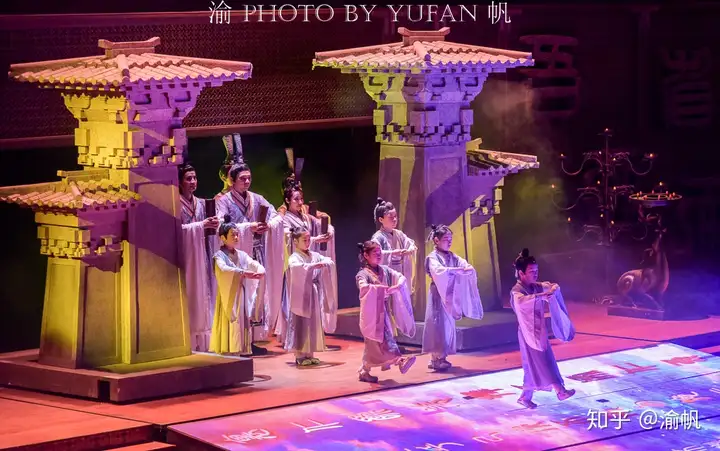
During the activities of visiting Jining, we were fortunate to come to this large-scale cultural and tourism complex. We not only visited its advanced modern hardware facilities, but also appreciated its cultural connotation of "Confucius's world, Confucius in the world". In the hall, there are various performances centering on the Confucian Confucian culture, such as the way of the university, drums and sheng, the return of benevolence under heaven, and respect to the ancestors. ".
The so-called "golden sound and jade vibration" comes from the sentence in "Mencius Ten Thousand Chapters" that "those who have gathered great achievements have golden sounds and jade vibrations". The original meaning of "Jinsheng" refers to the sound made by an ancient musical instrument bell; "Yuzhen" is the sound made by an ancient musical instrument chime. In ancient times, playing music started with beating the bell and ended with beating the chime. "Jin Sheng Yu Zhen" compared Confucius' thought to a perfect piece of music, and praised Confucius for collecting the great achievements of ancient sages. Throughout the performance, the scene changes beautifully. The perfect combination of Chinese classical art forms such as poetry, music, and dance and contemporary art techniques deduces the process of Confucius' "from ordinary to holy". Being in it, one can deeply feel the ritual The elegant lifestyle makes people feel a lingering beauty.
"Jinsheng Yuzhen" is divided into three chapters and nine chapters, the three chapters are "Wind", "Ya" and "Song", and the nine chapters are "The Beginning of Taihuang", "Enlightenment and Wisdom", "Youth Ribbon". "Reading", "Gentlemen's Crowning", "Great Wedding Ceremony", "Learning Rites and Cultivating Virtue", "Regulating the Family", "Returning to the Hometown of Glory", and "The Great Achievement of Sages", what I want to tell is "Confucius' world" and "the world's Confucius". Next, please follow Yufan's lens to enjoy it together.
【The beginning of the wilderness】
The beginning of the wild is the beginning of this performance. The cool stage and lighting effects bring people's attention from the mythical stories of Pangu opening the sky and Nuwa creating man to the stage scene. Wa, have brought great visual shock to people, this chapter is relatively short, but extremely exciting.
【Enlightenment enlightenment】
Enlightenment and enlightenment are the starting point of life and the beginning of enlightenment. At this time, Confucius was like other children, innocent, like a blank sheet of paper; enthusiastic and unrestrained, like the rising sun; unscrupulous, like a newborn calf. If left alone, those who are close to vermilion are red and those who are close to ink are black. Through enlightenment with a sense of ritual, children can start to enter the school, learn culture, restrain their minds, and start a long way to study.
【Juvenile Riding Reading】
Juvenile teaching means that under the teaching of the teacher, Confucius constantly enriches the knowledge he has dabbled in, absorbs the excellent culture of his predecessors, constantly enriches his brain, and allows himself to understand self-cultivation, family harmony, The principle of governing the country and pacifying the world.
【Gentlemen crowned】
Men's crowning is the "adult ceremony" in ancient times. The ancients hoped to use this ceremony to warn children that you have learned something, you should take up your own responsibilities, and you should use what you have learned and thought to repay the society. . After ten years of hard work and thick accumulation, Confucius has grown into an adult. It is said that Confucius was nine feet six inches tall at this time, and he was called a "elder man" by the world.
【Big Wedding Ceremony】
In 533 BC, the twelfth year of King Jing of Zhou and the ninth year of Duke Zhao of Lu, Confucius married Qi Guan, a daughter of Song Dynasty, and held a wedding ceremony. In the tenth year of Lu Zhaogong, Confucius gave birth to a son. Because Lu Zhaogong gave Confucius a carp, he named it carp, and the word Boyu. This year Confucius began to serve as a commissioner! He also formally entered the society from the learning stage and began to assume more family and social responsibilities.
【Practice etiquette and morality】
I don’t quite understand this chapter. It is said that he should have made some achievements. He started to practice his own virtues, so that he can become a person full of positive energy, so that he can continue to influence and educate more people around him. But what we saw was the practice of horseback riding and archery. Of course, Yu Fan may have misremembered this.
523 BC, the 22nd year of King Jing of Zhou, and the 19th year of Duke Zhao of Lu. Confucius learned the piano from Xiangzi. Xiangzi said: "Although I take beating the chime as my official, I can still play the qin. Today, I have learned the qin, and I can benefit from it." Confucius said: "Qiu has not yet got the number." There was a room and said: "Have learned the qin." The number can be beneficial." Confucius said: "Qiu has not obtained his aspirations yet." Sometime, he said: "Have learned his aspirations, it can be beneficial."...
【Let the Family Rule the World】
Family governance means that after a person has greater rights and responsibilities, he can manage a family as small as he manages a country, through the accumulation of knowledge in the first half of his life, practicing etiquette and morality, and finally through his own perception and experience, promote The family and the country are constantly moving forward in a positive direction. At this time, Confucius has begun to travel around the world, constantly spreading his Confucianism to people.
【Return to hometown】
In the eleventh year of Duke Ai of Lu, Ji Kangzi welcomed Confucius back to Lu with generous coins. Since then, Confucius left Lu and traveled around the world for 14 years. No senior officials were given to him, but Confucius didn't care about these things at this time. During the 14 years when Confucius traveled around the world, Confucius wanted to understand one thing. The rise and fall of a country or among princes is an unchanging truth, and being an official can only save the world for a while. To restore ritual and music, it is very difficult for him alone. So he devoted himself to writing books and handing them down to the world to educate the world.
【Sages and Great Accomplishments】
The master said: "I have five out of ten, and I am determined to learn. At thirty, I stand up. At forty, I am not confused. At fifty, I know the destiny. At sixty, my ears are compliant. At seventy, I follow my heart's desire and do not exceed the rules." In 479 BC, Lu In the sixteenth year of Duke Ai, on the eleventh day of the fourth month of the Zhou calendar, Confucius died of bedtime illness for seven days. Duke Ai of Lu said, "If you don't hang on to the sky, you don't want to leave an old man behind, so that Pingyu can reign alone. I feel guilty for being alone." , Alas! Nifu! No self-discipline." Buried on Bei Si in Lucheng (now Qufu). There are more than a hundred disciples and Lu people who went to their homes from the tomb, because they were named Kongli. And the former residence of Confucius was changed into a temple, and Confucius' clothes and piano books were stored in the hall. Since then, it has been enshrined every year. The Confucian Temple, Confucian Mansion, and Confucian Forest in Qufu today, the so-called "Three Confucianisms", were founded here.
postscript:
The whole performance, which lasted about one hour, vividly interprets the process of Confucius from birth to death, "from ordinary people to saints". The whole performance perfectly interweaves rituals and music Together, the ritual sense of music strengthens the Mingli way of life, and strengthens the ideological principle of "If you don't learn rituals, you can't stand". At the end, the Confucian classic aphorisms were recited in unison. The scene was very spectacular and unforgettable.
In 1789, the French Revolution broke out, and the revolutionary leader Robespierre issued the "Declaration of the Rights of Man and the Citizen". The manifesto reads "Liberty is the right of all to do everything that does not injure the rights of others. Its principles are nature, its rules are justice, its safeguards are laws, and its morals are limited by the following maxim: , do not do it to others."
In this way, one of the sources of the so-called "freedom" and "democracy" in the West - the French Revolution defined "freedom" as "do unto others what you would not have done to yourself".
Voltaire highly praised "Confucius is a real sage". He hung a statue of Confucius at home for more than 20 years. Voltaire said in "On Confucius": "No legislator has announced to the world more than Confucius. A more useful truth—"Do unto others as you would have them do unto you", he took "Do unto others as you would have them do unto you" as his "motto" and called on everyone to take it as his "motto". He said, "'Do unto others as you would have them do unto you,' is the purest morality beyond Christianity." Voltaire obeyed the theory of Confucius, and changed the portrait of Jesus into a statue of Confucius. He worshiped in the morning and evening, and even wrote poems to praise the cloud: Confucius, the interpreter of truth, he made the world not confused and developed people's hearts. He said that the way of a sage is by no means The way of the prophet, so there are people who believe in him, both in this country and abroad.
Not just flattering, but dedicated to Confucius for twenty years.
Through the Confucian classics translated and introduced by the Jesuits, especially the publication of "Confucius the Chinese Philosopher", and the "Controversy over Etiquette", Confucius came into the vision of European thinkers. More importantly, Confucius and his Confucianism became an important source of thought in the Enlightenment.
Confucius came into the vision of European philosophy at the right time, just in time to meet the vigorous Enlightenment Movement in Europe. This is a great cultural encounter and a major cultural event in the history of world culture. American Sinologist Herrlee Glessner Creel pointed out: "As we all know, when the enlightenment of philosophy began, Confucius had become a celebrity in Europe. A large number of philosophers include Leibniz, Wolf, Voltaire, and some politicians and literati, all used the name and thought of Confucius to promote their ideas, and they themselves were educated and influenced in the process. The fact of France and Britain is that China, driven by Confucianism, has long since completely abolished Confucianism. Hereditary aristocratic politics, and now Confucianism has become a weapon to attack the hereditary privileges of these two countries. In Europe, the development of democratic ideals in the background of the French Revolution, Confucian philosophy played a very important role. Through French thought, it indirectly profoundly affected the development of American democracy."
Confucianism indeed played a very important role in the Enlightenment and the Great Revolution throughout Europe.
The model of China also served as a model for the social reform programs of Enlightenment thinkers. For example, both Voltaire and Quesnay highly praised China's autocratic system, believing it to be a system of "enlightened monarchy", and they advocated taking China as a model and implementing such an enlightened monarchy in France.
China's Physiocratic economic policy, single agricultural tax system, education and imperial examination system, establishment of admonishment officials, construction of water conservancy, rule of virtue, etc., are all praised and admired by enlightenment thinkers, and they hope to learn practical lessons from China's political culture experience and wisdom. French sinologist Paul Demiéville pointed out: "China is one of the main sources of the 'enlightenment philosophy' that prepared the mind for the French Revolution."
Rationalism was a banner of Enlightenment thinkers. Distinguishing between "reason" and "faith" and using rationalism to criticize obscurantism and fideism are the main characteristics of the Enlightenment thinkers in the 18th century.
Not only that, but "rationality" has become their basic principle of thought, the standard of truth and the measure of value for them to test and measure everything. The Enlightenment's ethos of reason, according to many researchers, originated at least in part in China. Fang Hao, for example, believes that "the source of this movement is actually more in China than in Greece."
This may make many people who kneel and lick the so-called freedom and democracy in the West and crazily smear Confucianism are equivalent to slapping themselves
They found that the ethical and moral authority in Chinese culture does not come from the revelation of "God", but from a person's own "conscience" and "good ability". It was this kind of discovery that enabled the Enlightenment thinkers to see the light of reason to criticize Christian theology from the Chinese culture introduced into Europe, and found the ideological weapon to destroy the authority of Christian theology.
German scholar Adolf Reichwein pointed out when analyzing the influence of Chinese Confucianism in the Enlightenment Movement: "Confucius became the patron saint of the Enlightenment in the 18th century... Throughout the first half of the 18th century, Confucius became the center of interest in Europe. "American scholar Adolf Reichwein also pointed out: For Enlightenment thinkers, "Confucius is the patron saint of the Enlightenment in the 18th century. to the West".
Of course, there is also a faction in Europe, that is, the "Eurocentrism" represented by Hegel, which does not agree with the admiration of Confucius. He respected Lao Tzu's thoughts even more. And his systematic translation plagiarized some of Lao Tzu's expositions. And smear China everywhere.
751 years ago, a man named Kong Qiu was born in the state of Lu in the Spring and Autumn Period, and it was this man named Kong Qiu, who was later honored as the sage of Confucius and Confucius, who pioneered the education of the Chinese nation.
Before Confucius, there was almost no concept of education in the whole of China. The spread of knowledge was limited to princes, royal families and dignitaries, and ordinary people had no chance of education at all.
As the first educator in Chinese history, Confucius opened the first private school, initiated civilian education, advocated teaching without distinction, and teaching students in accordance with their aptitude. Anyone who is willing to learn can go to Confucius to study. Pass it on to him.
The greatness of Confucius lies in this. He gave ordinary people the opportunity to receive education, so that they are no longer ignorant and ignorant, and have the opportunity to change their destiny. Moreover, Confucius taught without discrimination. In his eyes, there was no distinction between high and low. As long as he was willing to learn, he would teach seriously. The greatest contribution of Confucius to the Chinese people is the enlightenment of thought. He not only taught his disciples to read and write, but also explained the basic laws of the world in detail, so that his disciples knew what the world was like and how they should live.
In order to practice his ideal, Confucius led his disciples to travel around the world to promote and publicize his ideas. Everywhere he went, he made the desperate people realize that there is another way of survival in this world, a kind of dedication. In the state of pursuing thought and wisdom, this has never been done before, and this is the main reason why Confucius still gained many followers despite hitting walls everywhere.
The disciples and followers of Confucius have practiced this kind of thought of Confucius very well. They have opened private schools all over China to teach common people knowledge, so that more common people can read and write, learn knowledge, and change their own destiny. It laid a certain foundation for the imperial examinations of later generations, and this is the foundation of our current education system.
Beginning with Confucius, knowledge finally began to enter the common people from the closed blockade of the powerful and began to circulate. Since then, generations of Confucian disciples, most of them were born in poor families, and it is precisely because of reading that they have completely changed them. Therefore, when it comes to Confucius, the most familiar sentence is: the sky does not give birth to Zhongni, and eternity is like a long night. This is the highest evaluation of Confucius.
Nowadays, many people are criticizing the thoughts of Confucius and Confucianism. In fact, these are very normal, because any kind of thought has the limitations of the times, and it cannot always be applicable to all times.
Confucian educational thought is worth learning and drawing lessons from forever, especially Confucius’ thought of teaching students in accordance with their aptitude, which is most worthy of our current parents and teachers to think and study, because every child is different, only teaching students in accordance with their aptitude can make every child Only by teaching students in accordance with their aptitude can each child understand the purpose of learning and the importance of learning, so that they can truly love learning and be willing to learn.
According to the records of our country, we can call out the ancient names of many other countries. For example, Iran was once called Persia, India was once called Tianzhu, Vietnam was once called Annan, and Japan was once called Wa. Of course, this is just a name from our point of view, and they themselves have another name, just like we call ourselves "China" and others call us "China".
China is the common name used by countries in the modern world, so how did they call us in ancient times? This is what Penxia wants to share with you today.
To find this title, it is necessary to find the exact data records.
The name of our country was first recorded in our neighboring country India. In the two famous epics of ancient India - "Mahabharata" and "Ramayana", the name of our country appeared for the first time: Cīna (Sanskrit).
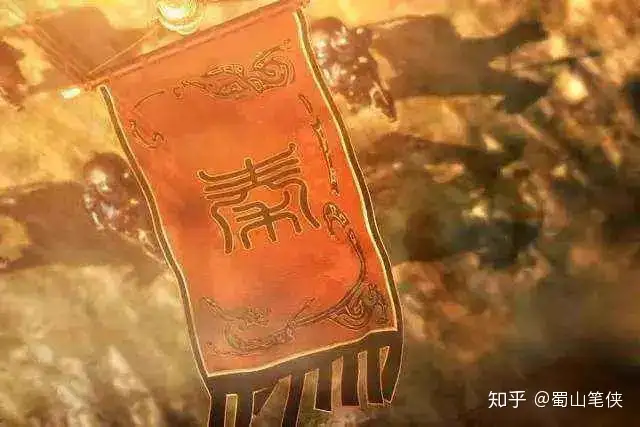
As for the origin of this word, there are many theories, but the prevailing one is that it comes from the transliteration of "Qin". Because the main parts of the above two epics were written around the 4th to 3rd centuries BC. At that time, it happened to be the Warring States Period in my country, and the closest to ancient India was the Qin State in the west. Qin State fought against Xi Rong all the year round, and Xi Rong spread the story of Qin State to the Western Regions and even ancient India, so Qin became the general name of ancient Indians for China. Unexpectedly, this name turned out to be the source of what Westerners called us later.
Between us and the West, the vast Central and Western Asia has always been separated. Therefore, the China that Westerners hear will always be passed down by these people in the middle until the age of great exploration comes.
With the names given to us by ancient India, the Persians called us Cīn, the Arabs called us Sīn, the Romans called us Sinae, and the Greeks called us Serice. With the development of the Silk Road, China has gradually become the "silk" in their eyes.
In the Tang Dynasty, with the prosperity of Buddhism, our country transliterated the name Cīna back, and it was called "Zhina".
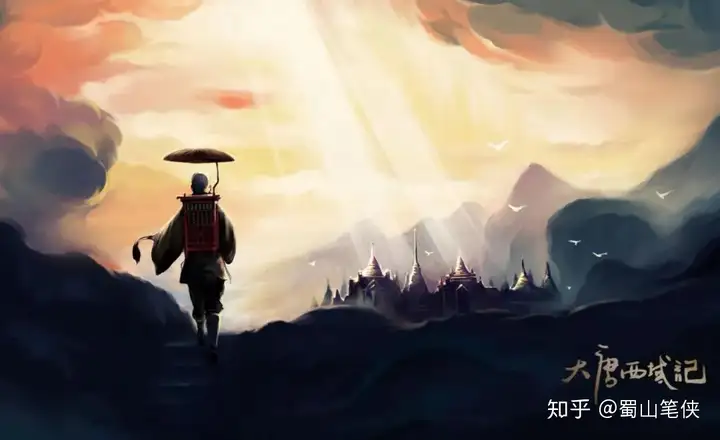
"Da Tang Western Regions" records: "The king said: 'Where is the Tang Dynasty? According to the passage, how far is it to go to Sri Lanka?" Confrontation: "When this is tens of thousands of miles to the northeast, the so-called Maha to that country in India is also true. "
This name was also used by Japan to humiliate us after the Sino-Japanese War, calling us "China". In fact, China was originally not a derogatory term, but it became a derogatory term after it was called by Japan. Therefore, now we firmly do not allow others to call us this way.
So, what did Cīna (to that) originally mean?
In ancient India, the word mahā was added before the word Cīna to become Mahācīna, transliterated as "Mahazhina", which means: "Great to that" or "Great to that".
There is also the word sthāna added after Cīna to become Cīnasthāna, which is translated as "Zhendan", "Zhendan", "Zhendan" or "Maha Zhendan" in Buddhist scriptures and Chinese history books, meaning: "China" or " Great China".
That is to say: ancient India called us this way in a commendatory sense, at least not in a derogatory sense.
In the Middle Ages, historians of the Byzantine Empire once called China Taugas, and Islamic literature also called it Tamghaj, Tomghaj or Tohgaj, probably because of the prosperity of the Tang Dynasty.
In the Ming and Qing Dynasties, Russia called us Китай, which is very similar to the pronunciation of "Khitan" (Qitai). The Russian nation was formed relatively late, and all they knew about China were heard from the Mongols. Before the rise of Mongolia , Khitan ruled northern China for more than 200 years.
After the Middle Ages, with the opening of the Portuguese nautical age, they directly recorded China in their nautical diary, which was later translated by British scholars, and the word China officially appeared in English until now.
Today, China is written as Chine in French, China in German, and Cina in Italian, and we call ourselves "China" (as a country name) only after the fall of the Qing Dynasty.
The above are the changes in foreign names for China summarized by Pen Xia. If there are any unknowns, please let the experts add.
If you like the author's style, please give it a thumbs up!
世界上最接近神的5个人,中国独占三人,第一名孔子都要叫他老师
5、鬼谷子(中国·战国时期)
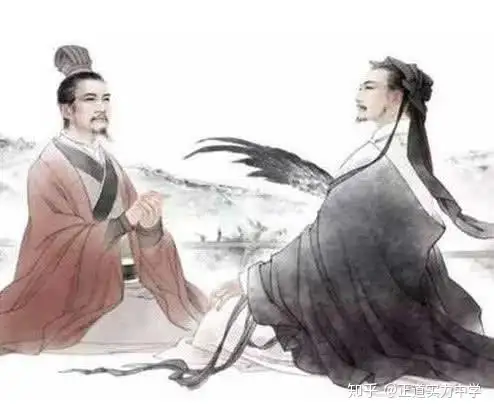
鬼谷子有多神呢?他被誉为千古奇人,创建鬼谷门派,鬼谷先生是百科式人物,他的智慧教育了苏秦、张仪、孙膑、庞涓、商鞅、吕不韦、李牧等众多风云人物!鬼谷子的唯一著作《鬼谷子》也对后世产生了重大影响,现在依然被认为是权谋术的重要古书籍。鬼谷子活了多少岁?才是最大的谜,他从东周跨度到秦朝,无人知其来历,无人知其结局。
4、王莽(中国·西汉末年)
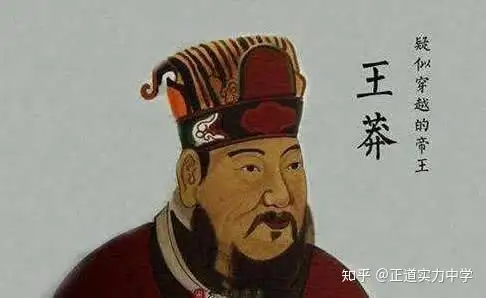
王莽宣布的新政措施很像后世的社会主义改革,正是这些改革措施,让某些人觉得他更像是从现代穿越过去的。他把天下的土地收归国有,统称为“王田”,统一分配,禁止买卖和土地兼并。他又解放奴隶,也不得买卖;他还进行了好几轮币制改革,发行了很多这种不足值的大钱。王莽的造反来得突然,政权也消逝很快,来去匆匆像是过了一把瘾,这段经历虽然短暂,但王莽却做出许多不可思议的事情,让人觉得他就是一个穿越到汉朝的现代人。
3、尼古拉·特斯拉(奥匈帝国)
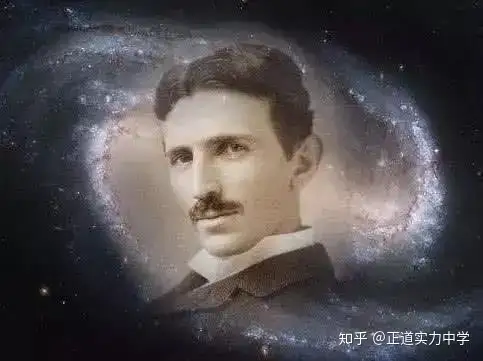
有人说,他预测出第一次、第二次世界大战; 有人说,他预见了泰坦尼克号的沉没; 有人说,他制造了通古斯大爆炸,威力是广岛核弹的1000倍; 有人说,他可以利用电磁,穿越时空; 有人说,FBI将他的照片挂在机密大楼的头号位置。尼古拉·特斯拉拥有了解电力、机械,甚至是光的天才。他一生未婚,废寝忘食,把注意力全都贡献在了科学发明上,而不是赚钱和其他物质上的追求。
2、达芬奇(意大利)
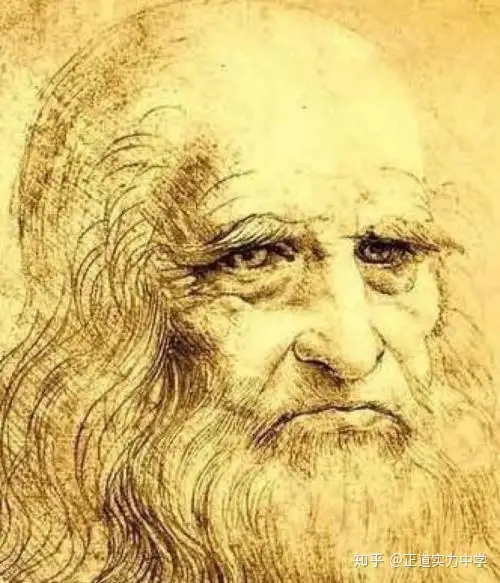
达芬奇的人生可以说是开挂的,在天文学、物理学、光学、气象学、医学、生物学、解剖学、植物学、地质学、地理学、发明、土木工程等领域都有显著的成就。爱因斯坦认为,达·芬奇的科研成果如果在当时就发表的话,科技可以提前半个世纪。他最被人熟知就是画家,透过他的笔记和绘画,我们现代的许多人用各种科学技法,内容分析,研究考察,得以窥见到达·芬奇的狂热。据说著名画家达芬奇不需要整晚睡觉,只要每4小时睡15-20分钟。这样一天下来只睡2小时左右,余下大把的时间从事创作,而且能保持充沛的精力。
1、老子(中国·春秋末期)
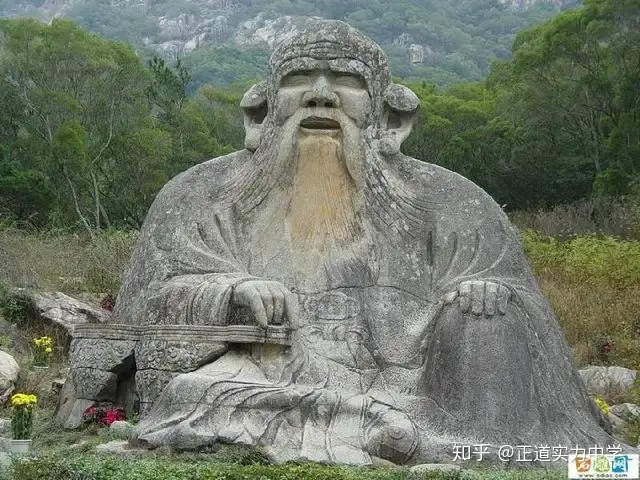
老子姓谁名谁?哪个国家的人?有说老子姓李名耳,有说老子是老聃,有说老子是老莱子。而出生的地方,现在至少有20多种典籍对老子的出生地作了不同的描述。老子的年纪有多大?有些史料说,老子活了101岁。也有些史料说老子不知所踪,有的说160~200岁。老子到哪儿去了?有的说老子死在家里,但也有史料说,老子是骑青牛出了函谷关后,不知所终。后来道教有说他得道升仙了,有说他跑到印度去点化释迦牟尼了。
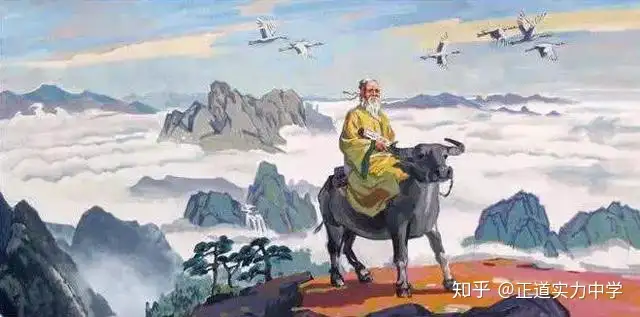
老子一生不立文字,但是在出函谷关的时候,三天时间,就洋洋洒洒口授了五千言的《道德经》。这篇《道德经》,不但一下奠定了老子至高无上的哲学地位,也一下奠定了老子至高无上的文学地位。至圣先师孔子,曾两次拜老子为师,并且感叹老子神龙见首不见尾。让孔子都如此感叹,老子的学问究竟有多高?后世甚至根据这句话,得出了一句俗语:老子天下第一。
庄子对孔子的千古之谜,人间的哀色
先贤书中,常常有一些人往往不在意的细节。可当我们在意了,读懂了,心上就会如绵密的针刺,隐隐的痛登时就弥漫开来。
比如《论语》开篇的“有朋自远方来,不亦乐乎”,简单到不能再简单了,似乎谁都懂。可一位老先生却说,孔子当年说出这话,心中是何等的凄凉啊,因为意味着身边连个朋友都没有,非要等到大老远的人来了,才能开心一下。
假如你了解孔子一生的落魄潦倒,了解那种深重的悲情,你就知道这种说法是可信的。可惜这样体贴的有心人太少,千年的时光,皆是先贤等待的远方。
这样寂寞的人,还有庄子。并且庄子的寂寞还与孔子缠绕在了一起,永世不分。
《庄子》一书中出现最多的人,正是孔子。有多多?匪夷所思的程度。
据台湾道家学者陈鼓应统计,《庄子》33篇里,孔子出现的次数达到了85次。就是在庄子亲笔的内七篇里,也达到了10次,这是什么概念?庄子最推崇的老子只出现3次,次推崇的颜回也是3次,同为道家大咖的列子只出现2次,他的好朋友惠施只出现3次,就是他自己也不过出现了3次。
这要么是真爱,要么是真恨。但似乎都不是,也都是。《庄子》书中作为寓言人物的孔子,不堪时是以被批评、嘲讽、教导的对象出现,高妙时则是作为通达大道的道家代言人。庄子究竟为何对孔子如此在意和特别?两千多年来注意到这点的人很多,却没有人给出令人信服的答案。
这,是一个千古之谜。
而假如我们能够像那位老先生那样体贴进去,这个谜也许就不那么难解。
庄子眼中和心中,孔子是有着三种面貌的。答案,就在这三种面貌里。我们只说内七篇里的讲述,那是庄子最直接和真实的态度。
第一种孔子,站立在庄子的对立面。他是《大宗师》里的“天之戮民”“天之小人”,是《德充符》里受了“天刑”的人,从天的视角看是困在有取舍的人之所谓道德、而不明无取舍的天道的精神残疾,对《齐物论》里“圣人不从事于务,不就利,不违害,不喜求,不缘道,无谓有谓,有谓无谓,而游乎尘垢之外”的境界,只能“丘也何足以知之!”是没有水平了解和知道的。这指向的,是历史上真实的孔子。
第二种孔子,与庄子并肩站在一起。庄子对于修道,曾提出两个最重要的法门,都是通过孔子提出,都是在孔子与颜回的师徒对话中出现,并且师徒站在同一立场。庄子是很喜欢“一箪食,一瓢饮,在陋巷。人不堪其忧,回也不改其乐”的颜回的,但凡提到他都是只有褒没有贬,孔子则是颜回最尊敬的人。
这两个法门,一个是《人间世》里的“心斋”,“若一志,无听之以耳而听之以心,无听之以心而听之以气!听止于耳,心止于符。气也者,虚而待物者也。唯道集虚。虚者,心斋也。”心志专一,关闭感官而用心体会,进而再用气去感应,最终入于大道之气的本来虚容寂静而使心空明下来,这就是心斋。
另一个是《大宗师》里的“坐忘”,“堕肢体,黜聪明,离形去知,同于大通,此谓坐忘。”在静坐中,出离肉体与欲望的困牢,罢息分别与算计的羁绊,先忘身再忘心,最终得以入于大通道境,这就是坐忘。
庄子谈及修道的话语极少,所以弥足珍贵。而就是这样珍贵的话语,却都托孔子而出,并与真实的孔子完全不一致,这说明什么呢?只能说明这是庄子所希望的孔子。而之所以会有这样一份希望,又一定是因为觉得孔子是有可能做到的,至少有这样的潜质,而不像世间那些愚人一样无可救药、根本没戏。
对于这点,也许当我们想到《论语》中的“天下有道则现,无道则隐”“道不行,乘桴游于海”,想到孔子问弟子们的志向,最终深深认同的是曾点的“暮春者,春服既成,冠者五六人,童子六七人,浴乎沂,风乎舞雩,咏而归”,那种与庄子情怀的相似处,也许就释然了。
而庄子对孔子这两种截然相反的态度之间,似乎还是太跳跃和突兀了。作为中间的过渡的,便是孔子的第三种面貌。那也是最悲情的,是庄子对孔子的动情处。
《人间世》中写了这样一则寓言,孔子周游列国到了楚地,遇到了楚狂人接舆。有学者认为庄子祖上是楚人,因文中多楚语,行文又有着和屈原一样华彩的想象力,那么接舆在这里就不仅是庄子的同乡,更可能是他的化身和代言人。
接舆路过孔子门前时,对他唱了一首歌:
凤兮凤兮,何如德之衰也!
来世不可待,往世不可追也。
天下有道,圣人成焉;
天下无道,圣人生焉。
方今之时,仅免刑焉。
福轻乎羽,莫之知载;
祸重乎地,莫之知避。
已乎已乎,临人以德!
殆乎殆乎,画地而趋!
迷阳迷阳,无伤吾行!
却曲却曲,无伤吾足!
凤啊凤啊,你的德行为什么衰败!来世是不可期待的,往世是不可追回的。天下有道,圣人可以成就事业;天下无道,圣人只能保全性命。当今之时,只能求免于刑害。幸福比羽毛还轻,不知怎样摘取;灾祸比大地还重,不知怎样回避。算了吧算了吧,别再跟人讲什么德行!危险啊危险啊,再这样走下去!荆棘啊荆棘啊,不要阻碍自己的行走!转弯吧转弯吧,不要刺伤自己的脚!
这就是周游列国推销仁道礼乐的孔子,希望重现三皇五帝的圣王时代,重兴夏商周三代之盛德,并传之千秋万世,却一无所得、落魄如丧家之犬的一生真实的写照。孔子的一生,是“知其不可而为之”,他的人生只是灰败,他的心境只是落寞,却九死而未悔。一直对电影《孔子》中老子与孔子的一段对话念念不忘,那洞穿了孔子那颗哀伤却坚忍的心:
老子:孔丘啊,当今之世,王纲失序,天下纷乱,可你还是要一意孤行,推行礼乐仁义吗?
孔子:丘惭愧,一无所成。
老子:那就索性放弃吧。名爵者,公器也,不可久居。
孔子:那弟子何去何从,毕竟不能像葫芦一样,挂在门楣上,无用于世。
老子:无用,安知不是大用。弱则生,柔则存,天下莫弱于水,而攻坚者莫之能胜,上善若水啊。
孔子:先生微言大义,吾道一以贯之。先生的道是大象无形,超然物外,不限于世间。而我的道,则在人间。
老子:那就不要在意天下的误解吧。富人赠人以金,我没有金子,就送你这几句话吧。
庄子对孔子,也有着和老子一样深深的同情,与真挚的规劝。“楚狂接舆歌”出现在《人间世》即将结尾时,人间世的意思即是人间处世,结尾是什么呢?“山木自寇也,膏火自煎也。桂可食,故伐之;漆可用,故割之。人皆知有用之用,而莫知无用之用也。”
山木、膏油、桂树、漆树皆因有用于人,而招致砍伐、煎熬、食用、刀割,正如求有用于世的孔子真实的遭遇,“无用之用”则就是老子“弱则生,柔则存”的真谛。
可是凛冽冷峻的庄子,为何要对孔子动这样一份情?因为孔子所面临的,也正是他所面临的啊!都在礼崩乐坏、杀伐不断、生灵涂炭的时代,欲有用于世而不得。孔子选择了“知其不可而为之”的迎难而上,庄子却选择了“知其不可奈何而安之若命”“托不得已以养中”的无奈退避,他的内求逍遥于心,本是被时代逼出来的,只能在心中求自己的桃花源,其中多少难言的苦痛。
也许不是庄子与老子愿意退,而是时代如此,照他们的心性和理想,而不得不退。那个时代的人,不论儒还是道,都注定面受同样的无奈和悲情,孔子的不可而为更是悲壮。所以,庄子和老子又如何不会对孔子抱有一份感同身受的哀怜?
最有意味的是庄子借接舆之口称孔子为“凤”。凤意味着什么呢?《史记》载孔子见老子,回来后与弟子说“老子犹龙”,见首而不见尾,而龙与凤本是相对,有如阴阳。庄子《秋水》中又说凤:“发于南海,而飞于北海;非梧桐不止,非练实不食,非醴泉不饮。”这是一种能跨越于南北之极,非梧桐树不栖、非竹子的果实不食、非甘泉不饮的鸟。老子是庄子的师承,凤又是庄子心中高洁的象征,这还不足以说明庄子的态度吗?
所以庄子对孔子,心底里至少是当做朋友的。他的有贬有捧,有骂有赞,不过是他的脾气,是情之所至的真实而发。他对朋友,本就是这样的。
比如对他唯一的朋友惠施,从开篇的《逍遥游》就嘲笑他“拙于用大”,到《德充符》里对他只知名相思辨、而不知开发心灵境界的“天选子之形,子以坚白鸣”的严厉训斥,再到《秋水》里讽刺他是怕庄子来梁国是为抢夺他的相位、就如怕凤凰抢夺其腐鼠的猫头鹰,以及在“安知鱼乐”的辩论中对他“我知之濠上也”的调笑……惠施,是被庄子讽刺挖苦最多、埋汰羞辱最重的人。
而庄子对惠施的真实感情又是怎样的呢?惠施比庄子早死20余年,《徐无鬼》篇记载,有一次庄子经过惠施墓,回头对跟随他的人讲了一个寓言:郢地有个人把薄如蝇翼的一点泥溅到自己的鼻尖上,然后让一个石匠替他削掉。这个石匠挥动大斧呼呼生风,随手劈下泥点就没有了,而鼻子却丝毫无损。宋元君听说这件事后很惊奇,就把石匠找来表演一下,石匠拒绝了。他说,我以前是能削的,但能放心让我削的人已经死了,我再也没有对手了,再也做不到了。
紧接着庄子哀叹道:“自夫子之死也,吾无以为质矣,吾无与言之矣。”自从惠子死了,我也没有这样的对手了,我连个说话的人都没了。
这是我听过最悲情的故事之一,其中深深的寂寞和深挚的感情,还用说什么呢。庄子只是脾气烈,只是直接了当,而惠施在他心中,无论有多少不足,无论他怎样对待,那也是实实在在能在精神上对话的人啊。
孔子,则是感情上能够对话的人。庄子,孔子,当我们回到到他们的人,其中多少欲说还休的情愫。而古往今来,又有多少人懂呢?
我们每个人,又何尝不是如此?
这就是人间的哀色,和底色。
而正是因为有这哀色的灰作底色和衬托,那些不一样的异色才更显华彩和瑰丽,正如孔子热烈的红,庄子清冷的蓝。
人间是灰的,却正好作画。
“天不生仲尼,万古如长夜”,孔子,我国古代伟大的思想家、政治家、教育家,也是儒家学派的创始人,它的学说影响了中国几千年的发展,他修《诗》《书》、订《礼》《乐》、序《周易》、撰《春秋》,提倡“礼”与“仁”,主张“为政以德”,用道德和礼教来治理国家是最高尚的治国之道,这种人道主义和秩序精神是中国古代社会政治思想的精华,因此他也被后世统治者尊为孔圣人、至圣、至圣先师、大成至圣文宣王先师、万世师表,更是被列为“世界十大文化名人”之首。
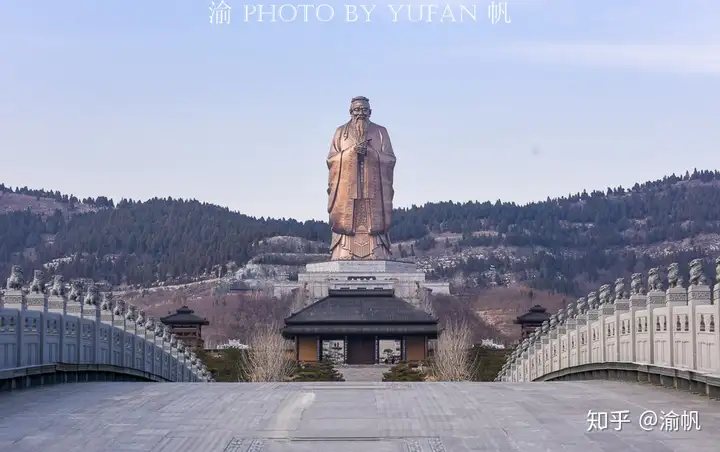
为了纪念他对人类社会的功绩,我国历代帝王都有祭孔尊孔的习惯,全国各地都建有不少孔庙、文庙,皆是以供奉孔子为主,而在圣人的故乡——山东曲阜,著名的三孔(孔府、孔庙、孔林)不仅是国家重点文物保护单位,也是世界文化遗产和国家AAAAA级旅游景区,此外还有他的出生地——尼山,也建有孔庙和书院,均为国家重点文物保护单位,而且在尼山孔庙的边上,近年又新修了一个景区——尼山圣境,是一个集文化体验、修学启智、生态旅游、休闲度假、教育培训于一体的综合性文旅综合体。
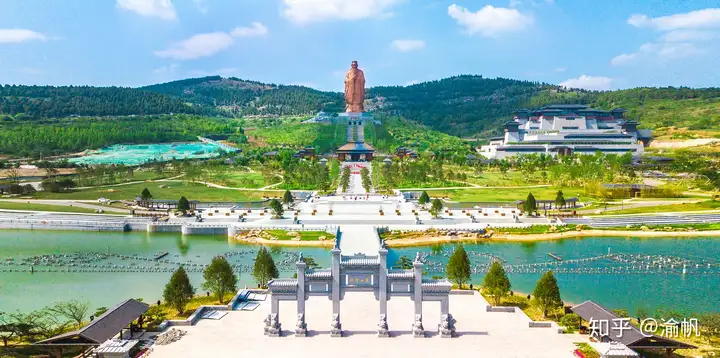
在游读济宁的活动中,我们有幸来到了这个大型的文旅综合体,不仅参观了它先进的现代化硬件设施,也领略了它 “孔子的世界,世界的孔子”的文化内涵,观看了大学堂里面的大学之道、鼓瑟吹笙、天下归仁、礼敬先师等围绕孔子儒家文化的各项表演,其中印象最为深刻的莫过于大型礼乐沉侵式舞台节目——《金声玉振》。
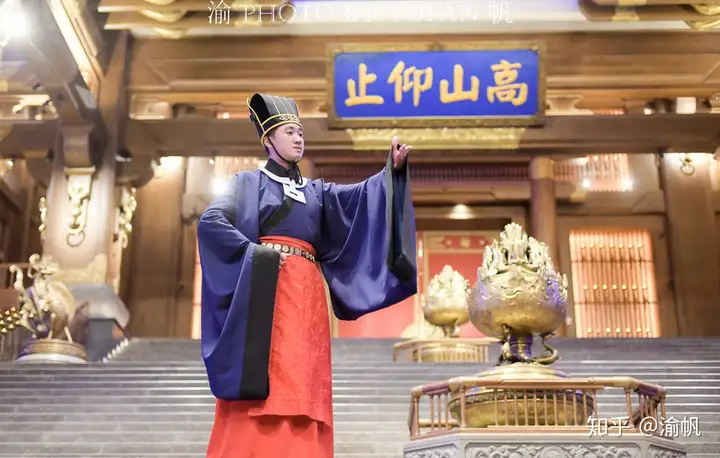
所谓“金声玉振”,出自《孟子·万章下》“集大成也者,金声而玉振之也”之句。“金声”原意是指古代乐器钟发出的声音;“玉振”是古代乐器磬发出的声音。古代演奏音乐,以击钟为始,击磬为终,“金声玉振”将孔子思想比喻为一首完美的音乐,赞誉孔子集古圣贤之大成。整场演出,场景变幻美轮美奂,诗、乐、舞等中国古典艺术形式与当代艺技术手段完美结合,演绎出孔子“由凡入圣”的过程,置身其中,能深切感受到明礼的典雅生活方式,让人感受到一种余音绕梁的美感。
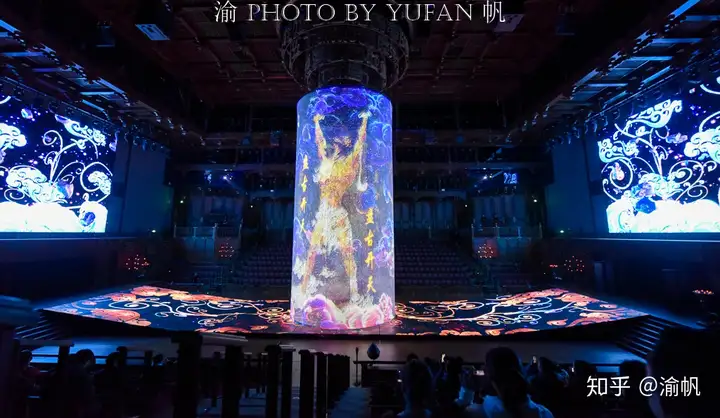
《金声玉振》共分为三篇九章,三篇分别是《风》、《雅》、《颂》,而九章则分别为《太荒之始》、《启蒙开智》、《少年绶读》、《君子加冠》、《大婚仪典》、《习礼修德》、《齐家治世》、《荣归故里》、《圣贤大成》,所要讲述的便是”孔子的世界“和”世界的孔子“。 下面,请跟随渝帆的镜头一起来领略一下。
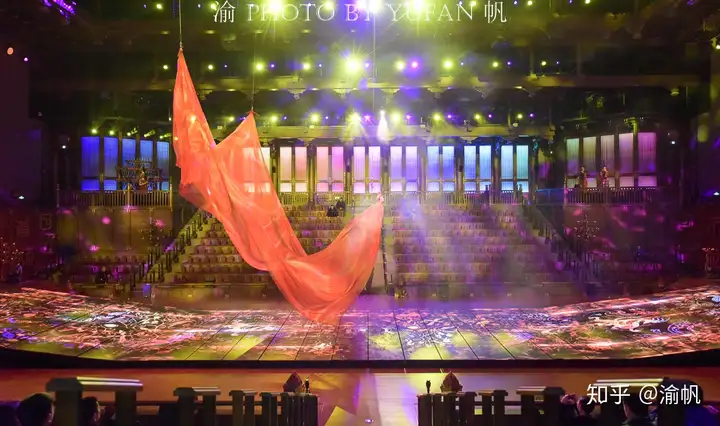
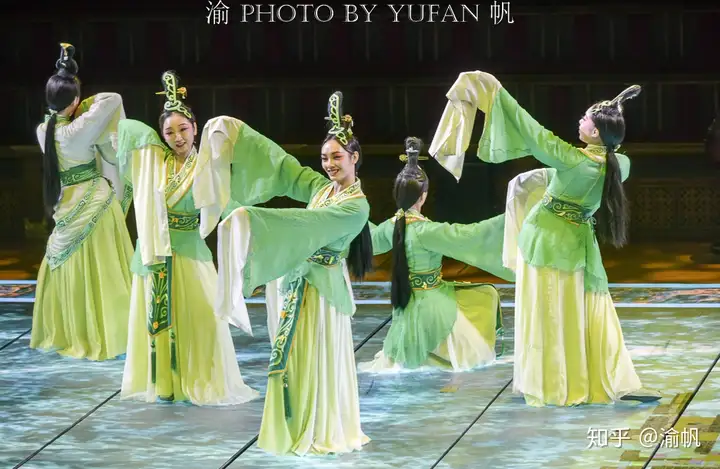
【太荒之始】
太荒之始是本场演出的始篇,炫酷的舞台与灯光效果,将人们的视线从盘古开天、女娲造人的神化故事中引入舞台现场,混沌初开的垂幕到从天而降的女娲,都给人们带来了极大的视解震撼,这一章节相对较短,却极为精彩。
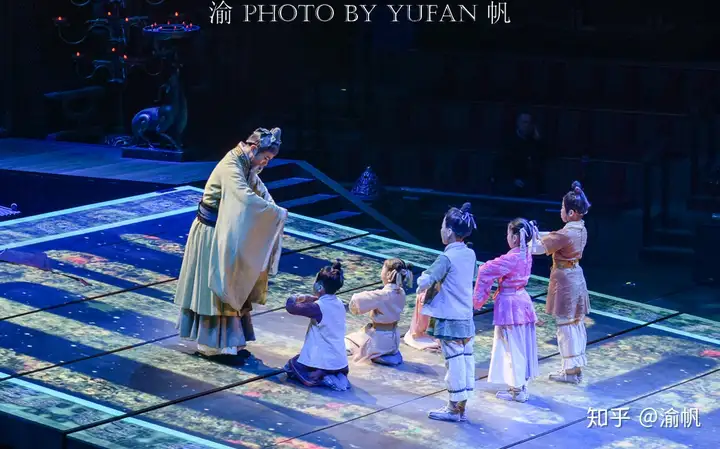
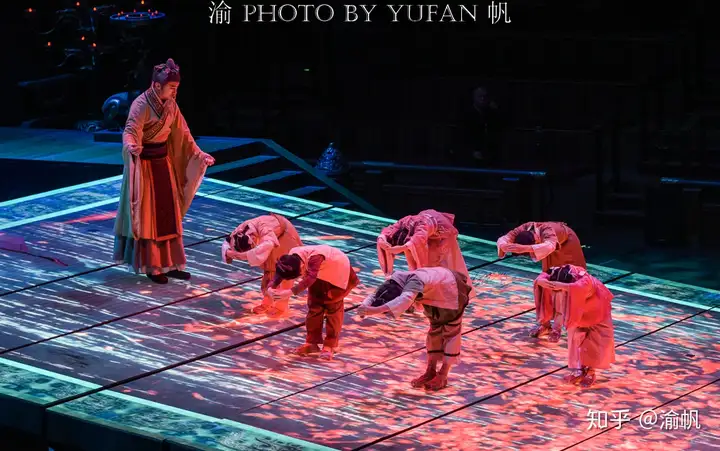
【启蒙开智】
启蒙开智,是人生的起点,是明礼的伊始。此时的孔子如其它孩子一样,天真烂漫,如一张白纸;热烈奔放,如初升的太阳;无所顾忌,如初生的牛犊。如果放任之,则是近朱者赤近墨者黑,通过有仪式感的启蒙开智,让孩子开始步入学堂,学习文化,约束心智,开启漫漫的求学之路。
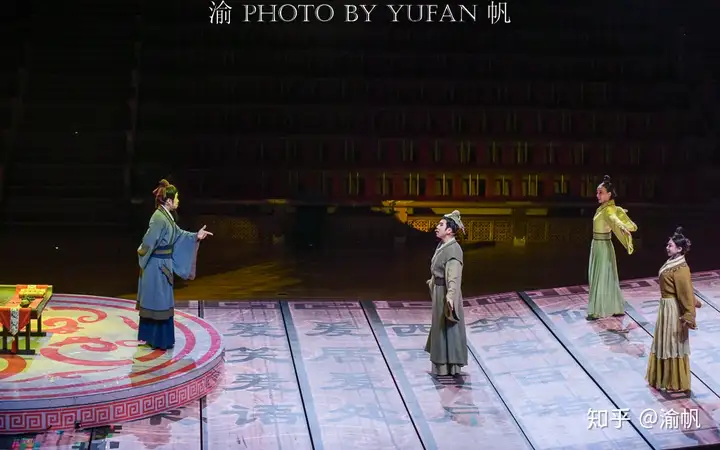
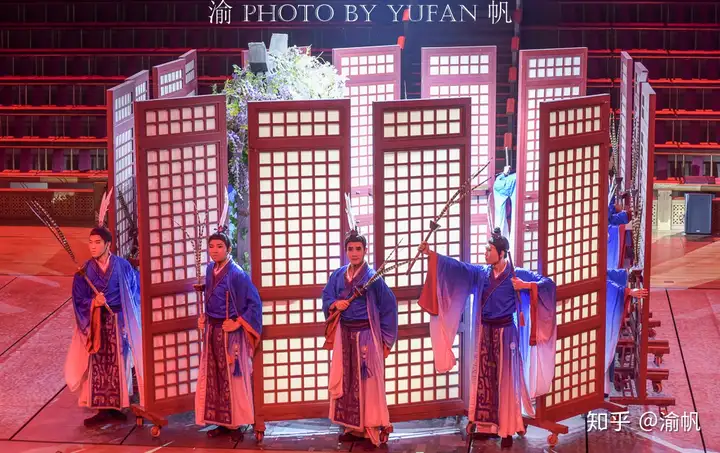
【少年绶读】
少年授读,则是指孔子在老师的教授下,不断去丰富自己所涉猎的知识,汲取先师优秀的文化,不断去丰富自己的大脑,让自己在成长的路上读懂修身、齐家、治国、平天下的道理。
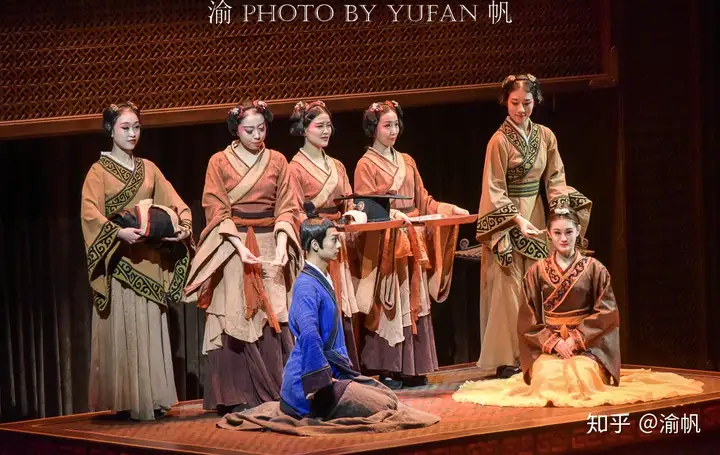
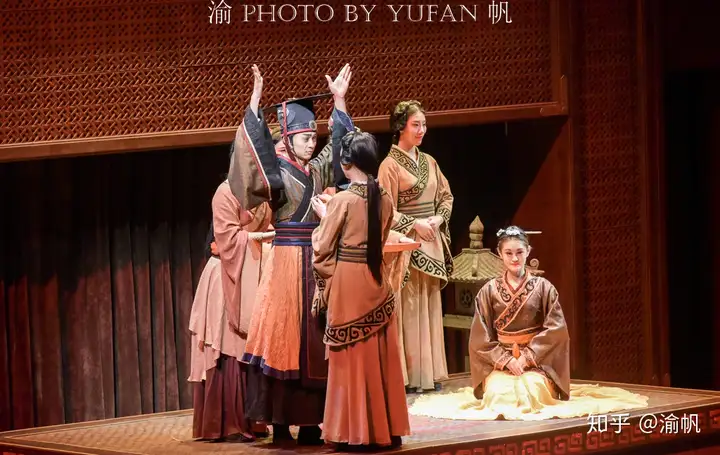
【君子加冠】
男子加冠,即是古时候的“成人礼”,古人是希望通过这种仪式去告诫孩子,你已经学有所成,应该担起自己的责任,应该用自己的所学所思去回报社会了。十年寒窗,厚积薄发,孔子已经长大成人,传说孔子此时已经身长九尺六寸,被世人称为“长人”。
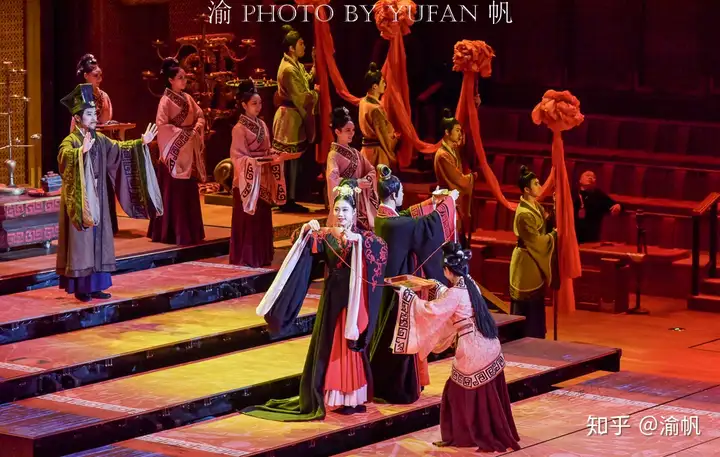
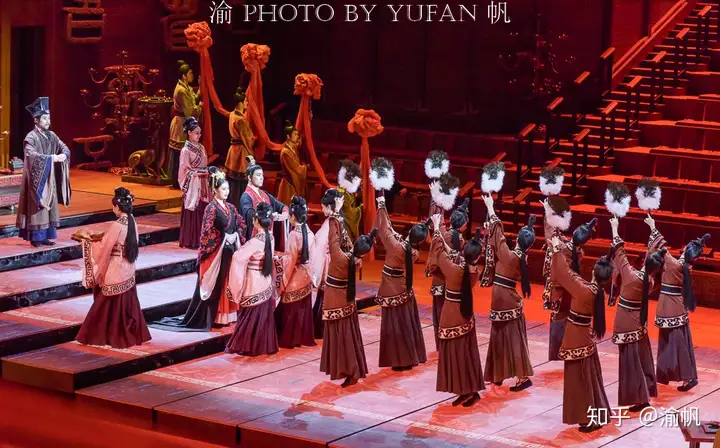
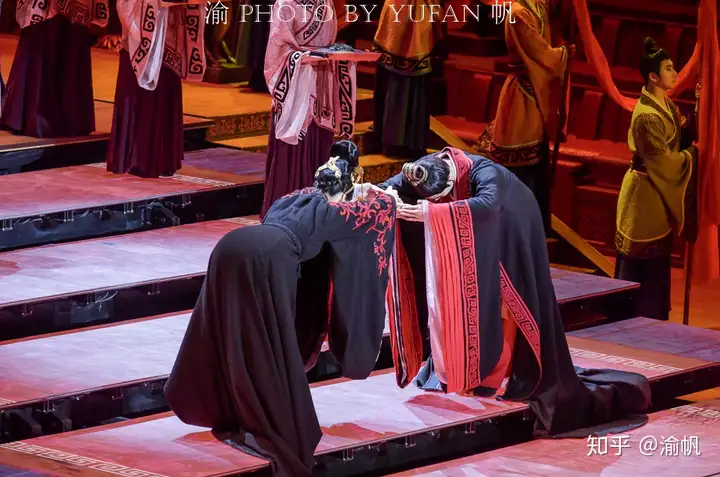
【大婚仪典】
公元前533年,周景王十二年,鲁昭公九年,孔子娶宋女亓官氏为妻,举行了大婚仪典。鲁昭公十年,孔子生子,因鲁昭公以鲤鱼赐孔子,所以取名鲤,字伯鱼。这一年孔子开始任委吏!他也从学习阶段,正式进入社会,开始承担起更多的家庭责任和社会责任。
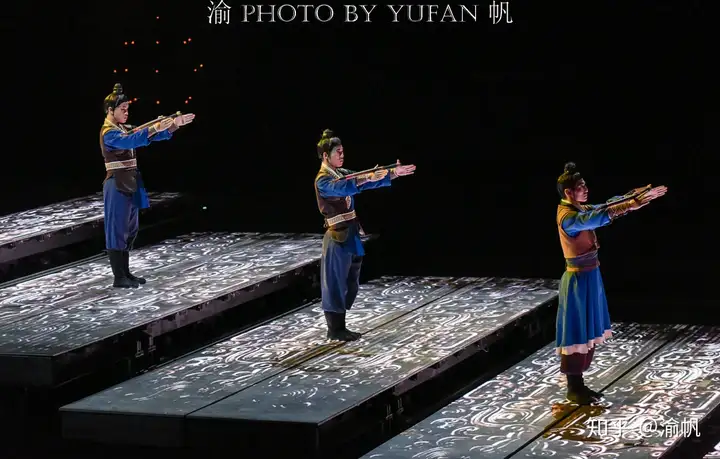
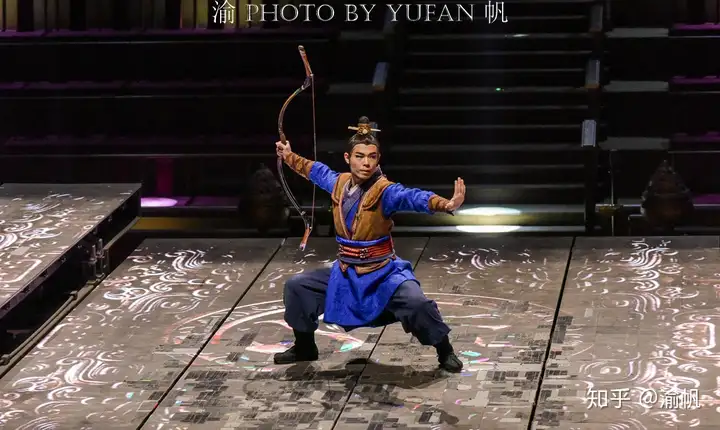
【习礼修德】
这一个章节看得不太明白,按说应该是小有成就,开始修练自己的德行,让他变成一个充满正能量人,使其不断去影响和教化身边更多的人。但我们看到的演出却是修练骑射等本领,当然这也有可能是渝帆自己记混了。
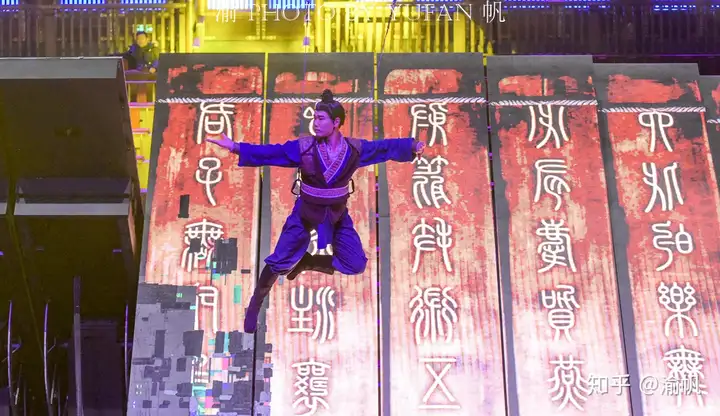
公元前523年,周景王二十二年,鲁昭公十九年。孔子学琴于师襄子。襄子曰:“吾虽以击磬为官,然能于琴。今子于琴已习,可以益矣。”孔子曰:“丘未得其数也。”有间,曰:“已习其数,可以益矣。”孔子曰:“丘未得其志也。”有间,曰:“已习其志,可以益矣”……
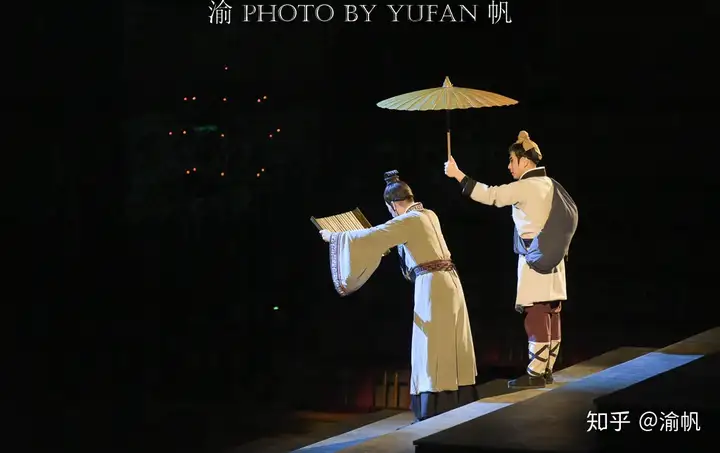
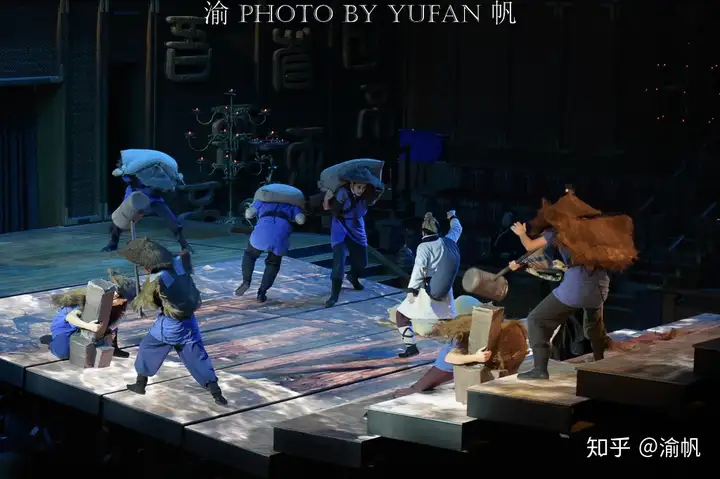
【齐家治世】
齐家治世是指一个人有了更大的权利和担当后,小到可以管理一个家庭,大到管理一个国家,通过前半生的知识积累和习礼修德,并最终通过自身的感悟和心得,推动家国朝向一个向好的方向不断往前,孔子在这时候已经开始周游列国,不断的向人们传播他的儒家思想。
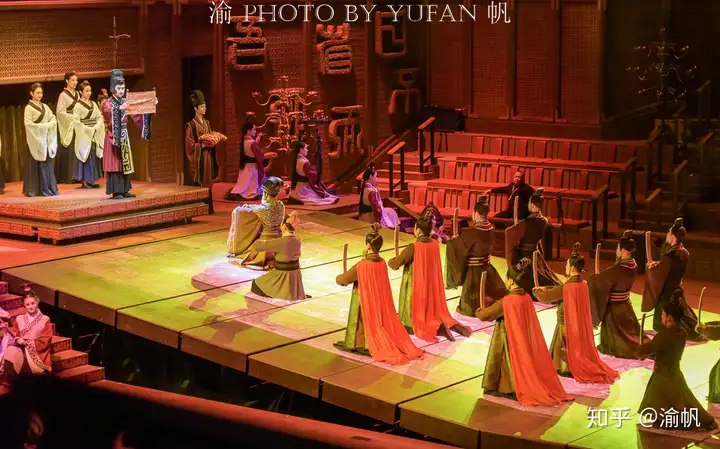
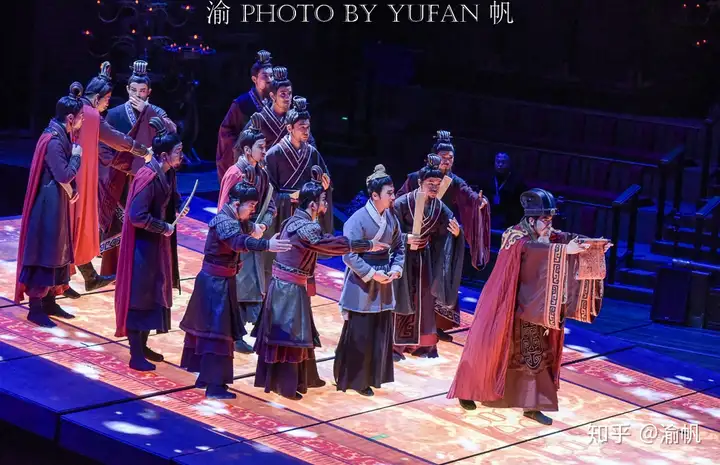
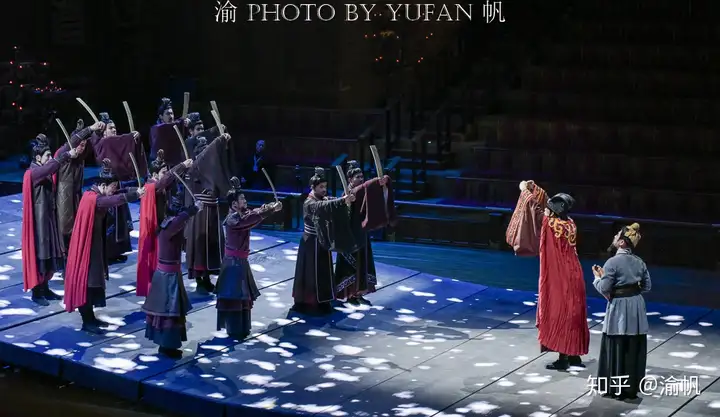
【荣归故里】
鲁哀公十一年,季康子以厚币迎孔子返鲁,自此,孔子离开鲁国周游列国前前后后已经有14年之久,鲁哀公与季康氏虽然时向孔子问政,但也始终没有给他什么高官,不过此时的孔子这个时候也没有在乎这些事。在孔子周游列国的14年里,孔子想明白了一件事,国家或者说诸侯之间的兴衰变化是不变的真理,出仕为官只能救世人于一时。要想恢复礼乐,凭他一个人是很难做到的。于是他就潜心著书传世,教化众人。
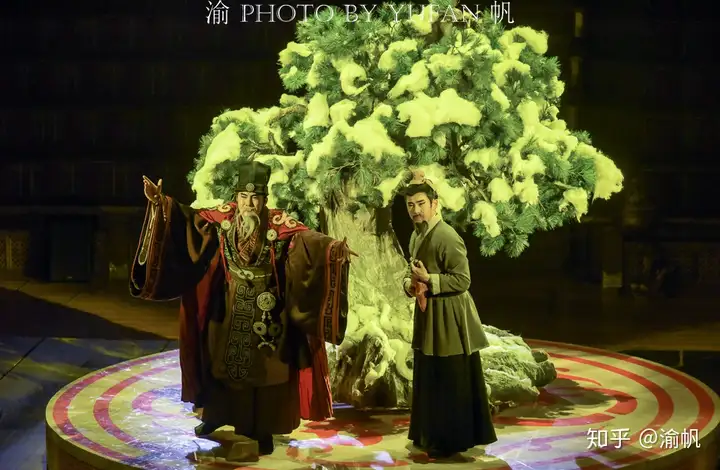
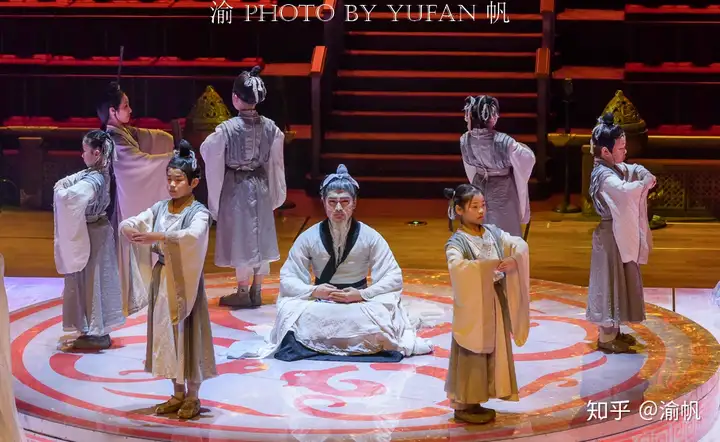
【圣贤大成】
子曰:“吾十有五,而志于学,三十而立,四十而不惑,五十而知天命,六十而耳顺,七十而从心所欲,不逾矩。”公元前479年,鲁哀公十六年,周历四月十一日孔子寝疾七日而殁,鲁哀公诔之曰:“旻天不吊,不*遗一老,俾屏余一人以在位,茕茕余在疚,呜呼哀哉!尼父!无自律。”葬于鲁城(今曲阜)北泗上。弟子及鲁人往从墓而家者百有余室,因名孔里。并把孔子故居改为庙堂,藏孔子平生衣冠琴书于堂中。自此以后,年年奉祀。今曲阜之孔庙、孔府、孔林,所谓“三孔”者,即始创于此。
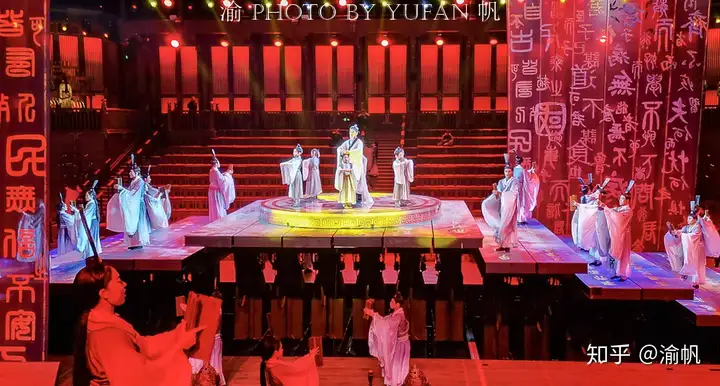
后记:
整场演出,历时大约一个小时,把孔子从出生到终老、“由凡入圣”的过程演绎得淋漓尽致,以乐明礼、以乐行礼、以乐演礼,整个演出将礼、乐完美交织在一起,以乐的仪式感强化明礼生活方式,强化“不学礼,无以立”的思想准则。最后结束的时候,全场齐诵的儒家经典格言,场面非常壮观,令人难以忘怀。
1789年,法国大革命爆发,革命领袖罗伯斯庇尔发布了《人权和公民宣言》。宣言中写着“自由是属于所有人做一切不损害他人权利之事的权利。其原则为自然,其规则为正义,其保障为法律,其道德限制在下述格言之中:“己所不欲,勿施于人”。
如此说来,西方所谓“自由”、“民主”的源头之一——法国大革命对“自由”的定义,是“己所不欲勿施于人”。
伏尔泰盛赞“孔子是真正的圣人”,他二十余年如一日地在家中悬挂孔子像,伏尔泰在《论孔子》里说:“没有任何立法者比孔夫子曾对世界宣布了更有用的真理——‘己所不欲,勿施于人’”,他把“己所不欲,勿施于人”作为自己的“座右铭” ,还号召所有人把它作为“座右铭”。他说“‘己所不欲,勿施于人’,是超过基督教义的最纯粹的道德”。伏尔泰服膺孔子学说,竟将耶稣画像改易为孔子像,晨夕礼拜,更做诗赞美云:孔子,真理的解释者,他使世人不惑,开发了人心,他说圣人之道,绝不是预言者的那一套,因此信仰他的人,本国外国都有。
不只是吹捧,而是二十年如一日的供奉孔子。
通过耶稣会士译介的儒家经典,特别是《中国哲学家孔子》的出版,以及“礼仪之争”的推波助澜,孔子走进了欧洲思想家的视野。更为重要的是,孔子及其儒家思想成为启蒙运动的一种重要思想之源。
孔子走进欧洲哲学的视野,恰逢其时,正好与欧洲轰轰烈烈的启蒙运动相遇。这是一次伟大的文化相遇,是世界文化史上一个重大的文化事件。美国汉学家顾立雅(Herrlee Glessner Creel)指出:“众所周知,哲学的启蒙运动开始时,孔子已经成为欧洲的名人。一大批哲学家包括莱布尼茨、沃尔夫、伏尔泰,以及一些政治家和文人,都用孔子的名字和思想来推动他们的主张,而在此进程中他们本人亦受到了教育和影响。法国和英国的实情是,中国在儒学的推动之下,早就彻底废除了世袭贵族政治,现在儒学又成为攻击这两个国家的世袭特权的武器。在欧洲在以法国大革命为背景的民主理想的发展中,孔子哲学起了相当重要的作用。通过法国思想,它又间接地影响了美国民主的发展。”
儒家思想确实是对整个欧洲的启蒙运动和大革命起到了相当重要的作用。
中国这个典范还对启蒙思想家的社会改革方案起到示范作用。例如伏尔泰和魁奈都大力赞赏中国的专制制度,认为这是一种“开明君主”制度,主张以中国为榜样,在法国也实行这样的开明君主制。
中国的重农主义经济政策、单一农业税制、教育和科举制度、设置谏官、兴修水利、德治主义等等,都受到启蒙思想家的赞扬和推崇,并希望从中国的政治文化中吸取实际的经验和智慧。法国汉学家戴密微(Paul Demiéville)指出:“中国是为法国大革命作了思想准备的 ‘启蒙哲学’的主要源泉之一。”
理性主义是启蒙思想家的一面旗帜。区分“理性”与“信仰”,并且用理性主义批判蒙昧主义和信仰主义,是18世纪启蒙思想家的主要特征。
不仅如此,“理性”还成了他们的基本思想原则,成了他们检验和衡量一切的真理标准和价值尺度。启蒙运动崇尚理性的精神,据许多研究者认为,至少部分源于中国。例如方豪就认为,“此运动之来源,中国实多于希腊”。
这可能让很多跪舔西方所谓自由民主,疯狂抹黑儒家思想的人相当于自扇耳光了
他们发现,中华文化中的伦理道德权威,不是来自“上帝” 的启示,而是来自一个人自身的“良知”与“良能”的启示。正是这样的发现,使启蒙思想家从传入欧洲的中华文化中,似乎看到了批判基督教神学的理性之光,找到了摧毁基督教神学权威的思想武器。
德国学者利奇温(Adolf Reichwein)在分析中国儒家思想在启蒙运动中的影响时指出:“孔子成了18世纪启蒙时代的保护神……18世纪的整个前半叶,孔子又成为欧洲的兴趣中心。” 美国学者赖克韦恩(Adolf Reichwein)也曾指出:对启蒙思想家而言,“孔夫子是 18世纪启蒙运动的守护神,他的教导是整个启蒙运动朴实无华的福音,把东方时尚带到西方”。
当然欧洲也有一派也就是以黑格尔为代表的“欧洲中心论”这一派并不认同对孔子的推崇。他更推崇老子的思想。并且他系统的翻译抄袭了老子的一些论述。且四处抹黑中国。
751年前一个叫孔丘的人降生在了春秋时期的鲁国,而正是这个叫孔丘的人,后世被尊称为孔子孔圣人的人,开创了中华民族教育的先河。
在孔子之前,整个中国几乎没有教育的这个概念,知识的传播仅仅局限于诸侯王室和权贵之间,普通老百姓是根本没有受教育的机会的。
孔子作为中国历史上第一位教育家,开办了第一个私人学校,始创平民教育,提倡有教无类,因材施教,只要是愿意学习的人,都可以去孔子那里求学,孔子都会把知识传授给他。
孔子的伟大之处就在于此,他给了普通老百姓受教育的机会,让他们不再愚昧,不再无知,拥有了可以改变命运的机会。而且孔子有教无类,在他眼中没有高低贵贱之分,只要是愿意学习的,都会认真的去教授。孔子对于国人最大的贡献,是思想的启蒙,他不但教导弟子读书识字,还详细的解读了这个世界的基本法则,让弟子知道这个世界是什么样子,应该以何种方式生活。
孔子为了践行他的这个理想,带着他的弟子周游列国,推行和宣扬他的思想,其行迹所至,让绝望中的老百姓意识到这个世界上还有另外一种生存方式,一种致力于追求思想与智慧的状态,这是此前从未曾有过的,这也是孔子虽然四处碰壁,却仍获得了众多追随者的主要原因。
孔子的弟子和追随者,都很好地践行了孔子的这种思想,在中国各地开办私塾,教授平民知识,让更多的老百姓能够读书识字,学到知识,改变自己的命运,这也为后世的科举奠定了一定的基础,而这何尝不是我们现在教育制度的基础。
由孔子开始,知识终于从权贵的封闭封锁中开始进入平民阶层,开始流通,此后一代又一代的儒家弟子,他们中大多数人都出身于贫寒之家,正是因为读书,才彻底改变了他们的命运,所以谈及孔子,人们最为耳熟能详的一句话便是:天不生仲尼,万古如长夜。这是对孔子最高的评价。
现在有很多人都在批判孔子的思想,批判儒家的思想,其实这些都很正常,因为任何一种思想都有时代的局限性,不可能一直都适用于各个时代。
孔子的教育思想值得我们永远去学习和借鉴的,尤其孔子的因材施教的思想,最值得我们现在的家长和老师去思考和研究,因为每一个孩子都是与众不同的,只有因材施教才能让每个孩子真正的发挥出自己的特长和优势,只有因材施教才能让每个孩子都能懂得学习的目的,学习的重要性,才能真正的喜欢上学习,愿意学习。
根据我国的文献记载,我们都能叫出很多其它国家的古代名字,比如伊朗曾经叫波斯,印度曾经叫天竺,越南曾经叫安南,日本曾经叫倭。当然,这只是从我们的角度出发的一种叫法,他们自己则另有称谓,就好像我们自称“中国”,而别人称呼我们“China”一样。
China是现代世界各国对我们的通用称谓,那么,在古代,他们又是怎么称呼我们的呢?这是笔侠今天要给大家分享的一个内容。
要找到这个称呼,就必须要找到确切的资料记载。
最早记载我国称呼的是我国的邻国印度,在古印度著名的两部史诗——《摩诃婆罗多》和《罗摩衍那》中,首次出现了对我国的称呼:Cīna(梵文)。
至于这个词的由来,有很多种说法,但目前占据上风的说法是:来源于“秦”的音译。因为以上两部史诗的主要部分成书时间大约是在公元前4-3世纪,那个时候正好是我国的战国时代,而和古印度最为靠近的,就是处在西方的秦国。秦国常年和西戎作战,西戎就把秦国的故事传到了西域,甚至古印度,于是,秦就成了古印度人对中国的泛称。没想到,这一称呼,竟然成了后来西方人称呼我们的源头。
我们和西方之间,始终隔着广阔的中西亚,所以,西方人听到的中国,永远是中间的这些人传过去的,直到大航海时代来临。
有了古印度对我们的称呼,于是波斯人称呼我们Cīn,阿拉伯人称呼我们Sīn,罗马人称呼我们Sinae,希腊人称呼我们Serice。随着丝绸之路的开辟,中国逐渐成了他们眼中的“蚕丝”。
到了唐代,随着佛教的兴盛,我国又将Cīna这个称呼音译了回来,叫做“至那”。
《大唐西域记》记载:“王曰:‘大唐国在何方?经途所宣,去斯远近?’对曰:‘当此东北数万余里,印度所谓摩诃至那国是也。”
这个称呼也被日本在甲午海战后用来羞辱我们,称我们为“支那”。其实,支那原本不是贬义,但被日本这样称呼后,就成了贬义,所以,现在我们坚决不允许别人这样称呼我们。
那么,Cīna(至那)原本是什么意思呢?
古印度曾在Cīna一词前加上mahā一词,成为Mahācīna,音译“摩诃至那”,意思是:“大至那”或者“伟大的至那”。
也有在Cīna后面加上sthāna一词,成为Cīnasthāna,佛经和中国史书里译作“真旦”、“振旦”、“震旦”或者“摩诃震旦”,意思是:“支那国”或者“伟大的支那国”。
也就是说:古印度这样称呼我们是褒义的,至少没有贬义。
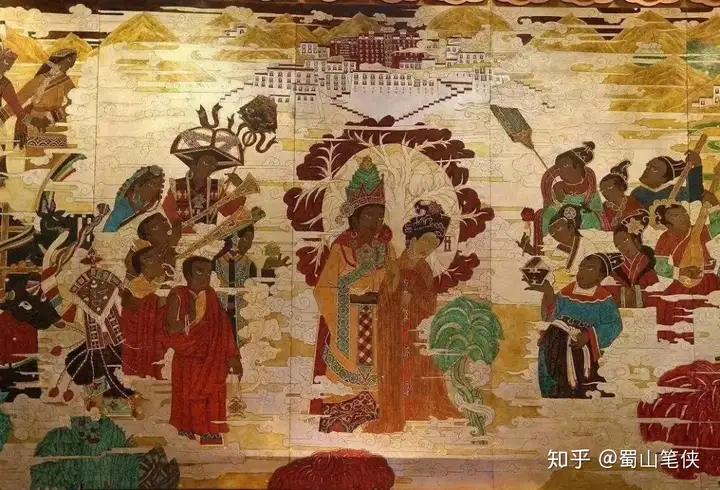
中世纪时,拜占庭帝国的历史学家们又曾把中国称作Taugas,伊斯兰文献亦作Tamghaj、Tomghaj或Tohgaj,估计是因为大唐强盛的缘故吧。
到了明清,俄罗斯又将我们称作Китай,和“契丹”发音极为接近(齐塔伊),俄罗斯民族形成时间比较晚,他们了解的中国都是从蒙古人那里听到的,而蒙古崛起前,契丹统治了中国北方200多年。
中世纪以后,随着葡萄牙航海时代的开启,他们在航海日记里直接记录了中国,后被英国学者翻译,China一词才正式出现在英语里,直到现在。
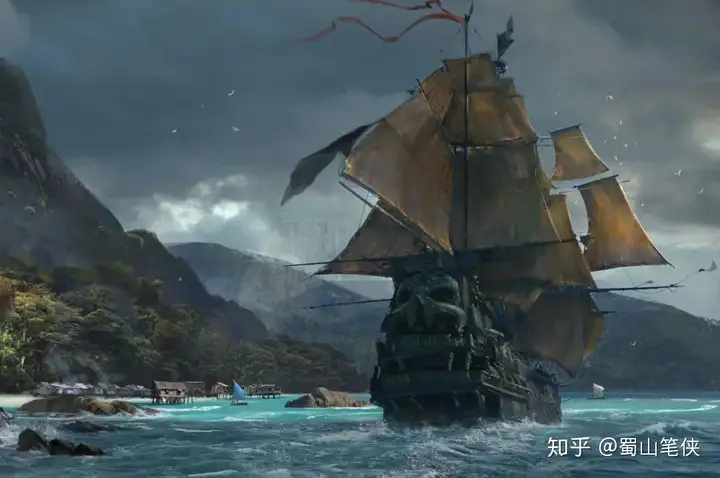
如今,中国在法文里写作Chine,德文里写作China,意大利文里写作Cina,而我们自称“中国”(作为国号),则从清朝灭亡后才开始。
以上就是笔侠总结的外国对中国的称呼变化,不详之处,还请高手补充。
如果您喜欢作者的风格,请顺手给个赞!


评论
发表评论