新中国农民阅读史(1949—1966)
Peasant Reading History in New China (1949—1966)
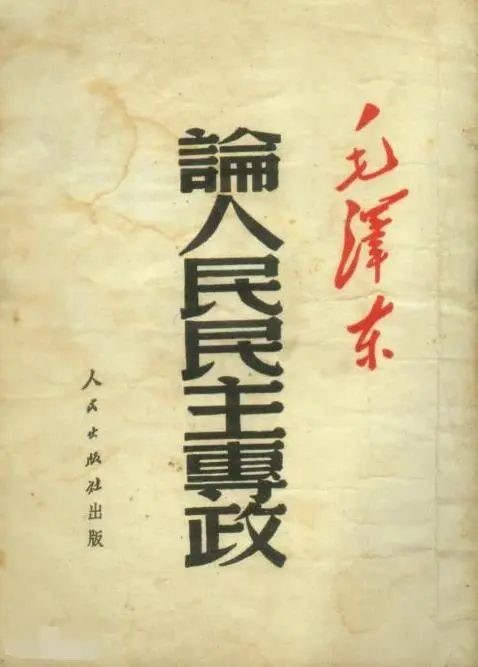
Mao Zedong attached great importance to farmers, both politically and culturally. As early as 1945, at the Seventh Congress of the Communist Party of China, Mao Zedong pointed out in his report "On the Coalition Government": "Farmers—this is the current stage of Chinese culture. The main target of the movement. The so-called eradication of illiteracy, the so-called popularization of education, the so-called mass literature and art, and the so-called national health, have left 360 million peasants, so is it mostly empty talk?" On June 30, 1949, on the eve of the founding of New China, Mao Zedong wrote the article "On the People's Democratic Dictatorship" to commemorate the 28th anniversary of the founding of the Communist Party of China, and he also pointed out that "the serious problem is to educate the peasants." Therefore, after the founding of new China, the party and the government took various measures to spare no effort to improve the cultural level of farmers and improve their reading ability, so as to achieve the purpose of enabling them to better participate in the great cause of building new China.
1. The basic background of farmers’ reading in the early days of the founding of New China
New China was established on the basis of the semi-feudal and semi-colonial old China. Not only was the economic foundation weak and the basic construction backward, but also the education level of the people was very low. The rural population and reading at that time had the following characteristics: First, the rural population was large , accounting for a high proportion of the national population. In 1952, the total population of the country was 574.82 million, of which the rural population was 503.19 million, accounting for 87.54% of the national population. By 1965, the national population had grown to 725.38 million, and the rural population had also increased to 594.93 million, accounting for 82.02% of the rural population. %. Second, the cultural level of farmers is generally low, and the majority of illiterate people are basically unable to read. When New China was first established, more than 80% of the total population were illiterate, and the illiteracy rate in rural areas was as high as 95%. It can be said that there were almost no literate people in rural areas at that time except for a few landlords, officials, and businessmen. For example, there are 6.3 million illiterates in rural Shanxi, and more than 90% of the cadres and masses are illiterate. For example, more than 90% of farmers in the suburbs of Beijing are illiterate or semi-illiterate. According to the "Lantian Survey Report" made by the Northwest Press and Publication Bureau in 1953, the culture of cadres at all levels in the 2 districts, 2 townships, and 2 villages of Lantian County is: county-level cadres, 16% of them have high school education, and 54% have junior high school education. , high school accounted for 30%; district-level cadres accounted for 11% high school, junior high school accounted for 64%, high school accounted for 23%, illiterate accounted for 2%; township officials accounted for junior high school accounted for 32%, primary school accounted for 59%, illiterate accounted for 8 %; Most of the village cadres are junior primary school students, accounting for 52%, senior primary school students account for 14%, and illiterate students account for 32%. Illiterate farmers account for 80% -85%. "The area investigated this time is an area with a high level of education, and the cultural status of the general rural areas should be worse than this." Third, reading facilities in rural areas are basically blank. In 1949, there were only 55 public libraries nationwide, and by 1965 the number had increased to 562. With such a small number, not to mention that rural residents cannot use public libraries, even residents in more than 2,000 counties across the country cannot universally enjoy public libraries. At the same time, the number of book distribution outlets was also insufficient. In 1950, there were 742 state-run book distribution outlets nationwide, mainly in large and medium-sized cities, and private book distribution outlets did not go deep into rural areas. In 1965, the number of state-owned book distribution outlets nationwide increased to 3,911, most counties had outlets of Xinhua Bookstore, and the number of book sales outlets in supply and marketing cooperatives and commercial departments also increased to 48,287, but they could only be extended to the township level. It is still blank, and it is even more difficult for rural farmers far from towns to read books. In the early days of the founding of New China, most farmers had neither the ability nor the conditions to read books. To build a new China, it is impossible to talk about anything without liberating farmers' productive forces, changing their ideas and concepts, and improving their cultural level and skills.
2. The main methods of developing and popularizing farmers' reading
(1) Carrying out literacy and literacy campaigns
Educating farmers starts with literacy. The Communist Party of China has always attached great importance to the publicity and education of ordinary people. Before the founding of New China, it carried out literacy and literacy campaigns in many Soviet areas and base areas to improve the cultural level of the masses and improve their reading ability. In 1945, at the Seventh Congress of the Communist Party of China, Mao Zedong specifically stated in his report "On the Coalition Government": "Eliminating illiteracy from 80% of the population is an important task for New China."
Not long after the founding of the People's Republic of China, the Chinese Communists faced a situation of construction that was waiting to be rebuilt. They did not forget their previous commitments. , It quickly changed the history that the vast majority of farmers were illiterate for more than 2,000 years, and changed the history that farmers could not read.
1. The Central Committee of the Communist Party of China issued a series of instructions to guide the literacy campaign
After the founding of New China, literacy campaigns have started in various places. In September 1950, the Ministry of Education and the All-China Federation of Trade Unions jointly held the first industrial and peasant education conference, which clearly pointed out: "Promote literacy education and gradually reduce illiteracy." In order to better On September 1, 1952, the Central Committee of the Communist Party of China issued the "Instructions on Promoting the Accelerated Literacy Method and Launching the Elimination of Illiteracy Campaign", and on December 8 of the same year, the Central Committee of the Communist Party of China issued "Supplementary Instructions on the Elimination of Illiteracy Campaign". A mobilization order to eradicate illiteracy was issued to the whole country. Since then, literacy and illiteracy have become a social movement widely carried out in all walks of life across the country, and it is also a national war. After several years of campaigns, on March 29, 1956, the Central Committee of the Communist Party of China and the State Council issued the "Decision on the Elimination of Illiteracy", which made a comprehensive deployment for further literacy campaigns. In addition, the central government also approved or forwarded reports on literacy and literacy from the North China Bureau and the Party Group of the Ministry of Education, which constituted the overall deployment of the party and the government to guide the development of literacy and literacy campaigns.
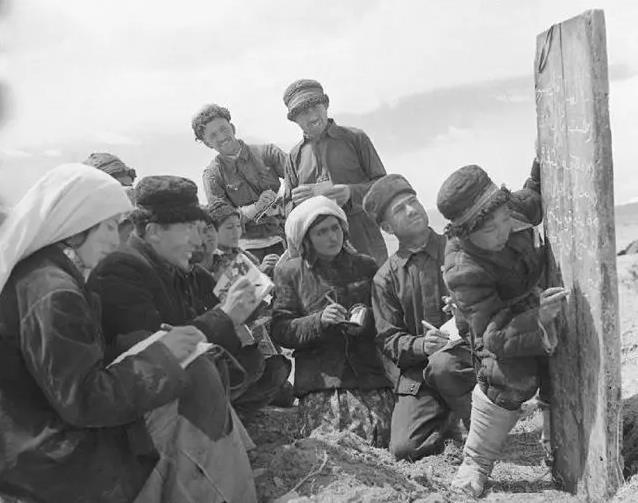
In the 1950s, literacy classes were teaching literacy in the field
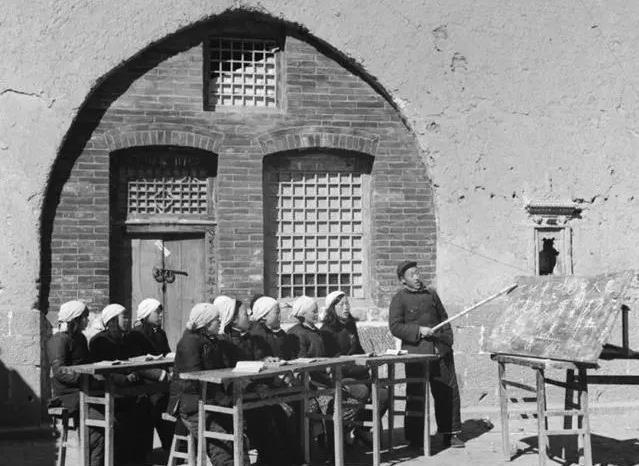
The Central Committee believes that eradicating illiteracy among workers, peasants, soldiers, and working people and cadres is a necessary condition for our country to implement economic construction and democratic construction. It is correct to carry out literacy campaigns that fully meet the needs of the country and working people. Party committees in all localities should regard the campaign of eradicating illiteracy as an urgent and major political task, and should lead this campaign of great historical significance with the spirit of leading previous revolutionary political campaigns, with a view to eradicating illiteracy in the next five to ten years. The purpose of national illiteracy. In order to truly implement the requirements for literacy, the central document also made detailed regulations on the learning of different groups: if workers can maintain the original production level in batches and installments within three months, the daily production time Shorten two hours, plus two hours of daily spare time (during this time, stop all unimportant meetings and other studies), and focus on cultural studies for four hours a day; farmers mainly use the winter slack period intensively, and use the whole day as a daily basis Or half-day surprise study. The literacy of the working people in cities can be achieved through a combination of staged intensive learning and part-time learning, organized by local literacy associations, cultural centers, amateur schools for adults, and all other available buildings and facilities.
The overall goal of the literacy and literacy campaign is: starting from the winter of 1952 to the spring of 1953, strive to eradicate illiteracy among worker and peasant cadres of government organizations at all levels within two years, among all industrial workers within three to four years, and across the country within six to seven years. The illiteracy of young and middle-aged farmers and industrial workers, and strive to eradicate all illiteracy in the whole country within ten years.
Regarding the standards for literacy or literacy, the central government issued an instruction in 1952: about 2,000 characters, reading the most popular books and newspapers, and writing letters and manuscripts of two to three hundred characters. In January 1956, the central government forwarded the "Request for Instructions on the Elimination of Illiteracy Work" by the Party Group of the Ministry of Education, and fine-tuned this standard: Regarding the literacy standard, it is recommended that about 2,000 workers and 1,500 farmers be employed. The Ministry of Education believes that after knowing about 1,000 characters, one can read popular books and newspapers, write simple notes, and keep simple accounts. Therefore, the 1,500 literacy standard for farmers is not considered low.
2. Establish organizations at all levels to lead literacy campaigns
In order to effectively lead the literacy campaign, the central government decided to set up illiteracy elimination committees from the central government to the counties. Its members should include party committees, governments, trade unions, women's federations, youth leagues, peasant associations, and other departments, as well as representatives from education, culture, publishing, newspapers, broadcasting, and other departments. The tasks of the Literacy Committee include deciding on the policy and plan of the literacy campaign, guiding and organizing government culture and education, as well as industry, agriculture, youth, and women in a planned manner; planning the supply of teaching materials and publicity tools; planning the training of literacy teachers and allocation; stipulate expenditure standards and budgets; plan and allocate housing and equipment needed for literacy; conduct work inspections, summarize and promote teaching experience, and correct deviations in a timely manner. In October 1953, the Central Committee of the Communist Party of China issued the "Instructions on the Establishment of Literacy Committees at All Levels", agreeing that the establishment of literacy committees at all levels should be included in the administrative establishment.
On November 5, 1952, the 19th meeting of the Central People's Government Committee passed a resolution to establish the Central Committee for Eliminating Illiteracy, appointing Chu Tunan as the chairman, and Li Chang (also secretary of the party group), Lin Handa, and Qi Jianhua as the vice chairman. The Illiteracy Elimination Committee has a general office, an urban literacy work department, a rural illiteracy work department, and a compilation and review department. Approved by the State Council, the Working Committee for the Elimination of Illiteracy and the Ministry of Education started working together in 1953. In 1954, the Working Committee for the Elimination of Illiteracy was formally merged with the Ministry of Education. In accordance with the requirements of the central government, all provinces, municipalities and counties have established literacy work committees to be responsible for organizing local literacy campaigns.
In November 1953, the Central Committee for the Elimination of Illiteracy promulgated the "Interim Measures on Literacy Standards, Graduation Examinations, etc.", which stipulated that: literacy standards have different requirements according to different targets of cadres, workers, and farmers. Cadres and workers know 2,000 commonly used characters. Working people know 1,500 commonly used characters, and farmers know 1,000 commonly used characters. Participants in the literacy training class must pass a test, including literacy, reading, and writing. The literacy must reach more than 60% of the new words in the textbook, and the reading must be able to read the last volume of all textbooks fluently. Passing the test is considered non-literate.
In March 1956, in order to mobilize all social forces to participate in literacy activities, the National Association for the Elimination of Illiteracy was established in Beijing. Vice Premier Chen Yi served as the chairman, and Wu Yuzhang, Lin Feng, Zhang Xiruo, Hu Yaobang, and Dong Chuncai were the vice-chairmen. The conference passed the "Articles of Association of the National Association for the Elimination of Illiteracy", and corresponding organizations were established in provinces, cities, counties, townships (villages), and sub-districts. Associations for the eradication of illiteracy above the county level can set up offices with full-time staff, and the funds are paid by the government budget. In 1958 the Literacy Association ceased its activities.
The national literacy campaign is a "movement of great historical significance" and "a great revolution in the cultural history of our country". This campaign not only requires the participation of the whole people, but also the joint efforts of the whole society to establish a top-to-bottom The literacy committees at all levels and the literacy associations aim to mobilize governments at all levels and all aspects of society to actively participate in this great cultural revolution, so that this movement has a strong organizational guarantee.
National literacy is not only a cultural revolution, but also a political task. The Party Central Committee issued documents many times, and Mao Zedong continued to pay attention to and issued instructions and instructions many times, which gave this movement a strong political attribute. For example, in October 1955, at the Sixth Plenary Session of the Seventh Central Committee of the Communist Party of China, Mao Zedong said: "I think it is better to sweep up the literacy campaign. In some places, the literacy campaign has been swept away. To eradicate illiteracy is not to eradicate illiteracy, not to eradicate illiteracy, but to eradicate illiteracy.” Afterwards, Mao Zedong himself formulated the literacy standard that “each person must know 1,500 to 2,000 characters”. Another example is the book "The Socialist Upsurge in Rural China" officially published in January 1956. It not only included the preface written by Mao Zedong for this book, but also included 43 notes (Mao Zedong wrote 104 notes when he edited the book) ), of which the 38th commentary was written for the article "The Experience of the Youth League Branch in Gaojialiugou Village, Junan County, Establishing Work-Recording Classes", which is about the establishment of a work-recording class by the Youth League Branch of Gaojialiugou Village, Junan County, Shandong Province. The experience of the study class was affirmed, and specific suggestions were put forward for editing literacy textbooks in stages in combination with reality. It is precisely because literacy is regarded as a political task that party committees and governments at all levels can promote it with greater enthusiasm and greater strength, making the literacy movement achieve remarkable achievements.
3. Recommend literacy methods, write literacy textbooks, and guide literacy campaigns
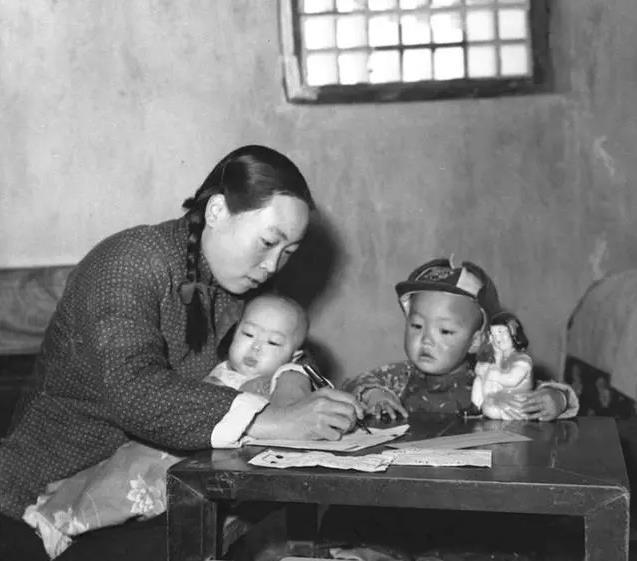
It is not an easy task to allow illiterate people to recognize a certain number of words in a short period of time. In order to help people get rid of blindness as soon as possible, many learning methods have been created and many literacy textbooks with their own characteristics have been compiled.
Promote accelerated literacy. "Intensive literacy method" is a new type of rapid literacy method successfully tested in 1950 by Qi Jianhua, a military cultural instructor in the Southwest Military Region of the People's Liberation Army. Using this method within a teaching time of about 150 hours, the general illiterate and illiterate people can initially recognize and speak 1500-2000 Chinese characters (leaving the phonetic symbols), and then gradually consolidate and become proficient through reading and writing. To achieve the purpose of "four sessions" (recognition, speaking, writing, and use), to be able to read popular books and write simple practical essays, and to basically complete the task of eliminating illiteracy.
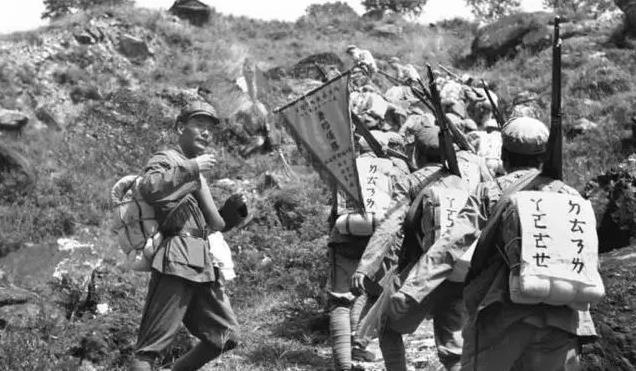
Qi Jianhua (left) helps marching soldiers learn phonetic alphabets
Qi Jianhua's rapid literacy method was first tested in the army and factories. In 1951, the Southwest Military Region successively opened 87 experimental classes, and the test was effective among 12,657 cadres and soldiers of worker and peasant origin and 3,030 cultural teachers. In the second phase of the experimental class, after 3 days of teaching, 73 people who had an average literacy level of 1009 improved to an average preliminary literacy level of 2327. Each person roughly read 30 popular books, 32 newspapers, and wrote 22 letters. The effect is very good obvious.
Due to the remarkable effect of literacy, the Central Committee of the Communist Party of China promoted the rapid literacy method as an important method nationwide in 1952, and this method was also widely used in various places to carry out literacy campaigns.
Write literacy reading materials. The central government attaches great importance to the compilation and publication of literacy textbooks and related reading materials. In the "Instructions on Promoting the Accelerated Literacy Method and Launching the Elimination of Illiteracy Campaign", a clear division of responsibilities is made for each department in the compilation, printing, and distribution of textbooks, reading materials, and teaching tools. : The Ministry of Education cooperates with the cultural and educational department of the Federation of Trade Unions and other relevant parties to concentrate on editing and reviewing teaching materials, teacher's manuals and teaching tools for rapid literacy (such as wall charts, word sheets, etc.). The General Administration of Publishing should immediately organize all aspects of manpower to divide labor and compile and print a large number of popular books and periodicals. The Ministry of Culture should formulate a production and supply plan for slide machines. The film bureau should formulate a plan for the production and supply of short-term literacy education films. The Broadcasting Bureau shall formulate a supply plan for the broadcasting of films. Trade unions, youth leagues, women's federations, cooperatives, and local cultural and educational institutions should cooperate in a planned manner according to needs, so as to ensure the supply of teaching materials and teaching tools after the literacy campaign is launched. Workers’ and peasants’ newspapers and popular periodicals throughout the country should immediately make necessary arrangements to coordinate with this campaign, so that these popular newspapers and periodicals can become reading materials for workers and peasants to consolidate their learning achievements after they have learned to read and to further improve their culture and politics.
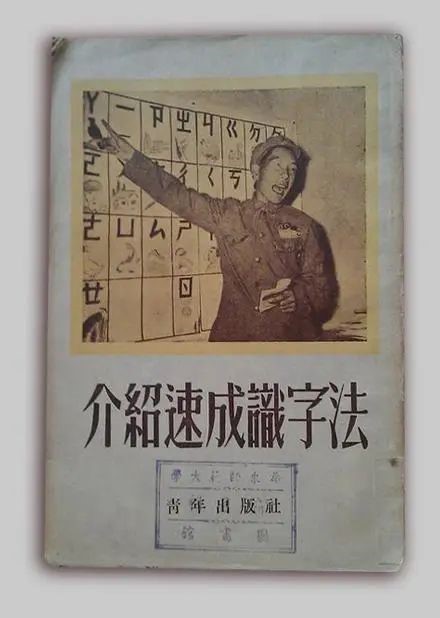
Throughout the literacy movement, many publishing houses published a variety of literacy textbooks, such as "Literacy Textbook for Minority Schools" published by People's Education Press in June 1951, "Guangzhou Yin Peasant Textbook" published by South China People's Publishing House in November 1952. Accelerated Literacy Textbook", "Instant Literacy Textbook" published by Northeast People's Publishing House in 1952, "Instant Literacy Handbook" published by People's Publishing House in 1952, "Introduction to Accelerated Literacy Method" published by Youth Publishing House in 1952, and the publication of the Chinese Language Reform "Xiyang County Farmers' Literacy Textbook with Phonetic Notes" published in December 1958.
The extensive development of the literacy campaign has played a huge role in promoting the literacy of the general public, especially farmers. By 1956, nearly 100 million people across the country had been literacy. By 1964, among the 555.42 million people aged 6 and above in the country, the literate population had reached 240 million, and the proportion of literate population had increased to 44%, of which farmers accounted for the majority. The great increase in the literacy population of farmers is the reconstruction of rural social structure and social culture for thousands of years. premise.
(2) Establish rural libraries
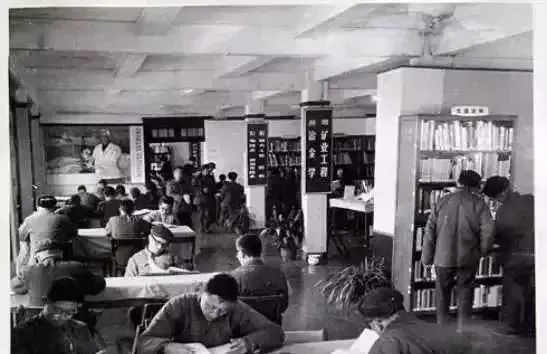
The establishment of rural libraries began in the Northeast region on the eve of the founding of New China. It was established with the guidance and support of Xinhua Bookstore as part of the publication of books and periodicals. On October 6, 1949, Li Wen, the manager of Northeast Xinhua Bookstore, reported the work of Northeast Xinhua Bookstore at the National Xinhua Bookstore Publishing Work Conference. The branches of Xinhua Bookstore "help farmers' associations to build small libraries. Small branches mainly go to the countryside. Branches in medium-sized counties adopt the policy of giving consideration to both urban and rural areas, and take people to the countryside once or twice a month. Some cities have set up reading rooms as urban cultural resources. center of activity". On September 19, 1950, at the National Publishing Work Conference, Wang Yi, the leader of the distribution team, introduced the general situation of the national book distribution work in the past year, saying: the rural mobile work has further developed in the old liberated areas. Last year, 4,937 small rural libraries were established in Northeast China. Some of these libraries stocked books worth tens of thousands of yuan (old currency), and some even bought books worth hundreds of thousands of yuan. These libraries are being consolidated. At the same time, Shandong also began to build rural libraries. The General Administration of Publishing summarized and promoted this approach, "It is one of the important tasks of the publishing and distribution work to stipulate that the establishment of libraries in factories and in rural areas is one of the important tasks." By August 1952, more than 30,000 libraries had been established across the country, some of which were Army and factory libraries are mostly rural libraries. The establishment of the library "has been greatly welcomed by the farmers. In many areas, on the first day of the opening of the library, lanterns and streamers were set off, and firecrackers were set off to celebrate." On the first day of the opening of the library in Jinxi Township, Zhongnan, more than 100 farmers came to read books, and they lent out more than 80 books and periodicals within 3 days. The library of Commanding Village in Changli, Hebei borrows books 750 times a month. Some farmers never leave their books, and they also take books with them when fighting drought, rushing to plant, and delivering manure to the fields, which is called "production, learning, and processing".
Inside page of the book "How the U.S. Emperor Invaded China"
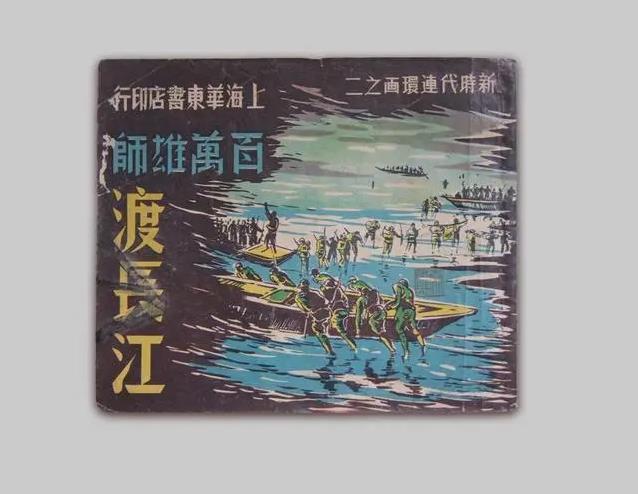
The establishment of the rural library has stimulated the enthusiasm of farmers to read. Zhaicheng Village, Ding County, Hebei, "In just one and a half months, the Zhaicheng Village Library has made great achievements. From the perspective of the borrowing of books: all 280 kinds Books (only one of each type) have been borrowed by 286 people, accounting for more than 40% of the literate people in the village, including 214 men and 72 women. Old farmers in their 60s, Han Junde and Qin Zhiju, wore glasses to read "American Emperor" How to Invade China" and "New Marriage Law". Housewives Zhang Huancheng, Qin Chunyi, and Mi Qinghe who had attended private schools for four years read "Maternal and Infant Hygiene." This situation has never happened in the countryside for thousands of years." Another example is that after the opening of the library in Yuanqu Village, Shexian County, Hebei, the elderly read the wall charts, the young read the pictorials, and the folk school Many male and female students came to borrow books, and it was very crowded with people coming and going. According to statistics from February 7th to 21st, 1951, there are more than 200 people visiting every day, and an average of 13 people borrow books every day. During the busy season, the number of people not only did not decrease, but increased a lot. During the 19 days from October 10 to 29, 49 people borrowed books and more than 170 people read them. When the pictures of "Happy Children" were exhibited, the number of visitors reached 466 during the day; at dusk, the whole village came to visit, and the number increased to 1264. In the 9 months since the library was established, 735 people have borrowed books (including 82 women) and 4964 people have visited it. According to the survey, as long as the books meet the needs of the masses, the masses love to read them. For example, "Rural Practical Essays" has been lent 8 times, "Story of Li Zicheng" 13 times, "Liang Shanbo Zhu Yingtai" 5 times, "Wang Gui and Li Xiangxiang" 28 times, and "Learning by Pictures" 111 times. Therefore, it can be seen that farmers' enthusiasm for reading is high, and rural libraries have taken on important responsibilities in meeting farmers' reading needs.
In February 1953, the Central Committee of the Communist Party of China officially issued the "Resolution on Mutual Aid and Cooperation in Agricultural Production", and the movement of Mutual Aid and Cooperation in Agricultural Production quickly developed. The Sixth Plenary Session of the Seventh Central Committee passed the "Resolution on the Issue of Agricultural Cooperatives", which set off a climax of agricultural cooperatives across the country. In order to cooperate with the development of agricultural cooperation, in February 1956, the Ministry of Culture, the All-China Federation of Supply and Marketing Cooperatives and the Central Committee of the Communist Youth League jointly issued a joint notice on strengthening rural book distribution and developing rural culture, requiring the establishment of rural libraries, etc.
The "Great Leap Forward" in 1958 pushed the construction of rural libraries to a climax. For example, Wuyun Town, Jinyun County, Zhejiang Province had 13 libraries in 1957 and increased to 26 in 1960. For example, the number of rural libraries in Yongren County, Yunnan increased from 18 to 164 in 1958. For example, in Nanchong, Sichuan, in 1956, in order to meet the needs of agricultural cooperation, each district changed from a simple library to a rural club. There were 195 libraries with 24,019 volumes of books, forming rural book outlets. By 1957, the number of rural libraries had grown to 203. After agricultural cooperatives, libraries were generally set up in agricultural cooperatives and were led by the clubs. In August 1958, the Cultural Bureau of Sichuan Province held an on-site meeting on rural cultural work in Nanchong. At that time, the number of rural libraries had increased to 653. Except for the libraries at the commune and brigade level, the rest were all built in public canteens. In 1956, Xinhua News Agency announced that more than 140 rural libraries had been established in Shanghai, more than one-third of which were established during the Spring Festival. During the Spring Festival, these libraries have received most of the readers from nearby farmers. The Shanghai Municipal Bureau of Culture has trained more than 200 librarians among rural farmers. According to incomplete statistics, by July 1958, there were about 200,000 rural libraries across the country, among which there were two or three hundred books in the collection, and three or four thousand books in the largest collection.
After 1961, due to the impact of three years of natural disasters, rural libraries gradually decreased, and after the "Cultural Revolution" began, they basically stopped. In the 1970s, especially after the end of the "Cultural Revolution", rural libraries in some places were rebuilt one after another.
In the process of establishing and developing rural libraries, some places have blindly developed libraries or distributed libraries that are not suitable for farmers to read regardless of farmers' wishes. In June 1953, the General Administration of Publishing notified Shandong Xinhua Bookstore Chang The blind development of rural libraries and professional publishers in Nanzhidian led to serious consequences. It is suggested that the work of establishing rural libraries and actively distributing books by the press and publication administrative organs and Xinhua Bookstore should stop. The establishment of libraries in rural areas should be voluntary by the masses, and the purchase of books from bookstores should also be voluntary. It is not allowed to distribute books to farmers in the name of establishing rural libraries.
There is no historical experience in China to build libraries widely in rural areas, and there is not enough experience to refer to how to build them abroad. Therefore, there are many deficiencies in the entire construction and management work. On July 1, 1958, "Guangming Daily" published a commentator's article "Vigorously Strengthening and Improving the Work of Rural Libraries", summarizing the shortcomings and problems of rural libraries from four aspects: First, there are many copies of books and the contents It is outdated and fails to purchase new books on a regular basis; second, the management work is poor, and the phenomenon of book loss is serious; third, it does not rely on the masses well and mobilizes the masses to manage the library; Counseling and book circulation work has not been vigorously carried out.
Looking at it now, in the early days of the founding of New China, libraries were generally established in rural areas. Although their wishes were good, due to the lack of unified planning and deployment by the country, especially the lack of financial investment from governments at all levels, the construction and survival of libraries Difficulties exist. Books in rural libraries are either donated by enterprises, purchased by themselves in rural areas, or purchased by farmers. The region called for the "100-yuan campaign" (each person donated 100 yuan per month), and farmers in some areas voluntarily pledged donations, etc., resulting in varying numbers of books in the library, and many libraries were updated slowly, and lost their attraction after a period of time. force. In addition, the management mechanism of the library has not been formed, so it has not been persisted. At that time, it was also proposed that city and county libraries and cultural palaces should also use rural libraries as circulation bases. According to the principle of diligence and thrift, they should purchase books suitable for farmers’ needs. However, county libraries and cultural palaces can be used to purchase books. Funds are also limited, and it is actually difficult to help rural libraries purchase books. So around 1960, with three years of natural disasters, rural libraries gradually ceased.
The establishment of early rural libraries was an exploration and attempt of new China to build reading infrastructure in rural areas. This activity began on the eve of the founding of New China, popularized at the beginning of the founding of New China, and ended at the beginning of the "Cultural Revolution". The whole time lasted sixteen or seventeen years. This work was called upon by the government (General Administration of Publishing) and promoted, with the cooperation of other social organizations (Central Committee of the Communist Youth League, All-China Federation of Supply and Marketing Cooperatives, etc.), enterprises (Xinhua Bookstore) and rural construction, in line with the early days of New China, rural social organizations The general trend of reconstruction and reconstruction, in conjunction with various publicity and education activities and political campaigns in rural areas, has played an active role in guiding and encouraging farmers to read. The construction practice of the rural library also provided historical experience for the construction of the rural library later.
(3) Organizing the publication and distribution of rural publications
Faced with the fact that more than 80% of the population lives in rural areas, the importance of rural book distribution is even more prominent. In October 1950, the Government Administration Council issued the "Instructions on Improving and Developing the National Publishing Industry", saying: "The distribution of books and periodicals should be fully To improve the current phenomenon that the majority of people cannot get reading materials. The state-run Xinhua Bookstore should complete the unified management of its branches across the country as soon as possible. The state-run bookstore should unite and organize all private bookstores (including vendors who sell books and periodicals) to work together. Do a good job in the distribution of books and periodicals, and gradually set up various book and periodical sales and order offices, book kiosks, bookstalls, libraries and mobile book supply organizations in factories, mines, villages, troops, schools, and government agencies.” But the old The grassroots that China has left us is very weak. Not only are there almost no book distribution outlets in the vast rural areas, but all books are created for citizens rather than farmers, and there are almost no books suitable for farmers to read. In order to meet the needs of farmers for reading books, we must grasp two things, one is to compile and publish books and periodicals that meet the needs of farmers and rural areas, and the other is to try to make books, newspapers and periodicals reach farmers smoothly.
1. Establish book and periodical publishing institutions for rural areas and farmers
After the founding of New China, the party and the government have an overall plan for the establishment of publishing institutions, that is, to establish professional and regional publishing institutions according to the distribution of different regions and industries. The construction of rural-oriented book publishing institutions is also in the overall layout. In 1951, the central government drafted the "Decision on Strengthening the Publishing of Workers and Peasants' Books (Draft)", which proposed that all provinces must publish popular newspapers targeting farmers, and major regions should establish popular periodicals for reading by factories and rural propagandists. The People's Publishing House in the large region should set up a department for managing popular books and periodicals, or a special publishing house to publish popular books. Although this draft has not been officially released, the rural book publishing work has basically been carried out in accordance with the spirit of this document. The publishing institutions for farmers established before 1966 mainly include:
One is popular books publishing house. In October 1953, the Party Group of the General Administration of Publishing reported to Xi Zhongxun, Hu Qiaomu and the Propaganda Department of the Central Committee of the Communist Party of China the request for instructions on the establishment of a Popular Books Publishing House, stating the reasons for the establishment of a Popular Books Publishing House, and proposed the principles, tasks and goals of the Popular Books Publishing House. There are internal departments, and the relationship with other publishing houses is also divided. On December 8, after being read and approved by Mao Zedong, Liu Shaoqi, Xi Zhongxun, Kai Feng, Hu Qiaomu, etc., the Central Propaganda Department issued a decision on the establishment of a popular reading material publishing house to the whole country. Workers, peasants, soldiers, and grassroots cadres who have completed literacy learning) to junior high school are the main readers. They edit and publish books on social science general knowledge (ie, "Learning Elementary Edition"), and popular and systematic books on current affairs, politics, policies and laws (handbook of current events) , popular books such as Chinese, history, natural knowledge, literature and art. Mao Zedong and many other central leaders issued a decision to establish a publishing house, which shows that this publishing house is not ordinary.
The target readers of popular book publishing houses are workers, peasants and soldiers, and peasant readers are an important service group. In the report to the Propaganda Department of the Central Committee of the Communist Party of China, the Party Group of the General Administration of Publishing attached a copy of "Needs and Publishing Situation of Popular Books", which analyzed the three reader groups of workers, peasants, and the People's Liberation Army. Rural readers mainly included peasants. , Rural cadres and rural teachers and students, and taking the analysis of the book purchase situation of readers in the Renqiu branch of Xinhua Bookstore in North China as an example, emphasizing the general needs of rural teachers and students for reference books and teaching reference books. From 1953 to 1958, the Popular Books Publishing House edited and published more than 1,700 kinds of popular books (including a small number of picture books and comic strips), making it one of the publishing houses that published the most books in the country at that time. Some of these books were printed in tens of thousands of copies, some in hundreds of thousands of copies, and the most were millions or even millions of copies. In 1958, Popular Books Publishing House was merged into People's Publishing House and became several editorial departments. In August 1963, under the care of Zhou Enlai, based on the popular books editorial department of the People's Publishing House, the Rural Books Publishing House was established to undertake the book publishing work for rural areas. During the "Cultural Revolution", the editors of the Rural Books Publishing House Publishers were sent to cadre schools, and publishing houses stopped working. After the "Cultural Revolution", it was rebuilt, and in 1993, it merged with the Agricultural Publishing House to form the China Agricultural Publishing House.
The target readers of popular book publishing houses are workers, peasants and soldiers, and peasant readers are an important service group. In the report to the Propaganda Department of the Central Committee of the Communist Party of China, the Party Group of the General Administration of Publishing attached a copy of "Needs and Publishing Situation of Popular Books", which analyzed the three reader groups of workers, peasants, and the People's Liberation Army. Rural readers mainly included peasants. , Rural cadres and rural teachers and students, and taking the analysis of the book purchase situation of readers in the Renqiu branch of Xinhua Bookstore in North China as an example, emphasizing the general needs of rural teachers and students for reference books and teaching reference books. From 1953 to 1958, the Popular Books Publishing House edited and published more than 1,700 kinds of popular books (including a small number of picture books and comic strips), making it one of the publishing houses that published the most books in the country at that time. Some of these books were printed in tens of thousands of copies, some in hundreds of thousands of copies, and the most were millions or even millions of copies. In 1958, Popular Books Publishing House was merged into People's Publishing House and became several editorial departments. In August 1963, under the care of Zhou Enlai, based on the popular books editorial department of the People's Publishing House, the Rural Books Publishing House was established to undertake the book publishing work for rural areas. During the "Cultural Revolution", the editors of the Rural Books Publishing House Publishers were sent to cadre schools, and publishing houses stopped working. After the "Cultural Revolution", it was rebuilt, and in 1993, it merged with the Agricultural Publishing House to form the China Agricultural Publishing House.
The second is to establish the Agricultural Publishing House and the Popular Science Publishing House. In February 1954, the Fourth Plenary Session of the Seventh Central Committee of the Communist Party of China formally approved the Party’s general line during the transitional period. One of the important contents was the socialist transformation of agriculture and handicrafts, which involved propaganda and organization of farmers. Mao Zedong paid special attention to the education and organization of farmers. In late November 1955, Mao Zedong issued instructions on strengthening the publication of farmers' reading materials, and the Central Propaganda Department convened relevant parties to communicate and study. In January 1956, the Ministry of Culture submitted to the central government a request for instructions on strengthening the publication and distribution of peasant popular books, proposing that in order to strengthen the publishing power of peasant books, an agricultural publishing house, a science popularization publishing house, and a juvenile and children publishing house should be established. The former public-private financial and economic publishing house was reorganized into the Agricultural Publishing House, under the direct leadership of the Ministry of Agriculture, to publish books on agricultural science and technology and agricultural economics; the Science Popularization Publishing House was established on the basis of the editing and publishing agency of the former Science Popularization Association to publish natural science production Books and pictures of technology; Juvenile and Children Publishing House also publishes books and pictures suitable for children in rural areas.
In order to ensure that the newly established agriculture-oriented publishing institutions have enough qualified editors and publishers, the Ministry of Culture also proposed: "The central government should uniformly allocate 20 cadres with rural work experience and certain editing capabilities to serve as newly established and should be strengthened respectively. The editor-in-chief, deputy editor-in-chief, and the directors of the editorial departments of several publishing houses. At the same time, I hope that the various business departments under the State Council will pay attention to enriching the editorial cadres of popular books in their publishing houses."
With the successive establishment of publishing institutions such as the Popular Books Publishing House, the Agricultural Publishing House, and the Popularization of Science Publishing House, the editing and publishing force of rural reading materials has grown. It has reached 240 people, and the editorial and publishing staff of other publishing houses have also been strengthened.
Before the establishment of Popular Books Publishing House in Beijing, Hunan Popular Books Publishing House was established in Hunan in 1951, and Liaodong Popular Books Publishing House was established in Liaoning in 1952. They jointly participated in the publication of popular books for workers, peasants and soldiers, thus forming a professional agricultural and rural publishing house mechanism.
The establishment of professional publishing institutions for rural areas, agriculture and farmers has provided professional strength for the publication of agricultural and rural reading materials, and provided special publications for farmers' reading, which constitute an important part of Chinese farmers' reading.
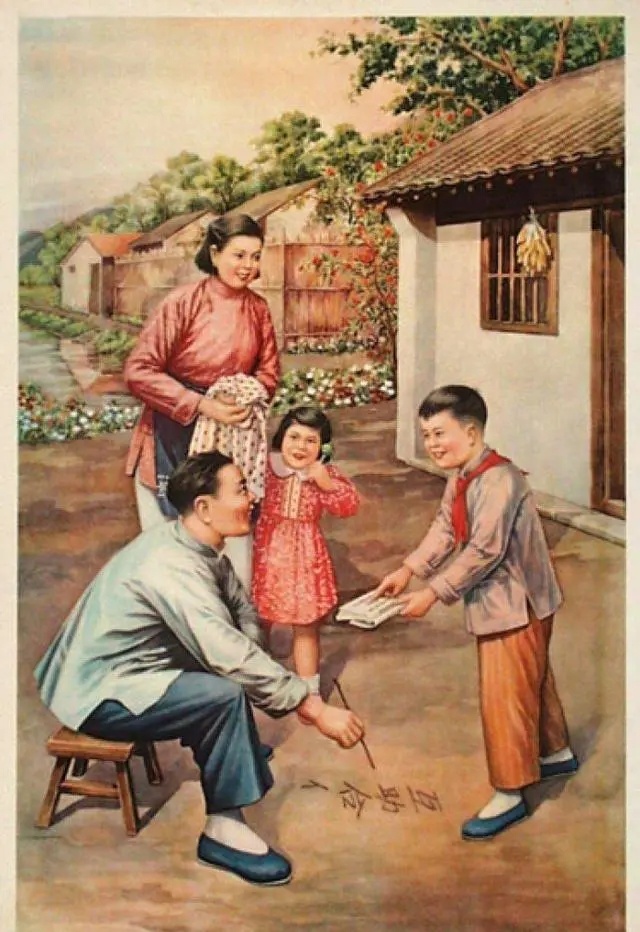
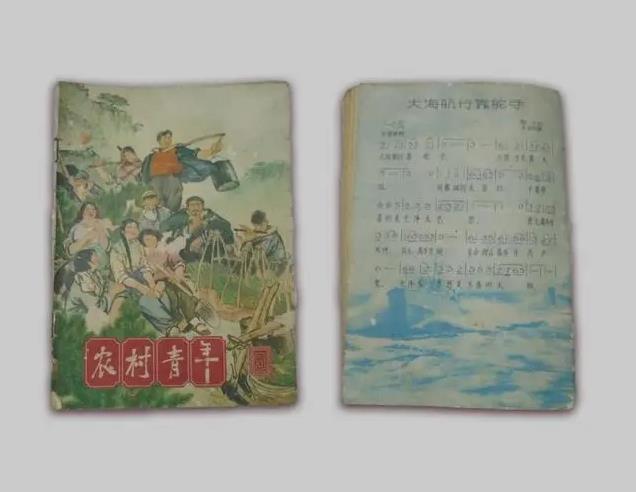
rural youth
2. Organize the publication of popular books and rural books for farmers
Peasants' reading not only has the general characteristics of mass reading, but also has professional characteristics closely related to their occupations. Especially in the era of economic and social underdevelopment and a large gap between urban and rural areas, the professional characteristics are more obvious. The main manifestations are: the cultural level of farmers is generally lower Low, the demand for popular books is higher than that of cities; reading is a production need, which has not yet reached the realm of life needs, and reading is more for serving rural agricultural production, rather than improving one's own cultural accomplishment and enriching spiritual needs. Therefore, the publication of books and periodicals that meet these two characteristics and meet the cultural level and production needs of farmers has become an important publishing activity.
The first thing that suits the cultural level of peasants is the publication of popular books. However, the publication of popular books not only meets the needs of farmers, but also a large number of workers and soldiers with low education levels. As early as 1951, the Central Propaganda Department held a meeting on the publishing of popular newspapers and periodicals to deploy the work of publishing popular books. , Lu Dingyi, director of the Central Propaganda Department, said that publishing popular publications to meet the needs of the masses is a major issue of principle, "popular work is a major task in our country, and everyone should work hard to do this work." In 1956, the Party Group of the Ministry of Culture wrote a request for instructions to the Propaganda Department of the Central Committee of the Communist Party of China and the Central Committee, proposing a comprehensive plan for the publication of peasant popular books, including editing and publishing six kinds of Chinese, history, geography, political common sense, natural common sense, and hygiene common sense for literacy graduates to learn. Basic reading materials in the form of textbooks; editing and publishing 10 sets of popular small series for farmers to read; editing and selection of 100 to 200 popular library books; editing and publishing several sets of basic knowledge wall charts; editing literacy textbooks; Magazine, enhanced professional features for farmers. Under the overall planning of the government departments and the active participation of publishing units, the publication of rural books quickly achieved results. In 1958, the number of popular books published nationwide reached a historical high of 12,299 kinds and 455,484 thousand volumes. After 1959, although the number of rural books published decreased, in 1960 there were still 4,688 titles and 1,251,92,000 volumes, accounting for about 1/6 of the national book publishing types and 1/4 of the print run.
In the publishing of popular books, popular series and libraries have received special attention. There are many types of popular series published in various places. Comprehensive series such as: "Rural Youth Knowledge Series" by China Youth Publishing House, etc., political and economic series such as: popular books "Politics and Economics Popular Series" by the Publishing House, "People's Commune Small Series" by the Agricultural Publishing House, etc., literature and art such as: "Popular Music Small Series" by the Music Publishing House, "Mass Art Library, etc." by the People's Fine Arts Publishing House , In addition, there are some series of books published in various aspects such as culture and education, science and technology, and children's books. Among the publications of the library, there are two sets of libraries that are particularly eye-catching. One is the "Popular Library of Workers and Peasants" and the other is the "Knowledge Library of Workers and Peasants Encyclopedia". These two sets of libraries were proposed by the Ministry of Culture in 1960 as support for the publishing industry. For important measures in agriculture, the Shanghai Municipal Publishing Bureau was entrusted with organizing and implementing the "Workers and Peasants Popular Library", and the implementation of the "Workers and Peasants Encyclopedia Knowledge Library" was entrusted to a central first-level publishing house.
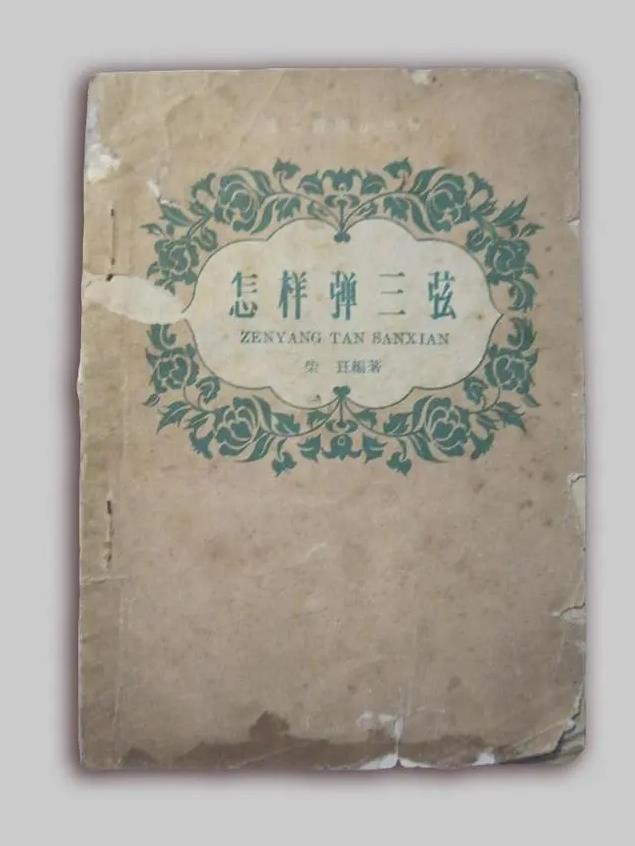
Small Series of Popular Music: How to Play Sanxian
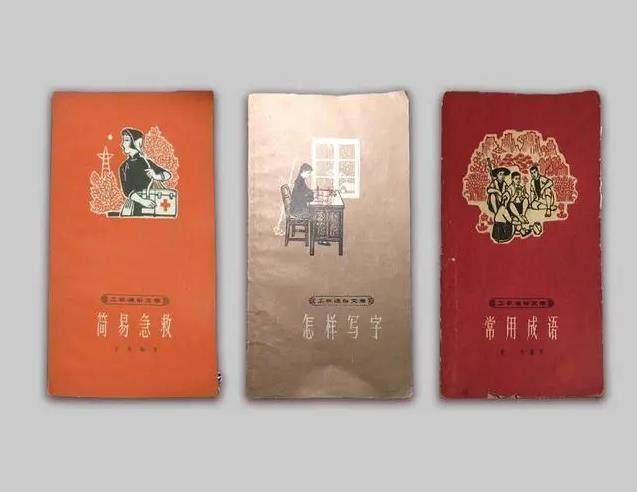
Some books in "Popular Library of Workers and Peasants"
The central government continued to pay attention to the issue of farmers’ reading. From January 14 to 31, 1964, the Ministry of Culture held a symposium on the publication of rural reading materials, and proposed 11 measures to further strengthen the publishing of rural reading materials, including formulating a book publishing plan. , Enrich the backbone editors of rural book publishing houses, reduce the price of rural books, etc. From May 20 to June 8, 1965, the Ministry of Culture held a national conference on rural book distribution, and proposed four measures to strengthen the distribution of rural books, including vigorously rectifying the team, focusing on supply, channels and strongholds, and dredging Channels for sending books to the countryside, etc. In August 1965, the Publishing Bureau of the Ministry of Culture also organized relevant publishing houses, printing companies, and Xinhua Bookstore to study and jointly publish "rural edition books", and selected the first batch of 14 "rural edition books" in 1965, including "Hongyan ", "Sunny Sky" and other literary books, as well as rural practical books such as "Rural Practical Handbook" and "How to Use Pesticides". It has greatly promoted the reading of farmers.
3. Establish a grassroots distribution network that radiates to rural areas
The Central Committee believes that: "Strengthening the distribution of popular books and newspapers in the countryside is an important task for strengthening the political work in the entire countryside. It must be recognized that distribution is an important part of the party's publicity and education to the masses." But how to realize the Distribution of newspapers and periodicals to rural areas with vast territory and scattered population is a historical problem, and it is also a common problem in agricultural countries. After the founding of New China, the party and government have been exploring ways to extend the book distribution network to rural areas, including the establishment of rural offices, distribution stations, etc., with a view to building a publication distribution system that radiates to rural areas.
Establish a nationwide distribution network for newspapers and periodicals. In 1951, the Government Affairs Council passed the "Decision on Establishing a National Newspaper and Book Distribution Network", which proposed: conscientiously mobilize and organize various national and social distribution forces, and quickly establish a large-scale national newspaper and book distribution network. The Government Administration Council requires the Ministry of Posts and Telecommunications, the Ministry of Railways, the Ministry of Communications, the Ministry of Culture, the General Administration of Publishing, and cooperatives to instruct their subordinate post and telecommunications bureaus, railway bureaus, cultural centers (stations), newspaper offices, Xinhua Bookstores, cooperatives, etc., and organize other social forces to Set up newspaper kiosks, book kiosks, cultural supply stations, publishing stations and professional or non-professional publishers in factories, mines, rural areas, troops, government agencies, groups, schools, stations, trains, staff life supply stations, and ships in a planned and step-by-step manner. A salesman who often sells newspapers and books. This decision can be said to be the general deployment of the general requirements for the establishment of a nationwide book distribution network, including rural areas. Since then, the national book distribution network has been further popularized, which has played a positive role in the establishment of the book distribution system. However, due to the complexity of the situation in China, it is extremely difficult to truly establish a distribution network covering the vast rural areas. The issue of books and periodicals remains unresolved.
Use rural supply and marketing cooperatives to set up bookstores. In 1954, agricultural cooperation entered the second stage, which put forward new and higher requirements for the distribution of rural books and periodicals. However, it was difficult to effectively cover and extend to the vast rural areas only by relying on the Xinhua Bookstore system. For this reason, on January 23, 1956 , the party group of the Ministry of Culture issued a request report to the Central Propaganda Department and the Central Committee on strengthening the publication and distribution of popular books for farmers. Books, its scheduled target is to sell 370 million books throughout the year. Subsequently, the Ministry of Culture and the Federation of Supply and Marketing Cooperatives issued a joint instruction on strengthening the distribution of rural books, and formulated the implementation measures for supply and marketing cooperatives to undertake the work of publishing books in rural areas. Detailed regulations were drawn up, and the outlets of supply and marketing cooperatives were included in the rural book distribution system.
Supply and marketing cooperatives are social organizations with Chinese characteristics. After the founding of New China in 1949, the All-China Federation of Cooperatives was established. Its main responsibilities are to promote rural economic development and solve farmers' problems. In 1954, it changed its name to the All-China Federation of Supply and Marketing Cooperatives, and established a unified national supply and marketing cooperative system to sell various daily necessities and agricultural materials to rural areas. In 1956, the Ministry of Culture and the Federation of Supply and Marketing Cooperatives issued a joint directive requiring that all grassroots supply and marketing cooperatives, except in ethnic minority areas, increase their book distribution business, and must sell books in stationery stores led by grassroots cooperatives. Driven by the two organizations, the book sales outlets of the supply and marketing cooperatives increased rapidly. By the end of June 1956, in just half a year, 22,784 institutions of the national rural supply and marketing cooperatives had sold books. By 1965, the national supply and marketing cooperatives, commercial departments The number of book sales outlets increased to 48,287, becoming an important outlet for rural book distribution.
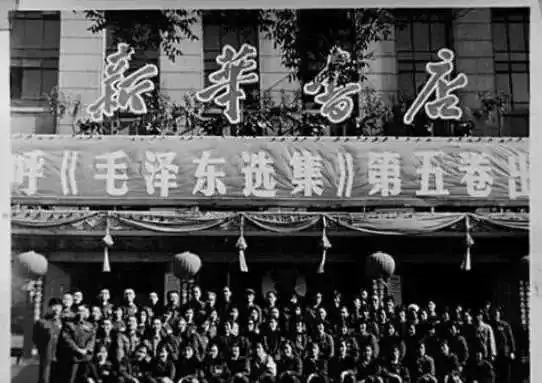
County-level Xinhua Bookstore outlets have been generally established to carry out mobile book selling services. While relying on supply and marketing cooperatives to expand rural book distribution outlets, Xinhua Bookstore is also trying to rely on its own strength to strengthen rural book distribution. By the first half of 1956, Xinhua Bookstore had established branches in all counties across the country, and each county-level branch was equipped with mobile supply personnel for rural distribution to provide mobile book sales for rural areas. In 1956, there were about 4,000 mobile book supply personnel nationwide. In addition, the county-level Xinhua Bookstore also helps agricultural cooperatives establish and consolidate rural libraries, etc., so as to improve the ability of rural book distribution.
After unremitting efforts, before the "Cultural Revolution", a rural book distribution network combining "specialist, concurrent and group" was gradually formed. The supply and marketing cooperatives that also run books are the assistants, and the so-called "groups" rely on all available mass amateur publishing forces in the countryside. The three-combined rural book distribution network is an integral part of the book distribution system with Chinese characteristics, which effectively guarantees the purchase of books by rural residents and becomes one of the infrastructures for farmers to read.
(4) Carrying out national reading activities
In the 1930s, the national government once launched a national reading movement, "but due to continuous wars, political corruption, military incompetence, and economic collapse, this process was constantly disrupted, and the reading movement failed to be sustained and effective. After the founding of New China, in order to develop a scientific and popular culture of the nation, and to serve more than 90% of the workers and peasants in the whole nation, one of the important ways is to carry out reading activities for all. In most countries, organizing peasant reading is a top priority.
In October 1950, the General Administration of Publishing issued the "Five Resolutions of the First Publishing Conference", which clearly stated: "Assist factories, mines, rural areas, troops, government agencies, and schools to establish libraries, reading rooms, reading clubs, book and newspaper Supply stations, etc., to carry out reading activities." In December 1950, the General Administration of Publishing issued a circular on launching a reading campaign to hold cheap books and periodicals, and Xinhua Bookstore formulated a plan to launch a reading campaign and distribute cheap books. Focus on promoting the reading movement of the workers, peasants and soldiers throughout the country. In order to organize and promote the study of cadres, a part of the funds was specially allocated to print 77,420 volumes of "Selected Works of Mao Zedong" and 300 types of "popular reading materials" by Xinhua Bookstore, and 20,000 sets (6 million volumes) were distributed to workers, peasants and soldiers at half price. room. In September 1951, Ye Shengtao, deputy director of the General Administration of Publishing, specifically mentioned at the first National Publishing Administrative Conference that he planned to publish the journal "Book Review" and expand the distribution network to rural areas, factories, and mines, etc. . On December 29 of the same year, the General Administration of Publishing issued an instruction to the head office of Xinhua Bookstore on the printing and publishing of the 1952 Reading Movement series and the establishment of a library. 10,000 sets, 20,000 sets were printed by the army, 40,000 sets were printed by farmers, a total of 70,000 sets were provided for the reading movement.
This nationwide reading movement focuses on workers, peasants and soldiers, that is, the less educated groups in the main force of national construction. Although it covers a large number of readers, it is different from the later national reading activities and is still aimed at specific people. The reading activities of the group have not yet reached the scope of the whole people. This national reading movement was advocated by the national publishing administration and supplemented by certain policies, which played a positive role in promoting reading, and also constituted a part of peasant reading in the early days of New China. However, due to the country's limited material and financial resources at that time, and limited awareness of reading work, the national reading movement failed to persist and did not spread.
新中国农民阅读史(1949—1966)
毛泽东非常重视农民,无论是政治上还是文化上,早在1945年中国共产党第七次代表大会上,毛泽东在所作的《论联合政府》的报告中指出:“农民——这是现阶段中国文化运动的主要对象。所谓扫除文盲,所谓普及教育,所谓大众文艺,所谓国民卫生,离开了三亿六千万农民,岂非大半成了空话?”1949年6月30日,在新中国成立前夕,毛泽东为纪念中国共产党成立28周年写了《论人民民主专政》一文,他又提出“严重的问题是教育农民”。因此,新中国成立以后,党和政府采取多方面的措施,不遗余力地提高农民的文化水平,提升农民的阅读能力,以达到使之更好地参与新中国伟大建设事业中来的目的。
一、新中国成立初期农民阅读的基本背景
新中国是在半封建、半殖民地的旧中国基础之上建立,不仅经济基础薄弱、基本建设落后,而且国民的受教育程度很低,当时农村人口与阅读有以下几个特点:一是农村人口众多,占全国人口比例很高。1952年全国总人口57482万人,其中农村人口50319万人,占全国人口的87.54%,到1965年,全国人口增长到72538万人,农村人口也增长到了59493万人,农村人口比例仍占82.02%。二是农民的文化水平普遍低,不识字的人占绝对多数,基本没有阅读能力。新中国刚刚成立时,全国总人口中80%以上为文盲,农村的文盲率高达95%以上,可以说当时的农村除了少数地主、官吏、商人以外几乎没有人识字。如山西农村630万文盲,90%以上的干部群众是文盲。如北京郊区农民有90%以上为文盲或半文盲。另据西北新闻出版局1953年所作的《蓝田调查报告》,蓝田县2个区、2个乡、2个村的各级干部文化是:县级干部,高中程度占16%,初中占54%,高小占30%;区级干部高中程度占11%,初中占64%,高小占23%,不识字的占2%;乡干部初中占32%,小学占59%,不识字占8%;村干部大部分为初小,占52%,高小占14%,不识字占32%。农民中不识字者占80%-85%。“这次调查的地区是文化水平较高的地区,一般农村的文化状况当比这为差”。三是农村的阅读设施基本处于空白。1949年全国公共图书馆只有55个,到1965年增加到了562个,如此少的数量,不要说农村居民无法使用公共图书馆,就是全国2000多个县城居民也难以普遍享有公共图书馆。同时,图书发行网点的数量也不足,1950年,全国国营图书发行网点742个,且主要在大中城市,民营的图书发行网点也没有深入到农村。1965年,全国国营图书发行网点增加到3911个,多数县城有了新华书店的网点,并且供销社、商业部门售书点也增加到48287个,但是也只能延伸到乡镇一级,广袤的农村仍然空白,离城镇远的乡村农民看书更是难事。新中国成立初期大多数农民既没有能力看书,也没有条件看书。要建设新中国,不解放农民生产力,不改变农民的思想观念,不提高农民的文化水平与技能,一切都无从谈起。
二、开展与普及农民阅读的主要做法
(一)开展扫盲运动与识字运动
教育农民,首先从识字开始。中国共产党一直非常重视对普通群众的宣传教育,新中国成立前就在许多苏区和根据地开展过扫盲与识字运动,以提高群众的文化水平,提升其阅读能力。1945年,在中国共产党第七次代表大会上,毛泽东在《论联合政府》报告时特别提出:“从百分之八十的人口中扫除文盲,是新中国的一项重要工作。”
新中国成立不久,中国共产党人面对百废待兴的建设局面,没有忘记之前的承诺,把扫盲当作一项事关全局的、事关长远的工作,采取多方面的措施,持之以恒地推动,很快就改变了2000多年来绝大多数农民不识字的历史,改变了农民不能读书的历史。
1.中共中央发布系列指示,指导识字运动
新中国成立以后,识字运动在各地已经陆续开始,1950年9月,教育部和全国总工会联合召开了第一次工农教育会议,明确指出:“推行识字教育,逐步减少文盲。”为了更好地指导全国的识字运动,1952年9月1日,中共中央发出了《关于推行速成识字法开展扫除文盲运动的指示》,同年12月8日中共中央发出《关于扫除文盲运动的补充指示》,向全国发出了扫除文盲的动员令,从此识字、扫盲成为全国各行各业普遍开展的一场社会运动,也是一场全民战争。在经过几年的运动之后,1956年3月29日,中共中央、国务院又发布《关于扫除文盲的决定》,对进一步开展扫盲运动做出全面部署。此外,中央还批转或转发过华北局、教育部党组等有关识字扫盲的报告,由此构成党和政府指导开展识字与扫盲运动的总体部署。
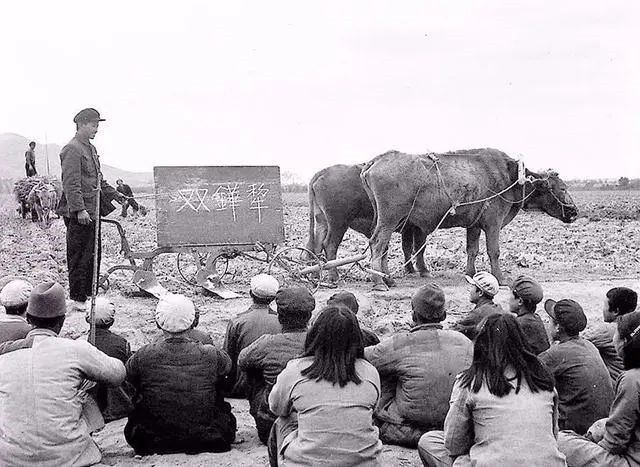
中央认为,从工农兵劳动人民及工农干部中扫除文盲,是我们的国家实行经济建设与民主建设的必要条件,开展识字运动,完全符合国家和劳动人民的需要的,是正确的。各地党委应将开展扫盲运动,作为一项迫切和重大的政治任务,并应以领导历次革命政治运动的精神,来领导这一具有伟大历史意义的运动,以期在今后五年至十年内达到扫除全国文盲之目的。为了真正落实识字的要求,中央文件对不同群体的学习还作出了细致的规定:如工人在能维持原有生产水平的条件下分批分期地在三个月的时间内,将每日生产时间缩短两小时,再加每日业余时间两小时(在此时间内,停止一切不重要的会议与其他学习),每日集中学习文化四小时;农民主要是集中使用冬闲时期,每日以整日或半日时间突击学习。城市劳动人民的扫盲,可采取分期集中学习和业余学习相结合的方式,由各地扫盲协会、文化馆、成人业余学校以及其他一切可以利用的房屋和设备组织教学。
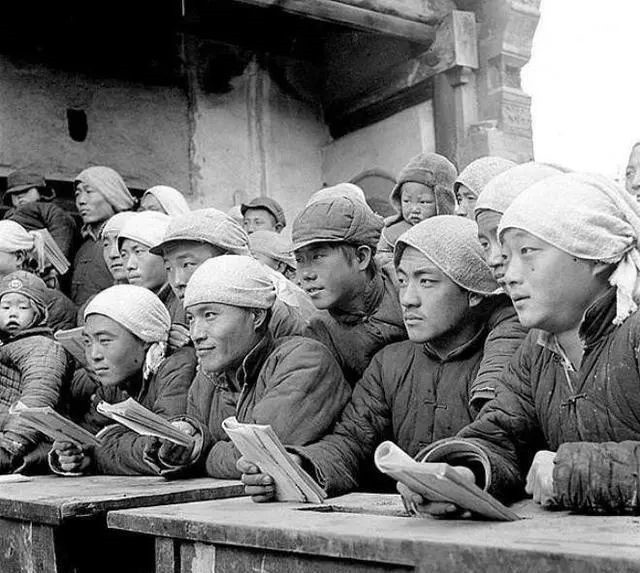
识字扫盲运动的整体目标是:从1952年冬1953年春开始,争取在两年内扫除各级机关团体的工农干部中的文盲,在三四年内扫除全体产业工人中的文盲,在六七年内扫除全国青壮年农民和行业工人的文盲,务求在十年内将全国文盲全部扫除。
关于识字或者说脱盲的标准,1952年中央的指示提出:认字2000个左右,阅读最通俗的书报,写二三百字的信件文稿。1956年1月中央转发教育部党组《关于扫除文盲工作的请示》,对这一标准又有微调:关于识字标准,建议工人为2000个左右,农民为1500个左右。教育部认为,识了1000个字左右就可以看通俗书报,写简单的便条,记简单的账。因此规定农民识字标准1500个并不算低。
2.建立各级组织机构,领导识字运动
为了有效地领导扫盲运动,中央决定:从中央到县均设立扫除文盲委员会。其成员应包括党委、政府、工会、妇联、青年团、农会等部门,以及教育、文化、出版、报纸、广播等部门的代表。扫盲委员会的任务,包括决定扫盲运动的方针和计划,指导与组织政府文教及工、农、青、妇各有关方面有计划地配合进行;计划教材读物与宣传工具的供应;计划识字教师的训练与调配;规定经费开支标准与预算;筹划与调配为扫盲所需要的房屋和设备;进行工作检查,总结与推广教学经验,及时纠正偏差等。1953年10月中共中央发出《关于各级扫盲委员会编制问题的指示》,同意各级扫盲委员会的编制列入行政编制。
1952年11月5日,中央人民政府委员会第19次会议通过决议,成立中央扫除文盲工作委员会,任命楚图南为主任委员,李昌(兼党组书记)、林汉达、祁建华为副主任委员。扫除文盲工作委员会设办公厅、城市扫盲工作司、农村扫盲工作司、编审司。经政务院批准1953年起扫除文盲工作委员会与教育部合署办公,1954年扫除文盲工作委员会正式合并于教育部。按照中央的要求,各省市区县都成立扫盲工作委员会,负责组织各地的扫盲运动。
1953年11月,中央扫除文盲工作委员会发布了《关于扫盲标准、毕业考试等暂行办法》,规定:扫盲标准根据干部、工人、农民不同对象有不同要求,干部和工人认识2000个常用字,城市劳动人民认识1500个常用字,农民认识1000个常用字。参加扫盲培训班的人员要经过考试,内容包括识字、阅读、写作,识字要达到课本生字60%以上,阅读要能流利阅读所有课本的最后一册,考试合格为非文盲。
1956年3月,为了动员一切社会力量参与扫盲活动,全国扫除文盲协会在北京成立,国务院副总理陈毅担任会长,吴玉章、林枫、张奚若、胡耀邦、董纯才为副会长。大会通过了《全国扫除文盲协会章程》、省、市、县、乡(村)、街道均设立相应组织,县以上扫除文盲协会可成立办事机构,设专职人员,经费由政府预算支出。1958年扫盲协会停止活动。
全国性的扫盲是一场“具有伟大历史意义的运动”,“是我国文化史上的一个大革命”,这场运动不仅需要全民的参与,还需要全社会力量共同发力,建立从上到下的各级扫盲工作委员会以及扫盲协会,其目的都是动员各级政府、社会各个方面都要积极投身于这场伟大的文化革命,使这场运动有了坚强的组织保障。
全国性的扫盲,不仅是一场文化革命,还是一场政治任务。党中央多次发文,毛泽东持续关注并多次作出批示、指示,使这一场运动具有了极强的政治属性。如1955年10月,在中国共产党七届六中全会上,毛泽东说:“扫盲运动,我看要扫起来才好。有些地方把扫盲运动扫掉了,这不好。要在合作化中间把文盲扫掉,不是把扫盲运动扫掉,不是扫扫盲,而是扫盲。”之后,毛泽东还亲自制定了“每人必须认识1500到2000个字”的扫盲标准。再如1956年1月正式出版的《中国农村的社会主义高潮》一书,不仅收入了毛泽东为这部书写的序言,还收入了43篇按语(毛泽东在编辑这本书时写了104篇按语),其中第38篇按语是为《莒南县高家柳沟村青年团支部创办记工学习班的经验》一文写的,对山东省莒南县高家柳沟村青年团支部创办记工学习班的经验予以肯定,并对结合实际分阶段编辑识字课本提出了具体建议。正是由于把扫盲当作政治任务来抓,各级党委政府才能以更高的热情、更大的力度予以推动,使扫盲运动取得令世人瞩目的成就。
3.推荐识字法,编写识字课本,辅导识字运动
要让不识字的人在短时间内认识一定数量的字,并不是一件容易的事。为了帮助人们尽快脱盲,各地创造了许多的学习方法,编写了许多各具特色的识字课本。
推广速成识字法。“速成识字法”是人民解放军西南军区某军文化教员祁建华在1950年试验成功一种新型快速的扫盲识字法。运用此法在150小时左右的教学时间内,可使一般文盲和识字不多的人初步会认、会讲1500—2000个汉字(离开注音符号),然后通过阅读、写作,逐渐巩固与熟练所识的字,达到“四会”(认、讲、写、用)的目的,求得能阅读通俗读物,写简单的应用文,基本上完成消除文盲的任务。
祁建华速成识字法,首先在部队和工厂进行实验。1951年西南军区先后开办了87个实验班,在12657个工人、农民出身的干部战士和3030个文化教员中试验有效。在第二期实验班中,经过3天教学,原本平均识字1009个的73人提高到平均初步识字2327个,每人粗读了30本通俗读物、32份报纸,写信22篇,效果非常明显。
由于识字效果显著,1952年中共中央把速成识字法作为重要的方法在全国范围内予以推广,各地也普遍运用此法开展识字运动。
编写识字读物。中央对识字课本与相关读物的编写出版很重视,在《关于推行速成识字法开展扫除文盲运动的指示》中,对各部门在教材、读物与教学工具编印制发中的职责作出明确的分工:教育部即协同总工会文教部门等有关方面,集中力量编审教材、教师手册及速成识字的教学工具(如挂图、字片等)。出版总署应即组织各方面人力,分工编印大量通俗书刊。文化部应定出幻灯片机的生产供应计划。电影局应定出速成识字法教育片的摄制与供应计划。广播局应定出灌片广播供应计划。工会、青年团、妇联、合作社及各地文教机关均应根据需要,有计划地配合工作,以保证扫盲运动展开后教材与教学工具的供应。全国的工农报纸及通俗刊物,均应立即配合这一运动做必要的布置,使这些通俗报刊成为工农在识字以后巩固其学习成果,并进一步提高文化与政治的读物。
在整个识字运动过程中,许多出版社出版了类型丰富的识字课本,如人民教育出版社1951年6月出版的《民校识字课本》,华南人民出版社1952年11月出版的《广州音农民速成识字课本》,东北人民出版社1952年出版的《速成识字课本》,人民出版社1952年出版的《速成识字手册》,青年出版社1952年出版的《介绍速成识字法》,以及文字改革出版社1958年12月出版的《昔阳县农民识字课本注音本》等。
识字运动的广泛开展,对于广大群众,特别是农民的脱盲起到了巨大的促进作用,截止到1956年,全国近一亿人脱盲。到1964年,全国6岁及以上的55542万人中,识字人口已经达到了2.4亿,识字人口比例已经提高到44%,其中农民占多数。农民识字人口的大大增加,是对几千年来农村社会结构、社会文化的再造,是塑造新型农民的前提,为随后展开的社会主义建设及农村各项运动奠定了基础,也是农民自主阅读的前提。
(二)建立农村图书室
农村图书室的建立始于新中国成立前夕的东北地区,是作为书刊发行工作的一部分,由新华书店指导支持建立的。1949年10月6日,东北新华书店经理李文在全国新华书店出版工作会议上向大会汇报东北新华书店的工作时说:东北发行工作,在大城市未接收以前,乡村发行是重要的工作。新华书店的支店“帮助农会建立小型图书室,小的支店以下乡为主,中等县支店采取城乡兼顾方针,每月有一两次抽人下乡。有的城市设立了阅览室,作为城市文化活动的中心”。1950年9月19日,在全国出版工作会议上,发行组组长王益在介绍全国一年来书刊发行工作的概况时说:农村流动工作,在老解放区又有了进一步的发展。东北去年成立了4937个农村小图书室,这些图书室有的备有几万元钱(旧币)的书,有的甚至买了几十万元钱的书。这些图书室正在整理巩固中。同时山东也开始建立农村图书室。出版总署总结并推广了这种做法,“规定深入工厂、农村普遍建立图书室工作是出版发行工作的重要任务之一。”到1952年8月,全国已经建立图书室30000个以上,一部分是部队、工厂图书室,大部分是农村图书室。图书室的建立“大大受到了农民的欢迎。有许多地区在开馆的第一天,张灯结彩,放鞭炮庆贺”。中南金溪乡图书室开放的第一天,有百多个农民来看书,3天内借出书刊80多册。河北昌黎指挥村图书室,一个月借书达750次。有的农民书不离手,抗旱抢种、下地送粪时也带着书看,叫作“生产学习两加工”。
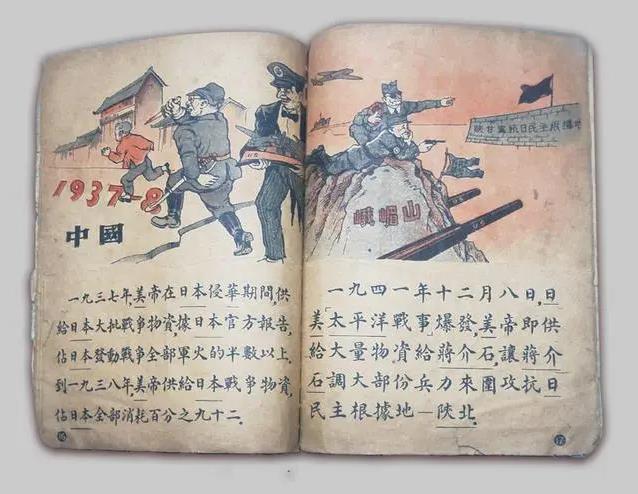
农村图书室的建立,激发了农民阅读的积极性,河北定县翟城村,“在短短的一个半月中,翟城村图书馆已做出很大成绩。从图书的借阅情况方面看:全部280种图书(每种只一本)先后已经有286人借阅,占全村识字人数的40%强,其中男214人,女72人。60多岁的老农民韩俊德、秦志聚戴上花镜看《美帝怎样侵略中国》和《新婚姻法》。上过四年民校的家庭妇女张焕成、秦春义、米庆和借《妇婴卫生》看。六岁没入学的孩子米虎儿、徐希庆看连环画《百万雄师渡长江》。这种情形确是农村数千年来所没有过的。”再如河北涉县原曲村图书室开放以后,年老的来看挂图,年小的看画报,民校的男女学员多来借书,人来人往,拥挤得很。据1951年2月7日至21日半个月的统计:参观的每天有200多人,每日平均有13个人借书。到了农忙时,人数不但没有减少,反而增加了很多。从10月10日到29日的19天内,借书的有49人,阅读的170多人。当展览“幸福的孩子”的画片时,白天的参观人数达到了466人;到了黄昏,全村男女老少都来参观,人数就增加到1264人。图书室成立9个月,借书的就有735人(内有妇女82人),参观的有4964人。根据调查,只要图书适合群众需要,群众是很爱看的。如《农村应用文》借出过8次,《李自成故事》13次,《梁山伯祝英台》5次,《王贵与李香香》28次,《看图识字》111次。因此可见,农民的阅读热情高涨,农村图书室在满足农民阅读需求方面担负起了重要的责任。
1953年2月,中共中央正式下发了《关于农业生产互助合作的决议》,农业生产互助合作运动很快发展起来,1955年7月,毛泽东做了《农业合作化的报告》,10月中共七届六中全会通过了《关于农业合作化问题的决议》,全国掀起了农业合作化的高潮。为了配合农业合作化的发展,1956年2月,文化部先后与中华全国供销合作总社、共青团中央联合发布有关加强农村图书发行、开展农村文化的联合通知,要求建立农村图书室等。
1958年“大跃进”把农村图书室的建设推向高潮,如浙江省缙云县五云镇,1957年全镇有图书室13个,1960年增加到26个。如云南永仁县的农村图书室由原来的18个增加到1958年的164个,如四川南充1956年,为适应农业合作化需要,各区由单纯图书室变成农村俱乐部,到11月农村图书室发展至195个,有图书24019册,形成农村图书网点,至1957年农村图书室发展至203个。农业合作化以后,图书室一般都设在农业社内,受俱乐部领导。1958年8月,四川省文化局在南充召开农村文化工作现场会,当时农村图书室已激增至653个,除公社和大队一级的图书室外,其余全部建立在公共食堂。1956年新华社发布新闻说:上海市已经建立140多个农村图书室,其中三分之一以上是在春节期间建立的。春节期间,这些图书室已经接待了大部分来自附近的农民读者。上海市文化局已经在郊区农民中训练了200多个图书室管理员。据不完全统计,到1958年7月,全国有农村图书室约20万个,其中藏书少的有二三百册,最多的达三四千册。
1961年以后,由于受三年自然灾害的影响,农村图书室陆续减少,“文革”开始以后,基本停止了。20世纪70年代,特别是“文革”结束以后,一些地方农村图书室陆续重建。
在农村图书室的建立与发展过程中,个别地方也曾出现过不顾农民意愿,盲目发展图书室或配送不适合农民阅读的情况,1953年6月,出版总署就曾通报了山东新华书店昌南支店盲目发展农村图书室和专业发行员造成严重恶果的情况。提出:由新闻出版行政机关和新华书店去建立农村图书室和主动发书的工作,应该停止进行。农村建立图书室应该出于群众自愿,向书店购书也应出于自愿,不得借建立农村图书室为名,向农民群众摊款派书。
在农村广泛建立图书室,在中国没有历史经验可循,对国外如何建设,也没有足够的经验可以参照,因此整个建设、管理工作都存在许多不足。1958年7月1日《光明日报》发表的《大力加强和改进农村图书室的工作》的评论员文章,从4个方面总结了农村图书室存在的缺点与问题:一是图书副本多,内容陈旧,又未能定期购买新书;二是管理工作较差,丢失图书的现象严重;三是没有很好地依靠群众,发动群众来办理图书室;四是县图书馆和文化宫对农村图书室的辅导和图书流通工作没有大力开展。
现在来看,新中国成立初期在农村普遍建立图书室,虽然其愿望是好的,但是由于国家没有统一规划与部署,特别是各级政府也没有财政资金的投入,使得图书室的建设与生存存在困难,农村图书室的图书或靠企业捐赠,或靠农村自购,或靠农民购买,如湖南双峰白石乡农民“每月保证多打一双草鞋,卖出钱来买书看”,有的地区号召“百元运动”(每人每月捐100元),有的地区农民自愿认捐等,导致图书室图书数量多少不一,且许多图书室更新缓慢,过一段时间以后就失去了吸引力。另外,图书室的管理机制也没有形成,所以没有坚持下来。当时也曾经提出市、县图书馆和文化宫也应把农村图书室作为流通据点,要根据勤俭节约的原则,很好地选购适合农民需要的图书,但是县图书馆、文化宫可用于购买图书的经费同样拮据,帮助农村图书室购书实际上也难以落实。所以1960年前后,伴随着三年自然灾害的出现,农村图书室也逐渐停止。
早期农村图书室的建立,是新中国在农村建设阅读基础设施的一次探索与尝试。这次活动始于新中国成立前夕,推广普及于新中国成立伊始,结束于“文革”开始。整个时间持续十六七年。这项工作是政府号召(出版总署)与推动,其他社会组织(共青团中央、中华全国供销合作总社等)配合,企业(新华书店)与农村建设,契合了新中国成立初期,农村社会组织再造与重构的大势,配合了在农村开展的各项宣传教育活动与政治运动,在引导与鼓励农民阅读方面发挥了积极的作用。这次农村图书室的建设实践也为后来农家书屋的建设提供了历史的经验。
(三)组织农村出版物的出版与发行
面对80%以上的人口在农村这样一个现实,农村图书发行工作的重要性更加突出,1950年10月政务院发布的《关于改进和发展全国出版事业的指示》说:“书刊的发行工作应当充分改善,以改变目前广大人民得不到读物的现象。国营的新华书店应从速完成其全国分支店的统一经营。国营书店应团结与组织一切私营的书店(包括代售书刊的摊贩小贩),共同把书刊发行工作做好,并逐渐在工厂、矿山、农村、部队、学校、机关中设立各种书刊代售代订处、书亭、书摊、图书室和流动的书刊供应组织等。”但是旧中国留给我们的基层非常薄弱,不仅广大农村图书发行网点几乎为零,所有图书创作的对象也是面向市民而非农民,适合农民阅读的图书几乎也是零。要满足农民图书阅读的需要,也要两手抓,抓两手,即一手是编写、出版适合农民、农村需求的书报刊,另一手是设法使书报刊能够顺畅地送达农民手中。
1.建立面向农村与农民的书刊出版机构
新中国成立以后,党和政府在出版机构设立问题上是有总体布局的,即按照不同地区、不同行业分布建立专业性和区域性的出版机构。面向农村的图书出版机构建设,也在总体布局当中。1951年中央曾经拟定了《关于加强工农读物出版工作的决定(草案)》,提出各省必须出版以农民为对象的通俗报纸,各大区创办通俗期刊,给工厂和农村宣传人员阅读,中央和各大区人民出版社,要设立管理通俗图书期刊的部门,或专门的出版社,出版通俗图书。虽然这一草案未见正式发布,但是其后农村图书出版工作基本上遵照这个文件的精神开展的。1966年之前成立的面向农民的出版机构主要有:
一是通俗读物出版社。1953年10月出版总署党组小组给习仲勋、胡乔木及中宣部上报了成立通俗读物出版社的请示报告,陈述了设立通俗读物出版社的理由,提出了通俗读物出版社的方针、任务及内设部门,对与其他出版社关系也做了划分。12月8日,经毛泽东、刘少奇、习仲勋、凯丰、胡乔木等阅批,中宣部向全国发出关于成立通俗读物出版社的决定,规定通俗读物出版社的方针是:以识字2000以上(即完成扫盲识字学习)到初中程度的工农兵及基层干部为主要读者,编辑出版社会科学常识的书刊(即《学习初级版》),通俗系统的时事政治和政策法令的书刊(即时事手册),语文史地自然常识、文艺等通俗书籍。由毛泽东等众多中央领导签发一个出版社成立的决定,可见这个出版社不一般。
通俗读物出版社的读者对象是工农兵,农民读者是重要的服务群体。出版总署党组小组在给中宣部的报告中,专门附了一份《通俗书籍的需要和出版情况》,对工人、农民、解放军三个读者群体进行了分析,其中农村读者,主要包括农民、农村干部和农村教员学生,并且以华北新华书店任丘支店的读者购书情况分析为例,强调农村教员学生对工具书和教学参考书的普遍需要。1953—1958年,通俗读物出版社共编辑出版各类通俗读物(包括一小部分画册、连环画)1700多种,是当时全国出书最多的出版社之一。这些图书,少的印几万册,多的印几十万册,最多的达百万册,甚至几百万册。1958年,通俗读物出版社并入人民出版社,成为几个编辑部。1963年8月,在周恩来的关心下,以人民出版社通俗读物编辑部为基础,又成立了农村读物出版社,担负起面向农村的图书出版工作,“文革”期间,农村读物出版社的编辑出版人员下放干校,出版社停止了工作。“文革”后复建,1993年与农业出版社合并成立中国农业出版社。
二是成立农业出版社和科学普及出版社。1954年2月,中共七届四中全会正式批准了党在过渡时期的总路线,其中重要的内容之一是对农业、手工业的社会主义改造,这就涉及对农民的宣传、组织等工作。毛泽东特别关注对农民的教育组织工作,1955年11月下旬,毛泽东对加强农民读物出版工作作出指示,中宣部召集有关方面进行传达和研究。1956年1月,文化部给中央递交了关于加强农民通俗读物出版发行工作的请示报告,提出为了加强农民读物的出版力量,成立农业出版社、科学普及出版社,以及成立少年儿童出版社。将原公私合营的财政经济出版社改组为农业出版社,由农业部直接领导,出版农业科学技术与农业经济书籍;以原科学普及协会的编辑出版机构为基础组建科学普及出版社,出版自然科学生产技术的书籍图画;少年儿童出版社也出版适合农村少年儿童阅读的书籍图画。
为了使新建立的面向农业的出版机构有足够的合格编辑出版人员,文化部还提出:“请中央统一调配有农村工作经验并有一定编辑能力的干部20名,分别担任新成立和应该加强的几个出版社的总编辑、副总编辑和各编辑部主任。同时希望国务院所属各业务部门注意充实所属出版社的通俗书籍的编辑干部。”
随着通俗读物出版社、农业出版社、科学普及出版社等出版机构的相继建立,农村读物的编辑出版力量壮大起来,如通俗读物出版社初建时拟定200个人的编制,但是到1955年已经达到240人,其他出版社的编辑出版人员也得到加强。
在北京成立通俗读物出版社之前,湖南1951年成立了湖南通俗读物出版社、辽宁1952年成立了辽东通俗读物出版社,共同参与面向工农兵的通俗读物出版,由此构成了专业的农业农村出版机构。
面向农村、农业与农民的专业出版机构的建立,为农业农村读物的出版提供了专业的力量,为农民阅读提供了专门的出版物,构成了中国农民阅读的重要组成部分。
2.组织面向农民的通俗读物、农村读物出版
农民阅读既有大众阅读的一般特征,也有与其职业紧密相关的专业特征,特别是在经济社会不发达,城乡差距较大的时代,专业特征更加明显,其主要表现是:农民的文化水平普遍较低,对通俗读物的需求高于城市;阅读是生产需要,还没有达到生活需要的境界,阅读更多的是为农村农业生产服务,而非提高自身文化修养、丰富精神需求。因此,满足这两种特征,适合农民文化水平与生产需要的书刊出版,也就成为一种重要的出版活动。
适合农民文化水平的首先是通俗读物的出版。但通俗读物的出版不仅仅是满足农民的需要,还有大量的文化程度不高的工人、战士等,早在1951年,中宣部就召开了通俗报刊图书出版工作会议,部署通俗读物出版工作,中宣部部长陆定一说,出版通俗出版物,满足群众需求是一个重大的原则问题,“通俗工作是我们国家的大工作,大家应当努力做这工作”。1956年,文化部党组给中宣部和中央写请示报告,提出全面规划农民通俗读物出版,包括编辑出版供应扫盲毕业学员学习的语文、历史、地理、政治常识、自然常识、卫生常识等六种课本形式的基本读物;编辑出版10套供农民阅读的通俗小丛书;编选通俗文库100本至200本;编绘出版若干套基本知识挂图;编辑扫盲课本;改造《农村青年》《连环画报》等杂志,增强了面向农民的专业特色。在政府部门的总体规划与出版单位的积极参与下,农村读物的出版很快见到了成效,1958年,全国出版通俗读物达到了12299种,455484千册的历史性高位。1959年以后,农村读物出版数量虽有所减少,但是1960年仍然出版4688种,125192千册,约占当年全国图书出版品种的1/6,印数的1/4。
在通俗读物出版当中,通俗丛书、文库受到格外关注,各地出版的通俗丛书类型很多,综合性的丛书如:中国青年出版社的《农村青年知识丛书》等,政治经济类的丛书如:通俗读物出版社的《政治经济学通俗丛书》、农业出版社的《人民公社小丛书》等,文学艺术类如:音乐出版社的《通俗音乐小丛书》、人民美术出版社的《群众美术文库等》,此外文化教育、科学技术、儿童读物等各方面都有一些丛书出版。在文库的出版当中,有两套文库特别引人注目,一套是《工农通俗文库》,一套是《工农百科知识文库》,这两套文库是文化部1960年提出的,作为出版业支援农业的重要措施,《工农通俗文库》委托上海市出版局组织实施,《工农百科知识文库》委托中央一级出版社实施。
中央对农民读书问题的关注是持续的,1964年1月14日至31日,文化部召开了农村读物出版工作座谈会,提出了进一步加强农村读物出版工作的11项措施,包括制定出书规划、充实农村读物出版社编辑骨干力量、降低农村读物售价等。1965年5月20日至6月8日,文化部又召开了全国农村图书发行工作会议,提出了加强农村读物发行工作的4项措施,包括大力整顿队伍,抓好供应、渠道和据点,疏通图书下乡渠道等。1965年8月,文化部出版局还组织相关出版社、印刷公司、新华书店研究,共同出版“农村版图书”,并在1965年选拔第一批14种“农村版图书”,包括《红岩》《艳阳天》等文学图书,也包括《农村实用手册》《怎样使用农药》等农村实用图书,这些图书“定价采取只收回印制成本等办法予以大幅度降低,允许稍赔一点。”有力地促进了农民的阅读。
3.建立辐射农村的基层发行网络
中央认为:“加强通俗书报在农村中的发行工作,是加强整个农村政治工作的一项重要工作。必须认识发行工作是党对人民群众进行宣传教育的一个重要环节。”但是如何实现把书报刊发行到幅员广阔、人员分散的农村是一个历史性难题,也是农业国普遍性的难题,新中国成立以后,党和政府一直在探索把图书发行网络延伸至乡村去的途径,包括建立农村图书室、发行站等,以期建设辐射乡村的出版物发行体系。
建立全国报纸书刊发行网。1951年政务院通过了《建立全国报纸书刊发行网的决定》,提出:认真动员与组织国家的与社会的各种发行力量,迅速地建立全国的广大规模的报纸书刊发行网。政务院要求邮电部、铁道部、交通部、文化部、出版总署、合作总社等机关责成所属的邮电局、铁路局、文化馆(站)、报社、新华书店、合作社等,并组织其他社会力量,有计划有步骤地在工厂、矿山、农村、部队、机关、团体、学校、车站、列车、职工生活供应站、轮船,设置报亭、书亭、文化供应站、发行站和专业的发行员或非专业的推销员,经常发卖报纸书刊。这个决定,可以说是建立覆盖全国、包括农村书刊发行网络的总要求总部署。此后,全国书刊发行网络进一步普及,对书刊发行体系的建立起到了积极的作用,但是由于中国的情况十分复杂,要真正建立起辐射广大农村的发行网络,其难度是巨大的,广大农村居民购买书刊的问题依然没有解决。
利用农村供销社建立售书点。1954年农业合作化进入第二阶段,对农村书刊发行工作提出了新的更高的要求,但是仅仅依靠新华书店系统,难以有效覆盖和有效延伸至广大农村地区,为此1956年1月23日,文化部党组就加强农民通俗读物出版发行工作向中宣部并中央发出请示报告,提出:在发行方面已经与供销合作总社商定,从1956年起,在2万多个基层供销社常年卖书,其预定目标是全年销售图书3.7亿册。随后,文化部、供销合作总社就加强农村图书发行工作发布了联合指示,并制定了供销社担负农村图书发行工作的实施办法,对新华书店给供销社的批发折扣、供销社退货率等进行了详细的规定,把供销社网点纳入农村图书发行体系中来。
供销社是具有中国特色的社会组织,1949年新中国成立后中华全国合作社联合总社随之成立,其主要的职责是促进农村经济发展、解决农民问题。1954年更名为中华全国供销合作总社,并建立了全国统一的供销合作社系统,面向农村销售各种生活用品和农业物资。1956年文化部、供销合作总社联合指示要求,除少数民族地区外,所有基层供销社都要增加图书发行业务,在基层社领导的文化用品商店内,必须经营书籍。在两个机构的推动下,供销社售书点迅速增加,到1956年6月底,仅仅半年的时间,全国农村供销社已经有22784个机构卖书了,到1965年,全国供销社、商业部门售书点增加到了48287个,成为农村图书发行的重要网点。
普遍建立县级新华书店网点,开展流动售书服务。在依托供销社扩大农村图书发行网点的同时,新华书店也在设法依靠自身力量,加强农村图书发行工作。到1956年上半年,新华书店在全国各县都建立了支店,各县级支店配备面向农村发行的流动供应人员,为农村提供流动售书工作。1956年,全国流动图书供应人员在4000人左右。此外县级新华书店还帮助农业合作社建立和巩固农村图书室等,以此提高农村图书发行能力。
经过坚持不懈的努力,到“文革”前,逐步形成了“专、兼、群”三结合的农村图书发行网,所谓“专”,以专业的新华书店为基干,所谓的“兼”,以兼营图书的供销社为助手,所谓的“群”,以农村中一切可以利用的群众性的业余发行力量为依托。三结合的农村图书发行网,是中国特色的图书发行体系的有机组成部分,有力地保障了农村居民对图书的购买,成为农民阅读的基础设施之一。
(四)开展全国读书活动
20世纪30年代,国民政府曾经搞过一次全国读书运动,“但是由于战事的不断,政治的腐败,军事的无能,经济的崩溃,这一过程被不断打乱,读书运动未能得以持续和有效地落实。”新中国成立以后,为了发展民族的科学的大众的文化,要为全民族中90%以上的工农劳苦民众服务,开展全民阅读活动是重要的途径之一,而在一个农民占绝大多数的国度里,组织好农民阅读则是重中之重。
1950年10月,出版总署发布了《第一届出版会议五项决议》,明确提出:“协助工厂、矿山、农村、部队、机关、学校,建立图书馆、阅览室、读书会、书报供应站等,以开展读书活动。”1950年12月,出版总署又发出了关于开展读书运动举办廉价书刊供应的通报,新华书店制订了开展读书运动发行廉价书刊的计划,从1950年冬季起在全国范围内有重点地推进工农兵群众的读书运动。为了组织和推动干部学习,特拨出一部分经费,由新华书店定印《毛泽东选集》77420部,“通俗读物”300种,20000套(600万册),以配售的方式半价发售给工农兵图书室。1951年9月,出版总署副署长叶圣陶在第一届全国出版行政会议上特别提到为“指导读书运动”,准备出版《图书评论》期刊,并向农村、工厂、矿山扩展发行网等。同年12月29日,出版总署发出了关于印行1952年读书运动丛书及建立图书室办法给新华书店总店的指示,提出1952年读书运动丛书分为工人、农民、部队三种,工人印1万套,部队印2万套,农民印4万套,共7万套,为读书运动提供图书。
这次全国范围的读书运动,其重点是工农兵,也就是国家建设的主力军中文化程度较低的群体,虽然涵盖的读者较多,但是与后来开展的全民阅读活动不同,仍然是针对特定群体的阅读活动,还达不到全民的范畴。这次全国读书运动由国家出版行政管理机关倡导并辅以一定的政策,对推动阅读起到了积极的作用,也构成了新中国初期农民阅读的一部分。但是限于当时国家物力财力有限,限于对阅读工作的认识不高,全国读书运动没有能够坚持下来,没有普及下去。


评论
发表评论